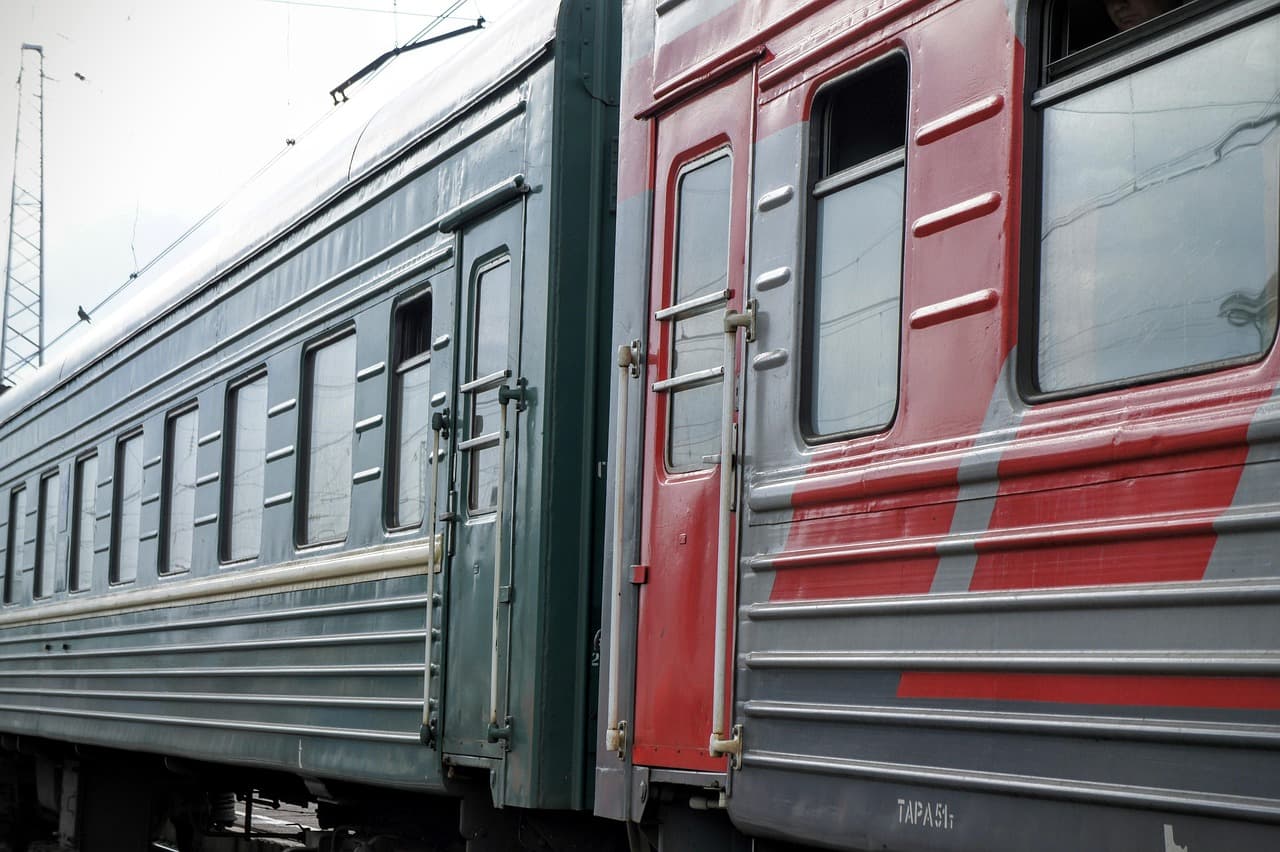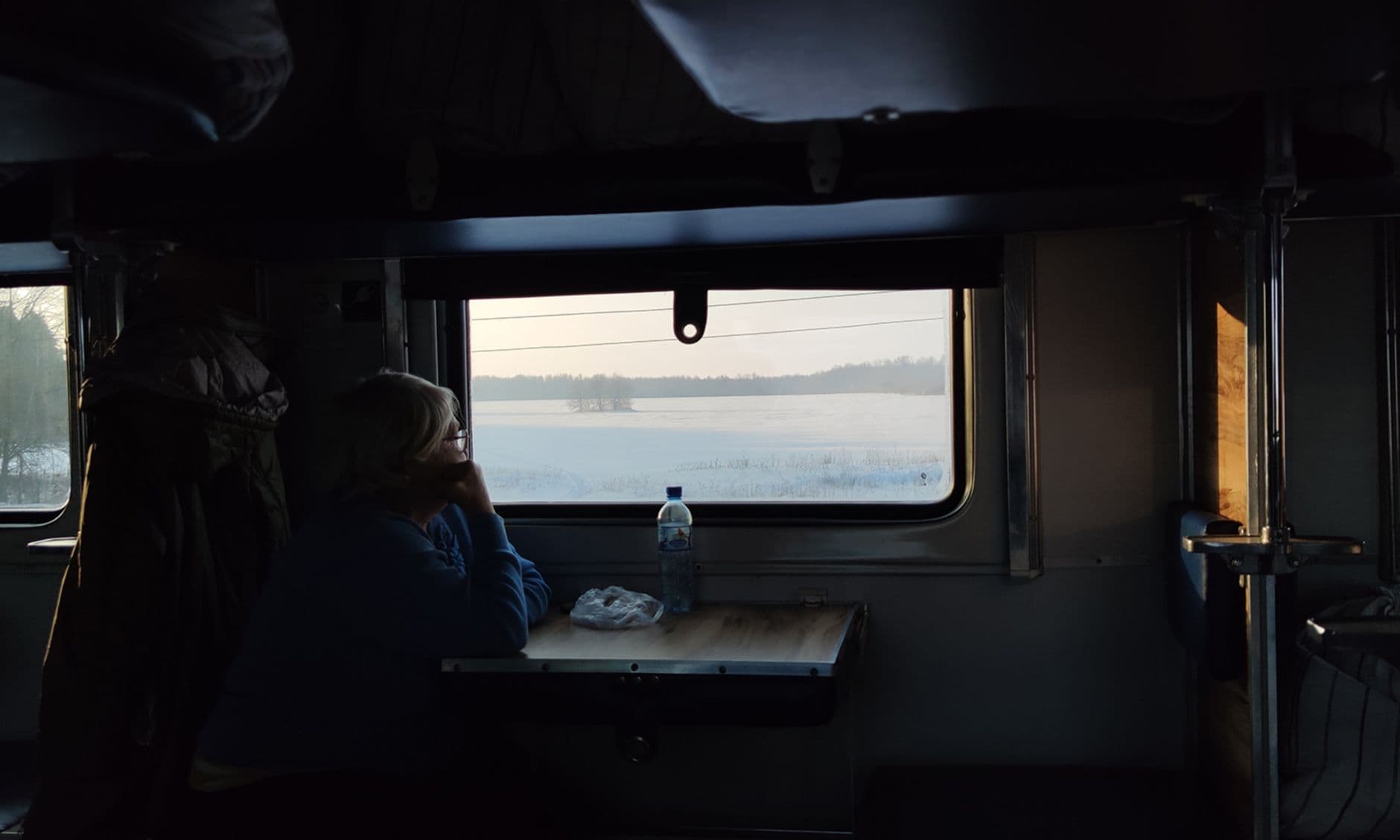

Rozpocznij od porannego spaceru wzdłuż nabrzeża Jeniseju w Krasnojarsku, a następnie wsiądź w tramwaj do nabrzeża, aby zrobić zdjęcie gór po drugiej stronie wody i kup kilka lokalnych produktów na praktyczny początek.
Siedem przystanków rozwija się z kontrastami: Krasnojarsk, Irkuck w pobliżu jeziora Bajkał, gdzie foki nerpa wypływają na powierzchnię latem, Nowosybirsk - najbardziej zaludnione miasto na trasie, Omsk, Ułan-Ude, Tomsk i Władywostok, każde oferujące odmienny rytm, pogodę i cykle żywnościowe. Należy przeznaczyć dużo czasu na zwiedzanie okolic Bajkału i spacery po targach; trasa równoważy podróż lądową z odcinkami kolejowymi.
Zanurz się w kontrastach tajgi i stepu: spróbuj wędzonych ryb, jagód i lokalnych produktów z targów; delektuj się herbatą parzoną z dzikich ziół; w dorzeczu Bajkału możesz zobaczyć nerpy na lodzie lub brzegu latem i obserwować krwisto-czerwony zachód słońca nad wodą. Eurazjatycka mieszanka kulturowa przejawia się w architekturze, muzyce i jedzeniu, a otaczające stepy i góry otaczają horyzont, rezerwaty chroniące bioróżnorodność i inne w regionie.
Zaplanuj każdy etap z praktycznym tempem: wagony sypialne na nocne odcinki i zaplanuj malownicze segmenty wokół letniego światła. W celach wizualnych wykorzystaj kolekcje zdjęć licencjonowane na licencji by-sa, aby zilustrować swoją narrację.
Po udaniu się na wybrzeże Pacyfiku, a następnie ponownym wylądowaniu w głębi lądu, ten siedmioczęściowy łuk składa się we wspomnienie, które pozostaje z tobą długo po ostatnim przystanku; duża część historii toczy się po szynach, pod górami i wzdłuż brzegów Jeniseju i Bajkału, utrzymując syberyjski rytm w twoich płucach.
Praktyczny plan 7 przystanków na trasie Kolei Transsyberyjskiej
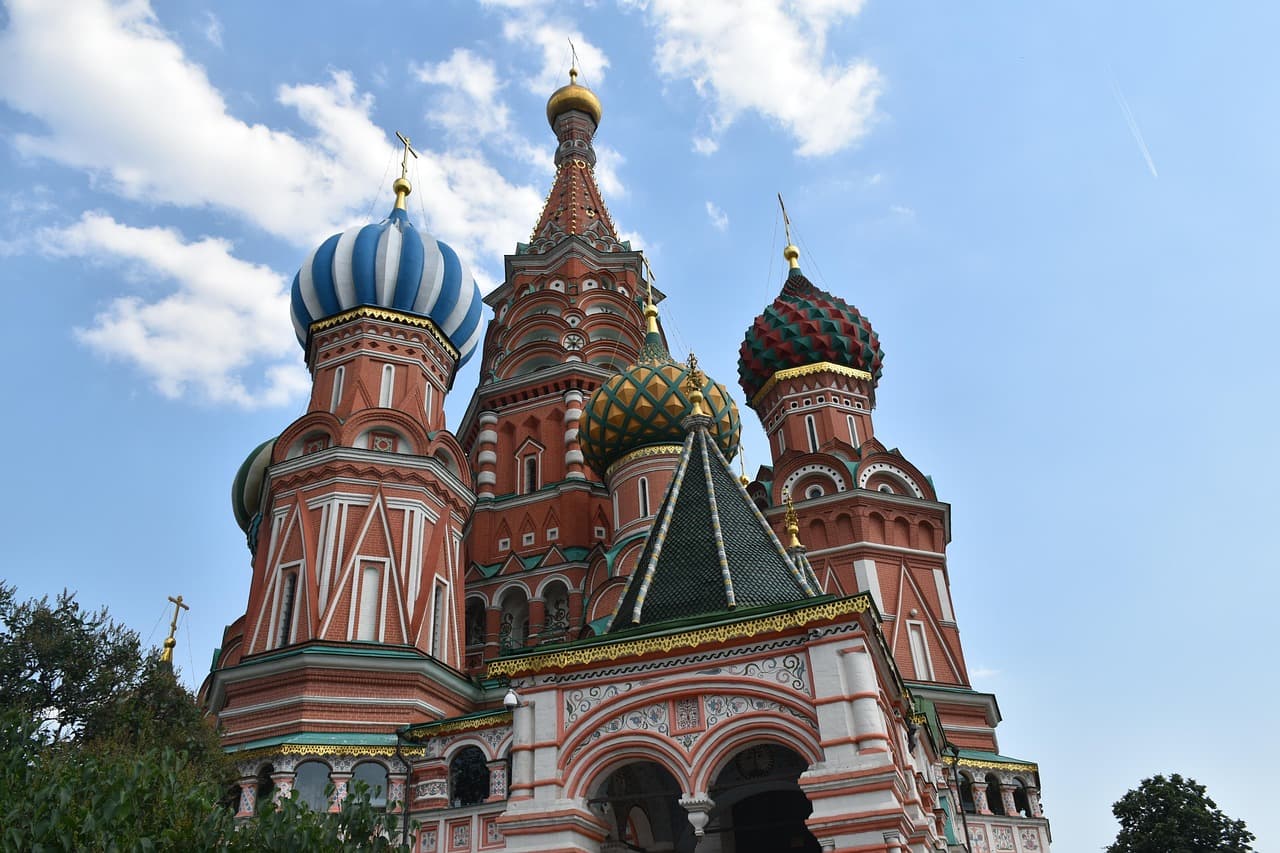
Rozpocznij w Moskwie; spędź 2 noce, aby zobaczyć Plac Czerwony, Kreml i Park Gorkiego. Carskie dziedzictwo jest żywe w cebulastych kopułach i pałacach, słynnych i magicznych dla odkrywców z pierwszej ręki. Czas tutaj równoważy intensywność miasta z łatwymi spacerami w pobliżu placu i wzdłuż ścieżek parkowych, ponieważ możesz dostosować tempo. Wielu pokonało ten odcinek, a targi w pobliżu placu oferują towary i bazylie na szybką przekąskę przed wyruszeniem w dalszą drogę wzdłuż pasa trans w kierunku Kazania. Wielu podróżników podróżowało tą trasą przed tobą.
Przystanek 2, Kazań: przeznacz 2 noce na zwiedzanie Kazańskiego Kremla, Meczetu Kul Szarif i ulicy Baumana, aby zjeść i zrobić zakupy. Plac nad rzeką jest szeroki, a miasto łączy wpływy europejskie i azjatyckie, tj. kulturę eurazjatycką. Spróbuj dań z ryb rzecznych i przejrzyj targi w poszukiwaniu towarów; carskie echa pojawiają się w niektórych muzeach, a nowoczesne życie tętni dalej. Wielu turystów spędza tu czas, a grupy podróżujące były mniej liczne w okresach przejściowych. Zauważają targi w Kazaniu jako atrakcję.
Przystanek 3, Jekaterynburg: zostań 1,5-2 noce, aby zobaczyć Cerkiew na Krwi, panoramę Uralu i plac centralny. Wybierz się na szybką przejażdżkę kolejką linową na urwisko, aby podziwiać rozległy widok na miasto i rzekę Iset. Przejdź się ulicą dla pieszych, wypij herbatę w kawiarni na dziedzińcu i sprawdź, jak obszar łączy dziedzictwo sowieckie ze sztuką współczesną. Jeśli chcesz szybszego tempa, wsiądź do pociągu jadącego na wschód do następnego przystanku; wielu turystów spędza czas w muzeach o historii ery carów i erze oblężenia. Zauważają, że niektóre eksponaty były pouczające dla podróżników.
Przystanek 4, Nowosybirsk: przeznacz 2 noce na zwiedzanie Wielkiego Teatru Opery i Baletu, Placu Lenina i nabrzeża rzeki Ob. Aleje obsadzone parkami są gospodarzami targów, na których można kupić towary i spróbować świeżych ryb ze straganów rzecznych. Duży węzeł komunikacyjny miasta ułatwia jednodniowe wycieczki do pobliskich wiosek, a dzielnica naukowa Akademgorodok oferuje spokojny odpoczynek dla podróżujących.
Przystanek 5, Krasnojarsk: zostań 2 noce, aby odwiedzić Rezerwat Przyrody Stolby, nabrzeże Jeniseju i plac główny. Miasto słynie z dramatycznych widoków na rzekę i szerokich horyzontów; przejażdżka kolejką linową na wychodnię skalną zapewnia panoramiczne zdjęcia. Lokalne kawiarnie serwują ryby i zioła; kup bazylie na targu, aby dodać aromatu prostej kolacji. Spacer o zachodzie słońca wzdłuż pasa rzecznego w pobliżu parku jest magiczny, gdy pogoda dopisuje. W cieniu drzew nad Jenisejem możesz się zrelaksować.
Przystanek 6, Irkuck: spędź 2-3 noce w pobliżu Bajkału; jednodniowe wycieczki do Listwianki i Skały Szamana są tego warte. Z powrotem w mieście przespaceruj się po zabytkowej dzielnicy nad rzeką, zobacz Cerkiew Zbawiciela i zrelaksuj się w kawiarni na placu. Irkuck to głównie centrum architektury eurazjatyckiej i europejskiej, z drewnianymi domami i targami, na których można kupić rękodzieło i suszone ryby. Krótka ulewa może odświeżyć długi dzień zwiedzania.
Przystanek 7, Harbin: przeznacz 2 noce na spacer po Parku Zhaolin, Central Street i Katedrze św. Zofii. Harbin pozostaje słynny ze swoich ulic w stylu europejskim i magicznej aury zimowych wystaw lodowych; w innych porach roku promenady nad rzeką oferują szeroki pas aktywności. Lokalne targi oferują towary, a można skosztować ryb i obfitych zup. Miasto oferuje wyraźny eurazjatycki smak, pomost między kulturą rosyjską i chińską. Dużo czasu można spędzić na wędrówkach wzdłuż rzeki i chłonięciu wielokulturowej atmosfery; mówią, że spokojny wieczór nad rzeką to najlepsze zakończenie trasy.
Alokacja czasu: rozłóż dni na Moskwę, Jekaterynburg, Omsk, Nowosybirsk, Krasnojarsk, Irkuck i Władywostok
Przeznacz 4 dni w Moskwie, 2-3 dni w Jekaterynburgu, 2 dni w Omsku, 3-4 dni w Nowosybirsku, 2-3 dni w Krasnojarsku, 3 dni w Irkucku i 2-3 dni we Władywostoku. W Moskwie skup się na czerwonej ceglanej części miasta w ciągu dnia i złotych godzinach wzdłuż rzeki, a następnie dodaj wieczorny występ baletowy i spacer z oświetleniem wzdłuż nabrzeży. Uwzględnij lokalny przystanek na targu w Harbinie, aby kupić towary i rękodzieło, a poza centralnymi zabytkami, przejedź się krótką linią metra, aby podziwiać panoramiczne widoki. Duża część magii tkwi w kontrastach między starożytnymi ulicami a nowoczesną energią, więc rozłóż godziny, aby uniknąć zmęczenia i zachować elastyczność na spontaniczne odkrycia.
Jekaterynburg, 2-3 dni: przejdź granicę, gdzie Europa spotyka się z Azją, przez góry Ural i współczesne ulice miasta. Najważniejsze atrakcje to Cerkiew na Krwi, Teatr Opery i Baletu oraz spacer wzdłuż rzeki Iset. Trasa rozwijała się z kulturowym sojuszem muzeów i galerii; znajdziesz tu ślady stuletniej dynastii w architekturze i designie. Wieczory przynoszą światła na nabrzeżu; możesz usłyszeć muzyków ulicznych nagle wchodzących w melodię i skosztujesz lokalnych potraw z wpływami mongolskimi, które odzwierciedlają regionalne szlaki handlowe i bogatą historię transgraniczną.
Omsk, 2 dni: zadomow się w dolinie Irtyszu ze spokojnym rytmem. Odwiedź twierdzę, muzea regionalne i kilka targów, na których lokalne towary wylewają się ze straganów. Godziny finansowe pomagają zaplanować wizyty w muzeach, a następnie można zrelaksować się w parku nad wodą lub wzdłuż alei obsadzonych drzewami iglastymi. Atmosfera miasta łączy europejską i azjatycką wrażliwość, oferując wiele do obserwacji w zwartym planie podróży.
Nowosybirsk, 3-4 dni: największe miasto na Syberii zasługuje na kilkudniowe tempo. Przeznacz czas na Teatr Opery i Baletu w Nowosybirsku, skupisko muzeów wokół Placu Lenina, Zoo i dzielnicę naukową Akademgorodok. Z grubsza milionem mieszkańców miasto tętni życiem miejskim i zajęciami przyjaznymi rodzinom. Zabytki i muzea wyznaczają nowoczesną syberyjską metropolię, która znajduje się na skrzyżowaniu historii i badań, rozwijając różnorodny zestaw zajęć dla wszystkich grup wiekowych.
Krasnojarsk, 2-3 dni: wykorzystaj Rezerwat Stolby, aby zakotwiczyć segment skupiony na tajdze, a następnie prześlizgnij się wzdłuż rzeki Jenisej przez lasy iglaste. Drzewa iglaste były obfite w otaczającej tajdze, w tym syberyjska brzoza i gatunki sibirica w parkach regionu. Tło gór dodaje dramatyzmu pieszym wędrówkom i szansie na delektowanie się świeżym powietrzem, a miejskie wystawy ujawniają duszę miasta rzecznego z odmiennym rytmem kulturowym i lokalną sceną gastronomiczną, która łączy tradycyjne i współczesne smaki.
Irkuck, 3 dni: zadomow się w pobliżu jeziora Bajkał, aby skupić się na jeziorze, a następnie zwiedzaj stuletnią drewnianą architekturę i muzea w zabytkowym centrum. Nastrój tajgi utrzymuje się, z drzewami iglastymi wzdłuż linii brzegowej i spacerami po nabrzeżu, które ujawniają spokojne wieczory i poczucie ogromnej przestrzeni. Jednodniowe wycieczki nad jezioro oferują czyste niebo i refleksyjne chwile, a miejskie targi i obiekty kulturalne zapewniają dodatkowe rękodzieło i występy, które pogłębiają doświadczenie.
Władywostok, 2-3 dni: zakończ morskim łukiem wzdłuż Pacyfiku. Widoki na port z Zatoki Złoty Róg, przystanki w centrum miasta i krótkie wycieczki do pobliskich rezerwatów przyrody są idealne. Kosmopolityczny charakter miasta łączy wpływy rosyjskie i azjatyckie, a w pobliskich rezerwatach znajdziesz tygrysy amurskie, które przyciągają turystów chcących poszerzyć regionalną perspektywę. Przekraczając Daleki Wschód, nadmorskie krajobrazy, owoce morza i wieczorne światła tworzą niezapomniane zakończenie trasy; nie przegapisz poczucia ogromu, które definiuje ten ostatni etap.
Logistyka podróży koleją: rodzaje pociągów, okna rezerwacji i rezerwacje miejsc
Rezerwuj miejsca z rezerwacją co najmniej 60 dni wcześniej na większości głównych tras; w szczycie sezonu przesuwaj do 90-120 dni, szczególnie w przypadku linii przez regiony sibirica lub w pobliżu głównych węzłów miejskich. Rozkłady jazdy są precyzyjne i często surowe; rozkłady jazdy przypominają igły na kompasie, ograniczając opcje do kilkugodzinnego okna.
- Rodzaje pociągów i zakwaterowanie
- Platzkartny: otwarty, wspólny wagon z trzema podróżnymi na przedział; opłacalny dla podróżnych, którym nie przeszkadzają kontakty towarzyskie.
- Kupé: zamknięte, 2-osobowe przedziały z drzwiami; większa prywatność, wygodne dla grup rodzinnych lub przyjaciół.
- SV i opcje wyższej klasy: prywatne lub półprywatne przedziały z 1-2 miejscami do spania; zwiększony komfort na dłuższych odcinkach podróży.
- Okna rezerwacji
- Ogólna sprzedaż rozpoczyna się około 60 dni przed odjazdem; okresy szczytowe mogą wymagać planowania z 90-120-dniowym wyprzedzeniem.
- W przypadku tras przez ruchliwe węzły komunikacyjne lub malownicze odcinki w pobliżu jezior i rzek rezerwacje szybko się zapełniają; skorzystaj z oficjalnej strony kolejowej lub zaufanych agentów, aby zablokować miejsca i uniknąć stresu w ostatniej chwili.
- Rezerwacje miejsc i praktyczne wskazówki
- Rezerwacje: zabezpiecz miejsca z wyprzedzeniem; dla rodzin, jeśli to możliwe, zarezerwuj blok miejsc do spania w tym samym wagonie.
- Umiejscowienie okien: preferuj miejsca przy oknie, aby podziwiać podejścia do rzeki, panoramy jezior i światła miasta o świcie lub zmierzchu.
- Przystanki i posiłki: zaplanuj krótki przystanek na rozprostowanie nóg; obiad jest zwykle serwowany w wagonach restauracyjnych lub w wagonie, więc zaopatrz się na dłuższe odcinki między małymi miasteczkami.
- Dokumenty: przygotuj paszporty przed kontrolami na miejscu; kontrole graniczne i celne często odbywają się w określonych punktach na trasie.
- Niezależnie od tego, czy podróżujesz sam, czy z rodziną, wybór wagonu z drzwiami (kupe lub SV) może zmniejszyć tłumy i poprawić komfort.
Na trasach, które obejmują rozległe równiny i przecinają krajobrazy, podróżni napotykają mieszankę ulic miejskich, odcinków tramwajowych i cichych brzegów rzek; sieć kolejowa niesie ze sobą wieki dziedzictwa, od układów z epoki sowieckiej po nowoczesne ulepszenia, ze znanymi pociągami i nowymi usługami splatającymi dzielnice artystyczne, miejsca nad jeziorem i miasta targowe. Dla planistów strategiczne podejście - przystanek po przystanku, z potwierdzonymi rezerwacjami z dużym wyprzedzeniem i staranną równowagą między widokami z okna a prywatnością kabiny - pomaga zapewnić płynniejszą i bezpieczniejszą podróż po rozległej przestrzeni.