Blog
Getting Around Moscow – Your 2025 Transport Guide to AttractionsGetting Around Moscow – Your 2025 Transport Guide to Attractions">

Getting Around Moscow – Your 2025 Transport Guide to Attractions

Irina Zhuravleva
przez 
Irina Zhuravleva, 
17 minutes read
Blog
30 listopada 2025

First, register for the city’s transit app and obtain a Troika card to cover most rides. The backbone of movement relies on underground lines, trams, and dense bus routes. Load 800–1,200 rubles before arrival and keep the card in your wallet for rapid access. Using it for transportation also unlocks quick location data and service alerts. This keeps you sure during leaving hotels and moving through central districts, with years of expansion reflected in reliable service.

Avoid crowded periods by checking the transit agency timetable and follow real-time updates in the app. In the capital, the underground remains the main artery, mainly used to connect central lokalizacja points, while trams thread along historic avenues and riverbanks. Carriage safety and crowds are predictable during daytime; at night, trains run less frequently, so leaving with a plan helps avoiding delays and ensures food options near stations are still within reach.

For exploring major sights, a guided route through the central loop minimizes transfers. The network covers main points of interest through a compact grid: underground tunnels link the Kremlin-adjacent districts, and trams provide scenic drifts along riverfronts. A well-chosen sequence reduces backtracking and makes it easier to leave a museum in time for a sunset view. Look at options compared by the app to optimize durations, fares, and crowd levels for a fuller day.

Aside from transit, plan food breaks around transit hubs to keep energy up. Stations cluster around location hubs, offering quick meals and cafes. When you travel between neighborhoods, through the city you can sample street food within a walkable radius of lines. The safety culture is visible in posted guidelines and staff presence at major interchange points. If you have children or seniors, choose routes with elevated walkways and cover during bad weather.

Years of investment shaping the system are visible in the agency maps, which you should review before an excursion. Starting at the first ride, you can mirror a minimalistic plan: underground to the central ring, then switch to trams to location near historic districts. For leaving the core area, the late-night underground and night buses extend coverage, though food outlets shorten after hours. A pragmatic, data-driven approach helps you avoid detours and keep timing predictable.

What is the best way to get around Moscow for tourists?

Recommendation: rely on a troika card for most movement; it unlocks the metro, citys buses and trams, and offers fast, reliable connections across the city. The focus here is simplicity from the beginning: tap on entry, tap on exit, and the processed fare updates automatically.

Metro is the backbone of travel between must-see districts. Plan routes from central hubs; the nearest transfer points reduce walking and time. ploshchad stops connect to major sights, museums, and theaters. Service frequency and schedules make short hops easy, so you can stay focused on your day and keep things nice and steady.

Airport access via Aeroexpress is the quickest option for arrivals; SVO, DME, VKO have direct trains to Belorussky, Paveletsky, or Kievsky stations. Check schedules online and choose a train that matches your hotel location; the app will show options and help you pick the best fit for your plans.

Weather can shift plans; underground routes stay comfortable in all seasons, while surface transport may lag in snow or rain. Use express lines to skip road congestion and keep your day on track. The system itself remains quite predictable, which helps when you’re pressed for time or navigating crowded ploshchad routes.

Taxi and rideshares are available world over, but prefer licensed services. Confirm the driver’s rate, carry cash or ensure card payment, and avoid late-night surges. For a personal touch, you can book a driver through hotel concierges or trusted apps; this is a nice option when you’re traveling with luggage or in a hurry, and it keeps the movement processed smoothly.

For a luxurious moment, some travelers book private car service via their hotel; these are available but costlier. If budget matters, stick to metro plus troika for most legs, and reserve a taxi only for last-mile or emergencies. This approach keeps the city’s accessibility strong and manageable.

Early planning pays off: map a simple two- to three-area route, focusing on neighborhoods connected by the metro backbone. Use the focus on connections to minimize transfers and maximize sightseeing time, especially in peak periods. Carry a compact map and a short list of backup routes to stay flexible.

Carry a compact map, offline route data, and the transit app on your phone. Ensure you know the nearest station to your hotel to minimize walking. The citys transportation backbone handles most routes, so you can keep moving with confidence and avoid backtracking; the overall experience remains quite smooth for first-time travelers, even with a tight schedule.

Metro as the backbone: where to go, peak times, and standout stations near must-see spots

Metro as the backbone: where to go, peak times, and standout stations near must-see spots

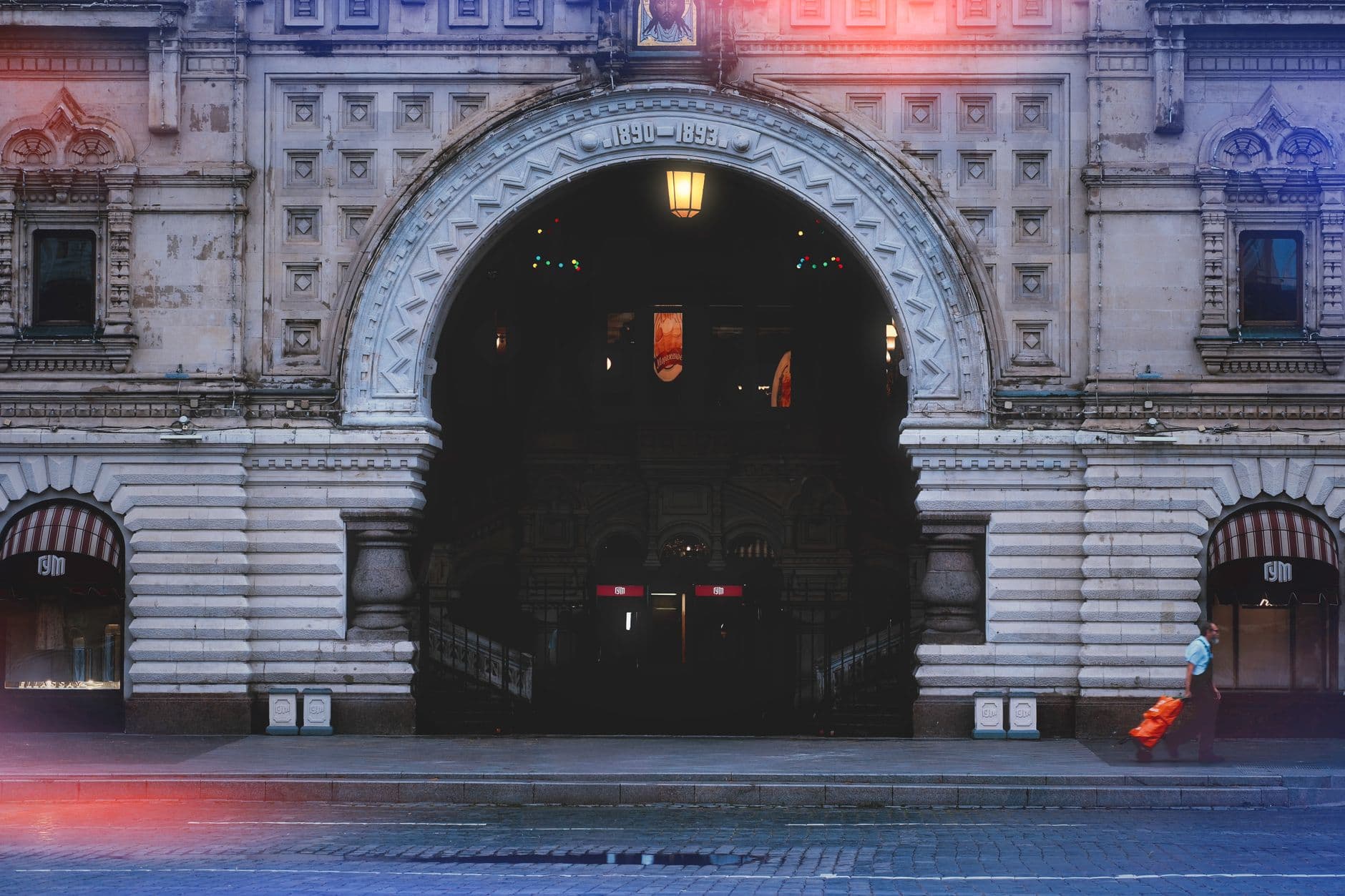
Start with Okhotny Ryad on the Red Line to hit the heart of the center; youll be within 10–15 minutes on foot from Red Square, the Kremlin, and the GUM. Peak trains run roughly every 2 minutes during the morning and evening rush, so youll spend less time waiting and more time enjoying the sights. In January, crowds cluster at central hubs, so plan to arrive a little earlier or later to find smooth movement through the tunnels.

The public transit mesh centers on a fast, flexible backbone: the Circle Line (Bolshaya Koltsevaya) lets you create routes between clusters of sites without backtracking. This ring operates with high frequency and makes it easier to switch between central galleries, theatres, and historic streets without wasting time. If you want to focus on a compact loop, this line is your best bet for multiple stops in one go.

Peak times are roughly 7:00–9:00 and 17:00–19:00; trains stay full but well organized, and entrances at central stations often have short queues. January arrivals Wpoint to the same pattern, so plan for a little extra time if you’re navigating with luggage. For those arriving from airports, plane connections to the city center are well documented; you can navigate from airports to the core hubs with directions posted at every station and on smartphone maps. Arrivals processed through public routes usually move quicker than expected, especially if you stick to major transfer points.

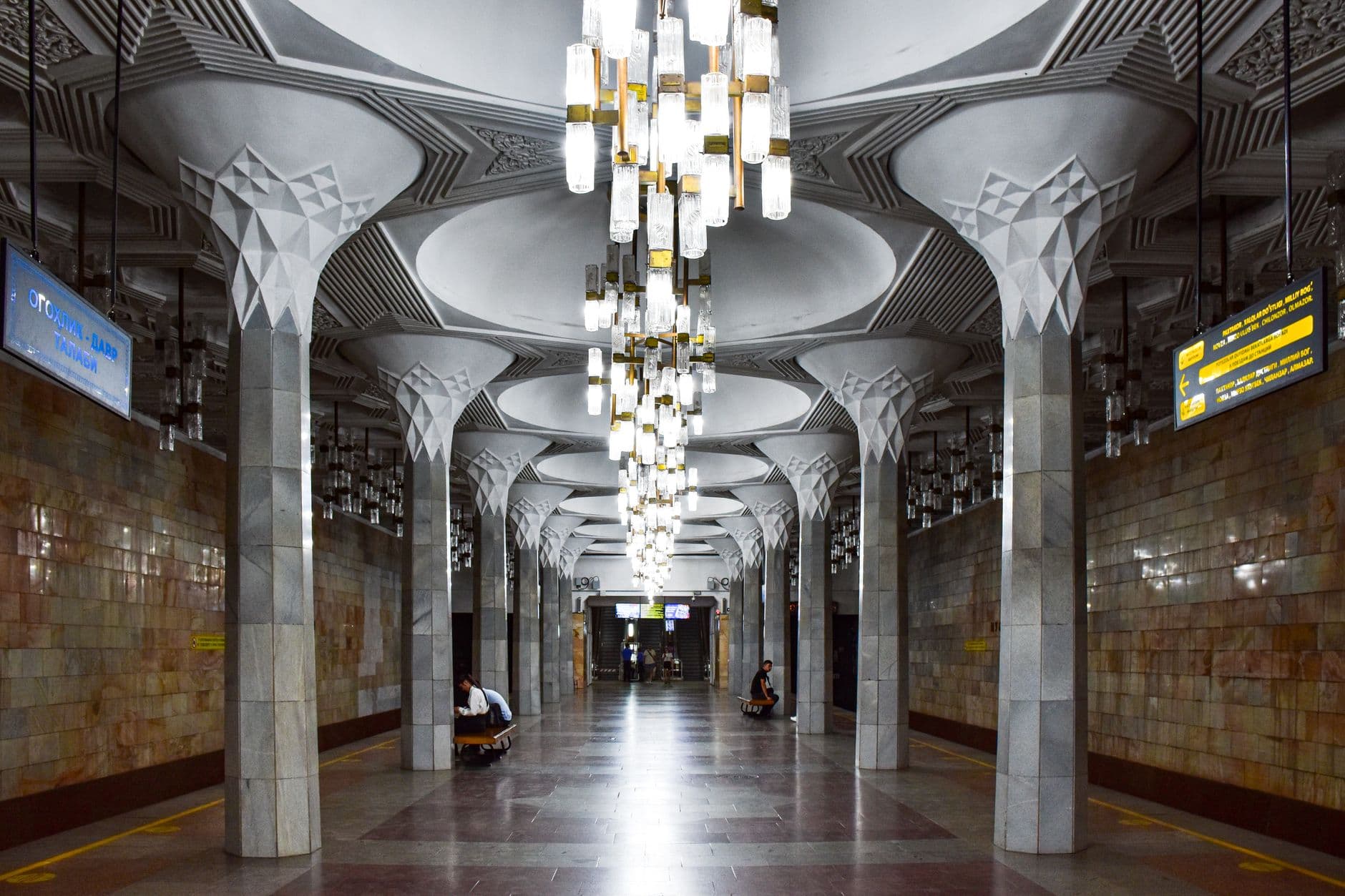
Standout stations near must-see spots include: Okhotny Ryad, which exits you directly into existing views of Red Square and the Kremlin grounds; Ploshchad Revolyutsii for a short walk to the Manege and central palaces; Teatralnaya for easy access to the Bolshoi and the pedestrian streets around the theater district; Park Kultury for a seamless path to Gorky Park and the Pushkin Museum; Mayakovskaya for a striking design that connects you to the Tverskaya corridor; and Arbatskaya, a gateway to the historic Arbat district. Each of these hubs offers multiple exits that place you closer to your next site, food stops, and photo spots, so you can tailor your route to the town’s rhythm.

Two ready-made lines for better planning: a central loop that runs Okhotny Ryad–Teatralnaya–Park Kultury to cover Red Square, theatre quarter, and a long riverside walk, and a cultural arc that links Arbatskaya–Mayakovskaya–Kievskaya to reach Arbat Street and nearby museums. You can navigate these while keeping a single ticket or card, which helps when you want to move quickly without reloading funds multiple times.

Arrival and focus: foreigners often want a smooth start, and the visa process is a separate step, but the city’s public sites are easy to reach from the airports. If you arrive early, hit a central hub first to set your bearings; the heart of the system is designed to help you explore without long detours. The answer is simple: use the circle and central lines to maximize your time in the town’s core, and you’ll enjoying the best balance of speed and access, even if you’re short on time.

Ticketing and passes: navigating Troika, single journeys vs. day passes, and recharging

Get a Troika card with a ready rubles balance before your first ride. This keeps travel stress-free and lets you move inside the capital’s transit network without buying tickets at every station, including busy hubs like komsomolskaya.

Single journeys

  1. Best for short stays or occasional rides. Pay per ride by tapping; the amount is deducted in rubles from your balance. If you ride often, a day pass may be cheaper, especially on a busy itinerary that includes airports and long city hops.
  2. Per-ride value: generally lower than buying cash tickets, making travel predictable. This is still convenient for night trips when you want to avoid fumbling for change.
  3. Important: forget to tap before boarding can lead to a missed fare; always tap on entry to keep your travel calm and easy.

Day passes

  1. Unlimited rides within a 24-hour window from first tap; ideal for first-time travelers with a packed sightseeing plan, business meetings, or a long airport shuttle schedule.
  2. Usage: metro, buses, trams, and some trains; check the app for included routes and any late-night limits.
  3. Break-even: if you plan more than a couple of rides, a day pass often pays off; estimate rides for the day and compare to the posted rubles price.

Other options and tips

  1. Weekly and monthly passes exist for longer stays or frequent travel; assess your itinerary and consider promotions on Thursdays or seasonal offers.
  2. Night travel: late trains and buses continue service; a pass keeps you moving with no need to buy extra tickets after hours.
  3. Bike and other travel options: you can combine micro-mobility with long hops; Troika remains convenient for station-to-station segments inside the town.
  4. Ploshchad savings: use central squares as easy meeting points to plan transitions between lines, especially when you’re leaving a crowded area.
  5. Travel convenience: for business trips, the card makes it simple to hop between meetings and stations without queueing for tickets.

Recharging and balance management

From airports to the city center: best options for arriving travelers (SVO, DME, VKO)

Choose Aeroexpress from SVO to Belorusskaya for the fastest entry into central location – this direct link runs roughly every 30–40 minutes and takes about 35–40 minutes. Tickets cost roughly 500–800 rubles, with online bookings offering the best value. You obtain a ticket via the airport desk, the Aeroexpress site, or through Yandex Go, and payments accept cards or mobile wallets. From Belorusskaya you have convenient routes to many hotels, parks, and business districts, making your trip full of options and close to quieter neighborhoods. Literally every major hotel cluster sits within a short metro ride, simplifying your onward journeys.

From DME to the city center, Aeroexpress to Paveletskaya is the standard choice and the journey lasts around 45–60 minutes. A direct ride to the heart of the city helps you stay on time for meetings or sights. Prices are similar to SVO’s route, and online booking yields easier payment with a single tap on Yandex Go or the official site. After arrival at Paveletskaya, you can switch to the metro or walk to a nearby hotel. If you plan a longer stay, you may consider a stay near the river or parks to keep your location close to multiple routes for daily commuting.

VKO offers practical access by bus or rail to central hubs and is ideal if you arrive late or have a long overnight flight. The transfer can take 40–60 minutes depending on traffic; look for a direct VKO shuttle to metro stations or nearby transport hubs, then continue by metro to your stay. Booking online or via the Yandex Go app is convenient, and you pay using a card or a digital wallet. If you want a calmer arrival, choose routes that skirt busy city centers and lead you toward quieter districts near parks and rest areas.

For last-mile options, consider eco-friendly micro-mobility when you already hold a card or have downloaded a payment method on your phone. E-bikes are available on certain routes, and you can embrace multiple modes in a single day to shorten longer walks. If you need to stay near a specific location, use a combination of metro lines with short walks, which runs smoothly and is well suited for a full schedule.

Tips for planning: książka ahead, obtain a pass when possible, and płatność methods before you land. The airport desks provide the latest trasy oraz close stations for easy alignment with your final destination. In case of late arrivals, consult Yandex for real-time updates; the service provides maps and rest options near the terminal. This article highlights practical means for starting your trip smoothly, ensuring your journeys begin with minimal stress and a clear path to rest in quieter neighborhoods.

Ridesharing, taxis, and safety tips: app choices, pricing, and night travel

Best move: choose Yandex Go as the default nightly mobility option; it provides upfront price estimates, confirms driver and car details before pickup, and supports cashless payment. It is geographically reliable across central streets and key hubs, including airport pickups and hotel districts.

Beyond the main app, keep two backups for late hours: Gett and Citymobil. They usually offer tourist-friendly service with clear fare breakdowns. Always book via official apps or websites to confirm estimates, avoid hidden fees, and minimize risk of overpaying. For arrivals, a reliable chain will show a pickup point at the terminal or hotel door, making night movements safer and more predictable.

Pricing and night travel realities: during overnight hours, fares can rise due to demand and limited availability. Always check the price estimate before confirming and consider splitting a ride with a fellow traveler to move efficiently between venues, theatres, and other popular spots. Expect 1.2x–2x rates after midnight in some districts.

Safety notes: never board a car if the license plate or driver name does not match the in-app details. Geographically verify the route, share trip with a trusted contact, and keep to well-lit streets. If you sense risk, cancel and request another ride. For overnight moves, prefer vehicles with 24/7 support and reputable drivers, and always confirm pickup points on arrivals; many routes connect to trains and other urban connections late at night.

To minimize risk and stay stress-free, follow official channels and avoid unverified offers. Here are practical tips to follow: check the app’s rating, verify the car color and plate, and keep your belongings close. Also, when near the theatre district, choose well-lit streets and avoid hidden courtyards. If you need a quick last-mile option, consider a bicycle share for short hops in daylight. Sputnik-style deals found on unofficial websites should be ignored; rely on official apps and the airport websites for pickups.

App / Service Best use Typical price range Safety tips
Yandex Go Airport arrivals, frequent city moves, tourist-friendly zones Base 60–90 RUB; per km 7–12 RUB; minimum 90–150 RUB Confirm driver and plate; stick to lit streets; enable trip sharing
Gett Reliable service, business-like rides Similar to Yandex Go; premium options cost more Check driver rating; avoid unverified offers
Citymobil Budget-friendly late-night options Base 50–80 RUB; per km 6–10 RUB Monitor surge; book ahead when possible; use airport pickup if available
Classic taxi (via app) Metered rides with reputable fleets Varies by distance; price estimate shown in app Use official stands or apps; confirm trip details before boarding

Walking and cycling in central Moscow: when to walk, where bike lanes exist, and rental tips

Walking and cycling in central Moscow: when to walk, where bike lanes exist, and rental tips

Begin with a morning walk along central corridors to see exteriors of key sites, then switch to cycling to cover longer hops without stress-free travel. This approach boosts sightseeing efficiency, helps travelers visit more areas, and keeps the schedule flexible using applications to map lines and stops.

Dedicated lanes are concentrated on the Garden Ring arcs and along several avenues adjacent to parks. In the core, cyclists share lanes with cars and pedestrians; look for painted bike symbols and signals that indicate when to ride on the right. These lanes appear in stretches near Zaryadye and along sections of the ring, though interruptions occur at crossings and during events. Traffic jams can push riders into busier lanes, so plan routes in advance with maps from the applications that travelers use for mode switching.

Rental points cluster near metro hubs, park entrances, and city squares. Bring ID and a refundable deposit; lock up when resting. Typical rates range 300–600 rubles per hour; daily passes around 1500–2500 rubles depending on the operator. Use official applications to unlock bikes, check entry requirements at stations, and reserve machines in advance. Choose sturdy frames, adjust the saddle to hip height, and carry a basic repair kit. Helmets are optional but encouraged in busy areas.

Carry water, a light rain shell, and a portable charger; plan routes that pass by well-lit squares and parks for rest. Avoid peak hours to minimize jams; early mornings and late evenings offer quieter streets. If crowds appear, walk and continue by bike in adjacent lanes where allowed. Never hitchhike with cycles or rely on unsafe shortcuts; stick to official rental stands and transit links, only.

For a compact loop, start near the river embankment, ride along the ring to visit several sites and parks, and enjoy exteriors of historic buildings from different angles. The setup saves time and gives a luxurious feel with comfortable bikes at the right speeds. When you finish, return the bike at a stand along the ring to keep options open for a longer sightseeing day. If rain hits, switch to slower routes or public transit to stay comfortable.

Arriving by plane? Plan your transfer to central stations or park entrances to begin with a gentle ride. These options move you between neighborhoods without a car, and they save energy for longer sightseeing blocks. Use these tools to stitch together legs between districts, without backtracking, and with multiple entries to chosen areas. Some stations display a sputnik emblem as a quick beacon for locating the nearest rental point.

In central areas, respect pedestrians at crossings; carry a compact map and check live signage for lane rules. These steps improve efficiency and safety for all travelers traveling between neighborhoods, while occasional exteriors of government and cultural sites provide good photo opportunities during longer rides. Always carry your ring key or app code for unlocking stands and plan rest breaks at scenic spots along the water.