Skontaktuj się z weryfikowanym operatorem i poproś o wydanie dokumentu wystawionego przez gospodarza, który wymaga jasnego trasy i wejścia przez wyznaczone porty.
Otrzymasz projekt, po czym zostaniesz poproszony o przygotowanie potwierdzeń rezerwacji, szczegółowego programu wizyty (pakiet spotkań) oraz formalnych listów od organizacji partnerskich.
Zamknij pętlę z konsulatem i skonsultuj się w sprawie terminów; jeśli podróżujesz w czerwcu, ustal harmonogram 4-6 tygodni wcześniej, aby uzyskać potwierdzenia i dostosować się do lokalnych przepisów.
Aby przyspieszyć, skoordynuj się z wykwalifikowanym operatorem i siecią greenleaders; mogą dostarczyć zweryfikowany pakiet i przeprowadzić Cię przez kroki kontroli dostępu, w tym rezerwacje hotelowe i wyjaśnienie procedur portowych. Ta potrzeba jest rozwiązana dzięki kompleksowej dokumentacji i jasnym demonstracjom aktywności.
Plan musi wyraźnie wymieniać trasę i porty, które będą wykorzystane, ponieważ władze oceniają ryzyko, a jasny plan ułatwia szybkie przetwarzanie i potwierdzenia.
Praktyczne kroki do uzyskania rosyjskiego zaproszenia biznesowego
Wybierz akredytowaną, licencjonowaną organizację uprawnioną przez federację do przetwarzania obsługi wizowej. Sprawdź ich akredytację w oficjalnym rejestrze i przeanalizuj dostępne opcje programowe dla celów w Rosji. To pomaga zapewnić wystarczającą zgodność i zmniejsza wymianę informacji w późniejszych etapach. Przyjęcie standaryzowanego szablonu danych przyspiesza zbieranie szczegółów.
- Zebierz wystarczające dane osobowe: pełne imię i nazwisko zgodnie z paszportem, datę urodzenia, narodowość, płeć, numer paszportu, dni pozostałe do ważności paszportu; dołącz zdjęcie spełniające wymagane formaty.
- Podaj szczegóły podróży: daty podróży, punkty wejścia i wyjścia, miasta oraz dokładne cele wizyty; dostosuj do wymagań programu, aby zapewnić jasność.
- Przygotuj dowód zakwaterowania i rezerwację: rezerwację hotelową, umowę z gospodarzem lub korporacyjne mieszkanie; dołącz vouchera i numer referencyjny rezerwacji w celu potwierdzenia zakwaterowania.
- Przesyłaj dokumenty do wybranej organizacji: dostarcz kopie stron paszportu, zdjęcia, rezerwacji oraz innych odpowiednich dokumentów; organizacja sprawdzi szczegóły i rozpocznie procesowanie.
- Oczekiwanie na wydane potwierdzenia: organizacja wyda potwierdzenia wskazujące zakres umowy; sprawdź, czy wydany pakiet zgadza się z nadchodzącym złożeniem.
- Śledź postęp: korzystaj z portalu dostawcy lub zalecanych metod kontaktu, aby monitorować status; sprawdź, jakie dodatkowe dokumenty są wymagane, i odpowiedz szybko.
- Otrzymaj ostateczny pakiet dokumentów wizowych: otrzymasz dokumenty elektronicznie i/lub pocztą; sprawdź, czy wszystkie elementy są kompletne i ważne dla procesu wnioskowania.
- Przedstaw się w konsulacie lub centrum wizowym: przedstaw dokumenty, zdjęcie i potwierdzenie zakwaterowania; zabierz kopie, aby przyspieszyć proces; upewnij się, że daty podróży są zgodne z potwierdzeniami.
- Gromadź dokumenty i planuj z wyprzedzeniem: przechowuj oryginały i zachowaj kopie cyfrowe; bierz pod uwagę pozostałe dni i ramy wjazdowe Rosji przy planowaniu przedłużenia.
Proszę podać dokładny tekst do tłumaczenia, aby mógłem przetłumaczyć go zgodnie z Twoimi wymaganiami.
Oto tłumaczenie:
Przedłożenie listu sponsorującego od zarejestrowanej firmy lub organizacji związanej z planowanymi działalnościami; jest to najszybsza droga do uzyskania niezawodnego dokumentu. Jeśli chcesz prostego procesu, zacznij od tego listu sponsorującego i skoordynuj się z gospodarzami na wczesnym etapie.
Wydawca dokumentów zależy od przypadku: dokumenty z podmiotu prawnego gospodarza mogą być wydawane przez dział HR lub prawny sponsorów; jeśli podróż obejmuje formalne spotkania, akceptacja konsularna może zwiększyć wiarygodność.
Dwa powszechne trasy obejmują notatki sponsorów korporacyjnych i wsparcie regionalne zgodne z polityką; każda droga wymaga innej instytucji wydającej dokumenty: partner handlowy może uzyskać notatkę z lokalnego biura; obywatel Białorusi lub Finlandii może skorzystać z połączonej opcji, która obejmuje zarówno sponsorów, jak i organ państwowy.
Przygotowanie: zebrać wymagane dokumenty, sprawdzić dane kontaktowe sponsora, upewnić się, że gospodarz może przedstawić dokument ambasadzie; dostosować się do wymagań polityki i zgodności.
Polityka i praktyka różnią się w zależności od przypadku, kierowane przez dwustronne porozumienia i kwestie bezpieczeństwa. Doświadczenia innych pokazują, że połączone trasy często zapewniają najgładniejszy wjazd; wiele przypadków opiera się na jasnym celu, pełnych danych i terminowym złożeniu.
Po przesłaniu dokumentów przybądź z wymaganymi papierami i pasującym harmonogramem; na punkcie granicznym mogą poprosić o dodatkowe dane przed wjazdem do kraju gospodarza; jeśli wystąpią opóźnienia, skontaktuj się ze sponsorem w celu dostosowania dat; taki sposób działania pomaga osiągnąć sukces przy minimalnych kłopotach. Ci, którzy chcą wjechać do kraju, powinni zaplanować wszystko z wyprzedzeniem.
Przygotuj dokumenty dla zaproszonego i rosyjskiej firmy gospodarzy
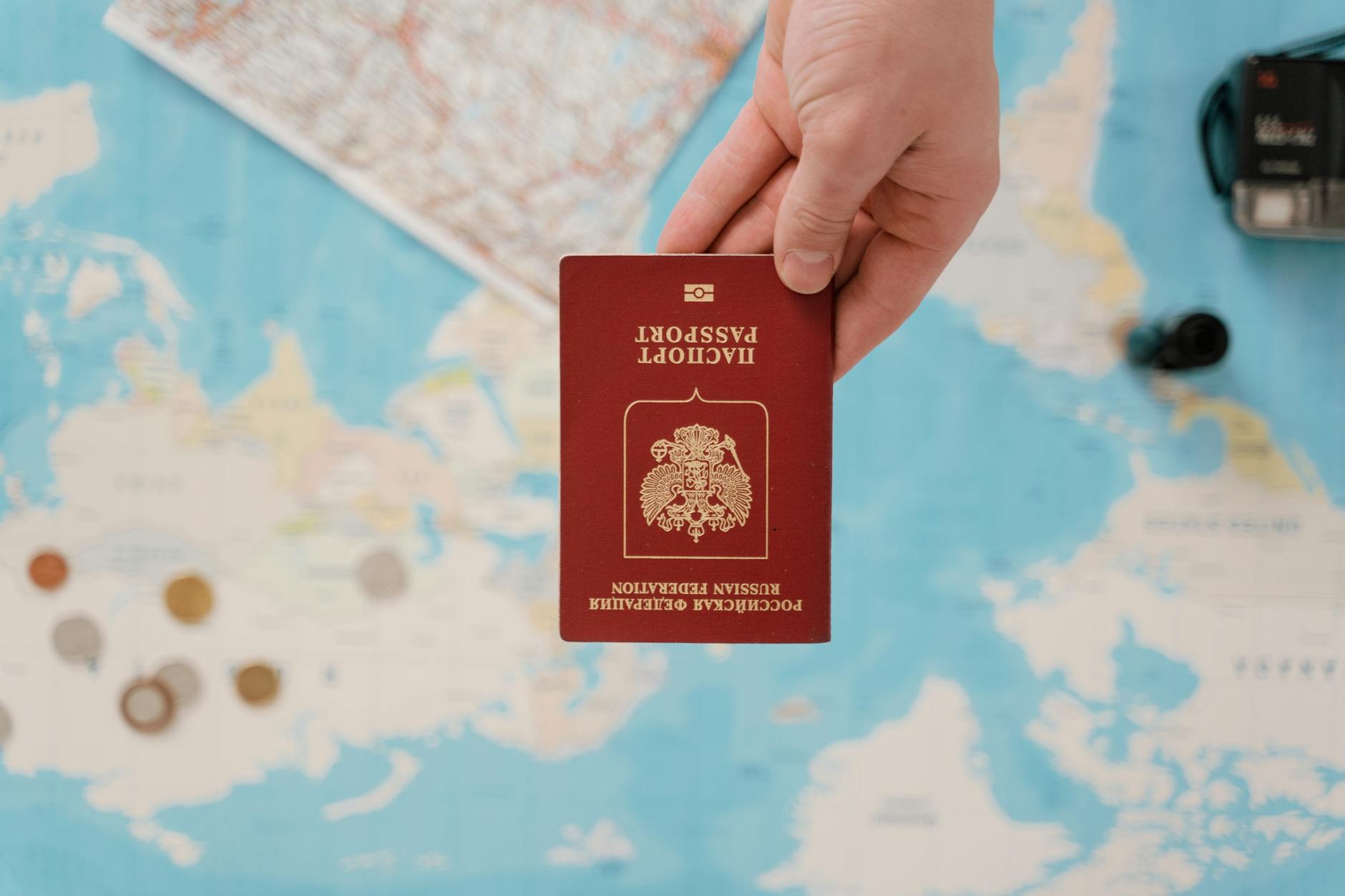
Ten przypadek wymaga starannego zebrania danych zaproszonych gości. Przygotuj zdjęcia, stronę z danymi paszportowymi, pełne imię i nazwisko, datę urodzenia, narodowość, adres e-mail kontaktowy oraz numer telefonu. Nazwij każdy plik jasno i dołącz krótki, konkretny opis wizyty, czyli powód podróży. Dołącz aktualne CV lub stronę biograficzną, jeśli jest to wymagane, oraz bilety podróżne. Takie dokumenty przedstawiają profil aplikanta. Dołącz krótki plan podróży i wszelkie materiały dodatkowe, takie jak list od pracodawcy zaproszonego gościa lub wewnętrzny memorandum, np. odniesienie do planowanych spotkań.
Hostowskie pliki muszą działać w różnych oddziałach w kilku miastach i portach. Dostarczyć oficjalny list na firmowym papierze firmowym, dokumenty rejestracyjne, numery identyfikacyjne podatkowe oraz krótki opis wizyty, w tym cele, zaangażowane departamenty i oczekiwane rezultaty. Dołącz zaproszenia i potwierdzenia od kluczowych kontaktów, a także wykaz przepływów pieniężnych, jeśli udzielana jest finansowa pomoc. Pakiet powinien jasno wskazywać, kto z firmy towarzyszyć będzie zaproszonemu oraz kiedy odbędą się spotkania. Upewnij się, że pliki są zeskanowane, a oryginały zachowane. Dokładnie sprawdź strukturę plików.
Oprócz przestrzegania wszystkich wymagań, nie przekraczaj listy dokumentów. Poproś o przyspieszone przetwarzanie, jeśli jest dostępne. Upewnij się, że tłumaczenia lub kopie zweryfikowane są wymagane. Przy przesyłaniu przedstaw oryginały i skany; zachowaj dodatkowe kopie. Jeśli pojawią się pytania, skonsultuj się z działem prawnym i biurem wizowym; oni pokażą potrzebne kroki i terminy. Jeśli dotyczy to terminów czerwca, planuj z buforem. W niektórych miastach różne porty obsługują wejście, więc określ preferowane miasto, jeśli to konieczne. Pakiet wspiera płynną wizytę.
Zebrać dane zagranicznego aplikanta: paszport, kategorię wizy, cel i daty.
Typowo wysyłaj jeden dossaż: stronę danych paszportowych (numer, data wydania, data ważności), kategorię wizy, podaną cel podróży i dokładne daty. Zaletą jest jasny punkt odniesienia dla konsulatów, przyspieszając procedurę e-wizy i generując potwierdzone wyniki.
Kroki do zebrania danych: wymagane dane to numer paszportu, pełne imię i nazwisko zgodnie z paszportem, narodowość, data urodzenia, płeć, data wydania, data ważności, kategoria wizy oraz cel podróży (wizyta, turystyka, spotkania lub zatrudnienie). Potwierdź harmonogram podróży: planowane daty przyjazdu i wyjazdu, trasy, numery lotów, jeśli znane, oraz przystanki tranzytowe.
Przejdź do weryfikacji: potwierdź kwalifikacje i dokładność danych cudzoziemca. Upewnij się, że paszport jest ważny co najmniej sześć miesięcy po planowanym pobycie; sprawdź, czy cel odpowiada typowi wizy. W przypadku zmian dat wystąpią problemy; utrzymuj aplikanta na bieżąco i dostosuj zestaw dokumentów odpowiednio.
Dokumentacja i plan składania wniosków: przez sieć konsularną lub portale online; korzystaj z e-wizy, gdzie to możliwe; przygotuj wnioski dla każdej trasy; oszacuj koszt za każdy wniosek; uzyskaj współpracę sponsorującego pracodawcy, podając nazwę firmy, adres i kontakt. W Turcji sprawdź lokalne szczegóły dotyczące zestawów formularzy i wymaganych oryginałów, aby uniknąć opóźnień.
Wynik: po potwierdzeniu danych, przejdź do przesłania przez wybrany kanał; odbierz potwierdzenia; prowadź dokumentację; bądź gotowy dostosować trasy lub harmonogramy, jeśli będzie to konieczne. Kandydat chce szybszego przetwarzania, dlatego dostosuj dane do najczęściej stosowanych tras i harmonogramów, aby zminimalizować wymianę korespondencji z urzędami.
Prześlij zapytanie o zaproszenie i monitoruj jego postępy.
Przeslij wniosek przez oficjalny portal i włącz powiadomienia o statusie, aby śledzić postęp w czasie rzeczywistym. Przygotuj zwięzłą paczkę z nazwiskiem obywatela, planowanymi podróżami i szczegółami sponsoringu. Dołącz kopie dokumentów, uwagi na temat celu oraz referencje rezerwacji. Wykorzystaj cyfrową przesyłkę, aby uniknąć opóźnień, i upewnij się, że klient podaje dokładne dane w jednej przesyłce. System wyświetla rodzaj przygotowań i status sponsoringu.
Podczas przetwarzania sprawdzaj stany i obszary, w których występuje recenzja; system prezentuje etapy takie jak rozpoczęte, w recenzji, zatwierdzone lub wymagające wyjaśnienia. Musisz sprawdzić wiadomości i notatki, które towarzyszą każdej aktualizacji. Gdy nadchodzi odpowiedź, wskazuje ona kolejne kroki i czy potrzebne są dodatkowe kopie lub bilety, aby ukończyć pakiet. Jeśli zmieniają się szczegóły sponsoringu, zaktualizuj rezerwację i natychmiast powiadom klienta.
Utrzymuj kompaktowy dziennik z numerami rezerwacji, kopiami dokumentów potwierdzających i notatkami na temat stanów i obszarów do odwiedzenia. Sprawdź poprawność nazw na podstawie paszportów, aby uniknąć błędnych danych. Ten proces pomaga obywatelom, osobom, zespołom obsługi klientów i pracownikom przygotować się, przestrzegać harmonogramów i otrzymywać aktualizacje wizowe. Taka metoda minimalizuje opóźnienia i zapewnia, że sponsorowane pobyty pozostają dokładne w stanach, w których działają władze.
Odbierz zaproszenie i przystąp do wnioskowania o wizę.
Potwierdź szczegóły powiadomienia wydawcy w określonym terminie i uzyskaj formalne potwierdzenie. Zbierz numer powiadomienia, dane kontaktowe wydawcy oraz cyfrową kopię, aby dołączyć je do konsularnej oceny; to zmniejsza liczbę wymian informacji.
Spełnij wymagania wizowe federacji: upewnij się, że ważność paszportu spełnia minima, dostarcz zgodne zdjęcia i dołącz potwierdzenie zakwaterowania wydane przez hotel, jeśli dotyczy. Załącz listy potwierdzające zatrudnienie lub status oraz akty urodzenia towarzyszących dzieci, wraz z niezbędnymi tłumaczeniami.
Koordynuj logistykę transportu przez węzły takie jak duże węzły kolejowe lub lotnicze; planuj promy, gdy istnieją trasy nadbrzeżne, i dostosuj do najlepszych godzin połączeń. Ponadto zorganizuj stabilny harmonogram dla grupy i ewentualnych ekip towarzyszących obywatelom podróżującym razem, zapewniając, że przyjazdy pokrywają się z spotkaniami i inspekcjami.
Przygotuj krótki raport ze wszystkich dokumentów i przedstaw oryginały lub zaświadczone kopie podczas spotkań z pracownikami konsularnymi. W przypadku rozbieżności skonsultuj się natychmiast z wydającą je instytucją i dostarcz poprawione pliki, aby uniknąć opóźnień. Zarządzanie ryzykiem powinno skupiać się na kompletności, jakości tłumaczeń i jasnym określeniu właściciela każdego dokumentu.
Kaliningrad i inne regionalne biura często wymagają bezpośrednich potwierdzeń na rachunkach wystawianych przez hotele, aranżacjach transportowych oraz lokalnych zakwaterowaniach; sprawdź, czy spełniają one wymagania i są zgodne z całościowym planem podróży. Lokalne centra mogą zapewnić szybszą obsługę, gdy grupy podróżujących składają się z obywateli podróżujących razem.
Przestrzeganie określonych kroków przynosi korzyści: ułatwia uzyskanie zgody, czyni oczekiwania na spotkaniach bardziej jasne i zmniejsza ryzyko nieporozumień. Proces wspiera również spójny harmonogram w całej federacji, z przejrzystymi raportami dla władz oraz prostą drogą do uzyskania zezwoleń na podróż.