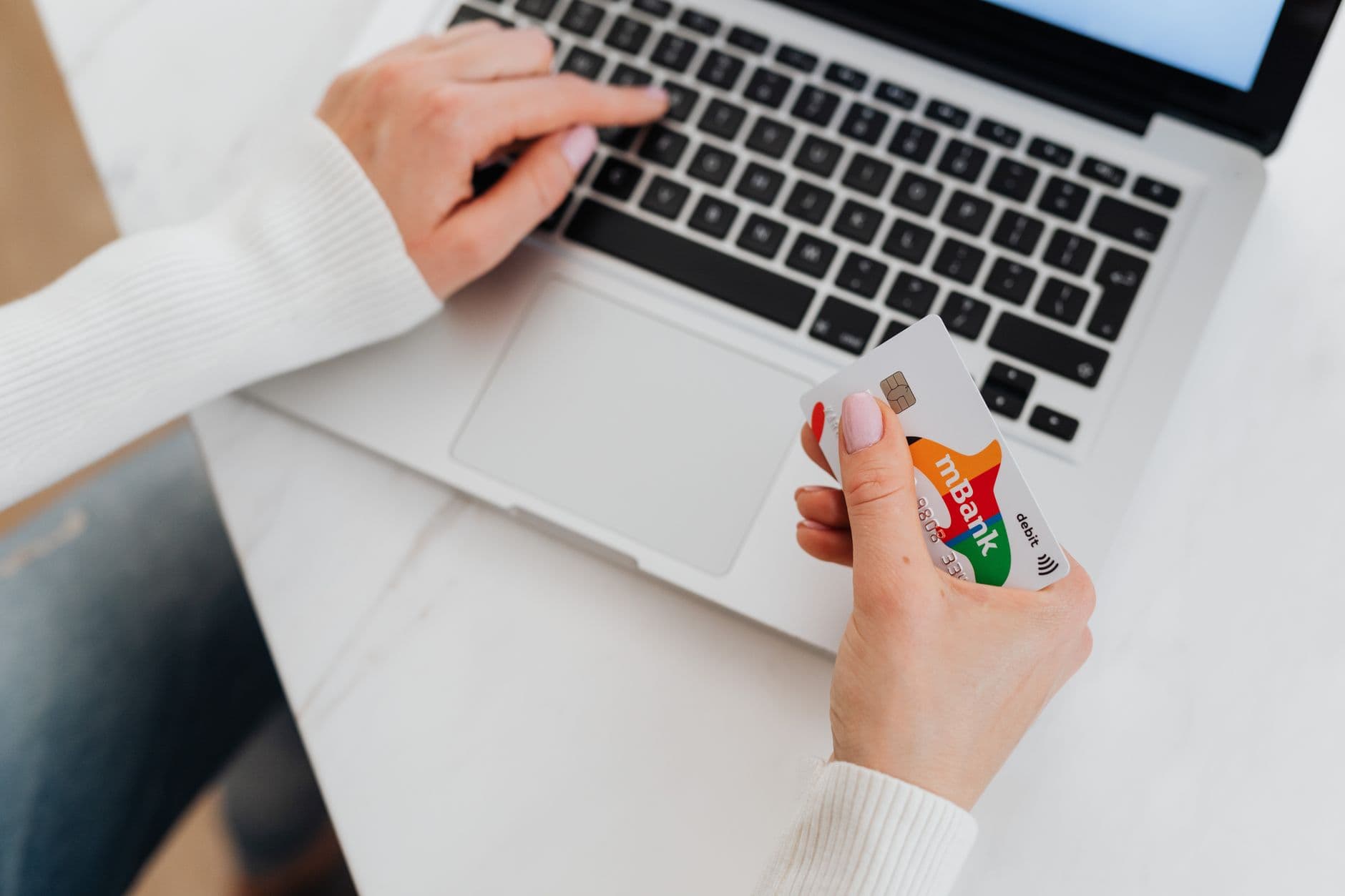
Otwórz lokalny bank w Węgrzech i uzyskaj europejską kartę wielowalutową obsługującą międzynarodowe płatności, aby ułatwić dostęp do zagranicznych usług.
Krok 1: Odwiedź lokalny oddział w Węgrzech; zabierz ze sobą paszport, dowód adresu i numer identyfikacyjny podatkowy, aby rozpocząć proces otwierania.
Krok 2: Niektóre instytucje zagraniczne mogą pozwalać na zdalne wstępne zatwierdzenie; jednak zdalne otwieranie może być ograniczane przez przepisy regulacyjne.
Krok 3: Potwierdź funkcje takie jak wypłaty gotówki, płatności online, metody bezkontaktowe; upewnij się, że są one akceptowane u handlowców za granicą i w popularnych miejscach turystycznych.
Notatka rynkowa: Niektórzy klienci z chińskich społeczności zgłaszają bardziej płynne doświadczenia korzystając z partnerów oferujących wsparcie wielojęzyczne; odwołanie się do oficjalnych stron pokazuje, że oferują oni szeroki dostęp w Węgrzech i w kanałach turystycznych na całym świecie.
Praktyczne rzeczywistości: kandydaci z Krymu muszą przejść ściślejsze kontrole; cierpliwość i udokumentowane dowody dochodów przyspieszają wyniki; jednak pozostawajcie w legalnych kanałach.
Lokalny punkt widzenia: Studenci, lokalni klienci i freelancerzy mogą skorzystać z kont związanych z wypłatami uniwersyteckimi lub płatnościami pracodawcy; łatwe uruchomienie zmniejsza trudności podczas wizyt na kampusie i pobytów za granicą.
Niektórzy podróżnicy odczuwają niepokój; praktyczne kroki zamieniają go w pewne decyzje.
Wniosek: Ten praktyczny plan pomaga zyskać pewność siebie przy płatnościach za granicą; wprowadzenie do kroków ułatwia planowanie, zmniejsza ryzyko i wspiera zgodność z lokalnymi środkami.
Co to oznacza alternatywa UnionPay dla Visa i Mastercard dla Rosjan pod zachodnimi sankcjami
Otwórz zgodny z prawem sposób na codzienne zakupy za pomocą opcji wspieranych przez UnionPay, unikając blokowania środków i przestrzegając przepisów. Ta opcja pomaga Rosjanom zależnym od usług transgranicznych i ma na celu minimalizowanie przerw w dostawach.
Europa pozostaje obszarem priorytetowym; niektóre emitentów z siedzibą w Szwajcarii oraz węgierskie sieci zapewniają emisję i dostęp, umożliwiając transakcje w bankomatach, w tym płatności od małych handlarzy węglem. To tworzy możliwość przekroczenia granic płatności bez ograniczeń, zachowując koszty przewidywalne i unikając nadmiernych opłat. Graficzne przykłady pokazują, jak rozbieżności w opłatach zmieniają się wraz z kursami walut.
Maria, żona małego handlarza, zauważa, że łatwy ścieżka istnieje przez zagraniczne sieci połączone z tym analogiem.
Układy pośredniczące mogą wymagać połączenia zjednoczonych systemów wspólnych z zagranicznymi sieciami. Przepływy zakupów, komunikaty wiadomości, koszty konwersji walutowej oraz graficzny pokaz rozbieżności opłat mogą wpływać na sumy końcowe.
Blokady mogą wynikać z polityk państwowych lub kontroli usług, z którymi borykają się niektórzy użytkownicy, utrudniając ruchy walutowe i transakcje międzynarodowe.
Skupiaj się na legalnych drogach, konsultuj oficjalne wytyczne biur, źródła wydawania dokumentów, unikaj ryzykownych pośredników i śledź każdą transakcję. Dokumentuj każdą transakcję, aby zapewnić śladowość. Jednak ścisłe przestrzeganie przepisów pozostaje niezbędne.
Szwajcaria i Węgry ilustrują potencjalne drogi postępowania; niektóre bankomaty w tych regionach akceptują karty UnionPay, co umożliwia małe zakupy i łatwe zarządzanie walutą. W niektórych kręgach altyn służy jako punkt odniesienia dla lokalnej wartości, podczas gdy maria może równoważyć budżety rodzinne dzięki tej opcji.
Nie rosyjskie banki wydające karty MIR: aktualna lista, kwalifikacje i zasięg regionalny
Sprawdź strony wydawcy, aby potwierdzić, czy istnieje partnerowski instrument, potwierdzić kwalifikacje i zebrać wymagane dokumenty; wcześniejsze sprawdzenia przyspieszają aktywację konta i dostęp do bankomatów.
- Region indyjski: kilka emitentów oferuje produkt związany z rosyjską siecią kart. Wymagania obejmują paszport, wizę (jeśli wymagana), status rezydencji oraz aktywny lokalny rachunek. Walutą jest INR; wypłaty gotówki są możliwe w partnerskich bankomatach; użycie u handlowców pozostaje ograniczona. Takie rozwiązanie może ułatwić podróże indyjskim klientom do Rosji lub sąsiednich państw, chociaż rozwój zależy od polityki rządowej i systemów transgranicznych.
- Rynek ukraiński: istnieją programy przez pożyczkodawców państwowych i prywatnych; walutą jest hrywna; opcje wymiany walut umożliwiają wypłaty w walutach obcych. Akceptacja jest ograniczona do wybranych sieci; wyniki różnią się, ale kilka użytkowników zauważyło stabilność. Ryzyko blokowania utrzymuje się w dynamicznych reżimach sankcji; silny popyt istnieje wśród studentów i podróżujących służbowo.
- Azja Centralna i Kaukaz: Kazachstan, Kirgistan, Białoruś, Armenia: piloty przeprowadzane przez lokalnych wydawców; krajowe sieci bankomatów zapewniają dostęp, z lokalnymi walutami oraz funkcjami wymiany walut. Systemy sprawdziły się w testowanych środowiskach; klienci zgłaszają użyteczną funkcjonalność, chociaż pokrycie pozostaje częściowe.
- Inne rynki (Gruzja, Turcja, Wietnam) oraz niektóre pobliskie centra: piloci są wcześnie; istnieje możliwość wykorzystania na granicy w ramach współpracy. Polityka regionalnych rządów i koalicje bankowe kształtują wyniki; liczby pozostają niewielkie, ale zainteresowanie wśród podróżujących i expatriatów pozostaje wysokie.
Kryteria kwalifikacyjne
- Weryfikacja tożsamości: paszport lub dowód osobisty, dowód zamieszkania oraz pomyślna weryfikacja KYC; dokumenty muszą być aktualne.
- Wymagania dotyczące konta: aktywne konto lokalne lub powiązane konto w walucie obcej; może obowiązywać minimalny saldo; ukończone kroki rejestracji.
- Sprawdzanie zgodności: limit wieku, weryfikacja sankcji, kontrole AML; nie spełnienie standardów może spowodować nałożenie ograniczeń lub blokadę.
- Ograniczenia dotyczące codziennych limitów wypłat, marży wymiany walut oraz obsługiwanych sieci bankomatów; dostępność zależy od regionalnych przepisów.
Obszar pokrycia i praktyczne uwagi
- Punkt dostępu: bankomaty połączone z sieciami partnerów znajdują się w wybranych ośrodkach miejskich; wczesny dostęp często występuje w głównych lotniskach i dzielnicach biznesowych.
- Obsługa walut: wymiany walut zagranicznych odbywają się według kursu ustalonego przez systemy emitenta; opcje walutowe zależą od kraju i lokalnych przepisów.
- Wymagania techniczne: oprogramowanie kart, weryfikacja PIN i opcje bezkontaktowe opierają się na regionalnych systemach płatniczych; klienci powinni sprawdzić okna czasowe dla rozliczeń.
- Czynniki ryzyka: działania rządowe, sankcje i ograniczenia transgraniczne mogą ograniczać przydatność; utrzymywanie się na bieżąco pomaga zmniejszyć niespodzianki.
Jak sprawdzić aktualną dostępność i złożyć wniosek
- Powiedz klientom, aby skontaktowali się z obsługą wydawcy w celu uzyskania oficjalnego potwierdzenia regionalnej kwalifikacji i możliwości wydawania kart.
- Zapytaj o listę dopuszczalnych miejsc docelowych, obsługiwanych walut i sieci bankomatów przed podróżą; oznacza to mniej niespodzianek przy kasach lub bankomatach.
- Lista dokumentów do złożenia, harmonogramy przetwarzania i ewentualne wymagania dotyczące minimalnego salda; przygotowane materiały przyspieszają proces rejestracji.
- Przetestuj małe transakcje lokalnie przed międzynarodowymi podróżami; monitoruj kursy walutowe i wszelkie opłaty pobierane przez systemy partnerów.
Kluczowe wnioski
Globalny zasięg pozostaje ograniczony; jednocześnie utrzymuje się silne regionalne zainteresowanie wśród klientów z potrzebami podróżowania lub emigracyjnymi. Wdrożenia w czwartej fazie mogą odblokować szersze przypadki użycia, jednak obecna dostępność zależy od decyzji emitentów, stanowiska regulacyjnego i partnerstw transgranicznych. Łatwy dostęp do płatności transgranicznych zależy od przejrzystych polityk, responsywnego wsparcia i niezawodnych sieci bankomatów; klienci powinni być czujni na ryzyko blokad i zmieniające się działania rządowe.
Jak ubiegać się o konto z obsługą MIR za granicą: dokumenty, weryfikacja i terminy
Zaleca się ubiegać się o wniosek za pośrednictwem zatwierdzonego pośrednika, aby przyspieszyć procesowanie i zapewnić prawidłowe ułożenie dokumentów, co przyspiesza zatwierdzenia. Przygotuj graficzną listę kontrolną obejmującą strony tożsamości, dowód zamieszkania wydany w ciągu ostatnich 3 miesięcy, ostatni rachunek za media lub wyciąg bankowy oraz list od pracodawcy potwierdzający dochody. To wzmacnia weryfikację i zmniejsza wymianę korespondencji.
Dokumenty powszechnie akceptowane za granicą obejmują paszport, dokument podróży z danymi biometrycznymi, dowód osobisty, potwierdzenie adresu zamieszkania oraz źródło środków (aktualne wyciągi bankowe z kwotami wpłaconymi). Jeśli status różni się w Uzbekistanie, uzyskaj lokalny tłumaczenie i, gdzie wymagane, apostille. Niektóre regiony poza Europą i rynkami USA mogą wymagać dodatkowych dokumentów; sprawdź ich dostępność w regionalnym biurze.
Weryfikacja obejmuje przesyłanie skanów dokumentów za pośrednictwem bezpiecznego portalu. Może zostać poproszony o krótkie wideo potwierdzające tożsamość; trzymaj kamerę pod ręką. Aby przyspieszyć proces, przeslij wszystkie strony paszportu, zezwolenia na pobyt, wydanego wizy, a także dowodu adresu i numeru identyfikacyjnego podatkowego, jeśli zostanie o to poproszony. Postęp weryfikacji jest widoczny w portalu; opóźnienia występują, gdy dokumenty przychodzą z opóźnieniem lub brakuje jakości.
Terminy różnią się w zależności od regionu. Początkowy przegląd często zajmuje 3-5 dni roboczych; pełne zatwierdzenie może potrwać 1-3 tygodnie, w zależności od objętości i kontroli ryzyka. Wczesne przygotowanie depozytów lub listu od pracodawcy może skrócić oczekiwanie do 7-10 dni. W Europie lub systemach Stanów Zjednoczonych dostępne są rozszerzone opcje; poza Europą dostępne są ograniczone kanały; spodziewaj się czasami opóźnień, szczególnie podczas świąt lub wzrostu cen paliwa wpływających na operacje. Dlatego planuj odpowiednio i unikaj ostatnio minutowych pośpiechu.
Kanały pośredniczące oferują silne wsparcie, graficzne wskazówki i szybsze wprowadzanie w życie. Korzystanie z pośrednika często zwiększa dostępność; dedykowani menedżerowie spraw sprawują nadzór nad częściami procesu między krajowymi wydawcami a partnerami sieciowymi. Odwiedź strony partnerów, aby sprawdzić wymagania, opłaty i szacowane terminy. Niektórzy partnerzy wydają listy, które towarzyszą dokumentom i pomagają w otrzymaniu pierwszych wpłat. Globalny zasięg oznacza, że klienci poza głównymi hubami mogą otworzyć konta, nawet gdy bezpośrednia droga jest ograniczona.
Region notes: w Uzbekistanie lub innych lokalizacjach dokumenty mogą się różnić; niektóre wydawcy wymagają tłumaczenia, apostille lub dowodu zamieszkania. Stosuje się ten sam proces: zebrać wszystkie wymagane dokumenty, przesłać przez bezpieczny kanał, śledzić postęp i szybko odpowiedzieć na dodatkowe pytania. Wczesne przygotowanie zwiększa szanse; jeśli status wydaje się zablokowany, sprawdź jakość przesłanych dokumentów i przeslij poprawione skany. Niektóre rynki oferują specjalny proces dla osób przyjeżdżających z zagranicy; w takich przypadkach może być wymagana wizyta w uprawnionym biurze. Śledź aktualizacje w ciągu dnia; jeśli otrzymasz wiadomość o problemie, rozwiąż go natychmiast, aby uniknąć przedłużających się opóźnień.
Używanie MIR za granicą: dostęp do bankomatów, akceptacja przez sprzedawców i kwestie walutowe
Zaleca się powiadomić emitenta karty, włączyć transakcje międzynarodowe, potwierdzić pokrycie za granicą i zabrać kartę rezerwową lub portfel cyfrowy.
Dostęp do bankomatów za granicą opiera się na lokalnych partnerach; globalne pokrycie istnieje tam, gdzie instytucje partnerskie prowadzą sieci; kilka firm uczestniczy w tych schematach, rozszerzając terminale; poszukaj bankomatów z lokalnymi logami lub językami; wiele maszyn od mniejszych dostawców może zablokować transakcje, jeśli pojawią się flagi bezpieczeństwa.
Akceptacja handlowców poza Rosją jest nierównomierna; sąsiednie rynki w Europie i Azji pokazują rosnącą udział poprzez sieci partnerskie; wielu handlowców w Singapurze, Chinach i innych miejscach akceptuje terminale współmarkowe; jednocześnie niektóre miejsca nadal sprzedają towary bez wsparcia; przy kasie sprawdź, czy lokalny terminal akceptuje kartę przez sieć partnerską; inną opcją jest płatność przez portfel mobilny.
Obsługa walut wymaga świadomości: unikać dynamicznej konwersji walut w momencie zakupu; wybieraj walutę lokalną, aby zminimalizować marże pobierane przez sprzedawców lub sieci; jednocześnie mogą obowiązywać opłaty transakcyjne, gdy rozliczenie następuje w walucie emitenta; to, co zostaniesz obciążony, zależy od wartości emitenta.
Parker, student podróżnik, testuje pokrycie w Singapurze i sąsiedniej Europie; wiele transakcji się udaje, innym wyzwaniem są zwroty lub kursy walutowe; Parker sprzedaje przedmioty na wydarzeniach, wymagając możliwości przyjmowania płatności; blokady mogą wystąpić w godzinach szczytowych; tymczasem trzymaj gotowy plan awaryjny.
Wskazówki regulacyjne pochodzą z przepisów agencji; sprawdź, jakie problemy mogą wystąpić, jeśli pojawią się sygnały oszustwa; Krym i Chiny mają różne przepisy w zależności od jurysdykcji; upewnij się, że możesz przyjmować płatności wszędzie; istnieją silne ochrony; dyrektor informuje o uruchomieniu nowych partnerstw, które rozszerzają zakres usług; materiały źródłowe podkreślają wartości kierujące działalnością; to, co ma znaczenie, to realizacja przez Sberbank i inne emitujące firmy, podczas gdy one same pozostają skoncentrowane na bezpieczeństwie użytkowników.
Opłaty, limity i czasy przetwarzania transakcji MIR z zagranicznymi bankami
Zawsze sprawdzaj opłaty, limity i czas realizacji przed inicjowaniem płatności transgranicznej przez krajową sieć rozliczeniową. Zakres usług zależy od korytarza; Kirgistan, Białoruś, Indie już ilustrują znaczne profile, więc porównaj co najmniej dwie trasy, aby zmniejszyć ryzyko. Zmienili politykę; inną opcją jest skorzystanie z usług procesorów trzecich; zgodnie z oficjalnym komunikatem, kontynuuj monitorowanie aktualizacji.
Działania: rejestrowanie wszystkich ruchów w firmowych rejestrach, zapisywanie kopii wiadomości i potwierdzanie przyjęcia przez konto odbiorcy. W przypadku blokady szybko reagować, dostosowywać trasę i kontynuować przetwarzanie. Niektóre firmy sprzedają usługi, które obiecują szybkość, ale wymagają weryfikacji.
Typowe zakresy: opłaty zazwyczaj wahają się od 0,5-2,0% plus stałe 200-800 RUB; czasy przetwarzania wynoszą 1-3 dni, czasami dłużej, jeśli występują sprawdzanie PBOC lub Visa. Wczesne przesyłanie przyspiesza realizację i zmniejsza ryzyko.
Specjalne uwagi: Krym, Kirgistan, koridory Białorusi mogą różnić się zakresem pokrycia; rynki indyjskie wykazują większe wolumeny; trzecie rynki często wymagają dodatkowej weryfikacji. Małe przedsiębiorstwa powinny planować z wyprzedzeniem i oznaczać każdą transakcję jako płatność, aby uniknąć pomyłek; wiadomości od PBOC i pracowników biura mogą potwierdzić status. Przedsiębiorstwa prowadzone przez żony mogą również skorzystać z wcześniejszej obsługi i jasnego komunikowania; przelewane środki przez specjalne trasy mogą wymagać dodatkowej weryfikacji.
| Korytarz | Struktura opłat | Dzienny limit przelewów | Czas przetwarzania | Notes |
|---|
| Kirgistan | 0,5-1,5% + 200-600 rubli | do 50 000 USD | 1-3 dni | Blokowanie ryzyka umiarkowane; PBOC rzadko stosowany; wiza może być wymagana dla niektórych tras |
| Belarus | 0,6-1,8% + 300-700 rubli | do 40 000 USD | 1-2 dni | Sprawdzanie zgodności z lokalnymi przepisami może zająć więcej czasu. |
| Indie (indyjskie targi) | 0,8-2,5% + 400-800 rubli | do 25 000 USD | 2-3 dni | Strefy czasowe wpływają na czas; możliwe kontrole wizowe |
| Crimea | 0,7-2,0% + 500-900 rubli | do 30 000 USD | 2-5 dni | Ryzyko geopolityczne może wpłynąć na tempo |
| Trzecie rynki | 0,5-2,2% + 200-700 RUB | do 60 000 USD | 1-4 dni | Wahania na rynku; wcześniejsze przetwarzanie poprawia tempo |
| Podobne korytarze | 0,6-1,6% + 250-650 RUB | do 50 000 USD | 1-3 dni | Wspólne alternatywy; monitorowanie pokrycia |
Integracja UnionPay z MIR: jakie zmiany dla Rosjan i praktyczne uwagi
Sprawdź najpierw, czy Sberbank oferuje akceptację transakcji międzynarodowych za pośrednictwem sieci UnionPay i upewnij się, że konta są połączone z tą siecią, aby ułatwić otrzymywanie środków z zagranicy.
Globalna obsługa rozszerza się na rynki. Istnieje znaczna obecność w Białorusi i Armenii. Handlowcy i bankomaty prezentują podobne wzorce; niektórzy akceptują UnionPay, inni ograniczają się do lokalnych metod. Istnieją analogiczne opcje Mastercard, ułatwiając płatności bez większych trudności. Sprawdź listy handlowców w lokalnych aplikacjach rynkowych, aby potwierdzić akceptację przed podróżą.
Czwarty, zasady obsługi danych mogą ograniczać depozyty transgraniczne; środki wpłacone na lokalne konta mogą być rozliczane później za granicą. Oczekuj ograniczonej płynności dla nowych korytarzy zaraz po aktywacji.
Dyrektor regionalnych partnerów zauważa szczególne zainteresowanie rozszerzeniem zasięgu na Białoruś i Armenię; po dostosowaniu do krajowych przepisów, produkty są modyfikowane. Portfele firmy mają ułatwić transgraniczne płatności i dobrze funkcjonują w głównych ośrodkach rynkowych, jednak pozostają ograniczane w obwodowych regionach.
Obejrzyj koridory oparte na altynie, które pojawiają się jako analogiczne osiedla na pobliskich rynkach; Białoruś i Armenia są przykładami, gdzie użycie przekraczające granice się rozszerza. Konta prowadzone przez mieszkańców Rosji mogą uzyskać dostęp do tych tras; ich warunki różnią się w zależności od kraju, dlatego potwierdź ofertę emitenta przed podjęciem decyzji.
Po aktywacji pokrycie handlowców w hubach podróżnych często jest dobre; poza głównymi miastami akceptacja pozostaje ograniczona, zwłaszcza w sklepach duty-free lub na wsi.
Szukając poza Rosją sieci kartowych oferujących podobne funkcje; istnieją oferty emitentów jako analog Mastercard w celu rozszerzenia globalnego zasięgu i wsparcia klientów poszukujących globalnych opcji.
Przepisy dotyczące transferu danych wpływają na sposób przetwarzania paragonów w terminalach transgranicznych; upewnij się, że ustawienia zgody są skonfigurowane tak, aby otrzymywać paragony w preferowanym języku i sposobie.
Martwisz się o kursy walut i ukryte opłaty? Sprawdź jednostki wymiany, dynamiczne opłaty i lokalne limity bankomatów; wpłacone środki mogą pojawić się po okresie przetwarzania, więc planuj z wyprzedzeniem.
Branżowi eksperci poinformowali klientów, że należy się spodziewać dostosowań; następnie zmiany na rynku mogą wpłynąć na stawki i dostępność w różnych trasach.
Mieszkańcy mieszkający za granicą mogą uzyskać dostęp do tych korytarzy poprzez zapisanie się w ramach programów partnerskich, zapewniając, że ich kraj zamieszkania jest zgodny z lokalnymi przepisami dotyczącymi pokrycia i danych.
Dalsze badania pomagają uniknąć niespodzianek w korytarzach.