


Przygotuj plan, który obejmuje hospitalizację i ewakuację medyczną dla każdego ubezpieczonego podróżnika, z dostępnością wsparcia telefonicznego 24/7 w Twoim języku. Rozbudowana sieć obejmuje duże miasta i odległe lokalizacje, więc pomoc jest dostępna nawet w górach w pobliżu szczytów. Upewnij się, że koordynatorzy mogą zlokalizować Cię za pomocą danych lokalizacyjnych i rozpocząć opiekę jak najszybciej.
Kroki do weryfikacji przed finalizacją rezerwacji: potwierdź pokrycie kosztów nagłej hospitalizacji, transportu lotniczego lub lądowego oraz usług tłumacza, jeśli język stanowi barierę; sprawdź, czy sieć obejmuje szpitale w zasięgu praktycznej dostępności i czy ratownicy mogą dotrzeć w odległości metrów od twojej pozycji w strefach miejskich lub odosobnionych obozach. Poproś o przykładowy podsumowanie świadczeń i dokładne wymagania dotyczące zgłoszenia roszczenia.
Dla realiów geopolitycznych, planuj zarówno duże ośrodki miejskie, jak i mniejsze miejscowości. Jeśli napięcie wzrośnie, sprawdź, jak polityka obsługuje opóźnione połączenia i przerwane podróże, a także czy dostępne są bezgotówkowe hospitalizacje lub bezpośrednie rozliczenia. Zapytaj o usługi tłumaczeniowe i czy ubezpieczenie można przedłużyć na punktach granicznych przy użyciu lokalnego numeru telefonu. Zapewnij dokumenty takie jak rezerwacje, plan podróży i kontakty w nagłych wypadkach.
Przed wyjazdem zebierz zwięzłą informację: numer polisy, dane ubezpieczyciela i lokalizację najbliższego szpitala na kolejnych przystankach. Posiadanie środków awaryjnych i planu rezerwowego w rezerwacjach pomaga, gdy duże wydarzenia lub intensywny ruch wpływają na dostępność. Jeśli połączenie się przerywa, skorzystaj z dedykowanej linii telefonicznej, aby skontaktować się z obsługą, i zachowaj kopię polisy zarówno w formacie cyfrowym, jak i drukowanym.
Ubezpieczenie podróży do Rosji 2025
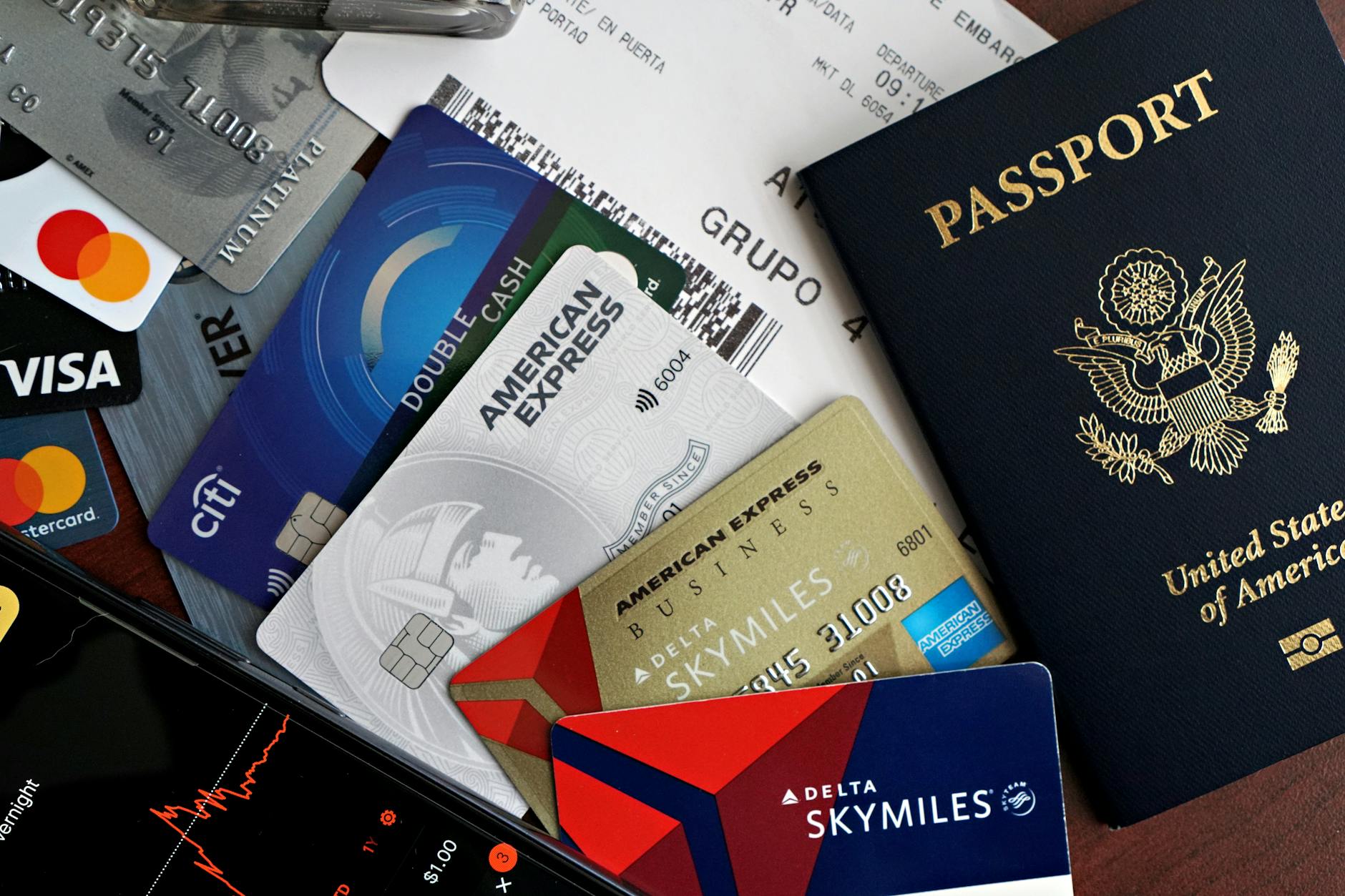
Zaleca się zakup planu ochronnego z natychmiastowym pokryciem medycznym i ewakuacją, a także ochroną przed zakłóceniami, zanim wejdziesz. Upewnij się, że masz 24/7 wsparcie wielojęzyczne i sieć szpitali z bezpośrednią płatnością, aby uniknąć opóźnień.
Dla startupów i samotnych podróżników wybierz ubezpieczenie, które obejmuje działalność biznesową i umożliwia szybkie rozpatrywanie roszczeń. Jeśli Twoja trasa obejmuje trasy górskie lub miasta kanałowe, staraj się o wyższe limity medyczne i dodatki związane z przygodą, tam gdzie to możliwe.
W nagłych wypadkach skontaktuj się z centrum i konsulatami w sprawie dokumentów i koordynacji transportu. Natychmiastowa pomoc zmniejsza czas poświęcony na logistykę i ogranicza osobiste wydatki.
- startupy
- auras
- poland
- pozwalając
- these
- biznes
- tsar
- alfa
- solo
- case
- centre
- awarie
- cabbage
- enter
- valley
- natychmiastowy
- ensures
- always
- wrecker
- pays
- time
- delay
- canal
- góra
- konsulaty
Sprawdzian praktyczny na 2025:
- Potwierdź limity medyczne i ewakuacyjne; 150k-300k USD jest podstawą, wyższe dla wysokiego ryzyka trasy.
- Wolę polisy z bezpośrednim rozliczaniem w partnerskich szpitalach, aby uniknąć płatności z własnej kieszeni.
- Sprawdź 24/7 infolinię w wielu językach; zapewnij dostęp do angielskojęzycznego personelu i lokalnych pracowników.
- Zapytaj o pokrycie ubezpieczenia dla działalności gospodarczej i zdarzeń związanych z holownikiem lub pomocą drogową w odległych rejonach.
- Przechowuj numer polisy, numer kontaktowy w nagłych wypadkach i listę konsulatów w portfelu cyfrowym.
Wiza i wymagania dotyczące wjazdu dla celu podróży
Zapewnij spełnienie wymagań wjazdowych, uzyskując ubezpieczenie medyczne przed wyjazdem. Upewnij się, że polisa obejmuje hospitalizację, opiekę w nagłych wypadkach i ewakuację, z kwotą odszkodowania, jaką możesz ponieść, oraz rocznymi limitami wystarczającymi do ochrony swoich finansów.
Dowód może zostać sprawdzony elektronicznie przez władze na punktach kontrolnych granicznych. Numer polisy i adres dostawcy ubezpieczenia należy mieć zapisany na notatce lub przechowywać na stronie dostępnej offline.
Rosjanie i turyści powinni szukać ubezpieczenia, które obejmuje hospitalizację, opiekę w nagłych wypadkach i repatriację; szukajcie wsparcia 24/7 i rozpatrywania roszczeń w ciągu kilku godzin.
Obszar odliczenia od ubezpieczenia często wiąże się z wyższą roczną składką; porównaj opcje na stronie internetowej, wybierz opłacalny plan, który nadal pokrywa podstawowe potrzeby.
Adresy granic: niektóre kontrole wymagają potwierdzenia pokrycia kosztów przed przybyciem; sprawdź oficjalne wytyczne na stronach władz i odpowiednich konsulatów.
Podróżujący do Indii powinni sprawdzić ewentualne dodatkowe wymagania; Indie pojawiają się w wielu oficjalnych notatkach, a wielu znajduje odpowiednie opcje za pośrednictwem międzynarodowych stron internetowych.
Wydaj się, że chodzi o parki rozrywki w stylu Disneyland, ale solidne ubezpieczenie chroni zdrowie i finansy; zachowaj cyfrową kopię na telefonie, aby mieć do niej szybki dostęp podczas pobytu poza zakwaterowaniem. Jeśli wizyta obejmuje degustacje wódki lub podobne doświadczenia, obowiązki pozostają niezmienione. Pamiętaj również o adresie kontaktowym i danych do użycia w nagłych wypadkach; dane osobowe powinny pozostać prywatne.
Ochrona medyczna podstawowa: hospitalizacja, repatriacja i opieka w nagłych wypadkach
Polecam pobrać pełne warunki i zastosować je tylko do planów, które obejmują hospitalizację, repatriację i opiekę w nagłych wypadkach z najwyższymi limitami; potwierdź warunki płatności i adres ambasady w przypadku nagłych wypadków.
Główne składniki obejmują hospitalizację, repatriację i opiekę w nagłych wypadkach; określaj kwoty dla każdego zdarzenia, z najwyższymi limitami dla kosztów medycznych, ewakuacji i pilnej opieki. Sprawdź, co robi ubezpieczyciel, gdy wymagana jest hospitalizacja. Zweryfikuj przepływ płatności od szpitala do dostawcy; upewnij się, że istnieje opcja bezpośredniego rozliczenia, aby uniknąć opłat z góry. Polisy powinny zapewniać wsparcie w nagłych wypadkach 24/7; sprawdź, czy ambasada akceptuje plan podczas rejestracji. Szukaj dostawców z jasnymi ofertami: gorącą linią 24/7 i bezpośrednią płatnością w szpitalach.
Problemy do monitorowania: zasady podpisywania umów, istniejące wcześniej schorzenia oraz wykluczenia dotyczące kraju lub sieci szpitali. Szczegóły mają znaczenie: podróżujący powinni potwierdzić pokrycie, czy zdarzenia nagłe występują za granicą lub w pobliżu granic. Największe obszary ryzyka i scenariusze powinny być wymienione w harmonogramie. Omów proces składania wniosku: będziesz musiał dostarczyć dokumenty medyczne, paszport i dane kontaktowe; w niektórych przypadkach może być wymagana koordynacja z ambasadą. Menadżer lub obsługujący roszczenia może zorganizować szybką repatriację, jeśli będzie to konieczne.
Praktyczne kroki: przeprowadź próbę symulując scenariusz w obszarze miejskim z teatrem w pobliżu obiektu Alfa; to pomoże wizualizować potrzebne dokumenty. Upewnij się, że możesz pobrać podsumowanie polisy i pełne postanowienie przed wyjazdem; podaj numery polis i adres kontaktowy ubezpieczyciela towarzyszom podróży. Podróżujący powinni mieć zarówno wersje cyfrowe, jak i drukowane. W nagłych wypadkach zadzwoń na linię 24/7 i poproś lokalny biuro ambasady o potwierdzenie przyjęcia, jeśli planujesz dłuższy pobyt. Ubezpieczyciel może zaproponować bezpośrednią płatność w miejscu usługi, aby pokryć początkową kwotę; jeśli nie, możesz być odpowiedzialny za płatność i złożyć wniosek później przez menedżera. W odległych miejscach na Ziemi lub podczas kryzysu w pobliżu Stalingradu, upewnij się, że pokrycie pozostaje aktywne, a ewakuacja jest możliwa.
Sprawdź, czy w dokumencie jest jasno określony limit kwoty pokrycia dla pobytów szpitalnych, repatriacji i opieki nagłej; upewnij się, że warunki płatności są proste; sprawdź, czy polisa oferuje jasne ścieżki eskalacji problemów; potwierdź, że plan może koordynować się z ambasadą w zagranicznych jurysdykcjach; upewnij się, że dokument pozwala na pobranie i dostęp offline; utrzymuj aktualne adresy, numery telefonów i numery polis; zrozumienie wymaganych kroków przyspiesza zatwierdzenia i minimalizuje koszty własne, co może zmniejszyć opóźnienia w rozliczeniach.
Ograniczenia Polisy, Franczyzy i Wykluczenia: Co Sprawdzić
Rozpocznij od wymienienia limitów na opiekę medyczną, pobyty szpitalne i ewakuację - zarówno indywidualnych, jak i ogólnych. Porównując opcje, zwróć uwagę na kwoty wypłacane przez każdy pakiet oraz na to, czy limity dotyczą jednej osoby czy całej rodziny. Niektóre plany obejmują koszty udzielane przez zewnętrznych dostawców i mogą być oferowane przez ubezpieczyciela domowego, takiego jak INGOSSTRAKH. Dzisiaj porównaj oferty obok siebie, aby zauważyć luki.
Kwoty odliczenia różnią się; sprawdź, czy ta kwota zmniejsza zwroty lub jest należna przy wypisie, oraz czy odliczenie dotyczy każdego incydentu czy całego okresu podróży. Czasami plan wydaje się tanio, ale ma wyższe odliczenie. Niskie odliczenia przyciągają wyższe składki; zrównoważ koszty początkowe z potencjalnymi wydatkami z własnej kieszeni.
Wykładniki wyłączeń obejmują wysokiego ryzyka aktywności, istniejące wcześniej schorzenia, procedury elektoryczne, pandemie i problemy celne. Wiedza na temat wyłączonych aktywności pomaga uniknąć kosztownych niespodzianek, chociaż warunki różnią się w zależności od dostawcy. Ta uwaga dotyczy podróżujących do Finlandii lub innych miejscowości.
Przesyłanie roszczeń wymaga zorganizowanych dokumentów; dołącz rachunki, raporty medyczne, raporty policyjne lub celne, jeśli jest to stosowne; zaznaczaj terminy; po otrzymaniu odpowiedzi, sprawdź je; upewnij się, że linie telefoniczne są gotowe do pomocy w nagłych wypadkach. W przypadku wizyt w Finlandii sprawdź, czy wybrany plan obejmuje opiekę międzynarodową; użyj portalu online, aby rozpocząć postępowanie; odwołane podróże mogą prowadzić do kredytów lub zwrotów; zachowaj kopie dla swoich dokumentów, dlatego warto być zorganizowanym już dziś.
Opcje zakupu: Rosyjscy ubezpieczyciele vs. międzynarodowe plany
Zaleca się wybór zachodnich międzynarodowych planów z szeroką siecią medyczną i pomocą 24-godzinną; dla podróży budżetowych z niezawodną lokalną opieką, rosyjskie opcje oszczędzają pieniądze, zachowując jednocześnie wiarygodne pokrycie.
Kluczowe kryteria pokrycia: porównaj limity, ewakuację w nagłych wypadkach i postanowienia dotyczące istniejących chorób. Międzynarodowe plany często przekraczają podstawowe limity i oferują bezpośredni dostęp do sieci szpitali za granicą; rosyjskie oferty zazwyczaj pokrywają koszty medyczne w kraju po niższej cenie, z prostszym procesem reklamacji.
Jak wybrać: poszukaj opcji spełniających specyfikę trasy - Kizhi, zwiedzanie katedr, wycieczki architektoniczne i inne aktywności. Sprawdź 24-godzinną infolinię, prosty proces reklamacji i potwierdzenie międzynarodowego pokrycia. Zweryfikuj również zmiany w polityce w okresie wyjazdów i jak wpłyną na premię.
Russiable cenowe opcje są przeznaczone dla podróżników z ograniczonym budżetem, podczas gdy międzynarodowe plany zapewniają dowód szerszego zabezpieczenia, wyższych limitów i dostępu do sieci zachodnich. Dla trasy obejmującej degustacje mięsa te plany zapewniają pokrycie w przypadku kontuzji lub potrzeby ewakuacji medycznej. Sprawdź, które szpitale znajdują się w sieci i jak działają połączenia z dostawcami w odległych miejscach. Szukaj planów, które jasno wskazują, które szpitale są w sieci.
wybor zależy od potrzeb: podróżom cenobiorczym z solidną lokalną opieką sprzyjają rosyjskie opcje; globalnie orientowane trasy z potencjalnymi urazami lepiej pasują do zachodnich planów. ogólnie, wybierz plan, który spełnia termin wyjazdu, zapewnia płynny przebieg roszczeń i zawiera dowód pokrycia.
Proces Rozpoznawczy w Rosji: Krok po Kroku, Kontakty i Terminy
Powiadom swojego dostawcę ubezpieczenia w ciągu 48 godzin po zdarzeniu, aby zachować prawo do pełnego zwrotu kosztów. Skorzystaj z oficjalnego online portalu dostawcy lub centrum telefonicznego, a następnie poproś o potwierdzenie odbioru pisemne.
W nagłych wypadkach dzwonić pod numer 112 w przypadku ogólnych kryzysów; o pomoc medyczną dzwonić pod numer 103; do policji 102; w przypadku pożarów 101. Zawsze notować czas połączenia, identyfikator operatora oraz numer sprawy, który otrzymasz.
Dokumenty do sprawdzenia: raport wypadkowy, dokumentacja medyczna, rachunki szpitalne, recepty, bilety lotnicze, paragony z hotelu, paragony zakupowe, numer polisy, kopia paszportu, dane osobowe oraz wszelkie tłumaczenia. W razie potrzeby przetłumacz dokumenty na język lokalny. Ten krok przyspiesza procesowanie.
Opcje zgłoszenia roszczenia obejmują wypełnienie formularza online za pośrednictwem portalu, dołączenie skanów, wysłanie e-mailem na wskazany adres lub dostarczenie papierowych kopii do regionalnego biura. Dostawa powinna być zorganizowana i kompletna, aby spełnić wymagania i uniknąć opóźnień.
Kontakty w tym kraju składają się z regionalnych linii pomocy i lokalnych partnerów powiązanych z zachodnimi dostawcami. W miejscach takich jak Moskwa i Petersburg można odwiedzić biura lub skorzystać z pomocy telefonicznej lub e-mailowej. Gdy nie jesteś pewien, powiedz agentowi "cześć", potwierdź numer swojej polisy i preferowany sposób kontaktu. Specjaliści tam pomogą Ci podjąć odpowiednie kroki.
Terminy normatywne: potwierdzenie otrzymania zwykle dociera w ciągu 3-5 dni roboczych; ocena i decyzja zazwyczaj następują w ciągu 10-30 dni po złożeniu wniosku; skomplikowane przypadki mogą przedłużyć się do 60 dni. Niektóre aktualizacje pojawiają się wieczorem; monitoruj portal i skrzynkę pocztową w celu otrzymania powiadomień. Ten schemat został udoskonalony przez lata praktyki przez doświadczone zespoły w tym regionie.
Płatność zazwyczaj odbywa się przelewem bankowym na konto, które podałeś; sprawdź dane bankowe i nazwisko w rejestrze. Oczekuj 3-5 dni roboczych po zatwierdzeniu, zanim środki zostaną dostarczone, w zależności od banku i obsługi walutowej. Jeśli przewoźnik oferuje alternatywy (kredyt, zwrot na kartę), porównaj je z Twoimi osobistymi potrzebami. Płatności chronią Cię przed nieoczekiwanymi opłatami lub wahaniami kursów walutowych.
Oto tłumaczenie tekstu na język polski: Aby uniknąć typowych błędów, takich jak brak meldunku policyjnego, brak paragonów, niekompletne tłumaczenia, błędne dane kontaktowe lub niepełne dane bankowe, przedstawiam kompletną paczkę w jednej dostawie, aby zminimalizować wymianę korespondencji. Przeczytanie recenzji i opinii z poprzednich roszczeń pomaga przewidzieć wymagania i dostosować plan.
Linie lotnicze i inne dostawcy usług mogą oferować ponowne rezerwowanie, bon lub zwrot gotówkowy za zakłócenia. Jeśli planujesz odzyskać te koszty, uzyskaj formalną wycenę od przewoźnika i dołącz ją do swojego pliku jako dowód tych wydatków.
W przypadku kontaktów z placówkami medycznymi lub partnerami, należy przestrzegać lokalnych zwyczajów i komunikować się jasno. Jeśli potrzebujesz tłumacza, poproś o niego przez swojego ubezpieczyciela lub dostawcę usług; to pomaga profesjonalistom uniknąć nieporozumień i zapewnia dokładność.
Utrzymaj osobiste dane w bezpieczeństwie i śledź terminy za pomocą prostego checklistu. Zacznij od podstawowego checklistu, prowadź jasne notatki i ustawiaj przypomnienia o terminach. Ten sposób jest odpowiedni dla podróżnych, którzy cenią sobie jasność i szybkie uzyskanie wyników, i zachęca do opinii, gdy zamykasz każdy przypadek.

