
 Polski
  English (UK)
  Русский
  العربية
  日本語
日本語  한국어
한국어  Magyar
  Türkçe
  Español
  Čeština
  Svenska
  Português
  Ελληνικά
  Suomi
Suomi  Nederlands
  Română
  Italiano
  Français
  Українська
  Deutsch
  简体中文
简体中文  Slovenčina
 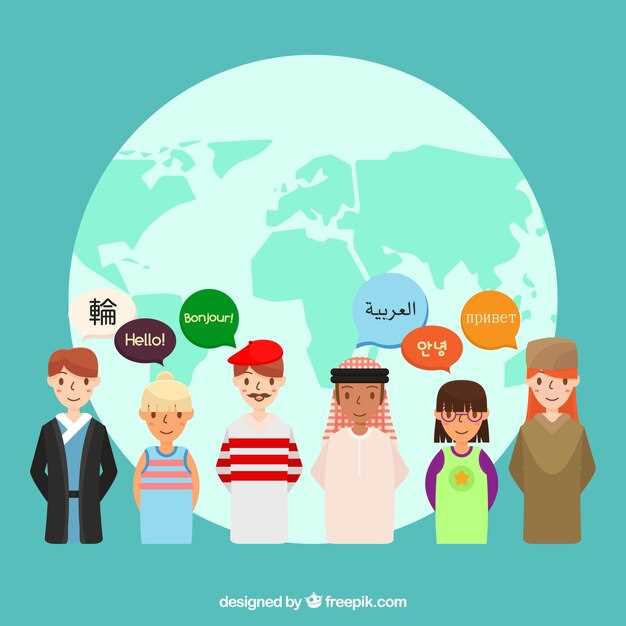 Normy społeczne w innych krajach – 10 wskazówek dotyczących etykiety z całego świata">

Zalecenie: Begin each trip by observing unwritten norms in confined spaces among locals; a respectful handshake when offered opens good conversations and sets the tone for the hours you spend abroad. These norms are highly considered by locals and backed by research, and our service helps you apply them smoothly.
1. Japan and Korea: Start with a light bow; a handshake is optional and may occur only if invited. Taking cues from locals helps you avoid missteps. In crowded spaces, keep your voice down and avoid dirty or flashy gestures; respect the unwritten rules and let conversing happen at a calm pace.
2. United States and Western Europe: A firm handshake lasting about 2-3 seconds works in most business settings; maintain steady eye contact and greet everyone in the room to set a good level of formality. If a group is conversing, wait for a natural pause rather than interrupting the flow, which is highly valued in service contexts.
3. Middle East and parts of Africa: Personal space is respected; use the right hand for greetings and avoid intrusive topics as a sign of respect. In receptions and queues, wait with patience and allow hosts to set the pace of conversations within their customary spaces.
4. Latin America: Expect warmth and occasional physical closeness; handshake or hug is common with consent, and light-handed conversation helps groups feel at ease. Keep a friendly tone and read the room so you join conversations at the right moment.
5. India and Southeast Asia: Namaste greeting, removing shoes in homes, and avoiding pointing; in conversations, maintain a calm voice and avoid any dirty or distracting gestures. Let conversations develop naturally and allow elders to set the pace, a good courtesy in hospitality settings.
6. China and Taiwan: In queues, wait your turn; avoid discussing sensitive topics in public, and keep a modest level of conversation. Avoid direct pointing and large public displays; let others take the lead in social spaces, especially in mixed groups where unwritten norms guide behavior.
7. France: Meals offer an opportunity to show restraint; keep hands on the table when appropriate and greet with a polite bonjour. Don’t rush the course and acknowledge pauses that signal a refined conversation in mixed company.
8. Germany: Punctuality matters; arriving within hours of the agreed time is seen as respectful. In business settings, a precise handshake, clear language, and a direct style are highly valued, with a focus on efficiency in service contexts.
9. Brazil and Italy: Expressiveness is welcomed, but respect personal space in new groups; use a warm tone and read social cues, avoiding intrusive questions until you receive a clear invitation to engage in deeper topics. Reading the room helps you adapt your style to local norms and social dynamics.
10. Australia and New Zealand: Be direct yet courteous; observe hosts’ timing and avoid dominating the dialogue. If unsure, ask a polite question at the right moment to join the discussion; this approach is reinforced by research and supported by our service, helping you tailor your etiquette for any audience.
10 Etiquette Tips by Country: Bowing, greetings, and punctuality mapped worldwide
Japan: In Japan, adhere to the quintessential bowing norms; a light 15-20 degree bow for casual greetings and a 30-45 degree bow for formal introductions. Shaking hands is not the default, so let the other person indicate if a handshake is welcome. When exchanging business cards, use two hands and display the card briefly so the other person can read it; this shows consideration and respect. Punctuality matters: arriving early is a basic fact of good manners and signals how seriously you take the schedule; even a half bow can suffice when the situation is informal. At events and in worship spaces, watch your body language and keep conversations open but not loud; always keep talking at a respectful pace. The hygiene and order you observe reflect the norms of the country and help you adhere to local expectations.
United States: In daily business and casual settings, offer a firm handshake with steady eye contact and a warm smile; this standard remains the baseline where trust starts. In drive-thru or service contexts, acknowledge the order clearly, keep voices calm, and show hygiene by avoiding cross-contact and using tissues as needed. Regularly arrive on time for meetings or events, and let your interest in the other person show through brief, relevant questions after the greeting; do not dominate the talking. In many workplaces, the boundary for physical contact is open, but let the other person lead. When ordering at a counter for fries or other food, say please and thank you to signal good manners. The fact remains that American etiquette favors open, direct communication and efficient interactions.
United Kingdom: A light, brief handshake with steady eye contact is common in business, while many prefer to use a respectful title and surname in formal settings. Punctuality is valued, yet social events can run late, so plan with a flexible margin and respect queues in shops and on public transport. In conversations, keep talking at a measured pace, show consideration, and listen more than you speak to convey interest; different social circles may call for different levels of informality, so watch for cues from nearby colleagues. When greeting someone you don’t know well, a nod or a soft hello is appropriate where the setting is quieter. Politeness balances practicality for both family gatherings and business discussions, making etiquette feel natural rather than rigid.
India: Begin with Namaste, palms pressed together; it’s a quintessential greeting that younger and older people alike use. Physical contact can be welcome among friends, but in many business contexts you should be cautious with the opposite sex unless invited. Address people by their title and surname during formal meetings; this shows respect and helps adherence to local norms and traditions. In religious events or worship areas, remove shoes where asked and follow local hygiene practices; during political or social events, stay considerate and avoid heated topics. In many regions, norms can differ, so be ready to adapt your approach to the context and watch hosts for cues about what is acceptable.
Chiny: In many business contexts, a light handshake is common, and presenting a business card with both hands is a must; place the card in front of you so it can be read and kept for a moment. Avoid public displays of emotion; instead, watch the other person’s responses and adapt. Time is treated with care: punctuality is appreciated, and discussions progress in a calm, organized way; show interest by asking open questions at the right moment. When moving in crowded spaces, keep a respectful distance and avoid loud talking that could disturb nearby colleagues. This approach reflects a blend of modern business practice and traditional norms in the country.
South Korea: Greet with a bow and a handshake, but use two hands for added respect, especially with elders or senior colleagues. In business settings, present cards with both hands and take a moment to read the card before putting it away; this shows consideration and respect for the other person. Time is important: keep meetings on schedule and respect prayer or rest times nearby; many social events have a built-in rhythm you should follow. Early introductions often involve some chatting beforehand, but avoid shouting or loud talking; maintain calm body language and show genuine interest in the conversation. If unsure, mirror the other person’s formality and scale your approach accordingly.
Germany: Punctuality and efficiency define most business interactions; arrive exactly on time and keep to the agenda. A firm, brief handshake accompanies a direct, clear conversation; language should stay formal until invited to be more casual. When in public spaces or offices, hygiene matters and personal space should be respected; avoid unnecessary physical contact in early meetings. If you are unsure about a topic, default to polite questions rather than speculative opinions; this aligns with German norms of factual, focused discussion. In nearby offices and conference rooms, maintain a calm, orderly environment to reflect respect for the process and the people involved.
Brazylia: Start with a warm handshake or cheek kiss with close colleagues, adjusting to how well you know the person. In both business and social events, openness and generosity matter–show interest and engage in light, friendly talk to build rapport. Time tends to be more flexible in social settings, but for formal meetings, plan to be on time and do not rush conversations. Keep a balanced distance; Brazilians appreciate physical proximity during conversations as a sign of engagement, but always read the other person’s cues. In casual dining, a relaxed atmosphere and good humor often drive the experience; this approach helps you fit in at nearby gatherings and events.
Arabia Saudyjska: Handshakes may occur among men; women greet with more reserved gestures depending on the community. In business contexts, respect gender norms; if a woman offers a handshake, follow her lead or offer a light nod instead. Heed prayer times and business hours around worship schedules; opening hours can vary during religious events. Address hosts with formal titles and show patience when discussing terms; this matters as part of everyday etiquette in the country. When dining, wait for the host to signal seating and avoid rush or loud talking in mixed company; showing restraint communicates good judgment in political and social discussions alike.
France: In business, a firm handshake is common, with brief eye contact and a polite greeting. Among friends and colleagues, la bise–one to four light kisses–serves as a quintessential greeting, adjusted to the degree of familiarity. In conversations, maintain a certain level of formality at first and shift to a warmer tone with closer colleagues; watching the room and choosing the right moment to switch topics matters. Punctuality is valued in professional settings, while social events may start later; adapt accordingly and avoid blunt talking at meals. When eating, keep conversations balanced and respect the etiquette of the table; this helps you fit in across different contexts in the country.
Japan: Bowing etiquette; business-card protocol
Start every meeting with a shallow bow of about 15 degrees and present your business card with both hands, card facing the recipient so they can read it easily. This simple action communicates respect and helps foreigners adapt quickly, with much impact. Adapting to local rhythm becomes easier when this foundation is clear. This protocol is easy to apply in practice.
For formal occasions or when meeting senior executives, deepen the bow to roughly 30 degrees and keep your shoulder line straight; avoid leaning forward, which signals casualness rather than deference. This approach uniquely communicates respect and sets the tone for every subsequent discussion. Unlike some other cultures, the ritual relies on restraint rather than prolonged interaction.
Exchanging business cards follows a clear sequence: present your card with two hands, card facing up and readable, and receive similarly with two hands; study the name and title for a moment, then place the card on the table in front of you if seated or in a case if standing. Validate any uncertain readings by repeating the name once to confirm you understood correctly.
In meetings, address colleagues by surname plus san, or by their title if appropriate; keep conversations formal and focused on the terms of the discussion; avoid interrupting and give others space to speak.
At meals or parties, wine is common in many events, but some hindu attendees may refrain from alcohol; offer non-alcoholic options and wait for others to signal their preference. This approach fosters a comfortable atmosphere for all participants.
Travelers and passengers alike should respect the schedule; when you travel to japan for meetings, arrive a few minutes early; this protects the starting line of an important discussion from delays. If you need to step away briefly, apologize politely and resume with another brief bow.
To adapt, practice with a partner before travel; keep your language clean and concise, and use a calm tone–this routine fosters trust and makes etiquette easy for newcomers.
United Kingdom: Queuing etiquette; polite small-talk boundaries
Always join the end of the queue and wait your turn; extended patience makes the experience smoother for everyone in line.
The UK queue culture is a clear custom: everyone lines up, and locals expect fair play. In busy stations, shops, or cafés, a firm, respectful line reduces stress and speeds service for businesses and customers alike. When you are abroad, observe the same rules you use at home, because the culture differs by setting, yet courtesy remains universal.
Start with brief greetings and a courteous nod, then keep conversations short while waiting. If you exchanges a few words, let the chat end before your turn–exchanging words should feel natural, not intrusive. Someones space matters; avoid crowding others and maintain a comfortable distance, even in crowded queues.
While you wait, be mindful of seats and space: do not save seats for people who are not present, and let someone ahead who appears to need a seat more, such as an elderly person or a parent with a child. If someone in front of you steps aside to let a colleague or a family member pass, acknowledge the gesture with a simple thanks; this small act reinforces camaraderie and consideration.
At the counter, keep bills and change ready, and watch price tags so you know what to expect when paying. In cafés or shops, the customary tip is free to give if the service was good, but it is not obligatory; your words of thanks carry more weight than any extra money. If you’re unsure about tipping norms, follow the local staff’s lead and observe what locals spend or leave as bills.
When conversations do happen, limit topics to light, universal subjects: the weather, travel plans, or local events. Although friendly, small talk should stay brief to avoid monopolizing someone’s time. In general, reactions like a short greeting and a smile suffice to signal goodwill and keep the queue moving.
In summary, queueing in the UK blends extended patience with firm boundaries: greet briefly, exchange only a few words, respect strangers and locals alike, and keep the flow steady for everyone involved in the culture of waiting–whether you are at a shop, a station, or a business venue.
France: Formal greetings; correct use of titles
Przywitać z ‘Bonjour’, a następnie odpowiedni tytuł i nazwisko oraz zaoferuj uścisk dłoni. Te pierwsze momenty decydują o tym, jak potoczy się spotkanie, więc zadbaj o to, by gest był pełen szacunku i lekki.
Oczywiście. Proszę podać tekst do tłumaczenia na język polski. M. lub Pani i) Panna w tradycyjnych kontekstach), dopóki ktoś nie zaprosi Cię do przejścia na "Ty". W rozmowie przejdź na ty i zwracaj się po nazwisku, co sygnalizuje wzgląd Jasne. Dzięki i popraw. Tam jest więcej w kwestiach etykiety większą wagę niż do pierwszego powitania; zachowaj spójność w sposobie, w jaki zwracasz się do ludzi.
W. konwersując W kontaktach z kolegami pamiętaj o: język Profesjonalny i jasny język; unikać slangu. warunki konsekwentnie adres i direct proponując plan, a następnie zrobić pauzę, aby zachęcić ich do wniesienia wkładu. Istnieje dużo doceniaj słuchanie podczas odpowiadania. Ta równowaga pomaga przejść od pogawędki do produktywnej dyskusji bez przerywania, dzięki czemu każdy czuje się doceniony.
Punktualność istotne kwestie: przybycie na czas sprawia dobre wrażenie; jeśli się spóźnisz, zadzwoń do gospodarza z krótkim wyjaśnieniem. Podczas formalnych spotkań trzymaj się wyznaczonego warunki i porządku obrad; unikaj zmiany tempa bez ostrzeżenia. Po spotkaniach krótki komentarz czy notatka może okazać dobrą wolę i powinieneś wyrazić Dzięki na razie.
W. restauracje, zwyczajowa rutyna przebiega spokojnie i pod kontrolą strefa. The wyznaczony serwer obsłuży Twój stolik; zachowaj czystość i unikać brudny obszarów w przestrzeni jadalnej. Kiedy rachunki dotrzyj, użyj wyraźnego, direct prośby jak np. ‘Poproszę rachunek.’. Jeśli się dzielisz, zaproponuj uczciwy podział, używając odpowiedniego języka; wielu zadowoli się warunki uprzejmie. Zakończ słowem Dzięki do personelu i krótkie omówienie komentarz w usłudze. Pamiętaj: to jest customary praktyka, która sygnalizuje wzajemny szacunek w francuskiej kulturze kulinarnej.
Niemcy: Punktualność; bezpośredni, ale pełen szacunku styl konwersacji
Normy zwane punktualnością i bezpośredniością wymagają przybycia przed czasem, rozpoczynania punktualnie i zwięzłego przedstawiania wyników. W przypadku spotkań zaplanuj szczegółowy program, udostępnij go z wyprzedzeniem i trzymaj się wyznaczonych czasów. W przypadku opóźnienia wyślij krótkie powiadomienie z aktualnym szacowanym czasem przybycia (ETA).
W rozmowach, angażuj się bezpośrednio, ale z szacunkiem. Dawaj sygnały, że jesteś gotów do mówienia; słuchaj, a następnie odpowiadaj konkretnymi stwierdzeniami. Trzymaj ramiona prosto, lekko się uśmiechaj i utrzymuj otwartą postawę, aby pokazać zaangażowanie. To połączenie efektywności i ciepła jest podstawową koncepcją w niemieckiej kulturze biznesowej. Podejście jest całkowicie praktyczne.
W biurach kończ dyskusje z jasnym wnioskiem i kolejnymi krokami; wiele zespołów polega na krótkim podsumowaniu, aby zapobiec niejasności. Ogranicz przerwy na kawę do minimum zakłóceń i szybko wracaj do pracy. Jeśli widzisz, że ktoś robi notatki lub organizuje zadanie, zaoferuj pomoc i kontynuuj bez zwłoki. Zwracaj się do każdej osoby bezpośrednimi stwierdzeniami i unikaj wyróżniania kogokolwiek.
Podróżowanie po Europie wymaga dostosowania się do lokalnych zasad i środowisk. Podróżując po Europie, szanuj lokalne normy i dostosuj swoje podejście. Niemcy oczekują precyzyjnej kolejności tematów i dobrze udokumentowanych warunków cenowych podczas omawiania produktów lub usług; przynieś dane, cenniki i harmonogramy oraz potwierdzaj decyzje na piśmie. W niektórych środowiskach Amerykanie mogą być bardziej nieformalni; odpowiadaj zwartymi, opartymi na danych propozycjami i jasnymi terminami. Ten kontrast pomaga zapobiegać nieporozumieniom i zapewnia sprawność spotkań.
Podczas przyjęć lub posiłków, stawiaj na proste potrawy i rozsądne porcje; unikaj długich, obfitych posiłków w trakcie negocjacji; wykorzystuj spotkania przy kawie, aby utrzymać dynamikę i koncentrację.
| Aspekt | Niemieckie podejście | Działanie praktyczne |
|---|---|---|
| Harmonogram i struktura | Zacznij punktualnie; kolejność tematów ma znaczenie. | Udostępnij krótką agendę 24 godziny wcześniej; określ ramy czasowe dla tematów; przypisz odpowiedzialność. |
| Styl konwersacyjny | Bezpośredni, ale pełen szacunku; zwięzły. | Otwórz z celem; przedstaw dane; zatrzymaj się na uwagi. |
| Język ciała | Wskazówki kierują zaangażowaniem; ramiona wyrównane; uśmiechanie się | Utrzymuj kontakt wzrokowy; przytakuj, aby potwierdzić; unikaj garbienia się. |
| Przerwy | Przerwy na kawę są krótkie. | Ogranicz do 5 minut; wznów niezwłocznie |
| Negocjacje i warunki zamówienia | Jasne warunki dotyczące produktów, ceny i czasu realizacji. | Przedstawiać pisemne propozycje z ilościami, ceną, terminami dostaw; potwierdzać decyzje. |
| Podróżowanie i adaptacja | W europejskich środowiskach należy dostosować się do lokalnych przepisów. | Miej krótką odprawę; dokumentuj decyzje; szanuj lokalne zwyczaje |
Takie podejście wspiera efektywną współpracę między wieloma biurami i osobami, redukuje zamieszanie i pomaga zapobiegać opóźnieniom w spotkaniach, niezależnie od tego, czy jesteś w podróży służbowej, czy pracujesz z niemieckimi zespołami.
Indie: Powitanie Namaste; zdejmowanie butów i etykieta w świątyni

Namaste – pozdrowienie łączące bliźnich; złóż dłonie na wysokości klatki piersiowej, a następnie wykonaj subtelny ukłon. Ten kwintesencjonalny gest, który będzie przykładem pełnego szacunku zachowania, nadaje ton każdej interakcji.
Zanim wejdziesz do domów lub świątyń, zdejmij buty; ułóż je starannie przy wejściu, to zwyczaj rozpowszechniony w wielu gospodarstwach domowych. Jeśli zapomnisz, poproś gospodarza lub personel świątyni o wskazówki, a w przyszłości postępuj zgodnie z wywieszonymi znakami.
W świątyniach ubieraj się skromnie: zakrywaj ramiona i kolana; zdejmij kapelusze lub okulary przeciwsłoneczne; unikaj głośnej biżuterii; w miastach przestrzegaj wywieszonych zasad i naśladuj miejscowych. Twoje zachowanie powinno szanować świętość miejsca i okazywaną pobożność; w razie wątpliwości co do jakiejkolwiek zasady skonsultuj się z personelem. Jest to zgodne z ogólnymi zasadami zachowania się podczas wizyty w miejscach świętych, zachowując spokojną i pełną szacunku atmosferę.
Fotografowanie w pobliżu bożków jest często ograniczone; przed zrobieniem zdjęć skonsultuj się z personelem lub pielgrzymami. Jeśli otrzymasz prasad, przyjmij go obiema rękami i cichym “dziękuję”. Nie wyrzucaj ofiar na podłogę; to okazuje wdzięczność i szacunek dla rytuału.
W azjatyckich kontekstach, Namaste jest popularnym powitaniem w wielu domach; Korea ma inne zwyczaje, ale szanowanie lokalnych obyczajów zapewnia płynne doświadczenia. Podczas posiłków wiele dań podawanych jest w stylu rodzinnym; w miejskich restauracjach sztućce są powszechne, podczas gdy niektóre chleby i curry je się palcami. Używaj prawej ręki do nabierania jedzenia lub chleba i obserwuj gospodarza, jak dzieli się potrawami przy stole. Gdy rachunki przyjdą, obsłuż je uprzejmie i podziękuj kelnerowi za obsługę.
 Kreml Moskiewski – Historia, Architektura i Przewodnik po Zwiedzaniu">
 Scena Sztuki Współczesnej w Moskwie w 2025 roku – Kluczowe Galerie i Artyści">
 Rosyjski przewodnik po pociągach – Podróżuj koleją po Rosji">
 16 najlepszych moskiewskich browarów i piw rzemieślniczych w Rosji – kompletny przewodnik">
 Weź ślub w Moskwie – niezapomniane pomysły na wesele w Rosji">
 Inteligentna Turystyka w Moskwie – Aplikacje i Narzędzia Cyfrowe dla Nowoczesnych Podróżników">
 Relaksujący Weekend w Moskwie – Przewodnik po Parkach, Kawiarniach i Kulturze w Spokojnym Tempie">
 5 pomysłów na niezobowiązującą randkę w Moskwie dla par, by odkrywać i budować więź">