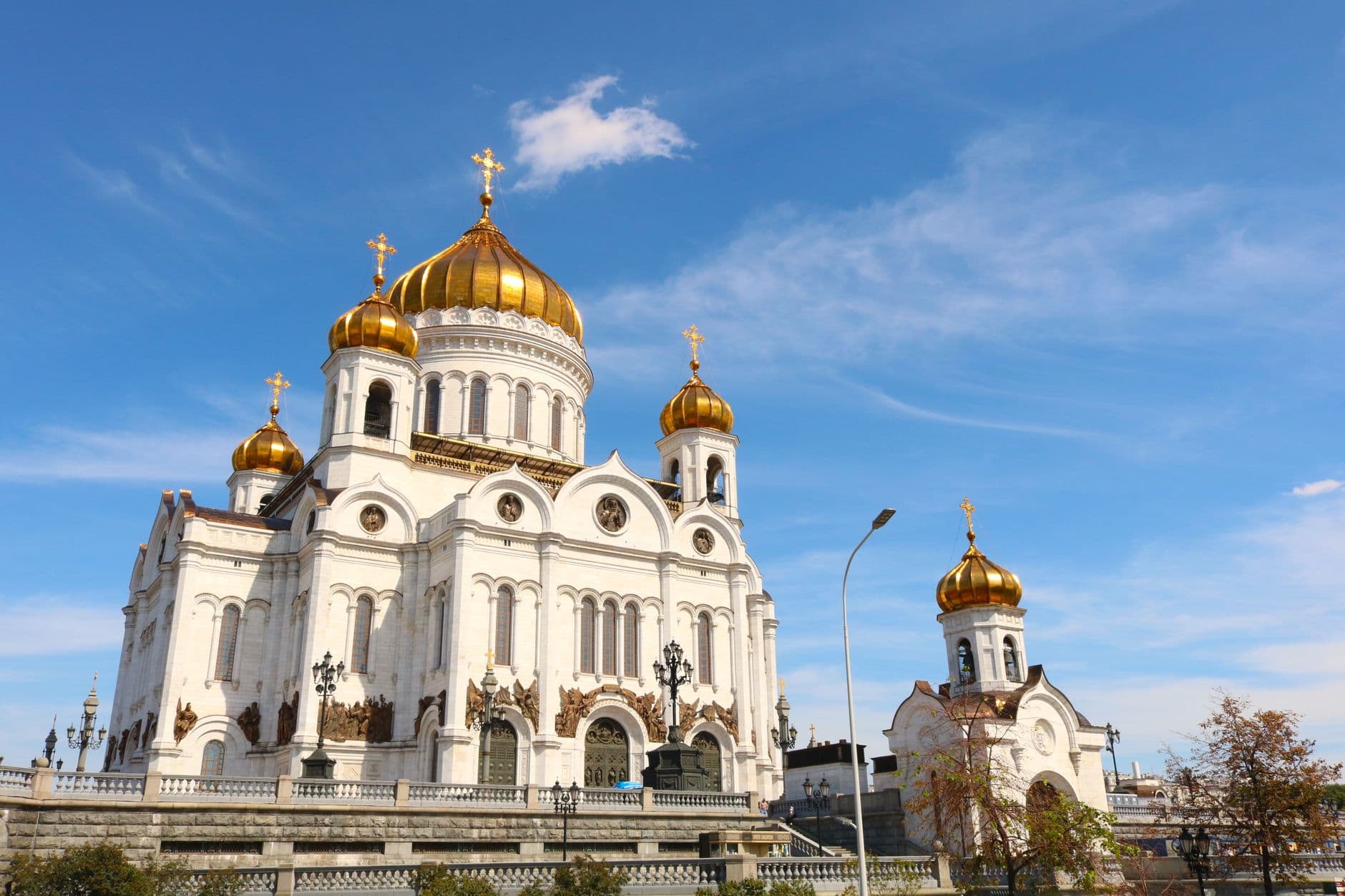
Musisz odwiedzić to miejsce podczas każdej wizyty w Moskwie: Sobór Chrystusa Zbawiciela dominuje nad brzegiem rzeki swoją białą, bizantyjską sylwetką. Podejście od placu przyciąga uwagę, a historia zaczyna się od polecenia cara Aleksandra I budowy świątyni na pamiątkę rosyjskiej zwycięstwa w 1812 roku. Nie można przeoczyć wielkich schodów i brązowych furt, a gdy zbliżasz się, skala zachęca do podniesienia wzroku ku złotym kopułom.
W środku łączy się rosyjsko-bizantyjski styl z warstwami ikonografii, pozłacanymi teksturami i precyzyjnym inżynierią. Wnętrza cechują się obszernymi planami do modlitwy i przestrzeniami publicznymi, podczas gdy panele z emalią i rzeźbione płyty chwytają światło z żyrandoli.
Katedra odzwierciedla burzliwą historię Rosji w XX wieku: została zaprojektowana w XIX wieku, zniszczona w 1931 roku, a następnie odbudowana po upadku Związku Radzieckiego. Odbudowa rozpoczęła się w latach 90., a kościół został ponownie poświęcony w 2000 roku; freski i symbole zostały starannie przywrócone do dawnego blasku, zjednoczając ludzi w całym kraju w wspólnym miejscu pamięci.
Ponad kultem, teren oferuje przestrzenie rekreacyjne na świeżym powietrzu, które zapraszają do refleksji. Poświęć kilka minut na spacer po ścieżkach na zewnątrz, aby dotrzeć na taras, gdzie płaskie płyty i kamienne ławki ramują widok, a panele przy placu opowiadają historie w metalu i reliefie. Projekt miejsca przewiduje zarówno cichą kontemplację, jak i publiczne wydarzenia.
Zaplanuj swoją wizytę z praktycznymi wskazówkami: przyjdź wcześnie, aby cieszyć się zewnętrzną częścią przed nadejściem tłumu, i sprawdź oficjalne rozkłady czasu na zwiedzanie wnętrza. Fotografia jest zazwyczaj dozwolona w miejscach publicznych, ale przestrzegaj wywieszonych zasad i szanuj świętość liturgicznych przestrzeni. To miejsce jest obowiązkowym punktem dla tych, którzy chcą nawiązać do potężnego rozdziału historii Rosji, i pozostaje żywym świątynią wśród świątyń w Moskwie. To doświadczenie zawsze nagradza staranne przygotowanie.
Wnętrze: Praktyczny przewodnik po elewacji i pierwszych wrażeniach
Stój na placu publicznym naprzeciwko katedry i przyjrzyj się białej elewacji z różnych kątów. Krzyż wieńczy główny fronton, a pionowe linie pilastrów kierują twój wzrok ku górze, nadając ton temu, co poczujesz od samego początku.
Obejrzyj materiały: białe marmurowe panele tworzą czystą powierzchnię, z delikatnymi cieniowaniami wzdłuż ich krawędzi. Rytm wykuszy i łuków tworzy spokojny porządek, podczas gdy wejścia znajdują się w wnękach, które podkreślają drzwi jako przejście od ulicy do przestrzeni sakralnej. Twarze na panelach odzwierciedlają motywy religijne i pracę kilku artystów, którzy starannie ukształtowali zewnętrzną część. Gość może wyobrazić sobie, jak prowadzi dialog z kamieniem.
Elewacja wchodzi w interakcję z przestrzenią publiczną. Z placu dominuje scenę, ale boki zachęcają do bliższego przyjrzenia się kompozycji. Najlepiej sprawdzają się zdjęcia na zewnątrz, gdy światło pada z boku, ujawniając smukłe wieżyczki, które flankują centralną masę i ramują kopułę; większość odwiedzających zatrzymuje się, aby zrobić zdjęcie z rogu, gdzie krzyż jest najbardziej widoczny.
Czas i punkt widzenia mają znaczenie. Rano światło nadaje ostry, chłodny odcień białemu kamieniowi; późnym popołudniem ogrzewa kolory, ale pogłębia cienie. Aby lepiej poczuć skalę, obejdź zewnętrzne narożniki i trzymaj centralną kopułę w kadrze. Kobiety i rodziny często zatrzymują się tutaj, dodając budynkowi ludzką skalę.
Praktyczne uwagi: strona oferuje ograniczony dostęp do wnętrza, więc skorzystaj z widoku z zewnątrz, aby interpretować architekturę. Jeśli chcesz oficjalne informacje na temat godzin otwarcia lub wycieczek, sprawdź httpisaakticketnetruen; jeśli wejdziesz do środka, spotkasz się z obrazami ołtarzowymi, w tym wizerunkami zmartwychwstania i wniebowstąpienia, osadzonymi w programie religijnym. W środku jest pełny kontekst, ale zewnętrzna część już wyraźnie przekazuje swoją wiadomość, a przestrzeń publiczna wokół niej jest częścią doświadczenia. Trzymaj swoje rzeczy w bezpiecznym miejscu i szanuj innych odwiedzających, gdy przemieszczasz się od panelów do narożników.
Dla szerszego spojrzenia porównaj zewnętrzną część z innymi publicznymi kościołami w Petersburgu i Moskwie. Architektura katedry wykorzystuje białą masę, krzyż i płaskorzeźby, aby przekazać religijne przesłanie, które rezonuje z milionem odwiedzających, którzy chcą poczuć połączenie z historią poza ołtarzem.
Niskoprofilowy sylwetka i kluczowe płaszczyzny elewacji, które można rozpoznać z ulicy
Identyfikuj centralną złotą kopułę jako punkt odniesienia; z chodnika największa kopuła spoczywa na wysokim bębnie, a jej masywność będzie widoczna na tle nieba. Z poziomu ulicy główne płaszczyzny dzielą się na trzy poziome pasy: szeroki cokół, centralny pionowy blok i niższe boczne pawilony, które równoważą masę. Osowy wejście, z kolumnowym portykiem, oznacza główną oś i kieruje twój wzrok ku górnemu krzyżowi. To skupienie daje pełne poczucie hierarchii budynku bez potrzeby widoku z odległości.
Wiele czytelników zauważa, że linia gzymu przypominająca pokład i płaskie bloki białego kamienia tworzą płaszczyzny, które odbijają światło inaczej w zależności od miejsca, w którym się znajdujesz. Pierścień okien w centralnym bębnie tworzy rytm pionowy, który dobrze wygląda z chodnika, podczas gdy boczne skrzydła są niższe, dzięki czemu sylwetka pozostaje czytelna nawet na zatłoczonych ulicach. Ikony kopuł - jedna duża i cztery mniejsze - akcentują linię horyzontu i pomagają zorientować się w kompozycji, jaką widzisz z ziemi.
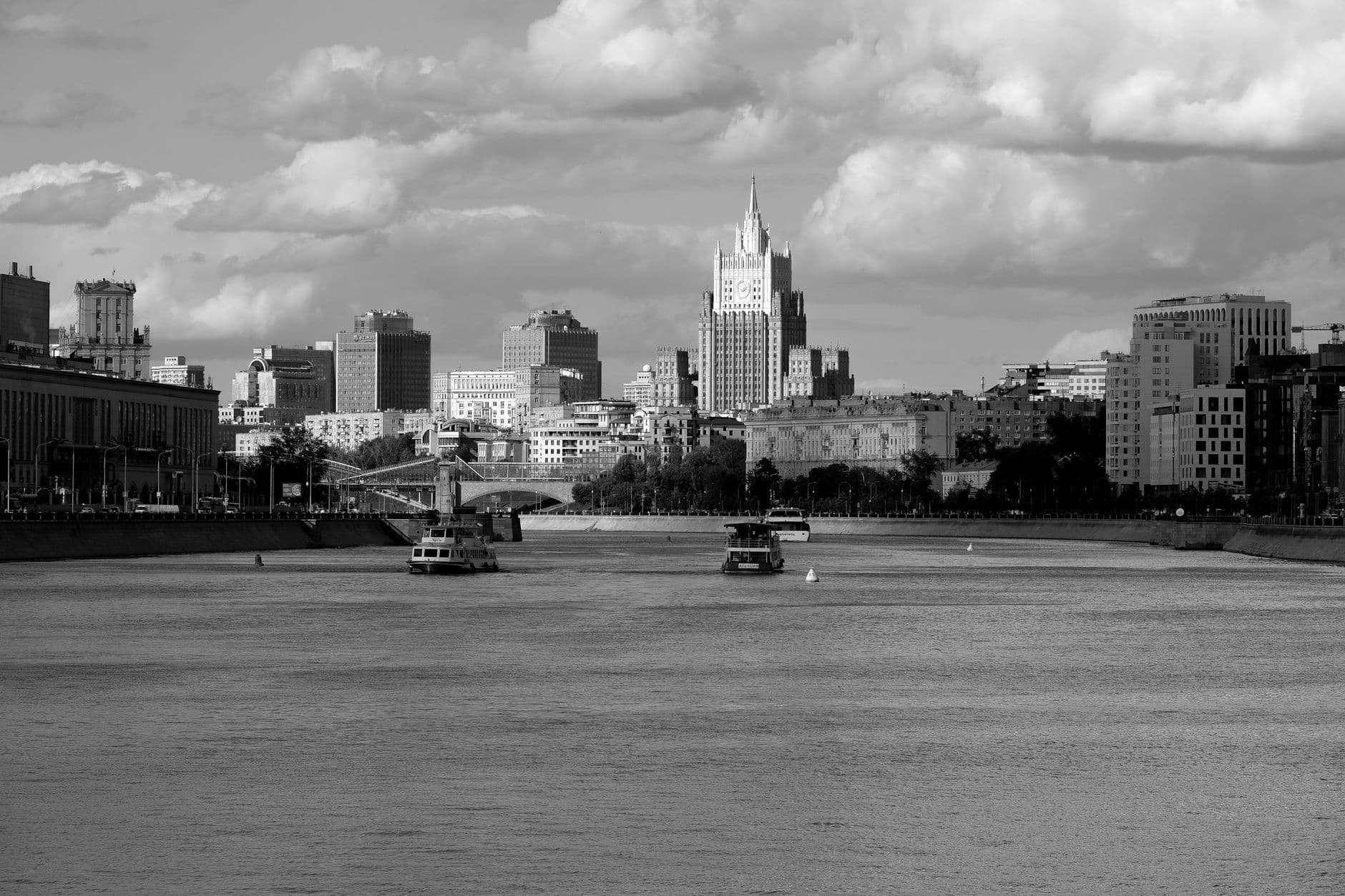
Z łodzi podczas wycieczki po rzece można porównać, jak sylwetka komponuje się z brzegiem rzeki. Z pokładu bulwaru Aleksiejewskiego zauważasz, jak centralna kopuła dominuje nad panoramą miasta i jak narożniki fasady wznoszą się w pionowych płaszczyznach, które wybiegają poza linię dachu.
Ponieważ strona ma złożoną historię, miejscowi jak Yuri i siostry zakonne wzbogacają spacer o anegdoty. Oryginalna budowla stała przez dziesięciolecia przed wyburzeniem w latach 30. XX wieku; niektórzy robotnicy zginęli podczas rozbiórki, a tony marmuru i ikon zostały przeniesione lub przechowywane. Wikipedia i przewodniki edukacyjne podsumowują te przemiany; archiwalne notatki parland pozostały w plikach muzealnych, pokazując, jak projekty ewoluowały i jak w końcu zrealizowano pełny plan; współczesna wizyta pomaga połączyć przeszłość z teraźniejszością. Kontekst epoki leningradzkiej wciąż odzywa się w dyskursie publicznym.
Chcesz praktycznej listy kontrolnej? Najłatwiej zauważyć: centralną kopułę na bębnie, kolumnowy główny wejście i długie boczne płyty tworzące fasadę. Zaplanuj wizytę, która łączy spacer lądowy z wycieczką rzeką, aby porównać kąty, i wykorzystaj okazję, aby poznać więcej o miejscu i jego historii.
Materiały i wykończenia elewacji: co sprawdzić i jak starzeją się
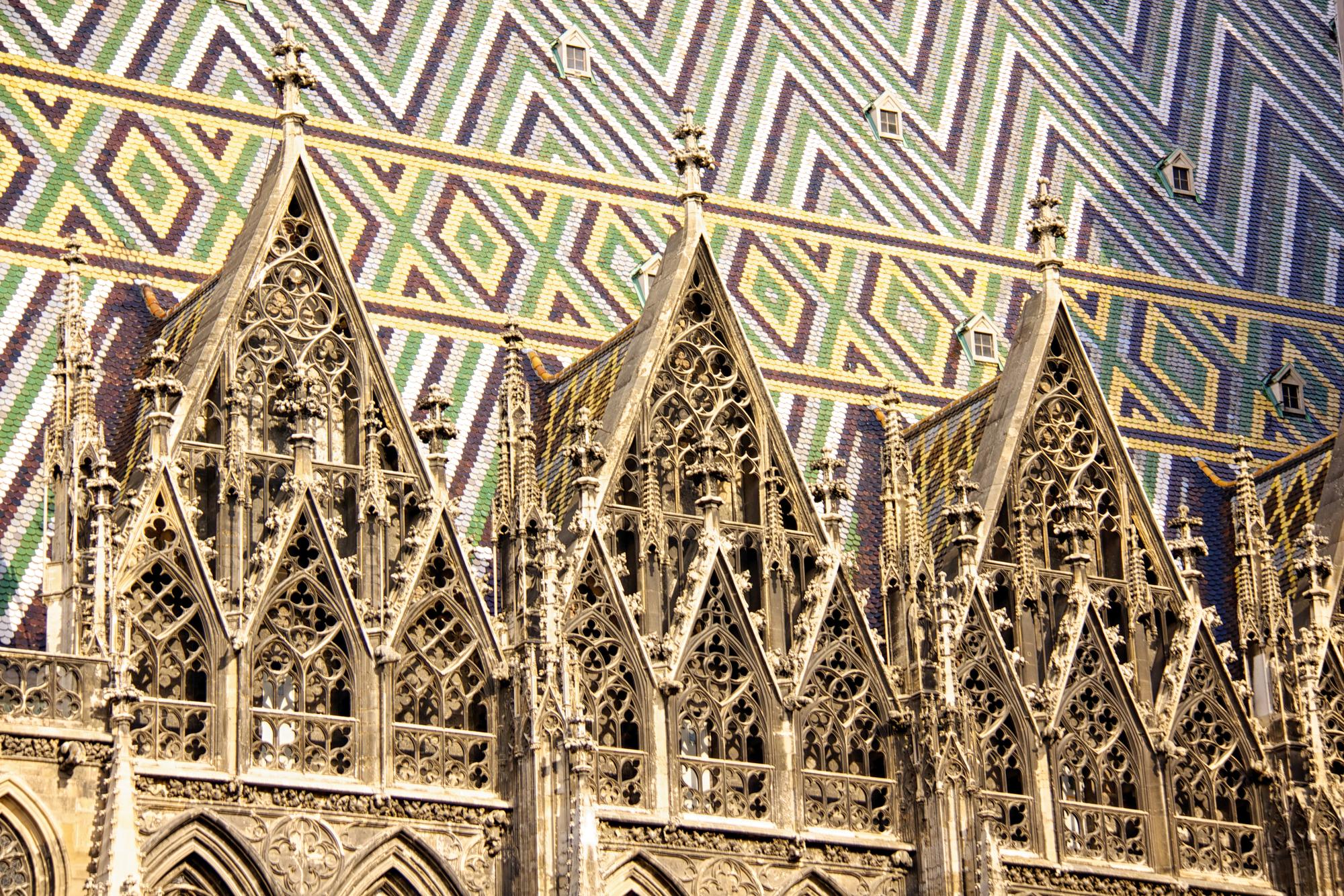
Sprawdź materiały fasad budynków tej skali w najbardziej narażonych strefach, skupiając się na blokach granitowych, ceglanej murowanej i tynkach na bazie wapiennej. Utwórz roczne plany inspekcji dostosowane do zmian sezonowych i rytmów turystów w lipcu.
Powierzchnie granitowe oferują dobrą trwałość, ale wniknięcie wilgoci powoduje mikropęknięcia i czasami odpryskiwanie w pobliżu połączeń. Szukaj przebarwień, ciemnych smug i luk w zaprawie. Jeśli kotwy pokrywają się rdzą, planuj celowe odnowienie zaprawy i leczenie korozji jako część dodatku do planu konserwacji.
Cegły i tynki starzeją się inaczej: na cegłach pojawia się kwitnienie solne, odklejają się wapienne tynki lub blakną mineralne farby, co wskazuje na drogi wilgoci. Sprawdzaj szwy podczas badania elewacji; jeśli zauważysz łuszczenie, maluj ponownie oddychającymi farbami mineralnymi co cztery do pięciu lat, aby chronić przed wiatrem i deszczem.
Metalowe elementy detali, kornice, ramy i kotwy gromadzą korozję i zużycie pigmentów. Elementy miedziane lub cynkowe tworzą patynę, która pasuje do historycznego wyglądu, podczas gdy żelazne osprzęty rdzawieją, jeśli uszczelniacze zawodzą. Dokręć śruby, ponownie uszczelnij połączenia i wymień wszystkie skorodowane elementy w rublach, planując budżet na dobry cykl restauracji.
Znaki starzenia, na które należy zwrócić uwagę: nierówny kolor, plamy wykwitów, pęknięte powłoki i nieprawidłowe ułożenie szwów po intensywnych opadach. Te oznaki ujawniają gniazda wilgoci i problemy z odprowadzaniem wody, szczególnie w narożnikach układów wyspowych lub wzdłuż obwodów miasta. Pomagają one kierować naprawami bez zakłócania ogólnej rytmiki.
Wybierz wykończenia, które oddychają: wapno, farby mineralne lub oddychające impregnaty w stylu rosyjsko-bizantyjskim. Unikaj gęstych akryli, które zatrzymują wilgoć. Czyść powierzchnie miękkimi szczotkami i wodą pod niskim ciśnieniem; nigdy nie usuwaj farby z kamienia za pomocą ciśnienia. Planuj odnowienie malowania co cztery do pięć lat i przewidzij budżet w rublach, aby uzyskać dobry efekt.
Wybieg kościoła zdobi koronujący gzyms, rzeźbione reliefy i pozostałości malowideł, które podkreślają historycy. Zarejestruj te szczegóły przed jakąkolwiek restauracją w formalnym raporcie; ten fakt kieruje wyborem kolorów i faktury, zachowując znaki ceremonii religijnych i ogólną kompozycję katedry.
Wniosek: zachowaj świadomy podejście, które szanuje wiek budynku i kontekst miejski - widoki na Kreml, postacie Jezusa i motywy rosyjsko-bizantyjskie - jednocześnie utrzymując materiał w dobrym stanie. Wymagają one regularnych kontroli, starannego czyszczenia i jasnego harmonogramu, aby chronić elewację na kolejne pięć dekad i dłużej.
Rzeźby, reliefy i ich symboliczne znaczenia widoczne na elewacji
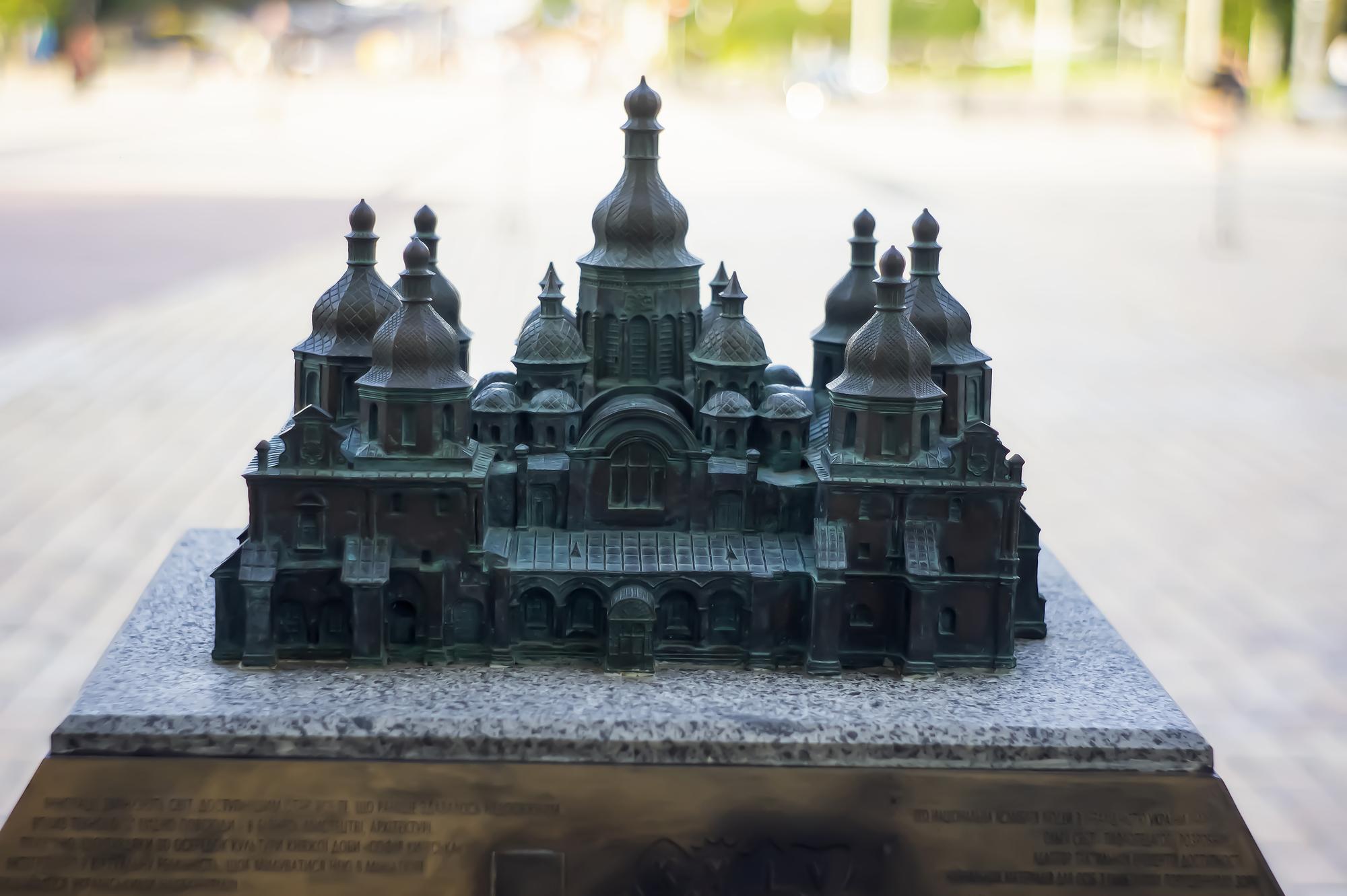
Zacznijmy od trzech monumentalnych reliefów, które nadają ton językowi symboliki fasady i prowadzą nas przez odczytanie monumentu w kamieniu. Z perspektywy nadbrzeża zauważasz trzy grupy na postumentach, które tworzą wyspę rzeźby, łącząc budynek z otaczającym go przestrzenią miejską.
XIX-wieczny program łączy wpływy bizantyjskie z tradycyjną dekoracją, łącząc monumentalność cywilną z edukacją kościelną i pamięcią społeczną. Rzeźbiarze pracowali w stylu, który podkreśla wyraźne sylwetki, ukoronowane postacie i narracje czytelne z ulicy. Fasada wykorzystuje światło i cień, aby wyrywać znaczenie z każdego panelu, zapraszając do późniejszego, powolnego oglądania podczas spaceru po podjeździe skierowanym w stronę wyspy. Autorstwo przypisuje się kręgowi Wasylewskiemu, przekształcając bizantyjskie inspiracje w monumentalną rosyjską edycję. Goście uważają, że to dzieło tworzy specjalny moment czytania na miejscu.
Uważna sekwencja rozwija się, gdy zbliżasz się: najpierw centralne płaskorzeźby, następnie boczne panele, a na końcu dekoracyjne pasy łączące zewnętrzną część z programem stropowym wnętrza. To ułożenie łączy historię na zewnątrz z historią miejsca i statusem Moskwy jako zabytku miejskiego.
- Centralny relief: Jezus koronowany w chwale, z promieniami światła rozchodzącymi się na zewnątrz, symbolizujący Wniebowstąpienie i zbawienie; kompozycja sprawia, że fasada czytana jest jak kamienna kazania dla przechodniów.
- Lewy relief: motywy-figury pogrzebowe w procesji pełnej czci, odzwierciedlające śmiertelność i nadzieję na życie wieczne poza grobem.
- Prawy relief: nauczanie i uzdrawianie - uczniowie i święci trzymają księgi i symbole mądrości, podkreślając edukację, misję oraz tradycyjną rolę Kościoła w życiu publicznym.
- Fryzy i medaliony: dekoracyjne pasy odzwierciedlają motywy sufitów; wzory inspirowane są źródłami bizantyjskimi i wkomponowane w program dekoracyjny, w tym specjalne emblematy, które oznaczają to miejsce jako poświęcony pomnik.
Przejdź wzdłuż nabrzeża, aby zauważyć, jak łuk słońca zmienia reliefy w ciągu dnia; nawet krótki spacer ujawnia nowe szczegóły. Program rzeźbiarski podkreśla Katedrę jako centrum historii, edukacji i tożsamości miasta, czyniąc zewnętrzną część nie tylko dekoracją, ale skupioną narracją dla odwiedzających i mieszkańców.
Kopuły, krzyże i orientacja wejścia: lokalizowanie głównych cech z zewnątrz
Znajdź najpierw imponujący centralny kopuł, koronowany krzyżem. Ten sam element wskazuje oś, która biegnie przez skrzyżowanie i ramuje sylwetkę kościoła z większości kątów.
Z tego punktu widzenia śledź długi oś główny w kierunku głównego wejścia. Drzwi znajdują się w linii z nawą główną i często stanowią główny element fasady widocznej z placu lub ulicy, co czyni orientację wejścia intuicyjną.
Sprawdź górne i dolne elementy zewnętrzne: wysokie kopuły, mniejsze kopuły i ich krzyże tworzą rozpoznawalny sylwetkę. Sposób, w jaki te kopuły wznoszą się ponad gzymsy i frontony, pomaga zlokalizować przecięcie i święte przestrzenie wewnątrz.
Szukaj panelów z ikonami na elewacji w pobliżu drzwi. Te panele, czasami pozłacane lub malowane, sugerują świat ikon wnętrza i wskazują, gdzie znajdują się miejsca dla kaplic.
Kiedy przyjedziesz metrem, skorzystaj z widoku placu, aby potwierdzić ustawienie w stosunku do głównej fasady; informacje online i zdjęcia są pomocne przy szybkiej sprawdź. Cześć, porównywanie pełnowymiarowych zdjęć z aktualnymi informacjami online utrzymuje Twoją orientację dokładną.
| Feature | Co szukać | Notes |
|---|
| Główna kopuła | Największa kopuła na skrzyżowaniu, z krzyżem widocznym na tle nieba | Kluczowe odniesienie do orientacji zewnętrznej |
| Inne kopuły i krzyże | Mniejsze kopuły z krzyżami uzupełniają panoramę | Pokazuje złożony sylwetkę |
| Wejście wyrównane | Główne wejście prowadzi wzdłuż osi kościoła ku placowi. | Ułatwia szybki dostęp i kąty zdjęciowe. |
| Płyty z ikonami na elewacji | Grupy paneli w pobliżu drzwi wskazują przestrzeń ikon wewnątrz | Użyteczne do lokalizacji kaplic z zewnątrz |
| Detale zewnętrzne | Gzymsy, dekoracyjne panele i symbole święte | Potwierdź plan budynku |
| Oto tłumaczenie:
Online odniesienia | Strony oficjalne i zdjęcia z galerii | Porównaj z informacjami i starymi rysunkami z epoki napoleońskiej, aby zobaczyć zmiany. |
Otoczenie, punkty widokowe i porady fotograficzne dla zdjęć zewnętrznych
Zacznij na otwartym terenie bezpośrednio przed katedrą i ujęcie krzyża na centralnej kopule na tle czystego nieba dla efektownego zdjęcia zewnętrznego.
Ten układ korzysta z otoczenia: szeroki plac, drzewa i bulwar nad rzeką Moskwa tworzą zróżnicowane tła; w zależności od oświetlenia, uwiecznij imponującą sylwetkę z kilku poziomów i pod kątem, wybierając miejsce, które utrzymuje katedrę w centrum.
Punktami widokowymi są: schody frontowe na poziomie ziemi dla bezpośredniego, bliskiego widoku; taras parku na zachodzie oferuje szerszy kadr; promenada nad rzeką daje długi widok w kierunku miasta; a widok z mostu zapewnia podniesioną kompozycję.
Sprzęt i ustawienia mają znaczenie: użyj obiektywu szerokokątnego (16-35mm na pełnym kadru lub 11-24mm na APS-C), aby uchwycić masyw katedry, i zabierz opcję teleobiektywu (70-200mm), aby skompresować kopuły z odległymi punktami orientacyjnymi. Zrób zdjęcia przy otworze f/8-f/11, ISO 100-200, i dostosuj czas naświetlania, aby zrównoważyć jasne niebo; robienie zdjęć w różnych ekspozycjach, gdy chmury się poruszają.
Światło: złota godzina maluje cegły i pozłacane kopuły ciepłymi tonami, podczas gdy niebieska godzina dodaje spokojny sylwetki na tle chłodnego nieba. Polaryzator pomaga z refleksami rzeki, a stopniowany filtr ND może być przydatny, gdy niebo jest bardzo jasne.
Kompozycja: zakotwórz ramkę na krzyżu i głównej kopule, a następnie prowadź wzrok wzdłuż linii budynku ku wodzie lub miastu. Pozostaw trochę nieba, aby podkreślić skalę, i dodaj kilka drzew lub szczegółów architektonicznych, aby nadać kontekst; użyj kilku kadrów z bliska, aby ujawnić tekstury powierzchni lub malowane akcenty na elewacji. Jeśli planujesz serię, wybierz ostatni kadr, który najlepiej przekazuje obecność katedry.
Wnętrza i kontekst: zewnętrzna elegancka elegan