


Nabycie wycieczki z przewodnikiem na czas pozwala maksymalnie wykorzystać wizytę w Kremlu. Dzięki temu podejściu można uniknąć długich kolejek przy głównych atrakcjach i mieć pewność, że zobaczy się katedry, Zbrojownię i tereny w ramach jednej, spójnej trasy. Dostępne terminy szybko się wyczerpują w sezonie turystycznym, dlatego wcześniejsze rezerwowanie pomaga zaplanować każdy krok dnia wokół metra i zimowego światła dziennego.
Jego mur i podłoże odzwierciedlają przemianę z średniowiecznej twierdzy w żywy ośrodek władzy. Do XV wieku władcy rosyjscy skoncentrowali tu kontrolę, a Kreml stał się centralną sceną dla władców, których wpływ rozciągał się na życie polityczne, religijne i kulturalne Rosji. Imię Władimira często jest wymieniane, gdy mieszkańcy opisują epokę, w której Moskwa zaczęła dominować w regionie, a Kreml stał się sercem tej przemiany.
Architektura łączy ceglane mury z złocistymi kopułami, cebulowymi formami i reprezentacyjnymi salami, które rozciągają się przez wieki. Mur i wieże otaczają dziedzińce, gdzie carzy spotykali się z posłami, podczas gdy Dzwonnica Iwana Wielkiego wznosi się nad ziemią jako symbol rosnącej potęgi Moskwy. Centralny zespół rozrósł się w jeden z największych fortyfikowanych kompleksów w regionie, a w jego halach można śledzić przemianę od feudalizmu przez okres imperialny aż po wpływy radzieckie.
Współczesnie Kreml pozostaje jądrem władzy państwowej, mieszcząc administrację prezydencką, Senat oraz kilka przestrzeni ceremonialnych. Chociaż niektóre obszary mają ograniczenia dostępu w określonych dniach, publiczne strefy oferują jasne okno na rządzenie Rosji przez wieki. Mury i wieże symbolizują ciągłość, podczas gdy wycieczki pokazują, jak decyzje oddają się echem na każdym poziomie życia Rosji. Uroczystości oficjalne i środki bezpieczeństwa przypominają odwiedzającym, że to nie jest tylko muzeum; jest to działający symbol władzy.
Orientyj się od placu centralnego i poruszaj się wzdłuż murów w kierunku Zbrojowni. Użyj metra do szybkiego dostępu z centrum Moskwy; pociągi kursują co kilka minut, a stacje wokół Czerwonego Placu łączą się bezpośrednio z kompleksem Kremlu. Jeśli odwiedzasz zimą, ubierz się ciepło; tereny na zewnątrz tracą światło dzienne wcześnie, więc sprawdź godziny otwarcia i zaplanuj dzień odpowiednio. Jeśli chcesz zrobić zdjęcia wnętrz, przyjdź wcześnie, gdy tłumy są mniejsze; zakup biletów z wyprzedzeniem pomoże Ci upewnić się, że zobaczysz najważniejsze atrakcje.
Praktyczny plan wizyty w Kremlu i przewodnik po rezerwacji online
Zarezerwuj bilet z czasem wstępu online co najmniej dwa tygodnie wcześniej, aby zabezpieczyć preferowany czas rozpoczęcia.
- Odwiedź oficjalną stronę Muzeum Kremlu, aby wybrać bilet, który obejmuje miejsca, które chcesz zwiedzić, takie jak wnętrza katedr, kościoły i muzea. Koszty zależą od opcji; pojedyncze muzeum może kosztować około 700-1200 RUB, podczas gdy bilet na Muzeum Kremlu zwykle wynosi 1500-2500 RUB.
- Wybierz datę i godzinę rozpoczęcia; otrzymasz kod QR do wejścia. Włącz w planie wejście przez Borowickie, aby przyspieszyć kontrole bezpieczeństwa i dostęp. Przybądź 20-30 minut przed swoim terminem.
- Bagazowe przepisy obowiązują: preferowane są bagaże podręczne, większe torby trafiają do szatni, jeśli jest dostępna, a w niektórych obszarach zakazane są walizki ze względów bezpieczeństwa i płynności ruchu odwiedzających.
- Każdy z waszej grupy może użyć tego samego kodu QR do wielu obiektów objętych biletem; sprawdź, co jest zawarte w Twoim konkretnym bilecie, aby uniknąć kupowania dodatków na bramce.
Następujący plan pomoże Ci zoptymalizować wizytę, łącząc światy historii i władzy z współczesnym zwiedzaniem.
- Rozpocznijcie od Placu Soborowego, oglądajcie najstarsze sobory i otaczające je mury; przeznaczyć 20-40 minut na oglądanie zewnętrznych widoków i wnętrz z ikonami, tam gdzie jest to dozwolone.
- Spacerz wzdłuż murów Kremlu w kierunku Bramy Borowickiej i sąsiednich wież; ten odcinek oferuje ikoniczne zdjęcia i poczucie domu, który chronił władców przez wieki.
- Udaj się do Izby Skarbów lub innych muzeów wliczonych w bilet; zaplanuj 60-90 minut na zwiedzanie, aby zobaczyć książęce stroje, wyroby Fabergégo i insygnia państwowe.
- Odwiedź dodatkowe kościoły i muzea wymienione w Twoim bilecie, poruszając się trasami oznaczonymi na planie; przeznacz na każdą z atrakcji 30-60 minut w zależności od tłoku i Twojego zainteresowania.
- Skończ w pobliżu centralnego placu i obserwuj zmianę warty lub specjalne wystawy, jeśli są one oferowane podczas Twoich podróży; to pomoże zamknąć długi, nagradzający dzień.
Praktyczne porady na spokojny dzień:
- Bezgotówkowe płatności i bilety mobilne przyspieszają wejście; zapisz kod QR na swoim urządzeniu do szybkiego skanowania.
- Ubrnij się wygodnie, ponieważ będziesz chodzić po nierównym terenie i schodach; zabierz lekką kurtkę na pomieszczenia wnętrzowe z chłodnym powietrzem.
- Dla rodzin lub grup, w tym kobiet w towarzystwie, miejsca do odpoczynku i czytelne oznaczenia pomagają utrzymać odpowiedni rytm i komfort; przerwy można uwzględnić w kolejnym planie.
- Kontrole bezpieczeństwa mogą potrwać; jeśli masz bagaż, skorzystaj z wyznaczonego miejsca na jego przechowanie, jeśli jest dostępne, aby utrzymać płynność ruchu.
Co jest zawarte i kiedy można się tego spodziewać: wnętrza katedr, kościoły i wybrane muzea są zawarte w wielu biletach; mury i zewnętrzne miejsca są dostępne za pomocą odpowiednich biletów. Spacer między miejscami zajmuje około 15-25 minut pieszo, z dłuższymi postojami na zdjęcia lub czasowe wystawy. Jeśli odwiedzacie z Władimirem lub grupą skupioną na historii, znajdziecie spójny program, który obejmuje wieki lat w skoncentrowanym obszarze Moskwy, wszystko w jednym domu władzy.
Najważniejsze miejsca do zobaczenia w Kremlu podczas krótkiej wizyty:
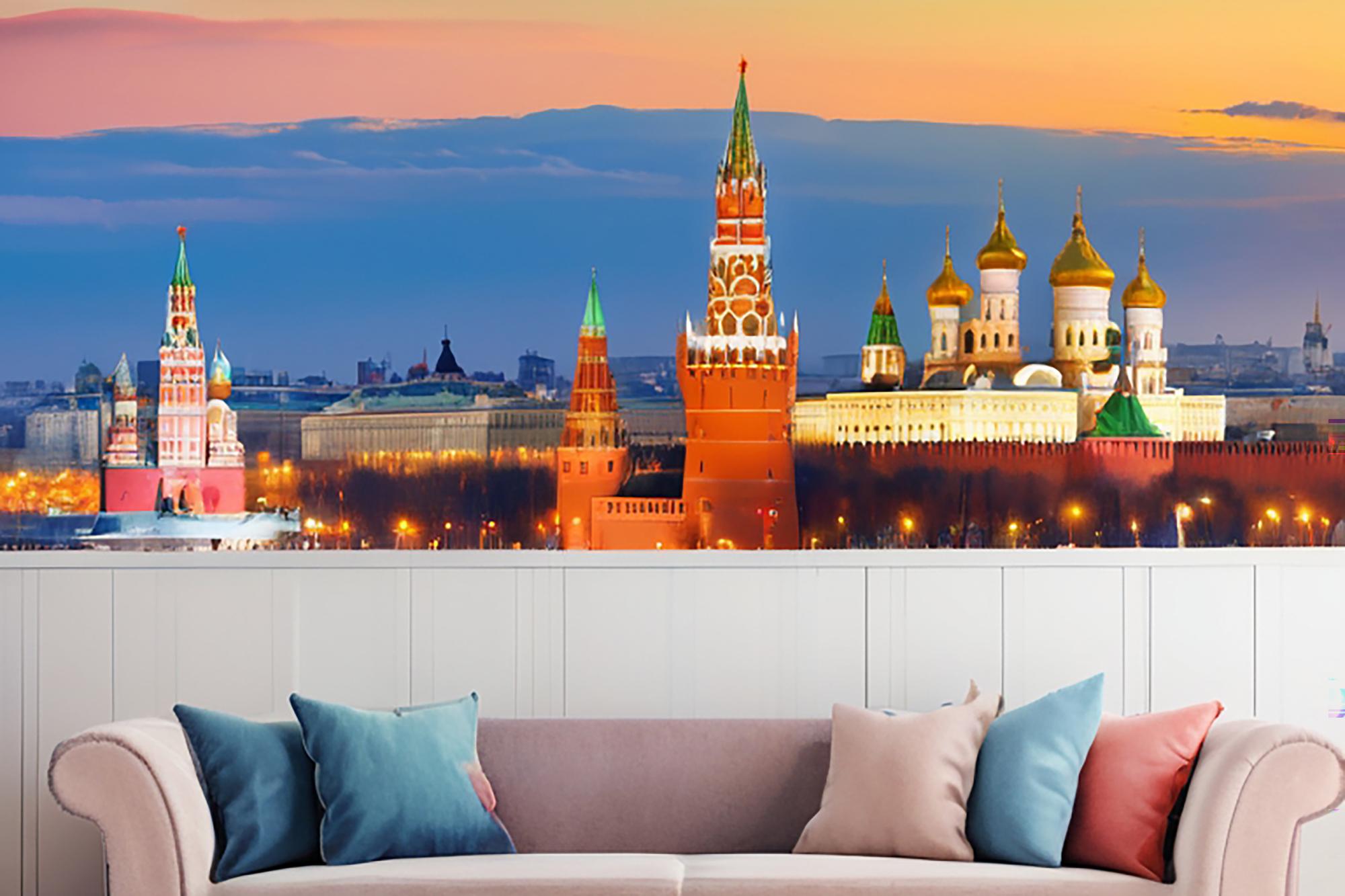
Zaczynaj od Zbrojowni, gdzie blask regalii, ceremonialnych karoców i broni opowiada historię Moskwy. Przejście przez sale zajmuje zazwyczaj 60-90 minut; otwarte galerie koncentrują się na głównych skarbach, które carowie używali podczas ceremonii i wystaw. Wiedza przewodnika pomaga utrzymać się w temacie, a pokoje prezentują nie tylko przedmioty, ale także historie zniszczeń i odbudowy, które kształtowały Kreml, dając silne poczucie władzy. Pożary zniszczyły wiele drewnianych fundamentów, ale odbudowa zachowała serce kompleksu.
Przejdź na Plac Soborowy, aby stanąć przed Soborem Zaśnięcia Najświętszej Maryi Panny, Soborem Archanioła Michała i Soborem Zwiastowania. Ten zespół kościelny ilustruje duchową podstawę przeszłości miasta oraz długi łuk władzy, gdzie koronacje i obrzędy określały, jak władza funkcjonowała przez pokolenia, czyniąc odwiedziny zwartym, ale bogatym doświadczeniem.
Wieża Iwana Wielkiego wznosi się ze placu; minuty wspinaczki wynagradzają się widokiem panoramicznym, który rozciąga się nad murami Kremlu i po Moskwie. Z góry czujesz, jak miasto rozwijało się wokół tej twierdzy, punkt widokowy, który cenili zarówno historycy, jak i goście od czasów Władimira.
Zakończ blisko Wielkiego Pałacu Kremlowskiego i jego otaczających dziedzińców pełnych ludzi, gdzie prezydent pełni dziś oficjalne obowiązki. Ta przedłużona trasa pozostaje w obrębie murów Kremlu i sprawia, że Twoja wizyta jest zwięzła, ale kompleksowa, z przestrzeniami do robienia zdjęć i ostatecznym docenieniem centralnej roli miasta.
Dwa gotowe trasy na 2-3 godziny przez teren
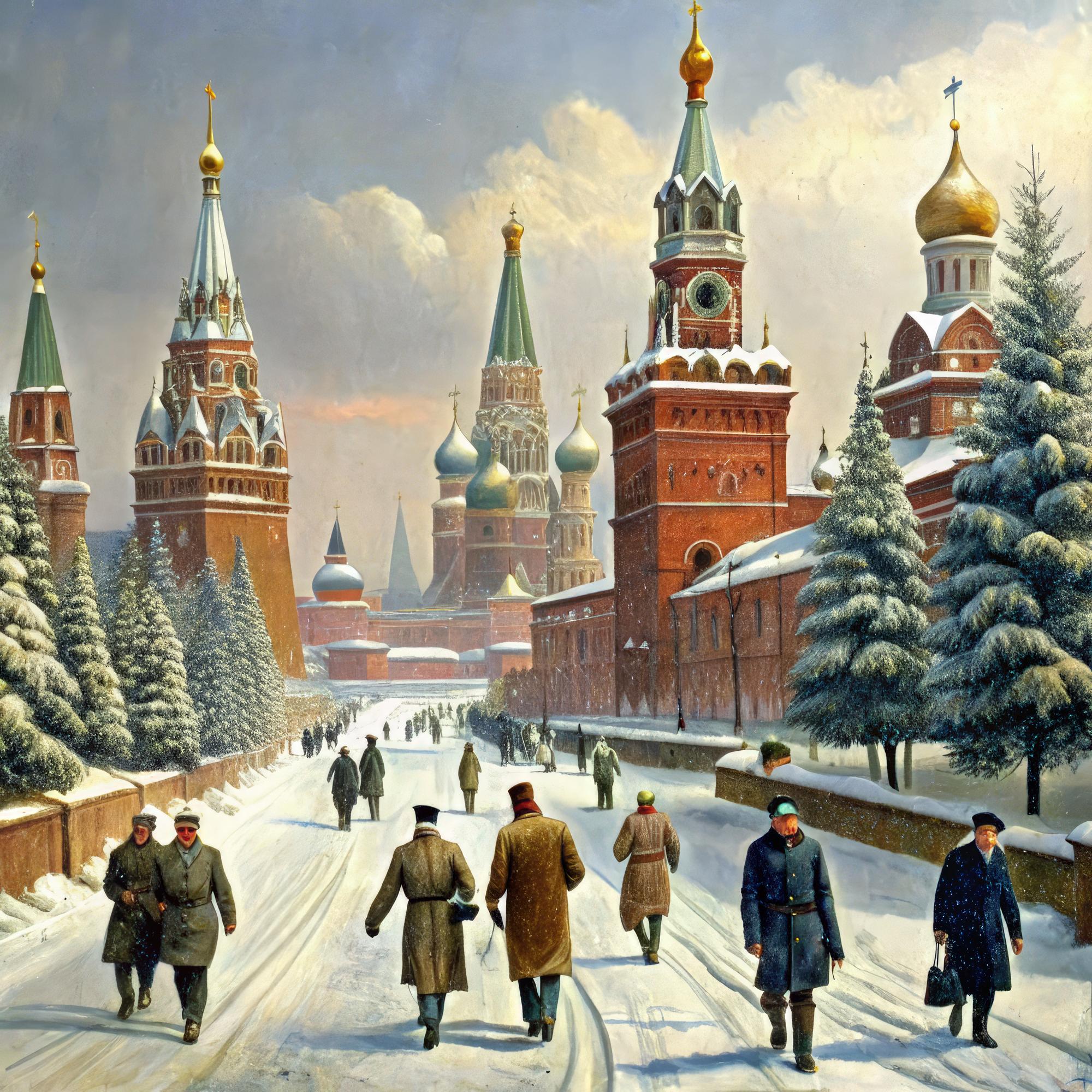
Rozpocznij trasę A o południu, aby obejrzeć zewnętrzne atrakcje i zakończyć w ciągu 2-3 godzin. Klasyczna Trasa Zewnętrzna trzyma Cię poza murami Kremlu, z dwunastoma przystankami wzdłuż obwodu, w tym widok z wieży Spasskiej, zewnętrzne bramy i plac Katedralny z zewnątrz. Te widoki zostały zaprojektowane, aby ujawnić potęgę i umiejętności kompleksu bez wchodzenia do wnętrz. Godziny otwarcia są wywieszone przy bramach, a w tych dniach otwarte od rana do późnego popołudnia, z długim oknem dla elastycznego tempowania. Aby zaoszczędzić czas, kup bilety online i pobierz oficjalną mapę przed przyjazdem. Długie kolejki powstają w szczytowych dniach, a czasy oczekiwania mogą wydłużyć wizytę. Spodziewaj się kilku momentów kolejkowania w szczytowych okresach, ale zachowaj stały krok, aby odwiedzić każdy ważny punkt widokowy. Ceny dostępu z zewnątrz są niższe, co czyni to najlepszą opcją, jeśli chcesz zwięzłego, pouczającego spaceru poza murami. Przestrzegając tego planu, prawdopodobnie skończysz w tym samym czasie co inni, a możesz przedłużyć dzień, jeśli chcesz zobaczyć więcej po południu.
Trasa B: Wnętrza i ekspozycje w Zbrojowni Ta 2-3-godzinna trasa koncentruje się na wnętrzach, w tym na przestrzeniach sakralnych w wnętrzach katedr i halach Zbrojowni. Rozpoczyna się od wnętrza Katedry Zaśnięcia Matki Bożej, następnie przenosi się do wnętrz Katedry Archanioła Michała i Katedry Zwiastowania, kończąc krótkim oględzinem wnętrz w galeriach Zbrojowni. Aby wziąć udział w tych zwiedzaniach, należy zakupić osobne bilety na wnętrza; zakup online oszczędza czas i może oferować wyznaczone godziny oraz zmniejsza czas spędzony w kolejce. Ceny różnią się w zależności od obiektu i sezonu, ale zwiedzanie tych wnętrz dodaje bogatego kontekstu do moskiewskiego centrum władzy. Te zwiedzania wymagają punktualnego przybycia, ponieważ wnętrza otwierają się po bramach i mogą oferować godziny w południe lub popołudniowe. Niektóre przestrzenie mają ograniczony limit miejsc, więc w dni bardziej ruchliwe należy liczyć się z koleją. Te trasy można połączyć z widokami zewnętrznymi, aby uzyskać pełny obraz Kremlu: trzymając się tej samej kolejności, można przełączać się z zewnątrz na wnętrza z minimalnym powrotem. Pobierz oficjalny plan, trzymaj się tej samej kolejności, a pokonasz te kluczowe przestrzenie efektywnie, jednocześnie ciesząc się wrażeniem wielkości, które przekracza najprostsze trasy. Każdy przystanek ujawnia inną stronę życia Kremlu, od fresków w wnętrzach po artefakty cesarskie; ten sposób spełnia potrzeby wielu zwiedzających, którzy chcą pogłębić wiedzę o władzy, kultach i sztuce.
Opcje zakupu biletów online i co one obejmują

Najlepszą opcją jest online Kremlin Territory Pass z rozszerzonym dostępem i planem z przewodnikiem. Ułatwia wejście na otoczone murem tereny i pomaga zorganizować zwiedzanie katedr, dzwonnicy i borowickiego podwórza w ciągu jednego dnia.
- Kremlowska Karta Dostępu - online Wlicza dostęp do umocnionych murów Kremlu, wież i centralnych placów, z widokiem z kluczowych punktów obserwacyjnych oraz opcjonalnym widokiem z dzwonnicy dla panoramy.
- Katedry są widoczne, a dostęp do ich wnętrza jest możliwy, gdy pozwala na to harmonogram, dodając tło historii Rosji do Twojej trasy.
- Wybierz opcję z przewodnikiem w języku angielskim lub rosyjskim; otrzymasz praktyczny plan, który wytyczy najlepszą trasę i harmonogram.
- Dostępne są przedłużone sesje, które pozwalają na rozluźnienie po spacerze po Borowickich i obejrzenie więcej atrakcji.
- Po przybyciu zobaczysz, jak przestrzeń kształtowała życie ludzi w tych murach przez wieki.
- Ta opcja jest najlepszym punktem wyjścia dla wielu odwiedzających i stanowi również solidną podstawę do kompleksowego zwiedzania Kremlu.
- Fakt: Territory Pass dostarcza również mapę i plan, aby zoptymalizować Twój dzień.
Proste kroki do zakupu biletów online
Rozpocznij od oficjalnego portalu biletowego Kremlu. Wybierz datę, zaznacz bilety standardowe dla dorosłych i kliknij Dalej. Powinieneś zobaczyć sumę, a następnie pobrać potwierdzenie jako PDF lub zapisać je na telefonie.
Wprowadź liczbę planowanych wizyt i liczbę osób. W przypadku standardowych opcji wybierz bilety regularne, a w przypadku zniżek wybierz opcję student lub emeryt, jeśli jest dostępna. Sprawdź cenę i kliknij Dalej.
Na kalendarzu wybierz pasujący termin. Jeśli chcesz zobaczyć obszary aleksandrowski i borowicki, wybierz datę, która umożliwia dostęp do tych tras. Strona pokazuje dostępne sloty godzinowe, więc wybierz ten, który pasuje do Twojego planu.
Przejdź do płatności: wprowadź dane karty na bezpiecznej stronie. Jeśli potrzebujesz paragonu, kliknij przycisk pobierania. Po zapłacie bilety pojawiają się w Twoim koncie i możesz je pobrać lub przekazać dalej.
Przed wejściem sprawdź bilet na telefonie, przedstaw dokument tożsamości, jeśli zostaniesz o to poproszony, i zwróć uwagę na białe znaki bezpieczeństwa przy bramach. Duże walizki pozostawione na zewnątrz nie są dopuszczone do wnętrza; podróżuj lekko.
Z biletami w ręku ciesz się historią i architekturą za moskiewskim symbolem. Obszary prezydenckie są uwzględnione w niektórych wycieczkach, a możesz zaplanować wycieczki wokół aleksandrowskiego i borowickiego skrzydła. Ta zmiana formatu ułatwia odwiedziny, a większość gości zgłasza płynny wstęp. Dzięki zaplanowaniu na wyprzedzenie unikniesz problemów w ostatniej chwili i po prostu cieszysz się wielkimi i białymi wieżami.
Bezpieczeństwo, czas i wskazówki dotyczące wstępu dla płynnego przebiegu
Kup bilet online z wyprzedzeniem, aby zarezerwować wstęp w określonym czasie. Pobierz bilet na telefon lub wydrukuj go, a na bramce miej gotowy dokument tożsamości.
Przyjdź 30-45 minut przed swoim terminem, aby przejść przez kontrolę bez pośpiechu. Na głównym wejściu kontrola rozpoczyna się od metalowych detektorów i kontroli bagażu. Może być wymagane zrobienie zdjęcia do weryfikacji, więc trzymaj swoje urządzenie pod ręką i gotowe do przedstawienia. Proces wejścia jest prosty, ale zachowanie i znaki mogą się różnić w zależności od miejsca.
Nie niescie walizek ani dużych toreb do wnętrza. Duże torby są niedozwolone; skorzystaj z schowka dla bagażu przy wejściu, jeśli masz je. Tutaj znajdziesz jasne znaki informujące, co można ze sobą wnieść i gdzie zostawić, oraz gdzie udać się dalej, aby kontynuować zwiedzanie.
W środku nosić wygodne buty; będziesz chodzić po kamiennych lub drewnianych podłogach. Architektura Kremlu oferuje niezwykłą atmosferę, a widoki pod łukami są imponujące. Wnętrza, zwłaszcza kościoły, mogą ograniczać fotografowanie; sprawdź tablice i unikaj błysków w miejscach świętych.
W obrębie kompleksu Kremlu, który obejmuje katedry i ogród, możesz wybrać między wycieczkami z przewodnikiem a samodzielnymi zwiedzaniem. Wycieczki zapewniają zorganizowaną trasę i priorytetowy dostęp do kluczowych miejsc; samodzielne zwiedzanie pozwala eksplorować w swoim tempie. Jeśli planujesz z wyprzedzeniem, możesz pobrać audio-przewodnika lub skorzystać z materiałów drukowanych, aby wzbogacić swoją wizytę. Jednak dostosuj swój tempo, jeśli chcesz zobaczyć Zbrojownię lub inne atrakcje.
Aby w pełni wykorzystać każdą chwilę, zaplanuj trasę obejmującą wschodnią elewację, Plac Soborowy i ogrody. Objście każdego zakątka zajmuje czas, ale taki sposób pozwala efektywnie oglądać zabytki kulturowe. Tutaj znajdziesz ikoniczne widoki, a wcześniejsze przygotowanie sprawi, że harmonogram będzie wystarczająco elastyczny, aby dostosować się do ewentualnych zmian.
| Aspect | Tip | Notes |
|---|---|---|
| Bilety | Kup online z góry; pobierz lub wydrukuj bilet | Wybierz konkretny pasmo czasowe; rozważ wizyty rano lub po południu. |
| Przyjazd i bezpieczeństwo | Przyjdź 30-45 minut wcześniej; miej gotowy swój dokument tożsamości | Kontrole bezpieczeństwa mogą potrwać 10-20 minut. |
| Baggage | Unikaj walizek; używaj małych toreb. | Duże torby nie są dozwolone w środku; skorzystaj z przechowalni bagażu, jeśli jest dostępna. |
| Fotografia | Zdjęcia są dozwolone w większości miejsc; sprawdź regulamin wnętrza. | Flash zakazany w wnętrzach świątyń |
| Odwiedź typ | Wybierz samodzielnie wycieczki lub zwiedzanie. | Tury oferują zorganizowane trasy i przewodników; dostępne są również opcje samodzielne. |
| Planowanie czasu | Przewidzij 2-3 godziny na podstawową trasę; dodaj 1-2 godziny na płatne atrakcje. | Przekład na język polski: Witamy w Petersburgu! To miasto pełne historii, kultury i pięknych zabytków. Nie zapomnij odwiedzić Katedry św. Izaaka, Pałacu Zimowego i Muzeum Eremitażu. Spacerując po Newskim Prospekcie, zobaczysz wiele interesujących miejsc. Jeśli chcesz odwiedzić Moskwa, pociąg jest dobrym wyborem. Jeśli planujesz wyjście, pamiętaj, że do muzeum warto przyjść wcześnie, aby uniknąć długich kolejek. Średni czas oczekiwania wynosi około 30 minut, ale w weekendy może być dłużej. Nie zapomnij o kontroli bezpieczeństwa, która trwa około 15 minut. Jeśli masz pytania, skontaktuj się z nami pod numerem +7 123 456 7890. Ceny biletów zaczynają się od 500 rubli. Adres: ul. Newski Prospekt 123. |


