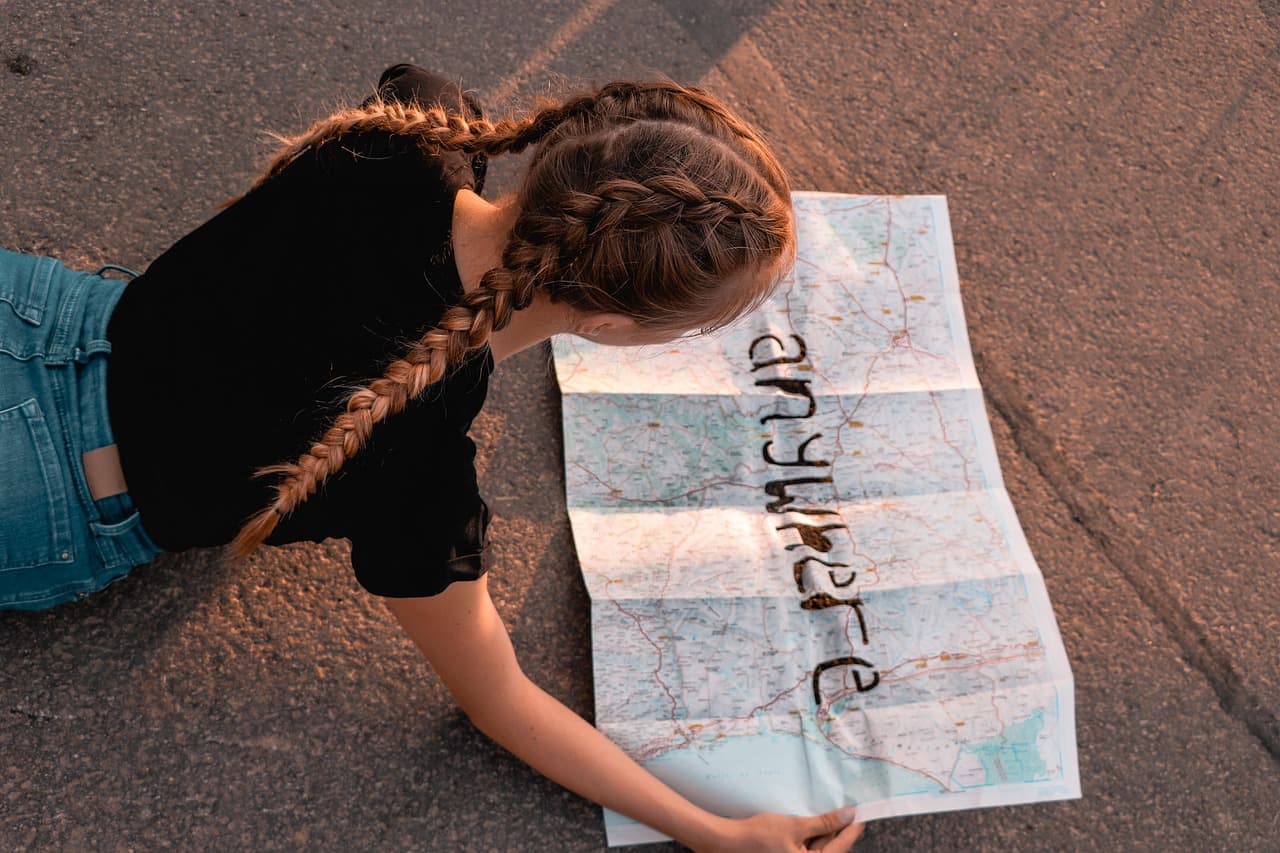
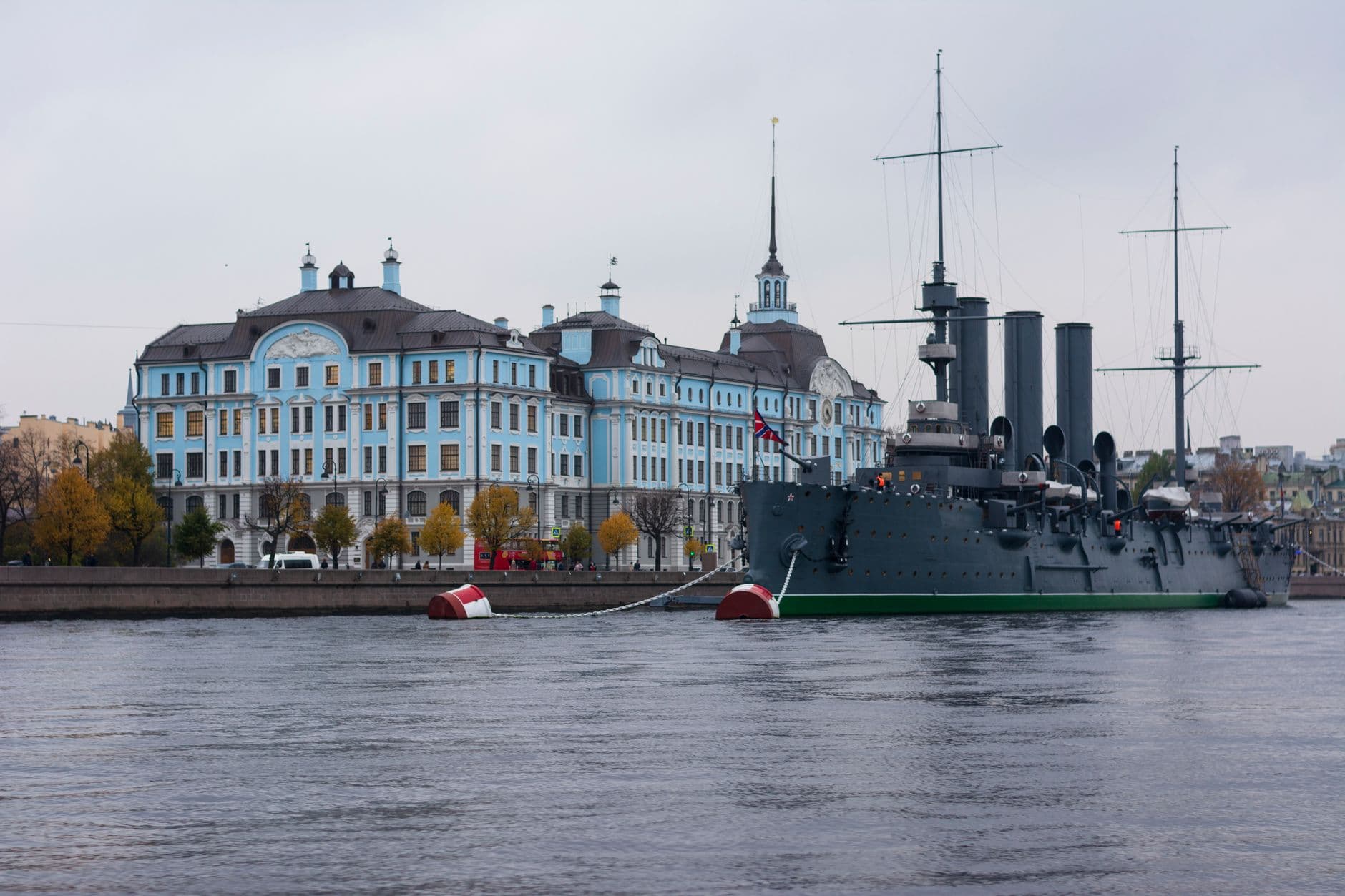
Begin with a 90-minute open loop along a large boulevard near the capital's heart; you shouldnt miss the crisp air, the glow of lamps, and the first light on historic façades. Dress in layers and bring a map to navigate the routes.
As you visiting the city, the journey unfolds as a sequence of authentic stops: the museums and galleries, the theatre district lit by lanterns, and temple-fronted churches that feel like quiet sanctuaries. The most authentic experiences lie in the museum halls, where exhibits stay open late and the heart of the capital beats with craft and culture; though cold, the warm interiors invite you to linger, and souvenirs stalls buzz with crafts.
Next, glide at the ice-rink by the riverfront; skates are rented near a kiosk, and hot drinks cap the moment. For those celebrating visiting cultural spaces, the boulevard lights and grand theatre venues, along with vast pools of reflections, unfold in sequence, even when the air turns colder. If you plan a break, pick cafés along the boulevard that stay open late and welcome visiting guests.
The evening walks unfold along the capital's open spaces, with theatre lights, cafes glowing, and pools of light reflecting on glassy surfaces. Among open squares, you'll discover authentic moments and the ones that become keepsakes, including souvenirs from local crafts. Visiting the heart of the capital this way reveals an authentic rhythm that stays with you long after you leave the frost.
Walking in Moscow's Winter Wonderland
First, keep toes warm and start at presnya Park, then walk along the boulevard to the cultural cluster near the river. That loop runs about 5-6 km and takes roughly 90-120 minutes at a leisurely pace. Bring a thermos of tea; warmed hands make a big difference as the late-afternoon light fades.
- Route and timing: Start at presnya Park, follow the main boulevard north for about 2.5 km, then return via a couple of side lanes. Within a 5-6 km circuit, plan 1.5-2 hours depending on detours and photo breaks.
- Key sights and features: large churches with onion domes, red-brick façades and arcades. There are authentic russian crafts stalls where locals were selling felt toys, lacquer boxes, and wooden spoons. The route also features a seasonal ice rink near Gorky Park, a classic stop for a quick skate or people-watching.
- Cozy pauses: In off-season, many cafes offer warmed tea, borscht and pelmeni. A traditional banya is nearby in the cultural quarter; a short visit before or after can warm you up and add a cultural note to your walk.
- Practical tips: need to keep toes warm, so choose insulated boots with good grip; wear a hat and scarf; bring cash for small stalls; you can make small purchases within local markets; use rest areas in park pavilions if you need a brief pause; the standard pace is comfortable for most ages, very suitable for families.
- Local pace and etiquette: locals were friendly, especially near the stalls; many stopped to chat and loved sharing stories. If you ask for directions, they will gladly share routes and times. While you stroll, you'll notice the contrast between grand avenues and intimate courtyards; it's a cultural mosaic associated with the city's centuries-long heritage.
Notes: The whole experience makes the most of the interplay between architectural features and community spaces. Keep an eye out for presnya landmarks; the area around the river embankment is particularly atmospheric after snowfall. The off-season access to cultural spaces is good value; many places maintain hours even when crowds are sparse. For a short detour, drop by the seasonal ice rink at Gorky Park, then return to finish with a warm beverage and a sense of how these yards and boulevards weave together with churches and banya culture over the years.
Access points and practical routes to reach the park from major metro lines
Recommendation: use Park Kultury on the red line as the fastest access to the central green area in moscow. Exit onto the riverfront promenade and take a seven to nine minute stroll to the park's southern gate. Everything you need for a comfortable visit is within reach from this point: warm food options, cozy cafes, and small shops that offer seasonal gear. In January, when the air is seasonal and very crisp, this route remains reliable for everyone, including locals who still come here after work and for families planning a short round trip. The central area offers houses nearby and russian food outlets that stay open in off-season and add to the business vibe.
Alternative access: from other major lines, descend to a central riverfront interchange and follow the pedestrian spine toward the park. Allow 12-18 minutes on foot; in January this can extend to 20 minutes with fresh snow. The path is flat, well marked, and sheltered by trees in all seasons, though icy sections appear after snowfalls. Central area maps and signs help you stay on track for everyone planning a visit, which offers clear guidance and reassurance.
Seasonal planning: the central area offers a lively scene with seasonal food vendors and activity that locals know well. There are enough seating and rest spots to keep the group together, and the area remains accessible even during off-season weeks. If you're new to Moscow, start at Park Kultury and make the same route back for a round trip; the area has houses nearby and local businesses that add to the overall charm, which many visitors already appreciate in January.
Practical notes: map apps stay up-to-date with closures, and the central gate near the metro hubs remains the easiest option for quick access. For families and groups, short strolls let everyone enjoy the outdoor air without overdoing it. The city's seasonal vibe is visible in the area's food and atmosphere; locals share tips on where to warm up, and there are a variety of businesses nearby to keep everyone comfortable. This planning makes a simple outing very enjoyable, always keeping safety in mind.
Best photo spots and viewpoints around 1 Gorky Central Park in winter
visiting the south riverfront overlook is the first move, where white snow mirrors the city glow and a clean horizon opens above the water. The season's crisp light makes reflections vivid, so bring a tripod and a telephoto for crisp silhouettes. Definitely place this spot on your must list and time your shoot for blue hour when the river flushes with color. Instead of rushing, stay for a performance of colors as ferries glide by and carol-lit embankments sparkle. This vantage invites a concise journey around the park, with opportunities to explore the surrounding paths outside the main lawns.
From the park's northern flank, a gentle hill gives a lookout toward a distant church spire and the bend of the river. The snow-sheathed roofs of the capital create a soft grayscale, a favorite for featured wide-angle shots. In summer the light is brighter, but the cool-season glow still feels like a mountain-scale moment in the heart of the city. This angle blends the embankment, bare trees, and skaters on the ice into a cohesive frame that captures the season's mood.
Nearby Muzeon and adjacent museums provide sharp backdrops for contrasty portraits. White statues against white snow pop against the dark water and pale sky, ideal for bold monochrome studies. If you tilt the camera, you can pair sculpture silhouettes with the river reflections for a timeless image. In this zone you can find authentic souvenirs at nearby stalls, and a quick stroll to the park's edge surrounds your shoot with a sense of around the city.
On the embankment, season celebrations light up the evenings and create dynamic colors on a glassy surface. The paradise vibe appears in ice patterns and the soft glow of lamps, perfect for long exposure work and a relaxed walk with friends. Across the water, a church silhouette adds scale against the skyline; capture the contrast against the white snow and glassy water for a dramatic frame. This area is definitely a must for photographers who explore the capital by day and by night, mixing street texture with architectural grace.
To complete the journey, a short visit to a nearby banya and baths offers warm contrast after cold shoots; phoebe, a fellow traveler, recommends this ritual to balance textures. The stalls around the park sell souvenirs and spicy drinks, giving something extra to your visiting story. When you finish, head outside again to capture the river's glow against the city lights, a genuine paradise for a photographer's journey through the capital during this season.