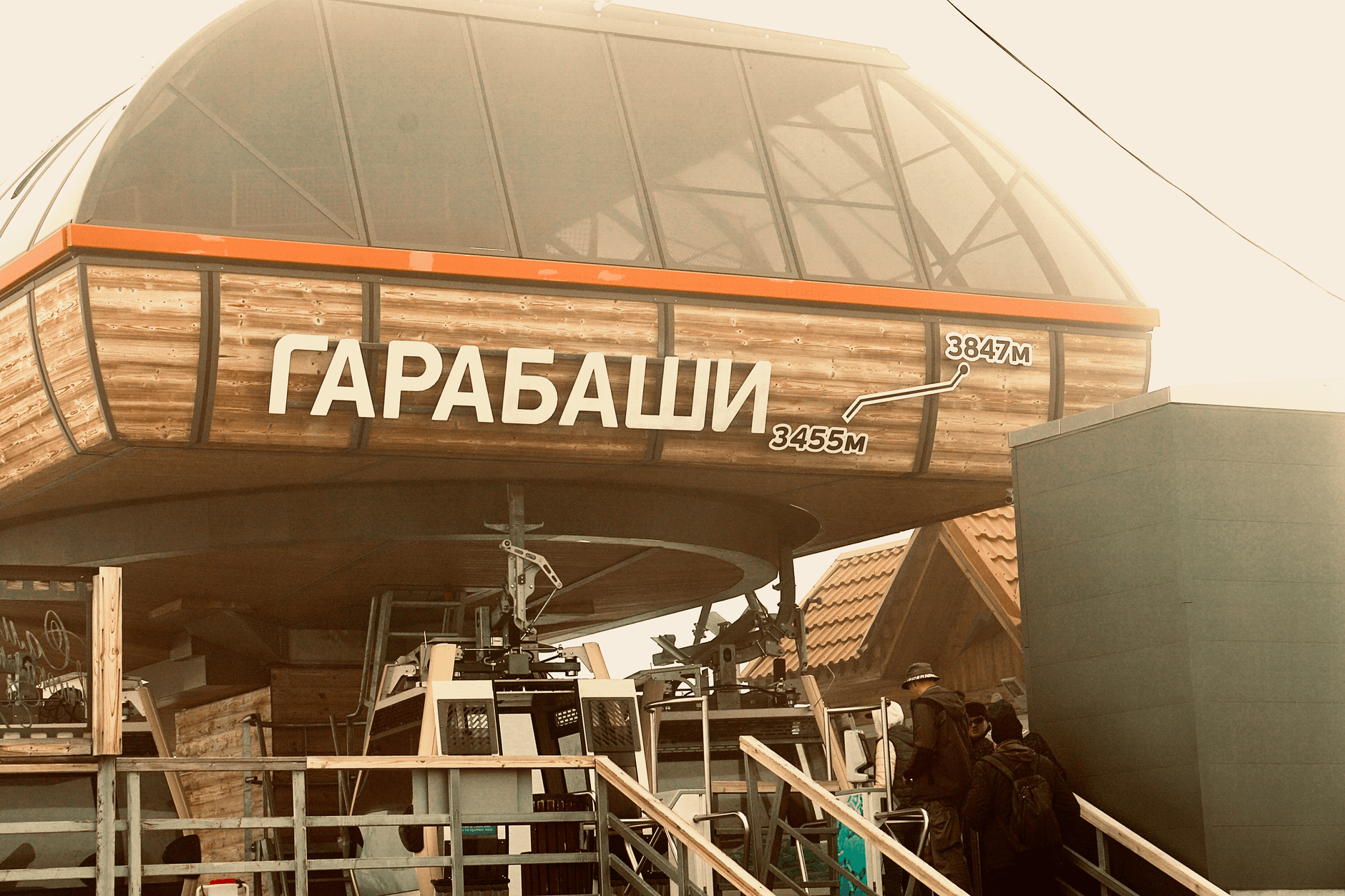
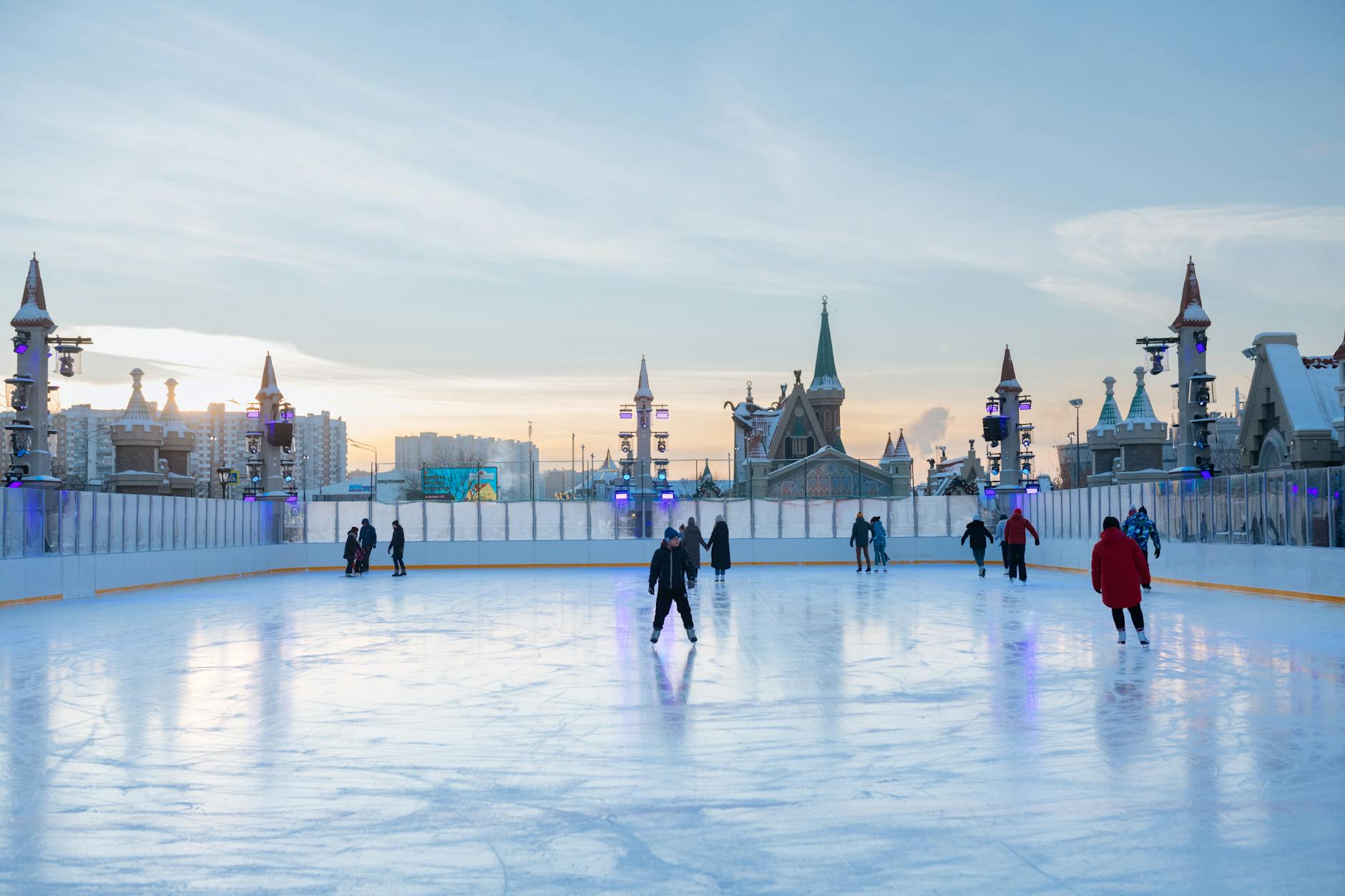
Dombay arată că o singură destinație poate combina amenajări largi și spațioase cu niveluri de dificultate. Veți găsi piste lungi, bine întreținute, accesibile în câteva minute de la bază, și o atmosferă veselă care se potrivește grupurilor și familiilor.
În munții ruși, cincisprezece destinații se întind de la centura de molizi din nord-vest până în Extremul Orient, unind versanți împăduriți, bazine alpine și zone dedicate snowboardului. Zăpada din decembrie este sigură în multe centre, oferind câștiguri de altitudine confortabile pe măsură ce telecabinele urcă deasupra liniei arborilor, cu transferuri care durează de obicei câteva minute.
Pentru iubitorii de adrenalina, circuitul include terenuri albastru-verzui cu setări de micro-parc și un airbag pentru antrenament. Copiii de grădiniță și începătorii se bucură de pante blânde și telecabine cu mișcare lentă, în timp ce biletele de grup ajută școlile și cluburile să își blocheze itinerarii pe mai multe zile.
Experiența combină designul finlandez de telecabine cu caracterul local robust, oferind zăpadă sigură, aer proaspăt și o senzație de izolare fără a sacrifica accesibilitatea. Distracția după telecabine include cafenele calde, opțiuni de muzică live și colțuri prietenoase pentru familie, asigurând că seara rămâne animată, dar nu prea aglomerată.
Când planifici, combină mai multe centre combinând timpurile de transfer, altitudinea zonelor de vârf și diversitatea pistelor disponibile. O singură excursie poate acoperi un spectru larg - de la bazine de înălțime ridicată până la margini de pădure - menținând un ritm confortabil pentru un grup cu vârste variate. Posibilitatea de a amesteca zile active cu pauze culturale permite crearea unui itinerariu echilibrat, potrivit atât pentru copii de grădiniță, cât și pentru călători experimentați; semnele de orientare și traseele bine marcate facilitează navigația.
Ghidul Stațiunilor de Schi din Rusia
Planifică o călătorie la Șeregeș din Ural pentru iubitorii de zăpadă proaspătă, apoi plimbă-te prin străduțele satului și seara la foc.
Aici, vei găsi o amenajare practică: suprafața variază de la fluf natural moale până la benzi bine îngrijite; înălțimea principală a pistelor este potrivită pentru începători și intermediari; atmosfera rămâne în aer liber, cu accent pe siguranță și opțiuni prietenoase pentru familie.
Pentru familii și călători singuri, zona din jurul lui Șerșevsk (Sheregesh) oferă trasee bine marcate, bucle de jumătate de zi și multă lumină soarelui. Aici, copiii se bucură de pante ușoare, în timp ce adulții urmăresc linii mai lungi, chiar și în perioadele cu trafic ridicat. Accesul pe drum este simplu, deși pot apărea blocaje ocazionale după căderile de zăpadă, așa că verificați rapoartele locale ale drumurilor.
Dincolo de nucleul central, zonele astapkovich și asha oferă opțiuni mai liniștite cu peisaje forestiere și aer de munte, mai ales în zilele înnorate când vizibilitatea se îmbunătățește după ce soarele se scufundă. Inventarul din cabanele de închiriat include adesea căști și echipament esențial, dar aduce o rezervă în cazul perioadelor aglomerate.
Area
Terain și Suprafață
Dotări și inventar
Notes
șeregeș
pădurile și vârfurile deschise; pulbere și suprafețe pregătite
zone pentru copii, închirieri de cască, inventar variat
alergări de înălțime medie, atmosferă în aer liber, seara în sat
astapkovich
alee cu copaci, suprafață variată; ușor până la moderat
lifturi mai mici, opțiuni de echipament limitate
mai puțin aglomerat, ideal pentru iubitorii de liniște
zona Asha
crește înalte, secțiuni mai abrupte, suprafețe de zăpadă proaspătă și strălucitoare
stoc modest, cerință frecventă de cască
mai bun pentru călăreți experimentați; căptușeală cu linii lungi
Lecții adaptate vârstei și opțiuni de școală de schi
Program pentru copii bine structurat, care începe cu un scurt briefing de siguranță, verificarea poziției și o mică rută ușoară înainte de călătorii pe pante pentru începători; începe doar când copilul este gata înainte de a avansa la sesiuni mai dificile.
Abzakovo oferă un cluster dedicat de piste pentru copii, condus de instructori precum Astapkovici, cu grupuri în mare parte mici, camere calde pentru pauze și o bază de tip sanctuar unde familii pot să se regrupeze între lecții.
Instructori adaptează progresul la vârsta și încrederea copiilor, începând cu exerciții simple de echilibru, apoi alunecări asemănătoare cu patinajul și, în final, scurturi călătorii supravegheate pe pante ușoare; săriturile sunt limitate la zone protejate cu un antrenor care să controleze dificultatea.
Copiii mici beneficiază de pauze protejate în camere, în timp ce copiii mai mari pot face sesiuni mai lungi, menținând starea de spirit pozitivă și adaptând dificultatea treptat. În locațiile din nord, dacă vântul crește în timpul unei sesiuni, programul poate trece la exerciții în interior sau la un traseu protejat pentru a păstra siguranța și dinamica.
Programele pentru copii se desfășoară de obicei în două grupuri - copiii mai mici dimineața și cei mai mari după-amiază - cu un orar clar și urmărirea progreselor; revenirea pentru o a doua săptămână oferă o varietate mai mare de rută, măsurată pe măsură ce se demonstrează pregătirea în sesiunile succesive.
Restaurantele din apropierea bazei oferă mese prietenoase pentru copii; atmosfera este relaxată, cu un salon de tip sanctuar pentru familii și câteva camere pentru pauze liniștite; este necesar să planificați vizitele în perioadele de vârf, așa că rezervați cu anticipație pentru a vă asigura locuri.
Trebuie să confirmăm politica de siguranță și datele de deschidere înainte de a face rezervarea; să verificăm varietatea de trasee, disponibilitatea de excursii cu motosane pentru familii și să ne asigurăm că există o zonă specială fără sărituri pentru începători.
la cursul Băncii Rusiei din 17.10.2026 · powered by tutkakdoma
Cele mai bune pante pentru începători cu vârste cuprinse între 6 și 12 ani
Abzakovo, un sanctuar al învățării cu nouă piste largi și o zonă dedicată începătorilor. Pantele blânde și sistemul de telescaun prietenos pentru copii permit copiilor cu vârste cuprinse între 6 și 12 ani să-și dezvolte rapid echilibrul și să rămână motivați.
Coordonează planurile prin WhatsApp cu instructorii pentru a personaliza planurile zilnice de schi; observația continuă ajută la adaptarea exercițiilor, în timp ce rezervările online arată orele și sloturile disponibile pentru practică.
Zonele din jurul clusterului Abzakovo sunt prietenoase pentru începători, combinând sectoare ușoare cu un layout de nouă piste, menținând un ritm ridicat și reducând oboseala. Vârfurile dealurilor oferă vederi însoțite de soare și multe imagini pentru partajare.
Familiile se cază în hoteluri din sate, la o distanță scurtă de mers cu mașina, cu opțiuni de recreere și parcare sigură. În regiunea Perm, aceste centre sunt legate de locuri apropiate de graniță, formând o rețea compactă pentru excursii de weekend.
Pentru planificare, consultați imagini online și citiți recenziile clienților; dacă o sesiune este anulată din cauza vremii, vă anunță familiile prompt și oferă șanse de recuperare. Observațiile instructorilor ajută la perfecționarea tehnicii și a rutinei de siguranță pentru fiecare copil.
Across the network, families receive a cohesive plan for reliable beginner options; from sunny mornings to late sessions, the drive between villages remains straightforward and predictable.
Facilități prietenoase pentru familie: îngrijire a copiilor, zone pentru copii și siguranță
Recomandăm să verificați creșele autorizate și o sală de joc dedicată cu personal calificat înainte de a face rezervarea. Criteriul principal este calitatea supravegherii; ținta ar trebui să fie un raport personal/copil de aproximativ 1:5, iar în timpul orelor de vârf, 1:4. Căutați supraveghetori cu experiență și educatori certificati în sală de joc.
Zonă pentru copii: Zonele sunt de obicei împărțite după vârstă: camere de joacă pentru copii sub 5 ani, zone de activități pentru începători pentru copii cu vârste cuprinse între 5 și 8 ani și zone pentru juniori pentru copii cu vârste cuprinse între 9 și 12 ani. Dispozitivele medii combină camere de joacă în interior cu zone în aer liber, rezistente la zăpadă; în majoritatea cazurilor, acestea se află deasupra coridoarelor principale, astfel încât părinții să poată observa. Asigurați-vă că există indicatoare clare și acces controlat, cu nivelurile de supraveghere afișate în mod clar.
Echipament de siguranță și reguli: Cerința de a purta cască pentru toți începătorii și pentru toate activitățile riscante; verificați echipamentul la biroul principal. Unde este disponibil, vestele cu airbag ar trebui oferite pentru linii cu risc mai ridicat. Pantele destinate copiilor ar trebui să aibă bariere moi și acces controlat, cu supraveghere pe toată panta la fiecare coborâre. Configurațiile siberiene din zonele montane aplică adesea niveluri stricte de siguranță; urmați indicațiile afișate pentru a reduce riscul.
În zonele Khibiny și Kukisvumchorr, familile apreciază în special facilitățile pentru sălile de joacă liniștite, zonele sigure pentru copii și programele de activități conduse de specialiști. În Ceahlău, sălile de joacă cu temă industrială și stațiile de verificare a cascilor sunt comune, cu zone de siguranță pentru motosane care țin copiii mai mici departe de pistele mai rapide. Începe fiecare zi cu un briefing în sala de joacă, apoi treceți la pista pentru începători sub supravegherea unui instructor; majoritatea locațiilor oferă trasee prietenoase pentru începători și o progresie treptată.
Checklist practic: Conform ghidurilor operatorilor, verificați numărul de supraveghetori prezenți în timpul vizitei dvs., confirmați nivelurile de supraveghere pe pistă și verificați dacă politicile privind airbag-urile și caschetele sunt în vigoare. Căutați săli de joacă bine semnalizate, cu un nume de responsabil în serviciu. Pentru weekendurile aglomerate, planificați în avans pentru a evita mulțimile și a maximiza siguranța.
Profilele de zăpadă regionale și ferestrele optime de vizită
Planificați vizitele în jurul perioadei de stabilitate maximă: în dealurile din Zlatoust, fereastra ideală se întinde de la sfârșitul lui decembrie până în martie, cu cele mai fiabile zile de zăpadă proaspătă concentrate în ianuarie și februarie. Acolo, senzația de zăpadă necalcată crește după căderile proaspete, iar seara în orașele din vale oferă opțiuni flexibile pentru adaptare.
Profilurile de zăpadă variază în funcție de altitudine și expunere: altitudinile mai mari formează un strat de zăpadă permanent și pante mai abrupte, în timp ce pantele mai joase se înmoaie după expunerea la soare. Munții deasupra a 800-1200 m oferă zăpadă moale, ca perne, în zilele bune; traseele din vale pot îngheța după topire. Pentru freeride, monitorizați previziunile meteorologice pentru a evalua intensitatea și semnalizați straturile proaspete pentru coborâri planificate în afara pistelor.
Infrastructura pe loc se concentrează în jurul telescaunelor și a linilor cu două scaune; există o varietate construită și pregătire. Pentru siguranță, purtați un airbag și un cască; ghizii clubului pot crește marginile de siguranță. Un tren poate asigura acces fiabil acolo, cu conexiuni către orașele și stațiile apropiate. Alegerea pistelor pentru întreaga zi ar trebui să se bazeze pe adâncimea zăpezilor, numărul de telescaune și intensitatea coborârii.
Climatele regionale de acolo creează aproape un ritm cu două vârfuri: zăpadă ușoară de sezon timpuriu pe munți, cu suprafețe mai ferme pe pantele expuse după topirea din mijlocul iernii în vale și în jurul patinoarului din apropierea orașului. Combinarea liniilor de înălțime cu aleile pregătite oferă întreaga experiență; fii gata să treci între traseele de backcountry și pistele pregătite pentru varietate.
Pentru a programa vizitele, verificați actualizările media și un număr cu adâncimea zăpezii; seara pot oferi condiții mai liniștite pentru sesiunile de patinaj și activitățile din oraș. Pentru antrenament și siguranță, alăturați-vă unui club sau angajați un ghid. O selecție atentă a rutelor vă ajută să maximizați zăpada și să mențineți un nivel ridicat de siguranță, în timp ce îmbunătățiți simțul pe terenuri variate.
Planificare costuri: bilete, închirieri echipament și pachete de lecții
Începând cu o opțiune în pachet este cel mai clar mod de a controla costurile: un abonament de trei zile, închiriere standard și două lecții de grup de 1,5 ore. Această opțiune ajută schiorii să rămână în cadrul unui buget unic și face planificarea traseelor mai ușoară pe piste precum cele din zona Rosa și Arhiiz. Folosește și opțiunile de telescaun seara, când sunt disponibile, reducând rezervările în sens invers și economisind ore în program.
Biletele pentru o zi costă în general între 3.000-4.500 RUB, în funcție de centru și de varietatea de terenuri. O opțiune de trei zile începe de la ≈9.000-12.000 RUB; cinci zile ≈15.000-20.000 RUB. Aceste cifre reflectă prețurile de bază comune pentru perioada de mijloc a sezonului și pot varia în funcție de cerere.
Accesul seara poate fi oferit ca opțiune suplimentară sau inclus în unele pachete multi-zi. Dacă planificați să călătoriți după ora 16:00, comparați opțiunea cu tariful de noapte față de actualizarea la un abonament mai lung, deoarece diferența poate fi modestă și vă poate economisi ore mai târziu în zi.
Când limitele se aplică anumitor zone, verificați dacă este necesară o permisiune pentru ruta suplimentară; ajustați selecția biletului pentru a evita costuri suplimentare.
Echipamente închiriate Închirierea de echipament pe zi include de obicei schiuri, cizme și bățuri în jur de 700-1.500 RUB; căști 300-600 RUB; închirierea completă pentru un set complet costă de obicei 1.800-3.000 RUB pe zi. Tehnologia avansată sau opțiunile de performanță ridicată pot crește prețul maxim.
Opțiunile de pachet sunt comune: închiriere + lecție, sau închiriere + un pachet de cinci ore, adesea oferind o reducere de 10-20% față de articolele individuale.
Pentru confort, considerați o opțiune combinată care include acces cu telescaune sau teleschiuri, unde este disponibil, în special pentru începători care pornesc pe piste mai ușoare din zonele de vale sau de defileu.
Pachete de lecții Cursuri de grup: aproximativ 1 oră la 900-1.800 RUB pe persoană; 2 ore în jur de 1.800-3.000 RUB; un pachet de cinci ore într-o zi poate fi un mod eficient de a consolida tehnică și încredere.
Lecții private: aproximativ 2.200-4.000 RUB pe oră; o sesiune de două ore se potrivește adesea bine într-o singură dimineață sau după-amiază, cu blocuri mai lungi disponibile după nevoie.
Asocierea cu închirierea echipamentului sau cu un abonament crește valoarea: combinarea a două ore de antrenament cu închirierea face costul total mai ușor de gestionat și ajută schiorii să progreseze mai repede fără călătorii suplimentare la magazin.
Planifică traseul pentru a evita revenirea înapoi: începe cu terenuri mai ușoare pentru a-ți dezvolta abilitățile, apoi trece treptat la secțiuni negre sau mai dificile pe măsură ce încredești, mai ales dacă combini tururi într-o singură zi.
În locurile cu opțiuni lingvistice diverse la centru, cereți sesiuni în limba preferată pentru a maximiza învățarea în orele disponibile.
Verifică conexiunile de tren atunci când călătorești din hub-uri estice precum Iujno-Sahalinsk sau orașele apropiate de Takman; o legătură feroviară poate să-ți economisească timp pentru zile bine planificate.
Pentru o zi completă, vizează aproximativ cinci ore de schi, cu o pauză scurtă; acest ritm se potrivește majorității rutinelor pentru începători până la intermediari și menține energia constantă.
Vederi cu apă și defilee de-a lungul traseului adaugă plăcere fără a modifica structura de costuri; folosește o pauză planificată într-o vale sau într-un sector de dificultate ridicată pentru a te refăcea.
Dacă combini treceri, închirieri și lecții într-un singur pachet, blochezi un buget mai larg și evitezi fluctuațiile de preț în ultimul moment. Dacă trebuie să echilibrezi costul cu flexibilitatea, începe cu o trecere pe zi medie, o închiriere standard și două sesiuni de grup, apoi adaugă antrenament particular sau echipament suplimentar doar dacă este necesar, asigurându-te că nu depășești permisiunea sau limitele impuse.