


Bucătăria rusească este o tapiserie încântătoare de arome și tradiții, modelată de geografia sa vastă și de populația diversă. În centrul acestei călătorii culinare se află okroshka, o supă rece răcoritoare care exemplifică creativitatea gătitului tradițional rusesc. Adesea servit în cafenele și bufete din întreaga țară, acest preparat include un amestec de legume, carne și kvas, făcându-l o alegere obligatorie pentru oricine dorește să exploreze aromele Rusiei.
Pe măsură ce te adânci în această aventură gastronomică, vei întâlni preparate iconice precum stroganoff și vareniky, fiecare cu propria sa istorie și variații regionale. Aceste preparate se găsesc în mod obișnuit în piețe aglomerate și localuri primitoare, unde aroma cepei înăbușite, a cărnii gault și a sosurilor cremoase umple aerul. În apropiere, poate un pahar de mors sau o picătură de vin completează aceste mese consistente, făcând experiența generală să pară nostalgică și istorică.
În orașul Sankt Petersburg, un loc unde cultura bogată și priceperea culinară se întâlnesc, poți găsi localuri care au fost frecventate de țari și localnici deopotrivă. Râul Fontanka traversează acest oraș pitoresc, oferind fundaluri minunate restaurantelor sale istorice. Aici, iubitorii de mâncare pot savura hering proaspăt alături de varză murată preparată local și pot împărtăși istoria în timp ce se bucură de o experiență autentică de dining rusesc. Pentru cei cu o poftă de ceva dulce, nu ratați opțiunile de desert făcute din aluat pufos care cu siguranță vor satisface orice palat.
Cu o varietate de preparate pregătite cu dragoste și grijă, peisajul culinar al Rusiei este o reflectare a moștenirii sale bogate și a influențelor diverse din Europa. Fie că ești un bucătar experimentat sau un novice în bucătărie, urmărește-ne pe măsură ce prezentăm o colecție de rețete îndrăgite. Fiecare rețetă este concepută pentru a te ajuta să recreezi gusturile și aromele prețuite care au fost transmise de-a lungul generațiilor, asigurându-te că esența bucătăriei rusești va fi savurată în fiecare casă.
1 BUCĂTĂRIA RUSEASCĂ: Un amestec culinar greu de definit
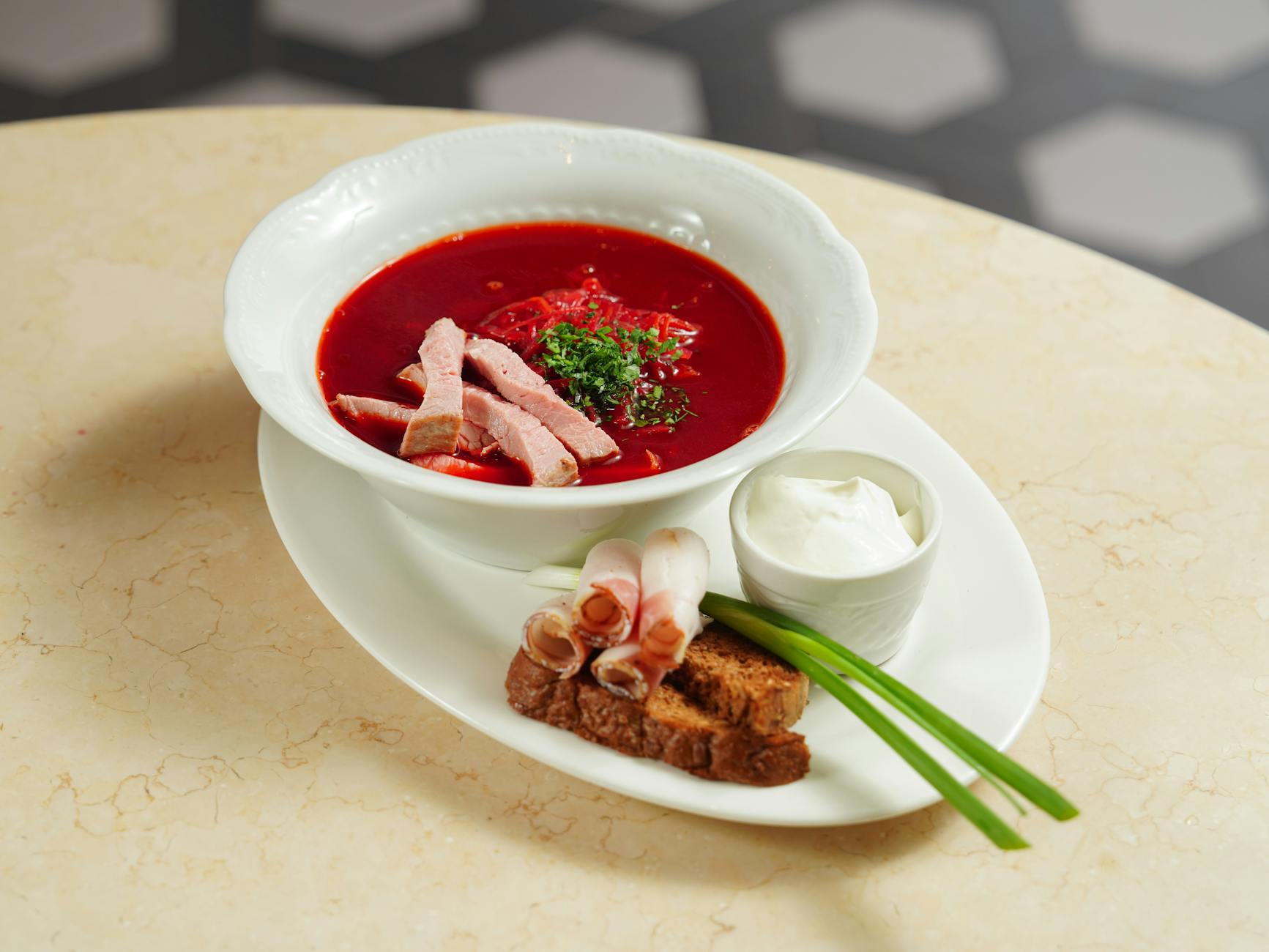
Bucătăria rusească este un peisaj culinar greu de definit datorită istoriei sale bogate și a influențelor diverse pe care le-a absorbit de-a lungul secolelor. De la consistența supelor până la lingurița de smântână care adesea acoperă preparatele, fiecare aromă spune o poveste de tradiție și cultură. Rețetele variază foarte mult, reflectând vastitatea geografică a țării, fiecare regiune contribuind cu propriile sale varietăți unice.
În Moscova, poți găsi localuri care servesc preparate populare precum pelmeni umplute cu carne de porc sau vită condimentată, care sunt adesea fierte și servite cu un shot consistent de vodcă. În timpul lunilor de iarnă, oamenii se bucură de supe groase făcute din sfeclă, precum borșul, în timp ce gustări mai ușoare precum blini sunt consumate frecvent în timpul sărbătorilor. Aceste clătite subțiri pot fi umplute cu o varietate de umpluturi, adesea dulci precum cireșe sau opțiuni sărate care se potrivesc bine cu berea.
Călătorind dincolo de Moscova către regiuni precum Kazan dezvăluie nuanțele picante ale bucătăriei tătare, unde ai putea întâlni preparate influențate atât de aromele rusești, cât și de cele armene. Utilizarea roșiilor și a condimentelor îmbunătățește și mai mult experiența culinară, câștigând atenția pasionaților de mâncare din întreaga lume. Înainte de a încerca aceste preparate, există întotdeauna un aspect cultural puternic de luat în considerare, deoarece manierele și prezentarea sunt luate în serios în adunările rusești.
În timpul oricărei aventuri culinare în Rusia, nu trebuie să vrei să treci cu vederea importanța ingredientelor de sezon. Diverse rețete sunt create pe baza a ceea ce este disponibil, transformând alimente de bază precum cartofii și verzele în mâncăruri reconfortante care încălzesc inima. Arta gătitului rusesc îmbrățișează atât aspectul comunitar al împărțirii meselor, cât și tehnicile complexe transmise de-a lungul generațiilor.
| Preparat | Ingredient principal | Metodă de gătit |
|---|---|---|
| Pelmeni | Porc | Fiert |
| Borș | Sfeclă | Supă groasă |
| Blini | Făină de grâu | Prăjit în tigaie |
| Salată Olivier | Varietate de legume | Amestecat |
Pe măsură ce explorezi meniurile rusești, amintește-ți că acest amestec culinar nu este doar despre hrănirea corpului, ci și despre împărtășirea experiențelor. Esența reală a bucătăriei rusești constă în capacitatea sa de a aduce oamenii împreună, fie într-o casă de familie sau la un colț de stradă aglomerat. Fiecare preparat, fiecare preparare, reflectă tapiseriile bogate și variate ale culturilor împletite în Rusia însăși.
Înțelegerea variațiilor regionale în preparatele rusești
Bucătăria rusească este la fel de vastă și diversă ca țara însăși, fiecare regiune oferind propriile sale arome unice și rețete tradiționale. Acest articol își propune să evidențieze modul în care apar aceste variații, influențate de ingredientele locale, condițiile economice și tradițiile istorice.
În centrele urbane precum Sankt Petersburg, unde curge râul Neva, ai putea găsi influențe culinare din diverse culturi, ducând la o fuziune de arome. Restaurantele din oraș servesc adesea preparate tradiționale cu o notă modernă, atrăgând atât localnicii, cât și turiștii. De exemplu, în timp ce iubitele pelmeni (găluște) sunt un aliment de bază, unele restaurante oferă umpluturi unice cu condimente intense care reflectă o paletă mai contemporană.
În contrast, zonele rurale pot rămâne fidele tradițiilor lor prețuite, producând preparate consistente și simple folosind ingrediente ușor disponibile. O 'babuschka' rurală ar putea găti blini (clătite subțiri) umplute cu ciuperci sau un sortiment de legume, evidențiind un gust nostalgic de acasă. Aceste rețete sunt de obicei transmise de-a lungul generațiilor și rămân în mare parte neschimbate, deoarece conțin confort și căldură reale.
În plus, bucătăria rusească nu este lipsită de specialitățile sale regionale. De exemplu, comercianții siberieni au adus istoric miel și condimente din Asia Centrală, dând naștere unor preparate care variază semnificativ de cele din partea de vest a țării. Fiecare tip de preparat are propria sa poveste, modelată de condițiile economice și disponibilitatea ingredientelor în zonă.
Mai mult, gustări precum kvasul (o băutură fermentată) și diverse tipuri de patiserie sunt populare în toată Rusia, totuși rețetele lor pot varia. În unele regiuni, brutăriile mici ar putea acoperi pirozhki-urile lor (patiserie umplută) cu semințe de mac, în timp ce în altele, ar putea fi presărate cu zahăr. Această diversitate regională nu doar îmbogățește bucătăria, ci prezintă și ingeniozitatea oamenilor care își adaptează rețetele la ceea ce este disponibil.
Când explorezi preparatele rusești, este esențial să observi că acestea nu sunt doar delicioase, ci pot fi și destul de sănătoase, în special când sunt pregătite proaspăt. Dragostea lui Lomonosov pentru ingredientele naturale răsună în tradițiile culinare, unde morcovii, cartofii și puiul apar adesea în rețete sănătoase.
În concluzie, bucătăria rusească este un exemplu excelent al modului în care geografia, istoria și cultura modelează modul în care mâncarea este gătită și servită. Înțelegerea acestor variații regionale oferă o apreciere mai profundă pentru moștenirea culinară bogată a Rusiei, care merită explorată prin fiecare mușcătură.
Ingrediente cheie care definesc gătitul rusesc
Bucătăria rusească oferă o gamă încântătoare de delicatese care prezintă bogata moștenire culturală a țării. Ingredientele esențiale formează fundația acestor rețete, oferind arome și texturi unice. Una dintre componentele principale este cartoful, care poate fi preparat în nenumărate moduri, de la supe groase la garnituri consistente. Acest tubercul versatil, adesea adăugat în salate, îmbunătățește valoarea nutritivă a meselor.
Un alt ingredient semnificativ este sfecla, folosită celebru în iconicul borș, o supă puternică și aromată care include adesea diverse tipuri de carne. Culoarea sa bogată și gustul ușor dulce o fac o favorită în gospodăriile rusești. În plus, koryushka, un pește mic găsit în râul Neva, este savurat în mod obișnuit ca o gustare sărată, adesea împerecheat cu vinuri fine sau alcool local.
Produsele lactate, în special smântâna și laptele, sunt de asemenea indispensabile în gătitul rusesc. Smântâna servește ca umplutură cremoasă pentru găluște sau ca topping pentru supe, adăugând un gust plăcut. Mielul, deși mai puțin comun, apare în diverse specialități regionale, oferind un gust bogat care completează preparatele.
În domeniul gustărilor, comercianții din orașe istorice precum Moscova au perfecționat rețete care includ măsline și alte umpluturi învelite în aluat. Aceste preparări evoluează adesea în versiuni diferite, răspunzând gusturilor locale în timp ce mențin o esență originală. Parcurile și localurile din întreaga țară oferă o ambianță nostalgică unde aceste rețete autentice pot fi savurate.
Lista ingredientelor cheie este extinsă, cu alimente de bază precum cerealele, cărnurile și legumele formând coloana vertebrală a preparatelor tradiționale. Unele necesită mai mult efort pentru a fi pregătite, dar rezultatul este ceva cu adevărat satisfăcător – o experiență culinară care reflectă istoria și cultura Rusiei. Fie că îți dorești feluri principale consistente sau salate ușoare, bucătăria rusească are ceva pentru toată lumea.
Tehnici tradiționale de gătit: De la fierbere la coacere
Bucătăria rusească se mândrește cu o varietate bogată de tehnici tradiționale de gătit care ridică aromele preparatelor sale îndrăgite. Printre metodele esențiale, fierberea, gătitul la abur și coacerea joacă roluri vitale în crearea capodoperelor culinare. Fiecare tehnică se potrivește diferitelor ingrediente, prezentând versatilitatea aromelor rusești.
Fierberea este adesea folosită pentru preparate consistente, precum supele de cartofi sau blini umplute, care sunt rulați cu diverse umpluturi. Această metodă ajută la extragerea aromelor naturale ale ingredientelor, asigurând o experiență satisfăcătoare. Restaurantele oferă frecvent preparate fierte împerecheate cu castraveți și măsline, oferind o crocanță răcoritoare.
Gătitul la abur este o altă tehnică larg adoptată, câștigând popularitate pentru beneficiile sale pentru sănătate. Este folosită în mod obișnuit pentru gătirea legumelor și a găluștelor, păstrându-le nutrienții în timp ce le îmbunătățește aromele. Preparate tradiționale precum pelmeni sunt adesea gătite la abur, servite cu o lingură de smântână, făcând din ele o mâncare reconfortantă îndrăgită care încălzește sufletul.
Coacerea, pe de altă parte, este o formă de artă care rezultă într-o multitudine de patiserii și deserturi delicioase. O vizită la localurile primitoare din capitală dezvăluie adesea o selecție tentantă de prăjituri și deserturi cu cireșe. Faimoasa prăjitură Catherine, cu straturile sale bogate și umpluturile dulci, este un astfel de desert care încântă atât localnicii, cât și turiștii. Pentru cei care doresc să se răsfețe, aromele dulci ale produselor de patiserie fac din fiecare mușcătură o șansă de a experimenta esența bucătăriei rusești.
Pe lângă aceste tehnici populare, fiecare rețetă prezintă accente unice și versiuni care evidențiază diversitatea regională a gătitului rusesc. Vinurile și alcoolul tradițional însoțesc adesea mesele, îmbunătățind experiența generală de dining. Pentru cei care explorează lumea bucătăriei rusești, aceste metode tradiționale de gătit nu sunt doar despre hrană, ci servesc la a povesti povestea bogată a moștenirii culturale.
Înainte de a porni în călătoria ta culinară, este foarte recomandat să cauți tururi locale care se concentrează pe tehnicile tradiționale de gătit. Participarea la activități practice, precum coacerea sau fierberea într-o bucătărie nativă, oferă o experiență imersivă care îți ridică înțelegerea acestor practici consacrate de timp. Explorează, învață și savurează minunatele arome ale bucătăriei rusești prin aceste metode tradiționale.
Condimente și ierburi rusești esențiale pentru a îmbunătăți aroma
În inima bucătăriei rusești, condimentele și ierburile joacă un rol esențial în ridicarea aromelor preparatelor tradiționale. De la piețele aglomerate din Kazan până la bucătăriile de familie, aceste adăugiri aromate au devenit un element de bază în sărbători și mese de zi cu zi deopotrivă. Multe dintre aceste ingrediente sunt accesibile și ușor de găsit, permițând tuturor să se bucure de bogata moștenire culinară fără a cheltui o avere.
Usturoiul este o componentă de bază, dar puternică în gătitul rusesc, adesea folosit în preparate precum solianka și diverse aperitive. Papilele tale gustative vor aprecia căldura pe care o adaugă, făcând orice masă să se simtă savurată și nostalgică. Mai mult, mărariul este răspândit în bucătăria rusească, acoperind frecvent preparate precum okroshka și diverse salate. Aroma sa distinctă se potrivește bine cu smântâna, sau smetana, îmbunătățind bogăția nenumăratelor rețete.
Sfecla, un alt ingredient cheie, nu doar oferă o culoare vibrantă, ci și o profunzime a aromei salatelor și supelor. Borșul este un exemplu clasic unde sfecla strălucește, făcându-l un favorit în timpul lunilor de iarnă. În plus, utilizarea piperul negru este o modalitate simplă, dar eficientă de a ridica gustul preparatelor. Poate fi găsit în tot, de la umpluturi de varenyky până la feluri principale mai sofisticate.
Pentru cei care doresc să exploreze mai departe, condimente precum coriandrul și frunzele de dafin sunt esențiale pentru dezvoltarea aromelor mai profunde în tocănițe precum shchi. Aceste ingrediente sunt adesea combinate cu pui sau vită, creând o masă reconfortantă care încălzește sufletul. Gătite ușor și bogate în aromă, aceste preparate sunt perfecte pentru a fi împărtășite cu familia și prietenii, făcându-le alegeri excelente pentru adunări.
În timp ce ești în călătoria ta culinară, nu uita să explorezi diferitele tipuri de aperitive și deserturi care pot îmbunătăți experiența ta. Recomandăm să încerci o prăjitură dulce acoperită cu nuci și miere, care poate fi o finalizare minunată după o masă consistentă. De la aperitive la deserturi, fiecare preparat spune o poveste, permițându-ți să experimentezi esența culturii rusești cu fiecare mușcătură. Fie că vizitezi o piață locală sau un restaurant de palat, cu siguranță vei găsi ceva demn de savurat, aducându-te întotdeauna înapoi la aromele care fac bucătăria rusească atât de unică.
Preparate rusești clasice pe care ar trebui să le încerci acasă
Explorarea bucătăriei rusești acasă poate fi o călătorie încântătoare, plină de arome bogate și rețete tradiționale care au rezistat testului timpului. Aceste preparate clasice nu sunt doar populare în Rusia, ci și-au găsit un loc important în localurile culinare din Europa, în special în orașe precum Lomonosov și Millau.
Nu poți discuta despre mâncarea rusească fără a menționa borșul. Această supă de sfeclă oferă o textură cremoasă, adesea însoțită de o lingură de smântână și o felie de pâine neagră de secară. Este de obicei servită caldă, dar poate fi savurată și rece în timpul lunilor de vară. Adăugarea castraveților ca salată de garnitură intensifică experiența aromei, făcând fiecare mușcătură specială.
Shchi, o supă tradițională de varză, este un alt aliment de bază care evidențiază esența gastronomiei rusești. Acest preparat variază în funcție de sezon și este perfect pentru a te încălzi în zilele reci. Combinația de varză fragedă, cartofi și bulion aromat creează o masă reconfortantă pe care mulți au iubit-o de-a lungul generațiilor.
Pentru cei care se bucură de ceva mai consistent, solianka este o alegere obligatorie. Această supă groasă include un sortiment de carne, castraveți murați și măsline, oferind un profil de aromă complex care cu siguranță va impresiona orice oaspete. Este adesea considerată un aperitiv excelent pentru orice adunare, mai ales când este împerecheat cu vinuri rusești bune.
Blini, care sunt clătite rulați adesea umplute cu diverse umpluturi precum brânză de vaci sau icre, oferă o modalitate excelentă de a experimenta tradițiile culinare rusești. Acestea pot fi găsite la brutării și piețe locale, făcându-le accesibile pentru oricine dorește să le recreeze acasă. Acoperă-le cu smântână și mărar proaspăt pentru o adevărată delicatesă.
Un alt preparat demn de menționat este holodets, un preparat de carne jeleată care ar putea părea neobișnuit, dar este un favorit îndrăgit în timpul ocaziilor festive. Textura sa unică și combinația de arome îl fac oarecum o aventură culinară imposibil de rezistat.
Multe dintre aceste preparate reflectă contextul istoric și cultural al Rusiei, prezentând amestecul de influențe din diverse regiuni. Fie că vizitezi o cafenea în Moscova sau testezi o rețetă nouă în bucătăria ta, aromele mâncării rusești tradiționale vor fi cu siguranță o experiență încântătoare care îți extinde orizonturile culinare.
Așadar, adună-ți ingredientele, începe să gătești și pornește într-o călătorie gastronomică prin bucătăria rusească. Vei descoperi că aceste preparate clasice nu doar îți umplu stomacul, ci și hrănesc o conexiune cu o moștenire culinară bogată!
Cum să împerechezi preparatele rusești cu băuturi
Împerecherea preparatelor rusești cu băuturi poate îmbunătăți enorm experiența ta culinară. Fie că te bucuri de feluri principale tradiționale, aperitive sau deserturi delicioase, băutura potrivită poate ridica aromele lor bogate.
Iată câteva recomandări pentru împerechere:
- Vodca: Acest alcool rusesc clasic este o alegere excelentă pentru preparate cu arome puternice. Ia în considerare împerecherea cu hering sau plăcinte cu porc. Aroma intensă a vodcii completează umpluturile sărate, creând un echilibru minunat.
- Kvas: O băutură fermentată făcută din pâine de secară, kvasul este perfect pentru mâncăruri mai ușoare precum blini sau pește. Gustul său ușor acru se potrivește frumos cu toppingurile cremoase folosite adesea pe blini.
- Ceai: Un element de bază în cultura rusească, ceaiul se potrivește minunat cu deserturi tradiționale precum medovik (prăjitură cu miere) și turtă dulce. Aroma liniștitoare a ceaiului completează straturile dulci ale acestor deserturi.
- Compot de fructe de pădure: Această băutură răcoritoare poate fi servită cu preparate consistente precum plăcinte de cartofi sau varză rulată umplută cu carne. Dulceața compotului echilibrează condimentele sărate din mâncare.
Când vizitezi cafenele în Moscova centrală, nu te surprinde dacă meniurile lor prezintă împerecheri specifice de băuturi cu preparate tradiționale. De exemplu, infuzii puternice din plante sunt uneori servite alături de preparate cu sfeclă, oferind o profunzime unică a aromei.
Deși există multe opțiuni disponibile, ceea ce alegi ar trebui să depindă de gustul personal. Un tur prin articole care descriu specialitățile regionale va arăta că oricine poate găsi perechea perfectă pentru preparatele sale rusești favorite. În Millau, de exemplu, cafenelele locale prezintă adesea băuturi intense și spirtoase puternice, care sunt adesea recomandate pentru a însoți mâncăruri cremoase, încărcate cu condimente.
Amintește-ți, cheia împerecherilor excelente constă în echilibrul aromelor. Continuă să experimentezi cu diferite combinații – la urma urmei, bogăția bucătăriei rusești merită să fie savurată cu cele mai fine băuturi disponibile!


