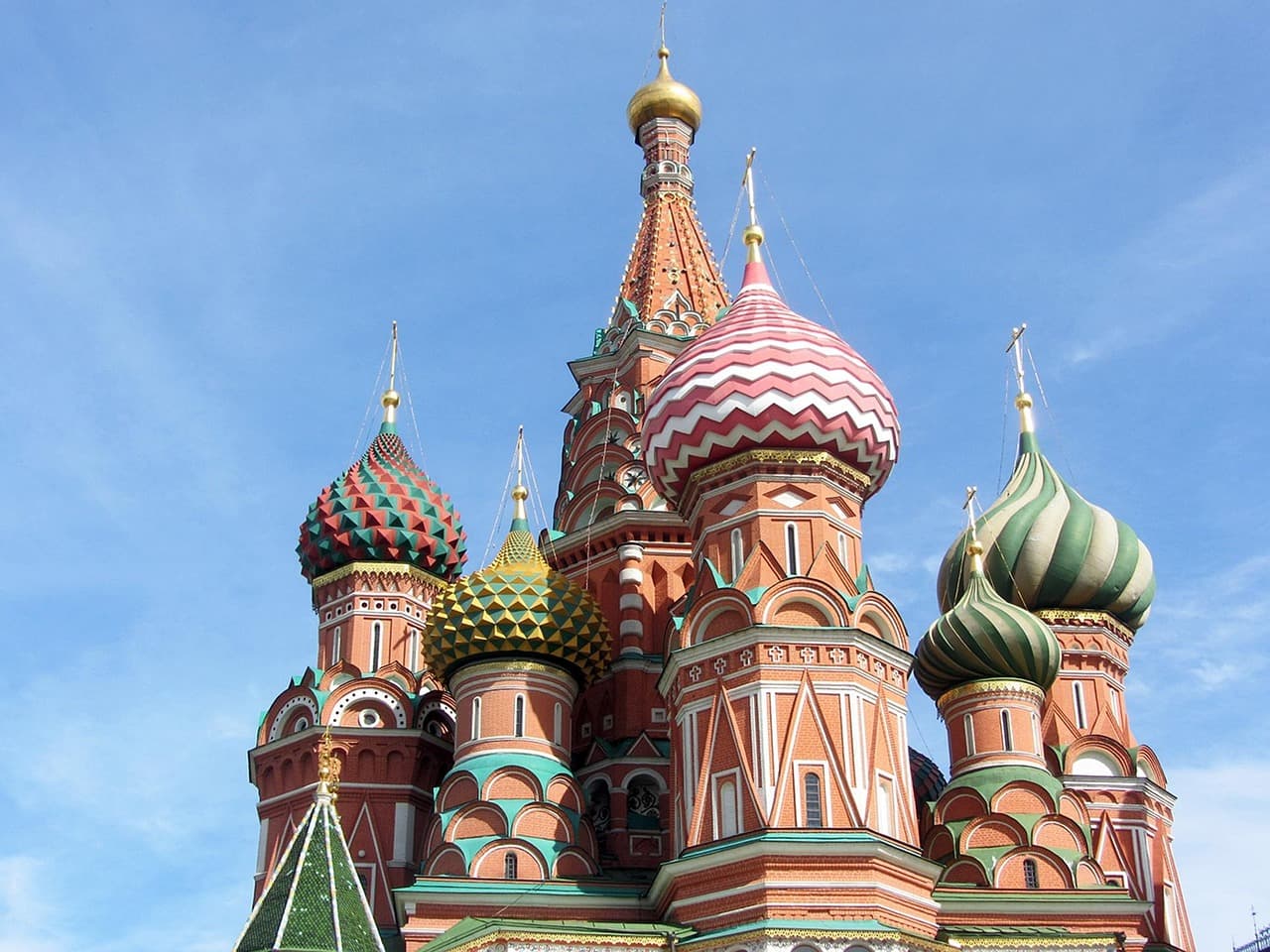
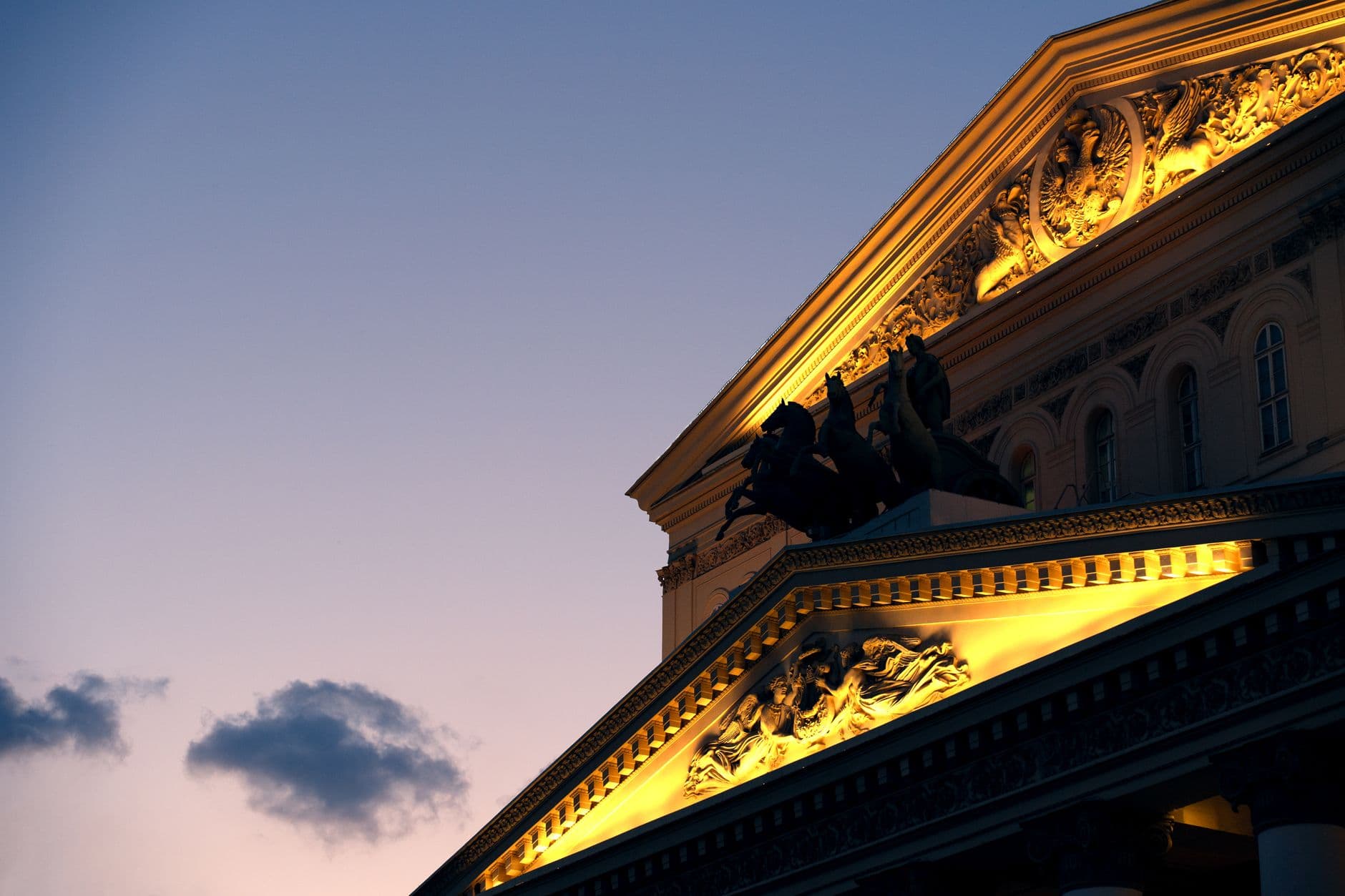
Planificați un tur concentrat și autoghidat prin centrul istoric al Moscovei pentru a-i înțelege arcul de la fortăreață la capitală federală. Ideea din spatele acestei abordări este de a urmări cum o fortificație timpurie a evoluat într-un centru viu, unde deciziile răsună în fiecare stradă. De la piețele de pe malul râului la turnurile de cărămidă roșie ale Kremlinului, traseul urmărește idei care au călătorit din Novgorod în repertoriul tot mai bogat al Moscovei, chiar și atunci când progresul a încetinit sau a fost oprit de amenințări externe.
În faza medievală, Țargradul și-a consolidat puterea pe măsură ce aristocrația construia moșii în jurul fortăreței. Guvernarea desfășurată din biserici și palate a modelat viața de zi cu zi, în timp ce negustorii străini legau Moscova cu rutele baltice și asiatice. Cartierul general pentru autoritatea militară și civilă a apărut de-a lungul malurilor râului, transformând orașul într-o rețea de ordonanțe, ritualuri și instituții durabile.
Astăzi, Moscova funcționează ca centru național pentru politică, economie și cultură, cu experiențe din decenii care modelează obiceiurile. Orașul crește prin programe planificate în domeniul locuințelor, transportului și reînnoirii culturale, în timp ce talentul și investițiile străine ajută la susținerea vitalității sale. Guvernul răspunde cu soluții de urgență pentru blocajele de trafic, eficiența energetică și întreținerea spațiilor publice, iar locuitorii continuă să se adapteze la schimbarea continuă cu rutine flexibile și noi servicii.
Privind spre viitor, ideea pentru următoarea eră a Moscovei se centrează pe creștere incluzivă și design rezilient. Expansiunile planificate ale liniilor de metrou, districtelor cu utilizare mixtă și clădirilor eficiente energetic urmăresc să reducă răul expansiunii necontrolate și să mențină relevanța centrului. Centrul va găzdui noi forumuri internaționale și centre de cercetare, Moscova acționând ca sediu pentru colaborări care conectează orașele regionale, inclusiv moștenirea rutelor influențate de țargrad și Novgorod. Învățarea continuă din trecut ghidează politicile, în timp ce proiectele pilot în planificarea urbană oferă recomandări concrete atât pentru rezidenți, cât și pentru vizitatori.
Istoria timpurie: Fundații, creștere și numele Moscovei
Concentrați-vă pe traversarea râului de către Moscova ca punct de plecare pentru înțelegerea creșterii sale timpurii; acest sit a atras negustori și meșteșugari într-o rețea robustă care avea să modeleze o putere în ascensiune.
Prima mențiune scrisă datează din 1147, când Iuri Dolgoruki a invitat un prinț rival să viziteze și să întărească așezarea. Numele Moscovei este legat de râul Moscova; deși originea exactă rămâne dezbătută, considerați interpretări legate de apă sau indicii de zonă mlăștinoasă ca fiind plauzibile. Așezarea a crescut în jurul unui singur vad, fortificat cu turnuri și ziduri de lemn care au apărat negustorii și au pus bazele unui comerț susținut.
Locația sa strategică, alimentată de rute fluviale legate de piețele estice și vestice, a transformat Moscova într-un centru natural pentru regiune. Autoritățile au încheiat alianțe cu principatele din apropiere și au perceput tributuri pentru a sprijini fortificațiile, piețele și programele de asistență socială care au beneficiat meșteșugarii, comercianții și soldații. Această guvernare timpurie a inclus, de asemenea, o administrație practică și profesionistă, capabilă să răspundă la amenințări și oportunități, extinzând amprenta autorității urbane și semnalând o hotărâre fermă de a progresa.
În anii 1350 și 1360, figura lui Dmitri (Dmitri Donskoi) a întărit Moscova după campania de la Kulikovo, extinzându-i vizibil influența și consolidând conducerea centrală. Succesul său a arătat că Moscova putea proiecta putere dincolo de zidurile sale și a adus o ideologie mai definitorie a conducerii centralizate care avea să-i ghideze pe conducători timp de generații. Unii savanți descriu această fază ca având elemente cu înclinații republicane, unde un consiliu alături de prinț ajuta la echilibrarea puterii și la păstrarea bunăstării locale.
Până la sfârșitul secolului al XV-lea, Moscova a consolidat un stat centralizat peste o rețea de principate și mănăstiri, stabilind un model de guvernare care va influența tranzițiile viitoare. Aceste evoluții au legat orașul de regiuni care astăzi se află parțial în Ucraina, comerțul transfrontalier și schimbul cultural alimentând atât economia, cât și identitatea. Curentele occidentaliste au dezbătut reformele dorite, în timp ce o direcție progresistă și fermă a menținut expansiunea aliniată cu stabilitatea, producând o administrație durabilă și profesionistă, capabilă să susțină creșterea pe termen lung.
| Year | Event |
|---|
| 1147 | Prima mențiune documentară; Moscova începe ca așezare fortificată |
| 1325 | Ivan Kalita consolidează Moscova; se extind rețelele de apărare și de comerț |
| 1359-1389 | Dmitri Donskoi consolidează puterea; autoritatea centrală crește |
| 1382 | Victoria de la Kulikovo ridică prestigiul regional al Moscovei |
| 1480 | Centralizarea escaladează; sfârșitul suveranității tatare grele asupra Moscoviei |
Moscova a fost fondată de Iuri al Suzdalului în 1147. Numele „Moscova" provine de la râul Moscova pe care a fost construit orașul. Originea exactă a numelui râului este incertă, dar se crede că provine din limba finno-ugrică sau slavă.
Iuri Dolgoruki a fondat Moscova în 1147. El a ales o cotitură de-a lungul râului Moscova pentru un post fortificat, o mișcare care a atras coloniști și primii apărători, pregătind terenul pentru o așezare ce avea să crească într-un centru major pe rutele comerciale ale râului.
Numele Moscova este legat de râul Moscova. Istoricii oferă mai multe explicații plauzibile. O ipoteză de lungă durată indică o rădăcină finno-ugrică ce semnalează umiditatea sau mlaștina, în timp ce alta sugerează un toponim local folosit de oamenii de pe malul râului. Prima mențiune scrisă a așezării apare în Cronica primară rusă în jurul anului 1147, documentând vizita lui Dolgoruky și dezvoltarea sitului ca reședință fortificată.
Din aceste începuturi, orașul s-a extins secol după secol, pe măsură ce conducători și negustori s-au mutat, au construit birouri și case și au conectat rețele regionale. Locația a ajutat Moscova să se adapteze la condițiile politice și economice în schimbare, stabilindu-se ca un nucleu pentru administrație și cultură, pe măsură ce autoritatea centrală și-a extins influența. În timp, numele și locul au căpătat o greutate simbolică, capitala crescând pentru a modela regiunea înconjurătoare și a proiecta influență mult dincolo de malurile râului.
Ce descoperiri arheologice dezvăluie viața de zi cu zi în așezările timpurii din Moscova?
Concentrați-vă pe artefactele domestice și spațiile de locuit pentru a înțelege viața cotidiană din Moscova. Acolo unde depozitele din epoca Dolgoruki de-a lungul râului Moscova dezvăluie bucătării, cuptoare, gropi de depozitare și spații de familie, poveștile rezidenților obișnuiți ies la iveală mai clar decât din monumente singure. Descoperirile acoperă sute de fragmente și echipamente care luminează rutinele, de la gătit la menaj. Comparativ cu occidentalizatorii din alte orașe, Moscova prezintă un model comparabil, totuși cu trăsături locale distinctive. Lansarea acestei narațiuni materiale atrage atenția asupra a ceea ce făceau oamenii zi de zi, nu doar asupra a ceea ce construiau conducătorii.
- Amenajare rezidențială și spații de locuit: Case compacte cu vetre centrale; camerele din față deserveau activitățile zilnice și viața socială, arătând un model centrat pe familie, tipic erei dolgoruki.
- Gătit, mese și dietă: ceramică cu funingine, cazane, amfore, semințe, cereale și oase dezvăluie meniuri sezoniere; uneori alimente conservate apar în depozite asemănătoare congelatoarelor; unele vase poartă un titlu sau un semn de atelier.
- Unelte, echipament și meșteșug: Fusaiole, dălți, cuțite, greutăți de țesut, dălți și fitinguri metalice demonstrează o gamă largă de activități casnice; cele mai fine lucrări metalice indică meșteri iscusiți care își susțin viața de zi cu zi.
- Rețele comerciale și schimburi: Mărgelele, sigiliile, monedele și fragmentele de ceramică arată rețele largi, integrate economic; obiectele provin din regiuni îndepărtate și din surse internaționale; uneori, aceste bunuri călătoreau peste frontiere până la Moscova.
- Scrierea, inscripțiile și identitatea: Inscripțiile pe ceramică, os și sigilii de plumb documentează nume, mărci de bresle și titlul unui atelier, oferind o legătură directă cu practicile cotidiene de scriere și etichetele sociale.
- Context militar și de frontieră: Unele depozite dezvăluie mici fortificații sau posturi de observație de-a lungul malului râului, indicând spații organizate militar și o mentalitate de primă linie la marginile orașului.
- Scală și anvergură: Luând în considerare sute de situri, tiparele se repetă în diferite districte, oferind o bază solidă pentru interpretarea rutinelor zilnice și a vieții sociale.
- Înainte și implicații urbane: Mai departe, aceste indicii influențează modul în care planificatorii și istoricii discută despre creștere, planuri urbane reformate și traiectoria pe termen lung a orașului sub conducerea politicienilor de seamă.
- Altfel, comparații regionale: Altfel, în alte districte, apare un model similar, deși amestecul dintre moștenirea dolgoruki și legăturile comerciale extinse ale Moscovei creează amprente locale distinctive.
În concluzie, cea mai practică idee este să priviți ustensilele de bucătărie, cazanele, pietrele de moară și borcanele de depozitare ca pe niște oglinzi ale vieții cotidiene, în loc să vă bazați pe monumente grandioase. Aceste obiecte arată unde locuiau familiile, ce mâncau și cum își organizau munca - elementul central al unui oraș în creștere. Marea varietate a descoperirilor subliniază caracterul interconectat economic al Moscovei, aliniindu-se cu tiparele comerțului internațional și semnalând modul în care orașul avea să lanseze reforme și să atragă politicieni de seamă în secolele următoare. Chiar și pe măsură ce bolșevicii au apărut în secolele ulterioare, aceste descoperiri timpurii ne reamintesc cum a persistat viața de zi cu zi. Descoperiri similare se regăsesc și în alte districte, sau în câteva situri suplimentare, arătând modele asemănătoare.
Cum a început Kremlinul din Moscova și care au fost primele sale structuri?
Kremlinul din Moscova a început ca o fortăreață de lemn pe Dealul Borovițki în secolul al XII-lea, iar primele sale structuri au fost ziduri de lemn și porți care au înconjurat o așezare în creștere și au definit principalul mijloc de apărare al fortăreței.
Conturile plasează fondarea Moscovei în 1147 de către Yuri Dolgoruky, transformând amplasamentul de pe deal într-un punct strategic de intersecție pentru comerț și putere. Fortificația inițială forma un spațiu restrâns în jurul câtorva clădiri cheie, cu porți pentru gestionarea accesului. Printre primele structuri se numărau biserici mici de lemn și un mic grup de palate, toate funcționând ca nucleu pentru o viitoare capitală. Sentimentele de securitate și prestigiu au crescut pe măsură ce rezidenții și prinții se bazau pe fortăreață pentru protecție și identitate.
Distrugerile cauzate de incendii și raiduri au expus în mod repetat slăbiciunile lemnului, determinând reparații și determinând constructorii să caute soluții durabile. După succesiunea prinților din Moscova, constructorii au folosit cărămizi și piatră pentru a întări zidurile, transformând Kremlinul într-un centru decisiv, mai degrabă decât într-un cantonament temporar.
Din 1485 până în 1495, maeștrii italieni au condus un program tehnic pentru a ridica fortăreața cu ziduri de cărămidă și turnuri mai înalte, creând silueta iconică pe care o recunoaștem astăzi. Poarta Spasskaya și alte intrări au căpătat o importanță ceremonială, în timp ce zidăria a îmbunătățit durabilitatea fortăreței și capacitatea sa de a rezista asediilor. Doar un procent mic din elementele originale din lemn a rămas, servind mai mult ca amintire decât ca funcție. În interior, au apărut primele structuri majore pentru a satisface atât nevoile statului, cât și pe cele sacre - cele care aveau să ancoreze guvernarea Moscovei timp de secole.
În noul incintă de piatră, Catedrala Adormirea Maicii Domnului (Uspensky) finalizată în 1479, Palatul Terem (Palatul Fațetelor) completat în anii 1490 și complexul timpuriu al clopotniței care avea să evolueze în Clopotnița lui Ivan cel Mare au stabilit Kremlinul ca un centru combinat de fortăreață, capelă și administrație. Aceste clădiri ilustrează modul în care Kremlinul a echilibrat spațiile sacre cu încăperile administrative, reflectând valorile unei puteri în creștere care tratau ceremonia și guvernarea ca pe niște datorii interconectate.
Porțile precum Spasskaya și Nikolskaya se deschideau procesiunilor ceremoniale și accesului zilnic, subliniind avantajele fortificației din piatră: rezistența la foc, durabilitatea și capacitatea de a găzdui evenimente importante. Amenajarea a creat un mediu compact și controlat unde prinții, preoții și oficialii puteau să se întâlnească și să planifice, în timp ce amenințările inamice se confruntau cu o barieră formidabilă. În acest sens, primele structuri nu erau doar adăposturi; ele erau declarații despre ordine, ierarhie și identitate colectivă.
Soarta Kremlinului a evoluat odată cu schimbările politice ale Rusia. Zidurile și monumentele sale timpurii au stabilit un model care a persistat prin epoca țaristă și în epoca sovietică, când socialiștii au folosit situl ca un centru de putere. Relatările contemporane din enciclopedii subliniază modul în care designul oglindește guvernarea, ritualul și securitatea, o înregistrare vie a confruntării cu invadatorii și a rezilienței în timp. O monografie despre construcția sa timpurie detaliază zidăria precisă și mijloacele prin care complexul a crescut devenind un simbol al identității naționale.
De ce a fost geografia fluvială crucială pentru comerțul timpuriu al Moscovei?
Folosiți rețeaua de râuri a Moscovei ca ax principal al comerțului timpuriu, deoarece lega pădurile, fermele și piețele de-a lungul unei căi navigabile continue.
- Cadru strategic: situat pe râul Moscova, Moscova se află la răscrucea unde rutele nordice și estice se întâlnesc și curg spre sud și vest. Moscova alimentează Oka, care se varsă în Volga, creând un coridor care transporta traficul din regiuni îndepărtate către piețele orașului și către porturile de la Marea Neagră. Gheața sezonieră și dezghețarea de primăvară extind lunile utilizabile, permițând mișcări constante de blănuri, lemn, cereale, sare și metal. Orașul, situat de-a lungul malurilor, a prosperat pe măsură ce comerțul atrăgea negustori.
- Rețele și legături mai largi: Acest sistem fluvial lega acolo de rute mai ample. Negustorii se deplasau pe aceste canale spre Constantinopol prin porturile de la vărsare, în timp ce comercianții din Roma și alte centre foloseau aceleași căi pentru a ajunge la piețele Moscovei. Aranjamentul oferea un aliat comerțului și ajuta la unirea economiilor îndepărtate într-un singur sistem comercial. Modelul reflectă modul în care geografia poate lega regiuni în trafic comun și beneficiu reciproc.
- Dinamica traficului și construirea pieței: traficul fluvial a creat cicluri previzibile; porturile de-a lungul Moscovei și Okei au susținut zile de piață, depozitare și credit, permițând negustorilor să extindă distanța și scara. Ritmul traficului a sporit dragostea de comerț în rândul orașelor de pe maluri, iar descrierile lui Feodor menționează că orașele riverane și-au extins feriboturile, șantierele navale și depozitele, o dinamică ce s-a răspândit pe tot coridorul Volgăi.
- Impact politic și cultural: Economia fluvială a modelat pretențiile legitime la accesul la resurse și la apartenență în rândul comunităților locale. Naționalismul a crescut pe măsură ce economiile locale s-au alăturat rețelelor imperiale mai largi. În secolul al XIX-lea, conducătorii au decis să investească în infrastructura fluvială, iar duma a dezbătut cum să reglementeze traficul și să colecteze venituri. Sistemul a acționat ca un aliat al Moscovei, ghidând politica care a guvernat asupra comitatelor riverane și conectând orașul la structuri de putere mai largi. Cuvântul reflectă modul în care geografia și guvernarea se consolidează continuu reciproc, iar, ulterior, politica se poate adapta la noi condiții sub un președinte sau o administrație regională.
- Moștenire și lecții pentru viitor: Această geografie arată cum Moscova s-a extins de-a lungul secolelor, un model care a ghidat ulterior planificarea și investițiile. În octombrie, tulburările sociale și politice au determinat schimbări în gestionarea râurilor, iar liderii - fie președinți la nivel național, fie autorități locale - s-au adaptat pentru a menține rutele de apă deschise. Moscova de astăzi moștenește încă o rețea continentală, iar axa fluvială continuă să modeleze apartenența și strategia națională, un fapt pe care istoricii îl subliniază pentru a înțelege traiectoriile prezente și viitoare.
Când a apărut Moscova ca centru regional și de ce a atras coloniști?
Până la mijlocul secolului al XIV-lea, Moscova începuse să-și consolideze rolul regional, emergând ca un centru regional care atrăgea așezări din zonele rurale și din afara acestora. Data fondării este 1147, când Iuri Dolgoruki a indicat un vad fortificat pe râul Moscova și a invitat trupe și comercianți să se așeze, creând un punct defensabil care a asigurat creșterea pe termen lung. Aceste fundații aveau să consolideze atractivitatea orașului pentru generații.
Câmpiile sale netede și trecătoarea Moscovei au legat comunitățile rurale de piețe, invitând coloniștii să servească liber târgurile și meșteșugurile în creștere. Târgurile de primăvară au amplificat fluxul de bunuri și idei, în timp ce rețelele de comercianți și artizani au crescut profund, oferind pace și spațiu pentru a păstra vii obiceiurile. Coloniștii deserveau piețele și meșteșugurile în expansiune. Acest mediu a favorizat o viață civilizată și a ajutat oamenii, cunoscându-se reciproc între bresle și parohii.
În multe privințe, creșterea Moscovei a urmat o cale diferită de cea a orașelor din nord, atrăgând trupe, negustori și administratori care puteau securiza și gestiona jurisdicția în expansiune. Orașul și-a asumat mai multe sarcini administrative și un rol central în guvernarea regională. Arhitectura timpurie a bisericilor și a Kremlinului a conferit Moscovei o siluetă distinctivă, iar mai târziu, arhitectura imperială și stalinistă a adăugat forme monumentale care i-au întărit poziția. Eliberarea de amenințările externe a extins comerțul, a atras noi locuitori și a îmbunătățit pacea, în timp ce standardele de viață ale orașului s-au îmbunătățit. În plus, legăturile culturale au funcționat reciproc între obiceiurile rurale și viața urbană, menținând ambele părți conectate.