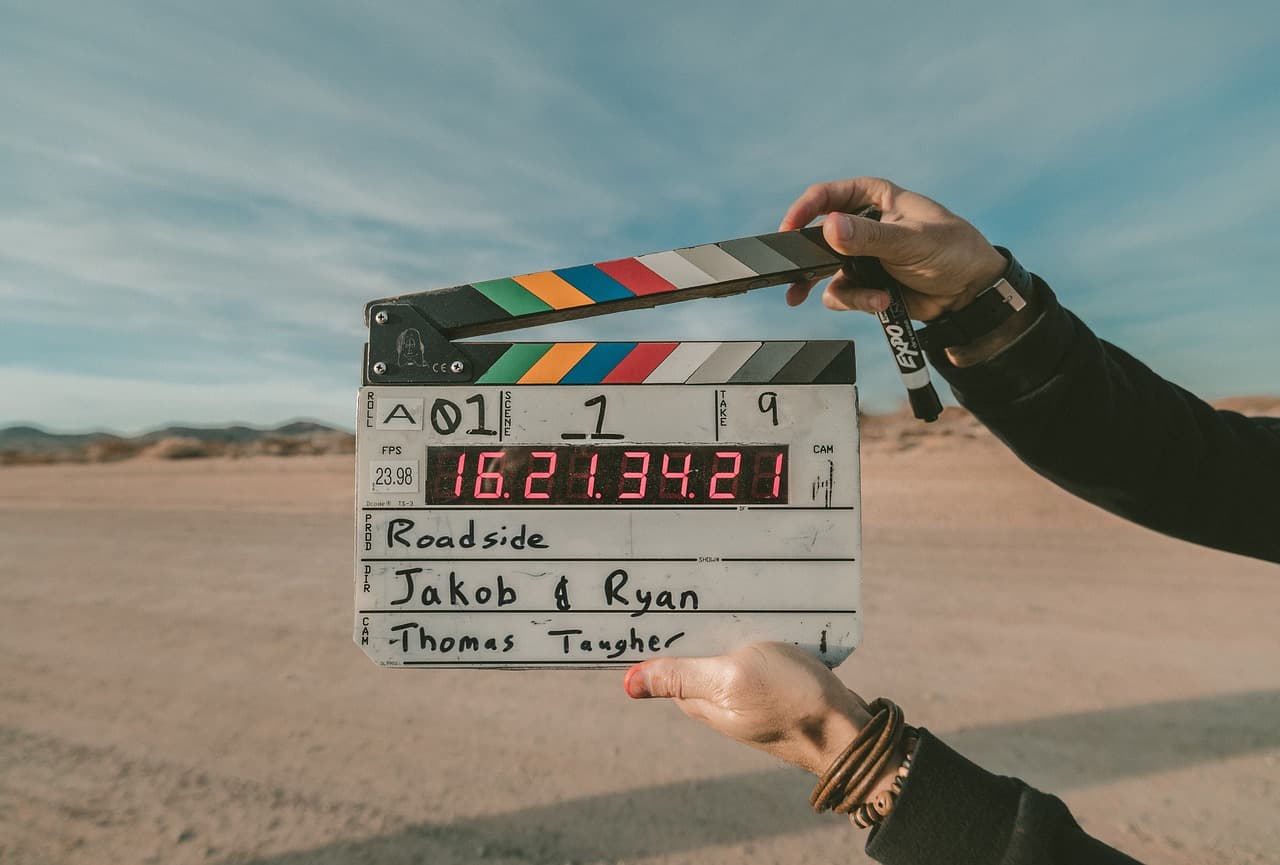
Începeți cu un buget mic, un scop restrâns și un plan clar pe zile; angajați un mediator local pentru a gestiona autorizațiile, locațiile și accesul. Această abordare menține procesul ancorat în realitate și centralizează controlul sub o singură autoritate. Ei pot ghida inițiativa de contactare și stabili fluxul de lucru pentru primele zile. Acest proces necesită coordonare disciplinată.
Selectați fixeri cu autoritate dovedită; în funcție de nevoile scenariului, atribuțiile lor includ obținerea de autorizații, coordonarea cu autoritățile locale și aranjarea accesului la locații. Utilizați dosarul lor pentru a găsi o echipă de trei persoane de încredere. Răspunsurile lor trebuie să indice ce poate contribui fiecare membru al echipei pe platou și dacă un candidat este alegerea perfectă pentru calendarul dumneavoastră.
Pentru a forma o echipă capabilă, cartografiați contribuția fiecărei poziții la montajul final. Selectați practicieni individuali care pot lucra ținând camera în mână sau cu sisteme de stabilizare, și specificați echipamentul pe care îl aduc. La alegerea persoanelor, confirmați experiența lor cu filmările ținute în mână și în spații interioare strâmte, și verificați că mențin continuitatea între scene. Ei tind să se bazeze pe un personal compact: un director de imagine, un operator de sunet, un grip și un tehnician de iluminat; configurația lor trebuie să rămână ușoară pentru a păstra programul agil și munca lor pe drumul cel bun.
Ce să verifici în practică: acreditările, un demo reel și referințe. Întreabă ce a livrat fiecare rol în ultimul proiect și dacă pot să se adapteze la schimbări rapide ale luminii și vremii. De exemplu, un director de imagine cu experiență în cadre cu mâna liberă poate accelera acoperirea în spații înguste; un operator de sunet trebuie să fie pregătit să gestioneze tonuri de cameră și zgomotul de pe locație. Aliniază costurile: o rată zilnică mică, o taxă separată pentru echipament și un buget pentru autorizații sau taxe de locație. Ia în considerare aspecte precum ferestrele meteo, traficul din oraș și sărbătorile locale care afectează programul.
Specialiștii de logistică lucrează cu canalele autorităților locale. Un mediator de încredere numit Paul este de obicei primul contact; ei orchestrează accesul pe platou, coordonează cu proprietarii imobilului și asigură ca filmările să se încadreze în perioada planificată. Notele lor trebuie să confirme ce obțin și ce nu pot obține, reducând astfel surprizele de ultim moment.
Cadrul de angajare a echipelor de filmare din Moscow
Acest cadru permite scalarea ușoară, accelerarea procesului de integrare și asigurarea conformității legale încă de la început.
- Proprietatea, guvernanța și rolurile Proprietarul stabilește bugetul și obiectivele generale; managerii supraveghează activitățile creative, logistice și de conformitate; atribuie roluri și linii clare de raportare. Fiecare document de rol trebuie să detalieze responsabilitățile și livrabilele așteptate.
Echipament și planificare audio-video Confirmă tipul camerei, formatele și lentilele; decide setările cu mână versus cele stabilizate; specifică gestionarea sunetului și opțiunile de backup audio. Aceste detalii influențează tarifele și disponibilitatea.
Candidat: proces de recrutare și selecție
Publică o ofertă de angajare cu criteriile de screening; efectuează căutări pe rețele oriunde, verifică portofoliile și contactează referințele. Includeți pe Paul ca exemplu de contact în șabloane; asigurați-vă că timpii de răspuns sunt rapizi. Selectați echipe care demonstrează aliniere la scenariu și la standardele de siguranță.
Compliance și acte necesare Pregătiți actele necesare din timp: autorizații, contracte, asigurări și permisiuni locale; verificați statutul de acreditare, dacă este cazul; efectuați verificări la poliție, dacă este necesar; asigurați-vă că toate documentele corespund programului de filmare al proiectului, când este cazul. Acest proces necesită coordonare cu autoritățile locale și obținerea de autorizații.
Punerea la curent și instruirea Punerea la curent trebuie să includă rolurile lor pe platou, briefinguri privind siguranța și manipularea echipamentelor; să furnizeze un plan scurt de instruire care să acopere scenariul, eticheta locației și procedurile de urgență. Instruirea trebuie finalizată înainte de prima zi pe platou.
Bugetare și tarife
Stabiliți tarife zilnice sau pe proiect pentru fiecare poziție; creați un tabel simplu de comparare și aliniați cu constrângerile proprietarului; asigurați-vă că deplasarea și diurnele sunt explicit menționate în aplicație. Tarifele trebuie să fie ușor de audit și de urmărit.
Flux de lucru la fața locului
Atribuiți roluri pe platou; stabiliți lanțul de comandă; asigurați-vă că operațiunile cu camera pe mână sunt planificate cu directorul de imagine și coordonatorul de sunet; pre-plotați mișcările camerei și monitorizați sunetul; mențineți o evidență curată a documentației pentru fiecare dublă.
Controlul calității și aprobări: Stabilește criterii de acceptare pentru fiecare scenă; efectuează runde rapide de revizuire după filmare; documentează problemele și reluările; actualizează scenariul și lista de planuri în consecință.
Notă: Echipajele locale din Moscova necesită acreditare și verificări ale poliției acolo unde sunt impuse; evaluați documentația fiecărui candidat și legalitatea filmărilor pentru a minimiza riscurile și a asigura aprobări fără probleme.
Definiți scopul proiectului, programul filmărilor și rolurile necesare ale echipei
Începeți cu un rezumat al proiectului pe o pagină care definește domeniul de aplicare, aria de acoperire, livrabilele, etapele intermediare și constrângerile. Alocați o persoană responsabilă, cu autoritate clară și o limită de decizie. Rezumatul ar trebui să detalieze serviciile necesare, ipotezele acestora și plafonul bugetar sau suma disponibilă pentru contingențe.
Creează un calendar de filmare care să eficientizeze deplasările între locațiile din zonă, să țină cont de verificările meteo sau de vize și să includă zile tampon. Alocă blocuri mici și concise de timp fiecărei locații; decide în avans dacă se va folosi operarea din mână în spații înguste și specifică alegerile de echipament în funcție de nevoile de iluminat și sunet. Revizuiește planul aici cu echipa pentru a confirma responsabilitățile. Această abordare funcționează oriunde.
Creați o listă cu membrii cheie ai echipei și responsabilitățile acestora, cu un responsabil individual pentru fiecare rol. Pozițiile includ Șef cinematografie (DP), Operator cameră, Asistent cameră 1, Asistent cameră 2, Gaffer, Tehnician iluminat, Inginer de sunet, Manager de producție, Manager locații, Șef recuzită, Artist machiaj și costume, Supervizor script și Coordonator transport. Fiecare înregistrare trebuie să menționeze nivelul de experiență, acreditarea necesară și necesitatea de formare la fața locului.
Siguranța personalului și permise: verificați acreditările unde este necesar, confirmați aranjamentele pentru vizele membrilor echipei internaționale, asigurați-vă că aveți aprobări pentru proprietate și permise de locație, și păstrați sursa la îndemână ca sursă principală pentru detalii despre permise și asigurări.
Bugetare și cotații: compilați o listă de servicii și solicitați o cotație formală de la furnizori; comparați tarifele pe articole, luând în considerare costurile de transport, cazare, vize și asigurare; urmăriți suma cheltuită în raport cu bugetul și rezervați o mică rezervă de contingență.
Instruire și siguranță: asigurați-vă că membrii echipei care operează unități portabile sunt instruiți în manipulare sigură; efectuați o scurtă prezentare de siguranță înainte de prima zi; solicitați cel puțin un supervizor experimentat pe platou pentru sarcini cu risc ridicat; documentați înregistrările de instruire.
Documentare și urmărire: stabiliți o listă comună de responsabilități cu proprietarii, setați date de revizuire și urmăriți elementele de acțiune pentru a menține progresul cu autoritate și responsabilitate; vă rugăm să vă aliniați cu procesul lor intern pentru a urma planul.
Ierarhia echipajului Moscova: poziții cheie și responsabilități
Stabiliți echipa de bază în funcție de zonă și buget, apoi adăugați specialiști pe măsură ce nevoile cresc. Grupul de bază din Moscova include, de obicei, un Director, un Manager de Producție și un Director de Imagine; adăugați un Manager de Locație, un Supervizor de Scenariu, un Designer de Producție, un Luminiștor (Gaffer) și un Inginer de Sunet pe măsură ce locațiile și tonul sunt stabilite. Asigurați verificări legale, permise de la muzee și palate și o listă stabilită de parteneri de servicii cu sediul în Rusia pentru a reduce întârzierile. Folosiți blog-contact pentru a solicita o estimare și obțineți o ofertă formală de la echipele locale.
Selecția ia în considerare scala zonei, disponibilitatea și locațiile istorice, cum ar fi palate sau muzee. Aplicați cu mult timp înainte; muzeele necesită adesea o aliniere cu calendarul evenimentelor sau expozițiilor. De asemenea, coordonați-vă cu echipele de evenimente și departamentele juridice. Obținerea aprobărilor implică o cerere clară, o listă detaliată a secvențelor și o prezentare generală a impactului bugetar. Agențiile deținute de ruși oferă, de obicei, termeni mai clari și vor răspunde rapid la solicitările de contact de pe blog.
Sfaturi: mențineți blog-contact pentru a eficientiza comunicațiile legate de locații, permisiuni și datele evenimentelor.
| Poziție | Responsabilități principale | Interval tipic de tarif (RUB/zi) | Notes |
|---|
| Director | Viziune creativă, aprobări de blocare a cadrelor, coordonare pe platoul de filmare cu Directorul de Imagine și Managerul de Producție; legătura cu muzeele și autoritățile palatelor | 120k-280k | Conduce deciziile creative; se aliniază cu calendarele evenimentelor |
| Manager de producție | Supervizează bugetul, programul, contractele cu furnizorii, permisele; gestionează termenul limită; coordonează cu Managerul de locație și Directorul de imagine | 60k-150k | Mitigator de risc cheie; asigură conformitatea legală |
| Director de imagine | Operare cameră, plan de iluminat, alegeri de obiective; aspectul formelor în colaborare cu regizorul; informează echipa de directori de imagine pe platoul de filmare | 120k-350k | Influență majoră asupra stilului; conduce echipa de cameramani |
| Manager Locație | Rezervă locații, negociază cu proprietarii, obține permisiuni la palate și muzee; gestionează logistica locațiilor | 40k-90k | Central în strategia de localizare și controlul riscurilor |
| Supervizor de Scenariu | Continuitate, notează abaterile, urmărește dublele, comunică cu monteurul; menține registrul cadrelor | 25k-60k | Menține coerența narativă între filmări |
| Scenograf | Direcție artistică, decoruri și recuzită; coordonează interioarele cu personalul muzeului; adaptează spațiile la nevoi | 60k-150k | Punte între concept și lumea fizică |
| Gaffer | Șef de lumini; implementează planul de lumini; dirijează echipa electrică | 40k-110k | Factor determinant al stării de spirit și texturii |
| Sunetist | Înregistrare pe platou, gestionează boom-ul și microfoanele wireless, sincronizează cu imaginea | 35k-90k | Critic pentru dialoguri curate în locații complexe |
Permise și autorizații de filmare în Moscova și în alte orașe din Rusia
Începeți cu cartografierea timpurie a locațiilor: spațiile publice necesită permise oficiale de la autoritatea din Moscova și din centrele regionale; spațiile private necesită consimțământul proprietarului. În Moscova, corpul principal de contactat este administrația orașului, cu notificarea poliției atunci când sunt implicate străzi. Creați un plan care să acopere permisele orașului, impactul asupra traficului și siguranța, apoi urmați lista de verificare oficială pentru a reduce șansele de respingere.
Adunați un brief de proiect, o listă de locații, date și programul anticipat. Planul trebuie să includă locațiile exacte și intervalele orare; acest lucru crește șansele unor răspunsuri rapide din partea autorităților. Un regizor experimentat sau un fixer din Beverly Hills poate ajuta la transpunerea specificităților evenimentului în documente oficiale. În Moscova, anticipați două documente principale: o cerere de autorizație către autoritatea municipală și o notă de poliție pentru activități pe stradă.
Pe proprietate privată, obțineți permisiunea scrisă de la proprietar sau administrator. Unele locații necesită un contract afișat, un plan de siguranță și o poliță de asigurare. Proprietarul locației poate solicita un contract separat dacă intenționați să instalați echipamente sau sisteme de iluminat lângă limitele sensibile ale proprietății. În funcție de personalitatea sau stilul de management al proprietarului, negocierile pot varia, dar fiți pregătit să oferiți un calendar, dovada evaluării riscurilor și un plan pentru minimizarea perturbărilor.
Locațiile publice necesită ca autoritățile să revizuiască impactul planului asupra traficului, pietonilor și evenimentelor locale. În Moscova, dar și în alte orașe mari, un permis poate implica o oprire a poliției sau o amenajare temporară la intersecții. Procesul depinde de zonă, de durată și de numărul de participanți. Unele evenimente necesită o întâlnire de coordonare cu biroul local de evenimente; în acest caz, ar trebui să știți ce departament supraveghează utilizarea străzilor și cum să vă prezentați evaluarea impactului. Aceștia oferă o aprobare a locației odată ce planul dumneavoastră respectă standardele de siguranță și limitele de zgomot.
Estimarea termenelor: aprobările permiselor pot dura 7-14 zile în orașele mai mici; Moscova și alte centre mari necesită de obicei 2-4 săptămâni, cu posibile extinderi atunci când sunt implicate lucrări nocturne sau închideri complexe. Așteptați-vă la o cerință de asigurare de răspundere civilă și la o taxă standard de utilizare. Aceștia vor furniza o ofertă după revizuirea documentelor. Permisele suplimentare, cum ar fi operațiunile cu drone sau echipaje suplimentare, adaugă 2-7 zile fiecare.
Construiți în buffere: dacă un amplasament este legat de un eveniment ceremonial sau de un program sensibil, autoritățile pot opri temporar lucrul. Aveți un plan de contingență cu opțiuni alternative de amplasament și o dată de rezervă. Unele echipe aduc un contact local, cum ar fi Beverly, pentru a accelera discuțiile cu autoritatea locală, dar orice persoană implicată ar trebui să cunoască scopul proiectului și planul preconizat.
Păstrați comunicările concise, politicoase și precise. Utilizați un singur punct de contact la biroul municipal și copiați toți cei implicați pe email. Când primiți un răspuns, răspundeți cu un rezumat scurt al celor aprobate și al pașilor următori, incluzând orice termene limită necesare și condiții specifice locației.
Sfaturi: cunoaște formatul preferat al autorității locale pentru planuri, hărți și evaluări de risc; unele departamente acceptă trimiteri digitale, altele necesită copii tipărite. Un fixer sau regizor experimentat, cu conexiuni locale, sporește rata de succes. Aceștia te pot ajuta să îți adaptezi abordarea la personalitatea persoanei de contact, evitând fricțiuni inutile. De asemenea, ia în considerare utilizarea de locații private atunci când este posibil pentru a reduce complexitatea permiselor, în funcție de buget și program.
Când plănuiți cu proprietarul sau autoritățile orașului, documentați fiecare consimțământ, păstrați un dosar principal și notați datele, persoanele de contact, identificatorii locației și orele de încetare pentru filmare. Acest plan îmbunătățește șansele de a trece rapid de la aprobare la producție la fața locului, protejând în același timp proiectul și proprietatea. Dacă doriți mai multe detalii, consultați-o pe Beverly, regizorul local, sau un oficial de permise al orașului pentru a afla cele mai recente cerințe, taxe și termene.
Identificarea candidaților: demonstrații, CV-uri și verificarea referințelor
Solicitați demo-uri de două minute în avans pentru a verifica fluxul de lucru și stilul real, apoi revizuiți CV-urile pentru a confirma rolurile anterioare și familiaritatea cu echipamentul.
Demo-urile ar trebui să demonstreze funcționarea camerei, iluminatul, sunetul și comenzile de pe platou; căutați înregistrări specifice care se aliniază cu programul evenimentelor proprietarului și cu filmările în muzee sau palate, dacă este cazul.
CV-urile trebuie să detalieze fiecare proiect, mărcile de cameră, conducerea echipei și nivelul de responsabilitate purtat în proiectele anterioare de filmare; menționați expertiza în domenii precum documentar, corporativ sau reportaj și personalitatea care se potrivește ritmului dumneavoastră.
Efectuați verificări de referință cu doi sau trei colaboratori anteriori care pot confirma fiabilitatea, comunicarea și dacă candidatul respectă bugetul și programul.
Iată traducerea textului în română:
Creați un sistem simplu de evaluare: notați candidații pe baza abilităților tehnice, a poveștii (storytelling) și a colaborării; evaluați CV-urile în funcție de consistență, familiaritatea cu echipamentele și gestionarea bugetelor anterioare. Utilizați aceste scoruri pentru a reduce o listă lungă la una scurtă.
---
Scoruri de evaluare:
Demo-uri: - Abilități tehnice (1-5): Calitatea și corectitudinea execuției tehnice. - Storytelling (1-5): Claritatea și impactul narativ. - Colaborare (1-5): Capacitatea de a lucra în echipă și comunicare.
CV-uri: - Consistență (1-5): Coerența datelor și a experienței. - Familiaritatea cu echipamentele (1-5): Cunoștințe practice și tehnice. - Gestionarea bugetelor (1-5): Experiență și rezultate în management financiar.
Comunică prin blog-contact pentru a stabili pașii următori; solicită o adresă de email la care să trimiți ofertele și referințele. Include o așteptare clară privind oferta, un calendar de execuție și orice echipament necesar, precum trepiede, stabilizatoare și memorie de rezervă pentru înregistrări.
Cereți permisiunea de a viziona secvențe extinse din filmările recente realizate în locații precum un muzeu sau un palat istoric pentru a evalua mișcarea camerei, încadrarea și atenția la detalii în condiții reale de zonă. Acest lucru ajută la evitarea supraestimării capacității pe baza unui singur montaj.
Uneori un candidat cu o personalitate puternică și o mentalitate practică se adaptează rapid la un buget restrâns și la un program încărcat în zilele de filmare; ia în considerare cum comunică și coordonează cu proprietarul, responsabilul evenimentului și alte departamente.
Odată ce identifici un candidat care îndeplinește criteriile, oprește căutarea la un prag de buget rezonabil și pregătește un proiect de acord formal care să stipuleze domeniul de aplicare, termenele și etapele de plată. Acest lucru ajută la menținerea transparenței procesului și reduce riscurile în zilele de filmare.
Păstrați un document partajat cu starea fiecărui candidat, observații despre personalitate și un memento pentru a-i contacta pe aceștia prin email dacă apare o nouă cerere de ofertă. Astfel, zona media rămâne organizată pe măsură ce avansați către o alegere finală.
Bugetare, tarife, contracte și reguli de bază pe platou
Stabiliți un plafon zilnic strict pentru cheltuielile cu personalul: 60.000-120.000 RUB; echipamentele necesită 50.000-140.000 RUB; transportul 10.000-30.000 RUB; autorizațiile 5.000-15.000 RUB. Adăugați o rezervă de 10-20 la sută. Elaborați un plan care alocă plățile pe etape sau evenimente, cu 30 la sută în avans și 70 la sută la livrare.
Tarifele pe roluri în centrul orașului Moscova includ: fixer 12.000-28.000 RUB/zi; location scout 10.000-25.000; asistent de producție 8.000-20.000; director de imagine 60.000-120.000; operator de sunet 25.000-60.000; director artistic 25.000-70.000. Închiriere echipament: kit cameră 50.000-150.000 RUB/zi; iluminat 20.000-60.000; kit sonor 15.000-40.000. Variațiile depind de experiență, nevoile de limbă și necesitatea interpretării.
Contracte: redactare de documente bilingve; includeți obiectul contractului, etapele de realizare, calendarul plăților, termenii de reziliere, forța majoră, răspunderea, asigurarea, deteriorarea echipamentelor, drepturile de arhivare. Asigurați-vă că părțile semnează, datarează și completează adresele; specificați legea aplicabilă în fața autorităților din Moscova; atașați acordurile de servicii. Sfaturi: păstrați aceste documente concise, includeți căi de escaladare și atașați detaliile de contact pentru ambele părți.
Pe platoul de filmare: sosiți devreme; verificați autorizațiile; desemnați un contact pentru blog pentru actualizări rapide; efectuați un test rapid al echipamentului; confirmați alimentarea cu energie, planurile de rezervă, testul de sunet; pregătiți stațiile de emisie-recepție; mențineți liniștea în timpul unei duble; respectați autoritățile locale; mențineți căile de acces libere; instrucțiuni de siguranță; apă și gustări pe platou; oferiți o scurtă instruire de siguranță noilor membri ai echipei; împărtășiți un scenariu și un plan clar participanților.
Pe platou, nu faceți următoarele: ignorați permisele; omiteți punctele legale; depășiți orele atribuite fără consimțământ; suprasolicitați echipele cu modificări; dezactivați traducătorul când există barieră lingvistică; mânuiți necorespunzător cablurile; neglijați echipamentul de siguranță; parcați în zone restricționate; lăsați echipamentul să blocheze căile de acces; ignorați schimbările meteo.
Drumul legal presupune obținerea autorizațiilor de la autoritatea locală, asigurarea unei polițe de asigurare de răspundere civilă și conformarea cu regulile fiscale locale. Folosiți servicii de încredere; angajați persoane de contact locale pentru a gestiona autorizațiile și traducerile. Solicitați autorităților prin canale oficiale; păstrați înregistrări scrise ale aprobărilor; mențineți o pagină de contact-blog cu starea actualizată pentru actualizări despre evenimente.
Sfaturile pentru a menține ritmul includ menținerea unei priviri constante asupra programului, înregistrarea modificărilor într-un document partajat, asigurarea traducerilor la îndemână și apelarea la persoane de contact pentru a obține autorizațiile și punctele de contact juridice. Vă rugăm să aliniați planul cu scenariul, planul și calendarul evenimentului; blogul de contact este punctul de ancorare, asigurând o comunicare fluidă cu autoritățile și echipa de producție; aceste pași ajută orașul și serviciile sale să funcționeze fără probleme.