
 Română
  English (UK)
  Русский
  العربية
  日本語
日本語  한국어
한국어  Magyar
  Türkçe
  Español
  Čeština
  Svenska
  Português
  Ελληνικά
  Suomi
Suomi  Nederlands
  Italiano
  Français
  Polski
  Українська
  Deutsch
  简体中文
简体中文  Slovenčina
  Locuri de vizitat în Moscova – Atracții de top, repere și muzee">

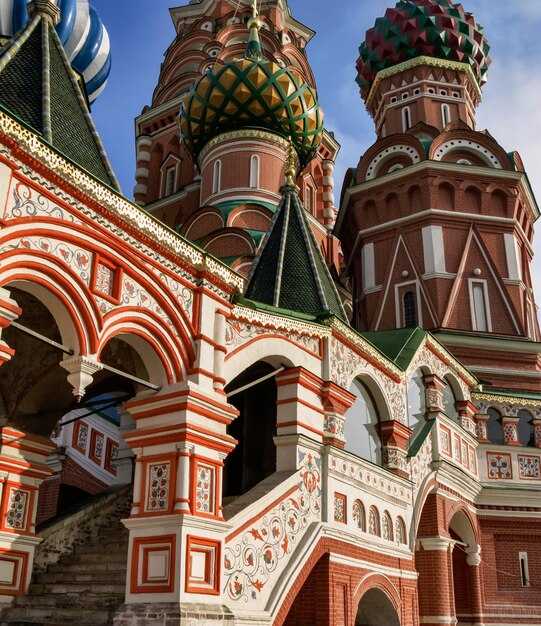
Start at the Kremlin and Red Square in the morning to set the tone: massive walls, onion domes, and a blend of Russian and imperial architecture. Then follow a route toward cathedrals and ancient chambers to experience architecture across periods in one day.
Here are gems that reveal what the country offers. The Tretyakov Gallery holds vintage canvases and works that show life in color, while western-oriented spaces provide informații about how money and taste shaped street corners and what models of progress looked like in recent decades. american travelers will appreciate the clarity of presentation, and youve got a sense of what each collection aims to convey.
For an archaeological thread, the Armory Chamber and nearby churches display craft in stone, enamel, and icon corners. The architecture runs from medieval foundations to Neoclassical additions, arranged so you can compare styles away from the crowds, especially in the morning light.
Other districts offer modern works, public squares, and galleries with rotating exhibitions, recent shows, and items that interest both locals and foreign guests; plan a half day for western-influenced collections and then a relaxing stroll along the river for a quiet moment.
Moscow Highlights: Top Attractions, Landmarks & Museums
Begin with the Kremlin Armory Treasury: packed with imperial regalia, jeweled armor, and period weaponry; the collection shows craft, power, and history in a single room.
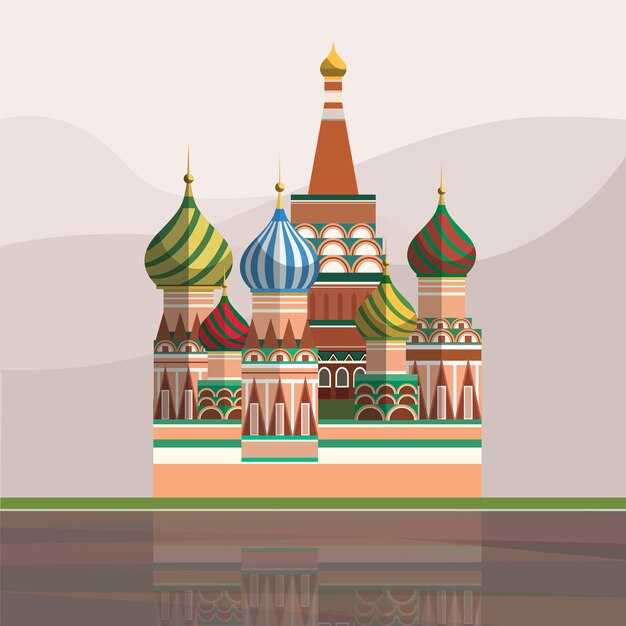
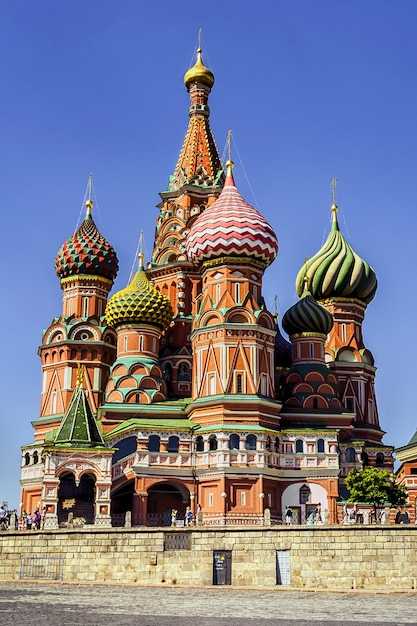
From there, stroll to Red Square for a breathtaking view of Spasskaya Tower, the GUM arcade, and Saint Basil’s domes–an iconic spot that embodies the capital’s incredible energy.
The icon room of the old Russian treasury houses rublevs and other early works in several versions, illustrating how sacred imagery evolved under different hands.
Tretyakov Gallery preserves a sweeping arc of Russian art, from 12th-century icons to 19th-century canvases, with works that reveal popular taste and elite patronage.
Pushkin Gallery of Fine Arts presents major masterworks and rotating exhibitions; the building itself is a neo-classical gem that underscores the imperial period’s ambition.
Kolomenskoye offers an archaeological site and an exhibition of wooden architecture; the park’s open spaces offer a feel of ancient times, and the Church of the Ascension stands as a dramatic reconstruction of a 16th‑century vision.
VDNKh, a sprawling fund of pavilions, hosts grand exhibitions and market spaces; the move from Soviet grandiosity to present-day events is palpable and rewarding for traveling visitors seeking scale.
Practical tip: check official websites for seasonal displays, curated itineraries by authors who served as guides in the city, and current exhibitions; these sources provide reliable context without fluff.
For traveling humans, the route offers only genuine contrasts of power and craft; what you gain is a rewarding sense of history.
Pushkin State Museum of Fine Arts: Quick Guide to Highlights
Start with three highlights: the Italian Renaissance halls, the Dutch Masters display, and the broad European painting selection in the central wing. Move by the main stairs for a comfortable pace, and allocate about 90 minutes just to this core orbit.
Understanding the layout helps. The routes circle beneath the dome and connect the wings, with clear signage that guides you toward those sections that generally attract first‑time visitors and seasoned appreciators alike.
In the period zone, a recreated 19th‑century apartment interior demonstrates how people lived, making the artwork feel incredibly immediate. The arrangement is made to give context to what the artists were thinking and to illustrate the environment in which those works were created.
Andrei, a guide on duty, can offer a concise understanding of the selection and point out those works that are especially vibrant for first‑time observers. His tips help you move efficiently through the rooms and stay within a comfortable rhythm while you compare tones and brushwork.
Tip: stay with a comfortable pace and use the wi‑fi in the lounge to check notes or scroll through captions. The signal enhances preparation and helps you annotate impressions without breaking the flow.
There’s a bunker‑style archive area behind the scenes that sheds light on how researchers and curators approached the collection. This space isn’t open to all, but its existence underlines the depth of the selection that’s made for study and public display.
Smoking is not allowed inside, protecting the artworks and their delicate effects. Even those tiny outdoor clues and scents can alter a piece’s appearance, so the rule is blessed with practical purpose and care for the collection.
For a practical route, take the moskvoretskaya corridor to reach the second floor, then swing toward the sobor gallery and its adjacent corridors. It’s just a few minutes of walking, beneath them you’ll notice a compact yet incredibly coherent sequence that stitches the three major wings together and reveals how each period contributed to a vibrant whole. Use this path to frame your understanding and to appreciate how the works were made, then step back to compare contrasts across eras.
Preparation tip: plan a two‑hour window, note the three key spaces you want to compare, and leave room for a brief pause in the atrium to absorb the atmosphere. This approach keeps your experience focused and results in a clearer, more personal understanding of the collection and its context.
Hours, Tickets, and Visitor Discounts
Purchase a universal online ticket for the kremlin complex to reserve a timeslot, descend into historic halls, and skip long queues. This is helpful for a smooth day; you should bring your identity document for verification. Use a smartphone to display the digital ticket here and enjoy fast entry to the Ivan the Great Bell Tower, the Armory, and other centuries-old structures.
Hours typically run 10:00–18:00, with last admission around 17:00. In winter some sections close earlier; Mondays are often off or have limited hours. Group bookings may require advance coordination. Always confirm on the official page before you go.
Ticket options include standard access and a universal pass that covers multiple segments of the site; prices usually range from 900 to 1500 RUB, depending on season and access level. Discounts are available for students with valid identity, seniors, and children under 7; families or groups can save with a bundled option. The universal pass is common value if you plan to continue exploring Russia’s capital; online booking lets you pick a specific time and avoid queues.
Transportation: Okhotny Ryad station is the nearest metro stop, and transfer from other lines is straightforward. Expect security checks at entry, comfortable restrooms, and nearby furniture displays in some halls. Here you can enjoy a beautifully lit skyline at dusk. A preserved artifact sits in the core gallery, illustrating centuries of craft. If you want to see egyptian-themed displays or artifacts at nearby venues, allocate extra time; Russia celebrates centuries of artistic heritage, and anything else you’d like to see can be found close by if you explore a bit further from this site.
Getting There: Location, Transit, and Accessibility
Take the Metro to Okhotny Ryad and exit toward Teatralnaya Square for rapid access to Moscow’s central cultural core; this route is the fastest and generally reliable for everyone. This option offer speed and reliability. Over the day, schedules stay frequent and predictable, especially on weekdays.
The area sits in the historic center, where stone façades mark the 20th-century period and tell the city’s story through architecture. Specific entrances feed directly onto broad sidewalks; the main door opens onto pedestrian arteries that lead toward the Kremlin side and nearby institutions. For first-time travelers, signage can be difficult during peak hours.
- Transit access and fare: The metro serves the core with frequent trains; use a card (Troika) or mobile apps to ride, therefore avoiding long queues. Tickets sold at machines and counters, with the option to load funds onto a card; a single ride costs around 60–80 rublevs.
- Accessibility for wheelchairs and other needs: Steps-free entrances at major stations, elevators, ramps, and clearly marked exit routes. Signage is generally multilingual; information desks help locate accessible paths so youre able to move through with ease.
- On-site reality and exhibits: The concentration of cultural institutions and exhibits spreads across public spaces; every location offers a story that spans different perspectives and periods. The architecture is largely stone, and routes are designed to be navigated through by foot or wheelchair, with paths everywhere accommodating mobility devices.
Practical tips: download official transit apps before your trip; they offer live maps and door-to-door routing. Therefore you can plan over the course of a day, switch routes if crowds shift, and keep the movement smooth for everyone; if youre traveling with a group, choose a meeting point near a main exit to coordinate through the dense network.
Top Works and Aesthetic Highlights to See
Get a ticket in advance for a focused afternoon at the Armory Chamber, where tsarist regalia and ceremonial arms sit among accumulated displays.
Then explore the capital’s state apartments, whose gilded ceilings, carved consoles, and intimate salons reveal how space shapes artistic understanding.
For literature enthusiasts, several galleries host exposition-style shows that pair manuscripts with period paintings, helping you connect iconic texts with visual interpretation.
These venues are famous for their sheer scale and dramatic light; the expositions in private rooms offer intimate perspectives that feel like living chapters of the tsar era.
ticket tip: use museum-reserve to lock slots and avoid lines; weekends bring longer hours and a richer atmosphere.
To deepen exploring, pair two or three sites in a single day: a Russian literature-themed hall, a breathtaking gallery, and a late-20th-century modern installation.
Practical plan: start with a morning circuit around historical quarters, then a midday coffee break in an apartment-turned-culture-space; this pause helps your understanding.
On weekends, demand for tickets climbs; select a time early or late to enjoy quiet corridors and famous views.
Pairing the Museum Visit with Nearby Landmarks
Begin at the Pushkin State Museum of Fine Arts, then stroll to Red Square for a compact, high-impact loop.
Inside the museum, Greek antiquities and a vivid jewelry collection unfold; the central Kremlin front offers towering views that feed curiosity.
This plan ensuring a universal, incredible experience spans morning hours and stepping pace, with central streets within sight of the river and then close to the core sights.
Morning hours invite a close, contemplative pace, followed by a post ride to a lesser-known square where sorrow hints at history and weapons displays add cultural context in a Russian setting.
Then, two versions of the afternoon arise: a calm stroll through quieter courtyards or a lively ride linking the jewelry district, a mural-filled lane, and the front of the Kremlin for a vivid finale.
| Muzeul de Stat de Arte Frumoase Pușkin | Central hub; 15–20 min walk to Red Square; Greek collection; jewelry highlights; morning plan |
| Bolshoi Theatre vicinity | Ride to Cathedral Square; towering façades; close-to-center energy; cultural context |
| GUM arcade & Red Square zone | Near front façades; jewelry shop windows; post-visit loop; iconic architecture |
| Kremlin Walls & Alexander Garden | Two versions for afternoon: calm stroll or brisk ride; vivid cityscape |
 Cinci Monumente Controversate din Moscova – Istorie, Dezbateri și Opinia Publică">
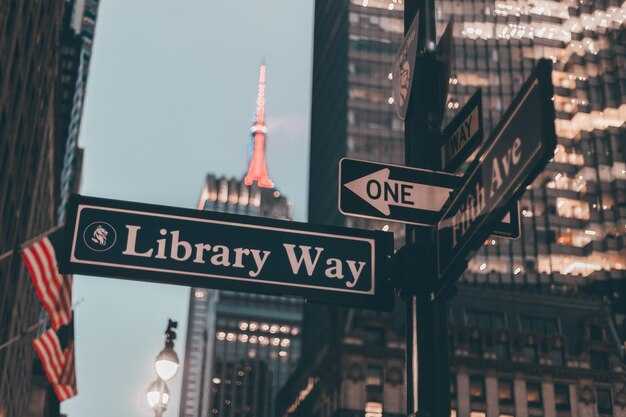 20 cele mai bune cafenele cu cărți din New York, din toate timpurile">
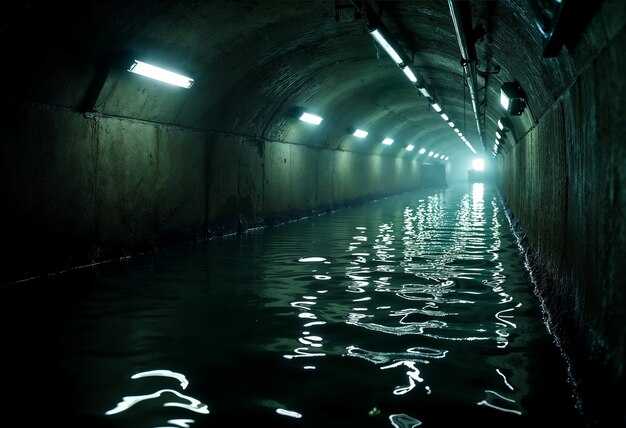 Top 5 cele mai interesante buncăre din Rusia – Fortărețe subterane ascunse">
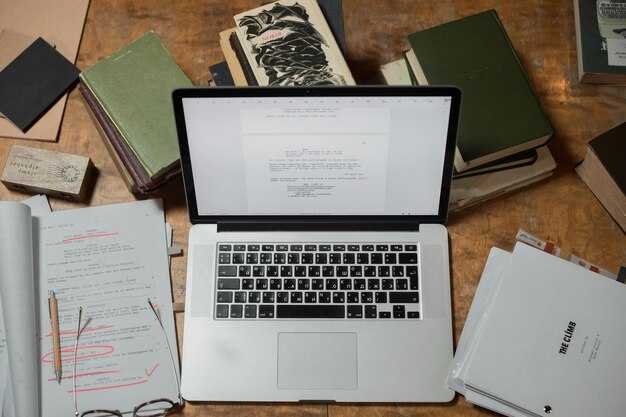 Ghid de cercetare Uniunea Sovietică – Resurse online Ms. Schoeplein">
 Unde să mergi la patinoar în Moscova - Cele mai bune patinoare și parcuri">
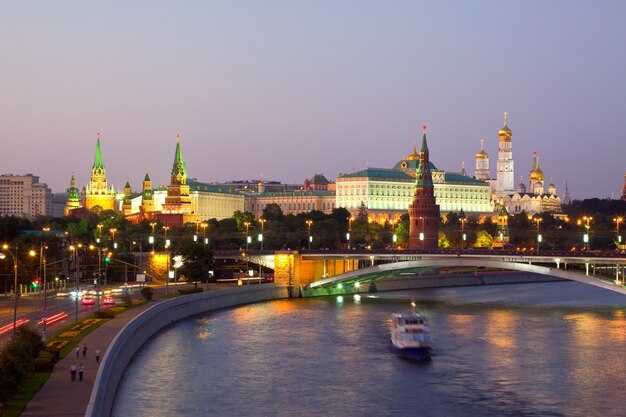 Cele mai bune locuri cu vederi panoramice asupra Moscovei – Cele mai bune locuri unde poți admira orizontul">
 9 Cele mai bune locuri pentru fotografii și lucruri de făcut în Moscova, Rusia">
 Călătoriile nu erau mai bune înainte de internet – Perspectiva unui turist în Moscova, în 1999">
 Un Gust de Mâncăruri Rusești de Stradă – Expresii de Spus Când Comanzi">
 Unde să te plimbi în districtul Yakimanka – Cele mai bune trasee, parcuri și locuri pitorești din Moscova">