
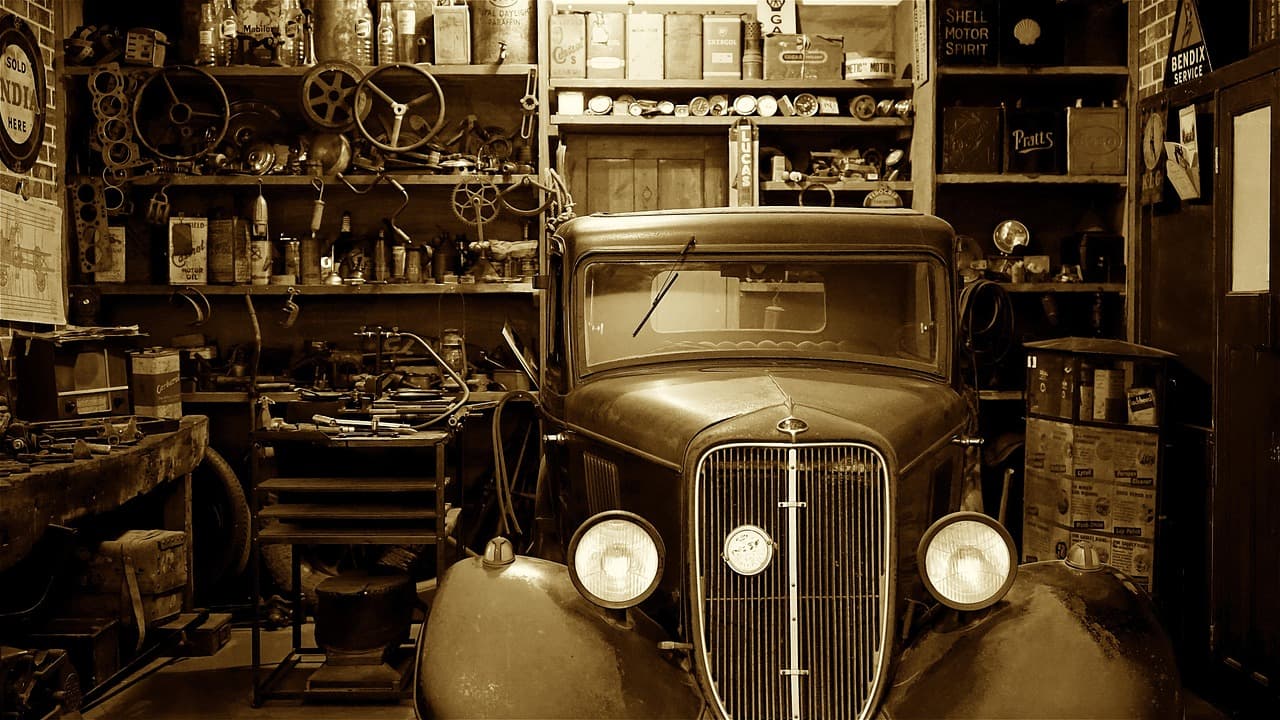

Начните свой день с целевой прогулки по переулкам Арбата, где лучшие бутики встречают посетителей свежим, современным настроением. Припаркованный у входа кабриолет добавляет блеска витринам. Ожидайте чудесного выбора тканей и силуэтов от середины 20-го века до конца 80-х, в сочетании с современными нотками для повседневной носки. Эти заведения, посещаемые как местными жителями, так и путешественниками, проводят лаконичные выставки, рассказывающие истории, выходящие за рамки ценников. Персонал помнит предыдущие гардеробы, и здесь у вас есть шанс найти вещи, которые подойдут для отпуска или стильного вечернего выхода.
Центральные кластеры вокруг Арбата и Китай-города предлагают набор из 5-7 компактных комнат, где полки ежемесячно обновляются новыми поступлениями, так что во время вашего следующего визита вы обнаружите свежие находки. Ищите места с постоянным ритмом выставок и деталью в лобби в виде мотива "Роллс-Ройса", сигнализирующей о настроении внутри. Там вы сможете вести обстоятельные беседы о происхождении и уходе.
В поисках выгодных предложений выбирайте вещи, сочетающие натуральные ткани с точным кроем. Бюджетные находки обычно стоят менее 50 000 рублей за блузки и аксессуары, в то время как исключительные пальто и комплекты платьев колеблются в пределах 70 000-180 000 рублей. Персонал, как правило, готов к скромной скидке при покупке нескольких вещей, и вы можете просто объединить несколько предметов, чтобы сэкономить. На изделиях есть этикетки с указаниями по уходу и стране происхождения, что поможет вам создать целостный образ.
При планировании маршрута наметьте 2-3 часа на посещение двух или трех мест, затем сделайте перерыв в кафе, чтобы сравнить впечатления. Посещения в будние дни часто дают больше времени для бесед о происхождении и эволюции стиля, позволяя вам выбрать один предмет или небольшую коллекцию, которая действительно соответствует вашему личному вкусу.
Там вас ждет тщательно отобранная коллекция для тех, кто предпочитает создавать собственный стиль, а не гнаться за трендами. Лучшие находки становятся ценными вещами, которые уместны как на выставках, так и в повседневной жизни, превращая шопинг в тихое городское путешествие.
Самые атмосферные винтажные магазины Москвы
Начните у яркой витрины на Арбате, недалеко от станции метро «Смоленская», и проложите маршрут, сочетающий примерочные, задние комнаты и святилище текстиля.
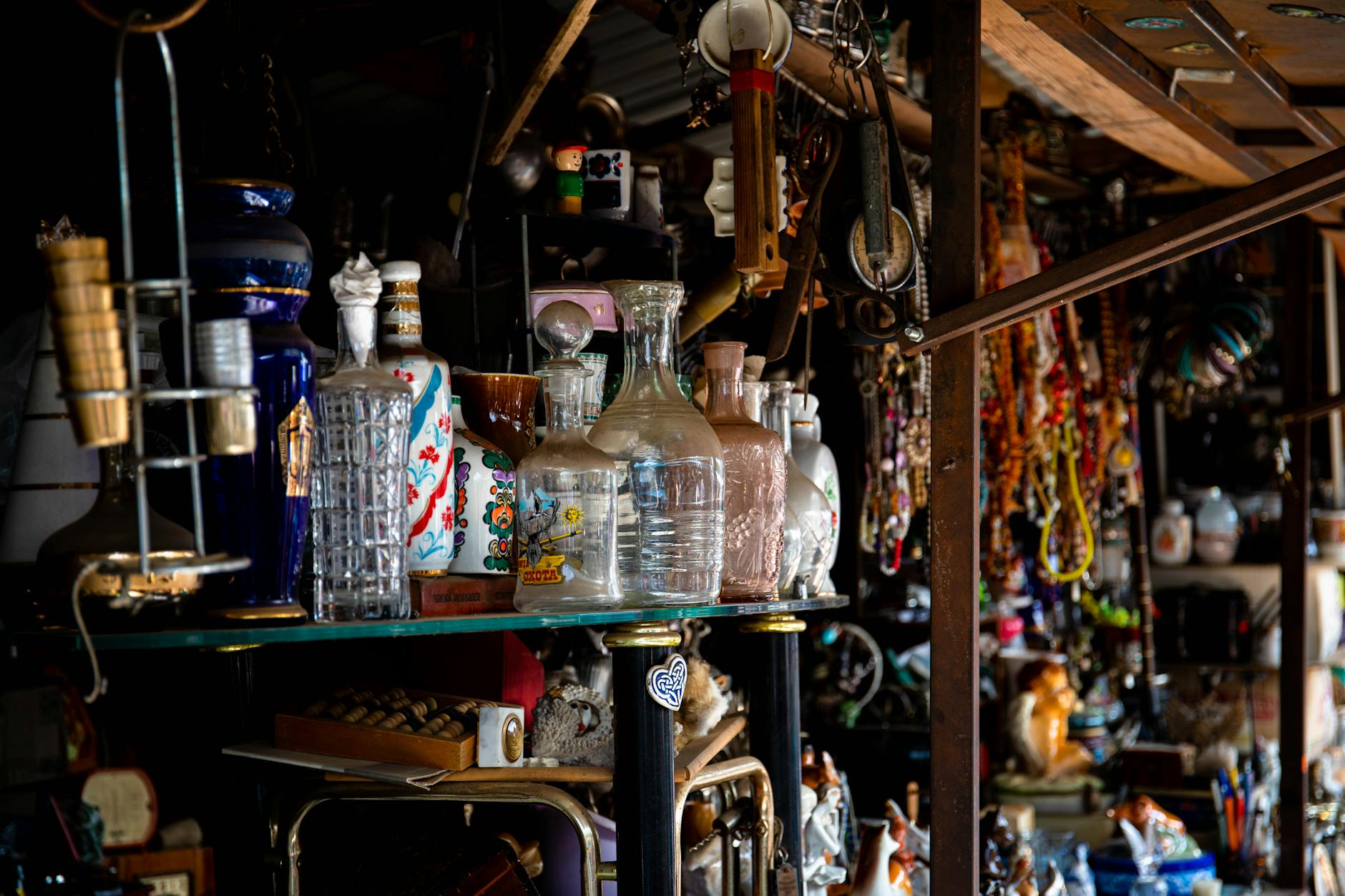
"Золотой Гардероб" - адрес: улица Арбат, дом 12, второй этаж, часы работы: ежедневно с 10:00 до 19:00. Особое внимание уделяется платьям 1960-х-1980-х годов; шелковые и бархатные изделия, которые переливаются на свету. В этом магазине находится самая большая коллекция коктейльных и повседневных платьев; цветовые группы организованы по эпохам, чтобы помочь в планировании. Мне нравятся тактильные ткани, а персонал дает быстрые советы по подгонке. Запросы по почте приветствуются.
Святилище Fraschini — расположенное недалеко от центрального рынка, это место оформлено в стиле Fraschini, а в задней комнате висят конвертируемые куртки и атласные накидки, словно театральный реквизит. Место приятное, а персонал делится полезными советами по уходу за тканями, чтобы избежать их повреждения. Открыто с 11:00 до 18:30; планируйте визит после обеда. Карточки с отзывами на стойке помогают новичкам разобраться с размерами и подгонкой. Для получения информации о новостях и мероприятиях рекомендуется писать по электронной почте.
Convertible Couture — компактное пространство рядом со станцией метро, специализирующееся на верхней одежде с трансформирующимися элементами: куртки, превращающиеся в жилеты, юбки, меняющие форму с помощью кулисок, и ткани, сохраняющие форму при носке. Ассортимент подчеркивает качество, а атмосфера располагает к любви к текстурам. Расположение идеально подходит для планирования образов с учетом покупок в других магазинах. Распродажные полки обновляются еженедельно — старайтесь успеть на новые поступления. Магазин ведет рассылку для анонсов.
Отзывы посетителей отмечают настоящий характер и красоту, выходящую за рамки обычного потребительского хлама. Чтобы максимально использовать время, придерживайтесь простого плана: осмотрите ткани с помощью базовых инструментов (рулетка, измеритель швов), примерьте как минимум два размера и сфотографируйте силуэты для последующего сравнения. Начните с четкого списка платьев, которые вам нравятся, и примерного бюджета; если вы пропустите что-то при первом проходе, вы найдете лучшую замену на следующей остановке. Один день может принести несколько запоминающихся вещей, особенно если вы посетите три или четыре места и закончите недалеко от удобной станции.
Кураторский гид; Московский музей современного искусства MMOMA
Планируйте прибыть около 11:30, чтобы начать с главного этажа, затем пройдитесь по второму кругу, чтобы увидеть работы, которые вы могли пропустить при первом осмотре, уделяя время наслаждению текстурами. Старинные кирпичные стены и тёплое освещение добавляют уюта, благодаря которому великолепные современные произведения ощущаются укоренившимися в многовековой практике. В частности, экспозиция сочетает архивные материалы с экспериментальными медиа, а работа Оливье, расположенная в нескольких залах, демонстрирует, как стиль развивается, когда традиция встречается с экспериментом. Внимание к деталям очевидно в парных инсталляциях; продавцы в вестибюле предлагают быстрый кофе или горячий напиток, так что вы можете потягивать что-нибудь тёплое, планируя свой маршрут. Январский свет проникает сквозь высокие окна, подчёркивая красоту цвета и текстуры, в то время как вывески в стиле лондонского минимализма ощущаются точными и интимными, а не глянцевыми. Если вы посещаете галерею с друзьями, сначала сосредоточьтесь на зале с экспериментальными работами, затем на втором этаже, где несколько инсталляций приглашают к взаимодействию; проход через атриум соединяет эпохи и обеспечивает идеальный переход. Цена зависит от выставок, поэтому проверьте официальный сайт, чтобы узнать актуальные цены и возможные комбинированные билеты; возьмите с собой бутылку или запланируйте её пополнить, так как в кафе доступны литры воды, и уделите время, чтобы задержаться у каждой красоты и произведений искусства, не пропустите ничего и уйдёте с ясным ощущением великолепной атмосферы, которую предлагает это учреждение.
Карта винтажных магазинов Москвы по районам
Начните в кластере Арбат, вдоль Старого Арбата и Камергерского переулка: этот единый коридор предлагает самый компактный и полный выбор произведений конца XX века, с атмосферой, напоминающей святилище, где сокровища сияют, как золото, под светом витрин. Здесь есть как доступные находки, так и редкие экземпляры, что делает его воротами как для посетителей, пришедших впервые, так и для опытных коллекционеров.
- Арбат — центральный кластер. На Старом Арбате и в Камергерском переулке вас ждет сложное сочетание покроя середины века, платьев 70-х и практичных аксессуаров, с ценами, колеблющимися от скромных до премиальных.
- Единичные выдающиеся магазины часто представляют уголки, вдохновленные Эрмитажем — крошечные, тщательно подобранные полки, где одна вещь несет в себе столетия историй.
- Утренние часы выходных идеальны для ротации обзоров; этот район — убежище для любителей силуэтов «кто есть кто» и фактурных тканей.
- Минусы: пик толпы приходится на конец утра; могут возникнуть проблемы с размером и происхождением, поэтому перед покупкой попросите квитанции и инструкции по уходу.
- Улицы Тверского района и прилегающие к нему центральные переулки, расположенные недалеко от Тверской, предлагают огромное разнообразие винтажных пальто, кожаных изделий и униформы разных десятилетий, в отличие от более тихих мест восточнее.
- В паре подвальных площадок отмечается заметный экспериментальный настрой, где дизайнеры переосмысливают старую одежду в современные изделия.
- время посещения: ранний обед, когда сотрудники обновляют стеллажи; обзорные листы помогают отслеживать, какие магазины соответствуют вашему вкусу, независимо от того, склоняется ли их красота к смелым золотым акцентам или сдержанным нейтральным тонам.
- Пресненский и Западно-Центральный район. Вдоль оси и вокруг Театра имени Вахтангова расположилась компактная территория магазинов, ориентированных на театральные костюмы и повседневную одежду 1960-х-1980-х годов.
- по сравнению с туристическими маршрутами, в этом районе обычно спокойнее, и выше вероятность найти цельный безупречный предмет в хорошем состоянии.
- проблемы: в некоторых комнатах видны складские запасы; ищите продавцов с большим опытом продаж, которые предлагают честные описания состояния товаров и ремонты.
- Замоскворечье - набережная. Вдоль набережных выбор расширяется, включая послевоенные модели, вещи в стиле милитари и текстиль с богатой фактурой, напоминающей вещи вековой давности.
- в нескольких витринах ощущается дух отшельничества — тихие комнаты, где коллекционеры просматривают архивы открыток, пуговиц и редкой тесьмы.
- Советы по обзору: сравните похожие куртки в двух-трех магазинах, чтобы оценить посадку, выцветание цвета и целостность подкладки; в нескольких магазинах за плату предлагают реставрацию.
- Таганский — восточная сторона, карманы. Улицы вокруг Таганской площади предлагают смесь модных бутиков и профессиональных ателье, с особым акцентом на спортивную одежду и утилитарные куртки в стиле 70-х и 80-х годов.
- времена, когда поступление нового товара вызывает резкие изменения в настроении на рынке; посетите магазин раньше на неделе для более спокойного просмотра.
- красоты: некоторые изделия украшены смелой вышивкой и металлическими нитями, которые улавливают свет таким образом, что это кажется почти церемониальным.
- Хамовники — юго-западная окраина. Вдоль Садового кольца вас ждет более крупный и расслабленный ассортимент: пальто, платья и туфли-лодочки позднего советского периода с добротной конструкцией.
- На этой территории часто встречаются более низкие цены на предметы в хорошем состоянии; можно немного поторговаться при покупке оптом или при ремонте.
- Некоторые магазины взимают плату за ремонт; перед покупкой требуйте полный отчёт о состоянии товара и инструкции по уходу.
- Якиманка — южный берег Москвы-реки. Рядом с рекой небольшие бутики сочетают силуэты середины века с богемными акцентами; подбор обычно поражает шармом каждого предмета, но может быть скуден по размерам.
- Здесь сильна культура отзывов: продавцы часто делятся историями о происхождении товара, что позволяет моментально оценить его подлинность и временные рамки.
- Проблемы: пространство часто ограничено; нужно тщательно пройтись по стеллажам, чтобы не пропустить спрятанные в углах сокровища.
- Басманный - восточная окраина. Вдоль и вокруг оживлённых улиц здесь царит более экспериментальный настрой: апсайкленные вещи, переработанные ткани и переосмысленные классические стили.
- Там огромное пересечение с дизайн-студиями, из-за чего некоторые локации напоминают шоурум на стыке с лабораторией, где текстиль встречается с современной носкостью.
- В будние светлые часы можно спокойно изучать плотность ткани и качество подкладки.
Этот путеводитель охватывает практическую территорию для каждого, кто формирует связный гардероб на все времена. В отличие от отдалённых районов, центральные и прибрежные улицы предлагают наиболее надёжные нити для анализа, тогда как восточные и южные кварталы вознаграждают терпение редкими, хорошо сохранившимися находками — почти ритуальным опытом через века и столетия текстильного мастерства.
Бутики в пешей доступности от ММОМА: маршруты и часы
Начните с ММОМА и ступите на тихую улицу, где белые фасады обрамляют квартал домов. Они радуют любителей моды, каждый с подобранным вручную ассортиментом, который словно заново рождён благодаря мастерству и заботе. Сами они — заядлые шопоголики, предлагающие доброжелательный, стильный опыт и полный набор возможностей, которые приглашают возвращаться снова и снова.
От MMOMA первый пункт — «Алхимическая мастерская», примерно шесть минут пешком. По пути небольшие дома с бутик-заведениями, маршрут простой: выйти из MMOMA, повернуть налево, затем на первом перекрёстке свернуть и двигаться к площади с стеклянными дверями с латунными ручками. Небольшой поворот направо — и вы у White Door Finds, известного своими предметами середины века и яркими интерьерами.
Далее, бутик Old City Wardrobe находится примерно в двенадцати минутах ходьбы. Между булыжными мостовыми платья и пиджаки выглядят вне времени; приезжайте по выходным и будьте готовы к небольшой толпе у кассы. Здесь заменили быструю моду на прочные, качественно сшитые пальто и блузки. Сотрудники остаются любезными на протяжении всего визита и могут предложить близкую альтернативу из резервного запаса, если нужного размера нет в наличии.
От Между Линий Ателье всего девять минут пешком до предыдущего квартала. Это небольшой магазинчик, который вознаграждает терпение: возможно, придётся примерить несколько вариантов, прежде чем найти идеальную вещь. Мастерская хорошо работает с экспресс-примерками, и каждая вещь отражает личный стиль покупателя. По вечерам улицы словно льют литры тёплого света на тротуар, и вид из любого подъезда становится особенно манящим.
| Бутик | Прогулка (мин) | Hours | Notes |
|---|---|---|---|
| Алхимическая мастерская | 6 | 10:30-19:00 ежедневно | Ограниченные серии; рядом с White Door Finds |
| Белый Дверной Файндс | 8 | 10:00-18:30 ежедневно | Стиль середины века; яркие белые интерьеры |
| Старый Город Гардероб | 12 | 11:00-20:00 Вт-Вс; выходной по понедельникам | Вневременные пальто и блузки; в выходные оживлённее |
| Между Линий Ателье | 9 | 12:00-19:30 ежедневно | Фурнитура в наличии; ассортимент обновляется |


