Začnite pri Klimentovskom chráme, nachádzajúcom sa blízko historického kláštora a hlavného námestia; tento kompaktný úsek ponúka rýchlu, fotogenickú prechádzku ráno.
Vzdĺž tejto trasy stojí vedľa seba historická kampus univerzity a budova inšpirovaná múzeom, a prechádzka je plná detailne vyrezávaných korníšov na úrovni ulice, farebne omietaných fasád a odrazov v výkladných oknách, keď sa čas blíži k súmraku, čím sa námestie stáva prírodným vizuálnym centrom.
Meno za týmto prívodcom, kokoshkinglobal, poskytuje praktické rady pre plánovanie času a rámovanie svetla; je čas sledovať, ako sa svetlo mení na fasádach, a zastaviť sa pri kláštore.
Čas dňa má význam: rano vynikajú čisté čiary a chladné tóny, zatiaľ čo neskorý popoludnie prináša teplé odtieňe podľa dlhého arkádu, ktorý vedie okolo kostola a komplexu múzeí; takýto prístup vám pomôže zosobiť kompaktnú sadu scén, ktoré vyprávajú pešia príbeh mesta.
Toto umožňuje porovnávať úhly a vytvárať súdržný miniportrét chodníkových tras hlavného mesta, pričom sa vraciaš k námestiu, kde sa zoskupenie kaviarní udržiava živú atmosféru.
Päť najobľúbenejších peších ulíc v Moskve s fotografiami
Začnite na Starom Arbatskom námestí pri svitaní, aby ste zachytili historické fasády v mäkkom svetle, potom prejdite cez uličku Stolovnikov, ulicu Nikolskaja, Nový Arbat a skončite podél brehov Moskvy na západ slnka s archívnymi fotografiami a stáčkami, ktoré odhalia storočnú históriu a kultúru tohto mesta. Táto trasa ponúka jasný pohľad na mestské budovy, rohy námestí a galériové priestory, ako sa prechádzate, zachytávajúc legión návštevníkov aj miestnych.
- Starý Arbat - historická promenáda lemovaná storočnými fasádami a malými galériami. Výhľad tam má maľovateľskú kvalitu, ako keby z každej dvere visela maľba. Táto prechádzka napĺňa mysl históriou a pocitom miesta, a nájdete tam archívne fotografie z začiatku 20. storočia v blízkych obchodoch a galériách. Kedy ísť: ráno alebo neskoro večer pre najlepšie svetlo a menej ľudí, tam je menej hluku a atmosféra ostáva živá bez nepríjemného žiaru poobede.
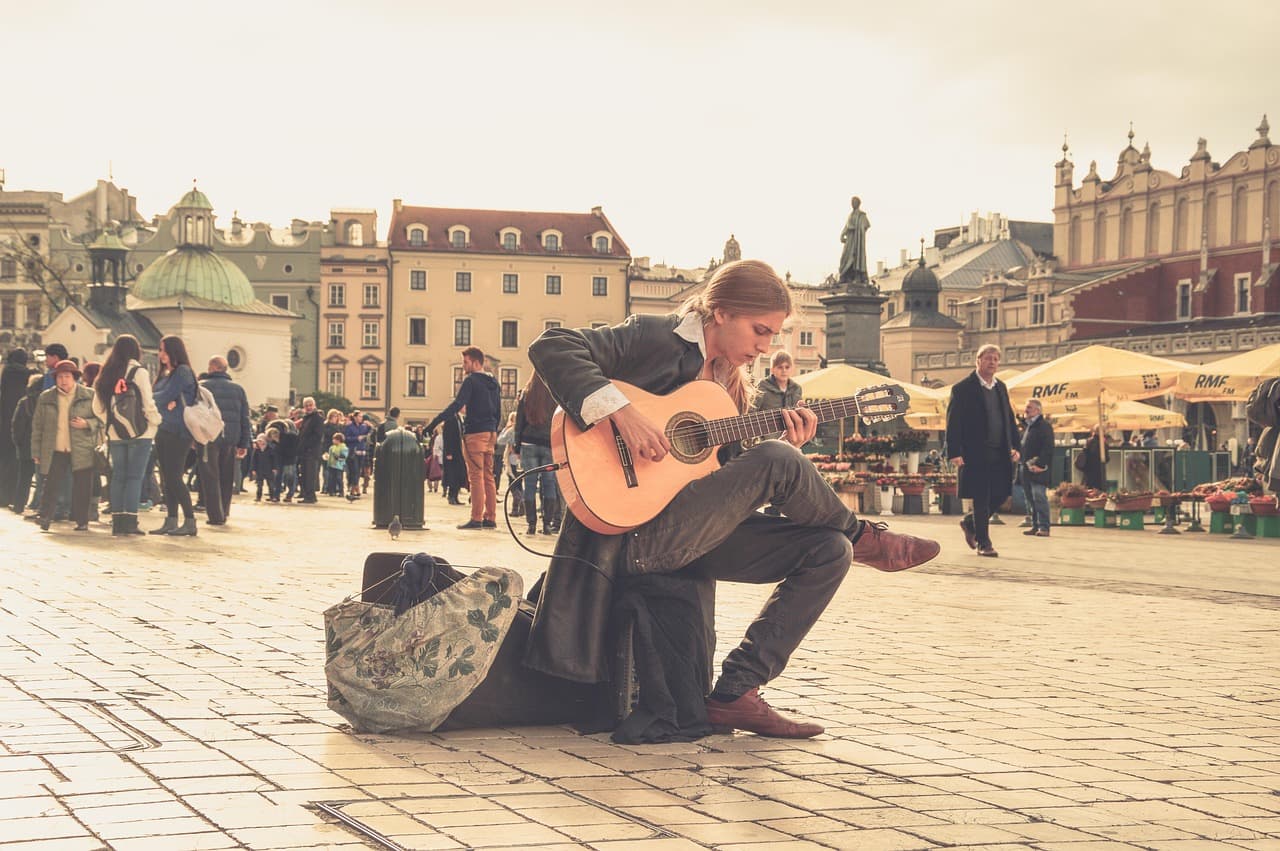
- Čo fotografovať: oblúkované fasády, uličných hudobníkov a námestie na konci ulice; hľadajte siluety katedrál na diaľkých horizontoch pre dramatický pohľad.
- Chodzte pomaly, zastavte sa na rohoch, kde sa zberajú miestni, a porovnávajte súčasné pohľady s archívnymi fotografiami, aby ste si všimli, ako sa budovy a nábrežia zmenili v čase.
- Stoleshnikov Lane - úzka, bezautová ulička plná galérií, diel kontemporárnych umelcov a malých dvorov, ktoré ešte v sebe nesú dôchodky z čias, keď tu sídlili obchodníci a maliari. Jej steny sú ako živý obraz, a môžete porovnávať súčasné scény s starými tlačami z archívov. Kedy ísť: neskoro ráno, aby ste chytili slnko na cihle a skle; je to tichý úsek, ktorý ponúka pomalú prochádzku a pečlivé snímkovanie.
- Čo fotografovať: detailné zvieratá dverí, kováčskej práce a výkladov obchodov; zachytiť interakciu medzi návštevníkami a obchodníkmi; v tomto čase dňa odhalí farby v nábrežiach v blízkosti.
- Vstúpte do vnútorných dvorov, kde sú vystavené diela miestnych umelcov; nájdete tu kludné kompozície vhodné na galériové snímky.
- Nikolská ulica a Manežný námestie - pešia koridor, ktorý spája historické jadro s Manežným námestím, ponúka pohľad na starú a novú architektúru vedľa seba. Táto časť má dlhú históriu, uvidíte klenby, múzejnú atmosféru a ľudí, ktorí sa stávajú súčasťou scény v každej ročnej dobe. Kedy ísť: od súmraku do súmraku plus, aby ste zachytili zlatú hodinu a večerné osvetlenie; svetlá námestia vytvárajú dramatický pozadie pre fotografie a maľbové odrazy na chodníku.
- Čo fotografovať: červenobiele fasády, priestornú geometriu námestia a okná galérií s dielami viditeľnými z ulice; niekedy sú v blízkych galériách vystavené aj archívne tlače na porovnanie.
- Dopytky: sledujte uličné predstavenia, ktoré dodávajú charakter výhľadu, a pozorujte, ako nábrežia pri blízkych uliciach prechádzajú do okraja námestia.
- Nový Arbat - dlhý, široký bulvár s kaviarňami a obchody, ktoré privábia hordy návštevníkov. Atmosféra spája novú architektúru s textúrou starého mesta, a môžete porovnávať súčasné scény s maľbami v blízkych ateliéroch. Táto časť ponúka moderný kontrast k starším uličkám, ale zároveň je hlboko spojená s históriou. Kedy navštíviť: neskoro odpoledne až do večera; uličné osvetlenie a výlohy obchodov vytvárajú mäkký, maľbový lesk pre fotografie.
- Široké avenúy, odrazy v skle a hra svetla na súčasných fasádach s historickými čiarami v pozadí.
- Tipy: zmiešajte prechádzku po nábrežiach v blízkosti pre rozšírený výhľad na rieku a mestský obzor; nájdete tu kludné chvíle, ktoré sa zdajú ako kurátorská výstava.
- Moskvy Embankments - nepretržitá chodníková trasa podľa rieky, ktorá spája viaceré historické štvrte. Tieto nábrežia ponúkajú dramatické výhľady na skyline Moskvy, neustály prúd prechádzajúcich a pozadie, ktoré bolo zachytené v nekonečnom počte fotografií a archívoch. Promenáda je plná kultúrnych značiek, námestných výhľadov a meniaceho sa pohľadu na budovy v čase. Kedy ísť: večerné hodiny; západ slnka nad vodou vytvára tichý moment pre fotografovanie a uchovávanie spomienok.
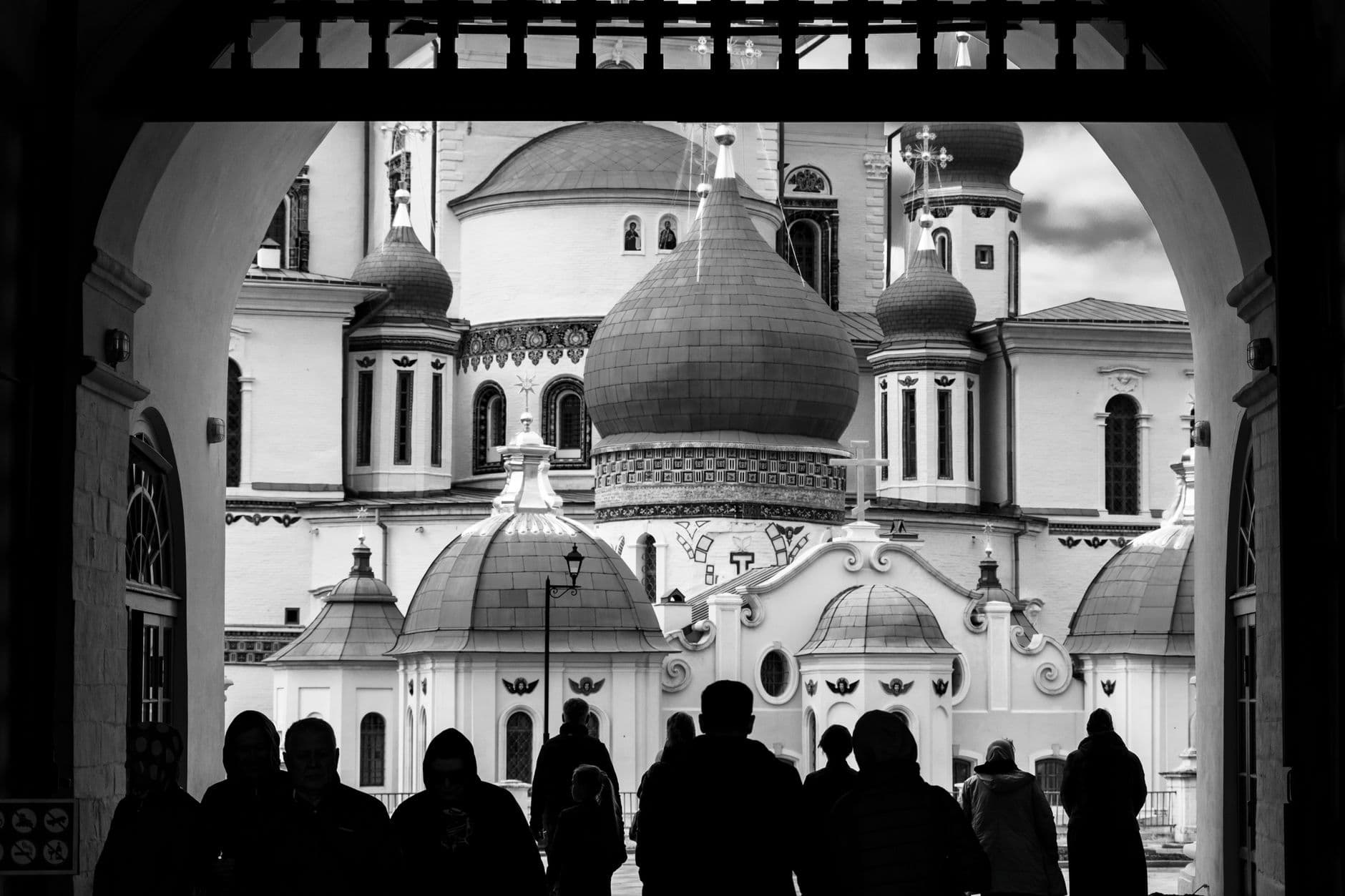
- Čo fotografovať: siluety kostolných veží a katedrálnych špičiek, mosty a široký priebeh rieky; hľadajte odrazy na vode a siluety stromov na brehu.
- Prechádzajte celú dĺžku od jedného konca na druhý, potom sa vráťte po opačnom brehu, aby ste porovnali perspektívy; uvidíte, ako sa mení paleta a nálada podľa času dňa.
Preskúmajte päť najlepších peších ulíc s praktickými radami pre návštevníkov
Začni na Novom námestí a sleduj prístupné chodníky; Má plan na prestávky pri areáli Museonu, kostoloch a kláštoroch, keď sa pri relaxačných prechádzkach odkrývajú ulice plné histórie. Tam môže legia chodcov objaviť miestnosti hodné spomenutia na jedlo v reštauráciách Kokoshkinglobal, ktoré ponúkajú aj rýchle občerstvenie. Ak sa teplo stane neúnosné, vyber si skôr hodiny, aby si si ešte užil výhľady, a možno aj uvidíš koňe pasúce sa v blízkosti.
Päť trasy odhaluje kultúru prostredníctvom architektúry a každodenného života. Nové námestné uličky spájajú námestné priestory s komplexom kostolov a katedrál; štvrť Museon pridáva inštitúcie a uličky lemované historickými domami; Klimentovská zóna sa zameriava na storočné aleje pri kláštore; okolie kláštora ponúka tiché dvory; koridor KokoshkinGlobal spája moderné reštaurácie s antickými fasádami. Tiež tieto cesty vedú k zaujímavých miestach na prechádzky, kde sa môžete zastaviť, pozorovať a naučiť sa, ktorá trasa vám vyhovuje.
| Area | Výňomky | Praktické tipy | Najlepší čas |
|---|
| Nové námestné uličky | známe domy, katedrála, kláštor, kostol, námestie atmosféra | začni skoro, obuj si pohodlné boty, nechaj si čas, zapíš si si názov kávy, ktorú si miluješ | ráno do neskorého popoludnia |
| múzeumová štvrť | historické múzeum, uličky, kultúrne inštitúcie v blízkosti | Navštívte počas menších davov, robte si krátke prestávky v stíni. | midday |
| klimentovská zóna | storočné aleje, v blízkosti Klimentovského ústavu | pozri sa na dopravné značky, prechádzaj vedľajšími uličkami za kludnejšími pohľadmi | neskoro odpoledne |
| kláštorný okraj | kláštorný areál, kostolná silueta, tiché dvory | Respektujte svätince, držte sa označených ciest, vezmite si vodu | jaro, jesień |
| globálny koridor | moderné reštaurácie vedľa starobylých fasád | Vzorky miestnych jedál, prechádzať uličkami, pozorovať architektúru | evening |
Červený námestie a Nikolská ulica: Najlepšie foto miesta, časové rámy a tipy na davy
Príďte pri prvom svetle, aby ste mali neporušený výhľad po Nikolskej ulici k chrámu Bazilika svätého Bazila a k pozláteným bránam námestia. Zlatá hodina nastane približne 20-40 minút pred západom slnka, v závislosti od ročného obdobia. Urobte si kludnú prestávku na kávu alebo prezerajte si blízku galériu, než sa presuniete na ďalší snímek.
Miesto 1: Z rohu blízko brán vyfotografujte cez námestie smerom k kupolám katedrály; rad historických domov podľa Nikolskej ulice dodáva hĺbku, zatiaľ čo farebné fasády s textúrou dodávajú atmosféru.
Spot 2: Klimentovská ulica ponúka kludnejší rám s laternami, siluetou kostola a výhľadom, ktorý sa vinie k bránovej oblasti; svetlo neskorého popoludnia dodáva teplé tóny tehlám a kamenu.
Miesto 3: Výhľad z druhej strany rieky pri Treťakovskej galérii ponúka širší panoráma, ktoré spája námestie, jeho štvorcové fasády a diaľkové veže do jedného rámu, najmä keď sa svetlo zmierňuje.
Crowd tips: Ciele sa na svitanie alebo neskorý popoludnie, aby ste znížili davy, a pohybujte sa pomaly cez uličky, aby ste neblokovali výhľad pre chodcov. Hľadajte príležitosť podél okrajov uličiek a pri bránach, kde často zachytíte autentické momenty z každodenného života. Po niekoľkých snímkach sa vyberte k Novým farebným akcentom na výveskoch a tichým rohom pri domoch, potom sa vrátite k inštitútu pre kontext. Pri dlhších seanci prepínajte medzi ohniskovými dĺžkami, aby ste zdôraznili katedrálu, maľbovité fasády a cihlovú stavbu podél Klimentovskej uličky, ktorá tiež ponúka tiché portréty a detailné snímky.
Arbatská ulica: Chodníkové trasy, nevynechateľné rohy a blízke kaviarne
Začnite pri stanici metra Smolenská a prejdite po ulici Arbať v smere k novej Arbaťe. Táto kludná trasa vám ukáže históriu Moskvy v reťazi historických domov, kaviarní a obchodov a umožní moskovčanom zostať pri kávke. Plánujte 60-75 minút na relaxačnú prechádzku s možnosťou nafotit a pozrieť sa na kostol na rohu.
Následujte túto ulicu približne 0,8 km až na okraj historického centra, potom sa vráťte po rovnobežnej uličke, aby ste si bližšie pozreli rohy, ktoré definujú meno arbat. V prvej polovici si všimnite malú kostolík na rohu a vyrezávanú tabuľu s dlhou históriou, ktorá stále láká návštevníkov. Ulička pri bývalých domoch obchodníkov je plná obchodov a múrov, ktoré Moskvania milujú pre portréty a suveníry. Tu sa staré remeselné diela miešajú s novými butikmi a môžete si vyfotit pár snímok, aby ste zachytili atmosféru.
Blízke kaviarne a reštaurácie lemujú trasu: klasické kaviarne na rýchly kávový fix, rodinné bistró na obedom, a kláštorom inšpirovaná kaviarna, ktorá pridáva do atmosféry dotyk legendy. Na strane Nového Arbatu sa nachádza známe kávové miesto, ktoré stojí za zastavenie, zatiaľ čo menšie uličky skrývajú skryté perly. Vydajte čas na fotografovanie výkladov a užívajte si atmosféru, keď svetlo z Moskvy sa lije na oblúky. Takisto by ste mali hľadať výhľad do riečnej doliny z vyšších rohov, ak je to možné.
Predĺžte trasu do oblasti Treťjakov: krátka jazda do galériovej štvrti vám otvorí širší kontext dejín umenia, s blízkym Treťjakovovým inštitútom a kampusom vám dá pocit tvoriacich pulzov mestskej kreativity. Táto historická odbočka vytvorí celý deň, spojí šarm Arbátu s kultúrou múzejných kvalít. Spätná cesta prechádza Arbátom a Novým Arbátom, udržiava peknú kompaktnosť pre moskovčanov, ktorí cenia praktickosť a plný zážitok z starého i nového.
Tips na efektívne tempo: začnite skôr, aby ste sa vyhli davom, alebo naplánujte odchýlku po obede, keď sú kaviarne živé. Po ceste sledujte koní vyrezávaných v dekoráciách obchodov alebo zobrazených v sprievodných kočoch, ktoré sa ešte v určitých hodinách prehýbajú. Celková trasa ponúka súdržný pohľad na dedičstvo Moskvy, historickú architektúru a živý ulicný život, ktorý ostáva živý medzi moskovčanmi, s neustálym prúdom návštevníkov, ktorí hľadajú kávu, kultúru a objavy. Ak chcete viac, krátka možnosť plánovania je pridať návštevu Treťakovskej galérie a inštitútnu časť, potom sa vrátiť do hlavnej Arbatovej ulice na uspokojujúci finiš.
Lavrušinský a Klimentovský uličky: Architektúrne perly, tajomstvá a tipy na návštevu
Začnite svoju prechádzku na námestí Arbat a otočte sa do Lavrušinskej uličky, potom pokračujte po Klimentovskej uličke, aby ste sa ponořili do histórie plných fasád. Nachádzajúce sa medzi ohybom rieky a kultúrnym centrom hlavného mesta, tieto dve uličky spájajú paláce s námestím s dvormi, stále dýchajúce ako diela klasického mestského plánovania. Moskvičania známu túto oblasť pre svoju pokojnú, relaxačnú atmosféru a pre budovy plné storočných stop komerčných, kultúrnych a archívnych dejín. V arbatovej časti môžete prechádzku predĺžiť smerom k Treťakovskej štvrti; kokoshkinglobal označuje súbor ako model vrstvenej histórie.
Architektonické perly zahŕňajú červenohlavené fasády s precízne vyhotovenými štukovými prvkami, korníšmi a vyrezávanými okennými rámy. Lavrušinský ulička ukrýva mestské domy z začiatku 19. storočia, zatiaľ čo Klimentovský ulička zachováva radu cihelno-kameňových budov, ktoré pôvodne slúžili cechom a dielňam; uličný plán si zachováva pôvodný charakter, keď uličky spájali bránové domy s centrálnym obchodným centrom. Hľadajte bránové jednotky a Školné brány, ktoré vedú do vnútorných dvorov; niektoré budovy stále nosia stopy starého inštitútu a bohatstva obchodníckych rodín.
Skryté kúty: za ťažkými dverami sa skrývajú dvory vedúce k archívom a skrytým nápisom. Po uličkách možno zistiť vplyv kultúry a archívov, ako napríklad stopy miestnych umelcov, ktorí zanechali svoje mená na stenách; niektoré vstupy skrývajú vyrezávané emblémy, vrátane heraldiky Klimentovského úzvery. V oblasti sa ešte nachádzajú kone a malé stánky pre kočiare; niektoré vstupy hostia malé galérie a rohový priestor, kde kokoshkinglobal spravuje dočasný projekt.
Prístupové tipy: začnite od Arbatu a idte po Lavrušinskom smerom k Klimentovskej; trasy je najlepšie preskúmať pri príjemných prochádkach trvajúcich 60-75 minút. Trasa sa nachádza blízko Treťakovskej galérie a Školné brány ponúkajú vhodný vstup pre krátky okruh; značkovanie je v cyrilike a angličtine, zatiaľ čo archívy poskytujú mapy na identifikáciu zachovaných domov. Pre hlbšiu pohľad do histórie architektúry sa poraďte s miestnymi inštitúciami alebo kultúrnymi úradmi. Plánujte návštevu pri suchom počasi; parkovanie je v špičkových hodinách katastrofálne, tak využite verejnú dopravu pri Arbate alebo najbližšej stanici metra. kokoshkinglobal udržiava kompaktný prívodcu k miestu, užitočný pre moskovčanov aj návštevníkov.
Spoločne tieto dve uličky ponúkajú intímny pohľad na to, ako sa architektúra vyvíja v mikroprostredí: stále plné života, každá brána a fasáda vyprávajú jednu kapitolu z histórie, prispievajúce k kultúrne bohatému prechádzke, ktoré sa podobá živému múzeu pre mestské rekreácie.
Školná ulica: Kultúrny význam, fotografické úhly a blízke múzeá
Plánujte kludnú prochádzku po ulici Školná, aby ste zachytili mäkké svetlo na starých fasádach a mohli pozrieť sa na katedrálu, ktorá sa tyčí nad centrálnym námestím. Ulica sa nachádza v historickom sústredení, ktoré svedčí o vrstvách kultúry, s archívmi a domami, ktoré uchovávajú históriu mesta a diela minulých generácií. Názov sám o sebe vyvoláva vzdelávacie korene, ktoré kedysi formovali túto oblasť, vytvárajúc spojenie medzi školstvom, umením a každodenným životom. Každá sezónna odhaluje nové textúry v cihle a kamene.
- Kultúrny význam Nachádzajúci sa v centre, ulica Školná leží na križovatke Klimentovského uličky a historického osi, kolísky, kde sa stretáva kultúra, archívy a maľba. Názov ulice naznačuje školy, ktoré kedyto formovali tento blok, zatiaľ čo blízke domy a katedrála určujú rytmus každodenného života a trvalú históriu mesta. Časti zachovávajú históriu a historickú architektúru, vrátane archívov, ktoré dokumentujú miestnych majstrov maľby.
- Fotografický úhel Pohľad z Klimentovskej ulice, aby sa zachytila rad domov, katedrála a námestie v jednom snímku.
- Z čelného konca námestia zamerajte linie budov k Treťakovskému koridoru, aby ste vytvorili hĺbku a rytmus podobný maľbe na fasádach.
- Nízko uholový záber z chodníka, aby sa zdôraznil vertikálny rytmus a ornamentálne detaily na cihelnej stavbe.
- Večerný rám s teplými oknami a odrazmi na chodníkoch; fotografujte v čase modrej hodiny pre jemnú farbovú rovnováhu.
- Blízke múzeá Treťakovská galéria, predná zbierka ruskej maľby, vrátane diel od 18. do 19. storočia, nachádza sa blízko Treťakovskej zóny a v krátkej vzdialenosti od ulice.
- Sochařský park v blízkosti, nabízející díla na čerstvom vzduchu a kontrast k cihelno-kameňovým uliciam, ideálny pre širšie snímky a atmosférické kontrasty.
Od Vorobjovych vrchov k Krymskej nábrežnej: Scénické prechádzky, vyhlídky a miesta na západ slnka
Začnite na vyhlídkovej terase Vorobyovy Gory, odkiaľ sa otvára výhľad na centrum Moskvy s katedrálami a historickými budovami. Skočte na cestu podľa rieky a prechádzajte podľa nábreží, vyberajúc si trasy medzi vodou a mestom, a skončite na Krymskom nábreží, keď sa začína zmierať svetlo. Túto trasu si plánujte na voľný čas a na fotografie.
Výhľady podľa trasy rámujú veže Kremlu cez vodu a vytvárajú dramatický pozadie pre fotografie. Z týchto výšin si všimnete kostolné kupoly a fasády katedrál, ktoré zachytávajú posledné svetlo, zatiaľ čo rieka odráža oblohu ako živý obraz. Dávejte pozor aj na značky a oblúky, ktoré naznačujú archívy histórie mesta.
Prechádza cez centrum, kde stojí klasické paláce, kostol a menšie budovy vedľa moderného inštitútskeho budynku. Táto kombinácia hovorí o kultúre a histórii Moskvy, ako Moskvania prechádzajú časom v pokojnom tempe. Krížovatka ulice Školnaja ukazuje, ako sa spájajú cesty medzi uličkami a nábrežiami. Niekoľko krátkych prechádzok rozdelia cestu na pohodlné úseky.
Krymská nábrežná sa stáva hlavnou súťažnou plochou pre západ slnka. Postavte sa pri rieke a pozorujte, ako slnko klesá za protiľahlý breh, farbíce vodu do medenej a fialovej. Mierne svetlo padá na katedrálne siluety a kostolné veže, meniac fasády na živý obraz a lákajúce na sériu fotografií.
Prechádzka meria približne 4-5 kilometrov a trvá asi 1,5 hodín pri kludnom tempe, s prestávkami na fotografie a krátke historické poznámky. Na prestávku ponúkajú niekoľko reštaurácií podľa Krymského nábrežia čaj, kávu a ľahké jedlá, čo vám umožní predĺžiť čas na oddychu, aniž by ste prerušili výhľad.
Prehlbovať pocit času môže návšteva blízkeho archívu alebo inštitútu múzea, ktoré dokumentujú históriu a vývoj mesta. Trasa vedie okolo budov, v ktorých sídlili priemyselné a kultúrne inštitúcie, odrážajúce bohatú kultúru Moskvy a jej obyvateľov (moskovčanov). Prechádzka je ideálna na zachytávanie obrazov hodných maľby na neskoršie rozmyšlenie.
V súhrne, trasa od Vorobyovych vrchov po Krymské nábrežie spája vyhlídky, historické budovy a večerné rituály do jedného, pokojného prechádzky. Táto trasa vyhovuje občanom i návštevníkom, poskytuje kompaktný prehľad histórie a kultúry Moskvy podľa ohybov rieky a nábreží.