
 Slovenčina
  English (UK)
  Русский
  العربية
  日本語
日本語  한국어
한국어  Magyar
  Türkçe
  Español
  Čeština
  Svenska
  Português
  Ελληνικά
  Suomi
Suomi  Nederlands
  Română
  Italiano
  Français
  Polski
  Українська
  Deutsch
  简体中文
简体中文  Moskovská katedrálna mešita – História, architektúra a sprievodca pre návštevníkov">

Book a guided visit on our website today to ensure an accessible experience for all guests. This is russias main Islamic-cultural site in Moscow, a great blend of Islamic art with Russian heritage, offering exquisite mosaics, a grand prayer hall, and a serene dome where light filters through stained glass. They can pick up a multilingual guide at the desk for context, making the visit smoother from the first step.
They can join clergy-led tours that explain the history–from the late imperial era to today–and show how the mosque serves as both place of worship and cultural center. analytics on visitor flow help you plan your trip, and the official website lists holiday hours, prayer times, and dress guidelines. Planning ahead would help you experience shorter queues and more time for exploration.
For travelers from York and beyond, the site is easy to reach by public transport, with clear directions on the website. The clergy are available to answer questions, and you can take photographs in designated areas where permitted; visitors should respect the space and customs to ensure a genuine experience.
Photos on the website are offered under the by-sa license, and some decorative elements were removed during recent restoration to upgrade accessibility. The result blends historic fabric with modern safety features, designed to welcome families and solo visitors alike.
Visit our website for a practical, compact guide to timings, sections, and contact details. The Moscow Cathedral Mosque welcomes you with gracious staff, exquisite architecture, and a clear path to learning about russias Islamic heritage.
Practical overview for visitors and researchers
Visit in the morning to enjoy the exterior and access public areas with fewer crowds; this yields better light for images and easier reading of the educational panel text.
- Exterior and precinct highlights: The exterior presents a beautiful profile with a large central dome, two minarets, and a clean stone façade. The plaza offers clear sightlines for photography; here you can frame the approach, the gate, and the reflecting pools. Peak lighting occurs at first light and again late in the afternoon.
- Location and access: Located in central Moscow, the complex is served by multiple transit options. From the nearest station, follow the public signage to the mosque entrance; the main gate leads to the station area and the information desk. This is one of the biggest religious sites in the city, so plan for smoother navigation there and there throughout the day.
- Educational resources and kaunos references: The site provides an educational panel with images and captions that illustrate architectural links; the panel last updated in 2023. The content includes references to kaunos and other regional examples to help researchers compare motifs. The materials support reviving public interest in the broader historical context.
- Public access and areas: Public areas include the main prayer hall, the courtyard, and several full visitor zones. Allow time to inspect the areas around the station and the adjacent rooms. If you work with archives, request written permissions at the information desk; staff can provide guidance about restricted zones and possible one-on-one consultations. The exterior zones have fewer restrictions, with interior access governed by service times.
- Practical tips for researchers: Bring a notebook or tablet to record observations from the images and panel text; note dates and sources cited on the display. For robust notes, compare the visual cues with images from kaunos and other comparable sites. Engage with staff at the station to confirm current rules and access times; this might help you maximize your time here.
- Nearby options and cross-boundary context: If you want a broader experience, plan a visit to the riverfront. A flotilla cruise along the Moskva river offers a different perspective on the city’s architectural heritage, and it can be scheduled around the times you plan to be in the area. In conversations with people, some israeli researchers and other groups visit to study congregational architecture; you’ll find relevant conversations and networks here.
- Photographic and recording notes: For best results, photograph the exterior from the main approaches and the back courtyard; the biggest dome stands as a focal point. Avoid interior flash during services. Use the last moments of daylight for soft lighting, and keep a compact set of lenses to cover wide and detail shots. Images collected here feed into educational outreach and publications.
Historical milestones and founding date
Begin by entering the main prayer hall during the golden hour to feel the beauty of the interior; youll find the space designed to host diverse prayers, with careful attention to acoustics and light.
Founded in 1904 and officially opened in 1905, Moscow Cathedral Mosque was ordered to serve russian and tatarstan communities alike, and it is designated as a landmark for visitors from different backgrounds.
In the late 1920s and 1930s, the mosque faced closure under anti religious campaigns; the building was repurposed and the minaret faded from use, marking a turning point in its story.
Reopened in the late 1950s, the mosque began a mindful restoration and gradually reestablished as a place of worship, with the main prayers centered in the hall and educational programs expanding.
In the 1990s and 2000s, the site was expanded to provide education spaces and featuring cultural programs; the campus now includes a station for visitors to learn about islamic traditions, with connections to russian and tatarstan communities; the minaret remains a symbol of continuity, and the main building was upgraded to meet modern needs.
Today, the mosque continues to welcome visitors and worshippers from around the world; youll find cookies offered by local vendors after prayers, while etiquette signs remind visitors to remove shoes before entering, approach the entrance in order, and follow the designated station to learn the schedule; israeli groups participate in interfaith programs, making the scene mindful and welcoming for diverse audiences.
Architectural style, materials, and standout features
Begin with the exterior to grasp the design language, where traditional Islamic arches meet contemporary Moscow geometry. The form sits between a brick base and lighter upper surfaces, creating a silhouette visible from the metro and at arrival points since it opened in 2015.
The material palette centers on red brick, white limestone, and glazed ceramic tiles. Exterior walls mix smooth panels with perforated screens and tile bands, varying textures that shift with sun and shade. These choices greatly support durability and visual richness in Moscow’s climate while offering a calm backdrop for visitors.
Standout features include a large central dome, twin minarets that frame the entrance, and a wide corridor leading to a spacious prayer hall. The mihrab area is decorated with mosaics and tilework that reflect various influences, while calligraphy lines the arches to guide the eye. Generally, the interior rhythm mirrors the exterior. The exterior displays a cohesive rhythm where symmetry and repetition meet subtle color shifts, making photos easy to share on instagram. The building’s silhouette is visible from multiple angles, including where the plaza opens toward the street.
Practical notes for travelers: signage is multilingual and the arrival from the metro is straightforward. For ones visiting by travel, the route from the metro to the entrance is clear. Donations support maintenance and community programs; some fixtures were removed during renovations, and future updates might occur. People from paris, york, and argentina discuss the design on reddit, while others share photos on instagram. Visitors should wear modest attire, leave respectful footprints, and use designated paths. Staff also explain reasons behind material choices and the layout. A small alexa desk at the info area offers quick help for arrival questions. The design and licensing details are often described with by-sa credits in published materials.
Hours, prayer times, and access rules
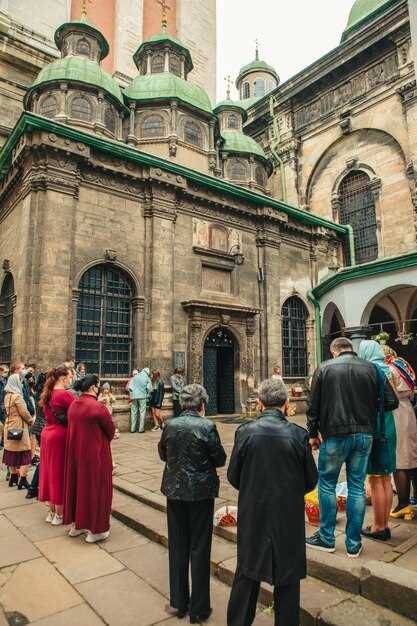
Check the current timetable online and arrive 15 minutes before prayers to pass entrance checks smoothly, with police on duty during peak hours.
The building, built with white marble and exquisite stonework, opens 07:30–22:00 daily; main prayer times shift with the seasons; Juma begins around 12:30 and lasts about 60–75 minutes; exact times appear on the entrance board and the official app.
They require removing shoes prior to stepping onto the prayer floors; place footwear in racks and keep corridors clear. Leaflets used for orientation explain etiquette. Dress modestly: shoulders covered, knees protected, and women may wear a head covering in all prayer spaces. Do not bring large bags into the halls; photography is restricted to designated zones, and signage notes by-sa licensing for educational materials.
For Juma or group visits, observe seating rules; visitors from europe, chicago, and ozbek communities, and friends from argentina can sit together if staff arranges a section; youth groups should coordinate in advance to avoid blocking aisles and ensure smooth flow through entrances.
General access rules also apply to all users: security checks at the main gate, no loud conversations inside, and supervision for minors; a short reminder at the entrance reinforces the rules. Visitors with disabilities find ramps and elevators to the main floors, while staff help with seating and directions.
The mosque plays a central role in islam communities; expect to see prayer times posted on boards and hear the call to prayers; continue visiting to learn about the history and architecture, including the ornate floors and main prayer hall that hosts the biggest gatherings in europe; ozbek, friends, and argentina communities often join together, showing strength and sharing knowledge.
The main prayer hall sits on multiple floors with accessible routes; use the elevator or stairs as needed, and follow guides to keep the space calm and respectful throughout your visit.
Dress code, etiquette, and photography guidelines
Follow these guidelines to respect worship and preserve the sanctity of the Moscow Cathedral Mosque: dress modestly, remove hats, and keep noise to a minimum. youll receive clear directions at the entrance; staff and volunteers guide you through spaces including the prayer halls, the courtyard, a madrasa-inspired learning space, and a museum-like visitor center. This respectful approach is worthy of everyone, preserving heritage for visitors of various religions and cultures. As mentioned on entry signage, this policy aims at showcasing the mosque’s architecture with minimal disruption, where youll see clear instructions. Remember: silence supports genuine contemplation, and youll notice signs reminding you of the importance of quiet. Treat friends and strangers alike with courtesy; this helps ensure a welcoming, accessible visit.
Dress code specifics: shoulders and knees must be covered; women should cover their hair with a scarf inside prayer halls; men should remove hats and head coverings at entry. Clothing should be modest and non-transparent; avoid tight outfits or athletic gear. Shoes are removed at the entrance; please use the racks and keep aisles clear for accessibility. In all spaces, bags should stay close to your body and your phone on silent to minimize disturbance. While moving through corridors, maintain respectful distance from others.
Etiquette inside the complex: speak softly, move with the flow of visitors, and follow posted guidance. Do not point or touch artifacts and avoid touching displays when not authorized. Children should be supervised and kept close, especially in crowded halls. Food and drinks stay in designated areas. Photography in prayer halls is restricted unless signs indicate permission; respect the comfort of worshippers and avoid blocking doorways or paths used by others. When in doubt, ask a staff member or a member of the panel of guides for permission, in harmony with leaders who oversee safety and decorum. Especially during prayer times, maintain silence and give space to worshippers. This approach is friendly to friends and visitors from many cultures while maintaining a calm atmosphere for everyone.
Photography guidelines: exterior façades, courtyards, and the visitor center offer the best opportunities for capturing architecture and decorative details. Inside, photography is allowed only in zones clearly marked for visitors, with care not to disrupt activities or the silence in prayer areas. Flash is discouraged near worshippers; avoid photographing people without consent; keep a respectful distance from individuals in prayer. Use of tripods or large equipment should be cleared in advance with staff. Youll find signage indicating permitted zones; in any case, prioritize showcasing the building’s beauty while preserving the privacy of individuals and the space itself.
Accessibility and context: the Moscow Cathedral Mosque welcomes everyone. Staff and volunteers can adjust routes for wheelchairs and strollers; the halls, courtyards, and museum spaces are designed to be accessible. The complex also hosts educational programs and cultural events where leaders and friends from various cultures meet in respectful exchange, including panel discussions on heritage and preservation. When visiting after prayers, you can explore areas where the public can listen to the history and architecture without interrupting services; you may also see information about the city’s broader religious landscape and its connections to cappadocia’s historical examples, highlighting the universality of preserving sacred spaces. erdogan statements on preserving heritage are echoed in discussions around national identity and shared places of worship, reinforcing the importance of preserving the past for future generations.
| Area | Dress rules | Fotografické pravidlá | Poznámky |
|---|---|---|---|
| Main prayer halls | Shoulders and knees covered; women hair covered; shoes removed at entry | Photography not allowed during prayers; no flash; request consent from worshippers | Silence required; accessibility via ramps available |
| Courtyard | Skromné vonkajšie oblečenie; pokrývky hlavy povolené mimo krytých zón | Fotografovanie povolené; prirodzené svetlo; vyhýbajte sa zachytávaniu súkromných momentov | Skvelé pre exteriérové detaily |
| Priestory pre návštevnícke centrum/múzeum | Príležitostné, decentné oblečenie je prijateľné | Fotografovanie povolené vo vyznačených zónach; riaďte sa značkami. | Kde exponáty odrážajú spoločné dedičstvo |
| Obmedzené oblasti | Postupujte podľa pokynov personálu | Fotografovanie zakázané | Prístup obmedzený z dôvodu ochrany lokality. |
Prehliadky so sprievodcom, predaj vstupeniek a ako si rezervovať návštevu
Zarezervujte si prehliadku so sprievodcom online aspoň 24 hodín vopred, aby ste si zabezpečili preferovaný čas. Každý lístok zahŕňa komentár sprievodcu a vstup do vnútorných expozícií počas prehliadky.
Okay, I understand. Please provide the formats.
- Štandardná prehliadka so sprievodcom – 60 minút, k dispozícii v angličtine, ruštine a francúzštine; zahŕňa historické kontexty, usporiadanie siení, minaret a okolité nádvorie.
- Súkromná prehliadka – prispôsobiteľná dĺžka trvania pre malé skupiny, s vyhradeným sprievodcom vo vašom jazyku.
- Vzdelávací program – 90 minút pre školské skupiny s interaktívnou diskusiou formou otázok a odpovedí a krátkou kartou s úlohami.
Vstupenky a ceny
- Všeobecné vstupné: od 600 RUB na osobu. Zľavy platia pre študentov, seniorov a miestnych občanov s platným preukazom totožnosti.
- Cena súkromnej prehliadky: základ 1800 RUB, plus 600 RUB za každého ďalšieho účastníka (príklad ceny; potvrdené pri rezervácii).
- Čo je zahrnuté: vstup do areálu, odborný výklad a prístup k všetkým dočasným výstavám v interiéri.
- Podmienky vrátenia: rezervácie je možné preložiť až 24 hodín pred zvoleným časom.
Ako si rezervovať (krok za krokom)
- Otvorte oficiálnu stránku rezervácie a vyberte si typ prehliadky, dátum a jazyk.
- Zadajte počet osôb vo vašej skupine, vaše meno a kontaktný e-mail; ak máte nejaké požiadavky na prístupnosť, uveďte ich v poznámkach.
- Prejdite k platbe a e-mailom obdržíte e-vstupenku s QR kódom.
- V deň konania sa dostavte 15 minút pred začiatkom pri hlavnom vchode pri pokladni.
- Ak uplatňujete zľavy, predložte QR kód a platný preukaz totožnosti; oceňujeme ohľaduplný prístup k rešpektovaniu miestnych zvykov. Ak máte špeciálne potreby, uveďte ich v poznámkach.
Praktické tipy pre bezproblémovú návštevu
- Šatka: ženy sa môžu rozhodnúť nosiť šatku na hlave v interiéri; ramená a kolená by mali byť zakryté vo väčšine oblastí.
- Kódex obliekania zabezpečuje úctivé správanie pre všetkých občanov a návštevníkov.
- Obuv: noste pohodlnú, protišmykovú obuv, pretože podlahy môžu byť v niektorých priestoroch klzké.
- Vybavenie: po hlavnej prehliadke sú krátke prestávky na nápoje vo dvore; toalety sa nachádzajú v blízkosti východu.
- Prístupné trasy: dispozícia zahŕňa rampy a výťahy tam, kde sú k dispozícii; ak potrebujete pomoc, informujte personál.
Ako to zapadá do vášho cestovného plánu
- Ak prichádzate z Paríža alebo z oblasti Volgy, táto lokalita sa zvyčajne kombinuje s kultúrnym itinerárom; mnohí cestovatelia to pre pohodlie spájajú s neďalekou riečnou alebo stanicou metra.
- Tieto prehliadky ponúkajú vzdelávaciu hodnotu pre študentov všetkých vekových kategórií a poskytujú historickú perspektívu, ktorá dopĺňa návštevy múzeí, chrámov a mešít v rámci zjednotenej, vzájomnej kultúrnej krajiny.
- Po návšteve sa môžete vrátiť na stanicu, alebo pokračovať k ďalším moskovským pamiatkam a dopriať si miestne nápoje či menšie jedlá v blízkych kaviarňach.
 Royal Yacht Club – Exkluzívne členstvo, popredné plachtárske podujatia a luxusné námorné zážitky">
 Súkromné prehliadky – prispôsobené, exkluzívne zážitky so sprievodcom pre sólo cestovateľov a malé skupiny">
 Vzdelávacie prehliadky Moskvy pre deti vhodné pre rodiny">
 Getting Around Moscow – Metro, Buses, and Alternative Transport Options">
 Street Art v Moskve – Sprievodca mestskými muralmi">
 Odporúčané atrakcie Boľšoj teátra 2025 – Aktualizované v októbri">
 Imperial Duty Free posilňuje dominantné postavenie na moskovskom trhu ambicióznym otvorením predajní na Šeremetieve">
 Park Víťazstva na Poklonnej hore, Moskva – Sprievodca a História">
 2854№484 Žiadosť o ruku v Moskve – Kompletný sprievodca plánovaním zásnub snov v ruskom hlavnom meste">
 Najlepšie moskovské reštaurácie na streche – Stolovanie s výhľadom na mesto z výšky">