Moskva, mesto ponořené do histórie a architektonickej veľkoleposti, má jedinečnú filmovú atraktivitu. Jej majestátne bulváre, bohaté stanice metra, starobylé pevnosti a impozantné stavby z éry Sovietskeho zväzu dlho slúžili ako pútavý pozadie pre príbehy. Pre filmárov, ako ruských, tak aj medzinárodných, ponúka hlavné mesto neporovnateľnú paletu vizuálnych možností. Preto je prehliadka Filmových lokácií v Moskve fascinujúcou cestou do srdca filmového kúzelného sveta, odhalujúca miesta, kde vzniklo nespočetné množstvo filmov a seriálov. Tieto rozpoznateľné prostredia príbehom dodávajú autenticitu a dramatický náboj.
Storočná filmová história v hlavnom meste
Moskva má s kinom dlhý vzťah, ktorý siaha až do začiatku 20. storočia. Rýchlo sa stala centrom ruskej a neskôr sovietskej filmovej tvorby. Prví pionieri využívali jej rozmanitú mestskú tkaninu na vyprávanie pútavých príbehov, od rušných ulíc zachytených v dokumentárnych filmoch až po veľkolepé námestia, ktoré slúžili ako kulisa pre epické drámy. Bohatý vizuálny jazyk Moskvy sa tak stal nedielnou súčasťou rozvíjajúceho sa filmového jazyka.
Po desaťročí, ako sa filmová technológia vyvíjala a príbehy sa stávali sofistikovanejšími, Moskva nadále poskytovala inšpiratívnu plátno. Zvlášť v sovietskom období sa tu objavilo množstvo filmov, ktoré predstavovali Moskvu a jej ikonické pamiatky, často s ideologickým podtextom. Mnoho klasických sovietskych filmov, ktoré dodnes rezonujú, výrazne zdôrazňuje špecifický charakter mesta. Táto dlhá a slávna história znamená, že mnohé Moskvy Filmové lokality majú v kinematografickej folklórii špeciálne miesto, hlboko zakotvené v kultúrnej pamäti.
Ikony na sivom plátne
Niektoré moskovské pamiatky sú svetovo známe, vďaka svojmu častému výskytu v filmoch a televízii.
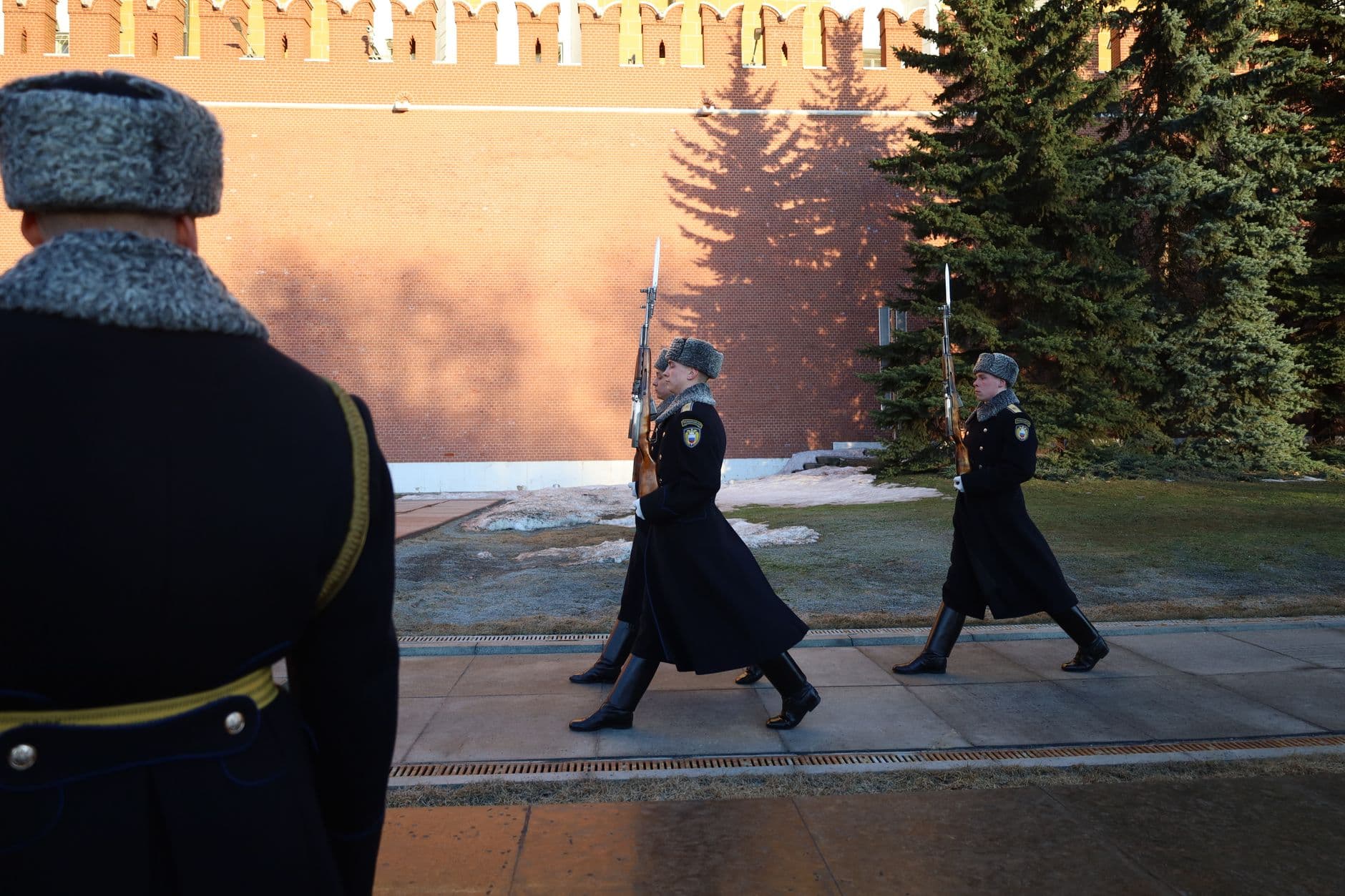
Červený námestie a Kreml sú, bez pochybností, najznámejšie . Ich impozantná prítomnosť a historická váha zrobili z nich populárne kulisy pre špionážne thrillery, historické drámy a akčné blockbustery. Filmy ako Mission: Impossible - Ghost Protocol sa slávne preslávili scénou, v ktorej Tom Cruise šplhá po stenách Kremlu, poskytujúc dechberúcu, vysokorizikovú sekvenciu. Aj Bourne Supremacy využil zábbery Červeného námestia, pridávajúc k jeho reputácii ako kulisy medzinárodnej intriky. Ruské historické eposy často využívajú starobylé katedrály a paláce Kremlu, aby vyvolali určité historické obdobia. Toto centráľne umiestnenie ponúka nezrovnalenú vizuálnu silu.
Moskovské metro, s jeho luxusnými stanicami vyzdobenými mramorom, mozaikami a sochami, neustále slúži ako dramatické a atmosférické miesto. Jeho podzemská veľkolepost bola často využitá vo filmoch, často dodávajúca pocit tajomstva alebo útečky v thrilleroch. Stanica "Majakovskaja" so svojou futuristickou architektúrou alebo "Komsomolskaja" s jej komplikovanými mozaikami sú zvlášť obľúbené. Hĺboké tunely a plné nástupišť metra ponúkajú jedinečnú scéneriu pre rôzne filmové nálady, od klaustrofóbneho napätia až po bežný život. Preto scény natočené v jeho labyrintových chodbách prispievajú významne k vizuálnej identite Moskovských Filmových Miest.
Za týmto, Bolšoj divadlo často slúžilo ako symbol ruskej kultúry a umelckého vyniknutia. Jeho nádherná fasáda a bohaté interiéry sa objavili v filmoch, ktoré zobraňujú svet baletu a opery. Luznikijský štadión, obrovský športový komplex, sa objavil v filmoch zobrazujúcich veľké športové podujatia, ukázaním moderných infraštruktúr mesta. Aj malebný Gorkov park so svojimi rôznorodými atrakciami a uvoľnenou atmosférou poskytol scény pre ľahšie alebo romantické scény. Tieto rôznorodé pamiatky pravdepodobne najlepšie predstavujú rozmanitosť Moskvy ako filmových lokácií.
Moderné mesto Moskva: Nový filmový obzor
Vznik Moskvy International Business Center (Moskva City) pridal mestu nový, zaujímavý rozmer v jeho filmovej atraktívnosti. Tento komplex budov s futuristickými mrakodrapmi, leskúcimi sa sklom a oceľou, symbolizuje modernú ambíciu a dynamiku Ruska. Pre súčasné filmy a seriály slúži Moskva City ako moderný, urbaný pozadie, ktoré kontrastuje s historickým jadrom mesta.
Títo obrovské budovy sa stali symbolom súčasného Moskvy, často sa objavujú v thrilleroch, dramách a dokonca aj vo sci-fi produkciách. Vyzdvihnuté chodníky, panoramatické výhľady a moderná architektúra im dávajú charakteristický vizuálny podpis. Filmy, ktoré zobrazujú rýchly svet financí alebo medzinárodných intrik, stále častejšie využívajú impozantnú skyline Moskvy City. Ich odrazové plochy a komplikované návrhy poskytujú jedinečnú estetiku, čo z neho robí stále obľúbenejší výber medzi moskovskými filmovými natáčacími miestami pre projekty, ktoré vyžadujú pocit mestského sofistikovanosti a modernosti. Režiséri a kameramani oceňujú geometrické línie a hru svetla.
Ruský film: Zachytávanie duše mesta
Ruské filmári sa samozrejme najviac inšpirovali rozmanitosťou Moskvy. Mnohé obľúbené ruské filmy a populárne televízne seriály sú neoddeliteľne spojené so špecifickými miestami v meste, ktoré sa stávajú súčasťou príbehu.
Klasické sovietske filmy ako Moskva neverí v slzy (ktorý získal Oscara za najlepší cudzojazyčný film) krásne ukazujú transformáciu mesta cez niekoľko desaťročí, využívajúce autentické ulice, byty a verejné priestory na vykreslenie hlboko ľudského príbehu. Podobne ikonická novoročná komédia Železná ironia osudu zobrazuje rozpoznateľné moskovské ulice a bytové domy, vytvárajúc pocit intímnej blízkoсти pre ruských divákov. Tieto filmy ponúkajú náhľad do rôznych ér moskovského života.
V súčasnej ruskej kinematografii hrajú Moskvy filmové lokácie stále hlavnú úlohu. Obľúbené televízne seriály ako Metóda (Метод) alebo Lepšie než ľudia (Лучше, чем люди) často využívajú súčasné moskovské prostredie, od moderných bytov a vysoko technologických kancelárií po rušné ulice a módne kaviarne, odrážajúce súčasný životný štýl mesta. Fantastické filmy ako Stražca noci a Stražca dňa využili špeciálne efekty na premenu známych pamiatok na bojiská pre nadprirodzené sily, zmiešajúce realitu s fantáziou. Okrem toho historické drámy ako Majster a Margarita (neskôršie adaptácie) pečlivé rekonštruujú Moskvu minulých ér, často využívajú zachované architektonické súbory alebo štúdiové dekorácie, ktoré kopírujú minulosť.
Medzinárodné produkcie a ich zobrazovanie Moskvy
Medzičasom, keď niektoré medzinárodné produkcie sa podarilo natáčať priamo v Moskve, iné využili iné mestá, najmä Budapešť, ako náhrady z dôvodov logistiky alebo politických okolností. Moskva však často zostáva dejovou súčasťou príbehu.
Filmy ako A Good Day to Die Hard alebo Jack Ryan: Shadow Recruit sú natáčané v Moskve, aj keď niektoré scény boli natočené inde, čím posilňujú obraz mesta ako centra globálnej moci a intrik. Iné filmy, ako napríklad The November Man, explicitne využívajú moskovské pamiatky, aby vytvorili pocit miesta pre svoje špionážne príbehy. Aj staršie filmy ako Doctor Zhivago, napriek tomu, že boli natočené na nákladných scénach alebo v iných lokalitách, vyvolávajú atmosféru Ruska v búrnych časoch, s Moskvou ako jej symbolickým srdcom.
Rastúca tendencia k medzinárodným koprodukciám a úsilie Ruska zjednodušiť povolenia na natáčanie postupne robia priame prístup k filmovým lokáciám v Moskve viac dostupným pre zahraničné kreatívne tímy. To otvoruje zaujímavé možnosti pre autentičnejšie zobrazovanie mesta na svetovej filmovej scéne. Jedinečná zmes architektonických štýlov, od carskej veľkoleposti cez stalinistický monumentalizmus až po súčasné mrakodrapy, ponúka vizuálne bohatú mozaiku, ktorú je ťažké napodobniť.
Filmové štúdiá a produkčné zariadenia
Za prírodnými kulisami je Moskva domovom významných filmových štúdií, ktoré hrali klúčovú úlohu v dejinách ruskej a sovietskej kinematografie. Štúdio Mosfilm je jedným z najväčších a najstarších filmových štúdií v Európe, často označované ako ruské Hollywood. Založené v roku 1924, vyrobilo viac ako 2 500 filmov, vrátane mnohých majstrovských diel.
Mosfilm ponúka rozsiahle zariadenia, vrátane zvukových štúdií, náročných vonkajších kulís (ako trvalé ulice "Starého Moskvy" alebo "Petrohradu"), odelenia kostýmov a rekvizít s obrovskými zbierkami, a aj postprodukčné zariadenia. Návštevníci sa často môžu zúčastniť exkurzií po Mosfilme, kde môžu vidieť historické kulisy a rekvizity, čo poskytuje fascinujúci pohľad na proces filmového výroby a dedičstvo Moskvy ako filmových lokácií ako konštruované reality. Tento živý múzeum ruskej kinematografie je dôkazom trvalého prínosu mesta k umeniu.
Neskôr boli zriadené iniciatívy ako Moskino Film Committee a Moskino Cinema Park, aby ešte viac podporili filmové výroby v meste. Cinema Park sa v súčasnosti vyvíja do obrovského vonkajšieho filmového štúdia s rôznymi tématickými scénami, vrátane ulice z Moskvy z 40. rokov, stanice a dokonca aj "berlínskej ulice." Tieto špecializované zariadenia majú za cieľ privabiť viac domácich aj medzinárodných produkcií. Uľahčujú logistiku natáčania komplexných scén a poskytujú hotové prostredia, čím ešte viac zvyšujú atraktívnosť Moskvy ako hlavného filmového destinácie.
Trvalá atraktivita Moskvy na obrazovke
Moskva láká filmárov svojou filmovou lokáciou. Jej viacvrstvová história spojená s modernou dynamikou ponúka nevyčerpateľný zdroj inšpirácie. Jej veľkolepý rozmer a charakteristické vizuálne prvky umožňujú hrať rôzne úlohy, od strašidelného pozadia pre politické thriller až po romantické prostredie pre charakterové drámy. Prepájanie starých katedrál s futuristickými mrakodrapmi ponúka vizuálnu bohatosť, ktorú má len málo svetových miest.
Ako sa zvyšuje globálny apetít na rozmanité príbehy, Moskva sa chystá ešte viac vynárať v medzinárodných produkciách. Jej jedinečná zmes Východu a Západu, dramatická história a živý súčasný život z nej robia ideálne miesto pre príbehy, ktoré rezonujú s celosvetovými divákmi. Pre filmových nadšencov návšteva týchto známych miest ponúka hmatateľný vzťah k príbehom, ktoré sa odohrali na plátne, a tak filmové zážitky oživia v skutočne ponořujúcom spôsob.
Moskvy filmové lokácie sú viac ako len pozadie; sú aktívnymi účastníkmi príbehov, ktoré rámcujú. Od ikonického Červeného námestia cez komplikovanú metró a modernú Moskvu City je samotné mesto hviezdou, ktorá neustále prispieva k vizuálnej veľkoleposti a príbehovému potenciálu filmov a seriálov z Ruska a z celého sveta.