
 Slovenčina
  English (UK)
  Русский
  العربية
  日本語
日本語  한국어
한국어  Magyar
  Türkçe
  Español
  Čeština
  Svenska
  Português
  Ελληνικά
  Suomi
Suomi  Nederlands
  Română
  Italiano
  Français
  Polski
  Українська
  Deutsch
  简体中文
简体中文 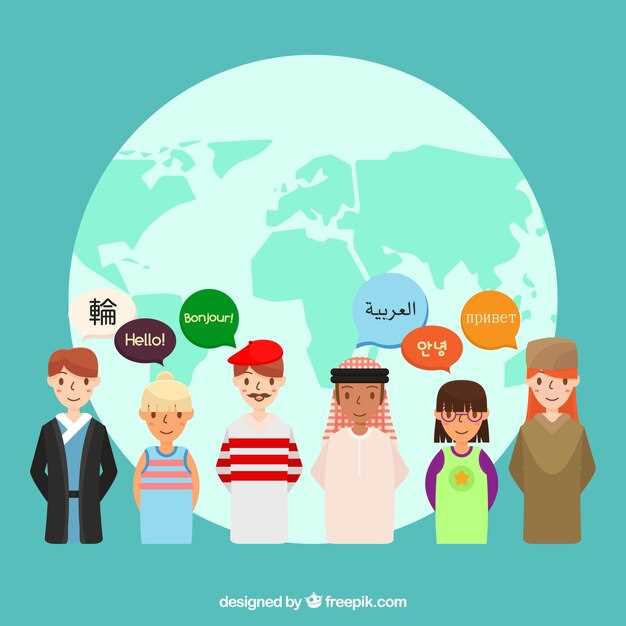 Spoločenské normy v iných krajinách – 10 tipov etikety z celého sveta">

Odporúčanie: Begin each trip by observing unwritten norms in confined spaces among locals; a respectful handshake when offered opens good conversations and sets the tone for the hours you spend abroad. These norms are highly considered by locals and backed by research, and our service helps you apply them smoothly.
1. Japan and Korea: Start with a light bow; a handshake is optional and may occur only if invited. Taking cues from locals helps you avoid missteps. In crowded spaces, keep your voice down and avoid dirty or flashy gestures; respect the unwritten rules and let conversing happen at a calm pace.
2. United States and Western Europe: A firm handshake lasting about 2-3 seconds works in most business settings; maintain steady eye contact and greet everyone in the room to set a good level of formality. If a group is conversing, wait for a natural pause rather than interrupting the flow, which is highly valued in service contexts.
3. Middle East and parts of Africa: Personal space is respected; use the right hand for greetings and avoid intrusive topics as a sign of respect. In receptions and queues, wait with patience and allow hosts to set the pace of conversations within their customary spaces.
4. Latin America: Expect warmth and occasional physical closeness; handshake or hug is common with consent, and light-handed conversation helps groups feel at ease. Keep a friendly tone and read the room so you join conversations at the right moment.
5. India and Southeast Asia: Namaste greeting, removing shoes in homes, and avoiding pointing; in conversations, maintain a calm voice and avoid any dirty or distracting gestures. Let conversations develop naturally and allow elders to set the pace, a good courtesy in hospitality settings.
6. China and Taiwan: In queues, wait your turn; avoid discussing sensitive topics in public, and keep a modest level of conversation. Avoid direct pointing and large public displays; let others take the lead in social spaces, especially in mixed groups where unwritten norms guide behavior.
7. France: Meals offer an opportunity to show restraint; keep hands on the table when appropriate and greet with a polite bonjour. Don’t rush the course and acknowledge pauses that signal a refined conversation in mixed company.
8. Germany: Punctuality matters; arriving within hours of the agreed time is seen as respectful. In business settings, a precise handshake, clear language, and a direct style are highly valued, with a focus on efficiency in service contexts.
9. Brazil and Italy: Expressiveness is welcomed, but respect personal space in new groups; use a warm tone and read social cues, avoiding intrusive questions until you receive a clear invitation to engage in deeper topics. Reading the room helps you adapt your style to local norms and social dynamics.
10. Australia and New Zealand: Be direct yet courteous; observe hosts’ timing and avoid dominating the dialogue. If unsure, ask a polite question at the right moment to join the discussion; this approach is reinforced by research and supported by our service, helping you tailor your etiquette for any audience.
10 Etiquette Tips by Country: Bowing, greetings, and punctuality mapped worldwide
Japonsko: In Japan, adhere to the quintessential bowing norms; a light 15-20 degree bow for casual greetings and a 30-45 degree bow for formal introductions. Shaking hands is not the default, so let the other person indicate if a handshake is welcome. When exchanging business cards, use two hands and display the card briefly so the other person can read it; this shows consideration and respect. Punctuality matters: arriving early is a basic fact of good manners and signals how seriously you take the schedule; even a half bow can suffice when the situation is informal. At events and in worship spaces, watch your body language and keep conversations open but not loud; always keep talking at a respectful pace. The hygiene and order you observe reflect the norms of the country and help you adhere to local expectations.
Spojené štáty: In daily business and casual settings, offer a firm handshake with steady eye contact and a warm smile; this standard remains the baseline where trust starts. In drive-thru or service contexts, acknowledge the order clearly, keep voices calm, and show hygiene by avoiding cross-contact and using tissues as needed. Regularly arrive on time for meetings or events, and let your interest in the other person show through brief, relevant questions after the greeting; do not dominate the talking. In many workplaces, the boundary for physical contact is open, but let the other person lead. When ordering at a counter for fries or other food, say please and thank you to signal good manners. The fact remains that American etiquette favors open, direct communication and efficient interactions.
Spojené kráľovstvo: A light, brief handshake with steady eye contact is common in business, while many prefer to use a respectful title and surname in formal settings. Punctuality is valued, yet social events can run late, so plan with a flexible margin and respect queues in shops and on public transport. In conversations, keep talking at a measured pace, show consideration, and listen more than you speak to convey interest; different social circles may call for different levels of informality, so watch for cues from nearby colleagues. When greeting someone you don’t know well, a nod or a soft hello is appropriate where the setting is quieter. Politeness balances practicality for both family gatherings and business discussions, making etiquette feel natural rather than rigid.
India: Begin with Namaste, palms pressed together; it’s a quintessential greeting that younger and older people alike use. Physical contact can be welcome among friends, but in many business contexts you should be cautious with the opposite sex unless invited. Address people by their title and surname during formal meetings; this shows respect and helps adherence to local norms and traditions. In religious events or worship areas, remove shoes where asked and follow local hygiene practices; during political or social events, stay considerate and avoid heated topics. In many regions, norms can differ, so be ready to adapt your approach to the context and watch hosts for cues about what is acceptable.
Čína: In many business contexts, a light handshake is common, and presenting a business card with both hands is a must; place the card in front of you so it can be read and kept for a moment. Avoid public displays of emotion; instead, watch the other person’s responses and adapt. Time is treated with care: punctuality is appreciated, and discussions progress in a calm, organized way; show interest by asking open questions at the right moment. When moving in crowded spaces, keep a respectful distance and avoid loud talking that could disturb nearby colleagues. This approach reflects a blend of modern business practice and traditional norms in the country.
South Korea: Greet with a bow and a handshake, but use two hands for added respect, especially with elders or senior colleagues. In business settings, present cards with both hands and take a moment to read the card before putting it away; this shows consideration and respect for the other person. Time is important: keep meetings on schedule and respect prayer or rest times nearby; many social events have a built-in rhythm you should follow. Early introductions often involve some chatting beforehand, but avoid shouting or loud talking; maintain calm body language and show genuine interest in the conversation. If unsure, mirror the other person’s formality and scale your approach accordingly.
Nemecko: Punctuality and efficiency define most business interactions; arrive exactly on time and keep to the agenda. A firm, brief handshake accompanies a direct, clear conversation; language should stay formal until invited to be more casual. When in public spaces or offices, hygiene matters and personal space should be respected; avoid unnecessary physical contact in early meetings. If you are unsure about a topic, default to polite questions rather than speculative opinions; this aligns with German norms of factual, focused discussion. In nearby offices and conference rooms, maintain a calm, orderly environment to reflect respect for the process and the people involved.
Brazília: Start with a warm handshake or cheek kiss with close colleagues, adjusting to how well you know the person. In both business and social events, openness and generosity matter–show interest and engage in light, friendly talk to build rapport. Time tends to be more flexible in social settings, but for formal meetings, plan to be on time and do not rush conversations. Keep a balanced distance; Brazilians appreciate physical proximity during conversations as a sign of engagement, but always read the other person’s cues. In casual dining, a relaxed atmosphere and good humor often drive the experience; this approach helps you fit in at nearby gatherings and events.
Saudská Arábia: Handshakes may occur among men; women greet with more reserved gestures depending on the community. In business contexts, respect gender norms; if a woman offers a handshake, follow her lead or offer a light nod instead. Heed prayer times and business hours around worship schedules; opening hours can vary during religious events. Address hosts with formal titles and show patience when discussing terms; this matters as part of everyday etiquette in the country. When dining, wait for the host to signal seating and avoid rush or loud talking in mixed company; showing restraint communicates good judgment in political and social discussions alike.
Francúzsko: In business, a firm handshake is common, with brief eye contact and a polite greeting. Among friends and colleagues, la bise–one to four light kisses–serves as a quintessential greeting, adjusted to the degree of familiarity. In conversations, maintain a certain level of formality at first and shift to a warmer tone with closer colleagues; watching the room and choosing the right moment to switch topics matters. Punctuality is valued in professional settings, while social events may start later; adapt accordingly and avoid blunt talking at meals. When eating, keep conversations balanced and respect the etiquette of the table; this helps you fit in across different contexts in the country.
Japan: Bowing etiquette; business-card protocol
Start every meeting with a shallow bow of about 15 degrees and present your business card with both hands, card facing the recipient so they can read it easily. This simple action communicates respect and helps foreigners adapt quickly, with much impact. Adapting to local rhythm becomes easier when this foundation is clear. This protocol is easy to apply in practice.
For formal occasions or when meeting senior executives, deepen the bow to roughly 30 degrees and keep your shoulder line straight; avoid leaning forward, which signals casualness rather than deference. This approach uniquely communicates respect and sets the tone for every subsequent discussion. Unlike some other cultures, the ritual relies on restraint rather than prolonged interaction.
Exchanging business cards follows a clear sequence: present your card with two hands, card facing up and readable, and receive similarly with two hands; study the name and title for a moment, then place the card on the table in front of you if seated or in a case if standing. Validate any uncertain readings by repeating the name once to confirm you understood correctly.
In meetings, address colleagues by surname plus san, or by their title if appropriate; keep conversations formal and focused on the terms of the discussion; avoid interrupting and give others space to speak.
At meals or parties, wine is common in many events, but some hindu attendees may refrain from alcohol; offer non-alcoholic options and wait for others to signal their preference. This approach fosters a comfortable atmosphere for all participants.
Travelers and passengers alike should respect the schedule; when you travel to japan for meetings, arrive a few minutes early; this protects the starting line of an important discussion from delays. If you need to step away briefly, apologize politely and resume with another brief bow.
To adapt, practice with a partner before travel; keep your language clean and concise, and use a calm tone–this routine fosters trust and makes etiquette easy for newcomers.
United Kingdom: Queuing etiquette; polite small-talk boundaries
Always join the end of the queue and wait your turn; extended patience makes the experience smoother for everyone in line.
The UK queue culture is a clear custom: everyone lines up, and locals expect fair play. In busy stations, shops, or cafés, a firm, respectful line reduces stress and speeds service for businesses and customers alike. When you are abroad, observe the same rules you use at home, because the culture differs by setting, yet courtesy remains universal.
Start with brief greetings and a courteous nod, then keep conversations short while waiting. If you exchanges a few words, let the chat end before your turn–exchanging words should feel natural, not intrusive. Someones space matters; avoid crowding others and maintain a comfortable distance, even in crowded queues.
While you wait, be mindful of seats and space: do not save seats for people who are not present, and let someone ahead who appears to need a seat more, such as an elderly person or a parent with a child. If someone in front of you steps aside to let a colleague or a family member pass, acknowledge the gesture with a simple thanks; this small act reinforces camaraderie and consideration.
At the counter, keep bills and change ready, and watch price tags so you know what to expect when paying. In cafés or shops, the customary tip is free to give if the service was good, but it is not obligatory; your words of thanks carry more weight than any extra money. If you’re unsure about tipping norms, follow the local staff’s lead and observe what locals spend or leave as bills.
When conversations do happen, limit topics to light, universal subjects: the weather, travel plans, or local events. Although friendly, small talk should stay brief to avoid monopolizing someone’s time. In general, reactions like a short greeting and a smile suffice to signal goodwill and keep the queue moving.
In summary, queueing in the UK blends extended patience with firm boundaries: greet briefly, exchange only a few words, respect strangers and locals alike, and keep the flow steady for everyone involved in the culture of waiting–whether you are at a shop, a station, or a business venue.
France: Formal greetings; correct use of titles
Greet with ‘Bonjour’, followed by the appropriate title and surname, and offer a handshake. Those first moments set how a meeting will unfold, so keep the gesture respectful and light.
Use the formal forms M. alebo Mme (and Mlle v tradičných kontextoch), kým vás niekto nevyzve, aby ste používali krstné mená. V rozhovore prejdite na ty a oslovenie s priezviskom, ktoré signalizuje zváženie a úctou. Ak niekto naznačí, že ich môžete oslovovať krstným menom, odpovedzte stručne thanks a certain degree viac než počiatočný pozdrav; zachovávajte konzistentnosť v tom, ako ľudí oslovujete.
In konverzujú s kolegami si zachovajte svoje jazyk profesionálny a zrozumiteľný; vyvarujte sa slangu. terms pravidelne priamy pri predkladaní plánu sa zastavte a vyzvite ich, aby sa k nemu vyjadrili. Je tu veľa hodnotu v počúvaní pri odpovedaní. Táto rovnováha vám pomáha prejsť od nezáväznej konverzácie k produktívnej diskusii bez prerušovania, vďaka čomu sa každý cíti docenený.
Dochvíľnosť záležitosti: príchod načas robí dobrý dojem; ak meškáte, zavolajte hostiteľovi so stručným vysvetlením. Na formálnych stretnutiach sa držte v rámci určeného terms a program; vyhnite sa neočakávanej zmene tempa. Po stretnutiach krátke komentár alebo poznámka môže prejaviť dobrú vôľu a mali by ste vyjadriť thanks na ten čas.
In reštaurácie, pokojný a kontrolovaný priebeh bežných činností. zóna. The designated server spravuje vašu tabuľku; udržiavať cleanliness a vyhnite sa špinavý priestoroch v jedálenskom priestore. Keď účty prísť, použiť jasné, priamy žiadosť ako napríklad ‘Účet, prosím.’. Ak zdieľate, navrhnite spravodlivé rozdelenie s použitím správneho jazyka; mnohí sa uspokoja s terms s pozdravom. thanks personálu a stručný komentár o službe. Pamätajte si: toto je obvyklý prax, ktorá signalizuje vzájomný rešpekt vo francúzskej kultúre stolovania.
Nemecko: Presnosť; priamy, no úctivý štýl konverzácie
Normy, ako dochvíľnosť a priamosť vyžadujú, aby ste prišli skôr, začali načas a stručne uviedli výsledky. Pre stretnutia si naplánujte presný program, zdieľajte ho vopred a dodržiavajte pridelený čas. Ak dôjde k meškaniu, pošlite krátke upozornenie s aktualizovaným odhadovaným časom príchodu.
V konverzáciách komunikujte priamo, no s rešpektom. Používajte signály, aby ste naznačili, že ste pripravení hovoriť; počúvajte a potom reagujte konkrétnymi vyhláseniami. Držte ramená rovno, mierne sa usmievajte a udržujte otvorený postoj, aby ste prejavili angažovanosť. Táto kombinácia efektivity a srdečnosti je základným konceptom v nemeckej obchodnej kultúre. Prístup je úplne praktický.
V kanceláriách ukončite diskusie s jasným záverom a ďalšími krokmi; mnohé tímy sa spoliehajú na stručné zhrnutie, aby sa predišlo nejasnostiam. Prestávky na kávu obmedzte na minimum a rýchlo pokračujte v práci. Ak vidíte, že si niekto robí poznámky alebo organizuje úlohu, ponúknite pomoc a bezodkladne sa vráťte k svojej práci. Oslovoujte každú osobu priamymi vyhláseniami a vyhýbajte sa vyzdvihovaniu jednotlivcov.
Cestovanie v Európe si vyžaduje prispôsobenie sa miestnym pravidlám a prostrediu. Pri cestovaní po Európe rešpektujte miestne normy a prispôsobte svoj prístup. Nemci očakávajú presné poradie tém a dobre zdokumentované cenové podmienky pri diskusii o produktoch alebo službách; prineste dáta, cenníky a časové osi a potvrďte rozhodnutia písomne. V niektorých prostrediach môžu byť Američania menej formálni; reagujte stručnými návrhmi podloženými dátami a jasnými termínmi. Tento kontrast pomáha predchádzať treniciam a udržiava efektívne stretnutia.
Počas recepcií alebo jedál dbajte na jednoduchosť jedál a primerané porcie; vyhýbajte sa dlhým a ťažkým jedlám počas rokovaní; využívajte stretnutia pri káve na udržanie tempa a sústredenia.
| Aspect | Nemecký prístup | Practical action |
|---|---|---|
| Časovanie a štruktúra | Začnite presne; poradie tém je dôležité | Zdieľajte krátku agendu 24 hodín vopred; časovo obmedzte témy; priraďte vlastníctvo |
| Konverzačný štýl | Priamo, ale s rešpektom; stručne | Začať s cieľom; prezentovať dáta; spraviť pauzu pre vstup |
| Reč tela | Signály vedú k zapojeniu; zarovnané ramená; úsmev | Udržujte očný kontakt; prikývnite na znak potvrdenia; vyhýbajte sa hrbeniu. |
| Prestávky | Prestávky na kávu sú krátke | Obmedzte sa na 5 minút; okamžite pokračujte |
| Negociačné a objednávkové podmienky | Jasné podmienky týkajúce sa produktov, cien a dodacích lehôt | Poskytnite písomné návrhy s množstvami, cenou, dátumami dodania; potvrďte rozhodnutia |
| Cestovanie a adaptácia | V európskom prostredí sa prispôsobte miestnym pravidlám | Stručne informujte; zdokumentujte rozhodnutia; rešpektujte miestne zvyky |
Tento prístup podporuje efektívnu spoluprácu medzi mnohými pobočkami a osobami, znižuje zmätok a pomáha predchádzať oneskoreniam na stretnutiach, či už cestujete služobne alebo pracujete s nemeckými tímami.
India: Pozdravy Namasté; vyzúvanie sa a chrámová etiketa

Namasté pozdrav spája blížnych; pritlačte dlane k sebe na úrovni hrudníka a potom sa jemne uklonte. Toto typické gesto, ktoré bude príkladom úctivého správania, udáva tón pre akúkoľvek interakciu.
Pred vstupom do domov alebo chrámov si vyzujte topánky; upratane ich položte ku dverám, čo je zvyk bežný v mnohých domácnostiach. Ak zabudnete, požiadajte hostiteľa alebo chrámový personál o radu a v budúcnosti sa riaďte vyvesenými pokynmi.
V chrámoch sa obliekajte skromne: majte zakryté ramená a kolená; zložte si klobúky alebo slnečné okuliare; vyhýbajte sa hlasným šperkom; v mestských oblastiach dodržiavajte vyvesené pravidlá a nasledujte vedenie miestnych. Vaše správanie by malo rešpektovať posvätnosť priestoru a oddanosť okolo vás; ak sa vám niektoré pravidlo zdá nejasné, poraďte sa s personálom. Toto je v súlade s bežnými zvyklosťami pri návšteve posvätných miest, pričom sa zachováva pokojná a úctivá atmosféra.
Fotografovanie v blízkosti idolov je často obmedzené; pred fotografovaním sa poraďte s personálom alebo pútnikmi. Ak dostanete prasád, prijmite ho oboma rukami a tichým “ďakujem”. Neodhazujte obetiny na zem; preukazujete tým jasnú vďačnosť a rešpektujete rituál.
V ázijskom kontexte je Namaste populárny pozdrav v domácnostiach; Kórea prejavuje odlišné zvyklosti, ale rešpektovanie miestnych zvykov vytvára príjemný zážitok. Pri jedle sa mnoho jedál podáva v rodinnom štýle; v mestských reštauráciách je bežný príbor, zatiaľ čo niektoré druhy chleba a karí sa jedia prstami. Na nabratie jedla alebo chleba používajte pravú ruku a sledujte hostiteľa, ako sa delí o jedlá na stole. Keď prídu účty, zaobchádzajte s nimi zdvorilo a poďakujte obsluhujúcemu personálu za služby.
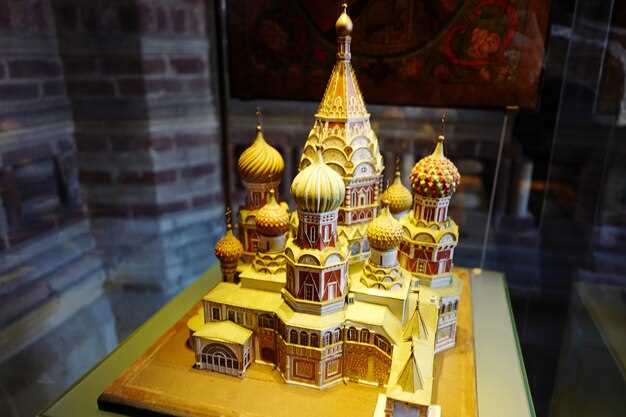 Moscow Kremlin – History, Architecture & Visiting Guide">
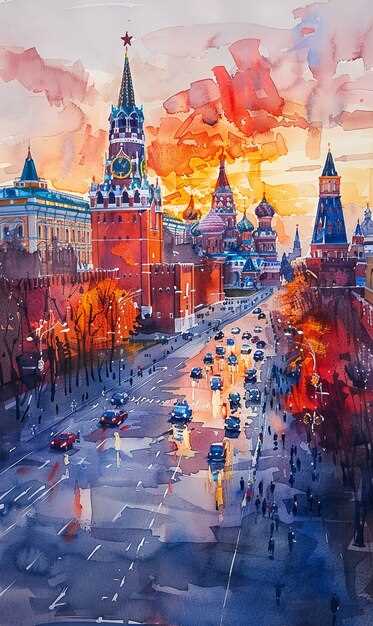 Moscow’s Contemporary Art Scene in 2025 – Key Galleries & Artists">
 Russian Train Guide – Travel by Rail Across Russia">
 16 najlepších moskovských pivovarov a remeselných pív v Rusku – definitívny sprievodca">
 Get Married in Moscow – Unforgettable Wedding Ideas in Russia">
 Smart Tourism in Moscow – Apps and Digital Tools for Modern Travelers">
 Relaxing Weekend in Moscow – A Calm Guide to Parks, Cafes, and Culture">
 Top 5 Casual Moscow Date Ideas for Couples to Explore and Connect">