
 Slovenčina
  English (UK)
  Русский
  العربية
  日本語
日本語  한국어
한국어  Magyar
  Türkçe
  Español
  Čeština
  Svenska
  Português
  Ελληνικά
  Suomi
Suomi  Nederlands
  Română
  Italiano
  Français
  Polski
  Українська
  Deutsch
  简体中文
简体中文 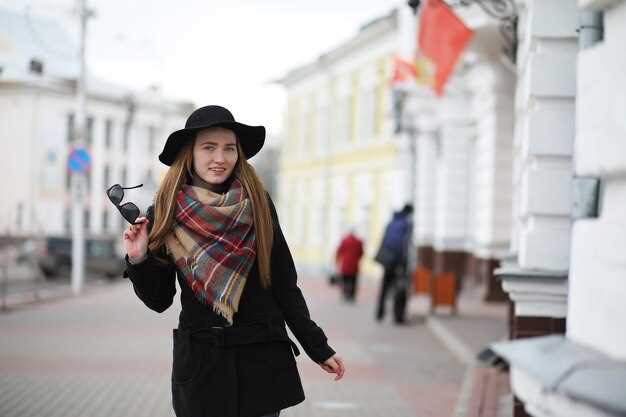 The Best 10 Things to Do in Moscow, Russia">

Start today at iconic central square, then wander toward river to feel city’s pulse and history that shaped these streets.
Arriving via letiská, travelers can hop a fast train or taxi toward core sights, saving money and time on day one. american travelers typically plan long weekends, combining museums with outdoor strolls. These routes keep momentum and avoid backtracking.
In winter, christmas decorations along ornate avenues create a glow. diamond spires and grand church domes frame walks along the river, while these sights glow after sunset. Some attractions stay open late, inviting visitors to linger and soak in the atmosphere.
miss nothing that matters on a full travel plan; tried routes map to these neighborhoods, with coffee pits and markets to sample. Avoid generic maps that miss key stops. If you crave a dream away from crowds, aim for sunset views along the river and a final stroll past illuminated bridges.
Practical planning guide to Moscow highlights

Start with morning walk around novodevichy area, located on southern bank, to soak in quiet streets before crowds fill city center.
- Novodevichy Convent and parkland: Opens 9:00; allocate 1.5–2 hours; this site rich in history and frequently visited by locals and visitors; nearby embankment along water offers scenic views; reachable by a short metro ride or bus connection.
- Arbat Street and adjacent squares: cobbled streets lined with decorations, antique shops, and modern boutiques; ideal for shopping for souvenirs and gifts; plan 2 hours incl. casual cafe stop; mornings in summer stay cooler for strolls; avoid peak heat by starting early.
- Kremlin complex and surrounding squares: cathedrals, towers, and Armoury housed within; some venues open at 10:00, others later; allocate 2–3 hours; check facebook page for updates; use a reliable link to official hours before arrival.
- Tretyakov Gallery or Pushkin Museum of Fine Arts: pick one to minimize crowds; Tretyakov Gallery opens 10:00; tickets online save time; plan 2–3 hours; combine with nearby riverwalk for a peaceful finish.
- Izmailovo Market and crafts area: ideal for weekend shopping; wide range of decorations, ceramics, and foreign-inspired designs; allocate 2–3 hours; carry cash; bargaining common; market opens around 9:00; arrive early to beat crowds; a handy link to an official map helps.
- Riverfront strolls and parks for evening rest: Gorky Park or nearby Neskuchny Garden offer a rich atmosphere, open spaces, and walking paths along water; summer nights shine with live events and relaxed crowds; plan 1.5–2 hours, plus snack stop.
- Practical planning tips: Travelling between zones works best with a single pass; reaching central transport hubs takes 15–25 minutes from suburbs; facebook pages for most venues provide real-time updates; check calendar for changes; a simple word to remember: plan ahead; for updates use a link to official site.
Word: plan ahead. Problem scenarios like sudden rain or closures can disrupt a schedule; having flexible options minimizes impact. This travelling plan keeps a focused itinerary without rush while allowing time to enjoy a coffee, a street performance, or a spontaneous detour. That supports a travel project across a rich cityscape.
Choose a central base to minimize daily travel between sights
Base around Red Square, Kremlin precinct, and adjacent boulevards is best today to minimize daily travel. From this hub, you’re well positioned to reach world-famous sights with roughly 15–25 minutes of walking between clusters or a single metro hop.
That central zone is well described as convenient: there’s a mix of fancy hotels with chandeliers, bustling streets, and easy access to a museum cluster. With this base, you can become efficient, riding short metro hops when needed and avoiding constant jams on outer routes.
heres a practical two-day loop: mornings cover Red Square, GUM, and Bolshoi Theatre; within roughly two stops you reach Tretyakov Gallery or Pushkin Museum. In afternoon, stroll Arbat Street, where you can buy hohloma crafts and see chandeliers in historic interiors. theres a busy atmosphere, but early hours stay prepared for visitors; facebook pages show opening hours today.
Transport quick tips: central base gives quick hops; 2–4 stops to main galleries, 5–20 minutes walking to first sights. Over the course of a day you’ll optimize routes and avoid backtracking. Between sights, then return to base minimizes daily travel. government policies favor pedestrians, with short pedestrian zones and efficient routes that reduce jams during busy hours.
For poor budgets, staying near center reduces transport costs and time, turning daily travel into efficiency. This approach suits people who want to see multiple sights in a compact area; you’ll notice beautiful façades, fancy storefronts, and vibrant street life. hohloma crafts and souvenirs await in Arbat and nearby markets, with world-famous museums reachable within a short stroll or ride. facebook pages show opening hours today, so check before heading out; prepared visitors maximize every hour.
Group attractions by walking distance to build efficient day routes
Start with a central metro hub and three walking-distance bands: 0–1.5 km, 1.5–3 km, 3–5 km; map attractions close to the hub to create efficient day routes and give yourself a realistic loop that can be done in a single pass.
Close to the river, the 0–1.5 km cluster centers on the riverfront walk, a wall segment of historic façades, and a handful of interior venues that regularly open early and stay open late, during which queues are shorter than later hours, and which were designed for foot traffic.
Mid-range stretch (1.5–3 km) groups a flagship museum with a modern interior, plus a nearby park and an exterior mural network with panels; seeing the interior and exhibits delivers a richer experience than strolling past façades, which helps you avoid others who linger in crowded zones.
Farther block (3–5 km) links a trio of sites across a river bridge area: a contemporary gallery with open interior, a historic wall section, and a river-view square featuring outdoor panels; next, you can ride a train or metro to return, depending on your plan.
Practical tips: establish a daily rhythm, check opening hours, and prefer routes that minimize queues; during arrivals via airports, orient the loop toward the first cluster and then proceed to the next; foreign visitors should seek routes with English signage and easy transfers; please mark each stop so others can adjust pace.
Done repeatedly, this approach yields flexible days: reuse the same hub tomorrow with a new set of sites; there, a next route will feel fresh for regular travelers.
Book timed-entry for Kremlin, cathedrals, and major museums in advance
Reserve timed-entry slots for Kremlin complexes, cathedral interiors, and a museum along with other major museums well in advance to lock quickest access and dodge long queues.
Check official portals and facebook pages for opening hours and hour-by-hour updates before your visit.
Avoid disappointment by prioritizing armory and palaces across grounds; these spaces fill fast during peak season, revealing imposing walls, rich architectural details, and tsars’ gifts, with stalin era displays. Choosing early or later hour slots helps dodge traffic around central nodes, yielding an enormous advantage in time for other sights.
Statues of ivan line corridors, adding historical texture to your experience.
For visitors arriving by flights, coordinate arrival with timed-entry to maximize time inside and avoid extra transit, keeping your day efficient and good for experiencing culture.
Temperatures inside interiors stay comfortable; plan outdoor segments during milder hours and use climate-controlled routes to balance crowds.
Plan meals around nearby cuisine options so your pace stays quick; gifts shops near grounds offer keepsakes after visiting a museum, while you relish architectural views across palaces and grounds.
Check facebook updates for last-minute openings or slot changes; this keeps your schedule flexible and helps visitors manage a crowded day.
Use a Troika card and plan metro routes to cut transit time
Get a Troika card at a kiosk beside entry gates and top it up with a quick card payment. Tap on entry and tap off later; transfers within a 90-minute window are included, reducing fare. Carry card in a secure pocket to avoid misreads away from metal surfaces.
Build routes around one- to two-line connections using ring line to minimize transfers. This setting keeps travel fast, avoids long walks, and lets you cover more ground without backtracking. Rebuilt stations improve lighting and readability; avoid poor signage and confusing exits by sticking to posted boards.
Consult menu of subways on a mobile app or station boards to choose paths with fewest transfers. Plan during off-peak hours if possible; saving minutes matters when you have a tight schedule.
heres a compact plan for travelers: load currency in russian rubles at nearby banks, carry Troika card, and keep it handy so you can tap smoothly. If you visited religious sites, merchant districts, or banks, plan a single corridor through center; this cuts backtracking. countrys travelers adore this approach, which feels perfect for a small project and gives your day a solid feeling of control. carry card, share routes with companions, move between transfers, and keep a map near your room.
| Route option | Transfers | Typical time | Poznámky |
|---|---|---|---|
| Central loop to landmark cluster | 1 | 8–12 min | Use ring line to minimize changes; carry your room in mind |
| Direct cross-line move | 0–1 | 6–9 min | Short hops; check menu for best connections; near popular banks |
| Two-line plan via interchange hub | 1 | 12–15 min | Occasional crowds; good when you visited religious or merchant districts |
Schedule outdoor sites for favorable weather and light

Begin at dawn in Alexander Garden to see colors across stalin-era façades and catch soft light before crowds. american traveler can book warm drinks at a kiosk nearby and meet fellow traveler, then head toward Sparrow Hills for a panoramic view. Return again into twilight.
Plan two to three sites per day, maximizing each setting as light shifts. Often called golden hour, early light flatters brick and glass, turning facades beautiful. Over many years textures change with seasons. Across years travellers have walked these routes and have been finding calm in quiet paths. For travelling photographers this route offers variety. Hope this plan helps travellers navigate years of travelling.
Next stops include Gorky Park, Kolomenskoye Park, and Sparrow Hills, offering different backdrops. christmas markets glow along embankments in winter, adding warm tones to photos. museum visits between outdoor shoots offer space to rest.
Keep a small present for a companion; a tiny doll found at a market feels kind and makes for a memorable moment. If weather worsens, shift to a museum courtyard or covered terrace, book tickets in advance, and return to river embankments when light improves. fine light on late afternoon shoots often yields strong colors and fine silhouettes.
 Lístky Privileges – Čo to je, Ako to funguje a Exkluzívne výhody">
 Sprievodca letiskom Moskva Šeremetievo SVO – Terminály, tranzit a tipy">
 Moje výsledky certifikátu z ruskej skúšky TRKI úrovne 3 – postrehy pre vašu prípravu na pokročilú jazykovú skúšku">
 VDNCH Moskva – Výstava úspechov národného hospodárstva – Sprievodca pre návštevníkov">
 Múzeum Veľkej vlasteneckej vojny v Gori – história 2. svetovej vojny a sprievodca pre návštevníkov">
 Levanduľové polia v Provence – základný sprievodca návštevou, obdobiami kvitnutia a tipmi">
 Skutočné vintage pouličné tabule – autentické zberateľské predmety a história">
 Moscow Tea Time Project – Tam, kde sa z čaju stáva umenie">
 10 najúžasnejších striech na svete, o ktorých ste pravdepodobne nepočuli">
 7 veľmi neobyčajných avantgardných budov 20. storočia v Moskve">