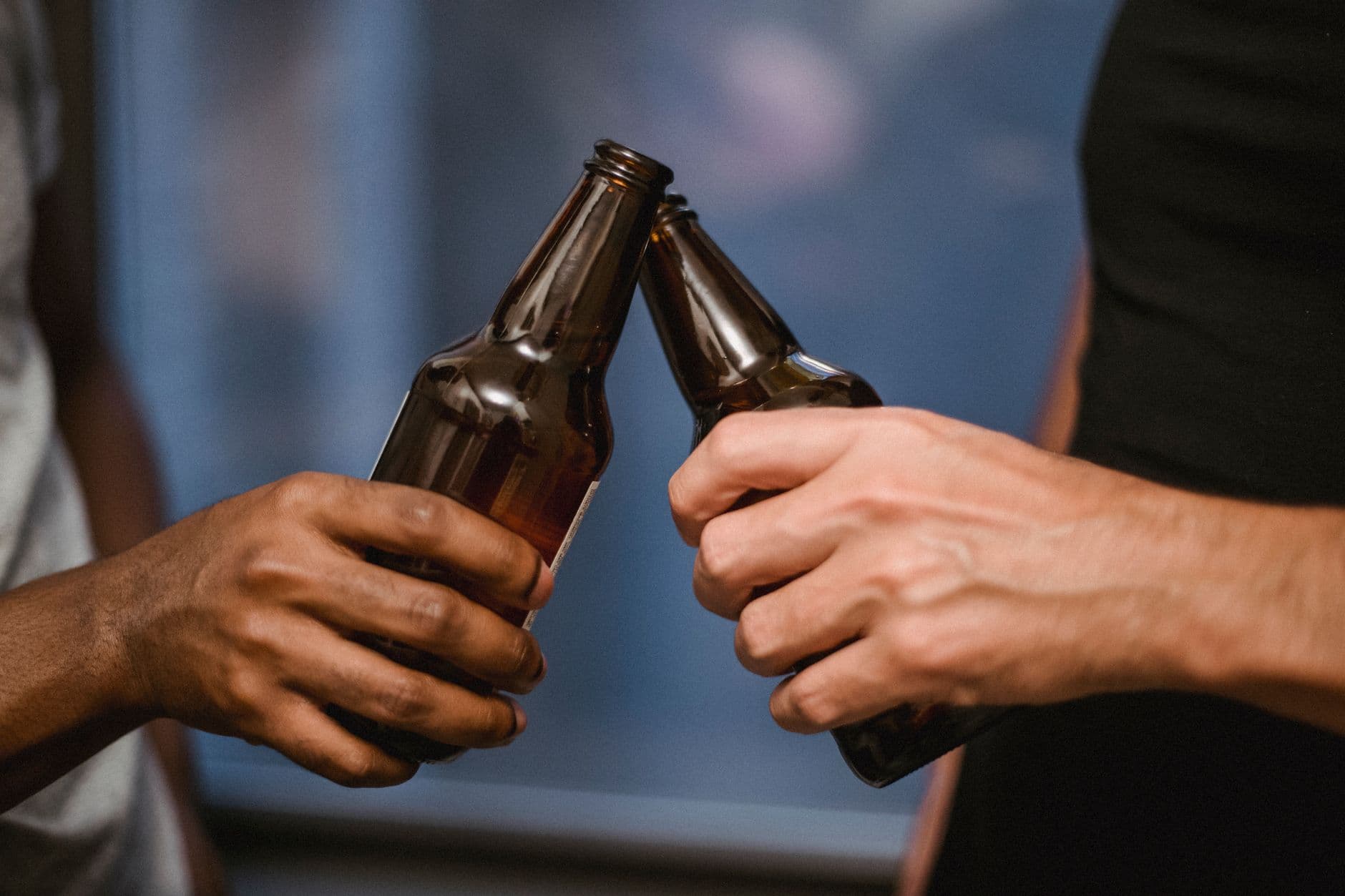
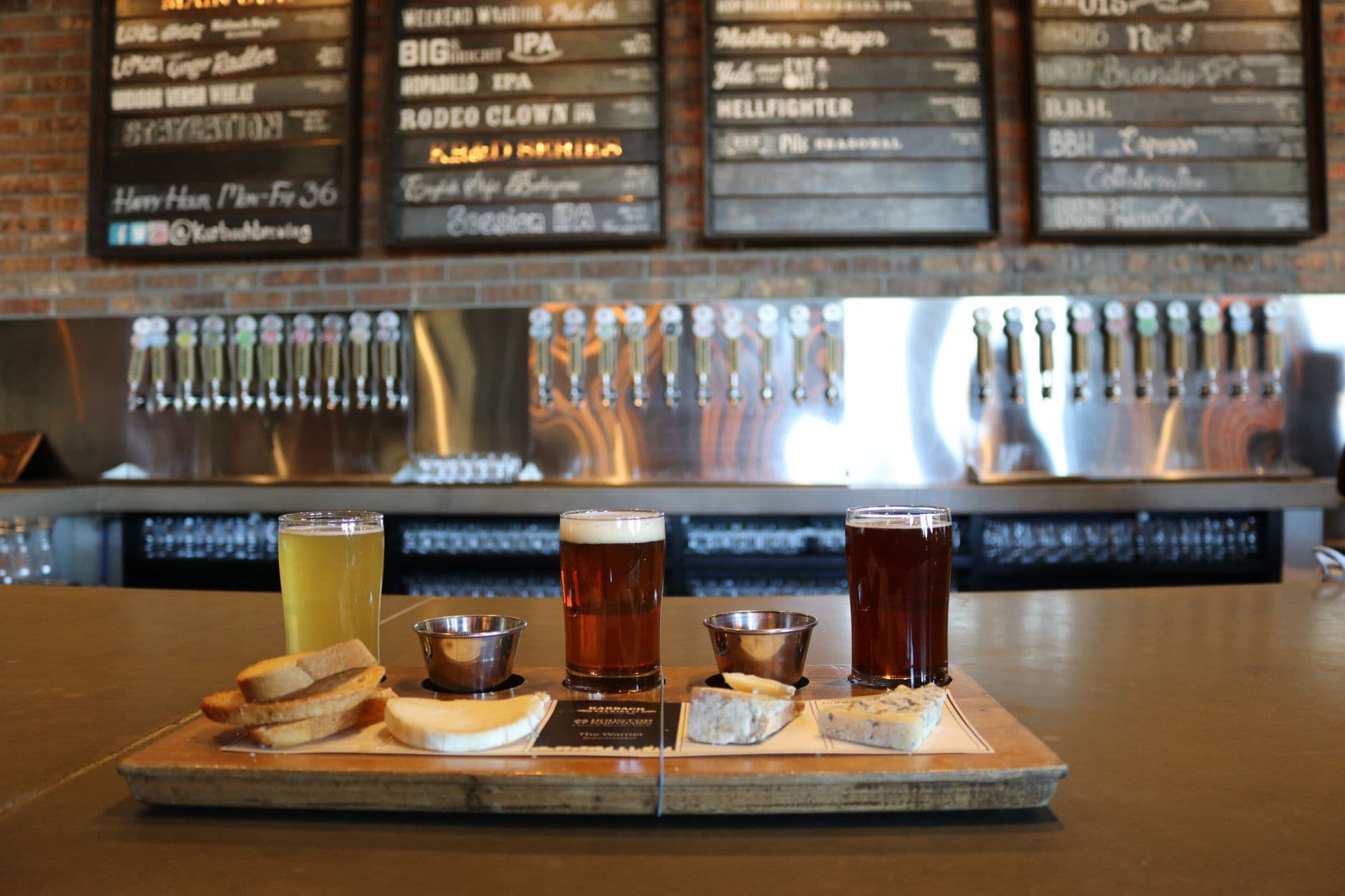
Začnite s tmavými ale moreno; tento dlhý, mierne pražený profil stelesňuje klasický charakter s prevahou sladu a pripraví vaše chuťové poháriky na to, čo bude nasledovať.
Táto ponuka obsahuje spodne kvasené ležiaky z juhozápadu, s čistými, sviežimi líniami a niektoré čierne, ktoré majú jemný kávový charakter, zatiaľ čo niekoľko príkladov s tónmi moreno prehlbuje praženie a komplexnosť.
Tmavý ležiak od Michalského vyniká svojou mierne dymovou hranou a dlhým, hladkým záverom; jantárový ale od Taylora zdôrazňuje výrazné sladové jadro. Svetlý weizen od živého pivovaru pridáva citrusy, klinčeky a slnečný pocit v ústach, zatiaľ čo pivo inšpirované trapistami ponúka bohatšiu, korenistú chuť.
V rámci kolekcie sa asociácia štýlov pohybuje od svetlých, aromatických ale po tmavé spodne kvasené stouty. Toto poradie vás vedie od ľahších, chmeľových tónov k praženejším, zamatovejším profilom, pričom zdôrazňuje, ako každá vlastnosť kvasníc a sladu prispieva k celkovému zážitku a umožňuje vám ich priamo porovnať.
Pre praktickú degustáciu sledujte postupnosť podľa farby a tela: začnite so sviežim weizenom, prejdite k mierne praženému moreno a potom preskúmajte čierne, ktoré nesú kávu a kakao. Hra sladov na stole odhaľuje výrazné spektrum, kde juhozápadní pivovarníci posúvajú tradíciu vpred a regionálne akcenty sa objavujú v každom dúšku, od hladkého trapistického záveru až po výraznú, pretrvávajúcu dochuť.
Praktický sprievodca výberom, degustáciou a párovaním ruských pív
Začnite s klasickým ležiakom Ochakovo ako základom: približne 4,5-5,0 % ABV, svetlý slad a čistý, svieži záver. Podávajte pri teplote 6-8 °C, aby ste odhalili jemné sladké tóny a chlebový charakter. Ak chcete solídny referenčný bod pred preskúmaním výraznejších štýlov, táto klasika vám pomôže kalibrovať vaše chuťové poháriky a pamäť.
Keď sa posuniete za základ, použite rýchlu mapu: tie, ktoré sú označené ako historické alebo vykazujú nemecký vplyv, odhaľujú, ako remeslo začalo vytvárať cezhraničnú tradíciu. Hľadajte októbrové vydania, ktoré posúvajú hranice a ponúkajú okno do štýlov dedičstva s modernými prvkami, no zostávajú prístupné; odvážne experimenty si však môžu vyžadovať chladnejšie alebo teplejšie prostredie, aby ukázali svoj skutočný charakter.
Prečítajte si etiketu pre ABV a IBU, aby ste odhadli pocit v ústach: vyššia horkosť sa spája s aromatickejším chmeľom, zatiaľ čo nižšie IBU udržuje sladkosť a slad v popredí. Najvyššia čírosť pochádza z dobre prekvasených ležiakov, ale tieto experimentálne príklady sa môžu prikláňať k novosti a hrať sa s určitými momentmi arómy a chuti.
Kroky degustácie: nakloňte, ovoňajte a odpite v čistej postupnosti. Všimnite si aromatické tóny, ako je sladký slad, chlebová kôrka a kvetinový chmeľ; posúďte pocit v ústach ako ľahký, stredný alebo plnší; sledujte suchý alebo žuvací záver. Momentky komplexnosti sa často objavujú v menších várkach od výrobcov, ktorí začínali ako domáci pivovarníci a potom expandovali do väčších podnikov.
Párovanie poskytuje užitočný test charakteru: klasika Ochakovo s jemnou údenou rybou; gubernskoye dopĺňa bohaté polievky a ražný chlieb; antares môže dobre niesť citrusové, aromatické tóny s grilovaným kuracím mäsom; korona sa hodí k údeninám a pečenému bravčovému mäsu; kong obstojí pri výdatných dusených pokrmoch; buarque pozýva na kakaové alebo horké čokoládové dezerty; andrea pale ale môže odrážať karamel a orechy na syrovej doske. Z týchto kontrastov vznikajú známe kombinácie a vyskúšanie niekoľkých možností vám pomôže zistiť, čo funguje najlepšie.
Sezónne testovanie by malo zvážiť októbrové vydania ako test korenia a sladovej komplexnosti; použite londýnsku barovú scénu ako inšpiráciu a navštívte miestny zdroj, ako je časopis Adam, aby ste zistili, ako remeselná scéna oceňuje históriu a experimentovanie. Tieto momenty ponúkajú kontext reálneho sveta pre rozvoj vašich chuťových pohárikov.
Praktické cvičenie: veďte si jednoduchý záznam arómy, chuti, pocitu v ústach a záveru; ohodnoťte každé pivo podľa známych kritérií a zaznamenajte si párovanie jedál, ktoré fungovalo. Tento prístup je v súlade s myslením dedičstva a pomáha vám krok za krokom budovať osobný repertoár.
Kritériá výberu na identifikáciu vynikajúcich pív z regionálneho portfólia
Krištáľovo čistý vzhľad stanovuje základ: vyberajte si pivá, ktoré vykazujú čistú, voľne tečúcu čírosť a stabilnú penu, bez zákalu alebo suspendovaných pevných látok, dosiahnuté pomocou presnej filtrácie alebo usadzovacích techník.
Spodne kvasené profily s chrbticou podobnou pilsneru získavajú vyššie skóre; uprednostňujte ležiaky inšpirované nemeckým štýlom, ktoré poskytujú svieži záver, s jemnou citrusovou hranou a dobre štruktúrovanými sladovými tónmi.
Historický pôvod je dôležitý: pivá vytvorené s vernými technikami ležiaku odhaľujú zakorenenú tradíciu, a nie novinku; zhodnoťte, ako produkt súvisí s historickým základom a ako sa objavuje jedinečnosť pri zachovaní štýlu, nech už sa pivovarník snažil o čokoľvek.
Globálny význam a regionálna inšpirácia: pivo, ktoré dobre cestuje cez trhy Oceánie, by malo mať rovnováhu; zvážte vplyvy zo Zealandu alebo vzdialené prikývnutia na Kong, založené na hniezde tradície; publikum v Indii a mimo nej ocení čistý profil. Hľadajte tóny, ktoré cestujú a zostávajú koherentné; nech už sa pivovarník snažil o čokoľvek, malo by to byť zrejmé v závere, nie maskované trikmi.
Transparentnosť zložiek a aromatická disciplína: uprednostňujte pivovary, ktoré zverejňujú sladové receptúry, plány chmelenia a kmene kvasníc; takáto transparentnosť znižuje riziko diacetylu a umožňuje profilu prežiť pri rôznych teplotách podávania. V príkladoch v štýle pilsner hľadajte čistú sladovú sladkosť a zdržanlivú chmeľovú horkosť; citrusové a hroznové tóny by mali byť skôr jemné ako prenikavé, doplnené príbehmi inšpirovanými tuatarou, keď je to vhodné.
Konzistencia a škálovateľnosť: silný výber demonštruje stabilnú arómu, chuť a pocit v ústach v rôznych várkach; hľadajte integritu balenia, stabilnú karbonizáciu a jasnú cestu k distribúcii, ktorá šíri kvalitu, a nie ju riedi; najlepšie voľby prežili testy prepravy a skladovania.
Použitie praktického rámca: ohodnoťte telo, arómu a záver; udeľujte vyššie skóre za historickú vernosť, čírosť a piteľnosť; zaobchádzajte s každým pivom ako s kandidátom na majstra všetkých remesiel, keď preukazuje všestrannosť v rôznych štýloch podávania a teplotách.
Kde nájsť ruské pivá: obchody, pivovary a online možnosti
Začnite u špecializovaného predajcu s rozsiahlym regionálnym katalógom; hľadajte na etiketách zhigulevskoye a gubernskoye a uprednostňujte obchody, ktoré zverejňujú krištáľovo čistý online inventár, aby ste si mohli naplánovať lokálne. Záujem začal naberať na sile v poslednom desaťročí, keď sa do domácich regálov dostávajú dovozy z východu a sortiment bol ovplyvnený sezónnosťou a miestnymi pivovarmi.
Offline kanály zahŕňajú regionálne obchody s fľašami, výčapy vlastnené pivovarmi a remeselné sekcie supermarketov; skontrolujte tieto regály, opýtajte sa personálu na dostupné vzory štýlov a všimnite si, ktoré obchody neustále ponúkajú citrusové alebo kyslé možnosti. Štatistiky od veľkých reťazcov ukazujú rastúci podiel regionálnych značiek a sezónnych vydaní; tieto trendy vám pomôžu rýchlo vytvoriť prierez ponúk a štýlov záveru.
Priame návštevy pivovaru prinášajú degustácie a možnosť zakúpiť si fľaše alebo growlery; množstvo známych značiek pochádza z miest s trvalou pivovarníckou tradíciou, takže môžete porovnať rovnaký produktový rad v rôznych scénach. Medzi mikroznačkami ponúka Kong niekoľko regionálnych možností a tieto značky - spolu so zhigulevskoye a gubernskoye - zostávajú najrozšírenejšie, známe pre svoj čistý sladový záver a miernu horkosť. Tieto produkty často nesú citrusovú zložku v aróme, s kyslou hranou v niektorých sezónnych sériách.
Online možnosti zahŕňajú priame výklady od pivovarov, národné trhoviská a regionálne online obchody, ktoré doručujú v dosiahnuteľných zónach; na základe analýzy vzorov doručovania má najrýchlejší servis tendenciu fungovať v rámci veľkých metropolitných oblastí, zatiaľ čo tie mimo nich často zaznamenávajú dlhšie dodacie lehoty. Vždy skontrolujte pokrytie doručenia, integritu balenia a etikety pre rok výroby; to pomáha predchádzať nahradeným várkam a zaisťuje, že dostanete konzistentný zážitok všade na svete.
Pre bežné degustácie sa zamerajte na krištáľovo čisté ležiaky s vyváženým záverom a jemnými citrusovými tónmi, potom sa rozvetvite do dobrodružnejších sérií s kyslým charakterom alebo výraznou chmeľovou zložkou; tento prístup vám pomôže zmapovať vyvíjajúcu sa scénu bez preplácania. Nakoniec tieto trasy - obchody, pivovary a online predajne - vytvárajú trvalú sieť na objavovanie rozmanitého súboru značiek a zároveň zostávajú informované o štatistikách a technologickom pokroku, ktorý formuje trh.
Chuťové profily podľa štýlu: pilsnery, ležiaky, stouty a regionálne variácie
Začnite s pilsnerom, aby ste ukotvili degustačný let; jeho nedotknutá čírosť a ľahká sladová chrbtica vytvárajú čistý základ pre porovnanie s inými štýlmi. Potom preskúmajte regionálne variácie, ako sú zhigulevskoye a ochakovo, aby ste si vypočuli miestny charakter.
Pilsner poznámky: svieže telo, bledá slamová farba a chmeľová aróma z ušľachtilých odrôd; typické IBU 25-40, ABV 4,5-5,5 %. Dnes registrované pivovary ponúkajú tento základ, často spárovaný s morskými plodmi, zatiaľ čo rady baltika posúvajú variácie s ľahšími prísadami a jemným korením. Niektoré chmele inšpirované Indiou sa objavujú v experimentálnych radoch, rozširujú profil pri zachovaní základnej sviežosti.
Ležiaky pokrývajú spektrum od helles po čisté pšeničné varianty; pšeničné ležiaky pridávajú jemnú ovocnosť, zatiaľ čo helles zdôrazňuje vyvážený sladový profil a nízky diacetyl. V domácej scéne zostáva percentuálny podiel produkcie pilsneru a ležiaku stabilný, čo odráža odolnosť v dodávateľských reťazcoch a stály dopyt po cestovnom ruchu.
Stouty a tmavé ale prinášajú hĺbku praženého sladu: kávové a kakaové tóny s karamelovou sladkosťou; ABV bežne 4,5-7,5 %. Regionálne iterácie, ako sú varianty zhigulevskoye a ochakovo, ilustrujú, ako miestne obilniny a voda formujú chuť, zatiaľ čo rady baltika pridávajú komplexnosť praženia pre jesenné a zimné pitie. Akademický výskum úrovní sladu a praženia podporuje odolnosť produkcie, pričom spája výber chuti s regionálnou ekonomikou a cestovným ruchom.
Regionálne variácie ukazujú národnú mozaiku: baltika, ochakovo, zhigulevskoye ilustrujú miestny charakter. Pri navrhovaní degustačného programu dnes zahrňte pilsner, ležiak, stout a jeden regionálny variant na oslavu diverzifikácie. V nasledujúcich metrikách informujú rozhodnutia pre národnú scénu a jej ekonomiku cestovného ruchu registrované pivovary, percentuálny podiel produkcie podľa štýlu a regionálne trendy predaja.
Tipy na podávanie: teplota, sklo a techniky nalievania
Svetlé štýly chlaďte pri 4-7 °C a pre väčšinu ale si rezervujte 8-12 °C, aby ste maximalizovali arómu, chuť a pocit v ústach; pre svetlé varianty baltika zamerajte sa na 4-7 °C, aby ste zachovali sviežosť.
Na skle záleží: tulipán alebo snifter koncentruje arómu pre sladové, vysoko ABV alebo tmavé štýly; pre väčšinu ležiakov použite Nonic pint; v Düsseldorfe sa Altbier tradične podáva v stange, aby sa udržala stabilná karbonizácia a povedomie pijana o remesle piva. Nemecká tradícia informuje tieto voľby a spája sa so sieťami pivovarníkov v mestách.
Technika nalievania: začnite s 45-stupňovým náklonom; 2 cm pena je ideálna pre väčšinu štýlov; narovnajte a dokončite jemným doplnením. To pomáha zmierniť diablov prepenenia a zachováva rovnováhu zložiek arómy a horkosti. Dávajte pozor na tóny banánového esteru, ktoré sa môžu objaviť v určitých kmeňoch kvasníc; regulácia teploty ich môže zosilniť alebo potlačiť, z výskumu a terénnych skúseností.
Pena a chuťové poznámky: niektoré mestá majú prísne tradície podávania; africký chmeľ a odrody Victory sa používajú v niektorých receptoch na diverzifikáciu profilov. Rovnaký prístup platí pre rady baltika a iné remeselné štýly. Zistite, ako chmeľové siete a dodávatelia sladu ovplyvňujú konečný dojem; úlohou skla a nalievania je stelesniť charakter piva a vyhnúť sa tuhej textúre. Vysoká karbonizácia môže zvýšiť chuť, ale príliš vysoká môže vymyť sladovú hĺbku; rovnováha sa dosahuje kontrolovaným nalievaním, teplotou skla a správnou nádobou. Groll a ďalšie zložkové faktory ovplyvňujú stabilitu peny.
| Štýl/Príklad | Odporúčaná teplota (°C) | Sklo | Tip na nalievanie |
|---|
| baltika light | 4-7 | Nonic pint | Nakloňte 45°, zamerajte sa na ~2 cm penu |
| baltika dark | 8-12 | Tulipán alebo snifter | Nalievajte pomaly, aby ste zachovali arómu, nechajte 1-2 cm penu |
| štýl altbier (düsseldorf) | 7-9 | stange | Stabilné nalievanie, dokončite krátkym doplnením |
Párovanie jedál: jedlá a občerstvenie, ktoré zvýrazňujú chute piva
Spárujte svieži spodne kvasený ležiak s údeným pstruhom na čiernom ražnom chlebe a plátkom citróna. Tu je konkrétny predjedlo, ktorý funguje v krčmách a mestských prostrediach, kde soľ, dym a citrusy pozdvihujú sladový charakter piva a zároveň znižujú vnímanú horkosť. Tento jav, ktorý pozorovali degustátori Adam a Sierra Miguelezovci, ukazuje, ako asociácia zložiek môže posunúť chute s rôznym poradím podávania.
V Európe a mimo nej diverzifikácia zložiek riadi zážitky. Tieto párovania sa líšia podľa regiónu a receptu a poradie chodov môže jemne zmeniť arómu a pocit v ústach, takže pred ťažšími jedlami použite ľahký otvárač.
-
Spodnokvasené základné potraviny: pilsner, svetlý ležiak
- Údený pstruh na čiernom ražnom chlebe s kôprom a citrónom; citrusová aróma a soľ znižujú sladkosť piva a zvýrazňujú jeho vrchné tóny.
- Marinovaný sleď s cibuľou a drveným korením; pridáva rýchly slaný kop, ktorý udržuje horkosť pod kontrolou.
- Kozí syr na uhorkových kolieskach s citrusovou polevou; udržuje chuťové poháriky svieže medzi sústami.
-
Európske svetlé ale a hybridy
- Mäkké syry, ako je brie s plátkami hrušky a orechovými lupienkami; ovocie a tuk vyvažujú miernu chmeľovú chuť.
- Feniklový šalát s pomarančovými segmentmi a olivami; estery v pive zachytávajú ovocné tóny pre živý záver.
- České klobásy s horčicou a uhorkami; výdatné párovanie, ktoré stále umožňuje pivu dýchať.
-
Tmavé a pražené rodiny: stouty a portery
- Horká čokoláda a pražená kávová krehká s mandľami; zložky zvyšujú pražené tóny a predlžujú záver.
- Hovädzie trhané mäso alebo údené hovädzie hrudí s redukciou bobúľ; kontrastuje praženie so svetlým ovocím.
- Černice s pomarančovou kôrou; jednoduchý dezertný kúsok, ktorý je v súlade s čokoládovými podtónmi piva.
-
Pšeničné a ovocné štýly
- Brie alebo kozí syr s plátkami broskýň alebo marhúľ; sladkosť dopĺňa estery podobné klinčekom a banánom.
- Bylinná zelenina s uhorkou, kôprom a citrónovou kôrou; zvýrazňuje citrusové a korenisté tóny.
- Ustrice alebo krevety s ľahkým vinaigrette; soľanka je dokonalým protipólom k telu piva.
Praktické tipy: udržujte zložky čerstvé, podávajte pri vhodných teplotách a používajte čisté sklo, aby ste zachovali arómu. Krčmy v pobrežných mestách sa často spoliehajú na regionálne zložky, aby vytvorili nové asociácie; je to jav, ktorý podporuje živé chuťové poznámky a pomáha pri globálnej diverzifikácii, od európskych štýlov po oceánske. Keď spustíte tieto párovania, zabezpečíte živý a nezabudnuteľný zážitok pre tých, ktorí hľadajú rôzne zážitky v každom poradí. Namiesto ťažkých omáčok sa spoliehajte na čerstvé aromatické látky, aby ste udržali charakter piva v popredí.
Inteligentné metódy degustácie: poznámky, bodovanie a porovnávanie doma
Použite kompaktný degustačný list a porovnajte štyri vzorky vedľa seba pri stabilnej teplote 12-14 °C; udržujte sklo čisté, opláchnite medzi nalievaniami a zapisujte si poznámky v reálnom čase, aby ste sa vyhli skresleniu pamäte. Poznanie vašich preferencií a termínovo špecifickej slovnej zásoby pomáha vytvárať spoľahlivé porovnania v týchto svetoch chutí, vrátane pils, svetloe, belgických a iných štýlov ovplyvnených tradíciami vrchného kvasenia. Alessandra, Moreno a Ryan ilustrujú, ako udržiavať dáta svieže, s opravami zaznamenanými, keď sa váš chuťový pohárik vyvíja.
Rámec poznámok
- Vzhľad: čírosť, farebný rozsah, retencia peny a stopy zákalu, ktoré charakterizujú svetlé ležiaky oproti tmavším ale.
- Aróma: intenzita, čistota a rovnováha aróm sladu a chmeľu; všimnite si akékoľvek cudzie tóny, ako je rozpúšťadlo alebo korok.
- Chuť: sladkosť sladu, horkosť chmeľu a akékoľvek výrazné chute, ktoré definujú tieto pivá (sladové termíny, ovocnosť, korenie).
- Textúra: telo, pocit v ústach, úroveň karbonizácie a ako pivo obaľuje jazyk - bohaté vs. suché textúry.
- Záver: dĺžka chuti po prehltnutí, kvalita dochuti a akékoľvek pretrvávajúce tóny suda alebo ústia rieky.
- Celkovo: súdržnosť so zamýšľaným štýlom, piteľnosť a ako dobre pivo prežije medzi konkurenčnými profilmi.
Bodovacia rubrika
- Vzhľad: 0-5 bodov za čírosť, vernosť farieb a kvalitu peny.
- Aróma: 0-5 bodov za intenzitu, presnosť štýlu a absenciu chýb.
- Chuť: 0-5 bodov za rovnováhu, presnosť chuti a absenciu cudzích chutí.
- Textúra: 0-5 bodov za telo, pocit v ústach a harmóniu karbonizácie.
- Záver: 0-5 bodov za trvanlivosť arómy a chuti a čistú dochuť.
- Celkovo: 0-5 bodov za to, ako dobre pivo dosahuje svoj charakter a ako je príjemné.
Pracovný postup porovnávania
- Vyberte si štyri pivá, ktoré pokrývajú škálu štýlov - pils, svetloe, belgické a príklad vrchného kvasenia - aby ste porovnali, ako sa vyvíja textúra a chute.
- Kalibrujte s neutrálnym referenčným bodom (napr. Kollegen pils alebo klasické svetloe), aby ste zosúladili skóre medzi reláciami.
- Ohodnoťte každú vzorku vo všetkých kategóriách, potom spočítajte celkovo za pivo a zoradte podľa celkového dojmu.
- Anotujte akékoľvek opravy počiatočných poznámok a prehodnoťte v druhom prechode, aby ste potvrdili konzistenciu.
- Porovnajte výsledky s priateľmi alebo degustačným partnerom, aby ste zistili, ako sa preferencie zhodujú so širšou kultúrou domácich degustátorov.
Praktické tipy
- Použite časovač na tempo nalievania a zabráňte úniku arómy; tieto prestávky pomáhajú udržať textúru a chute odlišné.
- Dokumentujte poznámky založené na termínoch (sladkosť, chmeľová chuť, esterová aróma), aby ste si vytvorili osobný lexikón pre pivá inšpirované Ruskom a ich oblasti tradície.
- Zvážte pivá ovplyvnené sudom pre opravy vanilkových, dubových a whisky tónov; všimnite si, ako sa tieto prvky menia s teplotou a starnutím.
- Ak chuť dosiahne vrchol a potom klesne (ostrosť podobná jacku mizne), označte ju ako prechodnú poznámku, a nie ako chybu.
- Pamätajte, že aróma a chuť môžu byť ovplyvnené sklom; opláchnite a predhrejte sklo, aby ste stabilizovali hodnoty.
Šablóna rýchleho listu
- Názov piva a pivovar
- Vzhľad (0-5)
- Aróma (0-5)
- Chuť (0-5)
- Textúra (0-5)
- Záver (0-5)
- Celkovo (0-5)
- Poznámky a opravy (krátke frázy)
Tieto metódy vám pomôžu zmapovať bohaté a nuansované profily v štýloch Ruska, s prvkami, ktoré odrážajú kultúru pivovarov, polí a sveta experimentovania s pivom. Prax, ktorú čiastočne zdieľajú Alessandra a kolegovia, umožňuje porovnať sviežosť pils s leskom svetloe alebo korenie belgického s chrbticou sladu vrchného kvasenia. Výsledkom je osobný, opakovateľný rámec na poznanie chutí, textúry a arómy v rozmanitej krajine piva.