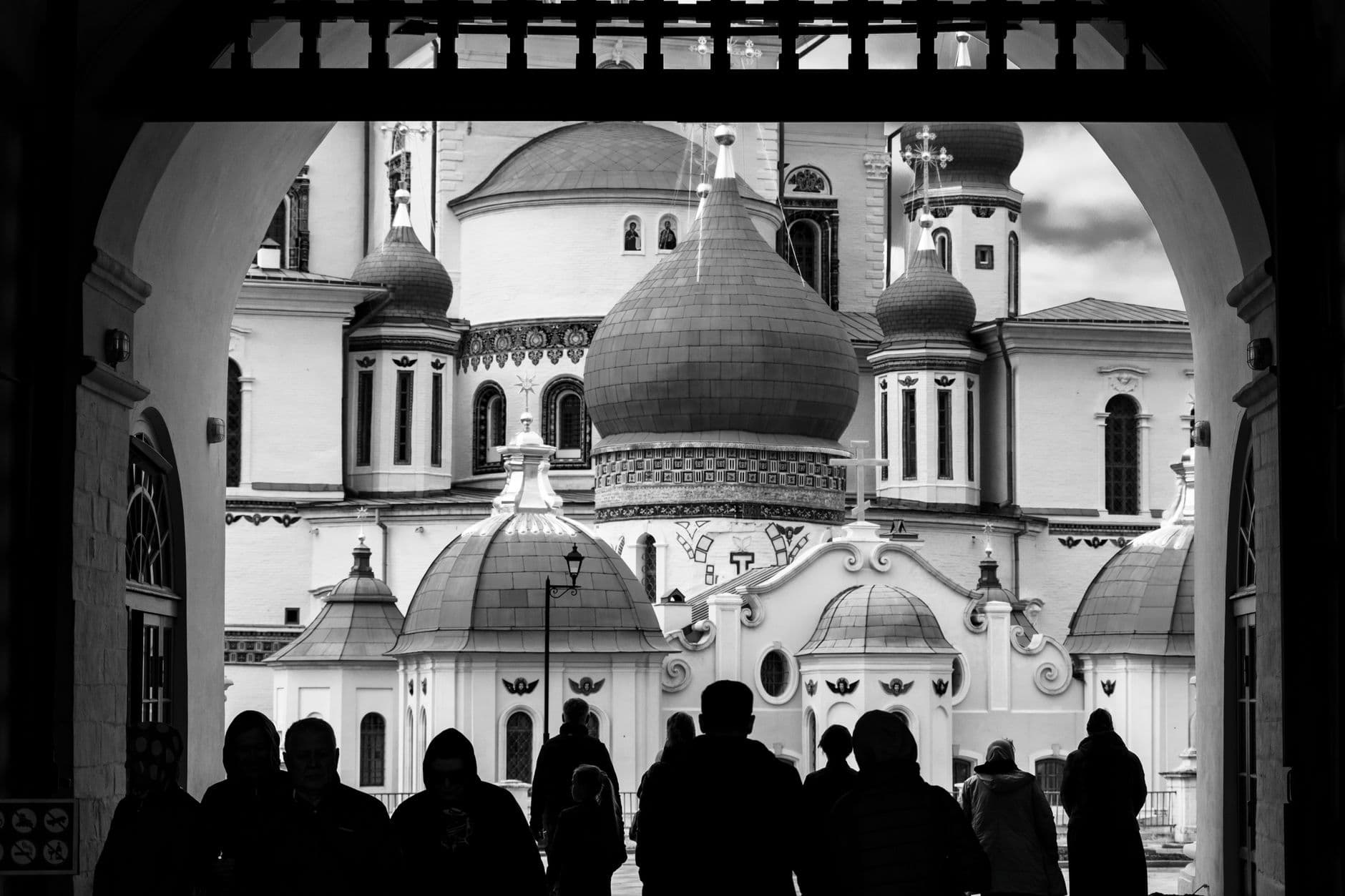
Välj den här listan för att planera en perfekt dag i Moskva: fem vackert invigda kyrkor och katedraler som förenar historia med levande gudstjänster.
Varje plats ligger i Moskvas administrativa centrum eller runt dess historiska ringar och kombinerar barockfasader med intima interiörer. En reser sig bredvid ett före detta palats, en annan har utsikt över floden, och en tredje avslöjar en tyst innergård där liturgin lyfter salen under veckans böner; varje plats tillhör Moskvas levande tradition och inbjuder dig att dröja dig kvar.
I Ivanovsky-distriktet och runt Moskvas kärnfulla kvarter berättar byggnaderna en tydlig historia: Vasilijkupolerna glimmar i solljuset, moderkyrkor vaktar sekellånga ikoner, och varje sista skymt av spirorna lämnar ett minne att återbesöka om och om igen. Loopen blandar heliga platser med praktisk komfort och tjänster redo för nyfikna besökare.
Planera en kompakt rundtur som passar för en förmiddag eller eftermiddag: börja tidigt för att undvika folkmassor, klä dig respektfullt för katedralutrymmen, och ta med en kamera för lökformade kupoler som lyser över Moskvas gator. Denna lista är utformad för små grupper eller familjer som vill ha meningsfulla, autentiska ögonblick med stadens heliga byggnader och deras palatsliknande storslagenhet, allt inom bekvämt räckhåll från kollektivtrafiken. Boka ett guidat alternativ för att höra liturgins berättelser bakom varje plats och för att lära dig varför dessa utrymmen förblir centrala för stadens tjänster och identitet.
Omfattande guide till Moskvas kyrkor och katedraler
Börja med en fokuserad rutt: från Bolshaja Dmitrovka, väv dig in i Kremlkomplexet och kontrollera datum och öppettider innan du går in i varje kyrka. På söndagar kan du ofta bevittna gudstjänster i full gång; torsdagar bjuder på lugnare aftonböner och en chans att studera interiörerna med mindre trängsel. Samlingen utgör ett århundraden gammalt komplex som förankrar Moskvas administrativa och andliga liv, och inbjuder dig att jämföra stilar, texturer och ritualer mellan olika byggnader.
- Bebådelsekatedralen (Kreml) - grundad i slutet av 1400-talet, ligger katedralen i hjärtat av komplexet. Dess interiörer behåller en asketisk ikonostas och freskscheman som avslöjar övergången från medeltida till tidigmodern rysk konst. När du kontrollerar byggnadsdatumet, planera en kort paus för att läsa om sidokappellet och hur väggarna rymmer århundraden av tillbedjan.
- Sankt Basils katedral (basilika) - byggd 1555-1561, dess basilika-kupoler och regnbågsrandiga torn gör den till höjdpunkten på Röda torget. Även om den ofta behandlas som ett museum, visar interiören hur rituellt utrymme utvecklades från ceremoni till offentlig spektakel. Den ligger på ett stort stads torg och är en del av världsarvslistan över historiska centra, vilket bidrar till att förklara den noggranna bevarandet av dess datering och fasad.
- Uspenskij-katedralen - färdigställd omkring 1475-79, fungerade denna katedral som metropolitkyrka för kröningar och statliga ceremonier. Dess interiörer behåller en högtidlig rytm av valv och fresker, och det omgivande området erbjuder ett fönster in i det administrativa liv som styrde Moskva i århundraden.
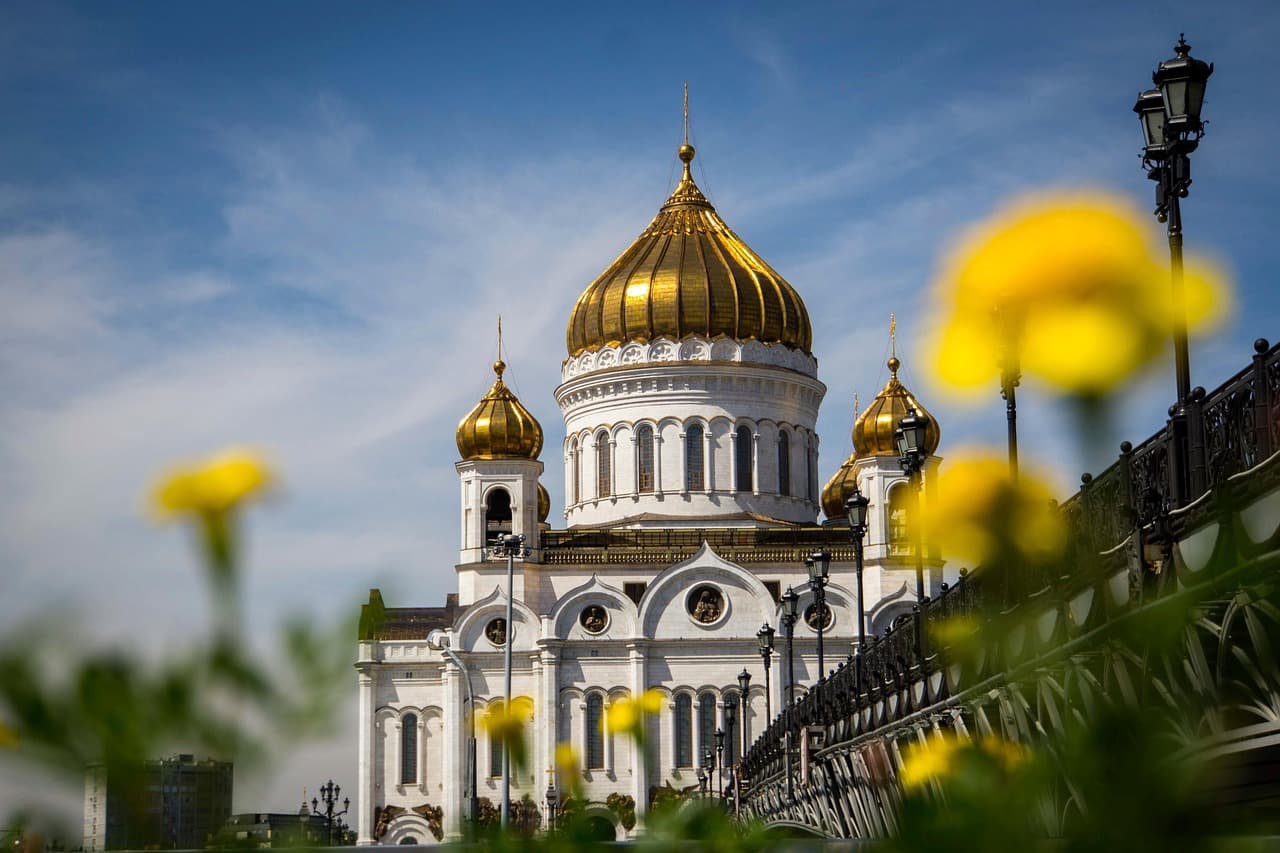
- Kristus Frälsarens katedral - uppförd mellan 1839 och 1883, sedan återuppbyggd på 1990-talet efter dess rivning under sovjettiden. Komplexet inkluderar en monumental långhus och en dramatisk ikonostas. Söndagar drar folk för gudstjänst; torsdagar anordnas ofta andaktsstunder, och besökare kan kontrollera datumet för speciella mässor för att tajma sitt besök med färre folkmassor.
- Beskyddarkyrkan vid vallgraven (Pokrovsky-kyrkan) - en historisk kyrka från 1500- till 1600-talet nära vallgravsområdet, känd för sitt kompakta interiör och starka ikonografi. Dess interiör bevarar känslan av en hängiven lokalkyrka som fortfarande tjänar både lokalbefolkningen och gäster i en lugnare miljö än Kremls mest trafikerade platser.
Planera en djupare dykning i ett par andra distrikt utanför Kremls centrala mur. I sloboda-kvarteren hittar du träkapell och mindre interiörer som kontrasterar mot de storslagna stenensemblerna i centrum. Ett närliggande zastava-motiv återfinns i gamla vaktposter längs omgivande murar, vilket påminner besökare om att Moskvas heliga arkitektur växte fram ur en fästningsmentalitet lika mycket som ur hängivenhet.
- Kolomenskoye - Uppståndelsekyrkan - en anmärkningsvärd träkyrka från 1500-talet, byggd 1532, belägen i en park som är ett perfekt utflyktsmål för en halvdag. Dess enkla, eleganta form påverkade senare kyrkors utformning i Moskva och även utanför.
- Romersk-katolska och andra trosinriktningar - Moskva har romersk-katolska församlingar med egna kyrkbyggnader, som församlingen Den Obefläckade Avlelsen. Dessa platser verkar inom en bredare kristen union av traditioner och tidtabeller; kontrollera deras kalendrar om du vill jämföra liturgiska stilar på en separat dagsutflykt.
Praktiska tips för att maximera ditt besök: kontrollera datum och exakta öppettider i förväg, särskilt för större platser som kan stänga tidigare på söndagar eller ha speciella kvällsprogram på torsdagar. Räkna med stora interiörer och fokus på ikonografi, altare och ikonostaser, med noggrann uppmärksamhet på entréer och interiörer när du rör dig från ankomstutrymmen till de stora kupolerna. Om du planerar flera besök, återvänd igen under olika årstider för att uppleva interiörernas stämningsförändringar och hur dagsljuset filtreras genom färgat glas vid olika tider på dygnet.
Inuti Vasilijkatedralen i Moskva: planlösning, ikoner och dolda detaljer
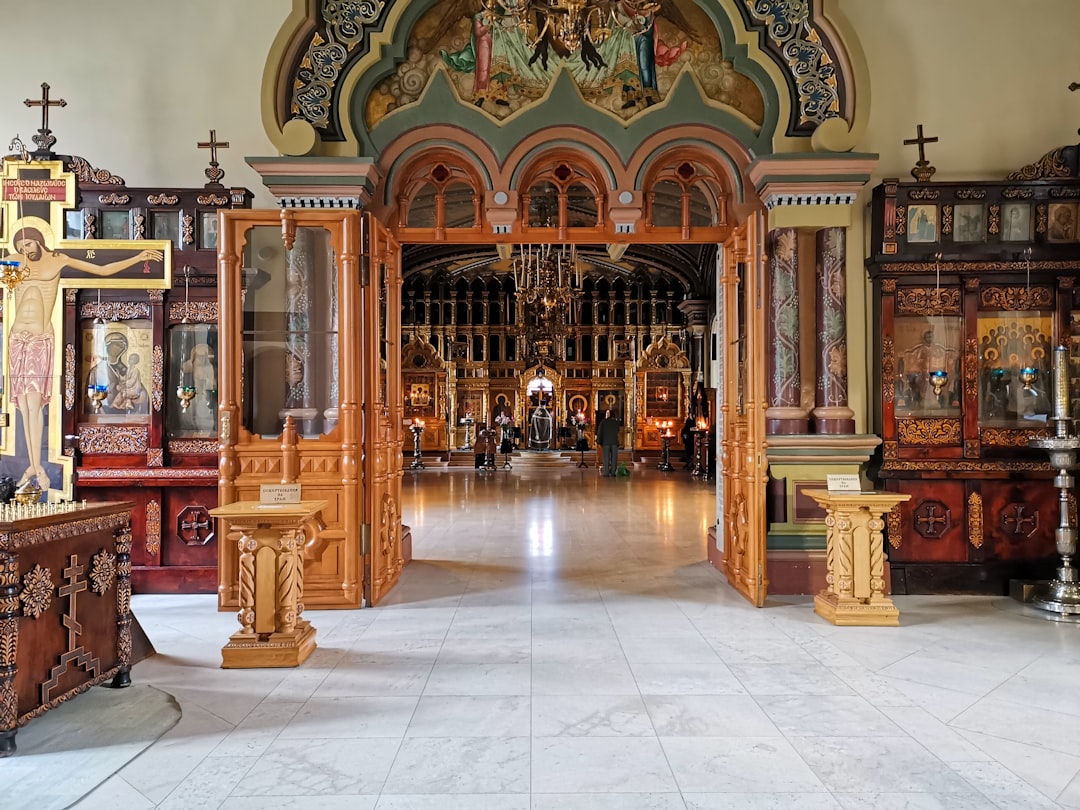
Besök först det centrala rummet för att se hur ljuset spelar över de många ikonerna och de snidade detaljerna som pryder valv.
Katedralen utgör en helhet av nio kapell runt en central kärna, utformad som en enda plats snarare än separata kyrkor. Den tillhör den moskvoretska traditionen och grundades på 1500-talet för att markera ett segerrikt ögonblick i Moskvas historia. Dekorationsarbetet kom från ivanovskij-verkstäderna, och donationsplaketter nämner Ludvig, som köpte ramen till en ikon.
Invändigt lyser interiörerna med varma toner och guld, och ikonerna kantar väggarna i en kontinuerlig sekvens runt långhuset. Krubbföreställningar dyker upp i flera nischer, och julens symbolik löper genom freskerna och kläderna. Denna ikonografi tillhör en gemensam verkstadstradition, vilket hjälper besökare att tolka sekvensen av altare som en enda berättelse snarare än separata utställningar.
Runtomkring kyrkan inbjuder de centrala kupolerna och de omgivande kapellen till noggrann granskning. Leta efter ivanovskijska motiv undangömda i hörn och i dekorativa ramar där färgen har bevarats. Zamoskvorechye-distriktet ligger strax bortom murarna, och Moskvoretsky-området visar hur kyrkan integreras med staden. Om du vill ha en kontrast i kyrklig estetik kan du besöka en närliggande baptistkyrka i samma kvarter för att jämföra dekorativa angreppssätt.
För dolda detaljer, studera det sista konsekrerade kapellet: dess fresker under ikonostasen avslöjar en lagerindelad förberedelseprocess. Platsen grundades tidigare, expanderades sedan och konsekrerades igen som en del av Moskvas religiösa liv. Interiörerna bevarar en hårt vunnen historia med många berättelser, från julfiranden till julkrubbor som fortsätter att inspirera besökare idag. Denna plats förblir ett hem för tillbedjan för många generationer och länkar det förflutna till nutiden.
Utanför Vasilijkatedralen: exteriör arkitektur, torn och bästa fotoplatser
Börja med en närbild från Röda torgets kant, nära Kremlmuren, under gyllene timmen för att fånga Silhuetten av Vasilijkatedralen. Detta perspektiv framhäver de färgglada kupolerna, det stora tegelarbetet och de höga, smala tornen som definierar platsen.
Exteriören blandar bolshaya-tegel med vita detaljer, vilket skapar en labyrint av valv, nischer och dekorativa band. Centraltornet reser sig över resten, medan de andra kupolerna kröner mindre kapell; tillsammans bildar de en klunga som blev en symbol för Moskva på sextonde århundradet. Motiv av annekteringen och bebådelsen syns i huggen sten och kakelarbete; man kan känna traditionen kopplad till Nikolaikapellet och de närliggande klostren och biskopens residens som varat genom århundraden. Denna katolska plats ligger bland många katedraler som berättar Rysslands historia.
Därifrån kan du välja vinklar som knyter an katedralen till närliggande landmärken. Stå längs flodkanten nära Jauza för att inkludera reflektioner, eller rama in Kremls huvudtorn bakom lökformade kupoler. Dessa vyer avslöjar Rysslands historia, en sanning du känner igen från de ikonupplysta fasaderna av Dormition-katedralen mot himlen. På torsdagar och tisdagar tunnas folkmassorna ut, vilket gör det lättare att fotografera huvudfasaderna utan hinder. Varje utsiktsplats lyfter fram en detalj - Nikolaikapellet, nästa klostervinge och biskopsbostaden - så att du kan fånga det senaste århundradets omsorg som syns i stenen. Där uppstår ett tyst ögonblick när grupper passerar.
| Spot | Vantage | Bästa tid | Notes |
|---|
| Röda torgets kant, nära Kremls mur | Full fasad med torn och kupoler i en bild | gyllene timmen | klassisk bild av huvudprofilen; se upp för folkmassor nära floden |
| Nikolskajagatan hörn | Domar inramade mot Kremls mur | tidig morgon | lugnet före trängseln; belyser bebudelsens detaljer |
| Alexander Gardens utsiktspunkt | Domkyrkotorn som reser sig över kreneleringar | sen eftermiddag | mjukt ljus på tegel och takpannor |
| Strand längs Jauza | Reflektioner med katedraltorn i fjärran | sunset | dramatiska färger; fånga Kremls kontur med lugnt vatten |
Öppettider och biljetter för Sankt Vasilijskatedralen: när du ska besöka och biljetttips
Besök på vardagar på förmiddagen för att undvika folkmassor och njuta av lugnare salar. Här är en snabb lista med tips för att planera ditt besök: öppettiderna brukar vara 11:00-17:00, med sista inträde före 16:00; kontrollera den officiella webbplatsen för exakt datum och eventuella säsongsanpassningar.
För att spara tid, köp biljetter online via den officiella webbplatsen och välj antingen ett alternativ som endast inkluderar katedralen eller ett kombinerat pass för Kremlmuseerna; onlinebiljetter tilldelar ett tidsfönster, särskilt under högsäsong. Om du planerar ett besök på en fredag, boka tidigt och sikta på en förmiddagstid innan folkmassorna byggs upp.
Inne, beundra Mariadödskapellet och Ärkänglakapellet; platsen har flera kapell, vart och ett inramat av utsökta ikoner. Ett historiskt hus längs Mensjikov-gränden, som en gång husade en skrivare, ligger bredvid en pereulok (gränd) från gränden, vilket ger en kompakt rutt i centrala distriktet.
Tilldelade guider, ibland kallade nikita, erbjuder koncis kontext nära den administrativa ingången. För att maximera ditt intryck, planera 60-90 minuter för interiören och kapellen, promenera sedan längs gatan och pereulok för att känna hur staden utvecklades, det kommer förmodligen att ge dig en triumfatorisk känsla av historia.
Datum och säsongstips: besök under lågsäsong för att undvika folkmassor; fredagsmorgnar är oftast lugnare än helger. Från stationen Yelokhovo är vägen till platsen enkel, och arkitekturen från 1400-talet bör ge ett starkt intryck som gör att du vill komma tillbaka igen.
Observera: närliggande museiskyltar berör Förintelsens era i Moskvas historia, vilket ger kontext till din promenad från de centrala gränderna in i klosterområdet; fotograferingsregler gäller i vissa kapell, så följ skyltar.
Klostren och katedralerna i Moskva: närliggande platser för en dagsutflykt
Börja vid Jelochovo-katedralen, patriarkens säte, vandra sedan genom Danilovklostret, Kremls katedraler och Novodevitjijklostret för en kompakt, rikt varierad dag som blandar historia med kontemplativa utrymmen.
Danilovklostret ligger i Zamoskvorechye och dateras till 1280-talet. Dess tegelformer och interiör visar upp ett medeltida Moskva som många besökare missar; klostret kretsar kring Heliga Trefaldighetskyrkan, och platsen tillhör både aktiva munkar och nyfikna resenärer. Planera 60-75 minuter här för att insupa de tysta gårdarna mellan de uthuggna valvgångarna.
Moskvas Kreml rymmer tre stora katedraler inom gångavstånd. Uspenijekatedralen är den äldsta byggnaden på platsen, färdigställd 1479 och invigd åt Jungfru Marias himmelsfärd; interiören rymmer ikoner inklusive Sankt Katarina. Den närliggande Annonsationskatedralen och Ärkeängeln Mikaels katedral visar förgyllda kupoler och freskcykler som symboliserar Moskvas segerrika århundraden. Räkna med 60-90 minuter för interiörer och vyer över stadssiluetten från de omgivande murarna.
Novodevitjijklostret, en UNESCO-listad egendom som grundades 1524, kombinerar ett stillsamt kloster med Förklaringskyrkan och dammar som speglar kupolerna. Anläggningen blandar kulturella former - ryska och europeiska influenser med inslag av franska dekorativa motiv - tillsammans med en lugn parkpromenad som många besökare använder för en återhämtande paus. Räkna med cirka 90 minuter här för att se huvudkyrkorna och den inre gården.
Alternativt kan en kort promenad efter Novodevitjijklostret genom Taganka avslöja intima kapell och helgonbilder på gatunivå, för att sedan ansluta till Zamoskvorechje för en bredare bild av Moskvas religiösa liv bland moskéer och kyrkor. Denna rutt belyser hur det metropolitiska troslandskapet blandar traditioner, och det är ett kompakt sätt att jämföra de mindre, dedikerade utrymmena med de storslagna Kreml-ensemblerna. I december, planera för kortare dagar och tillfälliga vinterstängningar, och på måndagsmorgnar öppnar vissa platser senare, vilket ger utrymme för en flexibel takt för en bekväm dag.
Läs den här planen och anpassa den efter din takt. Om du börjar tidigt kommer du att njuta av svalare interiörer, tystare gårdar och klarare vyer över Moskvas kulturella och arkitektoniska arv. Sekvensen - från Jelochovo utåt till Zamoskvorétje och Taganka - erbjuder en praktisk, givande och tät provsmakning av Moskvas kyrkliga liv på en dag, med en tydlig känsla av att stadens troarv lever och är tillgängligt.
Topp 5 katedraler i Moskva: snabba besökstips och optimala tider
Planera ett besök vid Kreml vid gryningen för att uppleva klockorna och det mjukare ljuset, bege dig sedan till de omgivande torgen för utomhusfoton innan folkmassorna anländer.
Ansvarsfriskrivning: Tider, ceremonier och tillträde kan ändras beroende på liturgiska scheman. Kontrollera officiella källor innan du besöker, och följ klädkoder och fotograferingsregler inne i varje tempel.
- Kristus Frälsarens katedral
Byggandet påbörjades på 1800-talet, officiellt färdigställdes 1883, förstördes sedan 1931 och återupptogs för gudstjänst på 1990-talet. Den massiva kupolen och den förgyllda fasaden skapar en slående silhuett över floden. Bästa tidpunkterna är tidig morgon eller sen eftermiddag då ljuset faller på den vita exteriören och du kan läsa inskriptionerna längs stenen. Om du besöker under en ceremoni, håll ett respektfullt avstånd och undvik blixtfotografering; utomhusutrymmet i närheten är perfekt för en snabb fotografering innan du fortsätter till nästa sevärdhet.
- Uspenskij-katedralen (Uspensky Sobor) i Kreml Dmitrij Donskoj, byggd på slutet av 1400-talet och färdigställd omkring 1489. Innanför katedralens lugna valvhöjder och freskomålade väggar bjuds besökaren in att betrakta gudomlig konsthistoria. Kom hit innan morgonköerna bildas, då ceremonischemat kan begränsa tillträdet till interiören. Katedralen är en del av det UNESCO-listade komplexet. Planera ditt besök så att du kan se närliggande fasader och tydligt historiska innergårdar i en sammanhållen rutt.
- Annonseringskatedralen (Blagoveshchensky Sobor) i Kreml
Byggdes i slutet av 1400-talet (cirka 1474-1489) som centrum för kunglig liturgi. Dess intima kyrkorum står i kontrast till den omgivande storslagenheten. En snabb guide till tidpunkt: besök strax efter öppettiderna eller under en lugn stund mellan gudstjänster för att njuta av ikonostasen och de tysta hörnen. Exteriören och de omgivande klosterliknande områdena erbjuder en kompakt, historisk känsla som är idealisk för en kort, fokuserad promenad innan man rör sig vidare till de närliggande torgen.
- Ärkeängelskatedralen (Arkhangelsky Sobor) i Kreml
Från 1505-08 hyser den gravarna för flera tsare, vilket ger platsen en stark historisk känsla. Besökstips: tidigt på morgonen eller sent på eftermiddagen framhäver ljuset den snidade fasaden och de smala kupolerna; fotografering inuti kan vara begränsad under ceremonier. Denna byggnad är en del av samma arkitektoniska komplex, så ett kort, välplanerat besök passar bra ihop med andra kremlkatedraler och de omgivande tegelmurarna.
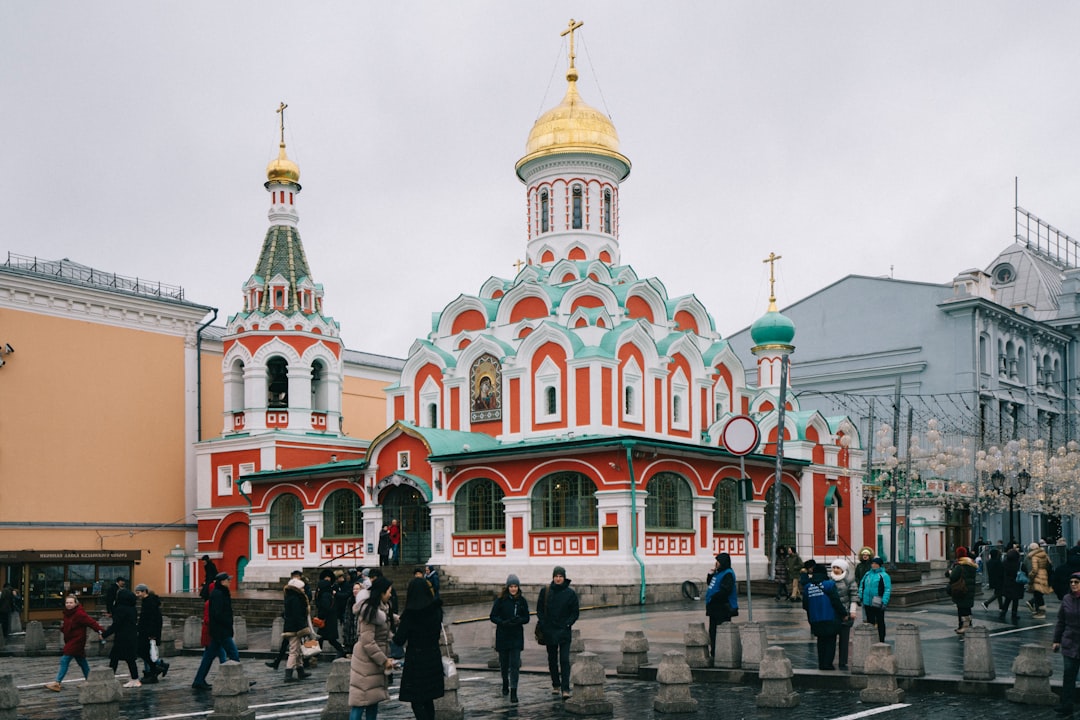
- Kazankatedralen (Katedralen för Kazanikonen av Guds Moder) Uppförd på 1810- och 1820-talen som en symbolisk bro mellan kejsartidens design och traditionell ikonografi, ligger den nära Röda torget och är tillgänglig efter att du har avslutat Kreml-rundan. Fasaden mot torget har en tydlig, stark linje för foton, medan interiören rymmer ett koncist andaktsrum med en fokuserad uppsättning ceremonier. Bästa tidpunkten är sen eftermiddag när folkmassan tunnas ut och solen fångar guldet på kupolen; sedan kan du fortsätta till närliggande tunnelbanestationer och använda rogozhskaya som en bekväm bytespunkt för andra sevärdheter i staden.
Läs den här guiden innan du åker för att minimera tiden som spenderas på dörrar och köer. Om du planerar ett kort, symboliskt besök i Moskva, erbjuder dessa fem en kompakt lista för att förstå stadens religiösa historia, från dess äldsta rötter på tusentalet till den moderna återupplivningen - och varje plats är en del av den bredare ryska ceremoniella livscykeln som besökare ofta associerar med fasadens och kupolens gudomliga arkitektur.