
Börja med en kompakt, ekonomisk resplan som tar några rutter mellan parker, gallerier och ploschad-torg.
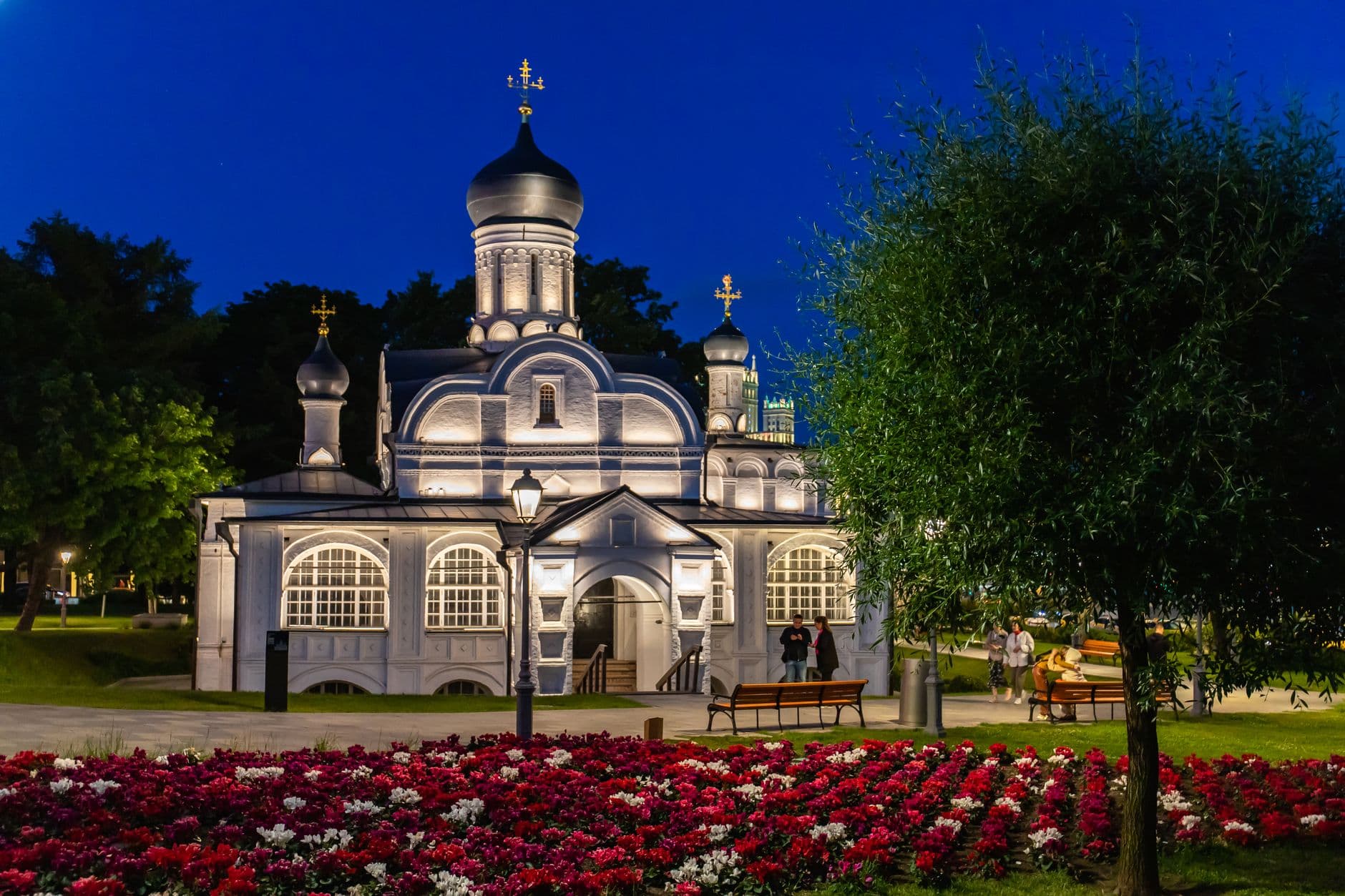
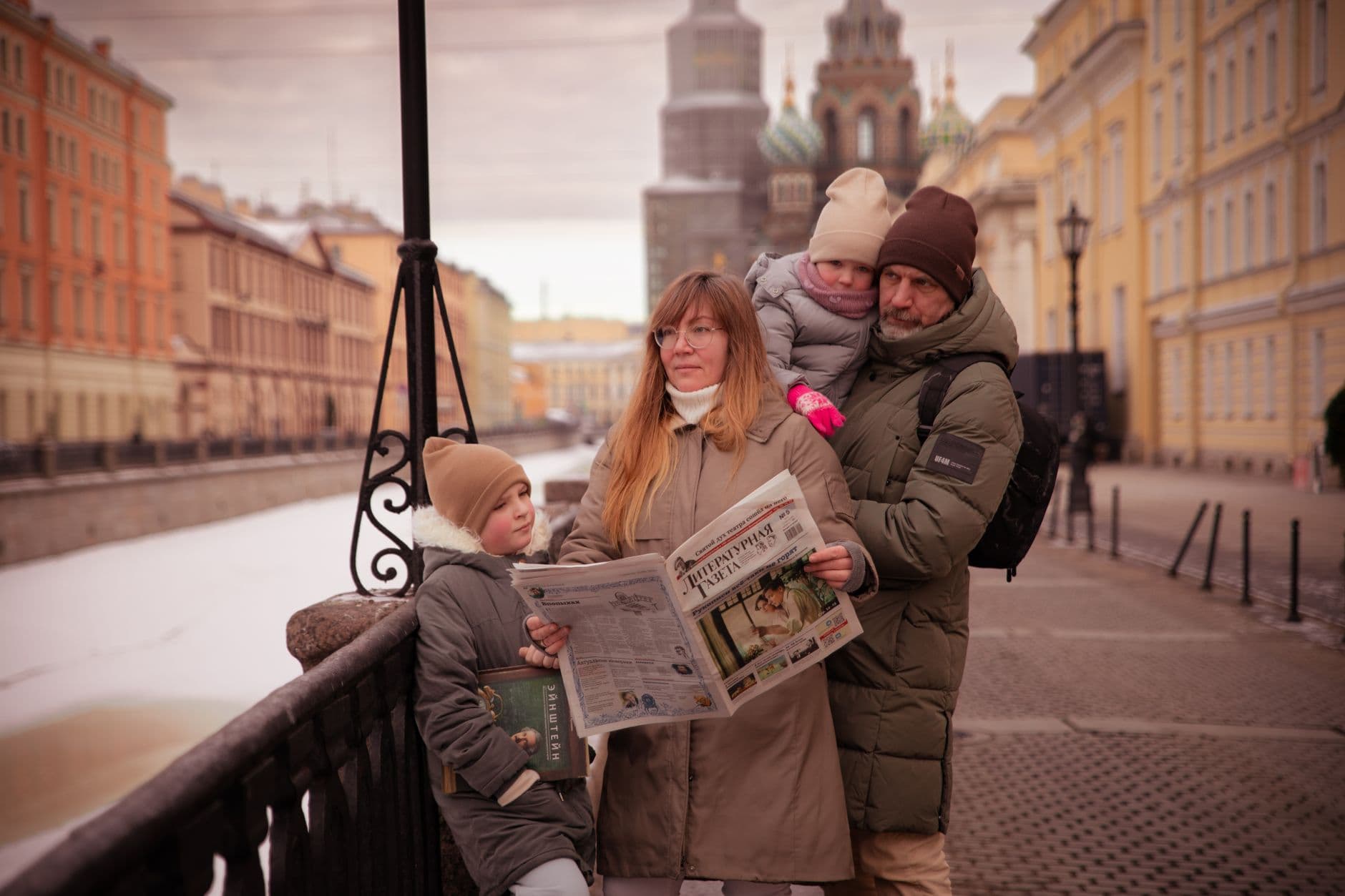
Det finns ett fantastiskt liv på Moskvas gator; använd onlinekartor för att hitta rutter, drick kaffe på innergårdscaféer och njut av parker där lokalbefolkningen kopplar av. Utforska olika distrikt, njut av dem och åk sedan mellan gallerier och ploschad-torg. Denna resplan håller kostnaderna låga och huvudstadens hjärta lyser även med begränsade medel.
Det finns en vetenskap i att spara: skaffa ett resekort för flera resor, leta efter kaféer nära parker för kaffe och skapa en resplan som samlar gallerier och ploschad-besök. Lokalbefolkningen delar tips om genomsnittliga priser, så du kan njuta av dem utan att spendera för mycket. Du kommer inte att missa viktiga sevärdheter om du schemalägger morgnarna för museer och håller huvudstadens hjärta i sikte under kvällarna i livliga stadsdelar.
Fantastiska rutter uppstår när du växlar mellan dagar med fri entré och livliga kvarter: promenera genom parker i gryningen, njut av kaffe vid floden och åk till gallerier som är öppna sent på kvällen för allmänheten. Det finns mycket att upptäcka, och huvudstadsrytmen förblir stadig även när folkmassorna skiftar. Lokalbefolkningen delar rutter som fungerar bra och förvandlar en dag till en sekvens av små, givande ögonblick.
Var man kan bo billigt i Moskva
Bo på ett vandrarhem i sovsal inom gångavstånd till minst en tunnelbanestation; det genomsnittliga priset per natt är cirka 1 200-2 000 RUB, medan privata rum kostar 3 500-6 000 RUB. Kök och gemensamma utrymmen ökar värdet; boka på bokningssidor och bekräfta om de accepterar kort eller föredrar kontanter. Notera skatter och eventuella serviceavgifter vid ankomst.
- Områden: centrala distrikt som Presnensky, Basmanny och Tagansky erbjuder lugna gator, fotgängarvänliga rutter och ett tätt nätverk av matställen och kaféer. De ligger nära flera tunnelbaneutgångar, så du kan nå linjer och sevärdheter inom några minuter, med varierande stämning under dagen.
- Boende: vandrarhem med flera sängar och privata rum; mikro-lägenheter i yttre tegelbyggnader; dagspriser varierar beroende på säsong; det finns också studentboenden som är användbara för längre vistelser till lägre kostnad.
- Praktiska tips: kolla listningssidorna för en omfattande notering, verifiera om kontanter eller kort accepteras och bekräfta om handdukar eller sängkläder ingår. Vissa ställen kan kräva en återbetalningsbar deposition; vissa tar också extra betalt för sen incheckning.
- Transit och biljetter: tunnelbanebiljetter är billiga; de flesta vandrarhem ligger nära stationer, vilket gör att du kan nå viktiga sevärdheter inom några minuter. Leta efter boenden med närliggande biljettautomater och överväg ett dagskort om du planerar många resor.
- Erfarenhetsplanering: välj en plats med lugna kvällar, men ändå i hjärtat av aktiviteten; det finns distrikt nära floden för en avslappnad stämning. På morgonen kan du ta en kopp kaffe på närliggande kaféer och planera en promenad för att täcka flera områden inom en dag.
Obs: för en omfattande översikt, jämför 3-5 listningssidor, kolla exteriörbilder, läs recensioner som fokuserar på dagliga ljudnivåer och se till att det finns en närliggande livsmedelsbutik eller marknad för billig mat. Huvudstadens hjärta rymmer vetenskapscenter och museer, där du kan suga åt dig kultur med användbara, billiga upplevelser och äta gott på närliggande matställen, vilket gör en vistelse i staden både prisvärd och minnesvärd.
Ta sig runt: Billigaste transportalternativen i Moskva
Köp ett Troika-kort i vilken tunnelbanekiosk som helst och fyll på det med tillräckligt med pengar för att täcka flera resor; detta enda betalningsmedel snabbar upp åtkomsten och låter dig åka tunnelbana, spårvagnar och bussar utan att köpa biljetter vid varje hållplats, vilket också undviker köer.
För att förflytta dig mellan områden som комсомольская och museidistriktet är det stora, breda tunnelbanenätet oslagbart; tåg anländer med några minuters mellanrum, inklusive morgonrusningen, och byten vid större stationer är enkla.
För korta hopp runt staden erbjuder spårvagnar och bussar billigare alternativ; verifiera aktuella priser på den officiella webbplatsen och överväg en Troika-baserad plan om du planerar att besöka utställningar eller föreläsningar under en enda dag; du kan köpa biljetter eller trycka med Troika för vilken resa som helst, ytterligare en besparingsväg om du åker under lågtrafik.
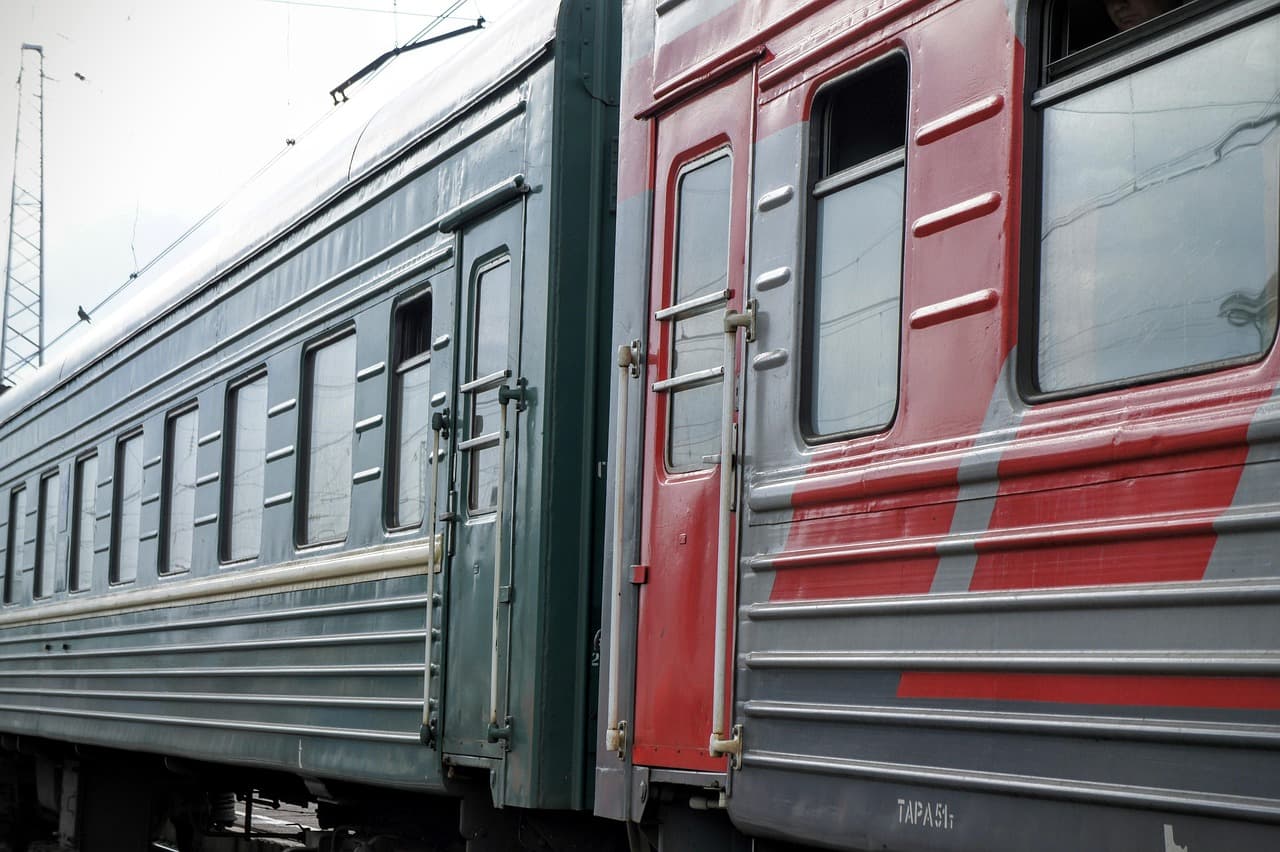
För resor utanför de centrala distrikten förbinder pendeltåg stationer längs en bred korridor till närliggande städer och ansluter till och med till vissa utkanter med dammar och parkområden; detta gigantiska nätverk är det billigaste sättet att åka mellan städer, planera din rutt och köpa ett flexibelt pass om du förväntar dig flera resor.
Var beredd på underhållsstängningar: vissa linjer eller stationer kan vara stängda; följ yttre skyltar och officiella inlägg för att justera dina planer och byta till bussar för kontinuitet.
Nära stationer som комсомольская hittar du matställen där en billig bit mat passar mellan resorna; omgivningarna är vackra, med storslagen arkitektur och utställningar i närheten, så du kan förlänga ett besök på museer utan långa promenader.
Morgnarna erbjuder lättare folkmassor på centralstationen, så planera din start tidigt och verifiera tidtabeller innan du går ner till plattformarna.