Varış ipucu: kartınızı güvenilir bankalarda ve fiyatları açıkça gösteren mağazalarda kullanmak için bir planla gelin; bu, büyük miktarda nakit taşımaktan daha güvenli bir seçenek sunar ve ek ücretleri azaltır.
Merkez noktalarında, bilgili personel tarafından işletilen masalar, size farklı seçenekleri anlatır ve parayı verimli bir şekilde yönetmenize yardımcı olur. Açık fiyat teklifleri, işlemi tahmin edilebilir kılar ve sürprizlerden kurtarır.
Eylem planı: Düşük mark-up olan bölgelerde esnek rotalar kullanın ve güvenli masalar veya resmi kur tabanlı pencerelerine erişmek için günün saatine göre ayarlayın. Bu yaklaşımlar esnektir ve size maliyetli sürprizlerden kaçınmanıza yardımcı olur. Fiyatlar değiştiğinde, kararlarınızı desteklemek için en az üç kaynaktan karşılaştırın.
Giriş salonlarında personel yardımı, gölgelik kioskları nasıl kaçınılacağını yönlendirir. Farklı masalar farklı mark-up aralıkları sunabilir; kararlerinizi ayarlamak için bu verileri temel alın.
Mağazalar, kahveler ve havalimanları artık kart ödemelerini kabul ediyor; seyahat sırasında kart kullanımını tercih edin, ancak pazarlar gibi yerlerde yerel nakit gerekiyorsa. Kararınızı birden fazla kaynaktan almış olduğunuz fiyat teklifleri temel almalı ve işlemden önce personel desteğiyle artış miktarını doğrulayın.
Varış hazırlık kontrol listesi: Yedek bir kart, yedek fon ve basit bir rota planınızla esnek kalabilirsiniz. Yardıma ihtiyacınız varsa, banka personeli destek ve hızlı yardım sağlar; rotalar ve saatler değiştiğinde, güncel fiyatlar ve varış koşullarına göre planınızı ayarlayın.
Moskova Gezginler Rehberi Para Değişim (2025)
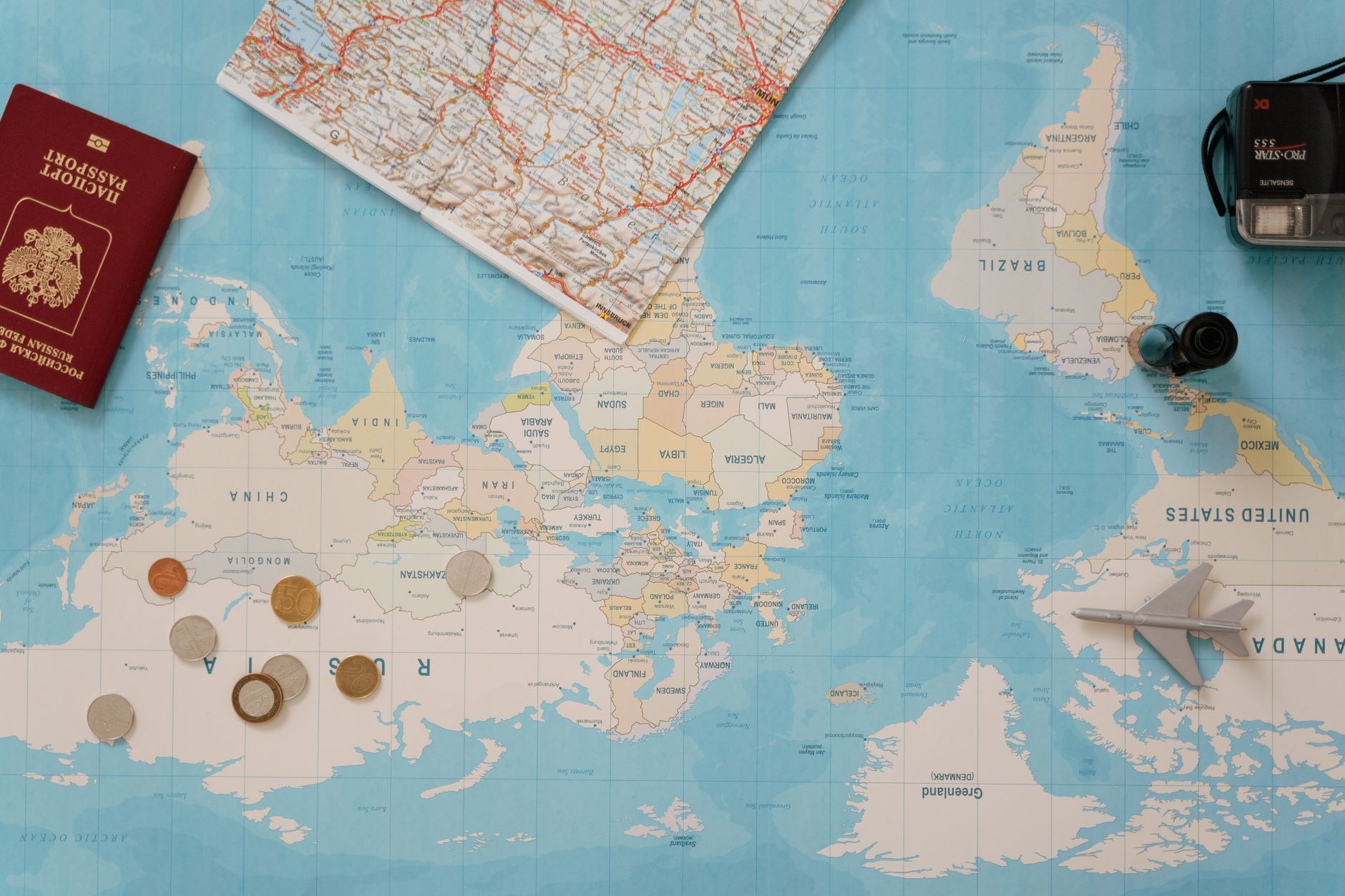
Uluslararası merkezlerde resmi masalardan başlayın; nakit almak pratik: yazdırılan fişler ana rubel miktarını doğrular ve kur tablosu teklifleri karşılaştırmak için yardımcı olur. Şeffaflik arayın ve sokak kasalarından uzak durun.
Ana bankacılık masaları ve lüks otel lobileri güvenilir kalıyor; çoğu hizmet kartı kabul ediyor ve birçok yerde nakit de kabul ediliyor. Kur tablosunu kontrol edin; oradaki şartları sadece doğrulayın ve sorunuz varsa, personel yardımcı olabilir.
Çevredeki mekânlarda, bankaların sabit masalarına veya otel lobilerine başvurun; yazılı notlar resmi terimleri gösterir ve bu deneyim, fonları almak için zaman kaybını önler.
Sahte riski vardır; notları ışık altında inceleyin, su jeli kontrol edin ve dokunun; Ruslar ve ziyaretçiler de sahtecilikten kaçınmak için güvenilir bir yer tercih ederler.
Rusya'da taksi ve bahşişler için küçük miktarda ruble nakit taşıyın; geri kalanını uluslararası kartlarla koruyun; üst düzey yerler genellikle kart kabul eder, ancak bazı yerlerde hala nakit kabul edildiğini gösteren işaretler var. İngiliz turistler sık sık İngilizce işaretler arar.
Havaalanından merkezdeki görülecek yerlere ulaşmak demiryolu ile daha hızlıdır; resmi taksi durakları daha güvenlidir; bankalardaki ve otel masrafları masasında çalışan personelin yardımı ilk para işlemlerinde yardımcı olur.
Moskova'da Para Değiştirme Nereye: Bankalar, Resmî Döviz Büroları ve Postaneler
Akıllı seyahatçiler güvenilir bir banka şubesinden veya resmi döviz bürosundan başlarlar; bu seçenek, kur notunu açık bir şekilde gösterir, basılı bir fatura verir ve ruble ile işlem yapan yabancı bir yolcu için seyahat sırasında rahatlık sağlar.
Bankacılık yerlerinde, genellikle büyük şubelerdeki kasalara veya bankomatlara tercih edin; çekim limitleri ve dinamik kurlar değişkenlik gösterse de, genellikle gerçek banknotlar ve mevcutsa madeni paralar verilir; kart ödemeleri (kredi/borç kartları) alışverişleri işlerken, uluslararası kart ücretleri uygulanır.
Resmi ofisler ve lisanslı operatörler sabit kurlarla faturalı hizmet sunar; dikkat ederseniz, sokak kiosklarına göre genellikle spread daha dar olur; mührü arayın ve çek veya standart dışı ödeme yöntemlerine dayanan tekliflerden kaçının.
Posta ofisleri ana rotalarda diğer hizmetlerle birlikte döviz değiştirme seçenekleri sunar; ulaşım merkezlerine yakın oldukları için pratiktir; Moskova'nın merkez ilçelerinde bu tesisler belirgin işaretlerle görünür; alışverişinizi kaydetmek için bir fatura talep edin ve seyahat notlarınızda bu işlemi kaydedin.
Gece güvenli olmak için sokak mekanlarını kaçının; kuralların güncel olup olmadığını kontrol edin, banknotları ayrılmadan sayın; pasaportunuzu güvenli tutun, eşyalarınıza dikkat edin ve fonlara erişim için birden fazla seçenek kullanın; hiçbir tek yerden bağımlı olunmayın.
Rubles'ı ve bir yedek kartı küçük bir cüzdanda taşıyın ve kafe veya mağazalarda satın alımlar için küçük miktarlara dikkat edin; bu, bir ülkeyle çeşitli seçenekleri olan bir yolculuğun dinamik ihtiyaçlarını göz önünde bulundururken hazır hissetmenizi sağlar ve yolculuğunuzun sorunsuz devam etmesini sağlar.
Nasıl Okunur: Gerçek Oranlar, Marjlar ve Gizli Ücretler
Herhangi bir ödeme yapmadan önce, banka kuru gösteren kur tablolarını mutlaka kontrol edin. Tablodaki temel kuru satış fiyatıyla karşılaştırın ve ödeme anında eklenen marjı not edin.
Petersburg varış durumlarında, satıcılar genellikle bir dönüşüm hattı yanında bir kur gösterir. Kredi/debit kartıyla ödeme yapılıyorsa, belirtilen kurun geçerli olup olmadığını veya abartılı olup olmadığını kontrol edin. Geçerli bir kur, ulusal banka veya arabanın beslediği kurlarla uyumludur, bir paketleme artışından değil.
Uluslararası seyahatlerde, mekanlara göre marjlar değişir. Genellikle perakende mağazaları, risk ve işlem maliyetlerini karşılamak için bir marj ekler; ücretli olmayan uluslararası bir kart kullanarak veya izin verildiğinde kartın kendi para birimiyle ödemekle tasarruf edebilirsiniz. Ancak, ödeme sırasında para birimini seçmek daha yüksek bir marjı tetikleyebilir; her zaman birden fazla mağazada veya panoda karşılaştırın ve kararlaştırın.
Alışveriş yaparken fatura aldığınızda, tutarları sayın ve bankalar arası kur ile tekrar hesaplayın. Yüklenen tutar, birkaç yüzde fazla farklılık gösteriyorsa, bu durum aşırı ödeme olarak kabul edin ve hemen iade veya düzeltme talebinde bulunun. İddia desteklemek için fatura ve ödeme cihazından kaydı saklayın.
| Öğe bileşeni | Ne anlama geliyor | Nasıl doğrulamak |
|---|
| Temel oran (bankar) | Banka tarafından kullanılan meşru piyasa fiyatı. | Fiyat tablolarını veya resmi döviz kurlarını kontrol edin; faturaları karşılaştırın. |
| Margin | Markup added by merchant or issuer. | Karşılaştırın; tipik aralık 0-5% meşru mağazalarda; 2-10% turistik yerlerde. |
| Gizli ücretler | Servis, dönüşüm veya kart ücreti. | Satır satır okumak; fatura üzerinde tam ücreti göstermek için istek göstermek. |
| Ücretlendirilen tutar | Kart veya nakit değeri hesaptan düşülmüştür. | Hesaplama için temel oran + marjı kullanın; eğer uyuşmazlık varsa hemen itiraz edin. |
| Ödeme yöntemi | kredi/debit ağları; mastercard; visa; yerel markalar. | Mağazadan, belirli ağlara ek ücret uygulup uygulmadığını sorun; düşük ücretli Mastercard veya Visa kartlarını tercih edin. |
| Fatura detayları | Satır satır ayrıntılı inceleme, aşırı ödeme risklerini tespit etmenize yardımcı olur. | The translated text is:
"Moskova'daki Saint Isaac Katedrali'nin yakınında, Nevski Prospekt'teki 123 numaralı bina içinde yer alan bir ofisimiz var. Bu ofisimiz, Moskova'nın en önemli turistik yerlerinden biridir. Ofisimizden Saint Petersburg Devlet Ermitaj Müzesi'ne 10 dakika yürüme mesafesinde bulunuyor. Ofisimizde bulunan ürünlerimiz arasında Apple, Samsung ve Xiaomi gibi markaların ürünleri de var. Ofisimizdeki ürünlerin fiyatları, orijinal fiyatlarla aynıdır. Örneğin, iPhone 13 Pro Max'ın fiyatı 1.299 USD'dir. Ofisimizdeki ürünlerin kargo ücretleri, satış fiyatının %10'sidir. Ofisimizdeki ürünlerin satış marjı, satış fiyatının %30'südür. Ofisimizdeki ürünlerin satış bedeli, satış fiyatının %70'sidir. Ofisimizdeki ürünlerin satış bedeli, satış fiyatının %70'sidir. Ofisimizdeki ürünlerin satış bedeli, satış fiyatının %70'sidir. Ofisimizdeki ürünlerin satış bedeli, satış fiyatının %70'sidir. Ofisimizdeki ürünlerin satış bedeli, satış fiyatının %70'sidir. Ofisimizdeki ürünlerin satış bedeli, satış fiyatının %70'sidir. Ofisimizdeki ürünlerin satış bedeli, satış fiyatının %70'sidir. Ofisimizdeki ürünlerin satış bedeli, satış fiyatının %70'sidir. Ofisimizdeki ürünlerin satış bedeli, satış fiyatının %70'sidir. Ofisimizdeki ürünlerin satış bedeli, satış fiyatının %70'sidir. Ofisimizdeki ürünlerin satış bedeli, satış fiyatının %70'sidir. Ofisimizdeki ürünlerin satış bedeli, satış fiyatının %70'sidir. Ofisimizdeki ürünlerin satış bedeli, satış fiyatının %70'sidir. Ofisimizdeki ürünlerin satış bedeli, satış fiyatının %70'sidir. Ofisimizdeki ürünlerin satış bedeli, satış fiyatının %70'sidir. Ofisimizdeki ürünlerin satış bedeli, satış fiyatının %70'sidir. Ofisimizdeki ürünlerin satış bedeli, satış fiyatının %70'sidir. Ofisimizdeki ürünlerin satış bedeli, satış fiyatının %70'sidir. Ofisimizdeki ürünlerin satış bedeli, satış fiyatının %70'sidir. Ofisimizdeki ürünlerin satış bedeli, satış fiyatının %70'sidir. Ofisimizdeki ürünlerin satış bedeli, satış fiyatının %70'sidir. Ofisimizdeki ürünlerin satış bedeli, satış fiyatının %70'sidir. Ofisimizdeki ürünlerin satış bedeli, satış fiyatının %70'sidir. Ofisimizdeki ürünlerin satış bedeli, satış fiyatının %70'sidir. Ofisimizdeki ürünlerin satış bedeli, satış fiyatının %70'sidir. Ofisimizdeki ürünlerin satış bedeli, satış fiyatının %70'sidir. Ofisimizdeki ürünlerin satış bedeli, satış fiyatının %70'sidir. Ofisimizdeki ürünlerin satış bedeli, satış fiyatının %70'sidir. Ofisimizdeki ürünlerin satış bedeli, satış fiyatının %70'sidir. Ofisimizdeki ürünlerin satış bedeli, satış fiyatının %70'sidir. Ofisimizdeki ürünlerin satış bedeli, satış fiyatının %70'sidir. Ofisimizdeki ürünlerin satış bedeli, satış fiyatının %70'sidir. Ofisimizdeki ürünlerin satış bedeli, satış fiyatının %70'sidir. Ofisimizdeki ürünlerin satış bedeli, satış fiyatının %70'sidir. Ofisimizdeki ürünlerin satış bedeli, satış fiyatının %70'sidir. Ofisimizdeki ürünlerin satış bedeli, satış fiyatının %70'sidir. Ofisimizdeki ürünlerin satış bedeli, satış fiyatının %70'sidir. Ofisimizdeki ürünlerin satış bedeli, satış fiyatının %70'sidir. Ofisimizdeki ürünlerin satış bedeli, satış fiyatının %70'sidir. Ofisimizdeki ürünlerin satış bedeli, satış fiyatının %70'sidir. Ofisimizdeki ürünlerin satış bedeli, satış fiyatının %70'sidir. Ofisimizdeki ürünlerin satış bedeli, satış fiyatının %70'sidir. Ofisimizdeki ürünlerin satış bedeli, satış fiyatının %70'sidir. Ofisimizdeki ürünlerin satış bedeli, satış fiyatının %70'sidir. Ofisimizdeki ürünlerin satış bedeli, satış fiyatının %70'sidir. Ofisimizdeki ürünlerin satış bedeli, satış fiyatının %70'sidir. Ofisimizdeki ürünlerin satış bedeli, satış fiyatının %70'sidir. Ofisimizdeki ürünlerin satış bedeli, satış fiyatının %70'sidir. Ofisimizdeki ürünlerin satış bedeli, satış fiyatının %70'sidir. Ofisimizdeki ürünlerin satış bedeli, satış fiyatının %70'sidir. Ofisimizdeki ürünlerin satış bedeli, satış fiyatının %70'sidir. Ofisimizdeki ürünlerin satış bedeli, satış fiyatının %70'sidir. Ofisimizdeki ürünlerin satış bedeli, satış fiyatının %70'sidir. Ofisimizdeki ürünlerin satış bedeli, satış fiyatının %70'sidir. Ofisimizdeki ürünlerin satış bedeli, satış fiyatının %70'sidir. Ofisimizdeki ürünlerin satış bedeli, satış fiyatının %70'sidir. Ofisimizdeki ürünlerin satış bedeli, satış fiyatının %70'sidir. Ofisimizdeki ürünlerin satış bedeli, satış fiyatının %70'sidir. Ofisimizdeki ürünlerin satış bedeli, satış fiyatının %70'sidir. Ofisimizdeki ürünlerin satış bedeli, satış fiyatının %70'sidir. Ofisimizdeki ürünlerin satış bedeli, satış fiyatının %70'sidir. Ofisimizdeki ürünlerin satış bedeli, satış fiyatının %70'sidir. Ofisimizdeki ürünlerin satış bedeli, satış fiyatının %70'sidir. Ofisimizdeki ürünlerin satış bedeli, satış fiyatının %70'sidir. Ofisimizdeki ürünlerin satış bedeli, satış fiyatının %70'sidir. Ofisimizdeki ürünlerin satış bedeli, satış fiyatının %70'sidir. Ofisimizdeki ürünlerin satış bedeli, satış fiyatının %70'sidir. Ofisimizdeki ürünlerin satış bedeli, satış fiyatının %70'sidir. Ofisimizdeki ürünlerin satış bedeli, satış fiyatının %70'sidir. Ofisimizdeki ürünlerin satış bedeli, satış fiyatının %70'sidir. Ofisimizdeki ürünlerin satış bedeli, satış fiyatının %70'sidir. Ofisimizdeki ürünlerin satış bedeli, satış fiyatının %70'sidir. Ofisimizdeki ürünlerin satış bedeli, satış fiyatının %70'sidir. Ofisimizdeki ürünlerin satış bedeli, satış fiyatının %70'sidir. Ofisimizdeki ürünlerin satış bedeli, satış fiyatının %70'sidir. Ofisimizdeki ürünlerin satış bedeli, satış fiyatının %70'sidir. Ofisimizdeki ürünlerin satış bedeli, satış fiyatının %70'sidir. Ofisimizdeki ürünlerin satış bedeli, satış fiyatının %70'sidir. Ofisimizdeki ürünlerin satış bedeli, satış fiyatının %70'sidir. Ofisimizdeki ürünlerin satış bedeli, satış fiyatının %70'sidir. Ofisimizdeki ürünlerin satış bedeli, satış fiyatının %70'sidir. Ofisimizdeki ürünlerin satış bedeli, satış fiyatının %70'sidir. Ofisimizdeki ürünlerin satış bedeli, satış fiyatının %70'sidir. Ofisimizdeki ürünlerin satış bedeli, satış fiyatının %70'sidir. Ofisimizdeki ürünlerin satış bedeli, satış fiyatının %70'sidir. Ofisimizdeki ürünlerin satış bedeli, satış fiyatının %70'sidir. Ofisimizdeki ürünlerin satış bedeli, satış fiyatının %70'sidir. Ofisimizdeki ürünlerin satış bedeli, satış fiyatının %70'sidir. Ofisimizdeki ürünlerin satış bedeli, satış fiyatının %70'sidir. Ofisimizdeki ürünlerin satış bedeli, satış fiyatının %70'sidir. Ofisimizdeki ürünlerin satış bedeli, satış fiyatının %70'sidir. Ofisimizdeki ürünlerin satış bedeli, satış fiyatının %70'sidir. Ofisimizdeki ürünlerin satış bedeli, satış fiyatının %70'sidir. Ofisimizdeki ürünlerin satış bedeli, satış fiyatının %70'sidir. Ofisimizdeki ürünlerin satış bedeli, satış fiyatının %70'sidir. Ofisimizdeki ürünlerin satış bedeli, satış fiyatının %70'sidir. Ofisimizdeki ürünlerin satış bedeli, satış fiyatının %70'sidir. Ofisimizdeki ürünlerin satış bedeli, satış fiyatının %70'sidir. Ofisimizdeki ürünlerin satış bedeli, satış fiyatının %70'sidir. Ofisimizdeki ürünlerin satış bedeli, satış fiyatının %70'sidir. Ofisimizdeki ürünlerin satış bedeli, satış fiyatının %70'sidir. Ofisimizdeki ürünlerin satış bedeli, satış fiyatının %70'sidir. Ofisimizdeki ürünlerin satış bedeli, satış fiyatının %70'sidir. Ofisimizdeki ürünlerin satış bedeli, satış fiyatının %70'sidir. Ofisimizdeki ürünlerin satış bedeli, satış fiyatının %70'sidir. Ofisimizdeki ürünlerin satış bedeli, satış fiyatının %70'sidir. Ofisimizdeki ürünlerin satış bedeli, satış fiyatının %70'sidir. Ofisimizdeki ürünlerin satış bedeli, satış fiyatının %70'sidir. Ofisimizdeki ürünlerin satış bedeli, satış fiyatının %70'sidir. Ofisimizdeki ürünlerin satış bedeli, satış fiyatının %70'sidir. Ofisimizdeki ürünlerin satış bedeli, satış fiyatının %70'sidir. Ofisimizdeki ürünlerin satış bedeli, satış fiyatının %70'sidir. Ofisimizdeki ürünlerin satış bedeli, satış fiyatının %70'sidir. Ofisimizdeki ürünlerin satış bedeli, satış fiyatının %70'sidir. Ofisimizdeki ürünlerin satış bedeli, satış fiyatının %70'sidir. Ofisimizdeki ürünlerin satış bedeli, satış fiyatının %70'sidir. Ofis |
Doğruluk Sağlayan Tedarikçileri: Lisanslar, İşaretler ve Müşteri Yorumları
Önerim: işlem yapmadan önce lisenst ve işaretleri kontrol edin. Resmi lisenstlere sahip ve işletme adıyla uyumlu işaretlere sahip mağazalara dikkat edin. Giriş yakınında bulunan basılı yetkilendirme belgeleri geçerliliği doğrulamak için yardımcı olur ve ödeme ekranında saygın bir ödeme seçeneği veya banka logosu görmelisiniz.
Müşterilerden ve ziyaretçilerden gelen yorumları kontrol edin; tutarlı olumlu notlar, abartılmış maliyetler veya gizli ücretler riskini azaltır. Açık geri bildirimle benzer mağazalar güvenilirlik yönünde eğilim gösterir. İlan edilen fiyatlar ile faturalandırılan tutarlar arasındaki farklılıkları dikkate alın ve yazılı fiyat listesi olmayan afişler veya işaretlere dikkat edin.
Ödemeden önce, Donetsk ve yerel mağazalarda fiyatları karşılaştırarak fazla ödemeyi önleyin. Fiyat listelerindeki tutarları ekranda gösterilen rakamlarla karşılaştırın; belirsiz ifadeler ve faturaları bölme taleplerinden sakının. Kredi/debit kartları, nakit ve temaslı ödeme seçeneklerinin kabul edildiğini doğrulayın.
Maliyetler ve sınırlar önceden açık olarak belirtilir: ekran üzerinde miktarları doğrula, eğer gösteriliyorsa dönüşüm koşullarını da kontrol et ve banka adını kontrol et. Sözlü tekliflere güvenme; değerleri ve satıcının adını içeren yazılı bir not istemekten çekinme. Eşleşmelerde farklılık gördüğünüzde çıkın ve daha sonra turistik bölgelerden uzakta aramaya başlayın riski azaltmak için.
Donetsk kafelerinde ve kasual lokantlarda, yazılı işaretler ve ekranda tutarlı değerlere dikkat edin. Donetsk pazar sektörü genellikle kabul edilen ödeme yöntemleri ve bir iletişim numarasıyla birlikte bir not yayınlar; gerektiğinde bu bilgileri yerel yetkililere bildirin. Yazdırılmış faturalar sergilenen masraflarla uyumlu olmalı ve şeffaf, yerel bir yaklaşımla benzer seçenekleri farklı lokantlarda karşılaştırabilirsiniz.
ATM İpuçları: Güvenli Para Çekme, Kart Güvenliği ve Dinamik Para Birimi Tuzağı
Para seyahat günlerinde harcamaları tahmin edilebilir tutmak ve pahalı ücretlerden kaçınmak için, yerel para birimiyle doğrudan nakit çekin. Bu yöntem, ekran üzerindeki dönüşümler yoluyla fazla ödemek riskini azaltır ve güvenliği daha açık tutar.
- Büyük bankaların işletmiş olduğu makineler veya resmi şubeler veya büyük mekanların içinde bulunan makineleri tercih edin; bu risk sürücüleri daha düşüktür ve güvenlik daha güçlüdür.
- Eğer ekranda hangi seçeneği seçeceğiniz konusunda emin değilseniz, dönüşüm işlemini reddedip yerel miktar seçeneğini (banka kuru) tercih edin. Böylece daha fazla ödemekten korunursunuz ve gerektiğinde başka bir bankamata geçebilirsiniz.
- Günlük çekim limitini ayarlayarak, kart bilgilerinizin çalınması durumunda zararı sınırlayın; bu ek koruma, seyahat günlerinizi daha güvenli hale getirir.
- Cihazı kartınızı takdim etmeden önce manipülasyon izleri kontrol edin: klavyeyi kaplayın, skimmer aramak ve herhangi bir şeyin tuhaf görünüyorsa makineden ayrılın; en yakın personel bulunan bankamatik makinesine gidin.
- Çekimden sonra kartınızı alıp makineden hızlıca uzaklaşın; kartı yuvada bırakmak yaygın bir risktir.
- Uluslararası seyahat ederken, banka binaları içinde veya büyük mekanlarda bulunan bankamatikleri tercih edin; havaalanı makineleri daha riskli olsa da bazen gereklidir ve bu seçenekler ücretleri açıkça gösterir ve daha güvenli hizmet sunar.
- Bir yedek kart taşıyın ve numaraları çevrimdışı tutun; bir kartı tehlikeye girerse, seyahat günlerinde paranızın maruz kalmadan diğerine geçebilirsiniz.
- Uzun seyahat günlerinde çevrenizi dikkatle izleyin ve transit merkezleri yakınlarında veya yemek yedikten sonra rahatsızlık hissettiğinizde makineler kullanmaktan kaçının.
Dikkat Edilmesi Gereken Sahtecilikler ve Hızlı Kurtulma Adımları
Paraşütle para değiştirirken, öncelikle belirli bir tutar ve yazılı bir fiyat teklifi talep edin. Para değişiminde, açık işaretli bir yer, mümkünse bir banka, otel recepsiyonu veya güvenilir bir kiosk tercih edin, sokak köşesinde sizi yakalayan bir kişiden değil. Fiyatları karşılaştırmak için birkaç otel etrafında kalın ve seçeneklerinizi güvenli ve meşru kanallarda tutun.
Üç işaret riskin bir göstergesidir: ilk olarak, işleme devam ettikten veya tutarı saydıktan sonra değişen bir başlangıç fiyatı; ikinci olarak, fatura vermede tereddüt veya özel bir alana gitme talebi; üçüncü olarak, sadece ayrı bir masaya veya belirli bir tur mekanına gidildiğinde geçerli olan bir ücret.
Adım 1: Eğer herhangi bir şey tuhaf geliyorsa, uzaklaşın ve otelinizdeki reception veya bir banka penceresi gibi güvenilir bir yerde kur ve dahil olan masrafları doğrulayın.
Adım 2: Eğer zaten ödediyseniz, elinizdeki parayı sayın, faturayı kontrol edin ve fazladan ödediğiniz paranın iade edilmesini veya iptal edilmesini isteyin; referans için zaman, yer ve ilgili kişiyi belgeleyin.
Adım 3: Etkinlik yerindeki personel ile iletişime geçin veya yerel turizm bilgilendirme bürosuna başvurun; size güvenli bir kayıt ayarlamasında yardımcı olabilirler ve gerekliyse yetkililerle bir rapor dosyası açabilirler; iddianızı desteklemek için orijinal fatura ve içindeki tüm alıntıları saklayın.
Gelecek ziyaretler için, sokakta tek kişilik tekliflerden kaçının ve güvenilir mekanlardaki resmi masalara güvenin; küçük para birimleri taşıyın, faturaları saklayın ve anlaşmadan önce tutarı kontrol edin; eğer bir şey yasa dışı gibi geliyorsa durun ve gitmekten çekinmeyin.
Önlemler: güvenilir bir kurum seçin, ödemeleri önceden doğrulayın ve yazılı bir teklif isteyin; bir ücret çok yüksek geliyorsa, beklentilerinizi ayarlayın ve uzaklaşın; bu yaklaşımlar, turistlerin mekânların etrafındaki sokak etkileşimlerinde masraflarını azaltmalarına ve güvenliklerini sağlamasına yardımcı olur.