Rasstegai ile tatlamayı başlatın, ardından kontrast için lahana dolu yuvarlaklar için döngü yapın. Bu yaklaşım, tekstürü, porksiyon başına fiyatı ve erken hasattan geç hasata kadar lezzetlerin nasıl geliştiğini açıklıkla ortaya koyar.
Moskova ve Sankt-Peterburg'da ritim mevsimlere göre değişir. Lezzetler, hamurun yumuşluğuna rağmen keskin ve tuzlu iç dolgular ile hassas şekerli üstler arasında dolaşır; eller ve parmaklar için yeterince sağlam kalırlar. Özel bir not: birçok ürün yuvarlak şekilde veya meyvelerin suyunu tutan koni şeklinde gelir, park toplantıları ve rahat etkinliklerde paylaşmak için idealdir.
En iyi örnekleri nerede keşfedebilirsiniz? Rasstegai ve lahana dolu yuvarlakları temel ürün olarak etiketleyen fırınları arayın ve zengin, süzülmüş çay eşliğinde listelenen ürünleri içeren tezgahları kontrol edin. Sabırlı fırıncı genellikle sakin bir sabah vardişinden sonra en iyi lezzetleri ortaya çıkarır; burada en erken ve en kokulu kokuya sahip olursunuz.
Bir seçkin tatma deneyimi için, birkaç çeşidi bir plâta hazırlayın: rasstegai, lahana dolgulu yuvarlaklar ve birkaç tatlı seçenek, her biri en iyi lezzet ve dokunun dengeli olması için seçilmiştir. Aile hikâyesinde, mari mutfağından kafeye ve geri dönen bir tarif anlatıyor.
Erken sonbahar ve diğer kutlamalar sırasında, damakları temizlemek için bir turşu şişesi ve hafif bir çorba hazır tutun; bu uygulama ritmin ve geleneksel alışkanlığın duyusunu artırırken, aromaların parmaklarda kalmasını sağlar.
Temel pastalar, hamurlar ve bölgesel tatlar türlerini tanımlayın
Bir tek başına kullanabilecek esnek hamur tabanıyla başlayın: tereyağlı yufka hamuru. Yarı santimetre kalınlığa açın, soğutun ve çizgili pişirin; bu plan, iş akışını verimli tutar ve her seferinde doldurma seçeneklerinizi değiştirebilirsiniz.
Üç temel hamur ailesi, hem tatlı hem de tuzlu formatları destekler: stabilite için tereyağlı yufka, hafif bir ekmek yapısı için mayalı hamur ve katlı yapı için katlı yufka. Bazı şehir mahallelerinde İtalyan etkisi, zeytinyağ katlamaları ve daha hızlı katlama ritimleriyle görülür.
Bölgesel lezzetler, bölgeler ve mahallelere göre değişir. Rusya'nın geniş mozaik yapısında yerel fırınlar ve hatta komisyon destekli zincirler de yerel lezzetlere uygun ürünler sunar: kıyı bölgelerde tuzlu ve susamlı versiyonlar, merkezi ovalarda sütlü doldurmalar ve güneyde gizli baharat karışımları. Bu çeşitlilik, aile toplantılarından mevsimsel pazarlarına kadar çeşitli etkinliklerde yer alır, gelenekleri yaşatırken ülkenin lezzetlerine uyum sağlar.
| Form | Dough | Bölgesel lezzet notları | Vakitler |
|---|
| Lezzetli fırın | Butter shortcrust | Tuzlu iç dolgular, susam tozu, dereot, soğan; kıyı bölgelerinde yerelleştirilmiştir | Günlük yemekler, rahat toplantılar |
| Tatlı ekşi | Puf börek veya kısık börek | Süt bazlı kremler, meyveler; şehir fırınlarında İtalyan etkisi mevcut | Çay saatleri, kutlamalar |
| Syrniki ilham alan pastalı tatlı | Maydanozlu hamur veya kısmet hamuru | Peynir köpüğü merkezli vanilyalı; bazen de susam tozu kabuğu | Brunch, hafta sonu lezzetleri |
| Saklı susamlı kremalı puding | Kısa yufka ile susam tozu | Susamlı krem peyniri; bölgelere göre yerelleştirilmiş | Vakitler, özel sipariş plaketler |
Pirog ve Pirojki: hamurlar, iç dolgular ve ev pişirme için bölme
Kalın mayalı bir hamur için büyük bir pirog ve elde taşınabilir pirozhki için yumuşak zenginleştirilmiş bir hamur seçin; tüm durumlar için tek bir hamuru zorlamak yerine, her iki hamuru da toplantılar ve günlük yemekler için yapın.
Pirog hamurunu (mayalı) yapmak için: 500 g düz beyaz un, 250-280 ml sıcak süt, 1 büyük yumurta, 100 g erimiş tereyağı, 40 g şeker, 7 g kuru maya, 1 çay kaşığı tuz. Yumuşak bir hamur elde edene kadar yoğurun, sonra odun sıcaklığında iki katına kadar mayalanana kadar bekleyin, genellikle 60-90 dakika; daha sonra şekillendirmek için kısa bir süre dinlendirin ve hafifçe yumuşatın.
Pirojki hamurunu (zenginleştirilmiş) yapmak için: 600 g düz beyaz un, 260 ml süt, 2 yumurta, 100 g tereyağ, 60 g şeker, 7 g maya, 1 çay kaşığı tuz. 8-10 dakika yoğurun, 15 dakika dinlendirin, 3-4 mm kalınlığa açın; bu basit ancak yumuşak hamur, doldurulacak malzemeler için güvenilir keseler verir.
Doldurma seçenekleri arasında klasik patates ve soğan (incece soğanlı püre), lahana ve havuç, mantar ve soğan bulunur; et ve pirinç de yaygındır. Hafif bir seçenek için dil ile birlikte peynir (tvorog) de kullanılabilir. Doldurmayı daha kalorilik yapmak için kolbaska veya pişmiş sosisin küçük parçalarını ekleyebilirsiniz, veya maydanoz ve pırasa gibi otları katabilirsiniz. Tatlı bir dokunuş için şeker ve tarçınla birlikte elma veya fındıklı krem, tiramisu etkilerini hatırlatan bir tatlı varyasyonunu oluşturabilir.
Hamur işleme ve şekillendirme: Pirog için hamuru 3-5 mm kalınlığa açın, 20-22 cm çapında bir tepsiye serin, 0.6-0.8 kg malzemeyi doldurun, ardından üst katı kapatın ve kenarları tıkanın; yüzeyi 2-3 kesikle havalandırın ve tuzlu yumurta suyuyla restoran kalitesinde bir bitişiklik sağlayın. Pirojki için 7-9 cm çapında daireler kesin, her birine 25-40 g malzeme koyun, kenarları tıkanın ve kenarları aşağıya doğru bir kağıt üzerine koyun; malzeme yoğunluğuna göre her parti 12-16 parça planlayın.
Doğal, hafif ve havlu bir ekmek ekmeği için yoğun, ekmek benzeri ekmek kırıklarıyla karışmayın; içi esnek ve nemli, fırınlanmıştan sonra kenarları biraz kırpık olacak şekilde hedefleyin. Hamur yaparken, şekil tutmak için yeterli gluten geliştiğini kontrol edin ancak esnek kalması için. Oduncağı sıcak bölgelerde aşırı mayalanmamak için oduncağı sıcaklığı yardımcı olacak. Hamur parçalanıyorsa, birkaç dakika dinlendirin ve yumuşakça tekrar yoğurun, ardından devam edin.
Baking and finishing: piroğu 180-190°C (350-375°F) sıcaklıkta 30-40 dakika kadar fırında pişirin, kabuk altın sarısı olana ve içi sertleşene kadar; pirozhki'yi 20-25 dakika kadar pişirin, üstleri hafifçe kahverengi olana kadar. Fırından çıkarıldıktan sonra, nemlenmemesi için tel raf üzerinde soğutun; tekstürler yumuşak kalmalı, çökmeden, hatta evde fırın tatlıları gibi tatlı bir lezzet elde etmeye çalışıyorsanız bile.
Depolama ve yeniden işleme: pişmiş ürünleri en fazla 3 gün boyunca soğutarak saklayın, pişirilmemiş parçaları daha sonra taze pişirmek için dondurun veya pişmiş ürünleri 170°C'de 10-12 dakika ısıtın. En iyi sonuçlar için, yeniden ısıtma sonrası iç sıcaklığı kontrol edin ve kırpık kabuk kalmasını sağlayın; bu yöntem, aile veya misafirler için küçük bir toplantı yaparken rahat bir mutfakta değil de canlı bir restoranda pişiriyorsanız bile, beyaz hamurlar ve iç dolguların kurumamasını sağlar.
Bal balına dayalı ve katmanlı klasikler: Medovik, Napoleon ve montaj ipuçları
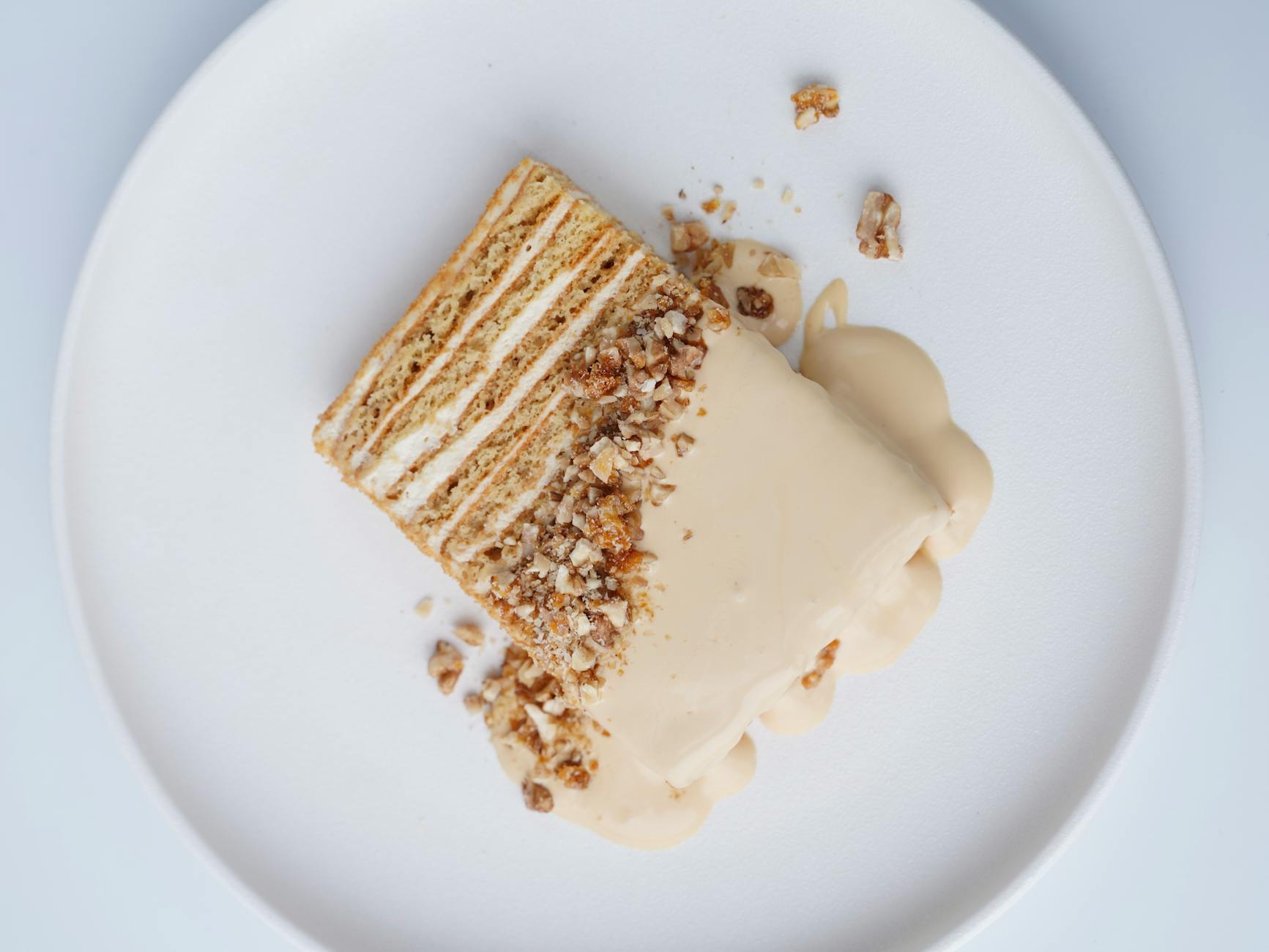
Praktik bir planla başlayın: Medovik katlarını 2.5-3 mm kalınlığında pişirin, her sıcak sayfayı bal şurubu ile fırçalayın ve katmanları birbirine yerleştirmeden önce tamamen soğumasına izin verin. Montaj edilmiş keki 4-6 saat veya bir gece boyunca soğukta bekletin, böylece eşit bir şekilde nemlenmesi ve temiz kesimler sağlanması için. Bu hassasiyet, Sankt-Peterburg mutfaklarından ve SSCB döneminden kalma anılarından geliyor, burada aileler toplantılar ve bir hizmet anı için ekmek, tereyağ ve tatlılık hazır tutuyorlardı.
Medovik doldurması hafif, yünlü bir kremdir. Doldurmayı, tereyağıyı kaymak (veya crème fraîche) ile yoğurmak ve bir dam kondansız süt ekleyerek hazırlayın, ardından katmanlardan bir kaşık bal şurubunu katılarak karıştırın. Her turun arasında ıslaklık önlemek için ince ve düzgün bir tabaka sürün. Koku için susam tozu veya ezilmiş fındıkla tozlayın. Ponchiki (пончики) gibi bir patlıcan isterseniz, merkezi katmanları bal tatına sadık kalacak şekilde düşünün.
Napoleon, yufka katlarını zengin vanilyalı krema ile birbirine dikey olarak diz. 2-3 mm kalınlığında 6-8 adet yufkayı kızartın. Krema için yumurta ve şekeri süt ve vanilya ile karıştırın, sonra mısır nişastasıyla kalınlaştırın; parlak bir dokoya sahip olacak şekilde erimiş tereyağı katın. Her yufkayı hafif bir şurup ile fırçalayın ve katmanları göstermek için cam bir tabak veya derin bir kapta dizin. Birkaç saat soğutun; katmanlar sertleşecek ve krema kesilebilir hale gelecek. Restoran veya ev toplantısında kalabalık için hazır olacak.
Öğe montaj ederken, atık olmaması için tam çapı ölçün; keskin bir bıçakla kenarları kesin, ardından nemli bir bezle silin. Bu yöntemler, Saint Petersburg'tan Kazan'a kadar, mahallelerden barlara, aile için pişiriyorsanız veya restoranda kalabalık için pişiriyorsanız, denendi ve iyileştirildi. Farklı meyvelere veya elmalara uygun olarak glazürü uyarlayarak fikirler toplayarak menüyü yenilikle dolu tutun. Sunum için cam bir tepsiye veya yüksek bir standa koyun; konum ve servis tarzı önemli olsa da, temel adımlar aynı kalır. Sonunda hem Medovik hem de Napoleon, geçmişe yankı veren ve modern misafirleri keyiflendiren gerçek, zevkli bir ısırık sunar.
Sovyet döneminin simgesel tatlıları: Ptichye Moloko, Sharlotka ve diğer dönem klasikleri
Ptichye Moloko ile tadıma başla; bu bulut gibi merkezi, platinin ortasında yer alır ve ince püf shell'in altında bir yünlü doldurucu sunar, parlak bir çikolata ile taçlandırılır. Bu seçenek çocuklar ve kadınlar için de geniş bir çekicilik sunar ve tek bir an içinde sofistike ve yaklaştırılabilir hissi verecektir. Ayrıca, tadı uzatmak için hafif bir çay ve küçük bir elma dilimleri platosu ile tabloyu aşırı yüklemeden genişletmeyi de düşünün.
- Ptichye Moloko - hafif bir krem merkezi, soluk bir püf pastanın içinde, bir lak şokolata kaplamasıyla süslenmiştir. En iyi 60-80 g porksiyonlarda soğuk servis edilir; çay veya kahve fincanıyla birlikte sunulmalıdır. Hafif dokusu ve sınırlı tatlılığı karışımı, her yaş grubunu etkileyen bir favori yapar ve paylaşılan bir menüde uyumlu bir deneyim sunar.
- Şarlotka - elmalı bir kekek, yoğun miktarda elma parçaları hamur içinde katılmış. Merkezi nemli kalacak şekilde pişirmek için sadece sertleşene kadar fırınla; vanilya bir dokunuşu ve limon bir sıkımı, tabakanın ortasında vurgulayan notlar ekler. Sıcak veya odun sıcaklığında servis et ve kaymak bir kaşık sun; güvenilir ve lezzetli bir seçenektir, anı parlak tutar.
- Vatrushka - vanilya veya portakal kabuğundan gelen bir çiçek notu ile tatlı peynir karışımıyla doldurulmuş, isteğe bağlı olarak üzüm kurusu içeren halkalı bir tatlı pastadır. Karışım yumuşak bir şekilde oturur ve sıcak içeceklerle veya soğuk kremalı bir içecekle harmanlanarak mükemmel bir şekilde oturur. Küçük bir tabakta güzel bir şekilde yer alır.
- Napoleon pastası - katlı yufka hamuru ile kremsi doldurulmuş; uzun bir tepside kesilebilir ve kolayca bölünebilir. Yufka katmanları kırpıcılık sağlıyor, tandis ki puding benzeri kremlik merkezini şişman tutuyor. Bir kalabalık için dayanıklı bir seçenektir ve hafif bir çay veya kahve ile iyi uyum sağlıyor.
- Syrniki - peynirli pancaklar, ince bir kabuğu olan, genellikle reçel veya bal ile servis edilen. Servis tabaklarında rahat rahat taşınabilir, vatrushka'da gördüğümüz peynirli bir arka planı yansıtır ve farklı bir dokunuş ekler. Evde rahatlık hissi veren anlar istiyorsanız, syrniki güvenilir bir seçenektir.
- bliny - tatlı doldurma malzemeleri (bal, yoğurtlu peynir veya reçel) içeren ince pancaklar. Bu pancaklar, elma dilimleriyle sarılabilir veya kremsi bir katmanla katlanabilir ve lezzetli bir yemek olarak, tatlı ve tuzlu arasında bir denge sağlar.
Diğer dönem klasikleri arasında hafif bir peynirli kek çubuğu ve fındıklı bal keki de yer alır. Bu eklemeler, lezzet ve kokuların çeşitliliğini artırırken, damak zenginliğini aşmaz. Genel sunum dengeleyici olmalı: burada bir çiçek kokusu, orada bir asitlik ve sona bir kremsi, havlu bitiş. Bu çeşitlilik, çocuklardan yetişkinlere kadar her misafiri memnun eder ve sohbetin devam etmesini sağlayan unutulmaz bir an yaratır.
Servis stratejisi ve ortam da rol oynuyor. Tatlı bölümü mutfak yakınına yerleştirin, böylece tabaklar gecikmeden yenilenebilir; personel, sıcak raflarda bekleyen ve misafirlerin gelmeden önce soğuk bir sergiye geçen düzenli bir kurulumu takdir edecek. Retro bir havayı uyandırmak için bir vinyl arka plan müzik listesi kullanın ve herhangi bir pastanın son dakika ısıtma ihtiyacı varsa ısıyı düşük tutun. Servis akışı doğal olmalı, kolay tatma için elinizde tutulabilen araçlar ve küçük çatal. Ancak, misafirlerin kendilerini kontrol etmelerine izin verin; tatlıları hızlıca servis etmek, her parçasının lezzetli netliğini azaltabilir.
Ptichye Moloko'yu başlayarak, havadan krema ve meyveliye kadar değişen tat profillerini kapsayan eşlikçiler-Sharlotka, vatrushka, bliny ve Napoleon'u sıralayın. Seçtiğiniz alan, tabaklar ve mendiller arasında kolay hareket edebilecek bir yolu sunmalı. Menü, uygun fiyat aralığına sahip olacak ve deneyim, misafirlerin Sovyet dönemi tatlılarının sade bir zarafet sunduğunu, fazla olmaktan ziyade, söylemelerine neden olacak. Her ısırık, size masaya nostalji getirmenizi ve favorilerin sürenin ötesine geçtiğini anladığınız bir kuratör rolüne sokmanızı sağlayacak.
Lezzetli pastalar: balık, et ve sebze dolgulu tatlı pastalar, seyahat edenler için mutlaka denemelidir.
Mahalle pazarındaki bir sokak satış noktasından ırmak balıkları, dereotuyla ve patates kabuğu ile hazırlanan mini balık pastası seç. Kompakt boyutu bütçeye uygun ve park bankları ile otobüs durakları arasında rahatça taşınabilir.
- Balık dolguları: soğan ve dereotlu morina veya patates ve deniz yosunlu salyona; kıyı kentlerinde grafske tarzı kabuklar yaygındır; hafif yufka veya kısık hamur seçeneklerini tercih edin; sağlıklı tutmak için az yağlı, kremli bir sos hedefleyin.
- Et dolguları: mantar ve havuçlu sığır eti veya otlu kuzu; yavaş pişirilmiş, kırılgan kabuk; mini porksiyonlar, bir gezinti içinde birkaç seçeneği denemenize yardımcı olur; yerel malzemeleri vurgulayan ulusal tariflere dikkat edin.
- Sebze dolgular: peynirli ıspanak, mantar ve lahana, pancar ve patates; orman yemekleri ormanlık bölgelerdeki pazarlarda bulunur; sebze seçenekleri çocuklar ve vegetaryenler için uygun; bu pastalar genellikle küçük boyutlarda gelir ve gezginler için uygun fiyatlandırılır.
Nereye gitmek için: nehir kenarında pazarlar, parkların yakınındaki yerler ve gece geç saatlerde açık kalan tezgahlar; yerel veya grafik ipuçlarıyla işaretlenen kapı işaretleri geleneksel tekniği vurgular; bu yerler taze malzemelere ve hızlı dönüşüme odaklanır, böylece bir gezide birkaç seçeneği denemek kolaydır.
Park alanı, satıcılar arasında denemek için davetkar.
Örnekler için bir ısırık atarak iç doldurma deneyin; sağlıklı tutmak için az tuz veya yağsız istekte bulunun; not almak için bir kağıt kullanın ve yağlı parmaklardan kaçının; ayrıca, karşılaştırmak için tek kişilik boyut istemek de iyi bir fikir. Rehberler ve yerliler favorilerini gösterir ve bu dostane yaklaşım ilk ziyaretçiler için çok iyi çalışır.
Tatlı not: Tuzlu bir yemeğin ardından bazı standlar tiramisu veya merengue bir parça sunuyor; ana yemeği gölgelemeden hafif bir bitiş keyfi yaşayabilirsiniz; bu küçük yenilik ülke pazarlarında ve ulusal etkinliklerde yaygındır ve yemek salonlarının yakınındaki açık alanlarda bulunabilir.
Rusya'nın ikonik pastalarını nerede tatmak: en iyi şehirler, pazarlar ve fırınlar
Moskova'da Danilovski Pazarı'nda, her bayın kapısında büyük bir pastalar ve tatlılar sergisi ziyaretçileri karşılıyor. Bu fırıncılar hamuru düzenli bir ritimle karıştırıyor ve fırınlar çalışırken odada sıcaklık artıyor. Elmalı veya vişneli meyveli bir dilim deneyin, ince yumurta glazuru ile kaplı bir filetozu pastası. Kıvrımlı ve sağlam olana kadar hamurları kontrol edin, sonra ilerleyin.
Sen Petersburg'te, Kuznechny Pazarı ve yakın pastane sokakları, uzun Neva kıyısındaki yürüyüşlerden sonra yerel halkın sevdiği, lezzetli ve bütçeye uygun bir sonraki durak. Bir yerde durmak düşündüyseniz, düşününüz bir kez daha - bu yerler daha uzun ve lezzetli bir geziye davet ediyor. Etli bir sıcak lezzet ve meyveli tatlı deneyin; fırınlar işlerini tamamladıkça odada sıcak buhar doluyor.
Doğuda, Kazan pazarları bölgesel lezzetler sunuyor: darı kabuğu ekmekli pastalar, haşhaş tozu ve aromalı hamurla hazırlanan meyve karışımları. Yekaterinburg'da ise nehir kenarında bulunan fırınlarda, çayla harman edilecek kalorik seçenekler bulunuyor. Tek bir lezzet peşinde koşmak yerine, küçük bir meyve tartsı ve lezzetli bir fillet deneyerek tekstürleri ve dengeleri karşılaştırın.
Diğer önemli duraklar, yerel halk—özellikle kadın peçevizeler—eski yöntemleri yaşatmaya devam eden küçük kasabalardır. Bu odalar, meyve dolgularının, tatlı şurupların ve bisküvi benzeri tatlıların nasıl hazırlandığını gösterir, bu sanat yerel halk, kadın peçevizeler ve hatta pastacılık kültürünün kontları tarafından takdir edilir. Birkaç saatlik bir geziye planlayın ve 3-4 çeşit deneyin; her dükkânın havası ve ritmi odadan odaya değişir.
Bütçe planlamak için, sabit menü yerine parça başına fiyatlandırma yapan durakları arayın; bütçe dostu seçenekler, fazla harcama yapmadan geniş bir yelpide denemenizi sağlar. Sonra, hangi aylarda meyve hasatları zirveye ulaşır, böylece en taze seçenekleri tatmanız için sorun. Daha iyi bir deneyim istiyorsanız, açık fırınlara ve görülebilen sergilere sahip mağazaları tercih edin, ısıyı hissedebilmek ve bir yaratımın gelişimini görebilmek için.