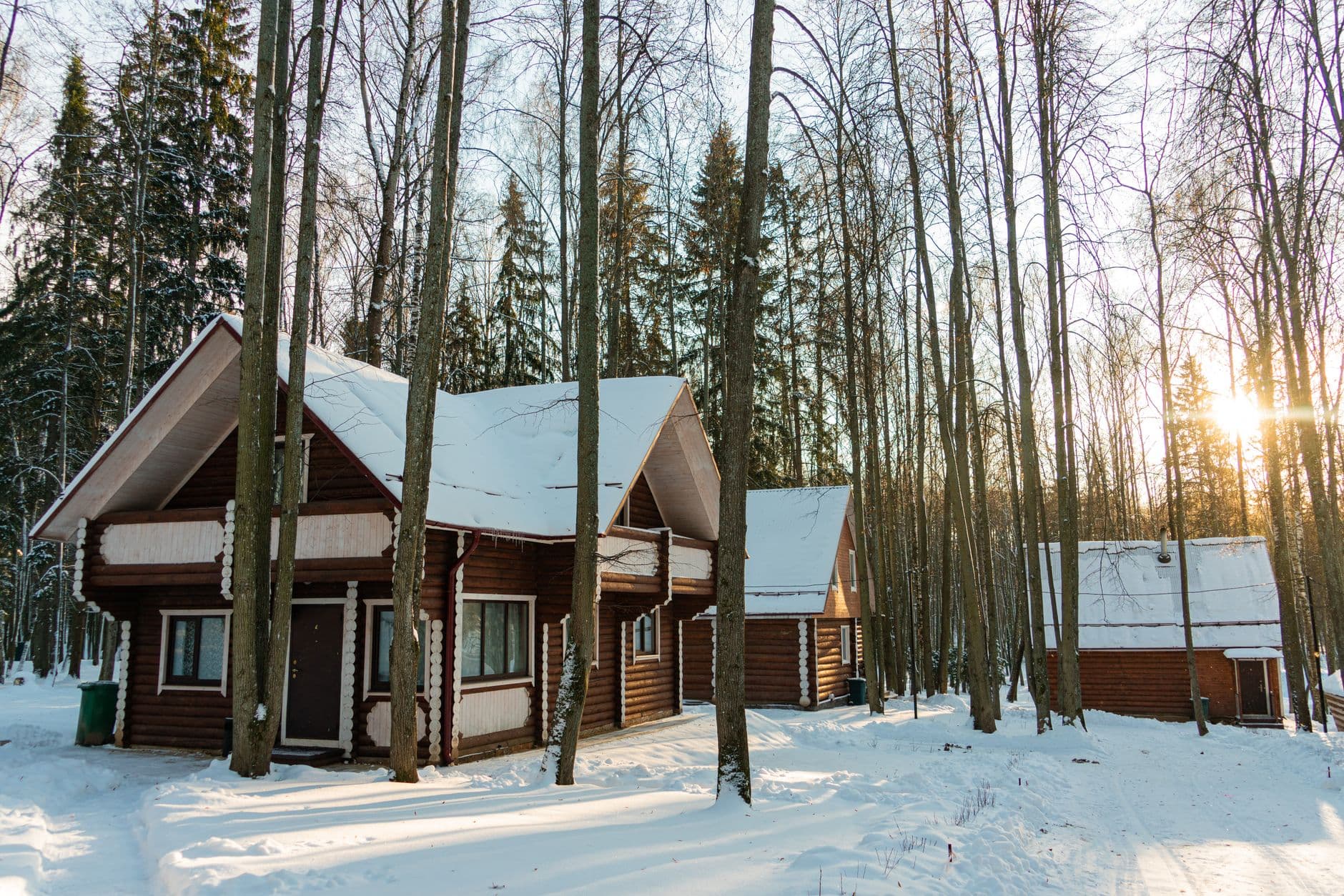
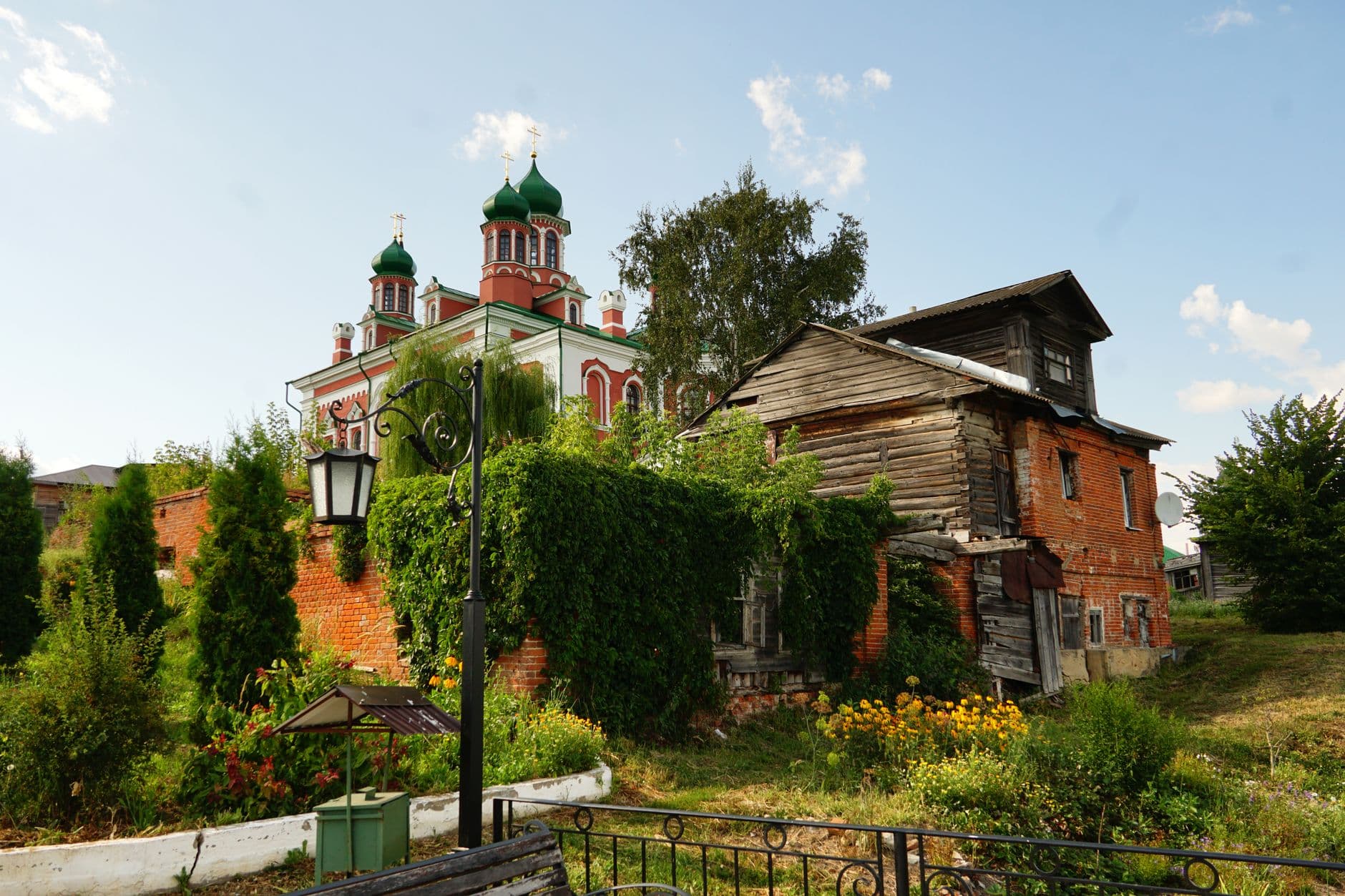
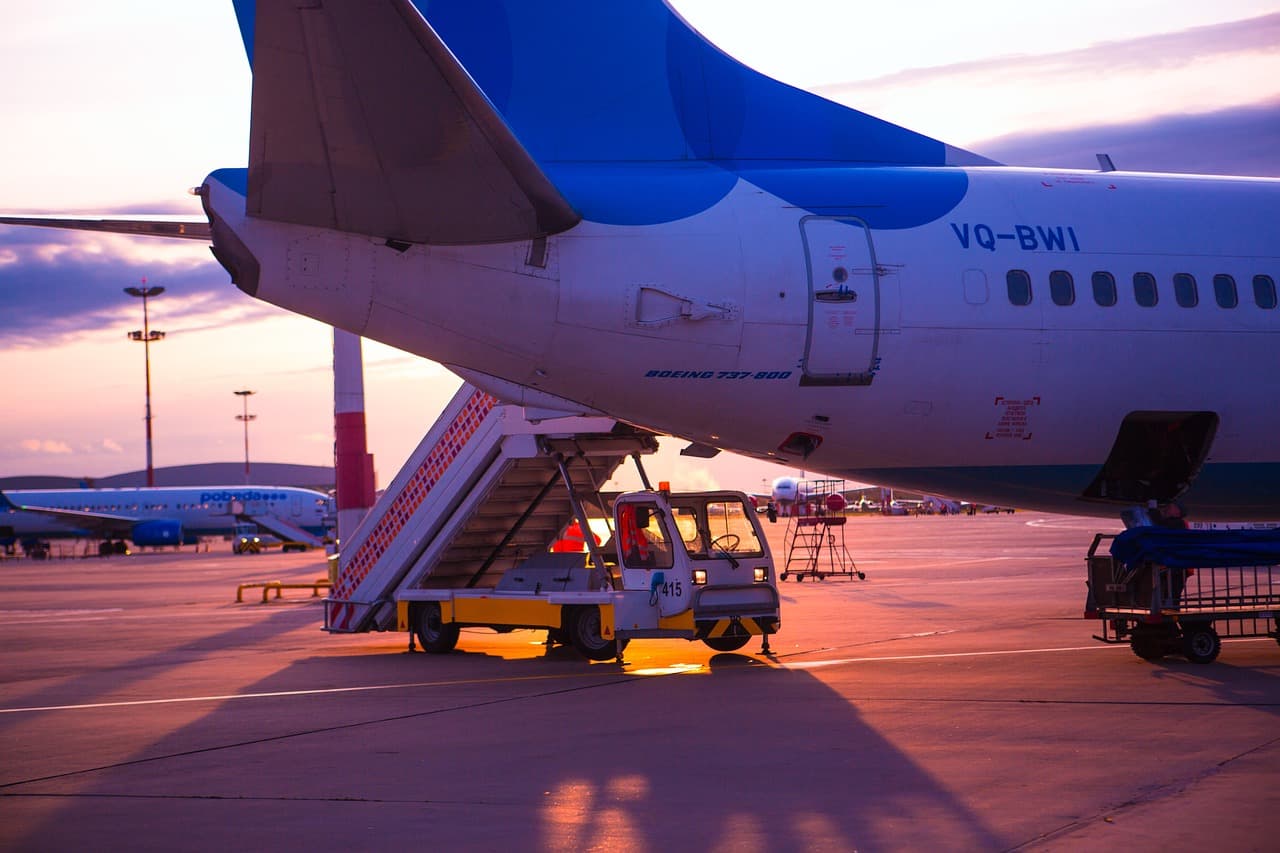
Kapsamlı bir aylık planla başlayın: yerel bir adres edinin, vesikalık fotoğraflar toplayın ve uygun izni alın. Bu yaklaşım, temel hizmetleri hızlı bir şekilde almanıza yardımcı olur ve taşınmalar için net bir yol haritası belirler. Göç etme hususları için, öncelikle daha yüksek gurbetçi yoğunluğuna ve nispeten daha düşük yaşam maliyetine sahip gözde şehirleri işaretleyerek başlayın, ardından önümüzdeki ay boyunca yerel bürokrasiyle uğraşarak pratik adımlar etrafında seyahat programınızı oluşturun.
Konut: yerleşik uluslararası topluluklara sahip mahalleleri hedefleyin; önce kısa vadeli bir kiralık arayın, ardından ikametgahınızı sabitlemek için daha uzun bir sözleşme imzalayın. İyi seçilmiş bir bölge, uluslararası toplulukların yerel üyeleri aracılığıyla sosyal çevrenizin büyümesine yardımcı olur.
Belgeler: pasaport, çeviriler ve hizmet sözleşmeleri dahil olmak üzere evrensel belgelerden oluşan bir set hazırlayın; dijital kopyaları güvenli depolama alanında saklayın. İstihdam veya öğrenim için, iş teklifinizin veya kabul mektubunuzun yerel gereksinimlerle uyumlu olduğunu doğrulayın ve gecikmeleri önlemek için güvenilir kaynaklardan tavsiye alın. İlk yıl boyunca takipte kalmak için kendinize kilometre taşları belirleyin.
Finans: büyük şehirlerdeki aylık harcamaları planlayın; yerel market alışverişleri, ulaşım kartları ve sağlık sigortası primleri bölgeye göre değişir. Dikkatli bir bütçeleme ile, daha yüksek kaliteli hizmetlere ve hızlı yer değiştirme desteğine erişirken aylık giderleri yönetebilirsiniz.
Topluluk: sakinlerle tanışmak için kulüplere katılın veya gönüllü gruplarında yer alın; düzenli aylık buluşmalar uyumu hızlandırabilir. Posta ve paket alırken, ofislerde ve hizmet merkezlerinde doğrulama için kompakt, vesikalık bir fotoğraf kullanın, ardından sonuçları güvenli arşivlerde saklayın.
Russiable Topluluğu: Rusya'ya Yerleşmek
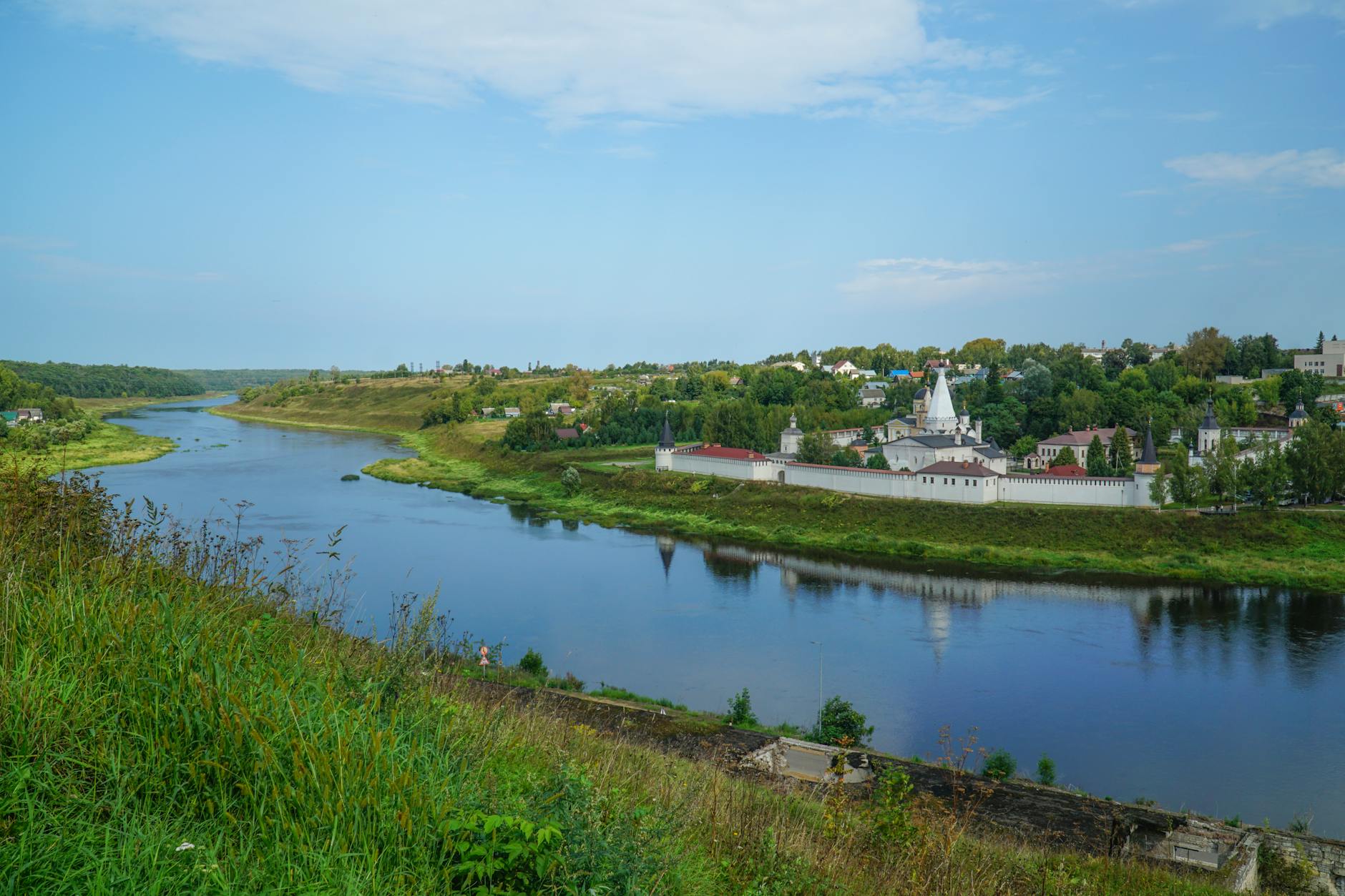
Hedef bölgenizde uygun fiyatlı ilk konaklama yerinizi güvence altına alın ve ilk üç ay boyunca uyum sağlamayı desteklemek için bir kamu programından genişletilmiş yardım ayarlayın.
-
Konaklama ve kurulum: Ulaşım araçlarına yakın, faturaları dahil bir kira sözleşmesi arayın ve mahalleyi test etmek için kısa vadeli seçenekleri değerlendirin; internet hizmetini doğrulayın; yerel vatandaşlarla ve çalışan bir destek ağıyla iletişim kurun; mümkünse, pratik rehberlik için genrikh gibi yerel bir mentordan yardım isteyin.
-
Paketleme ve nakliye: Kesin bir paketleme listesi oluşturun, taşınmadan 6 hafta önce paketlemeye başlayın, kutuları etiketleyin ve güvenilir bir nakliye hizmeti kiralayın. Gönderileri takip edin ve gümrük için bütçe ayırın; hastalık riskini azaltmak için ilaçları ve temel eşyaları erişilebilir tutun; gecikmeler olması durumunda bir acil durum planı hazırlayın.
-
Ulaşım ve günlük yaşam: Ulaşım ağını haritalandırın, seçenekleri karşılaştırın (metro, otobüsler, araç paylaşımı) ve varsa toplu taşıma kartı satın alın; işe veya okula gidiş güzergahlarını planlayın; mevsimlik havayı tahmin edin ve programları ayarlayın.
-
Finansal planlama: Uygun fiyatlı seçenekleri pahalı olanlardan ayırın; kira, faturalar ve market alışverişleri için aylık bir üst sınır belirleyin; harcamaları (harcanan) takip edin ve fonların ne kadar süre dayandığını (dayanır) belirleyin.
-
Topluluk, kaynaklar ve destek: Vatandaşlarla bağlantı kurun ve gruplara katılın; kapsamlı bir blog aracılığıyla diğer yeni gelenlerden oluşan benzersiz bir ağ arayın; gerektiğinde kamu hizmetlerini ve hayırsever yardımlarını kullanın; evrak işleri, dil koçluğu ve entegrasyon faaliyetleri için genişletilmiş yardım talep edin.
-
Sağlık ve güvenlik: Hastalık uyarıları ve aşılama önerileri hakkında bilgi sahibi olun; yerel kliniklere kaydolun; temel bir ilk yardım çantası ve acil durum iletişim bilgilerinin bir listesini bulundurun.
Vize ve İkamet: Uzun süreli kalışlar için adım adım gereksinimler
Uzun süreli kalış başvurunuzu sabitlemek için bir işverenden, üniversiteden veya hükümet ortağından resmi bir davet alın.
Adım 1: Vize kategorisini belirleyin Uzun süreli kalışlar için, üç ana yol iş, öğrenim veya aile temelli sponsorluktur. Her rotanın farklı gereksinimleri, zaman çizelgeleri ve belgeleri vardır. Hangisinin uygun olduğunu belirleyin ve hedeflerinizle nasıl uyumlu olduğunu düşünün. Bu karar, sonraki tüm adımların temelini oluşturur ve yöneteceğiniz faktörleri vurgular.
Adım 2: Bir davet güvence altına alın Bir sponsordan gelen resmi bir davet, vize başvurusuna başlamanızı sağlar. İş veya öğrenim için davet esastır; aile rotaları için sponsorluk kanıtı bir yedek görevi görür. Kayıtlarınız için davetin kopyalarını saklayacaksınız. Bu daveti güvenilir ve düzenli tutun; belge paketinizi başlatır ve yetkililere niyetinizi bildirir.
Adım 3: Belge paketini bir araya getirin Pasaport geçerliliği, üç adet yeni çekilmiş fotoğraf, sertifikalar (eğitim ve mesleki), konut kanıtı (kira sözleşmesi), sağlık sigortası, banka hesap özetleri ve sponsor mektuplarını içeren düzenli bir paket oluşturun. Bu belgelerin asıllarını ve kopyalarını getirin. Çeviriler ve apostiller gerekebilir. Kira sözleşmesi istikrarı gösterir ve sizi yerel pazara bağlar, davanızı güçlendirir. Konsolosluklarla uğraşanlar, özlü ve güvenilir bir evrak setinden yararlanır.
Adım 4: Başvuruyu gönderin ve ilerlemeyi izleyin Doğru kanal (konsolosluk veya göçmenlik servisi) aracılığıyla gönderin ve onay isteyin. Yetkililerle net iletişim kullanarak ilgilenin; güncellemeleri derhal sağlayın. Özellikle, malzemelerinizin eksiksizliğini doğrulamak ve eksik öğeleri belirlemek için uzmanlara veya bir danışmana danışın. Bu aşama ne beklendiğini yanıtlar ve gereksinimleri anlamanıza ve gecikmeleri önlemenize yardımcı olur.
Adım 5: Onay ve varışta Onaydan sonra, mevcut düzenlemeler uyarınca gerekliyse, yerel kayıtlar, sağlık kontrolleri ve oryantasyon oturumları gibi varış prosedürlerini tamamlayın. Tüm belgelerin bağlayıcı bir kaydını tutun: davet, vize, giriş damgası ve oluşturulan izin. Yenileme zaman çizelgelerini düzenli olarak gözden geçirin ve gelecekteki ikamet seçenekleri (istihdam, öğrenim veya aile bağları) için doğru temele sahip olduğunuzdan emin olun. Yol, yetkililerden ek sertifikalar veya onaylar içerebilir, ancak güvenilir bir plan öngörülebilirlik getirir.
Adım 6: Uzun süreli kalış ve ikamet beklentileri Kalıcı statü arayanlar için, geçici ikametten kalıcı haklara veya istihdam veya eğitime bağlı uzun süreli izinlere yol açan yolları değerlendirin. Yenileme planlamasına erken başlayın ve güncellenmiş sertifikalar ve çeviriler toplayarak istikrarlı bir temel tutun. Yerel hizmetlerle etkili bir şekilde iletişim kurmak ve başarı şansınızı artırmak için stratejinizi kültürel olarak bilinçli uygulamalarla uyumlu hale getirin.
Bütçeye Uygun Konut: Güvenli mahalleler bulmak ve kiralama ipuçları
Öneri: kira bedellerinin öngörülebilir olduğu ve ulaşım sürelerinin kısa olduğu, işvereninize veya ikametgahınıza yakın, iyi bağlantılara sahip bir başlangıç bölgesinde başlayın; bu kombinasyon maliyetleri ve stresi en aza indirir.
Pratik bir yolu göstermek için, çeşitli doğrulanmış kaynaklar kullanın: resmi listeler, yerel emlakçılar ve sakin geri bildirimleri. Bu yollar şehre göre değişir, ancak kapsamlı bir yaklaşım uzun vadeli taahhütlerde bulunmadan çok önce sağlam seçenekler sunar.
Güvenli bir yerde nelere dikkat edilmeli: bu kriterler misafirperver bir his ve güvenilir bir rutin yaratır. İyi aydınlatılmış sokaklar, güvenilir asansörler veya merdivenler, yakındaki marketler ve aktif topluluk üyelerine sahip bir mahalle arayın. Geceleri güvende hissettiren bir yer riski azaltır ve aidiyet duygunuzu artırır.
İlk olarak nerede aranmalı: aşağıdakiler dahil olmak üzere çeşitli kanallarda:
- Filtrelenebilir seçeneklere sahip resmi kiralama portalları (fiyat aralığı, bölge ve işe uzaklık).
- Mütevazı daireler listeleyen ve kısa süreli görüntülemeler ayarlayabilen yerel emlak ofisleri.
- Daha büyük sitelerde bulunmayan kiralık ilanları olan topluluk panoları ve apartman binalarının kendileri.
- Bölgede bir süredir yaşamış olan meslektaşlarınızdan veya komşularınızdan gelen öneriler.
Bir kira sözleşmesinde ne doğrulanmalı: her iki tarafı da koruyan kapsamlı bir anlaşmayı hedefleyin. Temel öğeler şunları içerir:
- Kira ve faturalar: nelere dahil, neler ayrı olarak ücretlendirilir ve faturalar mevsimle ne sıklıkla değişebilir.
- Depozito: tipik uygulama bir ila iki aylık kira arasında değişir ve iade öncesi süre açık olmalıdır.
- Kira süresi: ideal olarak daha uzun bir süre daha fazla istikrar sağlar ve daha düşük bir aylık ücretin kilidini açabilir.
- Bakım sorumlulukları: onarımları kim karşılıyor ve sorunlar ne kadar çabuk çözülüyor.
- Erişim kuralları: misafir politikaları, sessiz saatler ve bina normları.
- Belgeler: sözleşmeyi imzalamak için hangi kimlik, gelir ve yerel kayıt kanıtları gereklidir.
Kiralık konut için finansal planlama: bu adımlar maliyetleri öngörülebilir tutar. Yerel fiyatlara ve diğer yükümlülüklerinize göre ayarlanmış, eve götürdüğünüz maaşın yaklaşık %30-40'ı olan bir kira tavanıyla başlayın. İlk ay boyunca bakım veya tek seferlik ücretler için bir tamponunuz olsun. Birkaç potansiyel işvereniniz veya konseriniz varsa, geçiş dönemindeyken maliyetleri paylaşmak ve riski azaltmak için bir oda arkadaşı düzenlemesi düşünün.
Müzakere ve başvurabileceğiniz ipuçları:
- Daha uzun bir kira sözleşmesi veya peşin ödemeler karşılığında indirim isteyin; ev sahipleri genellikle istikrarı tercih eder.
- Piyasa sıkıysa, net bir üst sınır veya yıllık inceleme ile aşamalı bir artış önerin.
- Ev sahibinin zamandan ve paradan tasarruf etmesi için küçük bakım işlerini kendiniz halletmeyi teklif edin.
- Faturaların dahil edilmesini veya sınırlandırılmasını talep edin; bu, bütçelemeyi basitleştirir ve daha soğuk dönemlerde sürprizleri önler.
Taşınma kontrol listesi ve güvenlik adımları: bu eylemler ikametgahınızı korur ve daha hızlı yerleşmenize yardımcı olur. İlk gün kilitleri kontrol edin, su basıncını test edin, ısıtma veya soğutma işlevselliğini doğrulayın ve duman dedektörlerinin çalıştığını onaylayın. Kayıtlarınız için fotoğraf çekin ve duvarların, zeminlerin ve armatürlerin durumunu belgeleyin, çünkü bu ayrıntılar daha sonra depozito iadenizi etkileyebilir.
Pratik örnek: birçok şehirde, merkezi bir ulaşım merkezinin yakınındaki iyi derecelendirilmiş bir bölge, güvenlik, erişim ve fiyatın en iyi dengesini sunar. Bu alandaki tek yatak odalı bir birim genellikle işveren tarafından sağlanan bir ulaşım ödeneği olan bekar bir profesyonele uyar; daha sıkı bütçeleri olanlar için paylaşımlı bir seçenek uygulanabilir olabilir. İlk ayın ödemesi genellikle ilk ayın kirasını ve iade edilebilir bir güvenlik depozitosunu içerir, bundan sonra aylık maliyetler dengelenir. Bu kalıplar yerel mülklerde yaygındır ve listeleri değerlendirirken belirtmek faydalıdır.
Hızlı bir şekilde rahat etme ipuçları: net bir planla gelin, belgelerinizin kopyalarını hazır bulundurun ve gürültü ve aktivite seviyelerini ölçmek için günün farklı saatlerinde görüntülemeler ayarlayın. Bir mahallenin havasından emin değilseniz, bölgenin aktivite ve güvenlik düzeyini hissetmek için yerel topluluk üyesinden alacakaranlıkta kısa bir yürüyüş isteyin. Bu pratik yaklaşım, sorumluluk ve iyi yargı göstermenize yardımcı olarak gerçekten eviniz gibi hissedeceğiniz bir yer bulmanızı sağlar.
Sağlık Hizmetlerine Erişim: Sağlık sigortası nasıl alınır ve doktorlar nasıl bulunur
Ziyaretleri planlamadan önce sigortalı olun: Rusya merkezli bir şirkette çalışıyorsanız, sağlık sigortası konusunda yardımcı olması ve imzalanacak bir belge paketi sağlaması için İK ekibinden yardım isteyin; sizin ve aileniz için bakımı kolaylaştıran bu evraklarla kliniklere gelin. Birçok yeni gelen için ilk adım, işvereninizin bir izin ayarlayıp ayarlamayacağını veya sundukları pozisyonun bir parçası olarak OMS kapsamını içerip içermeyeceğini doğrulamaktır.
Çalışıyorsanız, işveren genellikle yerel bir sigortacı ile sağlık sigortası (OMS) düzenler ve bir poliçe numarası verir; ayrıca hangi kliniklerin ağ içinde olduğu konusunda da tavsiyede bulunabilirler. Kapsam sınırlarını, hangi ziyaretlerin dahil olduğunu ve gerekli belgeleri (pasaport, oturma izni ve poliçe kartı) doğrulamak için İK ile iletişim kurmalısınız. Belgelerinizin kopyalarını dijital bir klasörde saklayın ve bir kliniği ziyaret ettiğinizde asıllarını yanınızda bulundurun.
İşveren desteği olmadan gelenler için özel sağlık sigortası yaygındır; temel bakımı, acil servisleri ve uzman ziyaretlerini kapsayan bir plan için alışveriş yapın. Kapsam olarak küresel olan en az üç sigortacının ağlarını karşılaştırın, göçmen blog yazarlarından yorumlar okuyun ve büyük prosedürler için ön onay isteyin. Birçok plan, gerekirse bir asistan veya tercüman tutmanıza olanak tanır; dil desteğinin dahil olup olmadığını doğrulayın.
Doktor bulmak için sigortacı dizini ve yerel rehberinizle başlayın; bir doktorun poliçenizi kabul edip etmediğini ve önceden bir ziyaret veya sevk gerekip gerekmediğini doğrulamak için önceden arayın. Klinikleri ziyaret ettiğinizde, bekleme sürelerini, personel nezaketini, temizliği ve dilinizde iletişim kurup kuramadıklarını değerlendirin. İsterseniz, İngilizce konuşan ve teşhislerin ve bakım planlarının net belgelerini sunan bir doktorla bir ziyaret ayarlayabilirsiniz.
Псковской bölgesinde, genrikh liderliğindeki bir klinik, yeni gelenler tarafından sıklıkla kullanılmaktadır; rezervasyon, bakım planları verme ve testleri koordine etme için basit bir süreç yayınlıyorlar. Göçmen blog yazarları genellikle önce hangi uzmanların ziyaret edileceği ve test sonuçlarının nasıl hızlı bir şekilde alınacağı konusunda pratik ipuçları paylaşır. Yeniyseniz, randevuları ayarlayabilen, açıklamaları yorumlayabilen ve takip bakımında yardımcı olabilen özel bir vaka yöneticisi isteyin. Belgelerinizin güncel olduğunu ve izinlerinizin sürekli erişim için geçerli olduğunu her zaman kontrol edin.
Tablo: kapsam ve bakım sağlamak için hızlı adımlar
| Adım | Eylem | Nerede yapılır | Notlar |
| 1 | Durumu kontrol edin | İK veya göçmenlik servisi | Çalışıp çalışmadığınızı belirleyin; işveren aracılığıyla OMS |
| 2 | Planı seçin | Sigortacı dizini | İşveren aracılığıyla OMS veya özel sağlık sigortası |
| 3 | Belgeleri toplayın | Klinik veya sigortacı ofisi | Pasaport, ikamet belgeleri, izin, fotoğraflar |
| 4 | Poliçe kartı alın | Sigortacının ofisi veya çevrimiçi portal | Ziyaretler için kartı yanınızda bulundurun |
| 5 | Doktor bulun | Sigortacı dizini, klinik resepsiyonu | Ağ içi uzmanları kontrol edin; dil seçenekleri |
| 6 | Ziyaret rezervasyonu yapın | Klinik veya teletıp portalı | Belgeleri getirin; ziyaret saatlerini not edin |
Finans ve Bankacılık: Yerel bir hesap açmak ve transferleri yönetmek
İngilizce konuşan personeli olan büyük bir şubede randevu alarak ilk haftanız içinde yerel bir ruble cari hesabı açın; pasaportunuzu, göçmenlik kartınızı ve ikamet kanıtınızı getirin; temsilci ikamet durumunu onaylayacak ve sorunsuz bir başlangıç için çevrimiçi bankacılığı kuracak ve ilk günden itibaren transferleri yönetmenize olanak sağlayacaktır.
Uluslararası müşterilere uygun bir banka seçin. İngilizce arayüzler, İngilizce konuşan danışmanlar ve yerleşik olmayanlar için net bir başlangıç arayın. İdeal seçeneği belirlemek için bakım, kart çıkarma, ATM erişimi ve transferler için çeşitli ücret tarifelerini karşılaştırın; net tavsiye isteyin ve personelin yabancı mukime kendilerinin yardımcı olabileceğinden emin olun.
Hazırlanacak belgeler: pasaport, göçmenlik kartı, kayıt kanıtı (geçici veya kalıcı), yerel telefon numarası ve alınabilirse bir vergi kimlik numarası (INN). Bir iş sözleşmesi veya öğrenim daveti yardımcı olur; henüz kayıt olmadıysanız, bazı bankalar sınırlı hizmetlerle yerleşik olmayan bir hesap sunar. Gecikmeleri önlemek için bir randevu ayarlayın; bu adımlar başlangıç süreçlerinde gezinmenin bir parçasıdır.
Süreç, KYC, kimlik onayı, bir sözleşme imzalama ve yerel bir banka kartı alma işlemlerini içerir; kartı mobil bankacılık uygulamasına bağlayın, iki faktörlü kimlik doğrulamayı etkinleştirin ve ödemeleri ve transferleri ayarlayın. Yurt dışından gelen gelirler için, uyumluluk işaretlerini önlemek için kaynağı ve amacı belirtin. Danışman михаила sözleşme şartlarını ve ikamet etkilerini açıklayabilir.
Transferler ve maliyetler: yerel transferler işlemciye göre değişir; çoğu uygulamadan başlatılabilir ve aynı banka içinde genellikle anında gerçekleşirken, bankalar arası transferler 1-2 iş günü sürebilir. Uluslararası transferler SWIFT üzerinden yapılır ve gönderen bankadan, aracı bankalardan ve alıcı bankadan ücret alınabilir; göndermeden önce her zaman toplamı onaylayın. Nakit çekmek için bir ATM makinesi kullanın ve verilerinizi korumak için güvenli ağlara bağlı kalın. Bir taşınma için para taşırken, gecikmeleri önlemek için önceden plan yapın.
Güvenlik, gelir ve günlük kullanım: push bildirimlerini etkinleştirin, haftalık olarak hesap özetlerini inceleyin ve ikamet belgelerinizin bir kopyasını güvenli bir yerde saklayın; ülkenin manzaraları boyunca, mobil bankacılık maaş geliri için güvenli bir bordro akışını destekler ve muazzam kolaylık sağlar. İyi yapılandırılmış bir hesabın şanlı yanı, sözleşmeleri ve ödemeleri bağlama yeteneğidir, sistemin makinesi (ATM'ler ve ödeme terminalleri) ise parayı gerçek zamanlı olarak erişilebilir tutar. Unutmayın: amaç, finansal entegrasyona doğru pratik bir ilk adım atmaktır ve yolculuk bunun için size teşekkür eder.
Dil ve Sosyal Yaşam: Rusça öğrenmek ve topluluk oluşturmak için pratik ipuçları
Somut bir eylemle başlayın: gerçek konuşmalarda Rusça pratik yapmak için bir квартал merkezli dil değişimine ve yerel bir blog yazarı grubuna katılın. Ruslardan hızlı düzeltmeler isteyin ve bunları not defterinize not edin. Pskov'a varırsanız, topluluk etkinliklerini kapsayan yakındaki bir blog arayın ve bir sonraki buluşmaya katılın. Yabancılarla tanışırken, 'пожаловать' kelimesiyle yapılan küçük bir jest açıklığı işaret eder ve konuşmalara başlamanıza yardımcı olarak kendi çevrenizi hızla oluşturmanıza yardımcı olur.
Paralel olarak, dil öğrenimini günlük yaşama bağlayın: ev sahipleriyle konutla ilgili hizmetler hakkında konuşun, ikamet kompleksinin girişine asılan bildirimleri okuyun ve pratik yaparken yakındaki parklara veya kütüphanelere bağlı kulüplere katılın. Bu yaklaşım, öğrenmeyi her gün gördüğünüz ve duyduğunuz şeylere bağlar.
Uzmanlığınızı sunarak topluluktaki rolünüzü açıklığa kavuşturun. Örneğin, bir öğrenciyseniz, küçük bir dil pratiği grubuna liderlik edin; bir beceriniz varsa, mini bir atölye çalışması düzenleyin. Keyif aldığınız konuları seçtiğinizde, motivasyonunuz daha uzun sürer ve daha fazla kişiye ulaşırsınız.
Öğrenciler için adım adım plan: Adım 1: bir dil programına veya kulübüne başvurmak. Adım 2: haftalık oturumlara katılın ve telaffuzla ilgili notlar alın. Adım 3: orijinal blog gönderilerinizle akranlarınıza yardım etmek için gönüllü olun. Bu sayede daha geniş bir kitleye ulaşırsınız ve güveninizi artırırsınız.
İlerlemeyi belgelemek ve okuyucularınızla ipuçları paylaşmak için kişisel bir blog geliştirin. Blogunuz canlı değişimler ve çevrimiçi topluluklar arasında bir köprü olabilir. Hikayenizi kendinize ve başkalarına anlatın ve pskov veya diğer şehirlerde tanıştığınız Ruslardan geri bildirim isteyin. Tutarlı yayınlama, blogunuzun daha geniş bir kitleye ulaşmasına yardımcı olur ve sosyal bağlarınızı güçlendirir.
İkamet kompleksinin içindeki topluluk etkinliklerine düzenli katılımın yanı sıra halk kütüphanelerini ve kültür merkezlerini ziyaret etmek, erişiminizi genişletir. Dil kulüpleri veya gönüllü roller gibi yeni fırsatlar bulmak için sakinler, ev sahipleri ve personel ile ilişkiler kurun. Ne kadar çok katılırsanız, güveniniz o kadar artar ve hayatınız o kadar iyileşir. Küçük şan anları, gerçek sohbetlerden gelir.