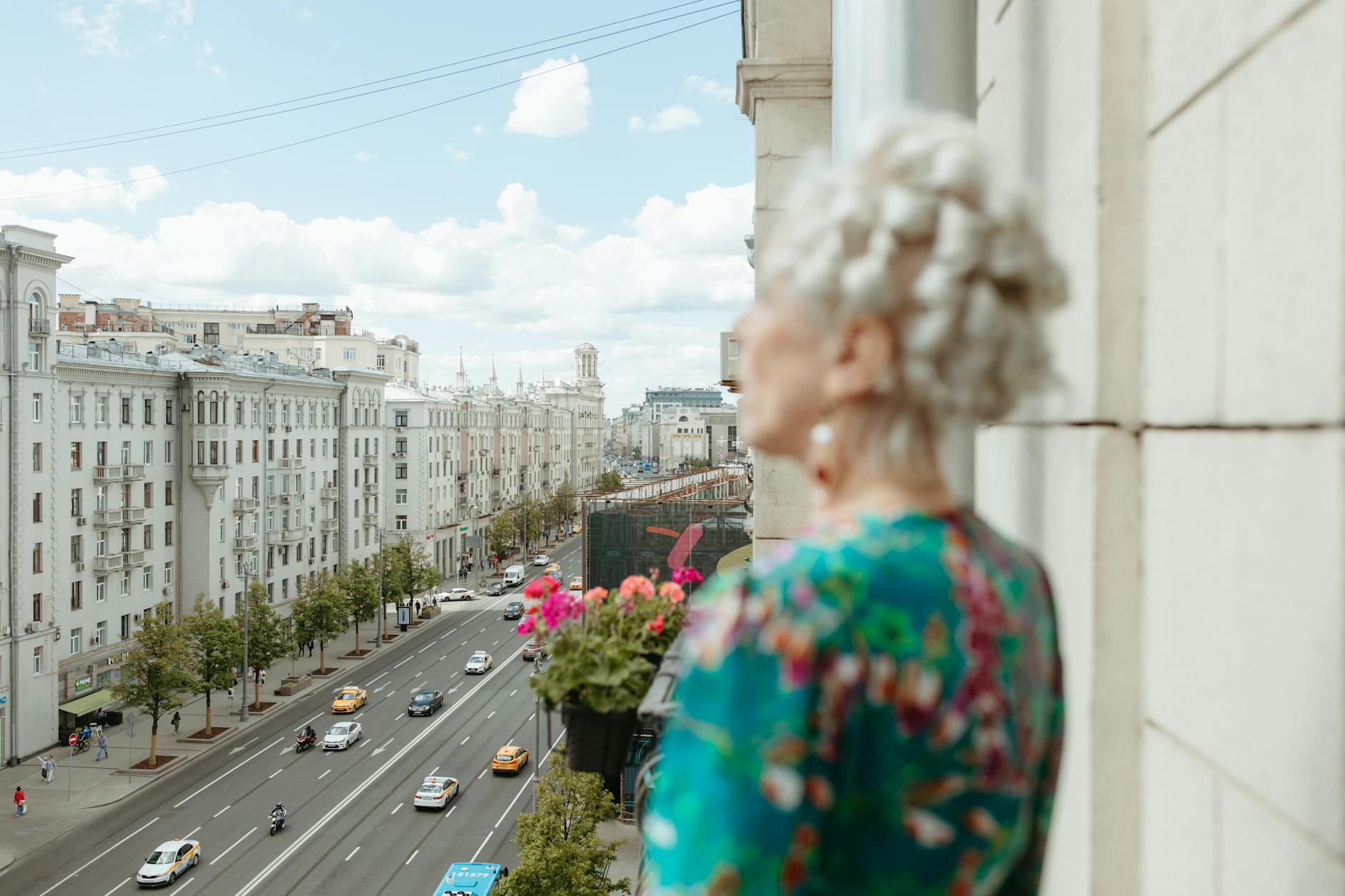
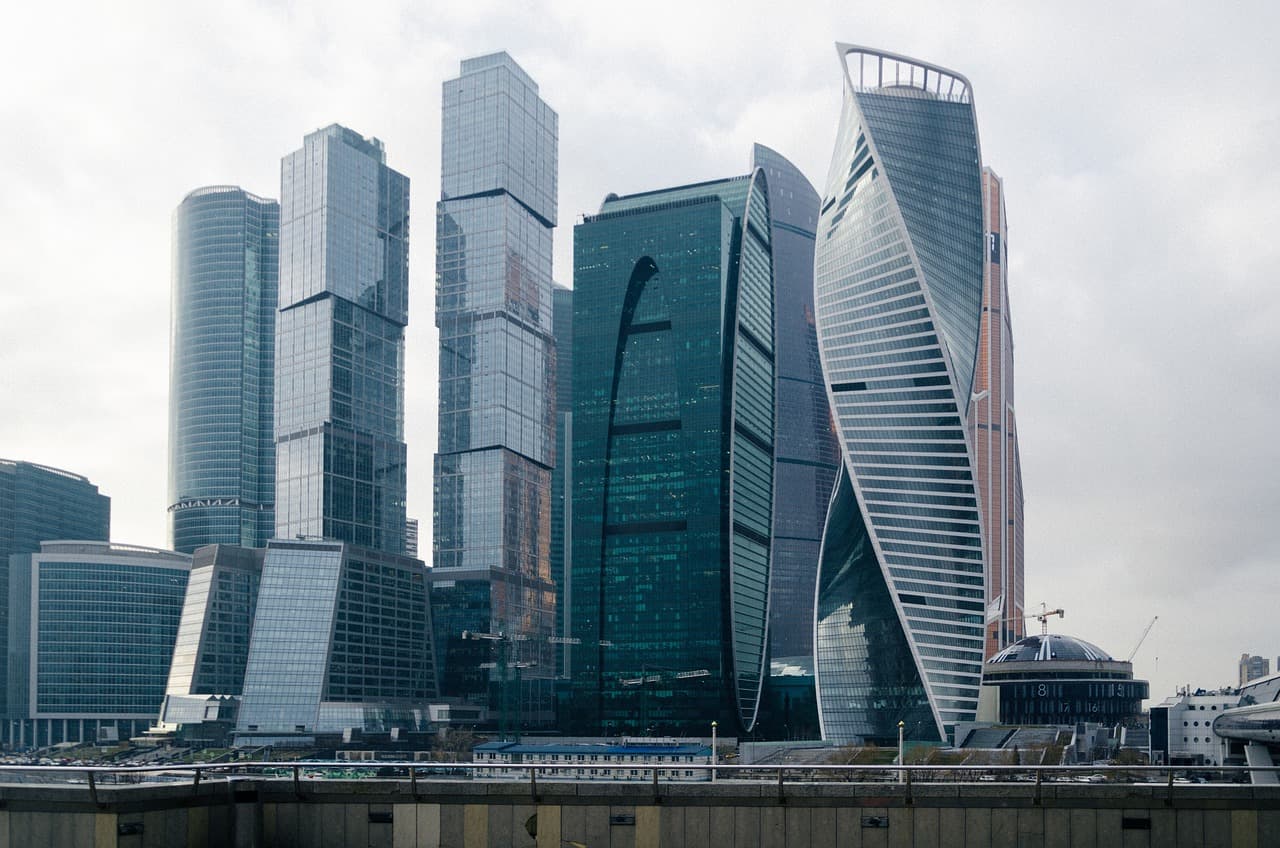
Genel olarak geniş bulvarlardan geçerek bir rota belirleyin ve her durak için saatler ayırın. Bu yaklaşımla, cepheleri karşılaştırarak, kat sayılarının ritmini ve ortak alanların nasıl bir kamu amaçını ifade ettiğini gözlemleyebilirsiniz. Personel ve ziyaretçilerin nasıl kullanıldığını gösteren gizli avlulara dikkat edin ve basit bir öğenin nasıl şehir hayatının ana bir özelliği haline geldiğini not edin.
Şehir blokları arasında mantıklı bir sıraya göre planlayın: geniş caddelerden başlayın, ardından komşu yollara geçin. Her durakta, güç ve akışın hareketi nasıl şekillendirdiğini, personel tarafından ziyaretlerin nasıl koordinasyonu sağlandığını ve günlük hayatın neyin bir gestüyle temellendirildiğini düşünün. Dikkatini, duvarların ışığa ve hava durumuya nasıl tepki verdiğini ve hangi unsurların gizli olmasına rağmen deneyime ne kadar önemli olduğunu gözlemlemeye odaklayın.
Her proje yerinde, form deneyiminin kullanışlı alana nasıl çevrildiğini değerlendirin. Katların düzenlenmesi ve ana caddelerle uyumu, geçenleri yavaşlamaya davet eden bir ritim oluşturur. Burada her proje özelliğini iletir - cesur bir kantilever, geriye çekilmiş bir loggia veya toplum odaklı bir meydan, diyalog için davet eder. Cepheler otorite iletirken, iç mekan rotaları, alanların nasıl işlev gördüğünü, programları nasıl ilettiğini ve günlük yaşamı akşama kadar nasıl sürdürdüğünü ortaya koyar.
Yol haritalarını karşılaştırırken, iç mekanların açılış saatlerini not edin, turların nasıl yönetildiğini takip edin. Dikkatli bir gezici program, programları açık olan alanları ön plana çıkarır; mimari, bir toplumsal anın kaydı olarak durur. Bu kriterleri kullanarak, güç, özellik ve dikkat çekme şeklini vurgulayan kısa, veriye dayalı bir anlatı oluşturun. Bir son öneri dikkate alarak: formu toplumsal yaşamla dengeli olan yerlere odaklanın.
Narkomfin Evi'nde Yapısalcılık Tasarımının Ana Özellikleri
Narkomfin Evi için toplumsal alanlara öncelik veren bir yaklaşım benimsendi: özel birimler, merkezî planlama çekirdeği etrafında yoğunlaşırken, yüzen koridorlar, eğimli teraslar ve doğal ışık, parlak ve verimli bir yaşam düzeni oluşturur.
Önerilen ve son tasarımlar, ortak yemek salonu, paylaşılan mutfaklar ve günlük yaşamı bir araya getiren bir hizmet bloğu içermektedir; paylaşılan avlulara açılan manzaralarla birlikte. Tuğla ve taş cephelerin arkasında, basit bir tarz, işlevselliği vurgulamaktadır.
Işık stratejisi, gün ışığını bölgelere yaymak için uzun camlı duvarlar ve cam tavanlardan yararlanır; örnek düzenlemeler, süslemeler olmadan derinlik oluşturmak için eğimli ve asma düzlemlerin nasıl kullanıldığını gösterirken, etkileyici hacimler binası Moskova'nın kent dokusuna yerleştirir.
Doğal beton, tuğla, taş ve ahşap, heykelsel bir palet oluşturur; fotoğraflara eşlik eden açıklamalar, merdiven platformlarında heykelleri ve anıtları yakalar, uzamsal ritmi ve etkileyici formları gösterir.
Mekansal Ritim ve Sosyal Fonksiyon
Cesur modüller rotaları düzenler, örnek kesişim noktaları ise sakinlerin buluşma yerleri olur; her küme arkasında eğimli balkonlar ve bir asma yürüyüş yolu etkileşimi artırırken, arka planda esnek bir çekirdek planlaması devam eder.
Belgeleme ve bağlam
Metinler ve yazılar Moskova'nın şehir dokusunu Taşkent ve Sevan'dan gelen etkilerle bağlar, bu projenin bölgesel bir diyaloğu gösterir; son notlar, Narkomfin'i şehir tasarımında bir simge haline getiren ışık, doğal malzemeler ve planlamayı vurgular.
Rusya Merkez Bankası'nın 24.10.2026 kuruyla · powered by tutkakdoma
Meydanlar ve Topluluk Yaşamı İçin Pratik Düzenlemeler
Avlulu düzenlemeleri ön plana çıkarılarak, paylaşılan mutfaklara, çamaşırhanelere ve çalışma odalarına doğrudan erişim sağlanacak. Bu sayede koridorlar, çok yönlü ışık alarak gündüz ışığıyla dolacak.
Anahtar ilkeler, günlük yaşamı ve sosyal bağları destekleyen pratik bloklara dönüşür.
Avlaya odaklı birimler: Yaşama hücrelerini dikdörtgen veya L şeklinde bir avlaya etrafından yerleştirin. Açık alan sosyal bir sahne olarak hizmet eder, çoklu cephelerden ışık, güvenlik ve ortak odalara kolay erişim sunar. Yolları süslemek için süsleme ekranları veya kemerler kullanın, hava akışını engellemeden. Doğrusal yönlendirme güney veya güneydoğu yönüne uygun olmalı, uzun gün ışığı için. Arkady'nin yaklaşımını, avlaya çevreleyen eğimli yolları gösteren basit bir blok planı ile gösterin.
Dikey konut kümeleri: 3-5 katlı konut bloklarını, küçük daireleri büyük dairelerle karıştırarak daha yüksek yoğunluk sağlayın, ancak kalabalık olmadan. Merkezde bir omurga merdiven hareketi teşvik ederken, çapraz havalandırılmış koridorlar gürültüyü azaltır. Arkady'nin çizimleri, merdiven çekirdeklerinin paylaşılan sosyal damarlar haline geldiğini, engel olmadığını gösterir.
Kamusal ve özel kanatlar: Merkezî koridorlar, mutfak, çamaşırhane ve çalışma alanlarının her kümeye bağlanan koyları birbirine bağlar. Seyahat mesafesini azaltmak amacıyla, her çekirdek etrafındaki 150-200 metre yarıçaplı alanda günlük rutinler verimli hale getirilir. Akışı kolaylaştırmak ve yanlışlıkla geçişi önlemek için kenarda bir yol benzeri yürüyüş yolu ekleyin.
Gündüz ışığına erişim ve hareket hızı: Oturma odaları ve yatak odalarını dış cephelere yerleştirin ve hizmet alanlarını iç avlulara doğru gruplandırın. Işık kuyuları veya dar atriyumlar gündüz ışığının içeri girmesini artırır. Lenin motifleri süslemelerde yer alır.
Paylaşılan tesisler çekici özellikler olarak: Topluluk mutfakları, atölye odaları, bebek bakım odaları ve küçük bir pazar, bugün ve gelecekteki sakinleri çeker. Yayınlanan vakalama çalışmaları, iyi yerleştirilmiş çekici özelliklerin, sakinlerin hafta sonu etkinlikleri düzenlediğinde toplumsal yaşamda katılımı artırdığını gösteriyor.
Materyal ritim ve süsleme dili: Dış yüzeyler doğal tonlar, taş, tuğla ve süsleme tuğla işçiliği kullanır. Basit süslemelerle süslenmiş cepheler eski metropol ölçeğini çağrıştırırken, jersey ekranlar hafifliği ekler. Lenin motifleri ve Stalin dönemi detayları, şemayı baskılamadan düşük profil süsleme unsurlarına yerleştirilebilir.
Erişilebilirlik ve kapsamlılık: Tüm daireler, avlular ve hizmetler tek bir ana rota üzerinden erişilebilir olmalı, her blokta ramp ve asansör erişimi ile. Evrensel tasarım, herkese katılım imkânı sunarak erişimi sağlar.
Dış mekanlar ve yol entegrasyonu: Merkezde bir avlu, gölgelik ve oyun alanları sunarken, çevresini saran yürüyüş yolu, trafiğe geçmeden sakininlerin dolaşmasını sağlar. Avlu, dikili sınırlar ve kaplıcalı alanlarla görsel olarak sakin ancak benzersiz olmalıdır. Yakında, hafta sonu pazarları ve çocuk programları düzenlediğinde canlılık belirir.
İnşaat Yöntemleri ve Kullanılan Malzemeler
hedef, sıkça entegre bir kabuk için iskelet ve doldurma sistemi benimseniyor: çelik veya kompozit çerçeveler, takviye edilmiş beton çekirdek, tuğla veya hafif beton panellerle tamamlanıyor. 150-180 mm kalınlığında önceden hazırlanmış tabakalar, yerdeki faaliyetleri kısaltmak için tercih ediliyor; post-tensioning, daha büyük açıklıkları desteklerken eğilimleri kontrol ediyor. uzun süreli dayanıklılık için C30/37 ile C40/50 arası beton kaliteleri kullanılıyor; B500B çubuklarıyla takviye ediliyor ve korozyon riski olan alanlarda epoksi kaplı teller kullanılıyor. bronz detaylar, köşekapaklarında veya logo tutucularında dayanıklı bir dokunuş sağlıyor. sabah dökümleri ve fabrikada kontrol edilen kurutma süreleri değişkenliği azaltıyor; bu tedbirler, uluslararası genel merkezleri ve benzeri kompleksleri takip eden montaj döngülerini kısaltıyor ve teslimat sürelerini azaltıyor, böylece tahmin edilebilirlik artıyor. Bu yaklaşıma uluslararası rehberlikler tarafından teşvik edilmektedir.
Malzemeler ve Yapısal Sistemler
Aşağıda, hız, güvenlik ve bitiş kalitesi arasında denge sağlayan uluslararası bir komitenin talimatları yer almaktadır. Malzemeler, takviyeli beton çekirdekleri ve çelik çerçeveleri birleştirirken, tuğla veya seramik kabuklar kütle ve akustik performans sağlar. Detaylandırma sırasında rüzgâr yüklerini göz önünde bulundurun, bu da bağlantı tasarımına etkiler. 150-180 mm kalınlığındaki önceden dökülmüş tabakalar, post-tensioning ile 7-9 metre aralıkta standart kirişlere izin verir. Perde duvar birimleri, güneş kontrol persiyenleri ile donatılmış düşük-E cam kullanır. Bronz detaylar, renkleri on yıllar boyunca korumak için koroziona dayanıklı kaplamalarla korunmalıdır. Geçmiş deneyimlerin toleransları bilgilendirir; erken yeniliklerin detaylandırma stratejilerini ilham verir. Bu yöntemler çeşitlilik ve sertifikasyonu teşvik eder; ancak ambitöz projeler, döngüleri ilerletmek için adanmış takımlara ihtiyaç duyar. Ukrayna kaynakları, mevcut olduğunda çelik veya alüminyum sağlar; izlenebilirlik ve kalite kontrolü sağlanmalıdır.
Korunma Zorlukları ve Restorasyon Yöntemleri
Bir arşiv araştırması, malzeme testleri ve hassas önlemlerle zayıf fasadlarınızın stabilizasyonunu içeren kapsamlı bir koruma planı başlatın. Herhangi bir müdahaleye başlamadan önce.
Lime tabanlı harçlar ve kireç keçesi onarımlarını kullanarak okunabilir dokuları koruyun; bağ dayanımını test edin; çatlama hızını artıran çimento kullanımından kaçının ve dokuyu bir arada tutun.
Dokümanı kapsamlı bir fotoğraf arşiviyle destekleyin, yedi tarzı ve sıcak tonlarını yakalayın ve kubbeler, kemerler ve duvar yüzeylerinin renk paletini kontrol ederek aşırı doygunluğu önleyin, geçmiş renk tonlarını ve gölgelendirme desenlerini saygı göstererek.
Uygulama notları
Rus pratiklerinde, Şçusev projeleri de dahil olmak üzere, kararler arşiv çizimleri ve bina dokusunun tarihi üzerine dayanır; karniz hatları, pilaster başlıkları ve pencere çevreleri okunabilir kalmalıdır; yerine yeni parçalar konulması gerektiğinde, profili, ölçeği ve eklemeleri orijinal motif çiftine uygun hale getirin.
Çatı ve drenaj sistemlerini öncelikle iyileştirerek nemi kontrol etmeyi hedefleyin; domların etrafındaki detaylı işlemlerle dayanıklı ışık şeritleri kullanın; çatı çizgisindeki sızdırmaları onarın ve iç mekanları koruyun, aynı zamanda ifade dolu ve geniş tuğla duvarlarını koruyun.
Tashkent ve Küba gibi konumlarda zaman önem arz eder - düzenli izleme, karmaşık katmanların bütünlüğünü korur ve bakımın sonraki aşamasına hazır tutar, aynı zamanda renk seçeneklerini ve malzeme tercihlerini birbirleriyle uyumlu bir şehir varlığına uygun olarak koordinasyon sağlar.
Ziyaret, Erişim ve Eğitim Fırsatları
Öneri: 3 saatlik bir programı rezervasyon edin, bu program, bir rehberli site gezisi ile bir salon veya öğrenme alanında 60 dakikalık bir el çalışması atölyesini birleştirir. Toplantı noktası, 10-25 kişilik gruplar için hızlı erişim sağlayan ulitsa sokak üzerinde bulunur. Erken rezervasyonlar, tercih edilen saatleri ve uygun ekipmanı (projektörler, ekranlar ve temel aydınlatma ekipmanları) garantiler. Alanların derinliği, paneller, tuğla duvarlar ve orijinal ekipmanların ustalıklarını yakından gösteren sade atmosferler ortaya çıkarır.
Erişim seçenekleri metro, otobüs ve tramvay hatları; rampalı çoklu girişler; işaretlenmiş rotalar; gruplar için oturma alanları; yerinde tuvalet ve palto dolabı içerir. Girişte İngilizce ve Rusça haritalar mevcut; personel, hareketlilik sınırı olan ziyaretçilere yardımcı olur. Alexey ile birlikte stüdyo oturumları önceden planlanabilir ve eğitim hedefleriyle kampüs takvimleriyle uyumlu olabilir.
Eğitim fırsatları, alexey gibi uzmanların konferansları, panel montajı, aydınlatma tasarımı ve model yapımı üzerine elden eğitim atölyeleri içerir. Ziyaretçiler, hızlı konuşmalar, soru-cevap oturumları ve renk çalışmaları gibi karışık oturumlara katılabilir. Tipik bir program, küçük bir sınıfta ses ekipmanı ve proyektörlerle donatılmış bir ortamda 15 dakikalık bir giriş, 45 dakikalık bir atölye ve 30 dakikalık bir özetleme oturumu içerir. Ziyaretçiler, derinlik, malzemeler ve uzay ritmi hakkında pratik bilgiler kazanır; tamamlandığında öğrencilere kredi kazanma imkânı da sunulabilir.
Programlar, kültürel karşılaştırmalı çalışmalar içerir: Ukrayna mirasının yapı estetiğine etkileri; meydan gibi şehir alanlarına atıflar; ahşap ve metal panellerin örnekleri; Havana ve Latin Amerika performans sanatları tasarımı renk paletleriyle karşılaştırmalar. Ziyaretçiler, sade beton formların ve renkli detayların benzerliklerini değerlendirmeye öğrenir. Özel olarak anıt alanlarına odaklanır ve bir liderin kararlarının kamusal sanat üzerinde etkilerini incelemeye yönelik bir yaklaşım sunar. Bu yaklaşımlar, malzeme özellikleri, planlama kısıtlamaları ve koruma ihtiyaçları konusunda farkındalığı genişletir; üniversiteler, müzeler ve bağımsız çalışma grupları için önerilir.