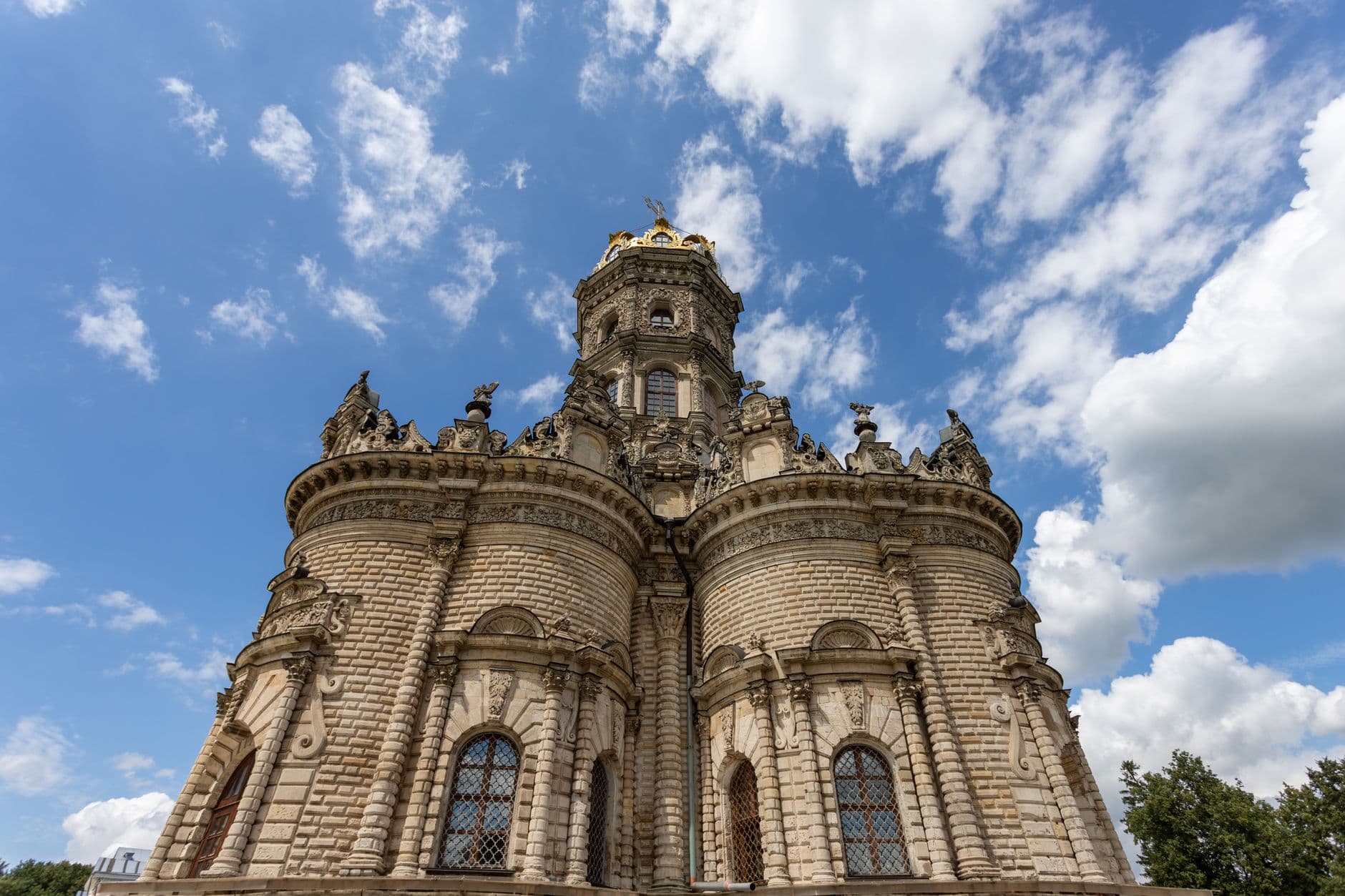

Розпочніть свій маршрут вздовж берега річки біля станції, щоб зафіксувати цибулинні куполи на тлі сутінків; ця пряма рекомендація задає тон для решти послідовності.
Плануєте відвідати музеї Москви?
Без черг — квитки та екскурсії музеями Москви.
Забронювати екскурсію →За міським оновленням, горизонт Москви тяжіє до небесного горизонту, де розвиток і зручність сходяться у вуличній сітці.
Вплив Шухова проявляється в ґратчастих візерунках на навісах над станціями, перетворюючи метри на виміряний каданс; фотографії, зроблені з річкових оглядових майданчиків, показують результат.
Від кремлів до священних дворів, маршрут з'єднує тихі площі з громадським життям, за скляними фасадами та за течією річки, що запрошує до другого погляду.
Краї саду обрамляють послідовність оглядових майданчиків, вздовж яких читачі можуть нахилятися до заходу сонця та останнього світла, що осідає на цеглі та склі; ця композиція пропонує людяний контрапункт до щільних блоків, перетворюючи прогулянку на тактильне дослідження, а не просто на контрольний список.
Підсумовуючи, пройдіть цим шляхом для компактного огляду, який поєднує старе та нове - маршрут, де цибулинні форми, священні куточки та лінії берега річки сходяться як компактний, тихий маршрут до наступного розділу в поточному розвитку цієї столиці.
Практичний путівник по архітектурних стилях Москви та можливостях для фотографування
Почніть на світанку вздовж набережної Москви-ріки, зосереджуючись на декоративних фасадах, що сяють під низьким сонцем. Камера тут повинна обрамляти собори та будинки, двері навколо входів та відображення на мокрому тротуарі; берег річки забезпечує природне обрамлення та тихий настрій.
Налаштуйтеся на внутрішні райони, де штукатурні текстури зустрічаються зі склом. Радянські блоки поділяють практичну зручність у плануванні; письменники пізньої епохи описували міську текстуру. Найстаріші провулки розкривають розмову між утилітарним дизайном та декоративними деталями. Текстури запрошують їх розкрити свою історію, особливо на карнизах та сходових клітках.
Дивіться за фасади, щоб зловити форми куполів та арок, що пережили течію річки. Знімайте з мостів у той час доби, коли світло вибілює та поглиблює тіні; відображення у віконних шибках навколо кутів пропонують інтимні сцени. У Прудах та прилеглих районах акценти з штукатурки кольору ікри з'являються на блоках початку 20-го століття, додаючи тепла бетонній геометрії.
Санкт-Петербург може похвалитися подібною декоративною мовою; розмістіть знімки поруч, щоб вивчити, як світло вирізає об'єм по кутах. У районі навколо старих церков та будинків контраст між цеглою та штукатуркою розкриває тихий, тривалий ритм. Створіть послідовність, яка показує, як входи та сходи запрошують до руху, а балкони та перила додають міської поезії.
Для практичних маршрутів нанесіть на карту дві петлі: прогулянку по краю річки для довгих, безперервних ліній та лабіринт дворів для щільних текстур. Надайте пріоритет світлу, коли воно м'яке та спрямоване; носіть ширококутний об'єктив для фасадів та телеоб'єктив для далеких куполів. Час доби має значення; один візит може дати як сміливі форми, так і тонкі відображення.
Тримайте обладнання непомітним поблизу жвавих перехресть; район навколо старих церков залишається найдавнішим орієнтиром; лінії Прудів та берегова лінія Москви є легкими якорями, а навколишні будинки та декоративні елементи створюють наративну дугу для однієї прогулянки.
Неокласичні фасади: де їх знайти в центрі Москви
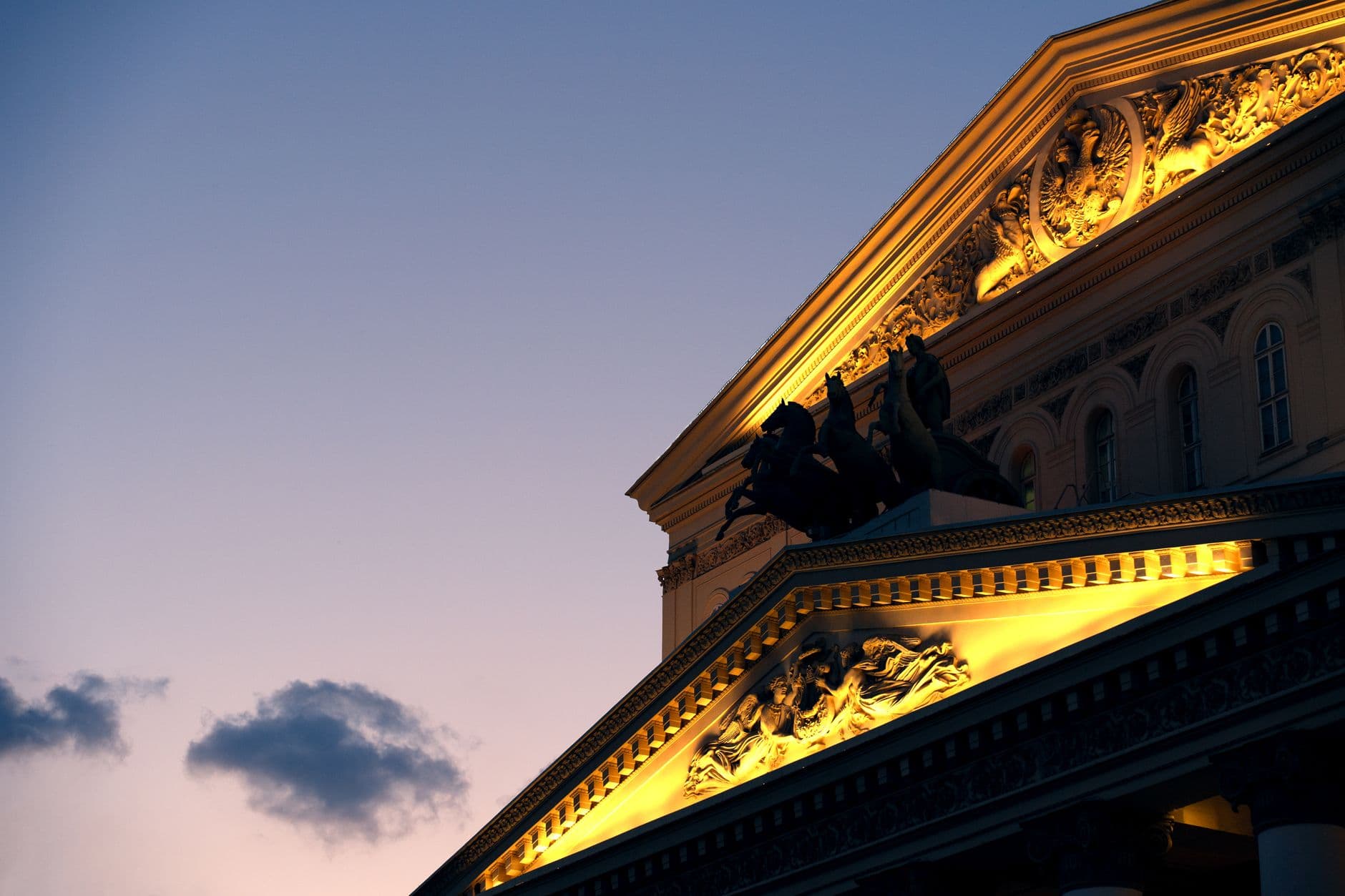
Почніть з Театральної площі біля Великого театру, де класичне масування та високі колони створюють вишукану рамку. Фасад використовує мармур та сірий камінь, з входом, схожим на палубу, та ритмом форм, які повторюються вздовж карнизу, як мова порядку. У післяобідньому світлі він набуває природного сяйва; у сутінках краї стають душевними та приглушеними.
Звідти ковзайте до берега річки, де група фасадів дотримується суворої класичної лінії вздовж води. Сірі кам'яні фронтони та мармурові акценти розташовані поруч з невеликими мозаїками та плитковими вставками, створюючи спокійну, розбірливу мову масування. Доступ легкий з набережної, а клаптикова ковдра форм перегукується з масштабом сусідніх соборів та ритмом площ, особливо в сутінках або під час післяобідньої прогулянки. Невеликий парк підкреслює маршрут як простір для дихання між фасадами.
На сусідніх проспектах тріо фасадів обрамляє центральний край Тверської стриманим ритмом. Трійця арок, колон та фронтонів визначає горизонт, а мармур та сірий камінь з'єднуються з набережною в цілісній мові; маса чітко читається через проспект. Доступ з коридорів метро робить цей район природною послідовністю для прогулянки від денного світла до сутінків. Цей кластер передає чітку тему класичної пропорції, а не орнаменту.
Доступ простий зі станцій Охотний Ряд, Театральна або Пушкінська; центральна петля робить прогулянку компактною, з парками та площами, що переривають фасади, щоб запропонувати свіже обрамлення від блоку до блоку. Обмінний блок поблизу представляє важку кам'яну палубу та фронтон, ілюструючи, як масування та ритм перетворюються на присутність у масштабі громадськості.
Палітра віддає перевагу блідому мармуру з вугільно-сірим каменем; мозаїки та плиткові вставки підкреслюють пілястри. Тіні кольору ікри під карнизами додають глибини, а набережна створює безперервну рамку вздовж центрального хребта. Орнамент вимірюється; темп залишається стриманим, щодо масування та пропорцій, коли громадські години перетікають з післяобіднього часу в сутінки.
Конструктивістські пам'ятки: ключові особливості та кути для сміливих фотографій
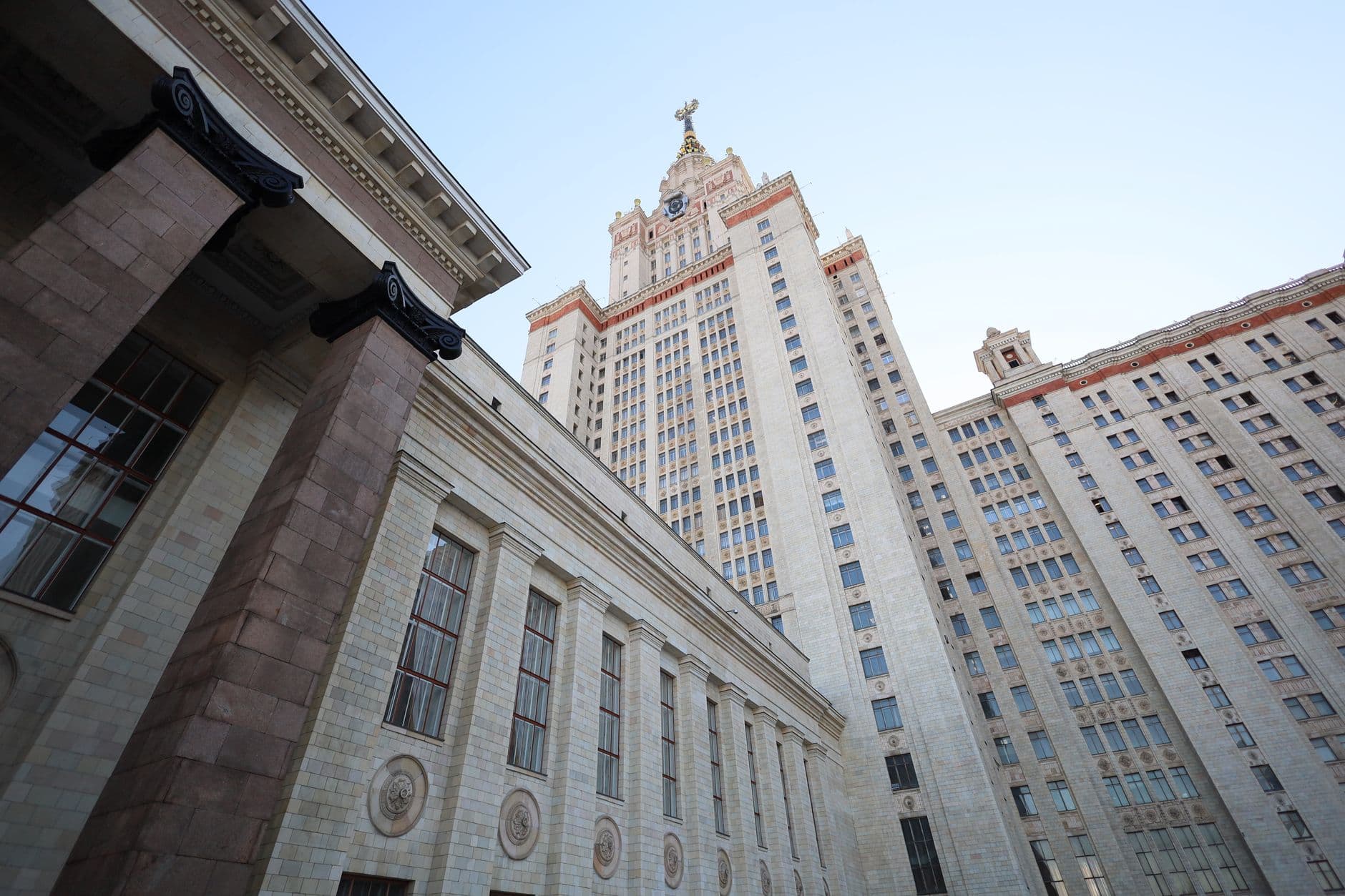
Рекомендація: Почніть у синю годину, щоб отримати драматичні відображення та силуети цих блокових пам'яток. Використовуйте ширококутний об'єктив, щоб перебільшити масу та осьові лінії, а потім змініть перспективи для сміливого вигляду.
Ключові особливості включають королівські фронтони та чітку масу з чистими формами. Скляні фасади відображають міське світло, перетворюючи прості кути на графічні лінії та відображення, які залишаються в пам'яті. Сувора геометрія створює висококонтрастні текстури, які винагороджують ретельне обрамлення.
Кути та вигляд: Шукайте вхідні ворота та вирівнювання з віссю вулиць; знімайте з низьких кутів, щоб подовжити вертикалі, і використовуйте силуети на тлі неба, відображення на мокрому тротуарі та майже кінематографічний вигляд; на відміну від плоских фасадів, ці точки зору розкривають глибину.
Ці пам'ятки розташовані в житлових районах, поблизу церков та монастирських дворів, і в місцях, які розкривають різноманітність міста в міській тканині Москви. Дослідіть групу місць, щоб порівняти, як різні матеріали передають світло; у деяких районах доступ регулюється квитками або ліцензуванням, тому час відрізняється залежно від місця розташування.
План фотографування: для цих об'єктів надайте пріоритет осі та взаємодії форм на цеглі та склі. Використовуйте довгі витримки, щоб пом'якшити рух транспорту та підкреслити відображення, або швидкий затвор, щоб заморозити натовп; останнє світло силуетів, натхненних 20-м століттям, дає захоплюючі результати, які прославляють різноманітність у міській тканині.
Будьте лаконічними та методичними: ці кроки розкривають контраст між житловими блоками та релігійними монастирськими просторами, дозволяючи вам створити пов'язану послідовність між місцями; плануйте групові зйомки з дозволами та дотримуйтесь вимог щодо часу та ліцензування; результатом є набір сміливих зображень, які передають відображення, силуети та унікальну вісь цих королівських пам'яток.