
 Українська
  English (UK)
  Русский
  العربية
  日本語
日本語  한국어
한국어  Magyar
  Türkçe
  Español
  Čeština
  Svenska
  Português
  Ελληνικά
  Suomi
Suomi  Nederlands
  Română
  Italiano
  Français
  Polski
  Deutsch
  简体中文
简体中文  Slovenčina
  Best Moscow Souvenirs in 2025 – Top Gifts to Bring Home">

Start with valenki first for warmth and character. For a winter trip, these traditional footwear options offer insulation, durability, and a story you can share with mates when you get back.
Shop offline in stores around major venues and the museum district to compare authentic pairs. Look for wool composition and sturdy soles; prioritise classic black tones and enamels from regional collections, and evaluate the fit for your trip.
Beyond footwear, explore crafts such as lacquer miniatures and enamel pins. These pieces are composed with city motifs and are sold at small galleries and craft fairs; pick items without rushed decisions by spreading your budget across a couple of pieces for mates.
In markets and smaller stores, negotiate politely; start with a reasonable offer and compare three options before finalising, because a measured approach helps you secure a better price without sacrificing quality for mates.
When planning the trip, map routes that connect a couple of shops, the museum shop, and a weekend fair at a winter venue. This mix ensures you collect a handful of keepsakes that pair well with a winter wardrobe and can be shared with friends long after the journey.
Practical Guide to Moscow Souvenirs and Gzhel Selections
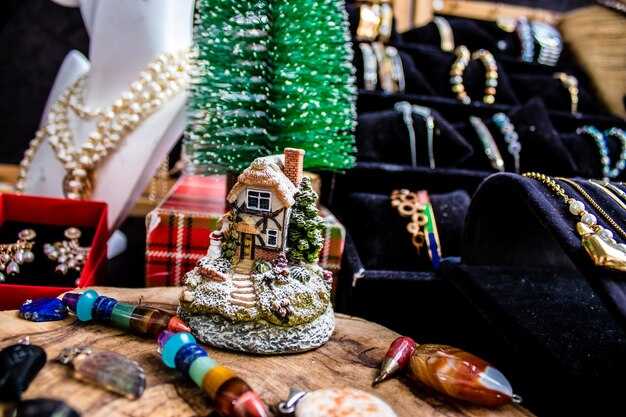
Firstly, verify authenticity by checking production marks and certificates about provenance; avoid fakes by prioritising items with documented provenance for Khokhloma and Gzhel pieces.
Plan a shopping route that includes Partizanskaya district shops and small studios where the craft process is visible; courtesy from staff helps guide decisions; while some shops display pass-covered boxes and bark-adorned wares, others showcase sleek, uniform finishes.
Choose miniature pieces for easy daily display or as practical decorations; both classic blue-and-white Gzhel and warm-toned khokhloma are valued for longevity, including clad porcelain with enamel; before you finalise, ask questions about glaze consistency and whether the piece was hand-painted or produced by stencil methods.
Consider shape and carrying options: for travel, grab small items such as shapka-inspired brooches, clay figurines, or small plaques; these act as vivid reminders without weighty bulk; the shop staff can advise on packaging and shipping to avoid breakages.
When evaluating production quality, examine the glaze, the colour depth, and the pass-covered surfaces; generally, authentic pieces show consistent brushwork and a lively colour range; fakes were typically detected by uneven surfaces and misaligned patterns.
Decorations and wooden bark motifs are common; if you desire a practical piece, look for items clad in lacquer with a protective topcoat; understand that some items are decorative only while others function as keepsakes; before purchase, confirm care guidelines and daily-use suitability.
Gift ideas: pair a small Gzhel miniature with a Khokhloma spoon; wrapping options are available with complimentary wrapping; and if you gather multiple items, you can create a cohesive set that reflects tradition and contemporary aesthetics.
How to Verify Gzhel Authenticity: Marks, Craftsmanship, and Quality Indicators
Check the underside mark first: genuine gzhel porcelain embeds a cobalt underglaze or enamel signature that clearly reads gzhel, often with a factory crest or year symbol; the imprint should be crisp, centred, and embedded in the glaze rather than painted on top.
Today, inspect the enamels: colours should be vivid yet precise, with high contrast between the blue motif and the white surface; pattern edges must be clean and tight, and the design should start at the centre and radiate outwards in a balanced way.
Examine craftsmanship details: lines should be tight and uniform, with no feathering or irregularities; the glaze should feel smooth across all surfaces, and there should be no rough spots or pin-like defects; the piece should have a solid, substantial weight for its size, and the pattern should be embedded rather than applied on top.
Size and weight cues: compare the gram range for similar objects; a dessert plate typically runs within a consistent range for diameter and thickness, while a tray or vase should show proportional mass; unusual discrepancies in grams or thickness can indicate a reproduction.
Fakes and provenance: identify obvious repeats in pattern or identical motifs across items, which is a red flag; request a clear address of the workshop or seller, and ask for provenance or a certificate; if you're told a piece is “handmade” but cannot provide photos of the back, interior, and rim, walk away until you can verify with a trusted source.
Display and care indicators: genuine gzhel finishes have a glossy, durable glaze with even sheen; the enamel layering should be durable and not prone to cracking; inspect the back for an official stamp embedded in the glaze and for a signature that matches known artist patterns; a well-made piece will resist chipping at corners and along handles, with no loose joints on a tray or figurine.
Display context and gifting potential: authentic pieces usually sit beautifully in an interior, adding warmth when placed on a shelf or tray; they make exquisite presents for friends, and the motif often suits traditional seasonal displays or dessert table setups – just ensure the pattern aligns with the room’s colour palette and décor.
Trip and marketplace tips: if you encounter a display near tube exits or at a customs stall, scrutinise the bottom for a badge or embedded mark and ask about the artist's name; prefer items that show a consistent signature across multiple angles and avoid pieces with unclear edges or mismatched enamels; starts with a clear mark, continues with careful painting, and ends with a reliable provenance.
Further checks: verify that the address on packaging or a tag corresponds to an actual workshop; examine the interior surface for uniformity and the absence of plastic pins or filler that would indicate a quick rebuild; for everyday use, a plate with flowers or a small dessert set should retain its colour and pattern after routine cleaning, without dulling in the enamel layers.
Where to Buy Gzhel in Moscow: Official Shops, Markets and Neighbourhood Hotspots
Start in the Arbat area in Moscow: visit the official Gzhel boutique first to gauge pricing and to see those colourful items displayed behind glass.
Official shops in Moscow carry items with ancient patterns, from first-rate teapots to larger trays; look for clear labelling and a certificate of authenticity.
Izmailovo Market on weekends offers rare memorabilia and a wide range of hammered trays, often with dark cobalt glazes; expect a lively atmosphere and room to compare prices.
Neighbourhood hotspots around Arbats and nearby lanes host smaller ateliers and galleries with handcrafted Gzhel figures; those spots tend to be composed and artistic.
Practical tips: choose gram-sized samples and small first sorts; items are crafted by hand, often with a vivid pattern and shiny glaze; colour palettes are colourful.
Bear opening hours in mind and check receipts; Moscow shoppers often compare with museum memorabilia; those pieces from the Soviet-era still carry a dark, almost historic vibe.
Top Gzhel Gift Picks for Beginners: Simple, Elegant Designs That Travel Well
Start with a petite cobalt vase (8–12 cm) featuring a modest bouquet of flowers; it travels well, fits daily décor, and is available in markets near Tretyakov shop corners and in village studios. The glaze work is sturdy, created to withstand transit; however, it carries authenticity and value, making it a thoughtful souvenir or a compact gift.
- Small vase with a modest bunch of flowers (8–12 cm) – light, robust glaze, access to markets, and a design that stays elegant when packed for travel, created by artisans in a village workshop.
- Tea cup and saucer set (2–4 pieces) in a blue underglaze with a lace-like edge – ideal for daily tea, compact for carry-on, and available in museum shop sections; citypass access adds value to a collection; the cup work is consistently nice.
- Miniature plate (8–10 cm) featuring a repeating floral pattern – handy as a desk tray or jewellery dish; exhibited in village fêtes and markets; it is easy to wrap with pass-covered packaging and keeps its value as a country craft keepsake; discover the subtle charm of its lace accents.
- Small decorative tile or panel (10–12 cm) with a flower motif – crafted with a smooth glaze, travel-friendly, and accessible in city markets; discover the magic and access to traditional craft heritage.
- Ornament box or trinket box with a lace border and a firm glaze – crafted for travel, a nice compact gift, and should appeal to collectors who value authenticity; it pairs well with a souvenir display at home or in a museum corner, and it can be a daily luxury for someone special.
Pricing, Value, and Fraud Prevention: Spot Fair Prices and Avoid Counterfeits
Start with a transparent list of prices and negotiate before purchase. If you have a city pass, show it to verify the discount. This is about fair value and helps you select a real keepsake.
Prices vary by craft and origin: pavlovo shawls, handcrafted lacquer boxes, and porcelain figurines. Typical ranges: pavlovo items £40–£150; handcrafted lacquer boxes £30–£100; porcelain figurines £50–£200. In January, some shops offer modest reductions, but compare with an official shop or museum store to confirm consistency.
To spot genuine items, inspect craftsmanship: real handcrafted pieces show even glaze, clean seams, and stable joints; look for natural materials and well-fitted components. Avoid items with cheap white plastic bases or dubious stamps. Enquire about the maker and the history; prefer pieces created by a family workshop with a traceable line.
Fraud flags: avoid items lacking a transparent price tag or receipt. Be wary of mass-produced trinkets sold as vintage; request origin labels and a warranty or return policy. If the seller cannot name the maker or origin, walk away until you find a trustworthy option. In crowded stalls, some push gums to distract; if you have a pass, verify the discount is applied.
Seasonal and special picks: many unusual designs arrive from Pavlovo Studios and museum shops, especially around holidays. If perfume or scent is offered, check the packaging for authenticity and scent quality; a well-made fragrance implies a thoughtful source. Discover items that combine warmth, magic, and history, created by a family with a clear lineage – these often become an excellent keepsake your friends will value until you meet again in the city.
Conclusion and tips: keep a list of trusted venues, prioritise items created by known family studios, and look for museum-store provenance to avoid counterfeits. The goal is a perfect, excellent keepsake that feels real and earns warmth and admiration from friends, until your next city visit.
Care, Packaging and Presentation: Preserve Details and Gift-Wrap Like a Pro
Keep fragile pieces in a rigid tray lined with acid-free tissue, then seal with two layers of eco-friendly wrap and a protective outer shell. In Moscow, this approach minimises movement during winter transit, preserving fine details until you're ready to present the gift.
Wrap each small piece separately with tissue and a cushion of bubble wrap inside an inner pouch. For silver items, place anti-tarnish cloth nearby and avoid direct contact with amber; store amber pieces in a padded compartment to prevent scratches. Use a dedicated tray section for footwear or delicate pieces, so those stay fixed and do not rub together. Include silica gel to control humidity and ensure the outer box is rigid and clearly labelled for customs when crossing borders.
Design a two-layer presentation: first wrap in tissue, then place inside a neutral sleeve and sturdy box. Add a short reading card with 3 ideas for use and a device – a tiny QR tag linking to a tasting note or a history snippet about Moscow artisans. Include suggestions to pair the piece with a small food idea, so the recipient can enjoy a coordinated experience.
For a self-guided Saturday tour or weekend gifting, choose compact packaging that travels well. Label clearly for customs: describe the item as a gift, list its origin such as amber or silver, and indicate care requirements. Use a bright but tasteful ribbon and a secure lid, and select trusted outer materials to minimise moisture risk.
Before sealing, run through questions to scrutinise: will the wrap protect against rough handling, is the unpacking experience smooth, and does the recipient have easy access to care instructions? Keep a compact set of care steps printed on the card, include a tray-ready layout for easy storage, and consider pairing those items with ideas for a small, coordinated set for friends or a winter tasting night. This approach largely succeeds because it keeps moskva city story alive without overwhelming the piece.
 Botanical Gardens of Peter the Great, St Petersburg – Visitor's Guide">
 Fun Places to Go on Sunday – A Guide to Leisure Activities">
 Top Spots in Moscow for Space Buffs | Astronomy & Planetariums">
 How to Take the Best Night Photos in Moscow – Tips, Gear & Locations">
 Narrow Streets and Hidden Canals of Venice – A Secret Guide to Exploring the City’s Labyrinth">
 20 Most Beautiful Buildings in Moscow – Photos">
 Most Interesting Attractions in Zamoskvorechye – A Comprehensive Guide">
 The 7 Most Beautiful Villages in Russia – Photo Gallery &">
 A Walk Around Xi’an’s Historic City Wall – The 18 Gates">
 5 Things to Do in Moscow in Winter">