
Подорожуйте до Москви наприкінці квітня/на початку травня або на початку вересня, щоб отримати найкращий баланс погоди та натовпу. Цей період пропонує комфортні денні температури, надійний час на свіжому повітрі та легше бронювання готелів, ніж у той самий період в інших місцях. Ціни відповідають тим, яких очікують мандрівники в той самий весняний період.
Навесні середньоденні температури зростають з приблизно 8-12°C на початку квітня до 15-20°C до кінця травня; рання осінь слідує подібному шаблону, з днями у вересні близько 15-20°C і ночами, що опускаються до 8-12°C. Візьміть плащ і багатошарове вбрання, щоб перемикатися між сонцем і вітерцем; дощі можуть з'явитися майже без попередження в квітні, травні та вересні. Тримайте під рукою репелент від комах у парках і біля водойм у пізню весну.
Весна пропонує ароматні парки та культурні місця з меншою кількістю відвідувачів, ніж влітку. Початок травня приносить національні свята та виступи; в дні свят у центрі міста може бути великий поток транспорту, тому відвідуйте музеї в інші дні. Якщо ви подорожуєте з Магадану, плануйте довшу пересадку, оскільки внутрішні рейси добре прибувають до головних аеропортів Москви. Одним з виділених моментів сезону є парад на День Перемоги 9 травня, який може стати пам'ятним фоном для фотографій, якщо ви вгадаєте з часом.
Транспорт добре охоплює місто: мережа метро ефективна, а піші маршрути з'єднують більшість головних пам'яток. Типовий план на чотири-п'ять днів включає територію Кремля, Червону площу, Большой театр, Третьяковську галерею та кілька парків. Для глибшого занурення додайте екскурсії до Сергієва Посада або Коломни; такі поїздки розбагатять вашу московську програму. Якщо потрібен компактний план, заздалегідь забронюйте готель, і ви знайдете розумні ціни; ціни будуть вищими біля довгих святкових вихідних.
Список речей для свідомого пакування включає дощовик, зручні взуття, компактний парасольку та легкий шарф на прохолодні ранки. Щоб уникнути комах, використовуйте репелент у парках і біля водойм у пізню весну; цей невеликий додаток робить дні, повні часу на свіжому повітрі, більш комфортними. Загальна вартість їжі та розваг залишається доступною, якщо ви плануєте заздалегідь і користуєтеся пропозиціями у середині тижня.
Ці пункти відображають чіткий підхід до сезону: візуальні контрасти між квітковими садами в травні та ясеневими кронами в вересні, продумане поєднання внутрішніх і зовнішніх заходів, а також увага до комфорту подорожей. Досвід залишається унікальним для Києва навесні та на початку осені, з можливістю насолоджуватися сезонними квітами, прогулянками вздовж річок і відвідуванням історичних місць.
Перегляньте свій план подорожі до Москви та подайте заявку.
Завершіть свій план подорожей сьогодні, зібріть документи та подайте заявку до візового центру або порталу посольства.
- Час і дні: Забронюйте вікно навесні (квітень-травень) або на початку осені (вересень-жовтень). У Москві ці періоди пропонують більш м'який клімат, блакитні небеса та енергію, яка робить екскурсії комфортними. Плануйте 7-12 днів, щоб відвідати Кремль, Червону площу, музеї та квартали. Грудень пропонує інший темп з холоднішими днями та коротшим світловим днем, що може бути придатним для внутрішніх занять.
- Документація та формат: мати паспорт, дійсний щонайменше шість місяців після подорожі, візу, якщо потрібно, запрошення, страховку подорожуючих та недавні фотографії. Для іноземних мандрівників перевірте вимоги посольства; завантажуйте документи у точному форматі, який очікує портал. Термін подачі залежить від вашого громадянства та центру обробки.
- Ось день за днем: побудуйте просту таблицю, яка відображає дні та місця, такі як Червона площа, Кремль, вулиця Арбат, а також кілька місцевих барів або концертних майданчиків з живими музикантами. Включіть ранкову відвідування православної церкви, щоб почути дзвін дзвонів, а потім післяобідню прогулянку по музею або парку. На відміну від спішних маршрутів, така схема залишає місце для спонтанних відкриттів.
- Локальна готовність та упакування: в Москві погода може бути вітряною з рідкісними дощами; упакуйте шари одягу, водонепроникну куртку та зручні взуття для ходьби. У більш м'які дні ви віддасте перевагу легшим нарядам, але будьте готови до прохолодних вечорів.
- Подайте заявку: після відправки стежте за порталом за оновленнями статусу; якщо результат займе більше часу, заплануйте резервні варіанти на кілька днів навколо запланованої дати від'їзду. Якщо все в порядку, ви отримаєте чітке рішення без затримок.
Підтвердіть дати подорожі для Москви на весну (березень-травень) та ранню осінь (вересень-жовтень) 2025 року.
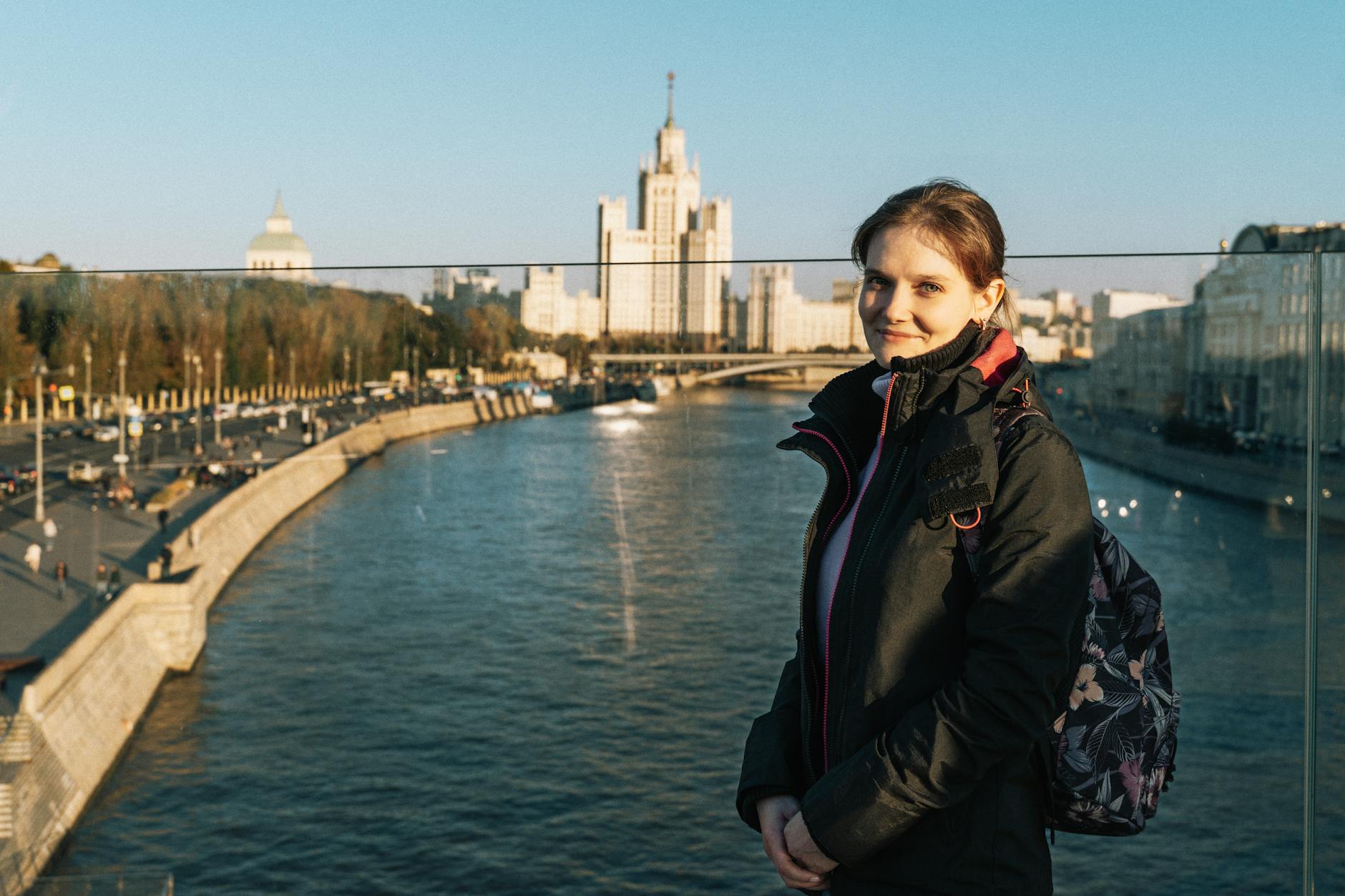
Найкращий план: відвідати місто у два вікна — з кінця березня до початку травня та з вересня по жовтень 2025 року, з особливо комфортними періодами 10 квітня — 5 травня та 15 вересня — 6 жовтня. Цей вибір дозволяє комфортно пересуватися пішки, з довгими світловими годинами, що тривають до вечора, і менше натовпу на вихідних, ніж у розпал літа.
- Весняне вікно: 25 березня - 4 травня - чому це працює: м'які температури, квітні парки та місто перетворюється з сіруватого на зелене, коли дні стають довшими; ви отримуєте повний денний світло для маршрутів на свіжому повітрі навколо парку Горького та яскравих площ біля Червоного майдану.
- Рання осінь: 1 вересня - 15 жовтня - чому це працює: приємна погода, стабільний розклад музеїв і тінисті алеї вздовж річки Москви; місто спокійне після літніх натовпів, з довгим світловим днем, який триває до раннього вечора.
Підказки для точного планування та уникнення прогалин:
- Квитки: купуйте онлайн заздалегідь для музеїв, галерей та популярних місць, таких як Третьяковська галерея (де знаходиться Чорний квадрат). Це дозволяє зберегти час і уникнути довгих черг у години пік.
- Погода та упакування: найкраще одягатися шаруватими. Наприкінці березня може бути прохолодно, а наприкінці квітня та травня - м'якше, а на початку осені ввечері може бути прохолодно. Завжди перевіряйте прогноз за кілька днів наперед і беріть легкий дощовик.
- Щоденний ритм: більшість культурних закладів відкриваються близько 10:00 і закриваються о 18:00-19:00; на вихідних або у святкові періоди можливі зміни за годинами, тому перевірте розклад заздалегідь за конкретний день.
- Транспорт: мережа метро з пунктирними лініями забезпечує швидкий доступ до головних визначних пам'яток міста; подорож між Горьківським парком, площею навколо Червоного майдану та ключовими будівлями ефективна, але уникайте пікових годин, якщо хочете більш спокійного досвіду.
- Які дні відвідувати: у будні зазвичай тихіше, ніж у вихідні; наприклад, плануйте відвідування музеїв у второк або середу, щоб уникнути черг і краще обслуговуватися на входах та у кафе поблизу.
- На вулиці: шукайте затенені стежки вздовж Московського набережної та в парках; пізній вечірній світло може створити драматичні фотографії міських будівель і відкритих площ.
- Планувальна форма: зберігайте коротку версію маршруту для швидких оновлень; використовуйте цифрову версію, щоб адаптувати плани, якщо зміниться погода. Це зберігає вашу базу гнучкою і повністю використовує ваші дні.
- Комфорт і комахи: навесні біля водойм може з'явитися більше комах; беріть репелент і обирайте захищені, добре підтримувані маршрути в парках, щоб бути комфортно.
- Пам'ятки з інших регіонів: мандрівники з Іркутська та інших міст часто погоджуються, що ці вікна балансують погоду, квитки та денне світло; використовуйте цей приклад, щоб сформувати свій власний план.
- Остаточно перевірте план на кінець березня або початок вересня, щоб встигнути на сезонні заходи, спеціальні виставки та міські культурні події, які розгортаються протягом сезону.
Перевірте дійсність візи, паспорта та правила в'їзду для вашого громадянства.

Перевірте визові вимоги для вашого громадянства зараз і зіберіть необхідні документи перед подорожжю.
Якщо потрібна віза, подайте заявку через офіційне консульство або візовий центр і дозвольте принаймні 2-3 тижні на стандартну обробку; у деяких випадках є можливість прискореного оформлення за додаткову плату, але перевірте терміни з місцевою посольством.
Ваш паспорт повинен бути дійсним щонайменше 6 місяців після запланованого від'їзду з Росії, і у ньому повинно бути щонайменше дві порожні сторінки для віз і штампів. Якщо термін дії вашого паспорта закінчується протягом цього періоду, оновіть його перед бронюванням або подачею заявки на візу.
Правила в'їзду залежать від національності. Деякі мандрівники можуть в'їздити без візи на короткі візити, тоді як іншим потрібно отримати візу або скористатися онлайн-опцією e-візи на певний термін; перевірте офіційний сайт, щоб дізнатися, чи ви маєте право на безвізовий в'їзд або e-візу - варіації можуть бути регіональними, а політика може змінюватися. Для поїздок до Москви припасіть будь-яке запрошення або бронювання готелю, а також друкований варіант підтвердження e-візи, якщо це застосовно. Завжди носите з собою як цифрові, так і друковані копії під час подорожі.
Підготовте документи: дійний паспорт, заповнену анкету на візу, недавнє кольорове фото, туристичну страховку та підтвердження фінансових засобів або маршрут; може знадобитися запрошення або підтвердження бронювання готелю; для поїздок по кількох містах на маршруті, що з'єднує Москву з Сочі та Іркутськом, переконайтеся, що документи покривають весь маршрут і дати. Якщо ви плануєте в'їзд автобусом, поїздом або літаком, перевірте, чи потрібні окремі візи або електронні візи для інших регіонів; існує різноманіття видів видачі віз за національністю, тому дотримуйтеся інструкцій на офіційному сайті. Також зберігайте горизонтальну копію основних документів і створюйте цифрові резервні копії.
На прибутті необхідно заповнити міграційну картку та пред'явити паспорт і візу; зазвичай готель опікується реєстрацією, але при приватному проживанні може знадобитися зареєструватися в місцевих органах влади протягом семи днів. Якщо ви подорожуєте до кількох регіонів, зберігайте копії документів і будьте готові до перевірок з боку місцевих служб; на відміну від деяких країн, Росія вимагає формальної реєстрації при тривалих перебуваннях. Якщо у розкладі подорожі є зимові місяці, плануйте додаткові шари одягу та резервний варіант на випадок затримок через погоду.
Для весни та початку осені 2025 року заплануйте поїздку до Москви з відвідуванням таких місць, як Сочі або Іркутськ. У перехідні сезони можуть бути вологі дні, тому візьміть з собою шари одягу, а якщо ви забронювали курорт з басейном або пляжем, не забудьте легку накидку. Головне правило — узгодіть дату в'їзду з підтвердженими візовими документами та бронюванням готелю, щоб уникнути затримок. Пізні замовлення можуть ускладнити перевірку на кордоні, тому бронюйте заздалегідь і підтверджуйте всі форми. Автобуси та поїзди з'єднують Москву з іншими туристичними районами, але перевірте дійсність візи на весь маршрут і останні вимоги для в'їзду перед від'їздом.
Якщо подорожуєте з іншими, домовляйтеся про спільний чек-лист і зберігайте копії в безпеці; наступні кроки допомагають туристам залишатися відповідними до вимог: підтвердьте вимоги для вашого громадянства, перевірте термін дії паспорта, забезпечте документацію про готель або запрошення, отримайте підтвердження візи або електронної візи, і майте друковану копію при прибутті. Для жінок-мандрівниць використовуйте місцеві ресурси та офіційні канали, які надають актуальні рекомендації; будь ласка, зверніться до сторінки місцевого посольства для точних правил у вашому випадку та різниці між регіонами.