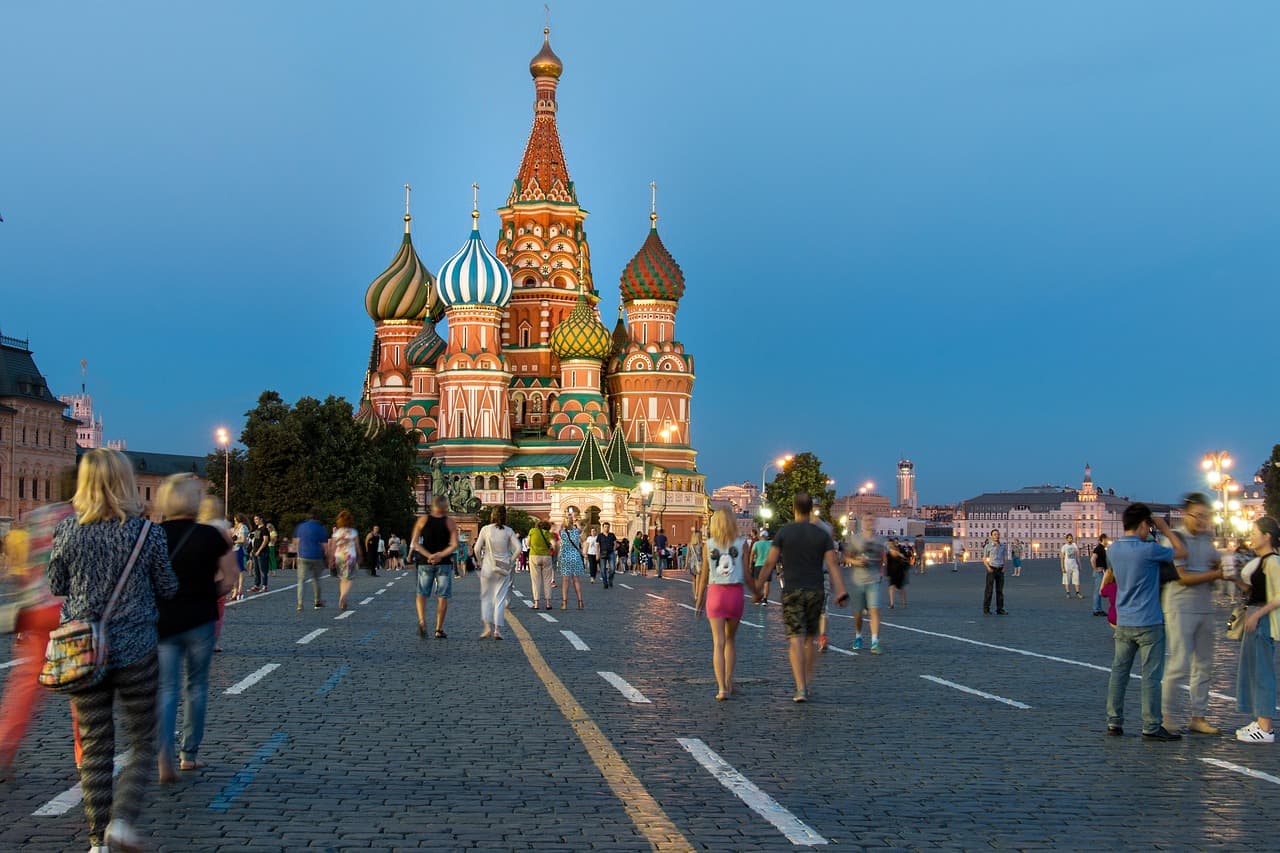
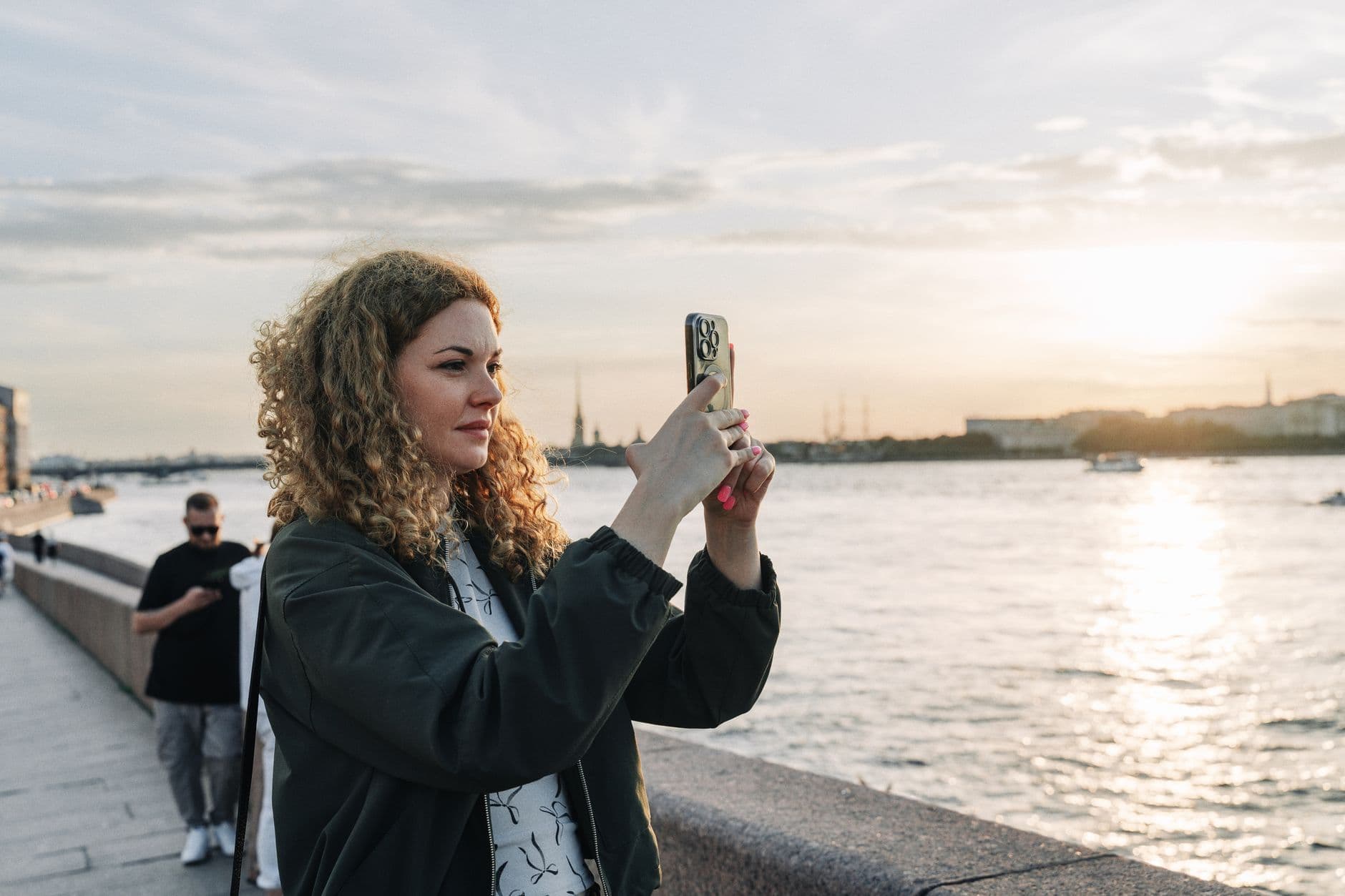
Сплануйте 7-денну прибережну подорож, яка поєднує міське сяйво, пішохідні стежки та доступні приморські містечка. Цей маршрут тримає вас подалі від дорогих місць, пропонуючи незабутні краєвиди води, свіжі морепродукти та тихі затоки на світанку. Там, святий квартал уздовж брукованих вуличок запрошує до повільних ранків, а вечори сяють над суднами, що повертаються в гавань.
Зафіксуйте двохетапний план: міські ранки в історичному порту, а потім повільніші дні вздовж лісистих узбереж. У росії розгляньте маршрут Санкт-Петербург - Карелія експресом, а потім поїздку на автомобілі до озерних сіл. Очікуйте 5-7 днів, проживання близько 60-120 доларів США за ніч у готелях середнього класу, і додайте 20-40 доларів США щодня на харчування. Зверніться до місцевих гідів у денному поході, де взуття чіпляється за скелясті стежки, а куртки витримують холод, навіть коли температура підвищується. Багато місць пропонують безкоштовний вхід у певні дні; прогулянки вздовж річкових доріжок максимально використовують це. Цей маршрут охоплює широкий діапазон ландшафтів, від міських аркад до тихих прибережних лісів.
З повільнішим темпом ви можете змінювати плани за примхою: музейний ранок перетворюється на прогулянку вздовж прибережного ринку, а потім відхилення на лісову стежку. Якщо вам потрібні інші краєвиди, замініть морські міста на озерний край і скористайтеся місцевим поромом, дотримання розкладу допомагає отримати доступ до прихованих пляжів, і ви знову зможете насолодитися відображеннями води, коли повз пропливають човни.
Після того, як ви завершите пакування, якщо ночі стануть прохолодними, запакуйте куртку та міцне взуття; кілька пунктів прокату спорядження на базах гавані, тож ви можете подорожувати без нічого зайвого. Деякі музеї можуть бути закриті в певні дні, тому узгоджуйте плани з відкриттями. Дні на природі найкраще сяють пізньою весною або ранньою осінню, коли спека м'яка, але морське повітря залишається свіжим. Доступ до свіжих морепродуктів і місцевих ринків є простим, а поромні переправи залишаються надійними ще довго після піку натовпу. Там ви знайдете багато варіантів, щоб адаптувати цю подорож до вашого темпу та засобів.
Найкращі ідеї для відпустки: креативні подорожі та кліматичний гід по Росії
Почніть у Москві чи Санкт-Петербурзі пізньою весною (травень) або ранньою осінню (вересень), щоб забезпечити теплі дні, прохолодні ночі, великий досвід і доступні ціни.
- Міська класика: Москва та Санкт-Петербург
- Внутрішні враження: галереї світового класу, театральні вечори та зимові зали Ермітажу захистять вас від прохолодного повітря.
- Місця для відпочинку: Червона площа, Ісаакіївський собор, Невський проспект; сплануйте 2-3 екскурсії на місто, а потім спокійну прогулянку набережною вночі в міжсезоння.
- Ціни змінюються в залежності від місяця; прагніть до міжсезоння, щоб отримати цінність без натовпу.
- Пересування залізницею є ефективним, прискорює пересування між районами та підтримує стабільний темп.
- Прибережні відпочинки та курортна атмосфера: Сочі, Анапа та вздовж Чорного моря
- Коли розквітає літо: зупиняйтеся біля води, щоб насолоджуватися теплими днями та довшими ночами; курортні пакети зі спа-центром і сніданком скорочують витрати.
- Перебування біля води поєднує пригоди на природі з музеями в приміщенні у дні негоди.
- Ціни падають пізньою весною та ранньою осінню, що робить простий план безтурботним і розумним.
- Транссибірські подорожі та озерні пригоди
- Подорож через зони: від тайги до степу до озерних міст; тури включають нічні поїздки поїздом і одноденні поїздки; повільніший темп допомагає захистити енергію та задоволення.
- Тури на Байкал дарують безтурботну, майже казкову атмосферу; включіть катання на човні влітку або тиху прогулянку по льоду в грудні для тих, хто шукає унікальних відчуттів.
- Кліматичні зони з першого погляду
- Температури: тундра (від -30 до -10°C взимку, 5-12°C влітку), тайга (від -25 до -5°C взимку, 15-25°C влітку), степ (від -15 до -5°C взимку, 25-30°C в середині літа).
- Найспекотніші зони: південний Кавказ і Чорноморське узбережжя; прохолодніші зони: північ і Сибірський пояс.
- Грудневі примітки: коротші дні, закриті місця, такі як театри та кафе, стають місцями зустрічей; плануйте водні розваги в теплі місяці.
- Середня кількість світлових годин змінюється в залежності від міста; очікуйте близько 7-9 годин взимку та 15-18 годин в середині літа в європейській частині Росії.
- Відчуття кожної зони змінюється залежно від пори року, що робить її туристичним гобеленом, який ви можете сповільнити або прискорити за потреби.
Необхідна підготовка включає перевірку вологості, багатошарове пакування та гнучкі маршрути. Захищайте шкіру в сонячні дні, підтримуйте водний баланс і виберіть базу з культурними театральними можливостями та спокійними зонами відпочинку, щоб збалансувати захоплюючі екскурсії зі спокійним перебуванням. Грудень може бути чарівною країною святкових ярмарків, а прохолодні місяці запрошують до театральних вечорів у приміщенні та лісових прогулянок, щоб зберегти багатий досвід у багатьох місцях. Пересування між містами є ефективним, що дає вам реальне відчуття спектру російських ландшафтів, зберігаючи при цьому витрати під контролем.
Бюджетні міські канікули: плануйте менше 100-150 доларів США на день
Виберіть Санкт-Петербург, північний центр, для економічної міської відпустки з щоденними витратами близько 100-150 доларів США. Почніть з центрального хостелу або апартаментів з обслуговуванням за 25-40 доларів США за ніч; харчування з ринків і вуличних кіосків коштує 5-12 доларів США за одиницю; а громадський транспорт коштує менше 5 доларів США на день. Ці основи завершують конкретний, готовий до подорожей план, який обслуговує мандрівників.
Два обов'язкових місця: Ермітаж і Петергоф. Забронюйте квиток в Ермітаж онлайн, щоб уникнути черг і затримок обробки; ранковий візит відкриває шедеври імперської та військової історії. Одноденна поїздка в Петергоф біля узбережжя на підводних крилах починається рано, приводячи вас до фонтанів і садів; вхід коштує близько 15-25 доларів США. Обидва місця залишаються зайнятими в серпні, тому плануйте заздалегідь, а потім поверніться до полудня, щоб прогулятися на свіжому повітрі вздовж Неви та по навколишніх ринках.
Ринки задають ритм цим міським канікулам. В осінь на вуличних прилавках з'являється урожай; варіанти перекусів коштують 2-6 доларів США, а кава - 1-3 долари США. Пішохідні маршрути на відкритому повітрі біля каналів пропонують безкоштовні краєвиди, а на кількох об'єктах виділяються спортивні майданчики, де можуть проводитися місцеві заходи. Цей досвід допомагає утримувати обмежені витрати, зберігаючи глибину.
Пори року впливають на ціни та натовпи; на початку серпня все ще довгі дні, потім осінь приносить прохолоднішу погоду та тихіші номери. Щоб уникнути крайнощів, бронюйте житло за два тижні та подумайте про перебування в середині тижня. Мандрівники повинні підготувати документи та простий план, який включає музеї, ринки та прогулянки набережною, уникаючи непотрібних витрат.
Поблизу центру міста зупиняйтеся в межах короткої пішої прогулянки від основних маршрутів, щоб мінімізувати час на дорогу; поза годинами пік здійснюйте неквапливі прогулянки парками та ринками. Почніть свій день рано, щоб випередити черги біля дверей Ермітажу, і закінчіть легкою вечерею в сусідній таверні. Якщо ви хочете глибше зануритися, ви можете додати другий візит до галерей Ермітажу в продовжений час у кінці сезону.
Природа та відпочинок на природі: національні парки, стежки та узбережжя з обмеженим бюджетом
Виберіть сусідній національний парк, вирушайте на вулицю з єдиним чітким планом і покладайтеся на ночівлі в кемпінгах або прості хостели, щоб утримувати щоденні витрати на низькому рівні. Вхідні внески зазвичай коливаються до 35 доларів США за транспортний засіб, тоді як річний абонемент пропонує більшу цінність для багаторазових відвідувань, що дозволяє планувати подорожі в межах розумних обмежень.
У грудні стежки тихіші; хоча натовпи зменшуються, доступність кемпінгів збільшується біля узбережжя, що дозволяє проводити багато пробних днів без туристичного тиску. Запакуйте легкі речі, візьміть термос і вирушайте на вулицю з почуттям мети; дослідження петель пішки або на велосипеді стає чарівним, оскільки термальні басейни пропонують природні винагороди, пейзажі, розфарбовані в коричневі та помаранчеві відтінки вздовж покриву скель і води.
Хоча послуги коштують, ви можете обійтися без гідів, використовуючи компактну карту та надійні офлайн-карти з паролем для доступу до них. Якщо ви прямуєте до Санкт-Петербурзького регіону або сусідньої зони метро, легка мережа трансферів з'єднує початки стежок, переміщуючи вас між стартами без дублювання зворотного шляху.
Узбережжя пропонує безліч варіантів відпочинку на природі без преміального доступу: скелясті стежки, приливні басейни та довгі пляжі, готові до дослідження, підживлюючи дослідження вздовж берегової лінії. Вибирайте довгі, недорогі маршрути з великою кількістю укриттів від дюн і трав; пробні ділянки вздовж менш відомих берегів дають вам відчуття дикого простору, уникаючи туристичних пасток. Фотографії показують коричневі скелі, помаранчеві заходи сонця та блакить далекої води, створюючи враження, які здаються чарівними навіть у вітряні, холодні дні.
Практичні поради: купуйте річний абонемент, коли багато парків з'являються в планах; шукайте дні безкоштовного входу, уникайте туристичних пасток, починаючи рано та використовуючи тінь; запакуйте компактну плиту, швидковисихаючий одяг і дощовик. У зимові місяці грудневі умови вимагають додаткових шарів, водонепроникного взуття та термобілизни, щоб залишатися в теплі на вулиці. Не забудьте зберігати ключові нотатки у файлі, захищеному паролем, на своєму пристрої та мати простий резервний план на випадок зміни погоди.
Сімейні поїздки, які заощаджують гроші: плани для дітей, житло та транспортні лайфхаки
Забронюйте двокімнатні апартаменти з обслуговуванням, а не один номер у готелі. Націлюйтеся на помірний діапазон 100-170 за ніч, щоб розмістити сім'ю з чотирьох осіб. У номері є повноцінна кухня та окрема вітальня, і адресу має бути легко підтвердити під час бронювання та поблизу місць, зручних для дітей. Виберіть розмір, який підходить усім без додаткових ліжок, щоб уникнути великих витрат. Якщо ви можете спланувати між осінню та початком зими, ви знайдете нижчі ціни та менше натовпу; іноді з'являються пропозиції міжсезоння в серпні із золотими заходами сонця та тихішими вулицями.
Максимально заощаджуйте на транспорті, віддаючи перевагу залізниці чи автобусу, а не коротким перельотам. Купуйте квитки за 6-8 тижнів, щоб скоротити ціну на 20-40%. На довших маршрутах порівняйте подорож автомобілем із залізницею та виберіть варіант із найкращим охопленням і вартістю. Якщо ви їдете, перевірте економію палива та сплануйте маршрут із регулярними перервами, щоб зменшити втому та знос. Запакуйте необхідне спорядження: дитячий рюкзак, воду, закуски та компактну аптечку. Ваш список спорядження має охоплювати довгі дні огляду визначних пам'яток без перенесення громіздкого обладнання. Розгляньте маршрут, який мінімізує плату за проїзд і використовує безкоштовні варіанти паркування. Коротка поїздка поїздом пробуджує цікавість і полегшує перехід між пам'ятками.
Побудуйте день навколо безкоштовних або недорогих чудес: заповідників, міських парків і музеїв із безкоштовним входом у певні дні. Плануйте час відвідування, коли діти найбільш пильні; уникайте післяобіднього спаду, плануючи одну основну діяльність вранці. Дозвольте дитині вибрати одне диво на півдня, щоб підвищити залученість, збільшуючи ймовірність співпраці. Робіть фотографії в золоті години для спогадів. Коли ви прибудете, тримайте під рукою простий лист із планом і заброньованими квитками для швидкої реєстрації. Цей підхід відкриває ряд можливостей, зберігаючи при цьому керований графік.
Зимові канікули підкреслюють сімейні стежки зі снігом і легким доступом до внутрішніх варіантів. Якщо ймовірний снігопад, візьміть термобілизну, водонепроникні куртки та міцне взуття; перевіряйте оновлення погоди та майте резервний план на випадок негоди. Восени відвідування місць, де опадає листя, може принести дешевше житло та менше натовпу. Якщо ви відвідуєте гірськолижне місто, шукайте безкоштовні заходи, такі як прогулянки на снігоступах або затишні кафе для теплих перерв.
Ніколи не витрачайте зайвого, дотримуючись щоденного бюджету; ведіть простий список спорядження та уникайте імпульсивних бронювань. Діапазон можливостей включає короткі відпустки поблизу дому та довші вихідні; головне — планувати з урахуванням дітей — відвідувати місця, які пробуджують цікавість, не розоряючи банк. Запакуйте лист із адресою та контактними даними, а також копії квитків і підтверджень, щоб усе було організовано.
Захоплюючий культурний досвід: місцеві гіди, проживання в сім'ях і практичні заходи
Виберіть прибережне російське село з православною приймаючою сім'єю та ліцензованим місцевим гідом, який проводить практичні заняття з кулінарії, гончарства та ремонту човнів; ця установка дає відчутне відчуття повсякденного життя та місцевого ремесла.
Доступність досягає піку пізньою весною або ранньою осінню; сплануйте 2-3 дні з графіком, який включає дні походів, сільські вечори та відвідування ринку; відгуки мандрівників, які брали участь у тривалих майстер-класах і сімейних трапезах, допомагають встановити очікування; ця домовленість підходить для мандрівників, які шукають автентичних ритмів.
Під час перебування ви братимете участь у насичених характером рутинах - випіканні хліба, риболовлі, розпису православних ікон - і приєднаєтесь до заходів, пов'язаних із днем святого, під керівництвом господарів, які говорять широко та терпляче.
Вечори дають можливість задавати питання, обробляючи нотатки та фотографії; ви стаєте частиною сімейних розмов, ділячись трапезами та історіями, які відображають місцевий характер.
Візьміть з собою невелику картку; багато сімей приймають оплату карткою, з захищеною паролем гостьовою мережею для зручності.
Шукайте гідів із чіткими маршрутами, надійною доступністю та останніми відгуками; це полегшує дні в дорозі, навіть коли погода змінюється в бік снігопаду або сильного дощу.
У Росії прибережні та внутрішні маршрути розширюють вечори місцевою музикою, православними молитвами та історіями міграції; характер місцевих гідів стає серцем досвіду, а ви повертаєте яскраві спогади.
Використання кліматичних карт: як читати графік середньої температури в Росії та вибирати місяці подорожі
Виберіть травень або вересень як основні місяці; вони пропонують помірне тепло, довший світловий день і доступ до таких визначних пам'яток, як церкви, театр і яскравий парад.
У кліматичній карті Москви перевірте рядок із позначкою «Температури»; порівняйте високі та низькі значення, а не лише середнє. Графік містить дві лінії: високі температури та низькі температури. Середина діапазону допомагає визначити пакування: тиждень із максимумами близько 16-18°C і мінімумами близько 8-12°C відчувається добре, з випадковими вітряними днями поблизу міжсезоння. Під час планування враховуйте регіональні відмінності між містами.
Ідеальні місяці для насолоди визначними пам'ятками на відкритому повітрі включають травень, червень, вересень і початок жовтня. Ці періоди забезпечують хороший доступ до музеїв, галерей і визначних пам'яток на відкритому повітрі, включаючи театри під відкритим небом, парадні заходи та історичні церкви. У грудні атмосфера залишається захоплюючою з зимовими ринками, яскраво-жовтими вогнями та святковими виставами, але температура падає; візьміть чоботи та теплі шари.
Щоб спланувати тиждень, нанесіть дні на карту за кліматичними даними; використовуйте картку, яку ви носите, свою транспортну картку та зручні черевики для ходьби. У періоди пікової спеки активність комах збільшується поблизу парків і річок, тому запакуйте репелент. Цей метод створює можливість насолоджуватися визначними пам'ятками без довгих черг і отримати доступ до рідкісних виставок у містах середнього розміру; ви дійсно можете адаптувати плани до свого темпу, незалежно від того, подорожуєте ви самостійно чи з родиною. Будь ласка, адаптуйте кроки до свого темпу та вподобань. Вам слід перевірити прогнози ближче до відправлення.
| Місяць | Середня температура (°C) | Примітки |
|---|
| Січень | -5 | Дуже холодно; перевага надається внутрішнім пам'яткам; потрібні чоботи. |
| Лютий | -4 | Зима посилюється; музеї та театри пропонують тепло. |
| Березень | 0 | Рання весна; рекомендуються шари; церкви та парки починають прокидатися. |
| Квітень | 7 | Весняне цвітіння; комфортно для прогулянок на свіжому повітрі. |
| Травень | 13 | Помірне тепло; довгий світловий день; ідеально підходить для тижня ходьби. |
| Червень | 17 | Тепло без пікової спеки; яскраве міське життя; пізні заходи сонця. |
| Липень | 19 | Найтепліший місяць; найкраще вранці; активність комах зростає біля води. |
| Серпень | 18 | Кінець літа; фестивалі та пожовклі парки поблизу. |
| Вересень | 14 | Міжсезоння; помірне тепло; хороший доступ до театрів і парків. |
| Жовтень | 8 | Бадьорі дні; листя жовтіє; міські прогулянки залишаються приємними. |
| Листопад | 2 | Прохолодно; переважають закриті місця; потрібне пальто. |
| Грудень | -4 | Святковий настрій; захоплюючі ринки; температури вимагають тепла. |