Begin with sturdy tripod and remote shutter to stabilize long-exposure frames in low-light conditions. Set manual exposure: ISO 100-400, aperture around f/5.6-8, shutter 2-8 s. Bracket at least two frames per scene and shoot RAW; this gives more flexibility to preserve highlights on lights and silhouettes across skyline.
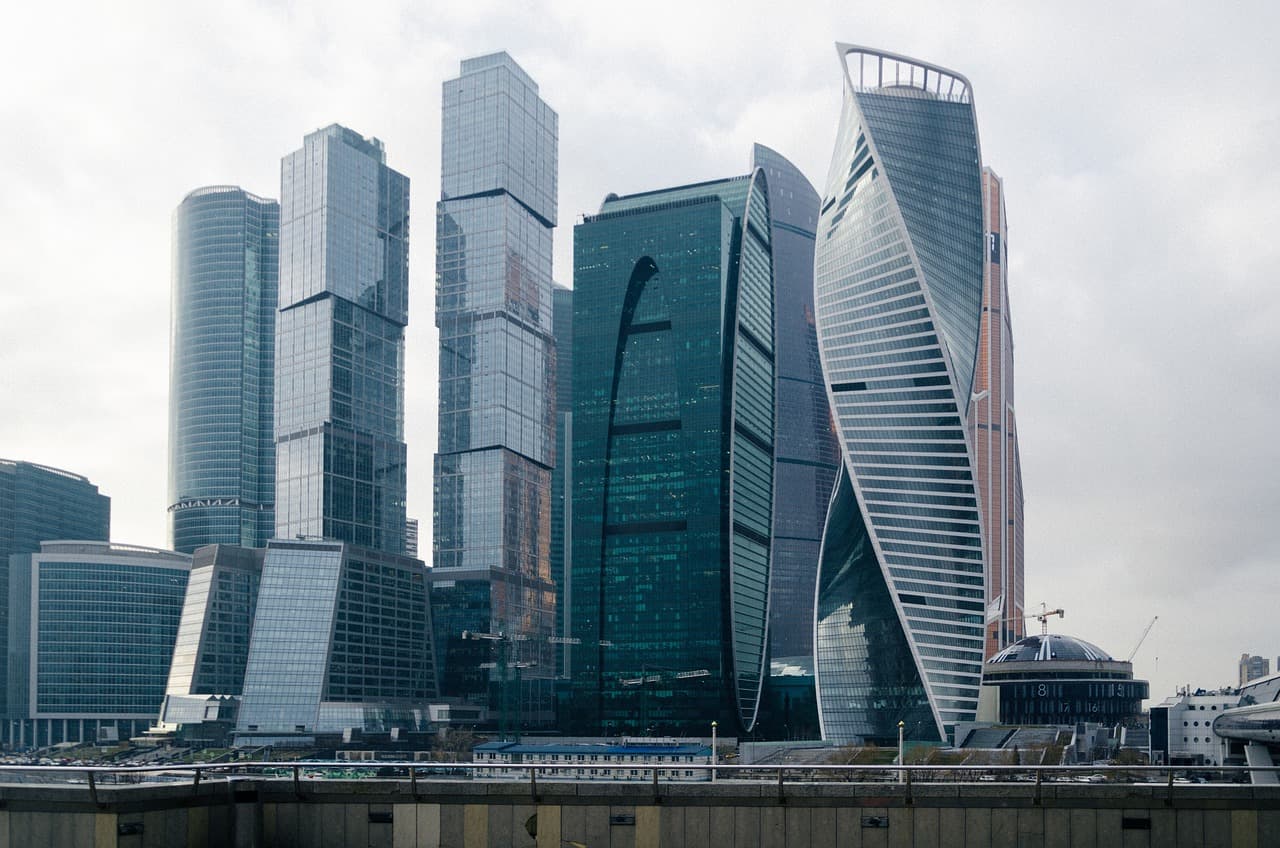
In moscow, wide-angle lenses spanning 14-24 mm suit sweeping scenes of skyscrapers and river embankments. If space allows, switch to 50-100 mm for tighter silhouettes near lit bridges. Use intervalometer to avoid shake; these settings have been proven effective for low-light lines of lights. Ensure available batteries and memory cards, since sessions can run long.
Approach matters: seek unobstructed vantage points across river or city blocks; frame lines of lamps, bridges, and glass facades to guide eye across distance. Avoid reflections by shooting slightly downward or shield lens from direct glare; shoot in RAW to recover highlights on lights and store texture in shadows. Look for unique symmetry in building lines.
Possible spots for evening series include Moskva River embankments facing skyscrapers near Moscow City complex, Red Square illumination of domes, and views from Sparrow Hills where unique angles reveal spectacle of metro lights and moving traffic. Always check media restrictions and allowed vantage points; some rooftop angles may require permission. Remember to respect local rules: stay off restricted grounds, obey posted signage, and be mindful of crowds who once navigated these routes for better shots.
Post-processing should preserve atmosphere: adjust white balance toward cooler tones to emphasize neon lights, avoid noise, use graduated adjustments to maintain sky detail; apply selective sharpening to texture on lines and silhouettes. Save as RAW and export JPEG for media uploads; keep color palette cohesive across scenes.
Respect safety and laws: parks, rooftops, and viewing decks have rules; allowed vantage points vary; plan routes across safe streets; once you know where crowds gather, keep gear secure. This mindful approach reduces risk and yields more consistent frames amid changes in lighting as darkness deepens.
Practical Night Photography in Moscow: Techniques for Red Square and beyond
Begin with a sturdy tripod and a remote release to ensure no shake. In late-evening light around central square, set ISO 1600-3200, aperture f/4-5.6, shutter 1/8-1/20 for static façades; push ISO to 6400 for motion, then shoot RAW for flexible post-processing.
On Red Square, frame Spasskaya Tower rising above colorful façades. Use wide 14-24mm; shoulders kept steady, held tight as you wait for gaps among crowds to reduce movement blur. Neon signs add mass of color; wet pavement reflects light, doubling texture. Keep exposure around f/5.6, ISO 800-1600; use a tripod to hold composition within framing boundaries.
Beyond that place, roam along central arteries such as Tverskaya Street and Kitay-Gorod for varied architecture. For light trails, use 1-2 seconds on a tripod, f/8, ISO 100; or if you want fewer cars, try 1/2-1 second. Traveling pedestrians create movement, so be ready to adjust timing to capture glow from neon mass. From elevated spots, you can exaggerate scale using a wide lens; keep shoulders aligned with frame to reduce tilt.
When you need to lift details on facades without washing shadows, camerahwithflash can provide fill while preserving ambient glow. Find a convenient place with a stable railing, within reach of central viewing areas; shoot from a low angle to emphasize architecture, or high to compress crowds against towers. If hands shake, hold breath briefly during exposure; movement likely in crowds, so favor longer frames for background texture while keeping primary features crisp.
Post-processing tips: adjust temperature to balance light sources, preserving an evening warmth without oversaturation. Ensure white balance stays natural for skin tones if portraits appear, and use modest noise reduction to keep brickwork sharp. In scenes with dinner-hour illumination, bracket following exposures to capture both bright signage and shadowed corridors; likely you'll pick a handful of frames that compare well within moscow's urban palette.
Choose the right time window and light around city landmarks
Target golden hour about 60 minutes before sunset, then extend into blue hour and night to capture dramatic color on known attractions along river and Kremlin walls.
Identify vantage points that emphasize river reflections and walls; shoot several angles without blocking passersby; evenings bring activity around attractions; dinner ambience adds warm tones; plan light when crowds thin by starting after dinner rush.
Seasonal timing varies with climate. In capital city, summer sunsets after 21:00; winter around 16:00. Blue hour lasts roughly 20-40 minutes; bracket exposures across several frames to keep detail in shadows and highlights.
Camera technique centers on stabilization; use tripod or stabilizer for long exposures; keep ISO 100-400; shoot photography in RAW; bracket several exposures to combine later.
Color balance emerges from warm city lights contrasting cool sky; avoid glare from glass walls; use reflections on river to add depth to compositions of attractions.
Gear and approach: pricey fast primes help in low light; generally, american travelblogger known for vivid color publish these frames on socialnews streams, drawing figures and readers.
Safety notes: climate shifts demand warm clothing; healthcare basics matter; keep batteries warm; worry-free planning is advised; guides told to check forecast.
Checklist into practice: preselect viewpoints near river and walls; mark where lights illuminate attractions; go in evenings to capture dramatic color and night ambiance; pricey gear can be optional; only careful framing yields clean silhouettes.
Camera settings for low-light city shots in Moscow
Begin with ISO 1600-3200 for dim urban scenes; shoot RAW and bracket exposure to lock textures across moskva riverine embankments. This approach preserves detail where lights shift and shadows deepen as visitors stroll past station signs while visiting moskva.
Shutter 1/60-1/125 s works for foot traffic; 1/250 s if vehicles pace by; set aperture around f/2.8-f/4 to keep noise manageable while letting glow from lamps wrap subjects.
White balance 3200K-4000K yields warm skin tones under sodium lights; for cooler mood, push toward 5200K and refine in post if needed.
Autofocus: single-point or small zone; metering: evaluative; expose manually when changes accelerate; protect highlights on river reflections by dialing exposure a touch down; care about motion blur on human subjects by matching shutter to pace; youre in control of timing and framing.
Where illumination contrasts with shadows, apply exposure compensation around -0.3 to -1 stop; couldnt rely on automatic balance alone, so adjust WB and exposure as crowds shift; moskva moods change with passerby silhouettes.
Stability plan: tripod or monopod helps near station platforms and riverbank; free grip on shoulders against railing when possible; frame kinds of scenes among visitors to keep composition structured for reels later.
In human scenes, keep distance; focus on women, silhouettes, suits, raincoats; plenty space for movement across citys sidewalks, including dinner crowds; youre able to capture decisive moments with deliberate timing; time matters when dinner crowds surge; read signage text for compositional cues.
Respect official guidelines; if asked, avoid photographing minors or individuals who could feel threatened; many areas are allowed for public photography but avoid intrusive angles against private property or faces, and beware threatening shadows near stairwells or tunnels.
After shoot, review histogram on back screen; save RAWs, keep an external drive; if light changes later, shoot a quick bracket set for future edits; plenty of flexibility in post to render a moody urban vibe.
Gear essentials for Kremlin Red Square night photography
A rigid tripod with a remote shutter release helps keep frames stable; pair with a wide-angle lens around 14-24mm (or a 24mm prime) for broad foregrounds.
Set ISO 800-3200, manual exposure, aperture f/2.8-f/4, shutter 2-8 s; bracket several frames for better tonality and smoother results.
Look for unobstructed points located along perimeter paths near Saint Basil's Cathedral; during busiest windows, move between several vantage spots to avoid overcrowded lines and to capture diverse silhouettes.
To sharpen subjects and control movement, use live view magnification for precise focus and shoot RAW; russian lighting tendencies push warm tones, so balance white balance to keep sky gradients natural, and this yields cleaner details and creates dramatic light trails.
Conceive a compact kit for moskva: spare batteries, a compact intervalometer, a lens cloth, and a light rain cover; this convenient setup helps exploring crowded zones near Saint Basil's while protecting gear. For social sharing, plan short reels showing movement and color shifts. Observe picnic areas to gauge crowd flow and pick moments with clear backgrounds. Watch москваимосквичи patterns to minimize blocking angles.
Post processing plan: selectively sharpen distant elements, reduce noise with luminance smoothing, and preserve texture on red stone; aim for natural color and crisp lines to maximize results after dark.
Composition and framing tips for iconic Kremlin Red Square scenes
Begin with a decisive frame: anchor a strong foreground on paving slabs, use a 70-85mm lens to compress St. Basil's silhouette with Spasskaya Tower, and let color from brickwork, green domes, and dusk sky define mood.
- Vantage and perspective: pick a gorky vantage near a metro escalator to capture a riverine flow of human movement across the square. Shoot several shoots from this angle; once crowds align, you can lock a clean silhouette of towers. Indeed, this setup yields a photogenic core where history feels alive.
- Foreground textures and lines: place a low foreground element-pavement texture, curb edge, or a decorative grate-to guide eye toward the central clock and cathedral spires. Symmetry with the quadrangle amplifies larger scale and timeless feel.
- Timing, light and color: blue-hour light provides cool color balance; gold-hour warmth adds depth to brick. Temperature and heat affect shutter speed and bracketing strategy. Time several moments to capture color shifts, reflections, and shadow lengths; arguably, light quality can shift dramatically over minutes.
- Crowds and motion: to capture a river of tourists, frame a scene that includes moving figures. Use a modest shutter (1/80-1/125s) to freeze motion just enough to keep human shapes recognizable while preserving architectural detail; for a more painterly feel, go longer to blur crowds while keeping facades crisp. Sometimes this yields a stronger sense of place.
- Subjects and composition: include a single photogenic subject or a small group against a historic facade to convey scale; avoid clutter by selecting one human element in the foreground or background. This approach helps you avoid missing the decisive gesture of a guide or a performer awaiting luck.
- Restrictions and etiquette: be mindful of security restrictions around official events; use a tripod only where permitted and avoid obstructing ceremonies. If you miss a decisive moment, a second shoot later in the day can compensate; time your plan with official schedules to minimize disruption.
- Nature, oasis, and color balance: insert a small touch of nature-tree edges, a slender planter, or a puddle reflection-to create an urban oasis in the square. These elements balance color and add depth, indeed enriching every frame.
- Historical cues and scale: align towers with surrounding lines to emphasize century-old design; a carefully composed frame can convey the city's layered story and the democracy of public space, where people shape the scene as much as stone and glare of sunlight.
- Gorky vantage and extended scenes: from a gorky vantage near the metro, you can widen your frame to include distant silhouettes and a broader crowd. Sometimes this broader composition reveals the river-like flow of movement and the way space is shared between locals and tourists.
- Flow, timing, and luck: plan shots so that crowds pass through key axes just as light hits the brickwork; await moments when the sky provides dramatic color. Several strong frames increase your odds; with luck, you'll capture a scene that feels both iconic and alive.
- Health, safety, and gear care: carry water during heat waves; protect lenses from glare with a polarizer when possible; if heat or fatigue hits, take a short break and check for nearby clinics or rest areas to regroup before continuing shoots.
Post-processing steps to enhance Moscow night photos
Begin with a non-destructive RAW workflow: import bracketed after-dark captures, align layers, and stack for HDR when skyline details in towers are high above signage and installations.
Balance white by using a neutral gray card and switch to a neutral profile to keep colors honest; shoot at ISO 100-200 to reduce noise, especially in smoother areas around bright signage and glass façades; adjust white balance first, then refine later; evaluate whether tones hold.
Keep insurance updated and apply non-destructive edits: organize layers, use masks, and save presets; training progress will show better outcomes over year, and it reduces risk during busy urban sessions where congested streets demand quick decisions.
Work on color in stages: target blues in shadows and warm tones in artificial lighting with HSL; verify that skin tones and signage hues look natural; Once adjustments settle, for москвафотограф workflows, changes yield cleaner results across different buildings and installations.
Handle noise and texture: apply luminance noise reduction around 20-40, preserve detail on glass and towers; avoid over-sharpening which creates halos on signage above windows; sharpen edges around high-rise windows at 60-70 while keeping noise under control; indeed useful for texture.
Blend exposures if dynamic range is difficult: use HDR merge or manual curve adjustments; monitor histograms to verify highlights on bright signage and reflections; ensure that sky remains natural and not posterized; examine view across long expanse to avoid clipped highlights; these things matter for consistency.
Refine contrast and depth: apply micro-contrast adjustments (clarity around 10-15, dehaze 5-15) to bring out texture on installations and metalwork; particularly useful where towers dominate skyline high above street level, producing a nice 3D feel.
Crop and alignment checks: inspect verticals on towers to maintain perspective; ensure that view lines align with city axes; consider rotating slightly to correct converging lines; this helps achieve a more perfect composition even when faced with difficult angles.
Finalize with export settings: use 16- or 12-bit TIFF/PNG for print or web; apply subtle sharpening for screen viewing (0.2-0.4 radius, 30-60%) and keep color profile sRGB for broad compatibility; year-round results depend on routine checks and practice, not luck.