
 Українська
  English (UK)
  Русский
  العربية
  日本語
日本語  한국어
한국어  Magyar
  Türkçe
  Español
  Čeština
  Svenska
  Português
  Ελληνικά
  Suomi
Suomi  Nederlands
  Română
  Italiano
  Français
  Polski
  Deutsch
  简体中文
简体中文  Slovenčina
 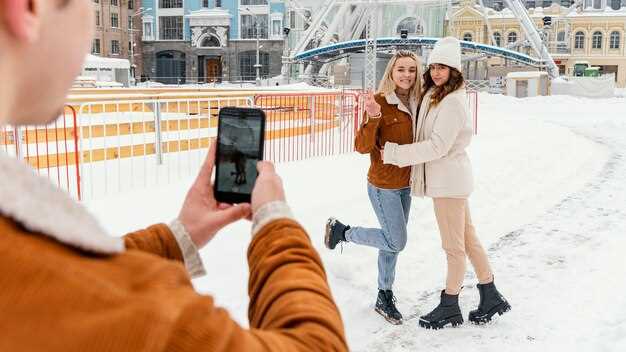 Moscow in Winter – A Fulfilling Guide to Enjoying a Snowy Holiday">

Book the Moscow winter pass before December to lock in a curated snow holiday that blends museum visits with cosy cafe stops and outdoor strolls.
In December, temperatures and/or humidity can swing; if you know what to layer, daytime temperatures typically hover around 23°F to 28°F, with nights down to 14°F, so a warm layer is essential for comfortable outside explorations.
Moscow's celebrated museums, such as the Tretyakov Gallery and the Pushkin State Museum of Fine Arts, offer winter exhibitions that pair well with heated lobbies, a class above ordinary city visits; allocate 2–3 hours per site, and buy tickets online to skip queues.
know essentials for a trip: a portable charger, waterproof boots, a warm hat, and a compact umbrella; layer clothing in three zones, so you stay comfortable indoors and outdoors.
For European travellers, the city corners and parks become postcard perfect after a snowfall; yet plan indoor breaks every 60–90 minutes to avoid frost fatigue.
This is the only guide you need this winter to balance iconic sights with cosy moments in Moscow.
This concise guide links practical timing, museum hours, and warm-weather tactics into a trip-ready plan you can use the moment you land in the city.
Practical Winter Travel Handbook for Moscow
Pack a waterproof coat, smart boots, and a warm dress layer; winters in Moscow bring wind and snow, so dressing in layers lets you enjoy the holiday with comfort and mobility. This idea brings steady warmth and time for enjoying the city at your pace.
Start at the white façades around the Kremlin, then head to the Bolshoi for a breathtaking show; the area around Pushkin is a unique mix of cafés and bookshops where locals linger, giving you the feel of Moscow while you explore everything.
Flights land at SVO, DME, or VKO; plan early to secure seats and avoid price hikes, then move by tube to central districts for a quick sightseeing rhythm, travelling through the city, you can indulge in food stops across Moscow pubs: borscht, pelmeni, blini, and smoked fish; markets in Izmailovo or Danilovskaya, filled with seasonal produce, offer samples to try the local flavour.
Two or three days give you flexibility, so you can adapt to weather; a smart plan includes highlights like the Bolshoi, Kremlin museums, and a walk to Pushkin Square, with a warm tea stop in between. This approach often yields memorable moments as you indulge, connect with locals, and make your Moscow winter stay better.
What to Pack: Must-Have cold-weather gear for Moscow’s December–February
Pack a smart, layered system: a windproof, insulated parka with thermal base layers and thick woollen clothing to stay warm from morning till night.
Opt for light, fast-drying inner fabrics, a breathable mid-layer, and a durable outer shell. For extreme days, add a compact down or synthetic jacket to boost warmth without bulk.
Expect temperatures from -10 to -4 C on most days, with gusty winds that make it feel colder. A hooded shell jacket, waterproof boots, and insulated gloves keep your feet and hands protected.
Keep a spare pair of wool socks and a heat-retaining scarf or neck warmer; moisture-wicking underlayers help when you’re active outside.
For events, plan outfits that pair with your smart boots; Moscow theatres and concerts offer breathtaking programmes. Use the calendar to pick nights for ballet or music, and pack accordingly.
There are four major theatres in central Moscow you might visit, where you can catch ballet, opera, or symphonic music; plan those nights with the calendar and an eye for comfortable layers.
Tailored packing works best when you map your itinerary: map four days of sightseeing and two theatre nights, and include a spare layer for flights or late returns.
Use a packing planner to organise outfits by day: label each bag, fold layers compactly, and keep an extra thin layer ready for quick changes after indoors.
Costs rise with premium gear, but one high-quality parka covers most conditions and pays off in comfort; you’ll save a fortune on rentals or new layers during the trip.
Although Moscow's cold can surprise, you'll stay dry and warm with waterproof outerwear and well-sealed cuffs.
We've seen travellers simplify travel with a small, smart bundle that covers four essential categories: base, thermal, outer, and accessories; this tale of winter city life becomes easier when you stay warm.
Lets you focus on experiences like guided tours, music gigs and breathtaking street scenes rather than adjusting clothing.
First on the list is warmth and dryness to build confidence before long days of exploration; plan your outfits to layer quickly and efficiently.
Make your first choice warmth, then adapt for indoors; the right pieces let you transition from chilly pavements to warm theatres without fuss.
Best Snow Activities in Moscow: Ice skating, sledging and snowy city strolls
Start with a morning ice-skating session at Gorky Park, which is a better choice for a festive mood and quick laughter while the city wakes under white trees.
Hire skates on-site and dress in very warm, flexible clothing: insulated boots, thick socks, gloves, and a windproof hat. Bring sunglasses for bright days when sun reflects off the snow, and pack a few extra items such as a scarf and hand warmers.
For sledging, pick parks with a gentle slope and daylight; bring a sturdy sledge or hire one locally; check the slope’s safety before you slide and wear a helmet.
Snowy city strolls connect parks across central districts; plan a detailed route that likely passes by lit squares and quiet courtyards, giving everyone a chance to notice how Moscow glitters after dusk. This plan fits every pace and every schedule.
Packing and planning: before you go, organise a simple packing list that covers clothing, spare socks, a compact blanket, and water. Items to include: scarf, hat, gloves, sun cream for sunny days, and a small rucksack for your gear. Dress in layers and keep everything comfortable for long walks outside.
Rules: - Provide ONLY the translation, no explanations - Maintain the original tone and style - Keep formatting and line breaks Include a cultural break: a visit to museums can balance outdoor time. Museums offer details that complement a snow day and give everyone a chance to learn something new. Include a cultural break: a visit to museums can balance outdoor time. Museums offer details that complement a snow day and give everyone a chance to learn something new.
Safety first: take care on icy pavements, wear proper footwear, and carry a basic safety kit. Book reservations for popular skate sessions to avoid long queues, and remember to forget nothing important: everything you need, from keys to phone to wallet.
By evening, Moscow feels filled with light, with music and laughter echoing along the streets; this tale invites everyone to explore, rest, and share memories.
3-Day Winter Itinerary: Day-by-day plan with timings for museum opening hours
Begin Day 1 with a 10:00 Bolshoi Theatre tour; that tour blends history with performance and sets the tone for Moscow's winters. From 11:30 to 16:00, visit the Tretyakov Gallery (open 10:00–18:00) to see Russian masters in a detailed collection. Afterwards, stroll snowy streets toward Red Square, pausing at churches along the way to feel the city’s tale. In the evening, dine at a riverside restaurant and indulge in hearty dishes; if you want more culture, catch a late show at a nearby theatre–theatres abound in Moscow's historic centre. We've packed this day with iconic spots, art, and architecture that keep you warm and engaged. Packing: waterproof boots, a warm coat, gloves, scarf. In January, temperatures hover around -5 to -2 Celsius (23–28 Fahrenheit), so layer up. This day is filled with a magical vibe and a vital sense of Moscow’s winter charm.
Day 2 centres on the Kremlin district and its museums: 9:30 breakfast, then 10:00–17:00 explore the Kremlin complex; the Armoury Museum operates 11:00–16:00, and you can pair it with cathedral views inside the fortress walls. At 12:30 plan a quick lunch inside the Kremlin grounds, enjoying hearty soups and pemmican-style snacks from nearby cafes. After 16:00 you can walk along the riverside, pass by Pushkin Square, and prepare for an evening performance at one of Moscow’s theatres (theatres again offer an excellent winter option). Wash this day down with a warm drink and light snacks, then regroup for Day 3. Flying schedules aside, this plan keeps you moving efficiently while keeping your pace comfortable in cold weather.
Day 3 highlights Pushkin-era art and broader Russian culture: 11:00–20:00 The Pushkin State Museum of Fine Arts (11:00–20:00) anchors the morning, followed by a leisurely lunch near the museum. At 14:00–16:00 stroll through nearby neighbourhoods to spot 19th-century architecture and churches that add texture to your tale of the city. By 18:00 you’ll be ready for a final theatre outing, perhaps a closing performance at a midsize venue to savour the bold staging that Russians love. If you have evening flights, plan to wrap up by 19:30 and head to the airport; otherwise, enjoy a final stroll through snowy streets and a last cup of tea. January days are short, so this last day is intentionally compact yet rich with the Pushkin connection, the Bolshoi aura nearby, and a last taste of Moscow’s magical winter atmosphere.
Getting Around in Snow: Tube tips, walking routes, and taxi access in winter
Grab a Troika card from any metro kiosk and top it up with cash or card; tap in and out to ride quickly, comfortably and safely. In Moscow, the city’s winter streets can be snowy, but this personal travel tool keeps you moving without long queues. For lots of plans, the metro’s the fastest way to reach must-visit neighbourhoods where theatres, park paths and museums cluster, delivering a breathtaking mix of culture.
Underground tips: Use lines that cut through central districts; download an offline map or use the app to navigate changes quickly. The most popular routes connect the city centre with sights like the Kremlin, Bolshoi, and Arbat, reducing time spent in cold weather. Look for stations with heated corridors and sheltered exits, and never forget to check last train times at night.
Snowy pavements create a magical mood along the city centre. Start first at Red Square, then stroll towards the Theatre District and the adjacent park. Among such routes, the walk from the Kremlin to the Bolshoi passes several theatres and is breathtaking. This route offers plenty of photo spots and can be enjoyed even in light snowfall.
For a quick tour, blend a short tube hop with a stroll along the river embankment; this tour reveals hidden spots and cosy cafes to recharge. The route is especially scenic when the city lights reflect on wet pavement after a snowfall.
Taxi access in winter remains reliable via apps like Yandex Go, Gett, and Citymobil. Open the app, set a pickup spot near your accommodation, and watch for routes with less snow exposure. Always verify the driver’s registration plate, share trip details with a friend, and choose well-lit streets for late-night rides.
| Route / Option | Distance (km) | Est. Time | Примітки |
|---|---|---|---|
| Red Square to Bolshoi Theatre | 1.2 | 15–20 min | Direct path; well-lit streets, ideal for icy evenings. |
| Arbat Street stroll to Pushkin Museum | 1.6 | 20–25 min | Pavement's level; mind the snow on the tramlines. |
| Gorky Park loop | 3.0 | 30–40 mins | Snowy paths with cafes along the way for a warm stop. |
Trip Planning Templates: Checklists, calendars and budget sheets for a snow holiday
Begin with a compact trio: a packing checklist, a calendar, and a budget sheet to stay on track from the very first day.
- Checklists template
- Packing essentials: boots, four sets of thermal base layers, two fleece mid-layers, a waterproof shell jacket, insulated trousers, gloves, a hat, a scarf, extra socks, sunglasses, and goggles. One thing to remember: boots should fit with thick socks so you stay comfortable all day. While you pack, check the forecast and add a lightweight balaclava for windy days.
- Documentation and safety: passport, visa if needed, travel insurance, copies, itinerary, emergency contacts, and a compact first-aid kit.
- Gear and electronics: adapters, chargers, power bank, spare batteries, offline maps, and a small daypack for excursions.
- Health and comfort: meds, lip balm, sun cream, hand warmers; aim for comfortable layering so you can stay warm without overheating.
- Local readiness: phrase card with 5 essentials in the local language, map or offline app, transport cards, and printed hotel addresses.
- Shopping and costs: estimate daily shopping costs (£20–£40) and reserve a small envelope for tips and last‑minute buys; plan a sensible shopping list that fits your budget.
- Calendar template
- Overview: map out a seven-day plan that balances active days with rest and allows time for iconic landscapes and casual evenings. Aim for the perfect mix to keep energy high and anticipation constant.
- Day 1 – Arrival: check into the hotel, warm up with tea, exchange currency if needed, and do a quick coat‑and‑boot fit check; temperatures may range from 0 to -5 degrees, with colder evenings after sunset.
- Day 2 – Snow activities: ski or snowboard session for 3–4 hours, lunch at a mountain cafe, and an evening visit to a celebrated theatre or other events in town.
- Day 3 – Landscapes and culture: a morning snowshoe tour, afternoon museum visit, and dinner at a local spot; look for a warm, comfortable venue where locals often gather.
- Day 4 – Shopping and rest: light shopping, hot drinks at a cafe, optional thermal baths; although plans may shift, locals suggest reserving time to recharge.
- Day 5 – Iconic experiences: morning guided tour, afternoon photography of frozen rivers and forests, evening performance at iconic theatres.
- Day 6 – Free day: choose between cross-country routes or a sledging park; keep flexible hours for spontaneous events and new discoveries.
- Day 7 – Departure: pack, verify luggage limits, consolidate shopping, and confirm ride to the airport; going forward, review the trip and note what to adjust next time for a smoother experience.
- Budget sheet template
- Costs overview: set a target total and break it into categories; adjust daily limits to stay within range. Only commit to options that align with your priorities, and track changes as you go.
- Accommodation: £100–£180 per night; for five nights aim for £500–£900; book early to secure favourable rates.
- Transport: inbound travel 60–200 depending on origin; local transit 5–15 per day; total typically 100–250.
- Lift passes and gear: £40–60 per day for passes; £20–50 per day for gear rental; for a four‑day run expect £180–360 for passes plus £80–200 for gear.
- Food and drink: £25–60 per person per day; a week ranges about £350–500 per person if you dine out often and include hot drinks and snacks.
- Shopping and sightseeing: reserve £30–£150 for keepsakes and extra snacks; look for local markets to stretch pounds.
- Entertainment: events, museums, or theatres can run £20–£60 per activity; plan 2–4 major outings.
- Contingency: add 10–15% for weather changes or last‑minute changes; costs can shift, so adjust accordingly.
- Tips for budgeting: track daily on the sheet, then adjust spending as you go to keep everything within the overview you set and costs you’re willing to cover accordingly.
 Walking Tour Gorky Park – Moscow’s Iconic Park – Highlights & Tips">
 Luxury Honeymoon in Moscow and St. Petersburg – 8D7N Itinerary">
 Garage Museum of Contemporary Art – Contemporary Art in Moscow">
 Transfers from Domodedovo Airport to Red Square Area – Moscow Forum">
 Student ID Cards and Passes – A Complete Guide for Students">
 Guided Tours in Moscow – How to Book and Pay with a Foreign Card">
 Izmailovo Market and Kremlin with Moscow Metro Tour">
 10 Things to Do at VDNKh – The Legendary Soviet Park">
 Hotels for Business Trips in Moscow – Best Central Locations and Business-Friendly Amenities">
 Moscow for Solo Travelers – Safety Tips and Itinerary Ideas">