


Сплануйте свій відвідування на ранок і виділіть принаймні дві години, щоб досвідчити Спаську вежу та її годинний механізм. Вежа піднімається приблизно на 71 метр над землею, а циферблати годинника мають близько 6 метрів у діаметрі, тому стрілки залишаються чіткими, коли сонце підіймається над Червоною площею.
Спаська вежа була побудована в 1491 році італійським майстром П'єтро Соларі; вона кріпить стіну Кремля і виходить на площу. У 1937 році двоголового орла на шпилі замінили червоною зіркою, і символ встановлено на шпиль. Механізм годинника працює через кілька станцій шестерень, і пристрій діє практично незмінним, забезпечуючи точні удари дзвона під час важливих подій. Були чутки про те, щоб підірвати годинник, але охорона запобігла будь-яким пошкодженням.
Доступ починається від воріт: відвідувачі входили через ворота до території Кремля, а потім слідували позначеному маршруту до площі з годинником. Поглядова платформа з'явилася біля стіни пропонує детальний огляд циферблата та стрілок; ви помітите ретельне розташування цифр і позначок.
Під час церемоній дзвони супроводжують гімн. Такі роки, коли країна страждала, нагадують відвідувачам, що час рухається вперед, а історія триває. Невелика скульптура біля основи нахиляє голову до світанку, запрошуючи фотографів зняти циферблат на тлі Червоного майдану.
Перевірте розклад Кремля заздалегідь, приїжджайте рано, щоб зменшити черги, і розгляньте екскурсію, щоб дізнатися про походження вежі та її постійне обслуговування. Для драматичних фотографій знімайте на світанку або пізнім вечором, коли сонце освітлює цеглу та циферблати годинників, і використовуйте ширококутний об'єктив, щоб зафіксувати висоту вежі - близько 71 метра - на тлі неба.
Спаська вежа та годинник Московського Кремля: практичний огляд
Сплануйте свій відвідування, щоб почути щогодинні дзвони з годинника Спаської вежі та зфотографувати чотири циферблати, коли світло падає на Червону площу саме так.
- Структура та історія Спаська вежа є частиною фортеці кремля і досягає приблизно 71 метра. Будівництво почали у XV столітті як головний елемент оборонних споруд Кремля, а пізніше її модернізували для встановлення годинника.
- Дизайн і циферблатом Кожен циферблат має діаметр близько 6 метрів, а на чотирьох циферблатах цифри від I до XII відображаються римськими цифрами. Стрілки прикрашені, тому годинник легко впізнати з відстані на площі.
- Механізм і надійність Механізм годинника датується 1850-ми роками і досі використовується. Періодичні реставрації виправляють несправності та знос, зберігаючи ритм часу без порушення атмосфери фортеці.
- Історичний контекст Реставраційні роботи почалися давно, ще в XVII столітті, коли оновлення визначили сучасний вигляд. Експозиція відображає російську, московську традицію, яка пов'язує Спаську вежу з ідентичністю міста.
- Перегляд та фотографування Найкращі ракурси відкриваються з Червоного майдану та вздовж стін Кремля поблизу району Охотного мосту. З цих точок можна зняти статуї вздовж нижньої лінії фортеці та годинник на тлі нічного неба.
- Практичні поради Доступ до внутрішніх приміщень Спаської вежі обмежений; фотографування ззовні поширене, але дотримуйтеся безпеки та ураховуйте натовп. Якщо ви хочете спокійного моменту, приїжджайте рано або залишайтеся після заходу сонця, щоб насолодитися блиском на фасаді без блиску на циферблаті.
- Чому це важливо Вежа втілює поєднання будівництва та церемоніалу: це матеріальне зв'язок із XVII століттям планування Кремля та з годинником, який відмірав час під час воєн, революцій та реставрацій, або, як кажуть місцеві, чудом зберігав ритм серед змінюючихся оточення.
- Заплануйте свій відвідування з достатнім часом, щоб прогулятися по Нижньому двору та розглянути Спаську з різних точок; це допоможе вам оцінити масштаби годинника та навколишню архітектуру.
- Одягніться відповідно до московської погоди та возьміть універсальний об'єктив; чотири обличчя найкраще фотографувати з невеликим телеоб'єктивом, щоб виділити цифри на тлі ночі або яскравого дня.
- Обслуговування та оновлення: механізм регулярно обслуговується, щоб запобігти сигнальним зупинкам, забезпечуючи вам відчуття годинника як живого артефакту, а не статичного пам'ятника.
Походження: заснування Кремля та рання історія
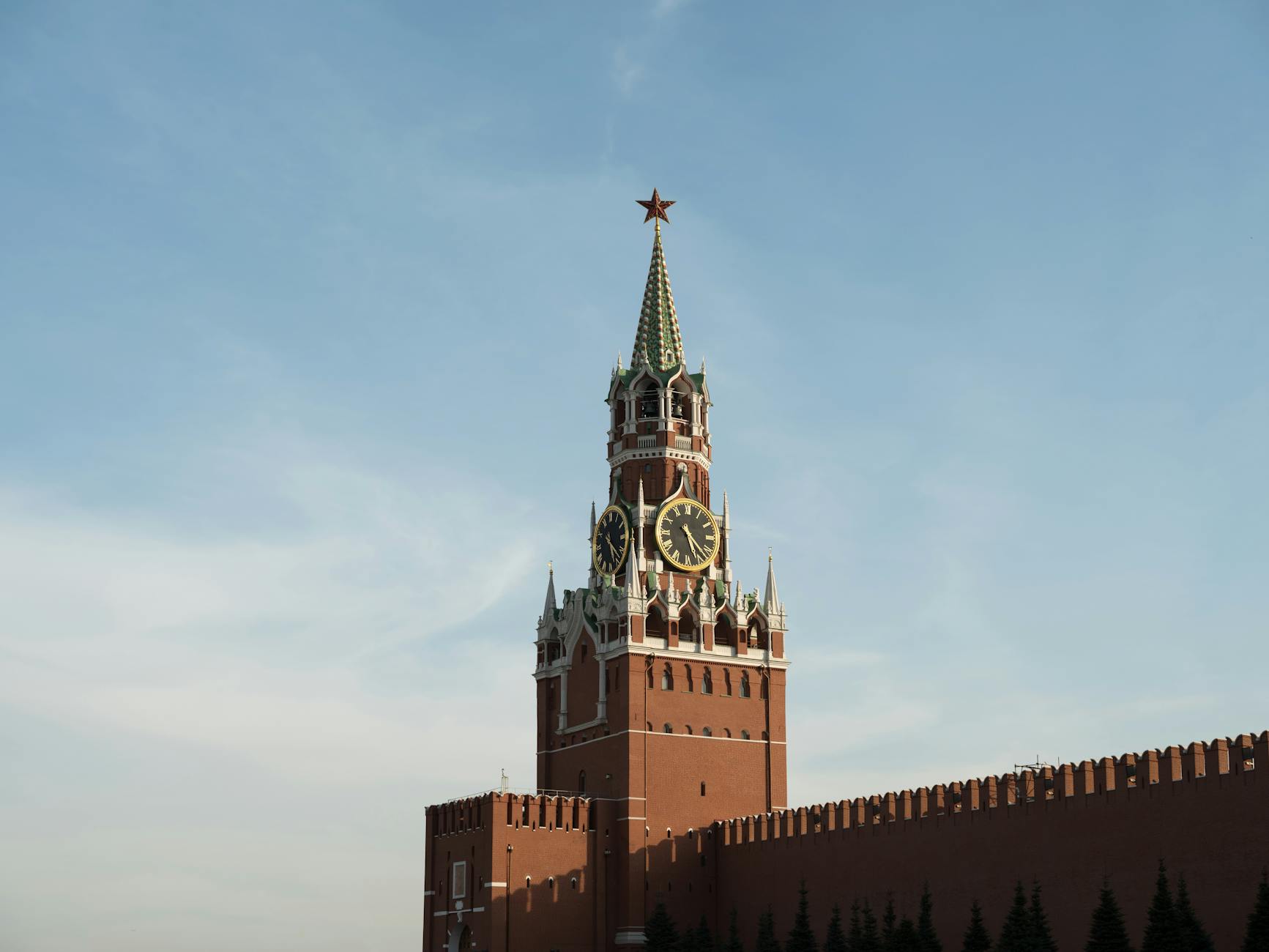
Починаючи з фортеці Юрія Долгорукого XII століття на річці Москві, простежуємо підйом Москви через стіни Кремля. Дерев'яна фортеця поступилася місцем цегляним стінам у XIV-XV століттях, як описують російські літописи, коли Москва стала резиденцією царів і князів. Іван III наказав вирішальну реконструкцію, після якої Кремль перетворився на червоно-цегляну фортецю на протилежному березі Москви, формуючи російську державну владу століттями та створюючи красилий силует міста.
У XV столітті італійські майстри сформували план; восьмикутна основа (восьмерик) Спаської вежі піднялася на східному фланзі Кремля. З'явилися годинник з циферблатом, цифри (цифри) рухалися разом з годинами. Сонячний мотив (сонця) прикрашає корону годинника, додаючи тонке сяйво. Вежа стоїть напроти Червоного майдану, з'єднуючи Кремль із Москвою.
На камінь закладень є напис, який вказує дату та будівельників. Пізніша дошка згадує Михайловича як майстра-будівельника. Кремль приймав урочисті церемонії та статуї, присвячені подіям. Фортеця страждала від облог і боїв, а пізніші рельєфи, позолочені, підсвічували корони.
Ці коріння зробили Кремль центром влади та культурним символом; сучасні реставрації використовують нержавіючу сталь для кріплень, щоб зберегти силует.
Архітектурні особливості та механізм годинника
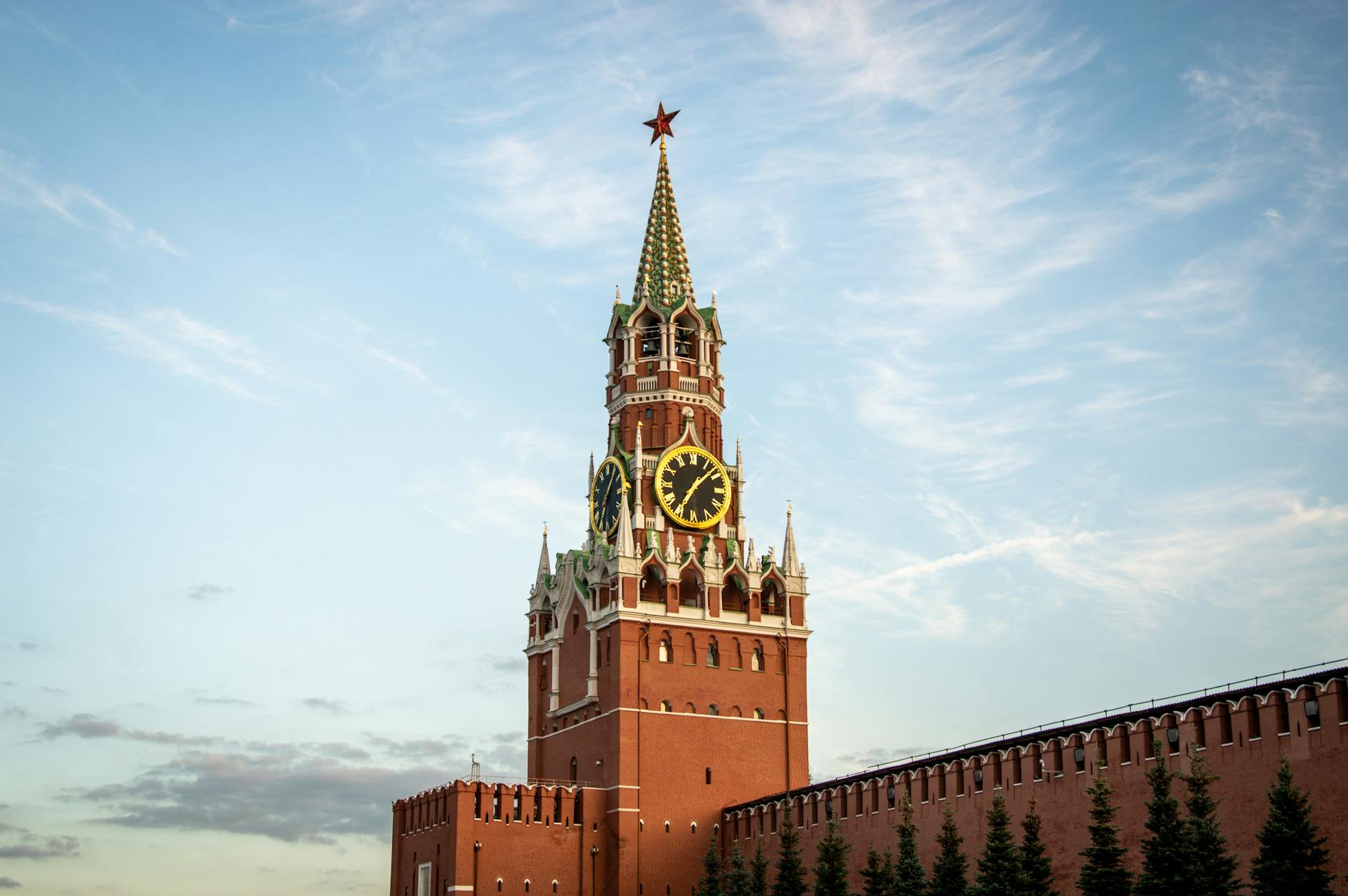
Почніть з огляду внутрішнього механізму годинника, щоб зрозуміти, як привід рухає циферблатом і відмічає години точними, чутними ударами, які синхронізуються з щоденними мелодіями. У внутрішній камері ваговий привід передає рух через шестерні на стрілки, забезпечуючи надійне відображення часу протягом дня.
Зовнішньо Спаська вежа демонструє укріплення, характерні для кремлівських фортифікацій, з білокам'яними деталями біля основи та шатровою короною, що піднімається над шпилем. Чотири її сторони мають циферблати, завдяки чому час можна читати з різних кутів, а загальний силует підкреслює фортечний характер, тоді як внутрішній механізм тихо підтверджує ритм дзвонів. Робота годинника пов'язана з дзвонами Спаської вежі, які відзначають години.
Історія почалася за наказом царя оснастити Кремль надійним хронометром. Зарубіжні майстри та архітектори розробили перший проект, використовуючи фроловські мотиви в каменярській роботі. Пізніше з'явилися зміни під керівництвом Христодора, а остаточний ремонт завершився в XIX столітті, коли сучасний хрономеричний механізм і більші дзвони посилили мелодії.
Коли плануєте відвідати цю місцевість, прислухайтеся до мелодій, які супроводжують великі дзвони та наповнюють площу звуком. Чотири обличчя на циферблаті забезпечують зручне читання часу з різних кутів, а внутрішній ваговий механізм підтримує ритм кожного тику. Якщо хочете ближче розглянути внутрішній механізм, приєднайтеся до екскурсії в дозволений час; гіди вказують на хронометр, важель, що регулює швидкість, і передавальний механізм всередині камери. Край циферблата має позначки на відстані метра одна від одної, що робить ритм зрозумілим, коли рухаються годинникові стрілки. Це поєднання архітектурної драми та механічної ясності робить Спаську вежу живим пам'ятником російського ремесла та планування, де кожен тик перетворюється на чіткий удар дзвона та мелодію, що гучить по площі.
Культурні та церемоніальні ролі вежі
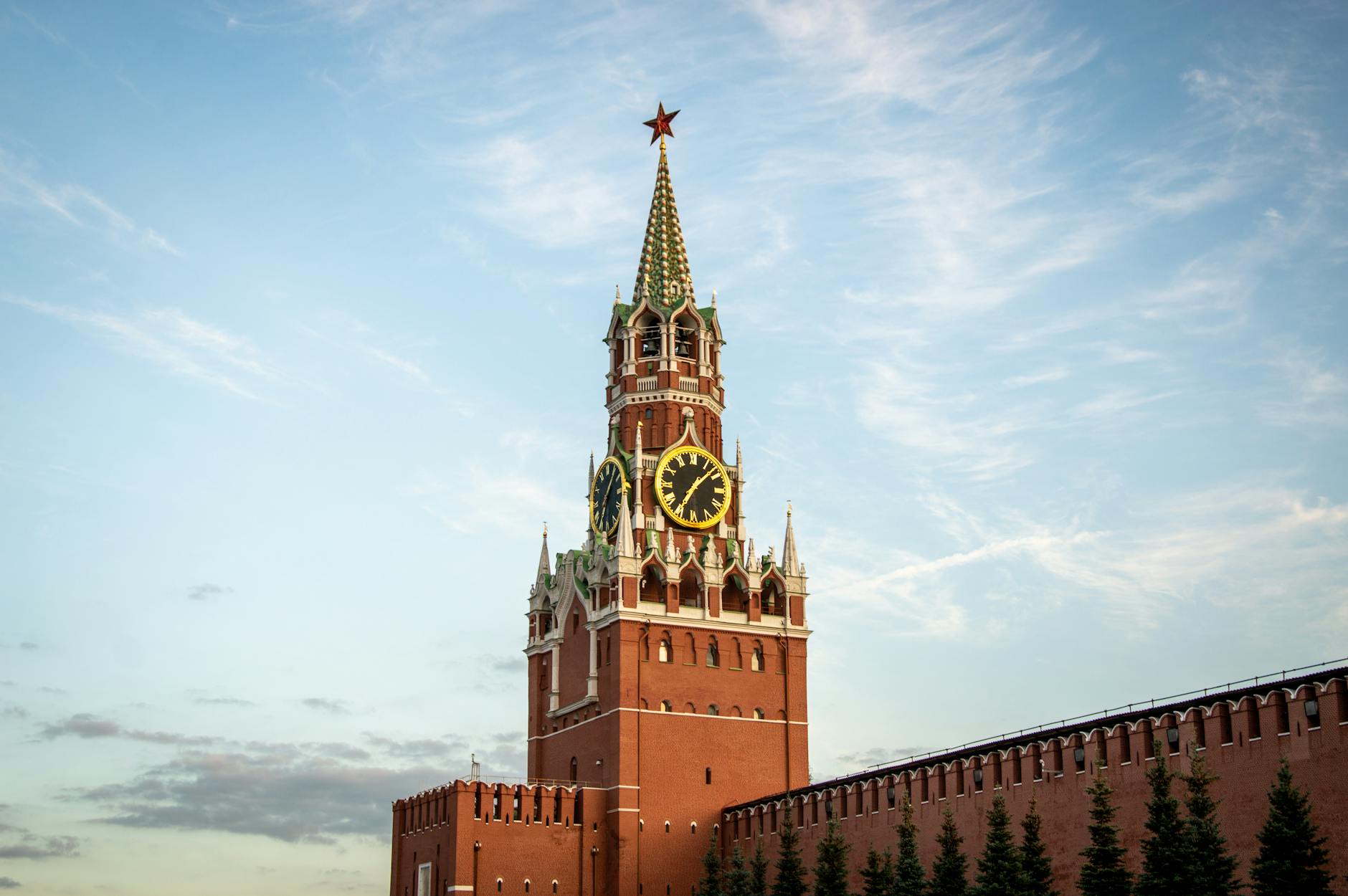
Спаська вежа як церемоніальний центр у Москві, синхронізуючи державні заходи так, щоб дзвін дзвона лунав разом з годинами, а сигнали Спаської вежі розходилися по Червоній площі як чіткий знак національного ритму. Вежа відома своїми драматичними висотами та великими дзвонами, стоячи серед інших веж на хребті Кремля. Її солярі надають архітектурної глибини, а механізм годинника рухається з точністю, роблячи вежу постійною присутністю на панорамі міста.
Під час парадів і урочистостей чиновники координують з середини Червоного майдану, керуючи подіями для сторін майдану. Якщо момент вимагає точності, техніки вручну регулюють механізм. Навіть у періоди негоду вежа залишається стійким знаком, що пов'язує пам'ять з поточним життям. Пам'ять про обстріл Москви під час воєн нагадує відвідувачам, що хронометраж може стати єдиним символом. На революційні ювілеї Спаські дзвони приєднуються до дзвона в синхронному ритмі - цікаві моменти для глядачів, а велика висота на висоті підкреслює виступ. Солярі та великі дзвони працюють з годинниками, щоб позначити кожну годину, а спостерігачі з Москви та з-за її меж розуміють, як вежа закріплює час серед сусідніх веж та інших пам'яток. Можна влаштувати екскурсію, щоб побачити внутрішні механізми та почути дзвони зблизька.
Відвідувачі: найкращі часи для перегляду годинника та доступні зони
Відвідайте ранком (9:30-10:30) або пізнім вечором (15:30-17:00), щоб подивитися на годинник на Спаській вежі без великих натовпів. Станьте з боку Червоного майдану, щоб чітко бачити часи на високій фасаді Кремля, і зверніть увагу, як сонце підкреслює силует вежі, коли місто прокидається або затихає на день.
Доступні зони зосереджені навколо Червоного майдану та зовнішнього периметру Кремля. Щоб бути ближче до вежі, приєднайтеся до екскурсії по території Кремля, яка надає доступ до зон біля Фроловської вежі та до виглядових точок вздовж нижніх парапетів. Очікуйте обмежені відкриття в дні великого натовпу та плануйте забронювати заздалегідь через офіційний джерело, щоб підтвердити поточні правила доступу.
Годинник сам по собі є сучасним дивом у межах багатовікової споруди. Під час ремонту та заміни деталей можуть бути короткі паузи, тому перевірте розклад заздалегідь. Годинник має великі цифри та написи на циферблаті, що дозволяє читати час з іншого кінця площі навіть у сутінках. Його висота панують у вигляді, підкреслюючи Спаську вежу як головну частину силуету кремля.
На новорічні ночі та святкові періоди іноземні відвідувачі стікаються на Червону площу, щоб почути дзвін годинника під час відліку. Прибудьте за 30 хвилин до моменту, який хочете спостерігати, оскільки натовп збільшується, а перевірки безпеки подовжують черги. Завтра або в найближчі дні перевірте точні часи з офіційного джерела та сплануйте свій маршрут, щоб залишатися в дозволених зонах, зберігаючи хороший огляд двоголового герба та сяйво годинника.
Збереження та реставрація: підтримка спадщини вежі
Провідьте детальний огляд стану та архівні дослідження перед будь-яким втручанням і координуйтеся з місцевою владою в Києві для узгодження з міськими політиками збереження культурної спадщини. Спаська вежа досягає приблизно сімдесяти метрів у висоту, закріплюючи силует Московського Кремля для Москви та відображаючи культурну ідентичність Москви протягом століть. Згідно з записами XVIII століття, вежі мурована конструкція, дерев'яні елементи та механізм годинника утворюють єдине ціле, яке потрібно зберегти, не стираючи історію.
Прийміть план, який ставить на перше місце реставрацію з можливістю її зворотності та ретельним документуванням. Використовуйте неінвазивні дослідження, 3D-лазерне сканування та інфрачервоне знімання, щоб зафіксувати тріщини, вологість та склад розчину, забезпечивши, щоб оригінальні матеріали — розчин і камінь — залишалися основою. Зберігайте позолочені деталі на рамі та циферблаті годинника, а також застосовуйте покриття, які можна буде зняти в майбутньому. Натомість можна встановити захистну перегородку, щоб мінімізувати випадкові контакти, дозволяючи спостерігачам оцінити профіль вежі, не порушуючи її цілісність.
Залучають італійського експерта Христофора, який керує відновленням механізму годинника та деталями верхньої шпиля. Його команда випробовує суміші на основі лори та століття-старі фініші, дотримуючись технік XVIII століття, описаних у ходах того часу. Проект зберігає царську ауру, дотримуючись пропорцій, ліній та текстури на вежі, при цьому забезпечуючи, щоб будь-яка нова робота була чітко відмінною від оригіналу за допомогою зворотньо-знімних обробок. Мета полягає в тому, щоб зберегти сутність вежі для майбутніх поколінь, не завдаючи шкоди її структурі або облицюванню.
Напис на нижній цегляній кладці з'явився під час попередніх реставрацій, а поточні роботи обережно закріплюють його, не стираючи його значущість. Документація фіксує роки встановлення, пов'язуючи їх з першими роками активної експлуатації вежі. Такий підхід зберігає багаторівневі значення — історичний запис, ремісниче надбання та сучасне використання — щоб відвідувачі розуміли не лише те, що вони бачать, а й як це з'явилося.
Під час святкових сезонів новорічне освітлення підкреслює площу навколо Головної вежі, зберігаючи чіткі лінії вежі. Дизайн підкреслює стриманість: тепле світло на позолочених акцентах вежі та м'які тіні, які виявляють цегляну кладку без блиску. Цей баланс поважає царську гідність вежі та навколишню міську тканину, запрошуючи місцевих жителів і туристів спілкуватися з історією в сучасному контексті. Включення Головної вежі до плану освітлення підкреслює публічну історію найіконічнішого годинника міста Москви.
Чуткість і захист є основою режиму обслуговування. Суворі правила забороняють будь-які дії, які можуть підірвати або пошкодити конструкцію. Команда з реставрації координується з поліцією та міськими службами безпеки, щоб запобігти вандалізму та забезпечити контрольований і безпечний доступ до вежі для майстрів, гідів і відвідувачів. Ці заходи захищають не лише мурування та механізм, а й культурну пам'ять, вкладену в кожну деталь вежі.
Програма обслуговування включає кілька періодичних завдань: щорічні огляди стану, управління вологістю, перефарбування або перепозолочення позолочених елементів з використанням знімних лаків, а також обережний контроль вібрації від сусіднього руху. Робота враховує роль живого міського ландшафту Москви в здоров'ї вежі та використовує адаптивне планування для пристосування до річних погодних умов та архітектурних потреб. Лікуючи Спаську вежу як живий пам'ятник, Москва зберігає своє минуле, дозволяючи майбутньому читати ту саму історію в реальному часі.
| Віха | Focus | Партнери | Notes |
|---|---|---|---|
| 2010-2012 | Огляд стану | Управління Москви; консерватори | 3D-скани; архівні дослідження |
| 2015 | Золочені деталі | італійський майстер Христофор | зворотні покриття |
| 2018-2020 | Механізм годинника | годинникові фахівці; місцеві майстерні | точна реставрація; покращена надійність |
| 2021-2023 | Публічне освітлення | міські служби; архітектори | Новорічну лояльність; площа Головна |


