


Почніть сьогодні з культової центральної площі, а потім поблукайте до річки, щоб відчути пульс міста та історію, яка сформувала ці вулиці.
Прибуваючи через аеропорти, мандрівники можуть сісти на швидкий поїзд або таксі до основних визначних пам'яток, заощаджуючи гроші та час у перший день. Американські мандрівники зазвичай планують довгі вихідні, поєднуючи музеї з прогулянками на свіжому повітрі. Ці маршрути підтримують імпульс і дозволяють уникнути повернення назад.
Взимку різдвяні прикраси вздовж пишних проспектів створюють сяйво. Діамантові шпилі та величні куполи церков обрамляють прогулянки вздовж річки, а ці пам'ятки сяють після заходу сонця. Деякі пам'ятки залишаються відкритими допізна, запрошуючи відвідувачів затриматися та насолодитися атмосферою.
Не пропустіть нічого важливого з повним планом подорожі; перевірені маршрути ведуть до цих районів, з кав'ярнями та ринками для дегустації. Уникайте загальних карт, які пропускають ключові зупинки. Якщо ви прагнете відірватися від мрій від натовпу, прагніть до заходу сонця вздовж річки та фінальної прогулянки повз освітлені мости.
Практичний путівник з планування основних моментів Москви
Почніть з ранкової прогулянки по Новодівичому району, розташованому на південному березі, щоб насолодитися тихими вулицями, перш ніж натовп заповнить центр міста.
- Новодівочий монастир і парк: Відкривається о 9:00; виділіть 1,5-2 години; це місце багате на історію і часто відвідується місцевими жителями та гостями; прилегла набережна вздовж води пропонує мальовничі краєвиди; до нього можна дістатися короткою поїздкою на метро або автобусом.
- Арбатська вулиця та прилеглі площі: бруковані вулиці, облямовані прикрасами, антикварними магазинами та сучасними бутиками; ідеально підходить для покупки сувенірів і подарунків; заплануйте 2 години, включаючи випадкову зупинку в кафе; влітку вранці прохолодніше для прогулянок; уникайте пікової спеки, починаючи рано.
- Комплекс Кремля та навколишні площі: собори, вежі та Збройова палата, розташовані всередині; деякі заклади відкриваються о 10:00, інші пізніше; виділіть 2-3 години; перевіряйте сторінку у facebook на наявність оновлень; використовуйте надійне посилання на офіційні години роботи перед прибуттям.
- Третьяковська галерея або Музей образотворчих мистецтв імені Пушкіна: виберіть один, щоб мінімізувати натовп; Третьяковська галерея відкривається о 10:00; квитки онлайн економлять час; заплануйте 2-3 години; поєднайте з прогулянкою по річці поблизу для спокійного завершення.
- Ізмайловський ринок і ремісничий район: ідеально підходить для покупок у вихідні; широкий асортимент прикрас, кераміки та дизайнів, натхненних іноземними країнами; виділіть 2-3 години; майте при собі готівку; торгівля поширена; ринок відкривається близько 9:00; приходьте рано, щоб уникнути натовпу; зручне посилання на офіційну карту допоможе.
- Прогулянки по набережній і парки для вечірнього відпочинку: Парк Горького або сусідній Нескучний сад пропонують насичену атмосферу, відкриті простори та пішохідні доріжки вздовж води; літні ночі сяють живими подіями та розслабленим натовпом; заплануйте 1,5-2 години, плюс зупинка на перекус.
- Практичні поради з планування: Пересування між зонами найкраще працює з одним проїзним; дорога до центральних транспортних вузлів займає 15-25 хвилин від передмість; сторінки у facebook для більшості місць проведення надають оновлення в режимі реального часу; перевіряйте календар на наявність змін; просте слово, яке слід запам'ятати: плануйте заздалегідь; для оновлень використовуйте посилання на офіційний сайт.
Слово: плануйте заздалегідь. Проблемні сценарії, такі як раптовий дощ або закриття, можуть порушити графік; наявність гнучких варіантів мінімізує вплив. Цей план подорожі підтримує зосереджений маршрут без поспіху, дозволяючи при цьому насолодитися кавою, вуличною виставою або спонтанним об'їздом. Це підтримує туристичний проект у багатому міському ландшафті.
Виберіть центральну базу, щоб мінімізувати щоденні поїздки між визначними пам'ятками
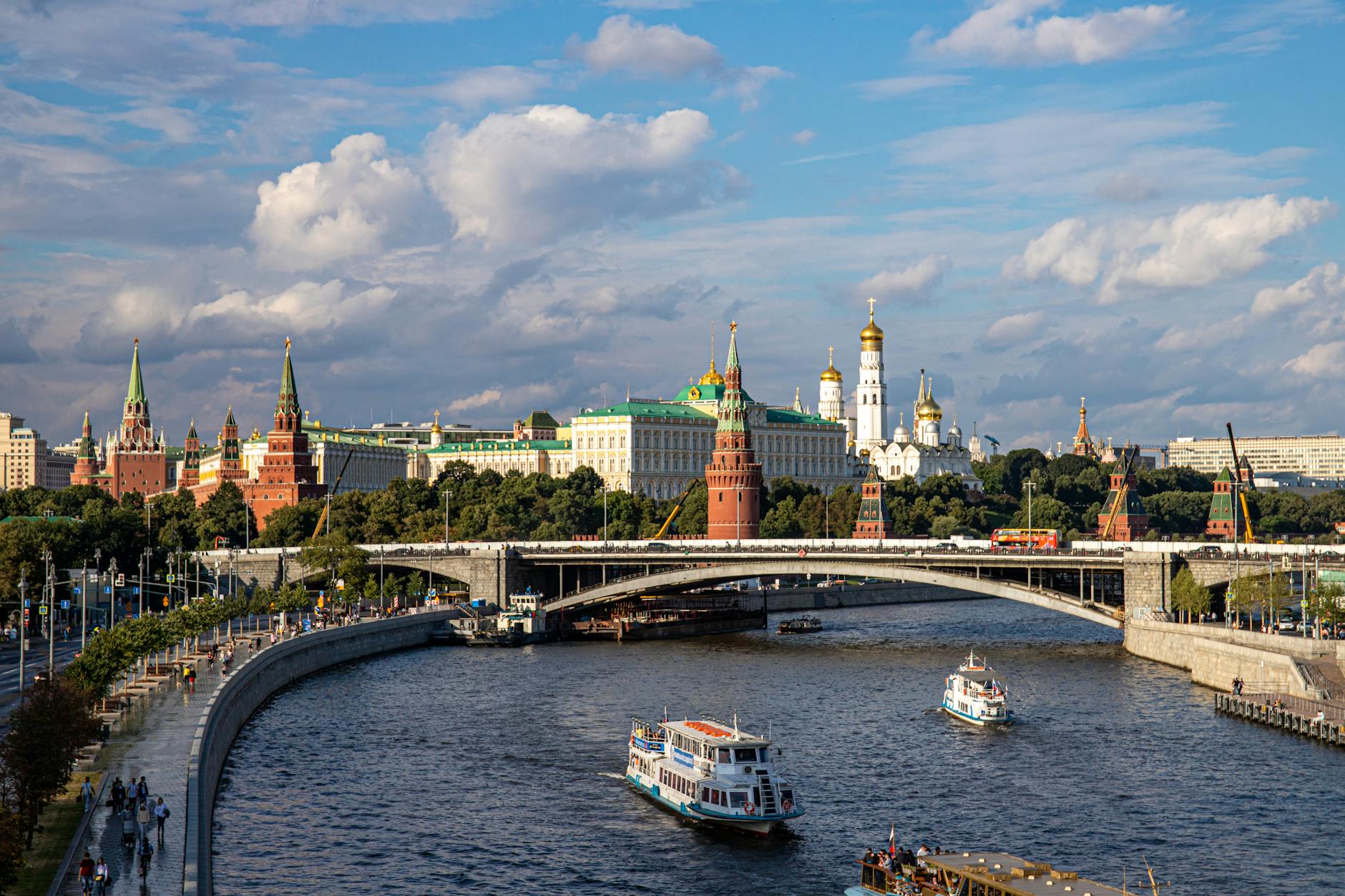
Найкраще сьогодні базуватися навколо Червоної площі, Кремлівського району та прилеглих бульварів, щоб мінімізувати щоденні поїздки. З цього центру ви добре розташовані, щоб дістатися до всесвітньо відомих пам'яток приблизно за 15-25 хвилин ходьби між кластерами або однією зупинкою на метро.
Ця центральна зона добре описана як зручна: тут є поєднання розкішних готелів з люстрами, гамірних вулиць і легкий доступ до музейного кластера. З цією базою ви можете стати ефективними, здійснюючи короткі поїздки на метро, коли це необхідно, і уникаючи постійних заторів на зовнішніх маршрутах.
Ось практичний дводенний цикл: вранці охоплює Червону площу, ГУМ і Великий театр; приблизно за дві зупинки ви дістанетеся до Третьяковської галереї або Музею образотворчих мистецтв імені Пушкіна. У другій половині дня прогуляйтеся Арбатською вулицею, де можна купити хохломські вироби та побачити люстри в історичних інтер'єрах. Тут панує жвава атмосфера, але в ранні години будьте готові до відвідувачів; сторінки у facebook показують години роботи сьогодні.
Транспортні поради: центральна база забезпечує швидкі пересадки; 2-4 зупинки до головних галерей, 5-20 хвилин ходьби до перших пам'яток. Протягом дня ви оптимізуєте маршрути та уникнете повернення назад. Між пам'ятками, а потім повернення на базу мінімізує щоденні поїздки. Державна політика сприяє пішоходам, з короткими пішохідними зонами та ефективними маршрутами, які зменшують затори в години пік.
Для обмежених бюджетів перебування поблизу центру зменшує транспортні витрати та час, перетворюючи щоденні поїздки на ефективність. Цей підхід підходить людям, які хочуть побачити кілька пам'яток у компактному районі; ви помітите красиві фасади, розкішні вітрини та яскраве вуличне життя. Хохломські вироби та сувеніри чекають на вас на Арбаті та сусідніх ринках, а до всесвітньо відомих музеїв можна дістатися за короткою прогулянкою або поїздкою. Сторінки у facebook показують години роботи сьогодні, тому перевірте перед виходом; підготовлені відвідувачі максимально використовують кожну годину.
Згрупуйте пам'ятки за пішохідною відстанню, щоб створити ефективні денні маршрути
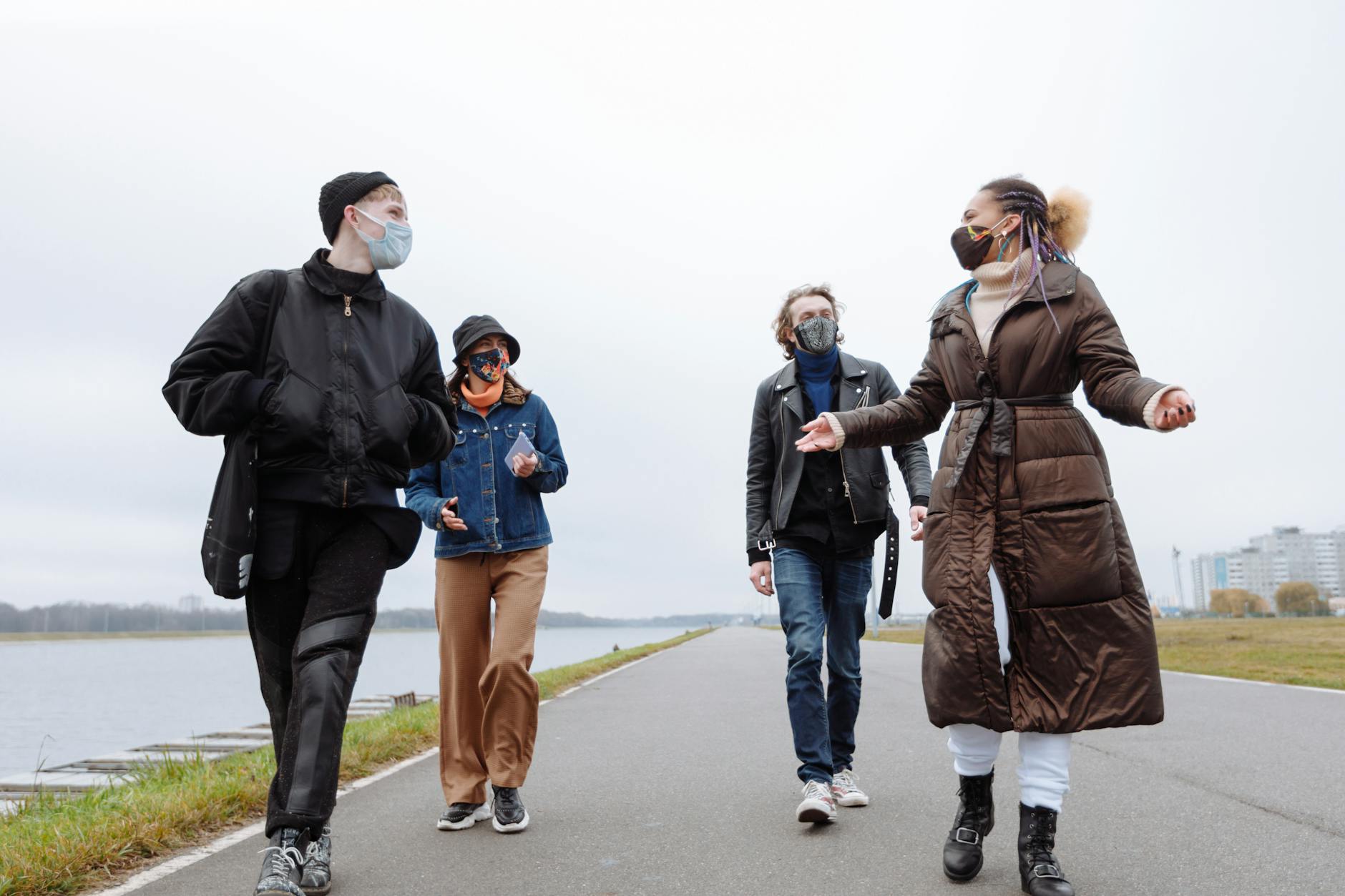
Почніть з центрального вузла метро та трьох смуг пішохідної відстані: 0-1,5 км, 1,5-3 км, 3-5 км; нанесіть на карту пам'ятки, розташовані близько до вузла, щоб створити ефективні денні маршрути та дати собі реалістичний цикл, який можна виконати за один прохід.
Близько до річки кластер 0-1,5 км зосереджений на набережній, стіні з історичними фасадами та кількох внутрішніх закладах, які регулярно відкриваються рано та залишаються відкритими допізна, протягом яких черги коротші, ніж у пізніші години, і які були розроблені для пішохідного руху.
Середній діапазон (1,5-3 км) групує флагманський музей з сучасним інтер'єром, а також сусідній парк і мережу зовнішніх муралів з панелями; огляд інтер'єру та експонатів дає багатший досвід, ніж прогулянка повз фасади, що допомагає вам уникати інших, хто затримується в переповнених зонах.
Дальший блок (3-5 км) з'єднує тріо об'єктів через район річкового мосту: сучасну галерею з відкритим інтер'єром, історичну ділянку стіни та площу з видом на річку з зовнішніми панелями; далі ви можете поїхати поїздом або метро, щоб повернутися, залежно від вашого плану.
Практичні поради: встановіть щоденний ритм, перевіряйте години роботи та віддавайте перевагу маршрутам, які мінімізують черги; під час прибуття через аеропорти орієнтуйте цикл на перший кластер, а потім перейдіть до наступного; іноземні відвідувачі повинні шукати маршрути з англійськими знаками та легкими пересадками; будь ласка, позначте кожну зупинку, щоб інші могли регулювати темп.
Повторюючи це неодноразово, цей підхід дає гнучкі дні: використовуйте той самий вузол завтра з новим набором об'єктів; там наступний маршрут буде відчуватися свіжим для постійних мандрівників.
Забронюйте вхід за часом до Кремля, соборів і великих музеїв заздалегідь
Забронюйте слоти входу за часом для комплексів Кремля, інтер'єрів соборів і музею разом з іншими великими музеями заздалегідь, щоб забезпечити найшвидший доступ і уникнути довгих черг.
Перевіряйте офіційні портали та сторінки у facebook на наявність годин роботи та погодинних оновлень перед вашим візитом.
Уникайте розчарувань, віддаючи пріоритет збройовій палаті та палацам на території; ці простори швидко заповнюються в пік сезону, відкриваючи вражаючі стіни, багаті архітектурні деталі та царські подарунки, з експозиціями сталінської епохи. Вибір ранніх або пізніх годинних слотів допомагає уникнути трафіку навколо центральних вузлів, що дає величезну перевагу в часі для інших пам'яток.
Статуї Івана прикрашають коридори, додаючи історичної текстури вашому досвіду.
Для відвідувачів, які прибувають літаками, узгодьте прибуття з входом за часом, щоб максимально збільшити час перебування всередині та уникнути додаткового транзиту, зберігаючи ваш день ефективним і корисним для знайомства з культурою.
Температура всередині інтер'єрів залишається комфортною; плануйте зовнішні сегменти в більш м'які години та використовуйте маршрути з контрольованим кліматом, щоб збалансувати натовп.
Плануйте харчування навколо варіантів місцевої кухні, щоб ваш темп залишався швидким; магазини подарунків поблизу території пропонують сувеніри після відвідування музею, поки ви насолоджуєтеся архітектурними видами на палаци та територію.
Перевіряйте оновлення у facebook на наявність відкриттів в останню хвилину або змін слотів; це робить ваш графік гнучким і допомагає відвідувачам впоратися з переповненим днем.
Використовуйте картку «Трійка» та плануйте маршрути метро, щоб скоротити час на проїзд
Придбайте картку «Трійка» в кіоску біля вхідних воріт і поповніть її швидкою оплатою карткою. Торкніться при вході та торкніться при виході пізніше; пересадки протягом 90-хвилинного вікна включені, що зменшує вартість проїзду. Носіть картку в надійній кишені, щоб уникнути помилкового зчитування подалі від металевих поверхонь.
Будуйте маршрути навколо з'єднань однієї-двох ліній, використовуючи кільцеву лінію, щоб мінімізувати пересадки. Цей параметр забезпечує швидкий проїзд, дозволяє уникнути довгих прогулянок і дозволяє охопити більше території, не повертаючись назад. Відремонтовані станції покращують освітлення та читабельність; уникайте поганих знаків і заплутаних виходів, дотримуючись розміщених дощок.
Перегляньте меню метро в мобільному додатку або на станційних дошках, щоб вибрати шляхи з найменшою кількістю пересадок. Плануйте в непікові години, якщо це можливо; економія хвилин має значення, коли у вас щільний графік.
Ось компактний план для мандрівників: завантажте валюту в російських рублях у сусідніх банках, носіть картку «Трійка» та тримайте її під рукою, щоб ви могли плавно торкатися. Якщо ви відвідали релігійні місця, купецькі райони або банки, сплануйте один коридор через центр; це скорочує повернення назад. Мандрівники з країни обожнюють цей підхід, який здається ідеальним для невеликого проекту та дає вашому дню відчуття контролю. Носіть картку, діліться маршрутами з компаньйонами, пересувайтеся між пересадками та тримайте карту біля своєї кімнати.
| Варіант маршруту | Пересадки | Типовий час | Примітки |
|---|---|---|---|
| Центральний цикл до кластера пам'яток | 1 | 8-12 хв | Використовуйте кільцеву лінію, щоб мінімізувати зміни; тримайте свою кімнату в голові |
| Прямий перехід між лініями | 0-1 | 6-9 хв | Короткі пересадки; перевірте меню на наявність найкращих з'єднань; поблизу популярних банків |
| Дволінійний план через пересадочний вузол | 1 | 12-15 хв | Іноді натовп; добре, коли ви відвідали релігійні або купецькі райони |
Заплануйте відкриті майданчики на сприятливу погоду та освітлення
Почніть на світанку в Олександрівському саду, щоб побачити кольори на фасадах сталінської епохи та зловити м'яке світло перед натовпом. Американський мандрівник може замовити теплі напої в кіоску поблизу та зустріти попутника, а потім вирушити до Воробйових гір, щоб насолодитися панорамним видом. Поверніться знову в сутінках.
Плануйте два-три об'єкти на день, максимально використовуючи кожне місце, коли змінюється світло. Часто називають золотою годиною, раннє світло прикрашає цеглу та скло, роблячи фасади красивими. З роками текстури змінюються з сезонами. Протягом багатьох років мандрівники ходили цими маршрутами і знаходили спокій на тихих стежках. Для мандрівних фотографів цей маршрут пропонує різноманітність. Сподіваюся, цей план допоможе мандрівникам орієнтуватися в роках подорожей.
Наступні зупинки включають Парк Горького, парк Коломенське та Воробйові гори, які пропонують різні фони. Різдвяні ринки сяють уздовж набережних взимку, додаючи теплих тонів фотографіям. Відвідування музеїв між зйомками на відкритому повітрі пропонує місце для відпочинку.
Тримайте невеликий подарунок для компаньйона; крихітна лялька, знайдена на ринку, здається доброю і створює незабутній момент. Якщо погода погіршується, перейдіть до музейного двору або критої тераси, забронюйте квитки заздалегідь і поверніться на набережні річки, коли покращиться освітлення. Чудове світло на пізніх післяобідніх зйомках часто дає насичені кольори та чудові силуети.

