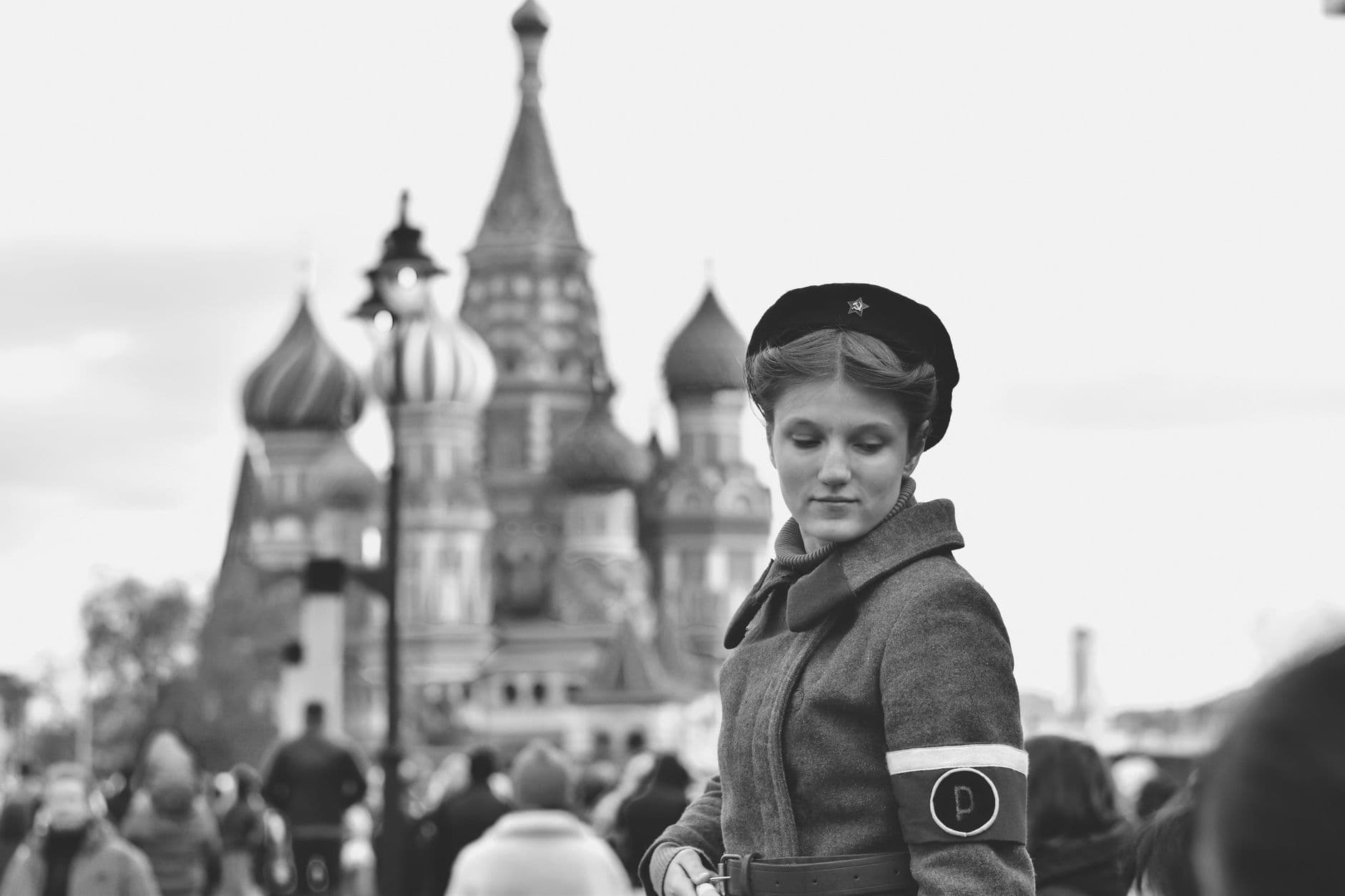
Відвідайте Москву під час парадів на День Перемоги, щоб стати свідком військового шоу, яке наповнить вулиці прапорами та барабанами. Не пропустіть, як денне світло затримується до вечора, натовпи збираються навколо Червоної площі, і фото моменти біля фонтанів. Рублеві та валютні кіоски вишикуються вздовж тротуарів, і ви можете відвідати музеї та зали після маршу.
Тиждень Масляної в містах означає продуктові ятки, млинці та жваві зібрання. Такі святкування приносять вуличні концерти, зимові ігри на ковзанці та ремісничі ринки, які тривають до вечора. Великодні обряди розфарбовують церкви, і ви можете скуштувати копчену рибу та медові тістечка, прогулюючись між ятками. Не пропустіть шанс зробити фотографії та спробувати місцеві ласощі.
Білі ночі в Санкт-Петербурзі перетворюють місто на сцену з виставами під відкритим небом, концертами в залах і довгими нічними прогулянками вздовж Неви. Денне світло триває багато годин, створюючи ідеальні фото моменти; гіди обговорять маршрути, щоб побачити мости, освітлені вночі, і ви можете відвідати Ермітаж і Петергоф після заходу сонця.
Міжнародний військово-музичний фестиваль «Спаська вежа» в Москві включає паради, барабанні корпуси та грандіозне шоу, яке займає центральне місце та приваблює відвідувачів з усієї країни. Програма включає денні виступи на Червоній площі та вечірні концерти в залах. Така подія є обов'язковою для шанувальників військової точності та музики, і ви можете порівняти ціни в рублях у сусідніх кіосках.
Святкування Дня Росії охоплюють міста від Казані до Владивостока, з концертами під відкритим небом, зібраннями на площах і сімейними ярмарками. У центрах Москви очікуйте фонтани, освітлені в сутінках, ринкові ятки та легкий доступ до обміну валюти для мандрівників, які використовують рублі. Якщо ви зупинитесь у Москві, прогулянки вздовж річки запропонують спокійний контраст із метушнею в столиці.
Великодній тиждень приносить процесії, церковні дзвони та святкові продуктові ринки в містах від Сергієва Посада до Суздаля. Спостерігачі обговорюють релігійні ритуали та обговорять маршрути, щоб приєднатися до процесій, а ремісники продають яйця та паски вздовж брукованих вулиць. Це чудова можливість сфотографувати іконопис, порівняти регіональну ідентичність і скуштувати сезонні страви.
Сабантуй у Татарстані поєднує кінні перегони, народну музику та кулінарні ярмарки в Казані та навколишніх селах. Ви знайдете зібрання на центральних площах, ятки з пловом і тістечками та фонтани, які світяться вночі. Місцева валюта діє в рублях, і ви можете розрахуватися рублями у більшості продавців.
Ярмарки Золотого кільця в Суздалі та Володимирі прославляють дерев'яну архітектуру, традиційні ремесла та музеї під відкритим небом. Прогуляйтеся стародавніми вулицями, зайдіть у теплі зали на чай і зробіть фото моменти цибулинних куполів і різьблених віконниць. Ви скуштуєте консервовану рибу, трав'яні чаї та печиво, а обмін валюти завжди під рукою для сувенірів.
Зимові фестивалі льоду в Якутську та навколишніх містах демонструють колосальні крижані скульптури, снігові лабіринти та світлові шоу. Відвідувачі можуть покататися на ковзанах, зігрітися в наметах з гарячим чаєм і зібрати унікальні сувеніри на головних площах. Крім основних маршрутів, ви можете зайти у бічні вулички за якутським чаєм і хлібними наборами. Денне світло глибокої зими коротке, але сяйво від крижаних скульптур робить кожен куточок фотогенічним.
Ярмарки Навруз відзначають новий рік у частинах Волго-Уральського регіону та тюркських республіках. Ви побачите пишні килими, фруктові ятки та музичні зібрання. Люди обговорять плани та маршрути з гідами, а продавці запропонують плов і самсу. Платежі в рублях є звичайними, і святковий настрій допомагає вам налагодити зв'язок з місцевими жителями.
09 Спробуйте щось нове: гастрономічні враження на російських фестивалях
Почніть з того, що візьміть теплі масляні млинці, начинені солодким сиром або варенням, у ятках біля станції; ви відчуєте хрусткі краї та м'яку середину, а потім наздоженете солодкий сирник для контрасту.
Для осінніх закусок досліджуйте вересневі ринки, де переважають копчена риба, житній хліб, мед і сезонні ягоди; до квітня з'являються пачки солоних пирогів і свіжих молочних ласощів, запрошуючи вас скуштувати кілька шматочків за один візит.
Православні традиції обрамляють тиждень виступами та музикою; у відомих місцях ви можете побачити велике шоу, куштуючи гарячі пироги та солоні закуски, насолоджуючись культурою, коли натовп зростає.
Практичні поради: заходьте рано, щоб уникнути довгих черг, тримайтеся вхідних кластерів, щоб скоротити час очікування, і тримайте готівку під рукою; пакуйте легкі сумки та сплануйте маршрут, який поєднує продуктові ятки з випадковими перервами на покупки, щоб не пропустити найкращі шматочки.
У сибірських регіонах очікуйте копчену рибу, лісові ягоди та ситні рагу; садиби на історичних землях пропонують сільські солодощі, і серце кухні сяє, коли росіяни діляться шматочками вздовж брукованих доріжок; тут ви можете насолодитися традиційними смаками з сучасним відтінком і залишити спогади, які залишаться надовго після фінального шоу.
Де знайти культові регіональні закуски на кожному фестивалі
Почніть зі Спаського місця перед парадом Перемоги, щоб скуштувати культові закуски, вироблені місцевими жителями та перелічені в програмі фестивалю; це найпряміший спосіб відчути регіональні смаки та зрозуміти теорії виробництва, що стоять за ними.
Прямуйте до центральних парків і на набережну, де місцеві та народні виробники встановлюють ятки; знаки показують походження та місця, де вирощуються або виготовляються інгредієнти, з простими аксесуарами, які використовуються для подачі.
Завжди вибирайте меншу порцію, перш ніж замовляти повну тарілку; вартість зазвичай вказується за шматочок, тому порівняйте кілька яток біля головної сцени, щоб отримати максимальну вигоду.
Для тих, хто прагне королівської культури в білих навісах, шукайте основні закуски, які демонструють регіональні традиції; металургія та рок-виступи фестивалю часто поєднують солоні закуски з напоями, комбінація, яка розповідає історію з давніх часів.
Попросіть фотографію страви та назву місця; місцеві жителі люблять ділитися історіями - деталі розкривають серце кожного місця та допомагають вам вирішити, куди повернутися пізніше.
Усвідомлена дегустація означає збалансування солоних і солодких закусок; як і більшість відвідувачів, ви захочете не поспішати, сказати собі, щоб залишити місце для фінального частування, і уникати відходів лише в людних місцях.
Під час планування перевірте карту під входом, щоб визначити найавтентичніші місця; шукайте ятки, які публікують прозорі витрати та вітають сім'ї, завжди віддаючи перевагу свіжим інгредієнтам і екологічній упаковці.
Перш ніж перейти до наступного місця, запишіть місця, які вам сподобалися, і поділіться з друзями; такий усвідомлений підхід дозволяє вам відчути регіон через їжу, а не лише фото моменти, і робить вас частиною місцевих жителів.
Обов'язкові страви за фестивалем і короткий путівник по смаках
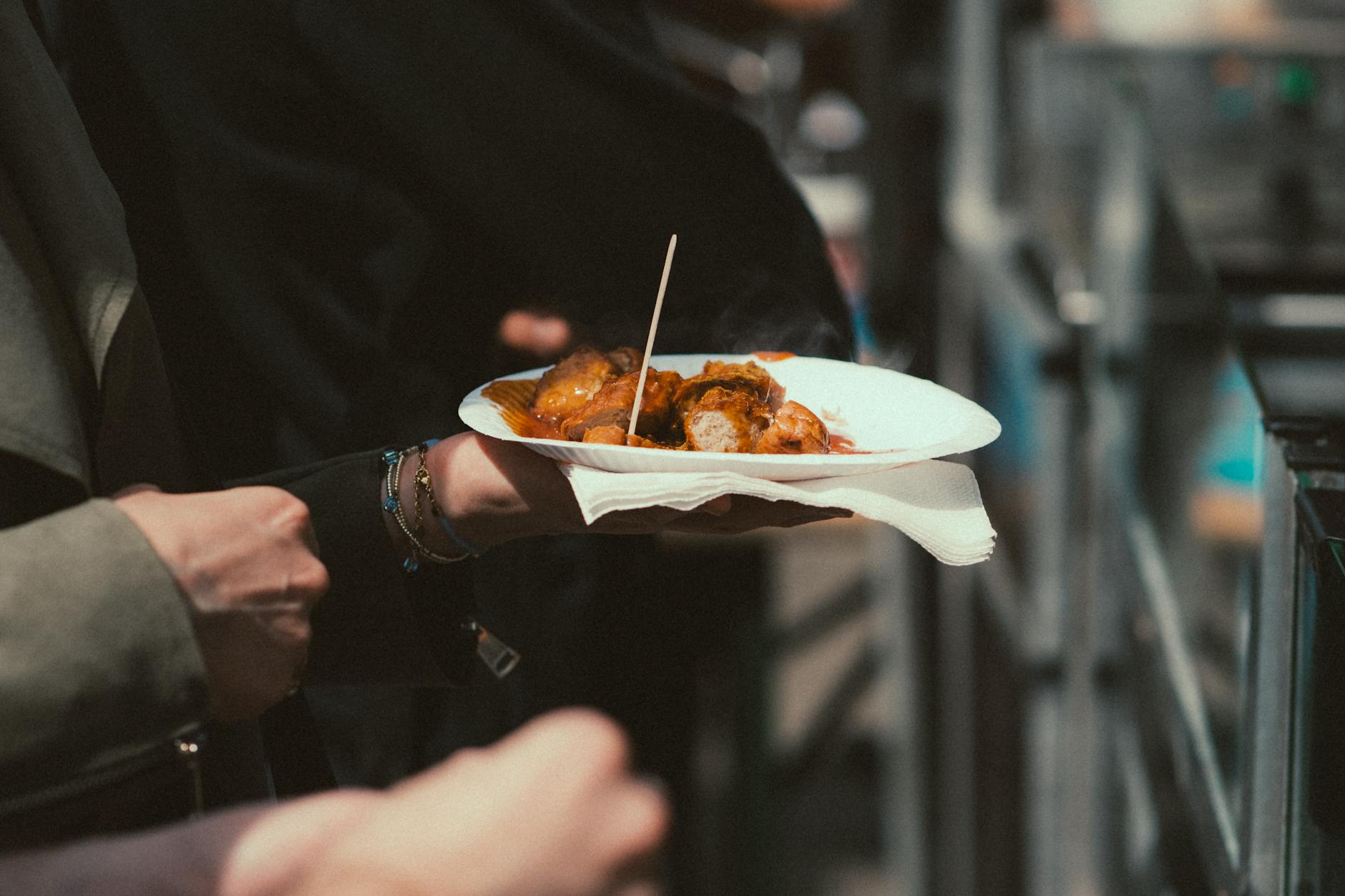
Масляна починає вашу дегустацію зі стопки гарячих млинців - змащених маслом і сметаною, а потім начинених варенням або копченим лососем; додайте червону ікру для святкового відтінку. На самих вулицях навколо Москви ятки на кожній станції пропонують свіжі начинки; підготуйте день, щоб пройти між офіційними виступами та місцями харчування, візьміть участь у майстер-класах з перевертання млинців, щоб відточити техніку.
Навруз (Новруз) демонструє плов з морквою та барбарисом, самсу та салати з трав. У Москві, Астрахані та на навколишніх ринках кожен яток представляє різний варіант страви; відвідайте офіційні намети, щоб отримати автентичні рецепти, і приготуйте плов з меленим коріандром і кмином; ви можете взяти участь у кулінарних заходах у дворі та поласувати пахлавою на солодкий фініш.
Исиах (Якутський літній фестиваль) зосереджується на холодних стравах і напоях: строганина, кумис і вареники з ягодами. У червневу спеку знайдіть юрти в міських парках і приєднайтеся до майстер-класів з техніки нарізання та приготування напоїв; відвідувачам слід бути обережними з сирим м'ясом і крижаними напоями, але враження дуже освіжаючі для культурного обміну.
Золота осінь - фестиваль врожаю в Московській області, де представлені дикі гриби, соління, медовик і житній хліб. Запах квасу в дерев'яних ятках поєднується зі смаженими грибами, класична лінія харчування, яка включає квас і копчену рибу; відвідайте ринки та підготуйте швидкий дегустаційний маршрут, який охоплює кілька місць.
Спаська вежа - фестиваль у Москві, де представлений парад військових оркестрів і вулична їжа від офіційних продавців. Найкраще місце для їжі - вздовж Червоної площі; ви можете скуштувати пельмені, борщ і копчену рибу; вулиці заповнені продавцями аксесуарів, які продають шарфи та традиційний одяг; цей вид дає яскраве відчуття російської культури.
Сабантуй у Татарстані славиться чак-чаком (смажене тісто в меду) і бешбармаком з м'ясом, а також солоними тістечками. У червні ви знайдете кулінарні конкурси та майстер-класи; учасники можуть брати участь в іграх і насолоджуватися святковим асортиментом у продуктових ятках, де представлені регіональні аксесуари, такі як візерункові шапки та пояси з їхніх сіл.
Розумний план дегустації: черги, порції та бюджет для вуличної їжі
Почніть з того, що зайдіть у вхід за 25-30 хвилин до піку міських заходів у Москві та придбайте дегустаційний квиток на 4 позиції. Цей крок заощаджує 15-25 хвилин у чергах і гарантує різноманітність без надмірних покупок.
Підготуйте стислу карту дегустації та швидкий фото журнал для великодніх святкувань. Перевірте програму, щоб узгодити її з історичними експозиціями та плануванням саду; зверніть увагу на ціни на дошках оголошень. Майте при собі валюту та компактний блокнот для відстеження витрат і чайових. Використовуйте такі аксесуари, як легка сумка та багаторазові серветки.
- Черги та час
- Заходьте рано у вхід, щоб випередити натовп; націлюйтеся на 3-4 продавців у ранковий час.
- Прочитайте вивіски, перш ніж ставати в чергу; якщо ціна або порції не зрозумілі, перейдіть до іншого стенду та поверніться пізніше.
- Порції та дегустація
- Замовляйте 2 шматочки на ятку; націлюйтеся на 4-6 шматочків у 3-4 ятках.
- Віддавайте перевагу продуктам, що містять регіональні інгредієнти та традиції; поєднуйте м'ясо, овочі та випічку.
- Бюджет і валюта
- Типовий товар коштує 120-320 рублів; заплануйте 800-1400 рублів на 5 товарів, плюс 100 рублів на воду.
- Майте при собі дрібні купюри та використовуйте цифрові платежі, де це можливо, щоб уникнути затримок зі здачею; відстежуйте витрати за допомогою простого підрахунку, щоб залишатися в межах лімітів (більше, якщо потрібно).
- Практичні поради
- Візьміть із собою компактну сумку, серветки та багаторазовий посуд, щоб пришвидшити харчування та зменшити кількість відходів; використовуйте зону саду, коли є місця для сидіння.
- Слідкуйте за подіями та святкуваннями; військовий парад або демонстрація перемоги можуть змінити черги, тому відповідно скоригуйте плани.
- Шукайте червоні банери та рекламні щити, щоб визначити видатні стенди та представлені товари.
- Наприкінці порівняйте фактичні витрати з бюджетом і скоригуйте, якщо хочете скуштувати більше чи менше.
Дієтичні міркування: вегетаріанські, халяльні, безглютенові варіанти
Заздалегідь перевірте дієтичні варіанти, переглянувши офіційні путівники та запитавши організаторів про вегетаріанські, халяльні та безглютенові варіанти; на відкритих майданчиках часто маркують звичайні страви, і кухонні команди можуть адаптувати їх, якщо ви вкажете правила, зменшуючи ризик перехресного контакту; кожен яток на відкритих майданчиках Москви біля метро зазвичай має принаймні один вегетаріанський варіант, з ціновим діапазоном близько 250-500 рублів за страву, і продавці тут пропонують прості салати, фруктові коробки або молочні варіанти разом з основними стравами для музичної аудиторії.
У квітні та червні, коли найбільші заходи під відкритим небом відбуваються в таких містах, як Москва та Архангельське, халяльні та безглютенові варіанти стають все більш доступними; шукайте продавців біля головних площ і біля оглядової вежі, з якої відкривається чудовий вид на сцену; халяльні кебаби та безглютеновий хліб з'являються в кількох ятках, а вегетаріанські тарілки є звичайними вздовж традиційних ліній, створюючи святкову атмосферу.
Практичні поради: майте при собі просту картку з дієтичними потребами англійською та російською мовами; не покладайтеся лише на вивіски; організатори візитів часто публікують примітки про алергени; якщо варіантів мало, сусідні ринки чи продуктові магазини можуть надати безглютеновий хліб, горіхи чи фрукти; використовуйте маршрути метро, щоб мінімізувати час у дорозі; дуже зручно під час відвідування Архангельського чи Москви; тут ви можете спланувати свої страви відповідно до графіку виступів, щоб не пропустити жодного варіанту.
Поради з безпеки харчових продуктів: підтримуйте водний баланс і уникайте зіпсованих ласощів
По-перше, носіть із собою багаторазову пляшку та пийте постійно протягом дня; націлюйтеся приблизно на 2-2,5 літри залежно від спеки та активності. Створений контрольний список допоможе вам не збитися зі шляху, і коли організатори обговорять протоколи безпеки, дотримуйтесь опублікованих вказівок.
Вибирайте запечатану бутильовану воду з надійних міських стендів, перевіряйте пломби та уникайте льоду з невідомих джерел. На відкритих заходах доповнюйте електролітними розчинами, щоб підтримувати баланс і зменшити тепловий стрес.
Віддавайте перевагу гарячим, щойно приготованим продуктам; уникайте молочних продуктів або м'яса, залишених при кімнатній температурі. Тримайте гарячі продукти вище 60°C і викидайте все, що має неприємний запах, незвичайну текстуру або слизьку поверхню. Слід уникати твердого льоду, якщо ви не впевнені в джерелі, і там ризик швидко зростає, коли якість води незрозуміла.
Перевіряйте ятки на вході до місць проведення та ринків на чистоту; віддавайте перевагу продавцям з належною упаковкою та чистим посудом. Якщо ви помітили рекламні щити, які маскують оборот або надійність постачальника, перейдіть до іншого варіанту. Там шукайте помітні знаки та чітке маркування продукції.
У Сибіру та інших регіонах звертайте увагу на валюту та ознаки надійних постачальників; купуйте у відкритих ятках, де виставлені запечатані пляшки та гігієнічне поводження. Ці відкриті установки на вулицях під час щорічних святкувань є звичайними, включаючи місця, прилеглі до Большого театру, тому вибирайте надійні варіанти з ретельним вивченням.
Дотримуйтесь особистої гігієни: дезінфікуйте руки перед тим, як брати їжу, зберігайте цінні речі в безпеці та використовуйте окремий посуд для напоїв і їжі. Там особисті практики підтримують здоровий досвід культури на заходах; якщо проходить військовий парад, тримайтеся подалі від візків, щоб уникнути скупчення людей.
Для ваших фото спогадів задокументуйте безпечні стенди та станції водопостачання на входах; там можуть бути хороші можливості висвітлити якісних постачальників під час загальноросійських заходів і моментів покупок на вулицях міста.
| Контекст | Ризик | Дія |
|---|
| Вхід на відкриті заходи | Зневоднення або зіпсовані продукти | Носіть пляшку, вибирайте запечатану воду, вибирайте гарячі свіжі продукти |
| Ятки на вулицях міста під час щорічних святкувань | Неналежне поводження або тривалий час зберігання | Запитайте про оборот, перевірте упаковку, уникайте продуктів з дивним запахом |
| Торгові зони поблизу сибірських місць | Забруднені напої або підроблена упаковка | Купуйте у постачальників з чітким маркуванням; перевіряйте пломби; використовуйте місцеву валюту |