يمكنك إدخال حيوان أليف (كلب أو قط) إلى روسيا كمسافر، ولا يوجد عزل إذا كانت أوراقك في النظام. باختصار، يحتاج حيوانك الأليف إلى رقاقة هوية، ولقاح ضد الكلب صالح، وشهادة بيطرية دولية (أو جواز سفر حيوانات الاتحاد الأوروبي) مع فحص صحي حديث، معتمدة من قبل سلطة البيطرة الحكومية في بلدك. يمكن إدخال حتى حيوانين لكل شخص دون تصريح استيراد. يشرح هذا الدليل كل خطوة والتوقيت الذي يثبط الناس.
المتطلبات على نظرة عامة
| Detail | Timing | |
|---|---|---|
| ميكروتشيب | ISO 11784/11785، 15 رقمًا، غير مشفر؛ زرعه قبل لقاح الكلب | قبل التطعيم |
| تطعيم ضد الكلب | تطعيم صحيح مسجل في الشهادة/الجواز | على الأقل 20 يومًا قبل السفر (الجرعة الأولى)، أو تعزيز صريح صالحة خلال الـ 12 شهرًا الأخيرة |
| اختبار مستوى الأجسام المضادة للجدري المائي | لا يتطلب الدخول إلى روسيا | — |
| فحص سريري | فحص صحي من قبل طبيب بيطري مرخص يثبت أن الحيوان مناسب للسفر | Within 14 days of travel |
| التأييد الحكومي | Certificate signed & stamped by the government veterinary authority of the origin country | Within 5 days of travel |
| Import permit | Not needed for 1-2 pets; required for 3 or more | — |
| Quarantine | None, if requirements are met and the animal is from a rabies-controlled area | — |
Step 1: Microchip

Your pet should be identified with a 15-digit ISO 11784/11785 microchip . Have it implanted before the rabies vaccination, because the vaccination record must be linked to an already-identified animal. If your chip is not ISO-standard, bring your own scanner to be safe.
Step 2: Rabies vaccination
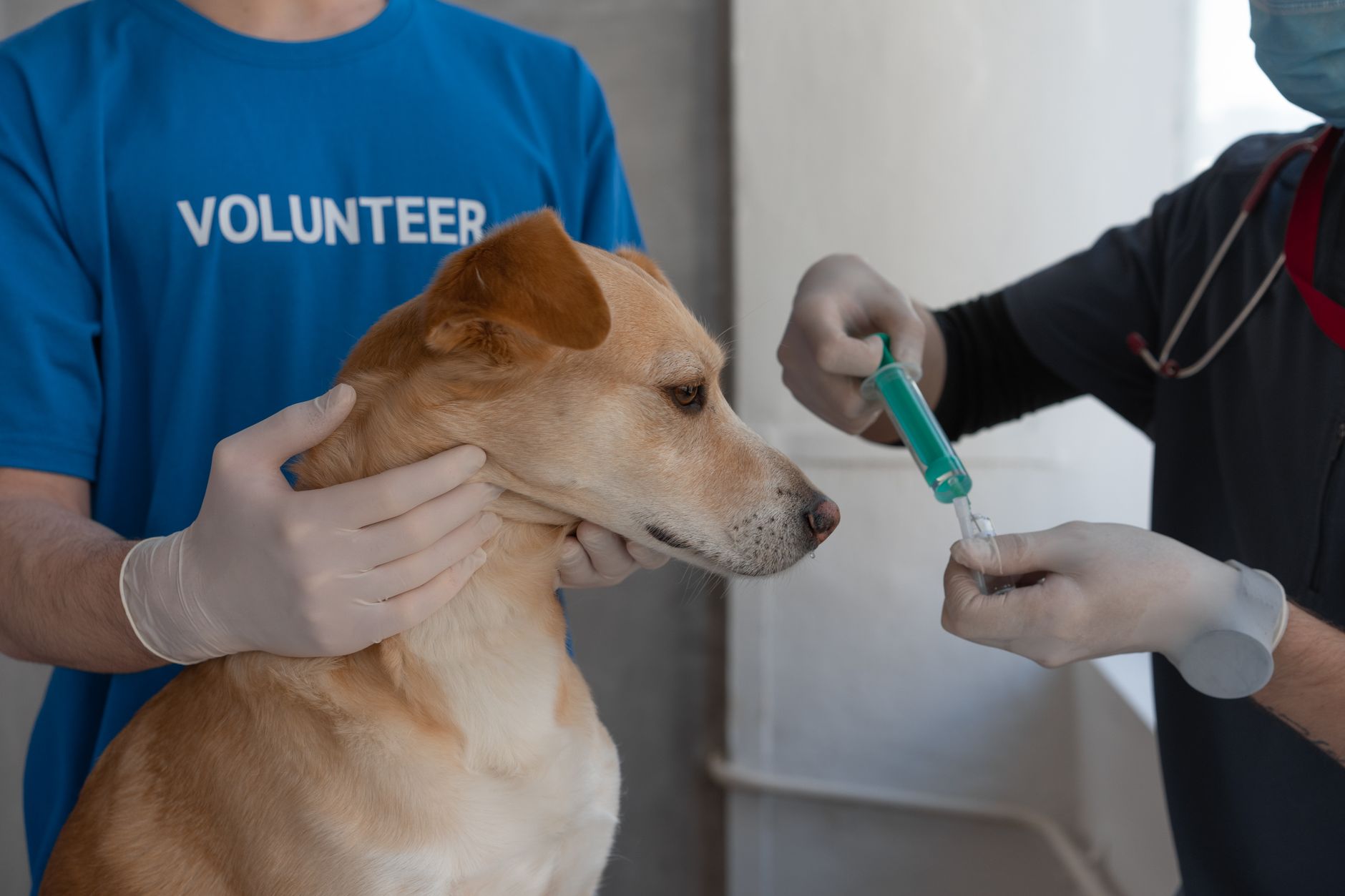
Your dog or cat must have a current rabies vaccination . For a first vaccination , it must be given at least 20 days before travel so immunity has developed; if your pet is already covered, a booster given within the last 12 months is accepted. In other words, don't let the vaccination lapse, and don't fly in the first three weeks after a first shot. A rabies antibody titer test is not required for Russia. Dogs are also commonly recommended to be vaccinated against distemper, hepatitis, parvovirus and leptospirosis, and cats against panleukopenia.
Step 3: Veterinary certificate and government endorsement
A licensed vet must examine your pet and issue an international veterinary certificate after a clinical health check carried out within 14 days of travel . That certificate must then be endorsed — signed and stamped — by the government veterinary authority of your departure country (for example, USDA/APHIS in the United States, or the equivalent state body elsewhere) within 5 days of travel . An EU pet passport is accepted if it contains the required rabies record and health declaration. Keep the original documents with you, not in checked luggage.
Step 4: How many pets, and by air
You may bring up to two dogs or cats without an import permit ; three or more (or any commercial import) requires a permit issued in advance. A total of five personal pets is the official maximum for a private traveller. Whether your pet flies in the cabin or as cargo depends entirely on the airline and the animal's size and weight (small pets in an approved carrier are often allowed in the cabin), so confirm the rules and book the pet's spot with your carrier early. Snub-nosed (brachycephalic) breeds face extra restrictions with many airlines.
Step 5: At the Russian border
Pets are not ordinary luggage, so on arrival you go through the "red channel" (goods to declare) and present your animal and its documents at the airport veterinary control point , where the pet is registered (a small fee may apply). Pet entry is handled at approved airports such as Moscow's Sheremetyevo and Domodedovo. For the wider entry process, see our guide to arrival procedures in Russia and the Russia customs rules for tourists.