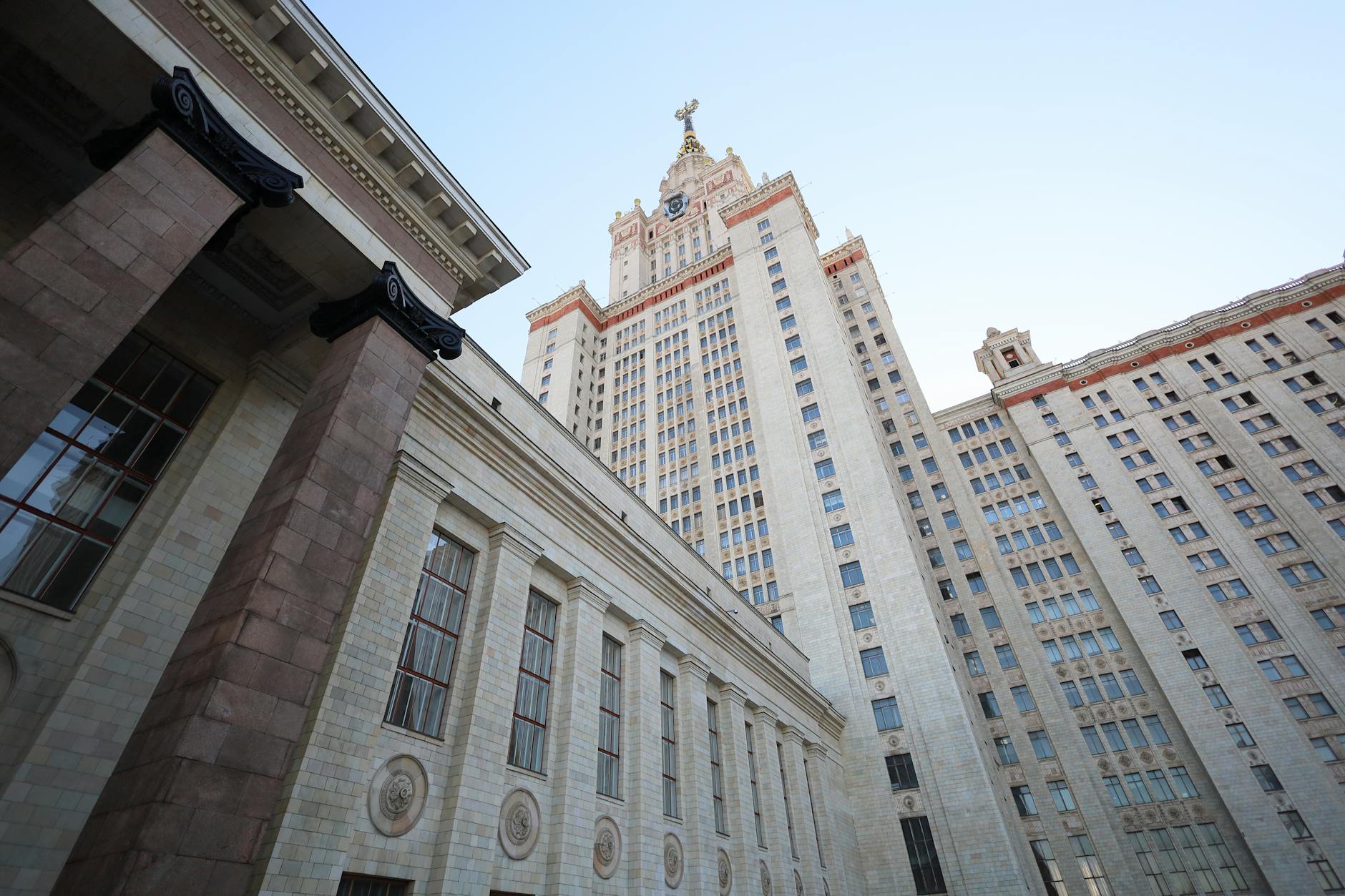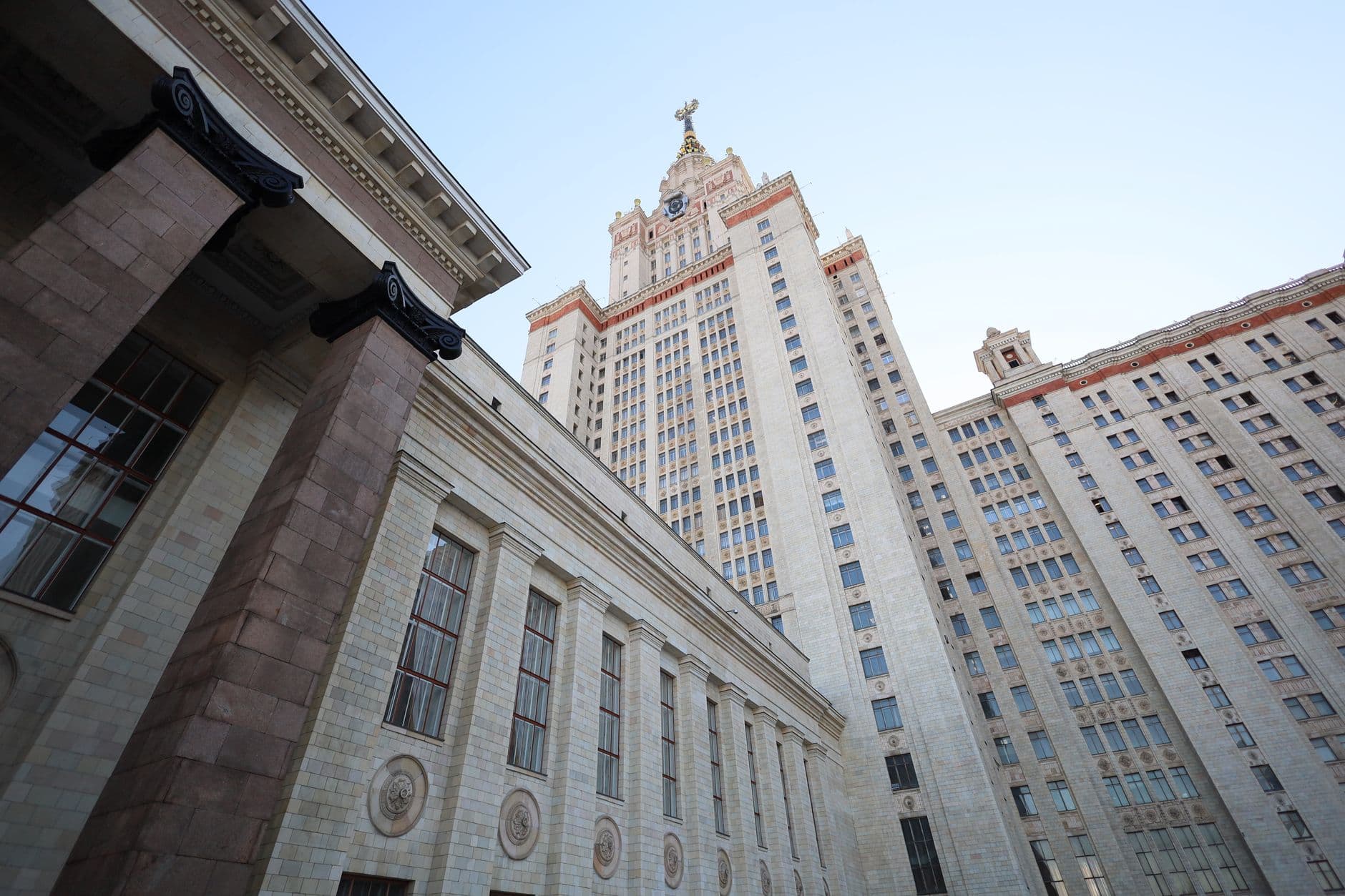

المنظر العام لموسكو يتميز بوجود ناطحات السحاب الستالينية، وهي مجموعة من المباني المهيمنة التي تعكس المزيج الفريد بين الوظيفة والأيديولوجيا. تقع هذه المباني الضخمة بشكل أساسي على ضفاف نهر موسكو، وتعرف محليًا باسم "السبع بنات" (السبع شقق)، حيث كانت تستخدم لأغراض مختلفة، بما في ذلك الشقق السكنية، الفنادق، والمكاتب الإدارية. تصمم هذه المباني على شكل حرف U وتزخر بأشكال نجوم خماسية على قممها، مما يعبر عن طموحات الأمة، بينما تعزز هوية المدينة الثقافية.
من بين أكثر هذه الناطحات السحاب شهرة، تلك التي تقع على شارع سمولنسكايا، والتي مثل نظيراتها، تتميز بواجهتين مزينتين بنحتات معقدة واكمالات من الجرانيت تعكس أهداف العمارة في تلك الفترة. عندما واجه طلاب أكاديمية روستكوفسكي هذه الهياكل المذهلة لأول مرة، ربما شعروا بالدهشة، حيث تم تجهيز كل مبنى بمعدات بوزن أطنان لدعم وظائفها المختلفة. لم تقتصر هذه المباني على أداء الوظائف المقصودة منها فقط، بل أصبحت أيضًا معالم بصرية لزوار موسكو، مما يوضح مزج الفن والهندسة.
في وقت لاحق، قام مشاريع الترميم بتحديث هذه البنايات الشاهقة بينما احتفظت بجمالها التاريخي، مما سمح لها بالبقاء في وجه اختبار الزمن. فندق هيلتون، أحد أطول "الأخوات"، يدمج مرافقًا حديثةً تلبي احتياجات جيل جديد، مما يضمن بقاء هذه البنايات ذات الصلة في المشهد الثقافي الحالي. المناطق المحيطة بهذه البنايات الشاهقة، مثل حديقة زارядي، تقدم منصات مجانية للمواطنين والسياح للتمشية والاستمتاع بالجمال المعماري، مما يعرض علاقة متوازنة بين التاريخ والحياة الحضرية الحديثة.
في صف من العمالقة، لا تمثل ناطحات سحاب ستالين مجرد مبانٍ؛ بل تعكس عصرًا كان فيه العمارة مصممة للبقاء، مصممة لإظهار القوة والوعود. ومن المرجح أن يشعر المشاة في شوارعها المليئة بهذه الإبداعات الهامة بالتقدير للتفاصيل الصغيرة، والقمم الحادة، والاهتمام الدقيق الذي وضع في كل تصميم. تستمر ميراث موسكو المعماري، الذي يتجلى في ناطحات سحابها، في إلهام من يعيش ويقيم في هذه المدينة الحيوية.
سياق تاريخي لبنايات ستالين
بناء ناطحات السحاب ستالينية، المعروفة باسم "فيسوتكي"، ظهرت في فترة كانت فيها الاتحاد السوفيتي تسعى إلى إظهار قوتها ومتانتها أمام مواطنيها والعالم. ولدت هذه المباني الضخمة من طموحات دولة كانت تتعافى من الفوضى التي شهدتها في أوائل القرن العشرين، وقد صُممت هذه الهياكل المذهلة لتُظهر الهيمنة المعمارية لموسكو.
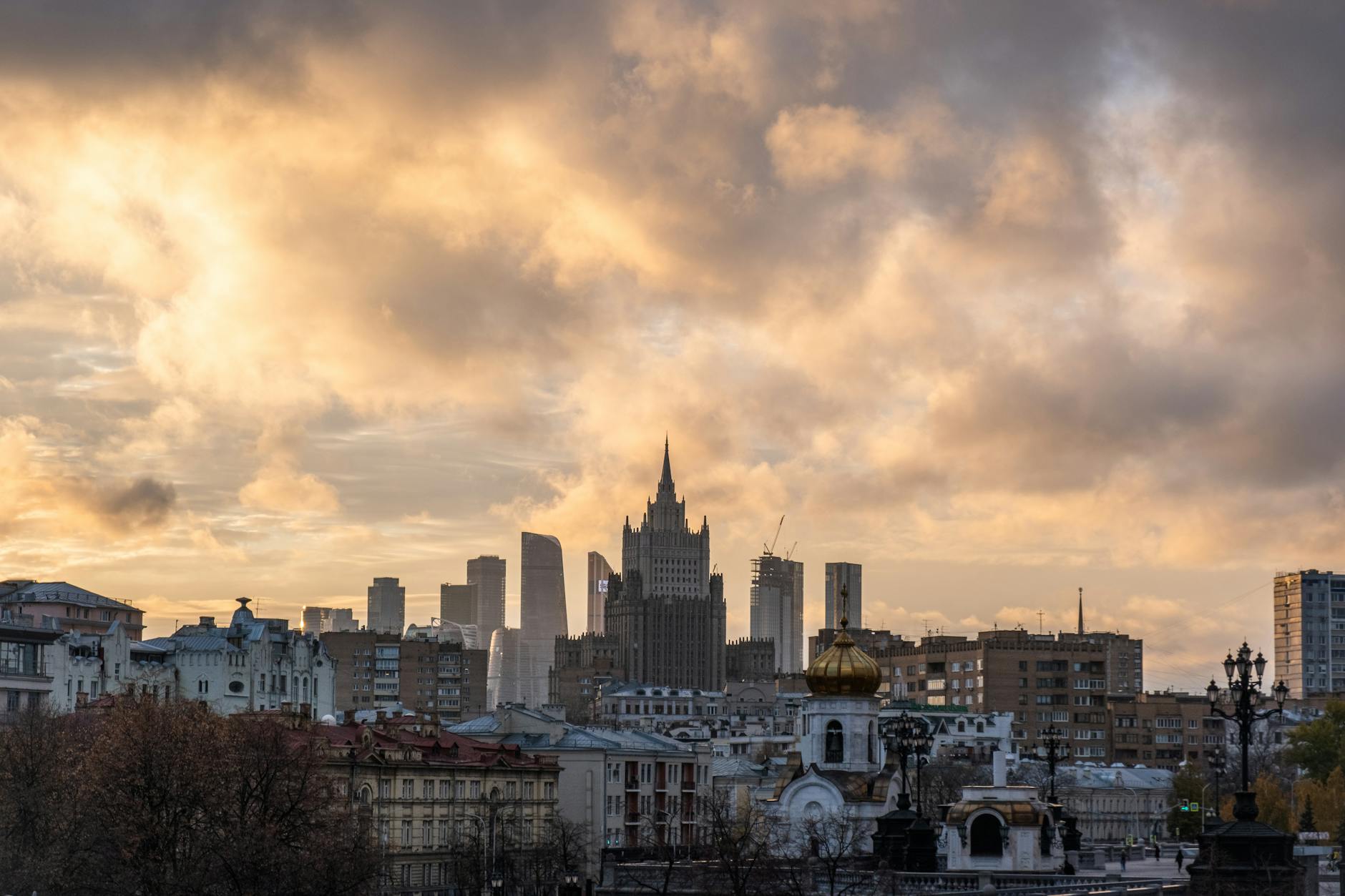
في ثلاثينيات القرن العشرين، مع ارتفاع نفوذ ستالين، ساد الهدوء في البلاد بعد سنوات من الاضطرابات. تم تخطيط ناطحات السحاب كجزء من استراتيجية تطوير أوسع شملت تحديث البنية التحتية للمدينة، مثل المترو وإقامة محطات قطار جديدة. كانت الارتفاعات الضخمة لهذه المباني، التي تصل بعض منها إلى 200 متر، meant to تبرز كالأعلى في المدينة، وتسيطر على أفقها وتظهر قوة الاشتراكية.
أصبحت أسماء مثل "السيدات السبع" مرادفة لرؤية ستالين لموسكو. involved significant effort, often utilizing the labor of inmates from gulags, which was a heavy charge against the regime, even as it positioned the buildings as symbols of progress. Noteworthy examples include the building at Smolenskaya and the imposing structure that houses the Ministry of Foreign Affairs, often regarded as one of the most decorated in terms of its architectural features.
تصميم الناطحات السحاب تأثر بشكل كبير بالعمارة الكلاسيكية الجديدة، وشمل عناصر مثل السقوف الحادة والواجهات الزخرفية من السيراميك التي تجلت الهوية السوفيتية، مع زخارف مرتبطة بالتاريخ والثقافة الروسية. تم تخطيط كل ناطحة سحاب بدقة؛ حيث شارك معماريون من مختلف المؤسسات في البحوث لإنشاء هياكل تتحمل اختبار الزمن وتؤكد مكانة المدينة عالميًا.
هذه المباني، مع ظهورها، marked also shift in the architectural landscape of موسكو، moving away from smaller, more humble constructs. The transformation reflected a broader theme of aspiration, where residents and the government alike envisioned a city that exuded power. The same period witnessed the thawing of political tensions during Khrushchev's era, yet the skyscrapers remained as enduring testaments to the previous regime's grand ambitions.
بنى ستالين في موسكو subsequently became embedded in the daily lives of citizens, guiding them through the vast expanses of موسكو. Located near prominent embassies and restaurants, they serve not only as architectural wonders but also as integral parts of urban life, drawing the attention of both locals and tourists who marvel at their stature.
السياق التاريخي لناطحات سحاب ستالين مرتبط بشكل وثيق بالرواية الثقافية لروسيا. فهي تمثل عصرًا كان فيه المشاريع المعمارية الطموحة تتحدى خلفية مدينة تمر بتحولات سريعة، واقفة تحت نظر سكانها وسائر الزوار.
أصول ودلالة أيديولوجية
أصول ناطحات السحاب ستالينية تعود إلى الفترة السوفيتية المبكرة عندما أصبح التأكيد على القوة والحداثة أمراً أساسياً. هذه المباني الرمزية، التي تُعرف غالبًا باسم "السبع بنات"، كانت تهدف إلى إظهار قوة وأيديولوجية الاتحاد السوفيتي في جميع أنحاء أوروبا. تصميمها الذكي على شكل حرف U خلق جمالية قوية، في الوقت نفسه، استغل الضوء والمكان الداخلي بشكل أكبر.
موقعها الاستراتيجي في مواقع بارزة في جميع أنحاء موسكو، لم تكن هذه البرجات العالية مجرد مبانٍ وظيفية، بل كانت تحمل دلالة رمزية. كانت تمثل نظام حكم حيث امتدت وزارات الزراعة والدفاع والشؤون الخارجية influenceها عبر المدينة. كانت هذه الهيمنة المعمارية مماثلة لما لوحظ في دول أخرى قوية، مثل فندق هيلتون في المدن الكبرى، حيث تم تخصيص أفضل الموارد لإبهار الضيوف.
كل مبنى كان له غرضه الخاص، حيث استضاف السفارات والمكاتب الحكومية وحتى المناطق السكنية. ركز تصميم ميخائيل أولتارزفسكي على البناء الحجري وأضاف خدمات فندقية من فئة خمس نجوم، مما جذب الزوار المحليين والدوليين. على سبيل المثال، يحتوي مبنى أوستينسكي على سطح فوار خاص يعمل كمنطقة تجمع للضيوف، بينما يستضيف buildings أخرى معارضًا وأحداثًا ثقافية.
هذه الهياكل كانت أكثر تكلفة في البناء مقارنة بالمشاريع المعاصرة الأخرى، مما أدى إلى تعطل بيئة البناء بسبب إعادة توزيع الموارد لمثل هذه المشاريع الضخمة. ومع ذلك، كان النتيجة مجموعة من أكبر المباني في المدينة، حيث بلغ ارتفاع كل منها أكثر من 150 مترًا. لم تمثل هذه الهياكل مجرد تحول في العمارة، بل أيضًا إعلانًا أيديولوجيًا لقوة الاتحاد السوفيتي، حيث جذبت إعجابًا من دول بعيدة مثل أوكرانيا.
مع توسع نظام المترو، أصبحت هذه البرجات العالية معالم بارزة تربط مناطق مختلفة من المدينة، مما يسهل حركة المواطنين والسياح على حد سواء. كانت هذه الجهود المتعمدة لإنشاء رؤية ووضوح تسليط الضوء على طموح النظام السوفيتي في إظهار قدراته وتأثيره داخلاً وخارجاً.
مقارنة مع الاتجاهات الدولية في تلك الفترة
النمط المعماري الذي يمثله ناطحات السحاب ستالينية، والتي تُعرف غالبًا باسم "الغوتية ستالينية"، يعكس بشكل بارز الاتجاهات السائدة في منتصف القرن العشرين، في الوقت الذي يتفرّد فيه بأسلوبه الفريد. بينما سعت السوفيات إلى تأكيد سيادتها، كانت هذه المباني لا تعمل فقط كمنشآت وظيفية، بل كانت أيضًا رموزًا عظيمة للقوة والأيديولوجيا. بينما كانت المدن الدولية تجري تجارب مع التصاميم الحديثة، دمجت موسكو مجموعة من ناطحات السحاب التي تجمع بين أنماط معقدة، مما يبرز التزامه بالروعة.
السياقات المميزة لهذه المباني، مثل جامعة لومونوسوف وفندق راديسون، تتميز بأبراج عالية وزخارف معقدة لا تزال مميزة عن الاتجاهات البسيطة التي تُرى في مدن مثل بوخارست ونيويورك. هنا، كان الجودة الإجمالية لكل بناء مهمة؛ حيث تم تصميم كل مستوى بعناية، مع تضمين عناصر زخرفية مثل الأبراج الصغيرة والزخارف الإضافية. هذه الميزات لن تُرى عادةً في المباني الحديثة في عواصم الغرب، التي تفضل غالبًا البساطة على الفخامة في تصميماتها.
في المقابل، تعمل النافورات التفاعلية والممرات العامة التي رافقت ناطحات السحاب هبة للجمهور في موسكو، حيث تدعو السكان والزوار على حد سواء إلى التفاعل مع بيئتهم. على عكس العديد من الهياكل الغربية من تلك الفترة، التي عانت غالبًا من سوء الصيانة، تم تصميم ميراث العمارة السوفيتية مع شعور بالديمومة. كان التوازن غير المريح بين الفائدة الوظيفية والرفاهية البصرية في عصر ستالين يعمل على إظهار القوة والمتانة، خاصة في فترة تميزت بالصراعات في الغولاغ والصعوبات الاجتماعية.
في حين أن الحركات المعمارية الدولية في تلك الفترة promoted uniformity, embraced Soviets التنوع في تصاميمهم، دمجًا لعناصر متنوعة تعكس الفخر الوطني. نتيجة لذلك، يعرض مشهد موسكو المعماري تفاعلًا طموحًا بين الأسلوبين، مما يلهب إلهام الزوار المعاصرين. كل ناطحة سحاب تظل شهادة على فكرة أن الهيمنة يمكن تحقيقها من خلال الجمال والتفاصيل، مما يخلق سماء ديناميكية تستمر في جذب إعجاب المهندسين المعماريين، المؤرخين، والسياح على حد سواء، قياسًا قياسًا.
تأثير السياسة السوفيتية على العمارة
المنظر المعماري لموسكو تأثر بشكل عميق بالسياسة السوفيتية، مما أدى إلى ظهور أسلوب مميز يعكس طموحات تلك الفترة. شيدت ناطحات السحاب، المعروفة أيضًا باسم ناطحات السحاب ستالينية، لإظهار قوة الدولة والسيادة، حيث أصبحت سياقاتها الرفيعة رموزًا بارزة لطموح الاتحاد السوفيتي.
زيارة هذه الهياكل تقدم للزوار رؤية فريدة لكيفية تأثير السياسة في النسيج الحضري. النجوم الخماسية التي تزين هذه المباني كانت رمزا للحزب الشيوعي، مما أكّد وجودها في سماء المدينة. كل مرة يتم فيها بناء ناطحة سحاب جديدة، لم تكن مجرد مبنى، بل تجسيد لسيطرة الدولة ورؤيتها. كان قرار البناء غالبًا ما يحدده الضرورة السياسية، مع السعي لتحقيق أعلى مستويات الإنجاز المعماري.
أبرز ما يميز هذه الناطحات السحاب هو واجهاتها المزخرفة بالحواف المتقنة والنقوش البارزة، مما يضفي عليها عظمة. استخدم البناة الأصليون الفولاذ والceramics (الخزفية) في بنائها، مما يضمن متانتها وأهميتها المعمارية. وقد صُممت المعامل السكنية لاستيعاب العمال، مما يعكس المثالية السوفيتية في الحياة الجماعية. على الرغم من التصميمات الكبرى، فقد ضاع بعض الجو الثقافي في سبيل التعميم، حيث غُطيت أو تبسيط بعض التفاصيل أثناء البناء.
داخل هذه البنايات الشاهقة، تم توزيع الوظائف بين مختلف المؤسسات والكليات، مما يوضح النهج المتعدد الجوانب في الإسكان والتطوير الثقافي. بدأ فلاديمير تشيشولين ومعماريون آخرون في دمج عناصر من الأسلوب السابق، مما خلق دiorama من طموحات عصر الاتحاد السوفيتي. هذه العلاقة العميقة مع المنظر السياسي تضمنت أن كل ركن من هذه المباني كان له غرض، مما يعكس أيديولوجية جماعية.
أسس هذه الفترة ما زالت تؤثر على العمارة المعاصرة، حيث تظهر مزيجًا من التقنيات التقليدية والحديثة. ميراث هذه المباني واضح ليس فقط في موسكو، بل يمتد إلى مدن مثل بطرسبرغ، حيث تم تبني تصميمات مماثلة. إعادة تصور الماضي، ما زالت تأثيرات السياسة السوفيتية على العمارة تثير التفكير في تقاطع السيطرة الحكومية والتعبير الثقافي.
| المعماريون | المميزات الرئيسية | الموقع |
|---|---|---|
| موردفينوف | أشكال أنيقة، تماثيل بارزة | Moscow |
| تشكولينز | نجوم ذات خمس نقاط، هياكل فولاذية | بترسبورغ |
| مجموعة البنّاءين | ألواح السيراميك، القوس | مختلف المواقع |