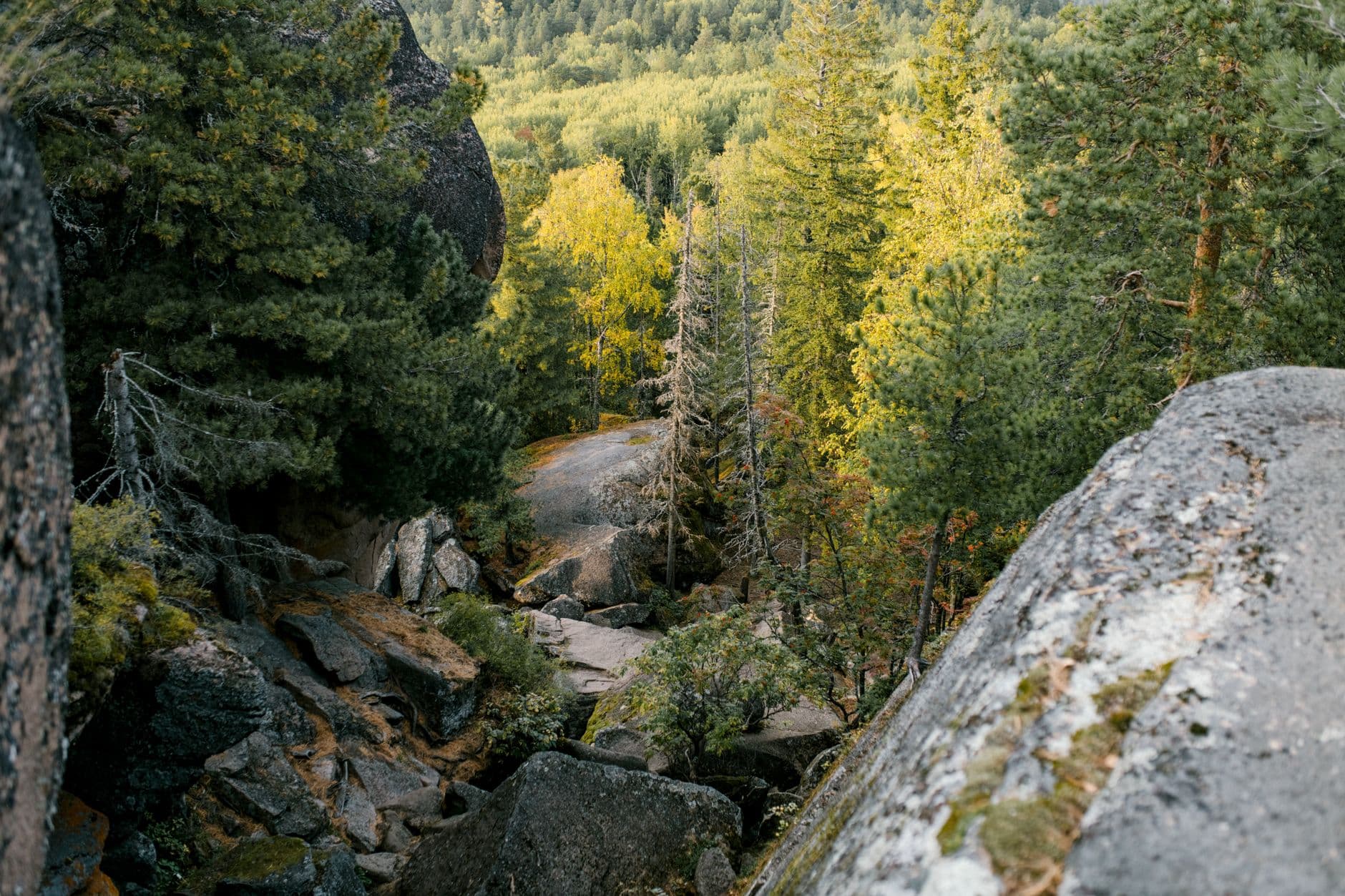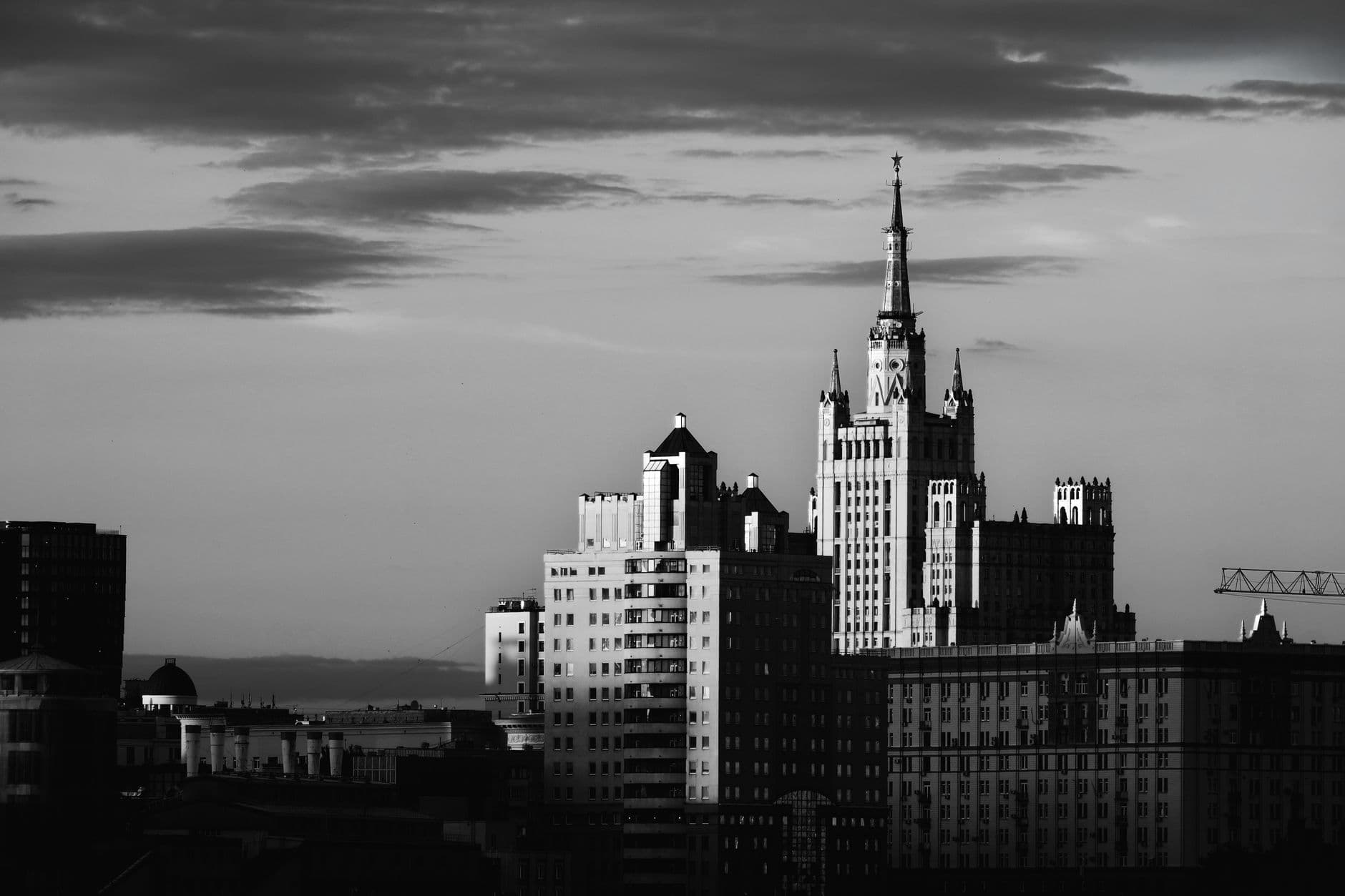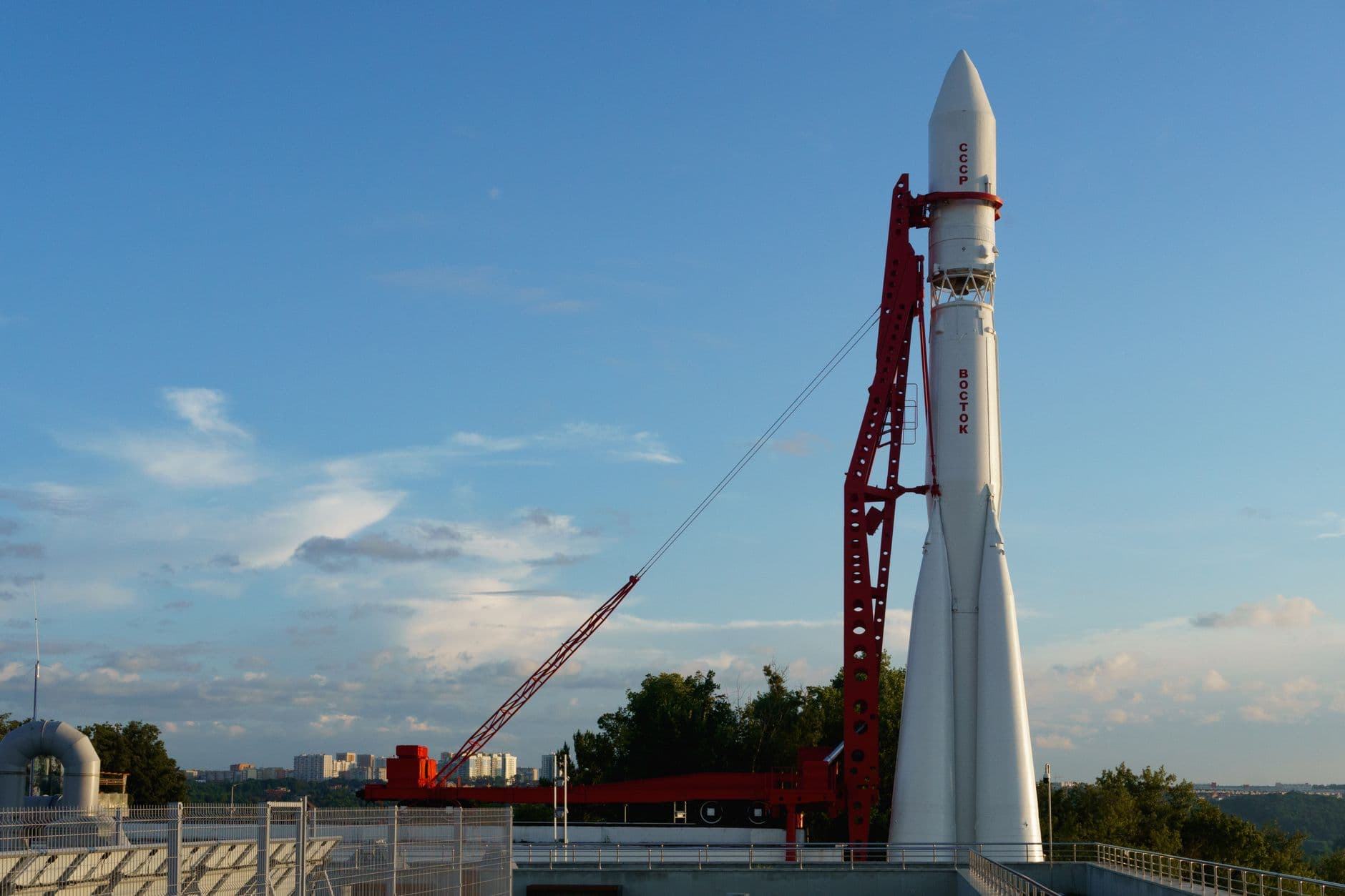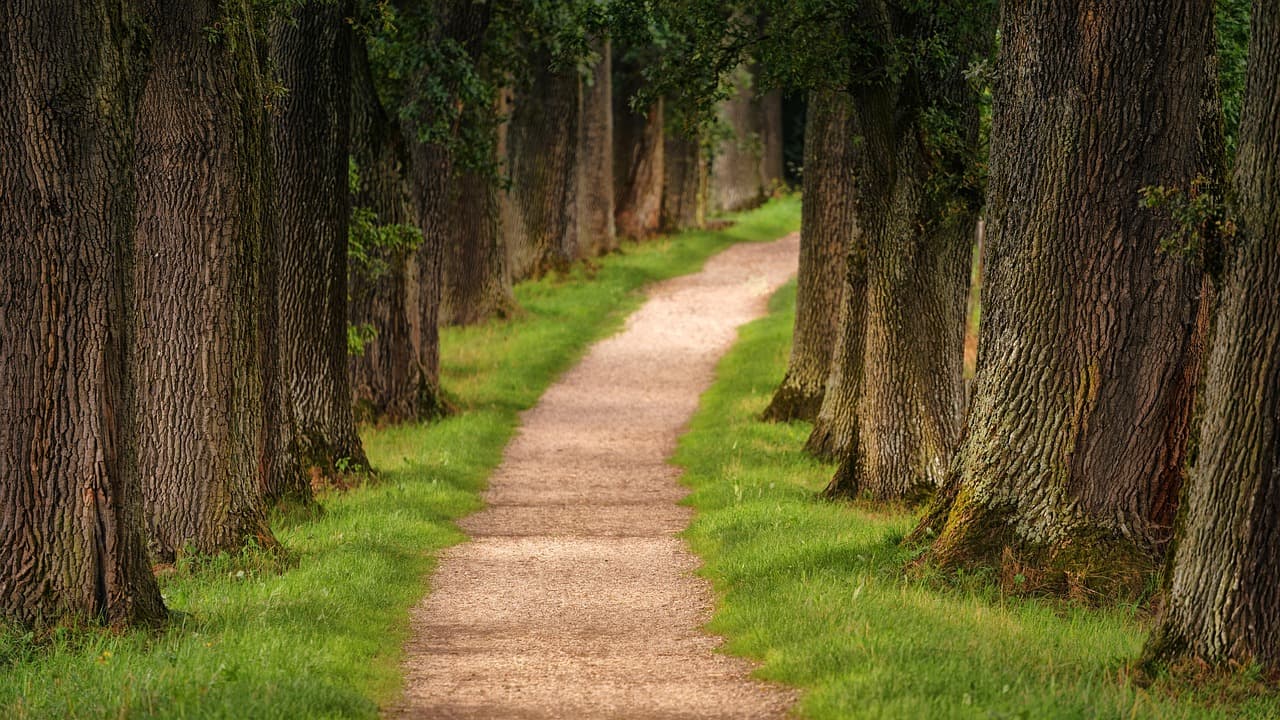

توصية: ابدأ يومك بدورة الصباح في حديقة بيتسيفسكي. هذه المسار الإقليمية في الهواء الطلق تجمع بين مسارات الغابات ومناظر الأنهار، وتدعوك للاسترخاء بينما تستنشق هواءًا نقيًا. تقدم تجربة مكثفة تناسب جدول أعمال مزدحم وتعمل كتدفئة موثوقة للرحلات الأكثر طموحًا لاحقًا.
في المنطقة، تستضيف الحواف الشمالية عدداً من الخيارات: مسارات قصيرة على ضفاف البحيرة، شوارع غابة مظللة، وارتفاعات أطول. تضيف المناظر الطبيعية المستوحاة من كرونوتسكي إحساساً بالقياس البعيد، بينما تحافظ الأقسام المفتوحة على الهواء الطلق. بالنسبة لأولئك الذين يعانون من نقص الوقت، يمكن أن يقدم مسار دائري لمدة 1-2 ساعة تجربة مكثفة. يرجى التحقق من الخرائط المجانية؛ حيث تقدم كل التفاصيل وتشمل روابط إلى مسارات خطوة بخطوة.
الطرق الليليّة تكشف عن نسيج مختلف: هواء أكثر برودة، سطح الماء العاكس، وخلجات مدينية رائعة. بعض الأقسام تظل مضاءة جيداً، بينما تم تصميم البعض الآخر للزيارات الموجهة مع علامات واضحة. عادةً ما يعود الجزء الأخير إلى المدخل؛ يرجى حمل مصباح يدوي، ماء، وقميص خفيف الاسترخاء بعد العودة.
لزيادة تجربةك، خريطة يومك باستخدام الروابط المفتوحة من الخدمات الإقليمية؛ ستجد موارد مجانية ونصائح حول الوقت المناسب للزيارة، بالإضافة إلى ملاحظات حول السلامة في أقسام الصباح والمساء. تدعو المنطقة الشمالية إلى إيقاع هادئ، بينما تقدم المنطقة القريبة جولات موجهة وأحداث في نهاية الأسبوع. من خلال التخطيط المسبق، يمكنك الاستمتاع بكل لحظة من نزهة هادئة ومناظر طبيعية، وتغادر مع شعور بالهدوء الحقيقي.
أفضل مسارات المشي في موسكو وخطة مغامرة عبر سيبيريا
ابدأ برحلة قصيرة تبلغ 6-8 كيلومترات في حلقة من نقطة بداية قريبة من المحطة المركزية للسكك الحديدية في العاصمة لاختبار سرعتك، المعدات، وموثوقية الخريطة غير المتصلة بالإنترنت؛ بمجرد الاستقرار، استخدم هذه التجربة لخطط أقسام أطول. تستحق سرعتك الشخصية، الماء، الوجبات الخفيفة، والأحذية الرياضية ضبطًا يدويًا قبل التقدم أكثر.
في برنامج أطول، رتب إقامة في قرية على طول خط السكك الحديدية مع صعود لمدة يومين على هضبة موسمية. في التوقف بين المسارات، احصل على الوقود، الجبن، الوجبات الخفيفة، والحمضيات، وتحقق من الوصول إلى الخدمات المحلية؛ قد تقدم بعض المناطق الأخرى على طول الخط خيارات أكثر، مع قدم ثابتة على أرضية متنوعة. منطقة ستولبي تقدم خيارًا مدمجًا وسهل الوصول إليه على الساق الشرقية، وتضم حلقة طولها 7-9 كيلومترات توفر قدمًا ثابتة ومناظر طبيعية متنوعة.
للمناطق ذات العرض الجغرافي الأعلى، ابحث عن عبور التندرا عبر حزام الغابات؛ حتى في فترات الانتقال، قد تتطلب الضباب والرياح ارتداء ملابس متعددة الطبقات. احمل موقدًا خفيف الوزن، أدوات، وكيت إصلاح أساسي. خلال المسافات الطويلة، قد تسهل الوصول إلى مناطق نائية تحتوي على أسواق لشراء وجبات طازجة وقود جاف عملية الانتقال.
تأكد من التحقق من القواعد، والالتزام بالمسارات المحدد، والاحترام لإغلاقات الموسم. احترم حدود المواقع الأثرية المحمية. احمل دائمًا خرائط غير متصلة بالإنترنت، بوصلة، وصافرة؛ فالأشياء الشخصية الأساسية تضمن السلامة في المناطق النائية. سواء كنت تزور حدود موقع أثري على طول الطريق أو تلتزم بالمسارات المحدد، تأكد من التحقق من القواعد، والالتزام بالمسارات المحدد، والاحترام لإغلاقات الموسم. احترم حدود المواقع الأثرية المحمية.
الوصول يختلف حسب المنطقة؛ خُطط لزيارات متعددة، واحجز الإقامة في دار ضيافة قروية أو فندق صغير بالقرب من عقد السكك الحديدية؛ تتحول الأقسام الخرسانية في عقد السكك إلى مسارات غابية، تذكّر الوافدين بتغيير المعدات. عند الوصول بالسكك الحديدية، خُطط للاتصال بشاحنة نقل محلية. هذا النهج يضمن لك الحفاظ على خطة مسارات مستقرة حتى لو تأخرت القطارات.
أفضل مسارات موسكو للهرب السريع: مسارات نهرية، غابات حضرية، ومتنزهات مدنية
طريق Riverside Loop على طول ضفاف النهر هو الخيار المثالي للفرار لمدة 90 دقيقة مع أقل قدر من التخطيط.
مسافة 4.5-6 كم؛ الأسطح مزيج من الخرسانة والحصى المدمك؛ متوسط السرعة 4-5 كم/ساعة؛ ساعات 06:00-09:00 و18:00-21:00 لتجنب الزحام؛ الضوء المتغير على الماء يضيف دراما.
- مسارات ضفاف الأنهار: 4.5-6 كم، أقسام مسطحة على الشواطئ تليها ارتفاعات هادئة؛ حيث تجرى مسارات للمشاة بجانب الطرق حيث يتاح ذلك، مما يجعل هذه التجوال صديقة للمشاة والركض والدراجات. سواء زرت بمفردك أو مع رفيق، تقدم هذه المسار شحنة سريعة بين المهام، بمعدل شخصي. الوقت عادة 1.5-2 ساعة؛ شاهد ألوان الغروب فوق الماء؛ الأسطح في الغالب من الخرسانة مع بعض المسارات الخشبية للراحة.
- الغابات الحضرية: تشكل غابة لوسيني أوستروف وغيرها من المناطق الخضراء شبكة تبلغ مساحتها 9-15+ كيلومترًا عبر مسارات كبيرة ومتاحة؛ تختلف المسارات بين التربة المدموكة والورقيات الناعمة؛ يُنصح باستخدام الجوارب الطويلة في الأيام الرطبة؛ أكبر ميزة هي البيئات الغامرة والأغطية الهادئة. خُطط لوقت يتراوح بين 2-4 ساعات حسب المسار المختار؛ يخلق الضوء المتغير عبر الأشجار سحرًا؛ الوصول غالبًا عبر القطارات الضواحي أو وسائل النقل الحضرية، وتظهر الرسوم على صفحات النقل؛ يستخدم المسافرون من ييكاترينبورغ غالبًا اتصالات القطار للوصول إلى نقاط البداية.
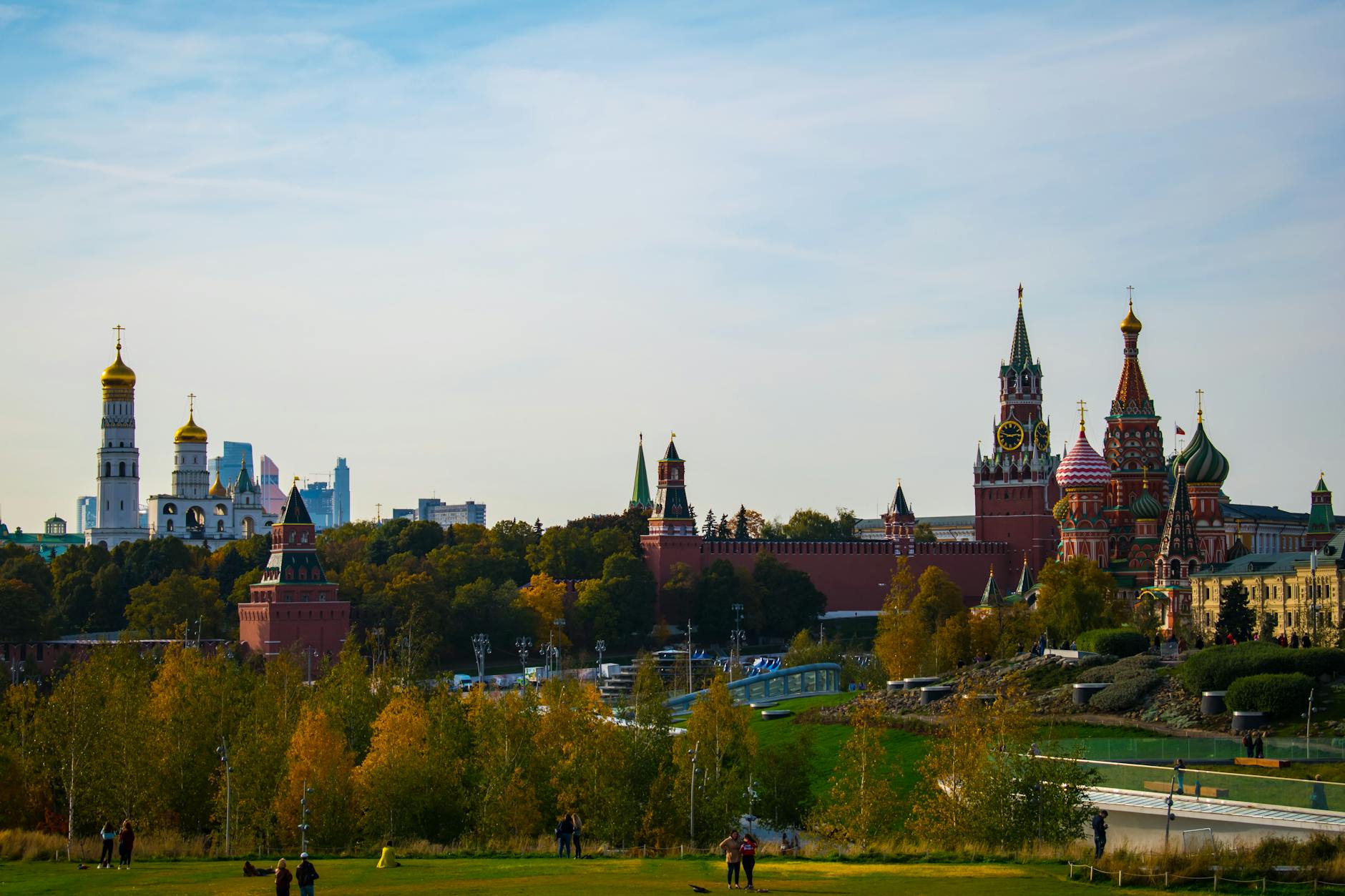
- المتنزهات الحضرية: متنزه غوركي، متنزه سوكولنيكي، والممرات الخضراء القريبة تقدم جولات أقصر تتراوح بين 5-7 كيلومترات؛ حيث تتنوع الأسطح بين الخرسانة، الأسفلت، والحصى المدمك؛ عادةً ما تكون سهلة للمشاة والعائلات؛ تكشف المشيات المسائية على الجسور المضاءة، والنوافير، وأبراج الكاتدرائيات التي تظهر في الأفق البعيد. سهولة الوصول عبر المترو يجعل الوصول سهلاً؛ حيث تكون الزحام في نهاية الأسبوع متوقعة ولكن قابلة للإدارة؛ تمتد ساعات العمل حتى غروب الشمس، مما يجمع بين العمارة التراثية والحيوية الحضرية الحديثة.
- تجهيزات وأمان: احمل حقيبة خفيفة؛ قفازات للsegments الغابية؛ حقيبة إسعافات أولية صغيرة؛ أرقام الاتصال الطارئة؛ هاتف مشحون مع خرائط غير متصلة بالإنترنت.
- ما يجب حمله: ماء، وجبات خفيفة، كريم واقي من الشمس؛ يُفضل حقيبة صغيرة أو حزام على الكتف؛ تجنب التلوث؛ قد تظهر الفودكا في الحفلات، لذا احرص على نظافة المسارات واتبع القواعد المحلية.
- نصائح النقل: تربط القطارات والحافلات ضواحي المدينة؛ تختلف رسوم النقل حسب المسافة؛ قد تكون نهاية الأسبوع أكثر ازدحامًا؛ خُطط لصلوك مبكرًا لبدايات هادئة؛ إذا كنت قادماً من يكاترينبورغ، تحقق من خيارات القطارات المباشرة.
- تقدم حدائق العاصمة الروسية تنوعًا في الجو حسب اليوم؛ دع أصدقائك لاختبار مسارات مختلفة؛ شاهد سماء متغيرة بينما تتحرك بين البيئات المختلفة.
نصائح المشي الموسمي لموسكو: ما تتوقعه في الربيع والصيف والخريف والشتاء
اختر مسارات سهلة المشي بالقرب من البحيرات القريبة من المستوطنات لتسهيل وصول الأيام الدافئة. راقب الحيوانات وهي تستيقظ من شتاءها على حافة التايغا؛ ابق على المسارات المarked التي تحترم مناطق التندرا السفلى. لخطط نهاية الأسبوع، اختر مجموعة من المسارات ذات المسافات القصيرة، الارتفاع المنخفض، وتوقعات الشمس الدافئة.
في الأشهر الدافئة، ابحث عن مسارات مظللة، مصادر مياه موثوقة، وخدمة موثوقة على طول المسارات. قد تشمل هذه الأماكن الساحات القريبة من خطوط الترام (трамвай) ومناطق توقف القطارات، بالإضافة إلى خرائط واضحة على لوحات المعلومات. يمكن للمجموعات الخبيرة أن تحدد خيارات لرحلات نهاية الأسبوع الأطول؛ احمل قبعة، ماء، حقيبة خفيفة، وكن حذرًا من البعوض. اختر الأماكن القريبة من البحيرات التي يمكن الوصول إليها بسهولة إلى المجتمعات؛ حيث تعزز الثقافة والمباني المخصصة هذه الرحلة.
الخريف يجلب هواءًا باردًا، وغطاء غابات غني بالألوان، والجمود أحيانًا. احمل طبقات دافئة وخطط لوقت shorter daylight؛ اختر مسارات مع هامش ضوء بالقرب من المستوطنات التي تحتوي على خطوط ترام (трамвай) أو قطارات. راقب البحيرات والأنهار بعد الأمطار؛ احمل أرقام الطوارئ. للمشاة ذوي الخبرة، تقدم مسارات التايغا وحافة التندرا لقاءات هادئة مع مواقع ديسيمبريستس وشوارع مربعة قديمة.
شتاء يغطي الثلج الصامت على التايغا والتندرا؛ ارتدي ملابس دافئة، أحذية impermeable للماء، وحمل معدات الطوارئ. تتحول العديد من الخدمات إلى جداول عمل نهاية الأسبوع، مع بعض القطارات وخطوط الترام لا تزال متاحة. في الارتفاعات المنخفضة، وصل إلى البحيرات المتجمدة والقرى النائية؛ خطط لولوج الملاجئ العلوية ومخارج آمنة. تقدم المتاحف التي تحتوي على منازل الديسمبريين فترات راحة ثقافية؛ اختر الخيارات التي تقدم المشروبات الساخنة والأطعمة الدافئة. احذر من التغيرات المفاجئة في الطقس؛ تجنب استخدام AK-47 غير المصرح به؛ احتفظ به كملاحظة في المتحف.