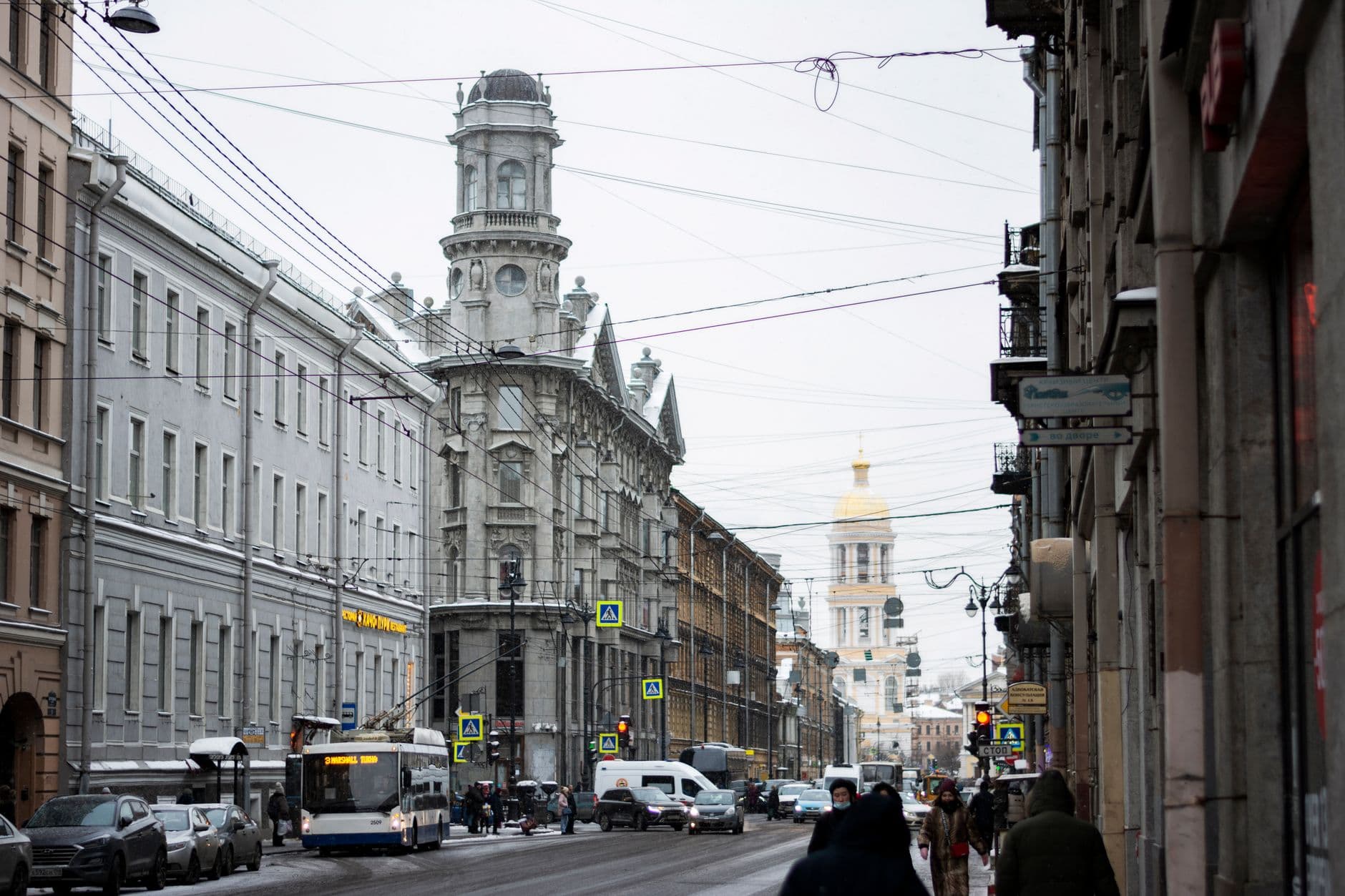
App-based bookings unlock cheapest tickets and real-time distances, so plan routes before leaving home. For anyone visiting russia, this approach speeds up trips between petersburgs and regional hubs, while keeping refund options clearly visible. excellent network coverage across cities ensures reliable connections.
Distances between major hubs are roughly 635 km by rail, with high-speed circuits delivering a 3.5-4 hour ride. Night trains provide extra savings, while daytime options let you arrive rested. App-based platforms show availability in real time and list expected times, a ticket type, and optional extras.
Cheapest fares appear when you book early, select economy seats, or choose sleeper compartments during shoulder seasons. Some options involve longer itineraries that combine multiple legs into a single circuit for a richer experience, especially along russian heritage districts and waterfronts. Features such as comfortable sleepers and quiet cars can improve comfort on longer legs.
Refund rules vary by operator; potentially you can cancel within 24-48 hours for a partial or full refund. Look for tickets with refundable features and flexible date change options, and make sure your app-based wallet supports refunds to original payment method.
beyond long-haul routes, local transit across russia cities uses integrated ticketing that covers metro, bus, and tram services, making short trips from outskirts to city centers simpler. available passes streamline a circuit through museums, markets, and architectural buildings, while alert features keep you posted on delays or service suspensions.
Bottom line: plan with app-based tools, compare options, and keep an eye on distances and ticket features to maximize value–especially when visiting petersburgs and other russian hubs.
Urban transit costs and payment methods in major cities

Purchase a city-wide smart pass before your first ride to save money and speed boarding. Cards like Troika (Moscow), Podorozhnik (Saint Petersburg), or regional equivalents offer automatic top-ups, balance tracking, and transfers across Metro, buses, and trams, depending on city rules.
Cost snapshot by city (rough bands):
- Moscow: single ride 60–70 rubles; 24-hour cap roughly 250–300 rubles; transfers within 90 minutes; pass holders ride more cheaply than paying per ride, which is a clear advantage. Payment via contactless cards or mobile wallets is widely supported; refunds for unused credits are processed through an official app or at ticket counters; cancellation options are available in many cases; crowded center areas demand swift navigation; trams and buses extend access to outlying surroundings; some legacy buses still used, offering more options for trips around town.
- Saint Petersburg: single ride 60–70 rubles; day pass 200–280 rubles; Podorozhnik supported along with contactless; balance can be tracked in app; refunds for unused funds; cancellation windows vary by card type; coastal routes deliver scenic surroundings while commuting; some trips are short hops to the center or along which you’ll pass many museums.
- Kazan: single ride 28–46 rubles; day pass 150–230 rubles; smart cards and mobile wallets widely supported; balance tracking handy; refunds for unused trips; center routes can be crowded during peak season; center navigation helps travellers, while outskirts offer cheaper options.
- Novosibirsk: single ride 28–50 rubles; day pass 120–200 rubles; buses, trams, and a compact metro-like network; contactless payments accepted; balance tracking in app; refunds for unused portions; center-area trips tend to be crowded; but outer routes help keep seats free and navigation smooth.
- Yekaterinburg: single ride 30–50 rubles; day pass 150–230 rubles; card-based system with top-up and mobile wallet support; refunds and cancellation through app; central corridors experience high footfall; trams offer views of industrial surroundings.
- Sochi (coastal resort): single ride 25–60 rubles; day pass 140–220 rubles; seasonal pricing may apply; seasonal adjustments operate with demand; contactless and cards widely accepted; balance can be tracked; refunds available; etiquette notes apply for buses and trams during high-season crowds; stunning coastal scenery accompanies many trips.
طرق الدفع
- City-wide cards: Troika, Podorozhnik, and regional equivalents. Obtainable at metro stations or official kiosks; top up online or at terminals; refunds or cancellation requests managed via app or counter; a wise choice for frequent trips; balance tracking keeps you informed.
- Contactless payments: tap to ride with Apple Pay, Google Pay, or bank cards; widely supported on metros, trams, and buses; confirm that your device is enabled before boarding.
- Mobile apps and pre-translated options: official city apps offer quick top-ups, real-time tracking, and chat support option; pre-translated interfaces help travellers manage navigation and charges without language barriers.
- Cash acceptance: limited on certain routes or vehicles; carry small notes as a backup; digital methods remain faster and safer for longer trips.
Etiquette and practical tips
- Queue properly; allow exiting passengers to depart before boarding; in crowded compartments, keep aisles clear and offer seats to seniors or passengers with mobility needs.
- Keep belongings in sight; golden rule is to keep spaces comfortable for others; avoid loud conversations; use headphones for media.
- Navigation aids: use official apps for live updates and pre-translated menus; chat support can confirm transfer windows or fare classes.
- Fare classes: standard, student, child, seniors. Confirm any ID requirements before boarding or top-up; depending on city, student IDs or passports may be needed.
- Feel safe: refunds and cancellation requests should be processed through official channels; guard personal data and never reveal PINs or codes.
- Trams and center trips: crowded conditions affect flow; plan routes with longer travel times during peak hours; consider distance to surrounding center to minimize transfers.
- Travellers can enjoy stunning routes along coastal hubs like Sochi; navigation and chat support make it easier to book or adjust trips on the fly.
Rail travel across the country: schedules, classes, and booking tips
Book long-distance trains well in advance via app-based systems to secure a spot in selected class and minimize cancellation risk.
Key routes radiate between major hubs; Moscow–St. Petersburg line features frequent departures, with times around 3h40m on high-speed Sapsan trains and 6–9 hours on traditional routes. Fleet includes Sapsan, Lastochka, Strizh on popular corridors.
Choose from comfortable options: first class compartments, second class seating, or salon space in sleeper cars; many journeys offer a designated silent car option as well.
Prefer official platforms and app-based booking; select fares with flexibility and inclusive terms that include cancellation terms and allow changes within a chosen window after booking.
black night routes let you arrive rested; sleepers provide compartments with compact berths and window views across countryside, avoiding daytime fatigue.
For cheap travel, pick selected routes outside rush hours; midweek departures often price lower, especially on non-high-speed lines. A golden rule: book ahead to lock cheaper fares, just compare options.
On board, comfortable seating and app-based chat support help you adjust options; automatic announcements keep you informed while you move between platforms and salon areas. App shows live delay updates.
For last-mile mobility, use metro connections to hubs; ride-hailing like Uber is common in many cities, with designated stop points and quick pickup zones within city limits. Some apps link to uber for final leg.
Cancellation rules vary by fare class; look for inclusive policies that allow partial refunds after a short window in case of changes.
Arrive 15 minutes before boarding, check line numbers on station boards, and rely on app alerts to make smooth connections.
Just in case, keep a photo of your ticket.
Are buses cheap in Russia? Regional fare comparisons and savings
Book ahead on high-demand routes using yandex or uber to lock affordable fares; real-time checks reveal possible savings. If youre booked for a period of sightseeing or major tours, you gain by comparing options across regional carriers and choosing non-peak times.
Fare schemes vary widely by region and distance. Local city buses charge modest fares, while intercity coaches scale by distance with discounts for round trips or multi-ride passes. In Moscow and Saint Petersburg, basic single-ride cards hover around 60–110 RUB; farther routes in Volga, Siberia, and Far East push intercity ranges to 300–1800 RUB depending on distance. Always verify current rates via navigation apps or carrier portals; many price updates occur seasonally, so check in real-time before booking. источник: regional portals and guides. for travelers with needs such as accessibility or luggage, choose larger-capacity intercity coaches.
Regional fare snapshot
| المنطقة | Typical one-way fare (RUB) | Intercity range (RUB) | ملاحظات |
|---|---|---|---|
| Moscow region | 60-110 | 400–1200 | city buses are convenient; price stability varies |
| سانت بطرسبرغ | 50–100 | 350–1200 | شبكة واسعة؛ فحوصات في الوقت الفعلي مفيدة |
| الفولغا (كازان) | 40-90 | 300–900 | تخفيضات للطلاب متاحة في بعض الأحيان |
| سيبيريا (نوفوسيبيرسك) | 60–100 | 500-1500 | مسارات المسافات الطويلة ترفع الأسعار |
| الشرق الأقصى (فلاديفوستوك) | 70-120 | 700–1800 | ترقيات نادرة؛ مقاعد أمامية تُعرض أحيانًا. |
تكتيكات الادخار
استخدم تطبيقات الوقت الفعلي لمقارنة الأسعار المفصلة بين شركات النقل؛ قد تظهر صفقات خاصة بالفترة قبل ساعات فقط من المغادرة. إذا استطعت، فاختر الخيارات الليلية؛ عادةً ما تقلل هذه الخيارات التكاليف مع الحفاظ على خطط مشاهدة المعالم السياحية سليمة. لزيارة معالم بارزة مثل القصر، قم بمواءمة الطرق مع المراكز المركزية وتحقق مما إذا كانت الخدمات الليلية تغطي محطتك النهائية. ابحث عن التصاريح المجمعة، وأسعار الطلاب أو كبار السن، ومجموعات الرحلة ذهابًا وإيابًا؛ تقلل العديد من العروض إجمالي الإنفاق عند التخطيط لعدة مراحل في رحلة واحدة. للتحقق من الخيارات، اطلب عروض أسعار من مكتب الاستقبال في محطات الحافلات أو تحدث مع المشغلين من خلال قنوات yandex أو uber؛ هذا يمنعك من تفويت بدائل أرخص. المصدر: البوابات والأدلة الإقليمية.
جوًا أم بالقطار: متى يوفر السفر جوًا الوقت والمال في المسافات الطويلة

توصية: استخدم الطائرات في الرحلات التي تزيد عن 1000 كيلومتر؛ والقطارات في الرحلات التي تقل عن 900-1000 كيلومتر. غالبًا ما يكون هذا الخيار أفضل لتوفير الوقت في الممرات الطويلة على طول روسيا. نصيحة: احجز مبكرًا، فأسعار التذاكر تتقلب؛ استخدم بطاقة ائتمان أو بطاقة خصم؛ تختلف شروط الإلغاء؛ بعد الشراء، سيكون لديك مقعد مؤكد. بالنسبة لأولئك الذين يرغبون في إدارة التحديثات، تساعد تنبيهات واتساب من شركات النقل. ينسق هذا النهج بشكل منفصل خطوات التخطيط ويؤدي إلى تجربة أسرع وأكثر أمانًا.
الوقت والقيمة في الممرات الرئيسية
الأوقات: بالنسبة للممرات التي تتراوح بين 1,000 و 1,500 كيلومتر تقريبًا، يستغرق الطيران من 2 إلى 3 ساعات، بينما قد يستغرق القطار من 12 إلى 18 ساعة، مما يعني توفير حوالي 10 إلى 16 ساعة من الباب إلى الباب، دون احتساب الأمن والتحويلات. بالنسبة للممرات الأطول التي تتراوح بين 2,500 و 6,000 كيلومتر، يستغرق الطيران من 6 إلى 9 ساعات؛ بينما يستغرق القطار من 3 إلى 7 أيام؛ وغالبًا ما يكون توفير الوقت من 60 إلى 120 ساعة. التذاكر: تختلف أسعار تذاكر الطيران؛ عند الحجز قبل 2-3 أسابيع، يمكن أن تتراوح أسعار تذاكر الطيران بين 3,000 و 7,000 روبل روسي؛ تتراوح أسعار مقاعد أو مقصورات القطار بين 2,000 و 8,000 روبل روسي بشكل منفصل. تُظهر الأدلة من النماذج أن الطيران أفضل بشكل عام بالنسبة للوقت الإجمالي، بينما يوفر السكك الحديدية موثوقية عندما يؤثر الطقس أو الإلغاءات على الرحلات الجوية. التوفر: تربط الرحلات الجوية المنتظمة المحاور الرئيسية؛ غالبًا ما توفر محطات الضواحي وصولاً مباشرًا إلى مراكز المدن؛ تختلف سياسات الإلغاء؛ غالبًا ما تتوفر التذاكر والمقاعد، ويمكنك التنقل بين التغييرات عن طريق التحقق من الخيارات المؤكدة قبل الإقلاع. في العديد من الطرق، قد توفر الاتصالات الدولية رحلات جوية مباشرة؛ على طول روسيا، يعتمد التوازن على الطلب والموسم. يعتمد الاختيار الأفضل على الأولويات: السرعة مقابل التكلفة؛ تجربة مع أسطول حديث مقابل السفر ذي المناظر الخلابة؛ والعقوبة المفروضة على التأخير. في أطول الممرات، يمكن أن يصل توفير الوقت إلى 60-70 ساعة.
Practical tips
اللحظة الأولى للتخطيط: أدخل اسم الممر المحدد في البحث، ثم قارن نتائج الطيران والقطارات بشكل منفصل. استخدم واتساب لمراقبة التحديثات من شركات النقل؛ اختر أجرة مرنة إذا كنت تتوقع تغييرات؛ احجز ببطاقة ائتمان أو خصم؛ تأكد من أن التذاكر آمنة ومؤكدة. غالبًا ما يكون التوفر جيدًا لكلا الوضعين، ولكن أفضل الصفقات تظهر عند الحجز مسبقًا. بالنسبة للطرق الضواحي، تقلل المحطات القريبة من مراكز المدن وقت النقل؛ بالنسبة للرحلات الطويلة، يجب احتساب وقت المطار، بما في ذلك تسجيل الوصول والأمن. عند القيام برحلات طويلة، يمكن أن يوفر القطار الليلي تكاليف الفندق؛ للحصول على أسرع تجربة، اختر رحلة مباشرة بأقل قدر من التوقفات. إذا واجهت عملية إلغاء، فتعرف على السياسة والخيارات لإعادة الحجز بسرعة. من الناحية العملية، يلاحظ مخططو السفر على طول روسيا أن الخطة المتوازنة - السفر جوًا للمسافات الطويلة، والقطار لليالي المريحة، والاحتفاظ بنسخ احتياطية في المسافات القصيرة - تقدم أفضل تجربة شاملة.
شبكات حافلات المسافات الطويلة: الطرق الشائعة، المشغلون، وقواعد الأمتعة
اختر مشغلين يعتمدون على التطبيقات يقدمون خدمات مباشرة للمسافات الطويلة مع قواعد واضحة للأمتعة؛ احجز مسبقًا على الطرق الشهيرة مثل موسكو - سان بطرسبرغ وموسكو - كازان لضمان الحصول على مقاعد ممتازة وتجنب متاعب اللحظة الأخيرة.
الطرق والمشّغلون المشهورون
تربط الممرات الحضرية المراكز الرئيسية بجداول مواعيد متقاربة، بما في ذلك خط موسكو–سانت بطرسبرغ (4-5 ساعات على الطرازات القياسية؛ المغادرة المسائية شائعة)، وموسكو–كازان (8-12 ساعة؛ خيارات ليلية متاحة)، وسانت بطرسبرغ–نيجني نوفغورود (4-6 ساعات). تتراوح الشركات المشغلة بين الأساطيل الوطنية الكبيرة والعلامات التجارية الإقليمية؛ يعرض الحجز عبر التطبيقات الأنواع المتاحة مثل الحافلات عالية السرعة والطرازات القياسية للمسافات الطويلة، مع مساعدات الملاحة في تطبيقات الهاتف المحمول لمقارنة الأوقات والأسعار. توفر الرحلات الليلية الراحة وتقلل الازدحام عن طريق تخطي حركة المرور خلال النهار؛ ومع ذلك، تأكد من تأكيد مقعدك عند الدفع. بالنسبة للمسافرين لأول مرة، تحقق من الأوقات في التطبيق وقم بمواءمتها مع الوصول إلى المحطة لتجنب التسرع لحظة الصعود إلى الحافلة. لا تزال الدائرة نابضة بالحياة، مع طرح نماذج جديدة وتوسيع خيارات وقوف السيارات بالقرب من المحطات الحضرية.
قواعد وآداب الأمتعة
تشمل أنواع الأمتعة عادةً حقيبة مقصورة واحدة بالإضافة إلى قطعة فحص واحدة؛ غالبًا ما تتراوح الكمية المسموح بها لخدمات المسافات الطويلة القياسية من 10 إلى 20 كجم للقطعة الواحدة، مع سماح بعض المشغلين بمزيد من الوزن على المسارات المتميزة. تُطبق الرسوم على العناصر الإضافية، وتُظهر القوائم المستندة إلى التطبيقات الحدود الدقيقة حسب المشغل ومستوى الخدمة. قبل المغادرة، افحص المقاعد بحثًا عن المفروشات الممزقة وأبلغ الموظفين عن أي تلف؛ يساعد تخزين الحقائب في الأماكن المخصصة على تقليل الفوضى والحفاظ على آداب الممرات. لا تنسَ تسمية كل حقيبة بالاسم ومعلومات الاتصال؛ يمكن أن تتسبب العلامات الخاطئة أو المعلومات غير الكاملة في حدوث تأخيرات أو سوء توجيه. في لحظة الصعود إلى الطائرة، قدم التذكرة الرقمية وبطاقة الهوية للموظفين، واحتفظ بالملاحة عبر الهاتف المحمول في متناول يدك للوصول إلى الرصيف بسرعة. بالنسبة للركاب لأول مرة، فإن اتباع نهج هادئ للآداب - التحدث بهدوء وتجنب الموسيقى الصاخبة والحفاظ على الممرات خالية - يضمن السلام على متن الطائرة في كل من الرحلات الحضرية والدوائر الأطول.
المواصلات في روسيا - دليل السفر الكامل 2026">
The Best Hotels in Moscow – Top Luxury, Boutique, and Budget Stays">
All Works in the GUM Red-Line Gallery">
Where to Apply for a Russian Visa from Abroad – A Practical Guide">
Victory Day in Moscow – Parade, Remembrance and Celebrations">
Moscow Travel Guide 2025 – Must-See Attractions, Popular Food, Hotels & Transportation Routes – Updated December">
Ukraine War Latest – Historic Move to Help Ukraine Faces a Tall Order, Belgian PM Says Parts of Frontline Town Retaken">
RC Victory Park Residences Moscow — Luxury Living at Victory Park">
In the Wake of Luzhkov’s Ouster, Moscow Monuments Face an Uncertain Future">
How to Complete Uzbekistan Visa Application – A Step-by-Step Guide">
Novodevichy Convent – Moscow’s UNESCO World Heritage Site">