Τα 15 παραδοσιακά ρωσικά πιάτα που πρέπει να δοκιμάσει κάθε επισκέπτης είναι: μπόρς, πελμένι, μλίνι, οκρόσκα, σκι, σολιάνκα, σαλάτα Ολιβιέ, ρέγγα κάτω από γούνα (σούμπα), βίνεγκρετ, βαρενίκι, πιροσκί, σίρνικι, κβας, κισέλ και ντρανίκι. Μαζί, αυτά τα πιάτα χαρτογραφούν τις σούπες, τα ζυμαρικά, τις σαλάτες, τις τηγανίτες και τα ποτά που καθορίζουν το ρωσικό σπιτικό φαγητό αλλά και τα μενού των εστιατορίων - μια πρακτική λίστα γευσιγνωσίας για ένα ταξίδι στη Μόσχα.
Η ρωσική κουζίνα είναι χορταστική και εποχιακή παρά πικάντικη, βασισμένη στα παντζάρια, το λάχανο, τη σίκαλη, την πατάτα, το γλυκό νερό ψάρι, την ξινή κρέμα και τον άνηθο, και σε αργές τεχνικές όπως σιγοβράσιμο, ζύμωση και ψήσιμο. Σχεδιάστε μια γευσιγνωσία από ελαφριά προς πλούσια: ένα αλμυρό ορεκτικό ή μια σαλάτα, μετά μια σούπα, μετά ένα ζυμαρικό ή ένα πιάτο με κρέας, και τελειώστε με μια γλυκιά τηγανίτα ή ένα ζυμωμένο ποτό όπως το κβας. Εδώ είναι κάθε πιάτο, πώς είναι η γεύση του και πώς σερβίρεται.
15 Παραδοσιακά Ρώσικα Φαγητά που Πρέπει να Δοκιμάσετε
1) Μπορς - μια σκουρόχρωμη κόκκινη σούπα παντζαριού με λάχανο, καρότο και κρεμμύδι· σερβίρεται ζεστή με μια κουταλιά ξινή κρέμα· οι απίστευτες, αρχαίες ρίζες της διασχίζουν πολλές κουζίνες χωριών, καθιστώντας την ένα υπέροχο ορεκτικό για να εξερευνήσετε την ιστορία πίσω από την περιφερειακή μαγειρική.
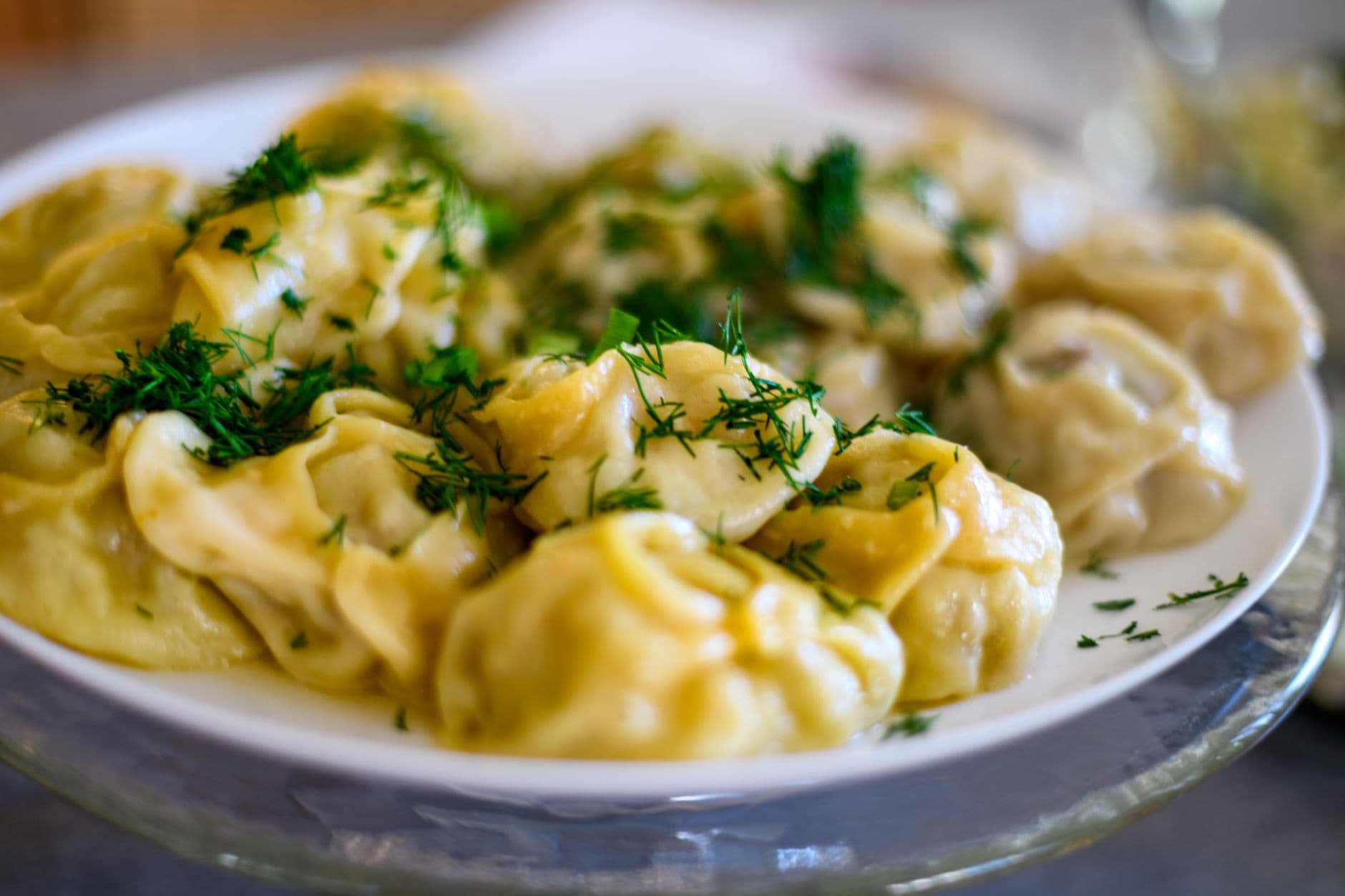
2) Πελμένι - μικρά, γεμιστά με κρέας ζυμαρικά που βράζονται και ολοκληρώνονται σε βούτυρο· βασικό είδος για οικογενειακές συγκεντρώσεις και πάγκους της αγοράς, ένα αγαπημένο πιάτο που αναδεικνύει την τεχνική της ζύμης και την αντίθεση μεταξύ της τρυφερής γέμισης και των τραγανών άκρων.
3) Μπλίνι - λεπτές τηγανίτες με χαβιάρι, σμετάνα ή μαρμελάδα. Αυτά τα στρογγυλά εδέσματα βρίσκουν τη θέση τους από το πρωινό μέχρι τα τραπέζια των γιορτών, καθιστώντας τα μια ευέλικτη επιλογή για τους καλεσμένους και ένα αγαπημένο πιάτο στα γλέντια.
4) Οκρόσκα - μια κρύα σούπα του καλοκαιριού με βάση το κβας και ψιλοκομμένα λαχανικά όπως αγγούρι και ραπανάκι, δροσιστική για τις ζεστές μέρες σε πλατείες πόλεων και ντάτσες.
5) Στσι - σούπα λάχανο με ξινολάχανο ή φρέσκο λάχανο, συχνά εμπλουτισμένη με κρέας ή μανιτάρια· ένα αρχαίο κλασικό της ρουστίκ κουζίνας, εύκολο να παρασκευαστεί σε μεγάλες ποσότητες για οικογενειακά γεύματα.
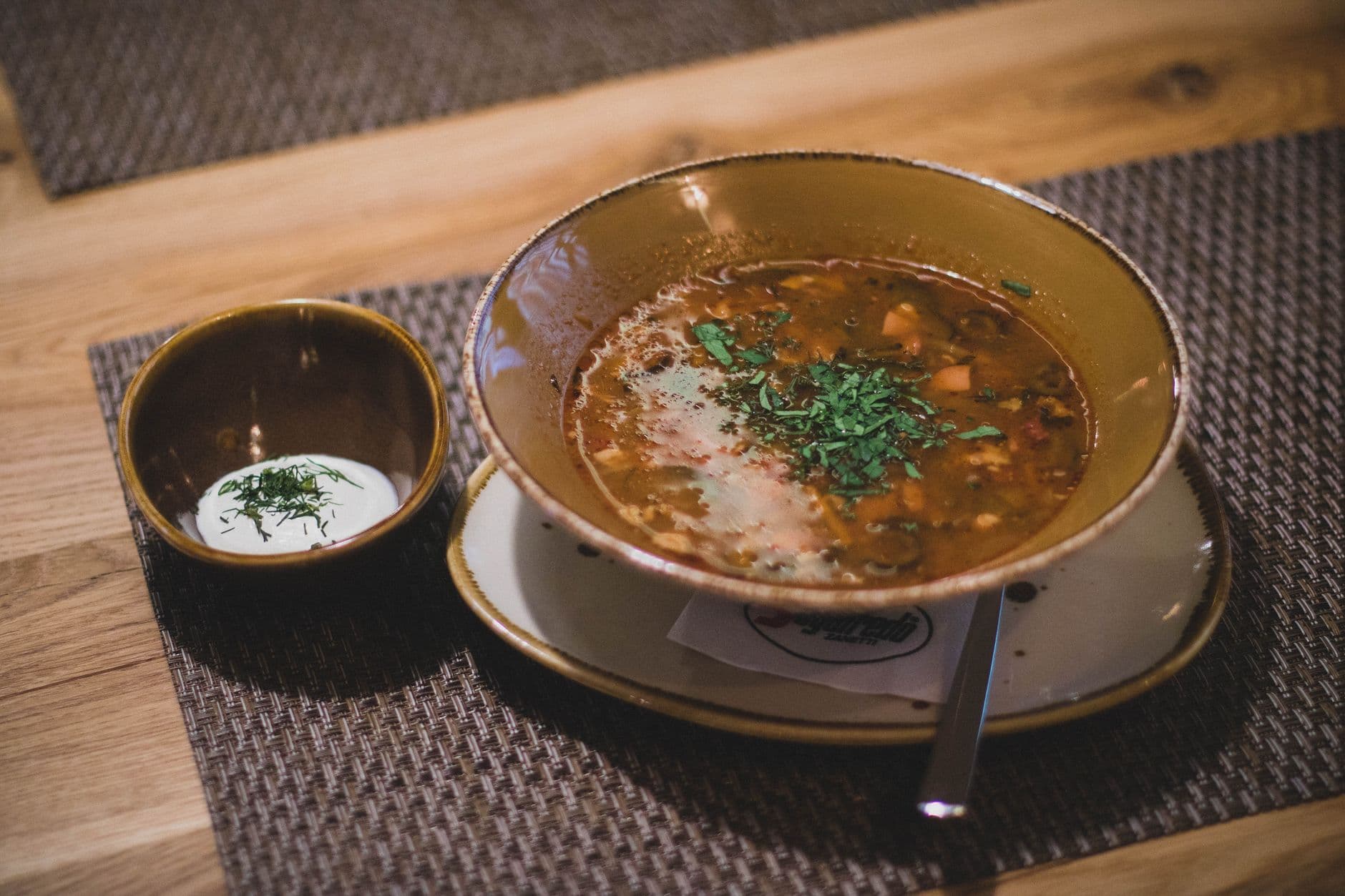
6) Σολιάνκα - μια χορταστική, πικάντικη σούπα με τουρσιά, ελιές, κάπαρη και κρέας· ο έντονος χαρακτήρας της την καθιστά ξεχωριστή στα κοινά τραπέζια και ένα καλό παράδειγμα του πώς τα γευστικά προφίλ εξελίσσονται μέσω περιφερειακών προσαρμογών· οι ιδιότητές της περιλαμβάνουν μια λαμπερή, ξινή επίγευση που "κόβει" πιο πλούσια πιάτα.
7) Ρώσικη σαλάτα - αυγό, πατάτες, πίκλες και ψιλοκομμένα αλλαντικά με μαγιονέζα· ένα αγαπημένο πιάτο σε γιορτινές δεξιώσεις, η ιστορία προέλευσής του ταξιδεύει από τα αστικά καφέ στις αγροτικές κουζίνες, αντανακλώντας ένα μείγμα επιρροών και μια αξέχαστη λίστα υφών.
8) Σούμπα - ρέγγα κάτω από γούνα. Στρωμένη με παντζάρι, πατάτα και μαγιονέζα, συνδέεται με χειμερινές γιορτές και μαζώξεις, προσφέροντας τραγανή υφή και κρεμώδη αντίθεση που πολλοί οικοδεσπότες θεωρούν απαραίτητο.
9) Βινέγκρετ - σαλάτα με βάση τα παντζάρια και τις πατάτες, με τουρσί λαχανικά· τα ζωηρά χρώματα και η τραγανή υφή της την καθιστούν μια αξιόπιστη ορεκτική επιλογή σε πολλά τραπέζια, ενισχύοντας την κληρονομιά των απλών, θρεπτικών υλικών.
10) Βαρενίκι - ζυμαρικά γεμιστά με πατάτα, τυρί ή φρούτα· η εκδοχή με φρούτα διευρύνει τη λίστα για επιδόρπια και σνακ, προσφέροντας ένα ευέλικτο πιάτο που αγαπιέται τόσο στα σπίτια όσο και στις αγορές, ένα γνήσιο κομμάτι της λίστας.
11) Πιρόζκι - μικρές ψητές ή τηγανητές πίτες με διάφορες γεμίσεις όπως κρέας, λάχανο ή μανιτάρια. Αυτά τα αλμυρά σνακ σε μέγεθος μπουκιάς είναι ιδανικά για πικνίκ και συγκεντρώσεις, καθώς συχνά αποτελούν σνακ που αρέσουν εύκολα σε όλους.
12) Σίρνικι - τηγανίτες από τυρί κότατζ πασπαλισμένες με ζάχαρη και σερβιρισμένες με μαρμελάδα. Ένα αγαπημένο πρωινό πιάτο σε καφετέριες και σπίτια, με κρεμώδη υφή εσωτερικά και λεπτή κρούστα εξωτερικά, που προσκαλεί σε ατέλειωτες ιστορίες.
13) Κβας - ένα ελαφρώς ζυμωμένο ποτό ψωμιού, ήπιο και δροσιστικό, συνδυάζεται με γεύματα και προσφέρεται σε επισκέπτες κατά τη διάρκεια φεστιβάλ, απεικονίζοντας μια μακρά παράδοση ζύμωσης και καθημερινών συνηθειών ενυδάτωσης.
14) Κίσελ - ένα επιδόρπιο-ποτό με βάση φρούτα, φτιαγμένο από μούρα για να δημιουργήσει μια λεία, ελαφρώς γλυκιά σάλτσα. Σερβίρεται ζεστό ή κρύο, αποτελεί μέρος της αφήγησης του φθινοπωρινού αποσπασμού και ένα παρηγορητικό τέλος στο γεύμα.
15) Ντρανίκι - τηγανίτες πατάτας τραγανές· ένα απλό, πλήρες φαγητό που αναδεικνύει την ευελιξία της πατάτας, συχνά σερβιρισμένο με γιαούρτι και μυρωδικά· γύρω από το τραπέζι, συνοδεύουν ποικιλία κρεάτων και χορταρικών, αποτελώντας ένα αξιόπιστο φινάλε στη λίστα γευσιγνωσίας.
Πελμένι, Μπορς και Μλίνι: Βασικές Τεχνικές, Παραδοσιακές Γεμίσεις και Συμβουλές Σερβιρίσματος
Φτιάξτε τη ζύμη: 3 φλιτζάνια αλεύρι αλεύρι, 1 μεγάλο αυγό, 1/2 φλιτζάνι κρύο νερό, 1 κ.γ. αλάτι. Ζυμώστε μέχρι να γίνει λεία, τυλίξτε, αφήστε να ξεκουραστεί για 30 λεπτά. Ανοίξτε σε πάχος 1,5-2 χιλιοστά, κόψτε στρογγυλά κομμάτια, βάλτε ένα κουταλάκι γέμιση (χοιρινό-μοσχάρι-κρεμμύδι), κλείστε με ένα σταθερό τσίμπημα. Βράστε σε αλατισμένο νερό μέχρι να ανέβουν, στραγγίστε, τελειώστε με μια κουταλιά βούτυρο. Καταψύξτε τα περισσεύματα σε λαδόκολλα για μελλοντική χρήση. Πολλές συνταγές τεκμηριώνουν αυτή την προσέγγιση, και η υφή παραμένει αξιόπιστη ακόμα και κατά τη διάρκεια πολυάσχολων εβδομάδων.
Η γέμιση για τα πελμένι παραμένει κλασική: ίσα μέρη χοιρινού και μοσχαρίσιου κιμά, ψιλοκομμένο κρεμμύδι, αλάτι και πιπέρι. Κάποιοι προσθέτουν σκόρδο ή μανιτάρια για πιο βαθιά γεύση. Αυτό το μείγμα δίνει μια χορταστική μπουκιά και έχει γίνει προϊόν περιφερειακής πρακτικής, ειδικά στις κουζίνες της σοβιετικής εποχής, με τις παλαιότερες παραλλαγές να τείνουν προς πλουσιότερα μείγματα. Εξερευνήστε ειδικές τροποποιήσεις για να ταιριάξετε τη γεύση, και θα δείτε πώς αυτή η βάση γίνεται καμβάς για περιφερειακή απόχρωση.
Για το τσέρβι, φτιάξτε έναν ζωμό με κυρίαρχη τη γεύση του παντζαριού: ψήστε ή βράστε τα παντζάρια για να ενισχύσετε το χρώμα, στη συνέχεια σιγοβράστε τα με λάχανο, πατάτες, καρότο και κρεμμύδι· ένα κουταλάκι πελτέ ντομάτας, φύλλο δάφνης, σκόρδο και μια πρέζα ξύδι βελτιώνουν τη γεύση. Σερβίρετε ζεστό ή κρύο, γαρνίροντας με ξινή κρέμα και φρέσκο άνηθο. Σε πολλά σπίτια, αυτό το πιάτο σηματοδοτεί μια εποχή συγκεντρώσεων και υποστήριξης της υγείας με τη ζεστασιά του· αγγούρι τουρσί στο πλάι και ένα μικρό ποτήρι βότκα - συχνά από αποστακτήρια - προσθέτουν αντίθεση στις ζωηρές νότες του παντζαριού. Παραλλαγές της δυτικής αγοράς μερικές φορές τονίζουν τα πιο γλυκά παντζάρια ή γαρνιτούρες με φρούτα, δείχνοντας πώς η εμπειρία διαμορφώνει τις προτιμήσεις και οι εκδηλώσεις γίνονται ευκαιρίες για γεύση.
Η ζύμη για μπλίνια αναμειγνύει γάλα, αυγά και αλεύρι για να δημιουργήσει μια λεπτή βάση για κρεπ: 2 φλιτζάνια γάλα, 3 αυγά, 1 1/2 φλιτζάνια αλεύρι, 2 κουταλάκια του γλυκού ζάχαρη, 1/2 κουταλάκι αλάτι. Αφήστε να ξεκουραστεί για 20 λεπτά, στη συνέχεια ψήστε σε μια ζεστή, ελαφρώς ελαιωμένη τηγάνι μέχρι να εμφανιστούν φυσαλίδες και να στερεωθούν οι άκρες. Τυπικές στρογγυλές στήλες ανεβαίνουν μαλακά και παραμένουν ζεστές κάτω από ένα καθαρό πανί. Οι γέμισμα περιλαμβάνουν καπνιστό ψάρι, σοτέ ψιλοκομμένα μανιτάρια, αλατισμένο τυρί ή ψιλοκομμένο κρέας. Τα επιχρίσματα περιλαμβάνουν βούτυρο, μαγιονέζα ή μια κουταλιά ξινόγαλα. Από το πλευρό, τα πικραλίδια ή μια κομπότα φρούτων προσφέρουν μια ξηρή αντίθεση, και μερικά κόκκαλα καβιάρ μπορούν να ανυψώσουν την παρουσίαση, ειδικά κατά τη διάρκεια εορταστικών εκδηλώσεων. Αυτή η διαδικασία παραμένει ένα ευέλικτο μέσο για την εξερεύνηση υφών, υγιεινής ισορροπίας και της πολιτισμικής γεύσης που έχει γίνει βασικό στοιχείο σε πολλά νοικοκυριά, προσφέροντας μια γρήγορη λύση για ένα πλούσιο γεύμα που ταξιδεύει καλά πέρα από σύνορα και γύρους ποτών κατά τη διάρκεια συναντήσεων.
| Dish | Τεχνική πυρήνα | Γέμισμα & Ιδέες Σερβίρισμα |
|---|
| Pelmeni | Ρύσε το ζύμωμα λεπτό, κόψε κύκλους, σφράξει με κρίμπ, βράσει σε αλατισμένο νερό μέχρι να ανεβάσει, τελειώσει με βούτυρο | Γέμισμα: χοιρινό-βόειο-κρεμμύδι; παραλλαγές: αρνί, μανιτάρια; σερβίρεται με: ξινόγαλα, δάφνη, αγουρέλια; προαιρετικό: μαγιονέζα στο πλευρό |
| Borscht | Χυμός από τεύτλα με λαχανίδα, πατάτες, καρότο; βράστε, τελειώστε με ξινή κρέμα και άνηθο | Τα τεύτλα προσδίδουν χρώμα. Τοπίνια: ξινόγαλα. Παρεμφερή: ψωμί σίκαλης, αλατισμένα αγγούρια. Καβιά προαιρετική. |
| Blini | Λεπτή ζύμη; ψήστε σε ζεστή τηγάνι μέχρι να χρυσαλλώσουν; σερβίρετε σε στρώματα και κρατήστε ζεστά | Γέμιση: καπνιστό ψάρι, μανιτάρια, αλατισμένο τυρί· επιχρίσματα: βούτυρο, μαγιονέζα· συνοδευτικά: πικάντικα, κομπόστα φρούτων |
Πιρόζκι, Σιρνίκι, και Βαρένικι: Ζυμαρικά, Γέμισμα, και Συνδυασμοί για Τρέξιμο
Επιλέξτε πιρόζκι με ζυμαρικό φύλλο και γέμιση τυριού-πατάτας για ένα αξιόπιστο, κομπολόι φαγητό για ταξίδια.
- Πυρίγκια: Το ζυμωμένο ζύμη με γάλα και βούτυρο δίνει μεγαλύτερο, αεριώδες κρούστα. Τα αυγά βοηθούν στη σύνδεση, ενώ μια πινελιά ξινόγαλα προσθέτει μαλακότητα.
- Γέμισμα: Το πιο συνηθισμένο είναι τυρί με πατάτα. Άλλες στερεές επιλογές περιλαμβάνουν μανιτάρι, τεύτλο και μια συνδυασμένη επιλογή τυριού και αλεσμένου τυριού που παραμένει συμπαγής όταν τρώγεται έξω.
- Σε κίνηση: ένα μικρό βάζο μαρμελάδας φρούτων, φρέσκα βότανα όπως το άνηθο ή το κρεμμύδι, και αν θέλεις πιο έντονη γεύση, μια λωρίδα καπνιστού σολομού για αντίθεση. Ένα σουτ μαρμελάδας αναζωογονεί ανάμεσα στα δάγκωμα.
- Συρνίκι Ζύμες/Γέμισμα: Το παχύ ζυμωμένο τυρί (τβόρογκ) ανακατεύεται με γάλα και αυγά, και στη συνέχεια ανακατεύεται ελαφρά με αλεύρι. Τα γεμίσματα είναι κυρίως γλυκά (βανίλια, σταφίδες), αλλά μπορούν να προσαρμοστούν με μια πρέζα αλάτι για μια αλμυρή γεύση.
- Σε κίνηση: μια ζύμη με ξινή κρέμα ή μια λαμπερή μαρμελάδα φρούτων βελτιώνει το μαλακό κέντρο του. Σκεφτείτε μια μικρή συλλογή από μούρα για μια πραγματικά ισορροπημένη γεύση.
- Συμβουλές: για να παραμένουν λειτουργικές όταν κινούνται, τηγάνισέ τα με ένα ελαφρύ στρώμα και τελειώστε με ένα ήπιο ψήσιμο για να στερεοποιηθεί το εξωτερικό, διατηρώντας το εσωτερικό υγρό.
- Βαρενίκια: Το φύλλο από αλεύρι και νερό (με αυγό προαιρετικά) δημιουργεί ένα λεπτό σακούλι που ταιριάζει σε πολλές γέμισεις. Το ζύμωμα είναι εύκολο να παγώσει για μελλοντική χρήση.
- Γέμιση: πατάτα με τηγανισμένη κρεμμύδα παραμένει κλασική επιλογή· τυρί με πατάτα είναι αγαπημένο συνδυασμό· λαχανικό, μανιτάρι ή τεύτλα προσφέρουν χρώμα και ποικιλία· σύγχρονες εκδοχές μπορεί να περιλαμβάνουν μικρές ποσότητες ψαριού, όπως στιούρνα, για μια καπνιστή γεύση.
- Γρήγορα συνδυασμοί: ένα ελαφρύ σαλάτα με τεύτλα, ψιλοκομμένα βότανα και ένα βάζο με μαρμελάδα φρούτων προσφέρουν αντίθεση· σερβίρετε με γάλα ή κεφίρ για γρήγορη ενυδάτωση· διατηρήστε τις μερίδες συμπαγείς για να τρώτε ενώ κινείστε.
Οι ουκρανικές τραπέζες συνήθως συνδυάζουν αυτά τα κεφτεδάκια με τεύτλα και σαλάτα Olivier, ενώ οι Γεωργιανοί επηρεάζουν τα μίξερ βότανα και τις καπνιστές αποχρώσεις. Ξαφνικά, τα λαχανικά ή τα μανιτάρια που καπνίζονται με άνθρακα μπορούν να ανυψώσουν τη γέμιση χωρίς να περιπλέκουν το δάγκωμα. Σύμφωνα με προηγούμενους δοκιμαστές, η πιο ευέλικτη προσέγγιση είναι να έχεις έτοιμα διάφορα ζυμαρίδια και γέμισμα, επιτρέποντας φθηνά, υψηλής ποιότητας σνακ που φαίνονται πραγματικά μοναδικά. Η προσθήκη κάποιων "λειτουργικών" προσθέτων - άνηθο, μαϊντανό και δέντρο - τους επιτρέπει να προσαρμόζονται σε ένα πιο βαρύ ή ελαφρύ γεύμα, ανάλογα με την όρεξη. Σχεδιάστηκαν για να τρώγονται ενώ περπατάς, αλλά οι γέμισές τους παραμένουν συμπαγείς και γευστικοί, ένα σημάδι ποιότητας που μπορείς να εμπιστευτείς.
Μπιφ Στρόγκανοφ, Στσι και Σολιάνκα: Τρόποι μαγειρέματος, βάσεις ζωμών και τοπικές παραλλαγές
Με ένα πρακτικό σχέδιο: ψησίστε το καφέ κρέας σε μερίδες μέχρι να γίνει βαθύ χρυσό, αποξηραίστε με ένα ελαφρύ ποτό, σκουπίστε το φόν και δημιουργήστε μια στρωματοποιημένη σάλτσα σε ανθεκτικά δοχεία. Διατηρήστε μια σταθερή βρασμό, και τελειώστε με μια ξινή τελειωματική κρέμα γάλακτος. Αυτή η μέθοδος δίνει ένα ευέλικτο τρίο όπου οι προδιαγραφές προσαρμόζονται ανά περιοχή, αλλά οι τεχνικές παραμένουν σταθερές. Αυτή η έννοια είναι ορατή τόσο σε εθνικές συγκεντρώσεις όσο και σε γιορτές.
- Μέθοδοι για το Stroganov (στρογκάνοφ): κόψτε το κρέας λεπτά, σοτάρισμα σε μερίδες μέχρι να γίνουν καφέ στα άκρα, αφαιρέστε, σοτάρισμα κρεμμύδια και μανιτάρια στο ίδιο λίπος, επιστρέψτε το κρέας, προσθέστε ζωμό και μια πινελιά χυμό ή λευκό κρασί, βράστε 15-25 λεπτά, στη συνέχεια ανακατέψτε τη ξινή κρέμα. διατηρήστε τη θερμοκρασία χαμηλή για να αποφύγετε το πήξη.
- βάσεις ζωμών: ως βάση χρησιμοποιείται ζωμός βοδινού, ενώ το υγρό από το βράσιμο μανιταριών προσθέτει βάθος. Μια μικρή ποσότητα ζωμού κοτόπουλου μπορεί να ελαφρύνει το προφίλ. Μερικές φορές εμφανίζεται μια ελαφριά οξινία, όπως αυτή του μπορς, σε τοπικές παραλλαγές, ισορροπώντας την πλούσια γεύση.
- Οι κουζίνες της Μπριάνσκ συχνά βασίζονται σε ξηρά μανιτάρια για ένταση. Χρησιμοποιούνται αγγεία από πηλό Μαράνι σε επιλεγμένα χωριά για να επηρεάσουν την κατανομή της θερμότητας. Σερβίρεται πάνω σε πατάτες, μακαρόνια ή ψητό ψωμί. Σε γιορτές και οικογενειακές γιορτές, το στρογκάνοφ βρίσκεται στο κέντρο ενός πολιτιστικού τραπεζιού. Οι εθνικές προδιαγραφές επισημαίνουν ένα κρεμώδες, ισορροπημένο τέλος και γίνεται η καρδιά του τραπεζιού.
Σούπες στιφάδο: το λάχανο πρωταγωνιστεί; βράστε με ζωμό βοείου κρέατος ή λαχανικών μέχρι να γίνει πολύ μαλακό. Προσθέστε κρουτόνια από ρύζι ή ξηρά μανιτάρια για να ενισχύσετε τη συνοχή. Τέλος, προσθέστε μια πινελιά ξινόγαλα αν επιθυμείτε.
ζυμωματικά υγρά: ζωμός με κυριαρχία λαχανικών, παρασκευασμένος από βοδινό ή μεικτό ζωμό. Τα μανιτάρια και τα υπολείμματα κρέατος ενισχύουν τη γεύση. Προαιρετικά, μπορείτε να προσθέσετε ντομάτα ή αλάτι για να ρυθμίσετε τη φωτεινότητα, διατηρώντας παράλληλα τη διαύγεια.
Οι περιφερειακές παραλλαγές του Shchi μπορεί να περιλαμβάνουν ζυμαρικά και μανιτάρια (με επιρροή από την Ουκρανία) ή ξηρά κρέατα ή καπνιστά κομμάτια (στην περιοχή του Μπριάνσκ). Το πιάτο συνοδεύεται από ψιλοκομμένα βότανα και μια μικρή σαλάτα για ισορροπία. Στα τραπέζια των εορτών, το Shchi συχνά συνδυάζεται με ψωμί σίκαλης και τεύτλα ως μέρος ενός πολιτιστικού φαγητού.
Σολιάνκα: συνδυάστε κρεάτα (μοσχάρι, χοιρινό, λουκάνικο) με ψιλοκομμένο κρεμμύδι και σιγοβράστε μέχρι να γίνει διαφανές. Προσθέστε ξινολάχανα (ξινόγουνα, ελιές, καπαρέζες), παστέλα ντομάτας ή ψιλοκομμένη ντομάτα και ζωμό. Βράστε μέχρι να γίνει παχύ και ξινό. Τελειώστε με χυμό λεμονιού και βότανα για περισσότερη γεύση.
βασικές ζύμες: κρέας ως πυρήνα; η βάση ντομάτας και το αλάτι προσφέρουν οξέα; ο χυμός λαχανικών μπορεί να ρυθμίσει τη συνοχή; κάποιες παραλλαγές περιλαμβάνουν μερικά ξηρά φρούτα ή ζεστές ζεστές για να ενισχύσουν τις νότες.
Οι κουζίνες της Μπριάνσκ περιλαμβάνουν ξηρά μανιτάρια για βάθος γεύσης, ενώ οι ουκρανικές παραλλαγές προσθέτουν άνηθο και πιπέρι. Τα μενού των εορταστικών γιορτών παρουσιάζουν τη σολιάνκα μαζί με το μπορστς και τις πολιτιστικές σαλάτες ως μέρος ενός ευρύτερου φαγητού. Αυτό το πιάτο προσφέρει μια ζεστή, αλμυρή-ξινή γεύση που κατέχει μια ειδική θέση στις παγκόσμιες κουζίνες και τις εορταστικές εκδηλώσεις.
Ψάρι με γούνα, Ικρά και Χολόντετς: υφή, συναρμολόγηση και εποχικές εκδηλώσεις
Συνιστάται να κατασκευάσετε το πιάτο γύρω από τρία βασικά στοιχεία: τον χέριγκ με το γούνα, το ικρά και το χολόντετς για αντίθεση στην υφή και σαφή, πρακτική συναρμολόγηση. Κάθε συστατικό προσφέρει μια ξεχωριστή αίσθηση στο στόμα και ένα σύνολο γεμιστικών στρωμάτων που στερεώνουν το τραπέζι.
Το υφάδωμα παίζει σημαντικό ρόλο: το ανώτερο στρώμα των στρωμάτων με βάση το χαλιάτσο παρέχει μια κρεμώδη αντίθεση όταν τα λαχανικά τρίβονται λεπτά, το ικρά προσθέτει μια μεταξένια, αλμυρή αίσθηση και το χολόντες προσφέρει ένα τρυφερό ζελέ που ενώνει το στρώμα. Η προσέγγιση στρωματοποίησης/διακόσμησης διατηρεί το πιάτο οπτικά ισορροπημένο και συμφωνεί με διάφορες μεταβατικές γεύσεις, από κροκαντέρες μέχρι γεύσεις που λιώνουν στο στόμα.
Συνοπτικά στοιχεία συναρμολόγησης: ποια ακολουθία εγγυάται καθαρά μερίδια; Κατασκευάστε σε μια ψυγμένη βάση από λεπτό ψιλοκομμένο λάχανο ή ένα λεπτό στρώμα πατάτας, προσθέστε μια ορατή λωρίδα τεύτλων ή καρότου για χρώμα, στη συνέχεια προσθέστε το χέρι κάτω από ένα τμήμα του σαλάτας "σαλάτα με ρούχο" ή τοποθετήστε το ικρά ως λεπτό στρώμα, και ολοκληρώστε με ένα διαμορφωμένο στρώμα χολόντετς σε ένα διαμορφωμένο δακτύλιο για να διατηρήσετε την κατάσταση καθαρή. Για μια κρυφή έκπληξη κατάστασης, αναποδογυρίστε το μούλντιν ακριβώς πριν το κόψετε έτσι ώστε το ζελέ να αποκαλύπτεται. Κόψτε κρεμμύδια και ξινολάχανα ως ξηρά επισημάνσεις, τα μανιτάρια μπορούν να συμπεριληφθούν ως μια πιο γήινη, πιο απαλή νότα, αν και είναι προαιρετικά. Αυτή η λίστα βημάτων εγγυάται ένα εξαιρετικό αποτέλεσμα που διατηρεί το σχήμα του όταν σερβίρεται σε ένα πιάτο στολιβάρια.
Σε εποχιακές εκδηλώσεις: τα καλοκαιρινά συναντήσεις γύρω από ένα τραπέζι stolovaya κοντά στο Κίεβο ωφελούνται από ελαφριές συνοδευτικές σαλάτες, όπως ταξιανθίες λαχανικών και φρούτων σε φέτες, με το τρίο να διατάσσεται σε ξεχωριστά τμήματα για να διατηρείται η κάθε γεύση. Μια επίσκεψη στις αγορές προσφέρει μαλακά τεύτλα, φρέσκο λάχανο και προαιρετικά μανιτάρια για διακόσμηση. Χρησιμοποιήστε κομμάτια κρεμμύδι και βότανα για να ολοκληρώσετε το πιάτο. Αυτή η μέθοδος διατηρεί τη σειρά ελκυστική για μια παρέα, ενώ παραμένει οικονομική από οικονομική άποψη.
Η σημασία και οι ιδιότητες: το τρίο προσφέρει μια τυπική ισορροπία υφών, από τη σφιχτή λαχανική μέχρι το μαλακό ζελέ και το λείο ικρά. Συγκεκριμένα, ο αντίθετος χαρακτήρας κάνει τις γεύσεις εύκολες να εκτιμηθούν είτε ως ένα μόνο πιάτο είτε ως μια τυπική λίστα μικρών γεύσεων, προσφέροντας στους επισκέπτες που εκτιμούν το στρωματοποιημένο διακοσμητικό και την καθαρή διαφοροποίηση μεταξύ των συστατικών.
Κβας, Μεδοβίκ και Κέικ Ναπολέων: Ζύμωση, Γλυκά και Συνδυασμοί Γλυκών
Για μια γρήγορη πρώτη συνδυασμό, σερβίρετε ψυχρό κβασ με ένα λεπτό κομμάτι μελοβίκ και ένα τετράγωνο κέικ Ναπολέον.
Το κβασ είναι ένα ποτό με χαμηλό περιεχόμενο αλκοόλ, βασισμένο σε σιτάρι. Οι ζυθοποιοί παράγουν μια γεύση που είναι μαλτέζικη και ελαφρώς ξινή, καθαρίζοντας το στόμα μεταξύ των δόσεων, και αυτά τα ποτά ταιριάζουν καλά με το μέλι του Μεδοβίκ και τα κρεμώδη στρώματα του Napoleon Cake.
Ο Μεδόβικ προσφέρει πολλά στρώματα βουτυρωμένα με μέλι με μια κρεμώδη γέμιση. Η γέμιση βρίσκεται μεταξύ των στρωμάτων, συνήθως σμέτανα ή βουτύρωμη κρέμα, ενώ το κέικ παραμένει άνετο και πλούσιο, και κατά τη διάρκεια της γεύσης οι αντιθέσεις αποκαλύπτουν διαφορετικές υφές.
Ο Napoleon Cake προσφέρει κρουστώδεις φύλλες ζύμης με κρέμα γάλακτος-βανίλιας. Η γέμιση είναι ελαφριά αλλά ικανοποιητική, δημιουργώντας μια ομαλή αντίθεση με τη γλυκύτητα του kvass και του Medovik. Η συνολική υφή είναι διαφορετική αλλά συνοχή.
Σε εκδηλώσεις ή σε εστιατόρια, μια συμπαγής επιφάνεια λειτουργεί καλά: σελιότκα σε κροκέτες από σιτάρι με σμέτανα, φέτες αγγουριού και μερικά κομμάτια Medovik και Napoleon Cake. Αυτό σημαίνει μια ισορροπημένη γεύση που αποκαλύπτει τι προσφέρει κάθε συστατικό. Οι αναγνώστες γνωρίζουν ότι το αλμυρό ψάρι και τα γαλακτοκομικά ισορροπούν το μέλι και το ζαχαροπλαστικό, ενώ τα αγγούρια προσφέρουν χοντρότητα.
Συχνές Ερωτήσεις: Παραδοσιακή Ρωσική Κουζίνα
Ποιο είναι το πιο διάσημο παραδοσιακό ρωσικό πιάτο;
Το μπορς, μια βαθύ κόκκινη σούπα από τεύτλα που σερβίρεται ζεστή με ξινόγαλα και άνηθο, είναι το πιάτο που συνδέεται περισσότερο με τη Ρωσία, ακολουθούμενο από τα πελμένι (κρεατικά κλεφτά) και τα μπλίνι (λεπτές πίτες).
Τι πρέπει να παραγγείλω πρώτα σε ένα ρωσικό εστιατόριο;
Ξεκίνα με μια σούπα όπως το μπορστς ή το στσι, συνεχίσε με ένα πιάτο με ζυμαρικά όπως τα πελμένι ή τα βαρένικι και τελείωσε με σιρνίκι ή μπλίνι. Ένα ποτήρι κβας ή κομποτ ταιριάζει καλά χωρίς να υπερβαίνει το φαγητό.
Ρωσική κουζίνα είναι πικάντικη;
Ο ρωσικός μαγειρικός πολιτισμός είναι περισσότερο γευστικός και άνετος παρά πικάντικος. Η γεύση προέρχεται από το δάφνη, το ξινόγαλα, τα πικάντικα λαχανικά, τα μανιτάρια και το σιτάρι. Η σολιάνκα, που παρασκευάζεται με πικάντικα λαχανικά και καπάρια, είναι το πιο ξινό από τα συνηθισμένα πιάτα.
Ποιο είναι ένα παραδοσιακό ρωσικό γλυκό;
Μεδοβίκ (μελομακάρο με στρώσεις) και Ναπολέων (κέικ με φύλλο κρουασάν και βανίλια κρέμα) είναι τα κλασικά γλυκά για γιορτές, ενώ το κισέλ, ένα παχύ ποτό-γλυκό με φρούτα, είναι το παραδοσιακό γλυκό της καθημερινότητας.