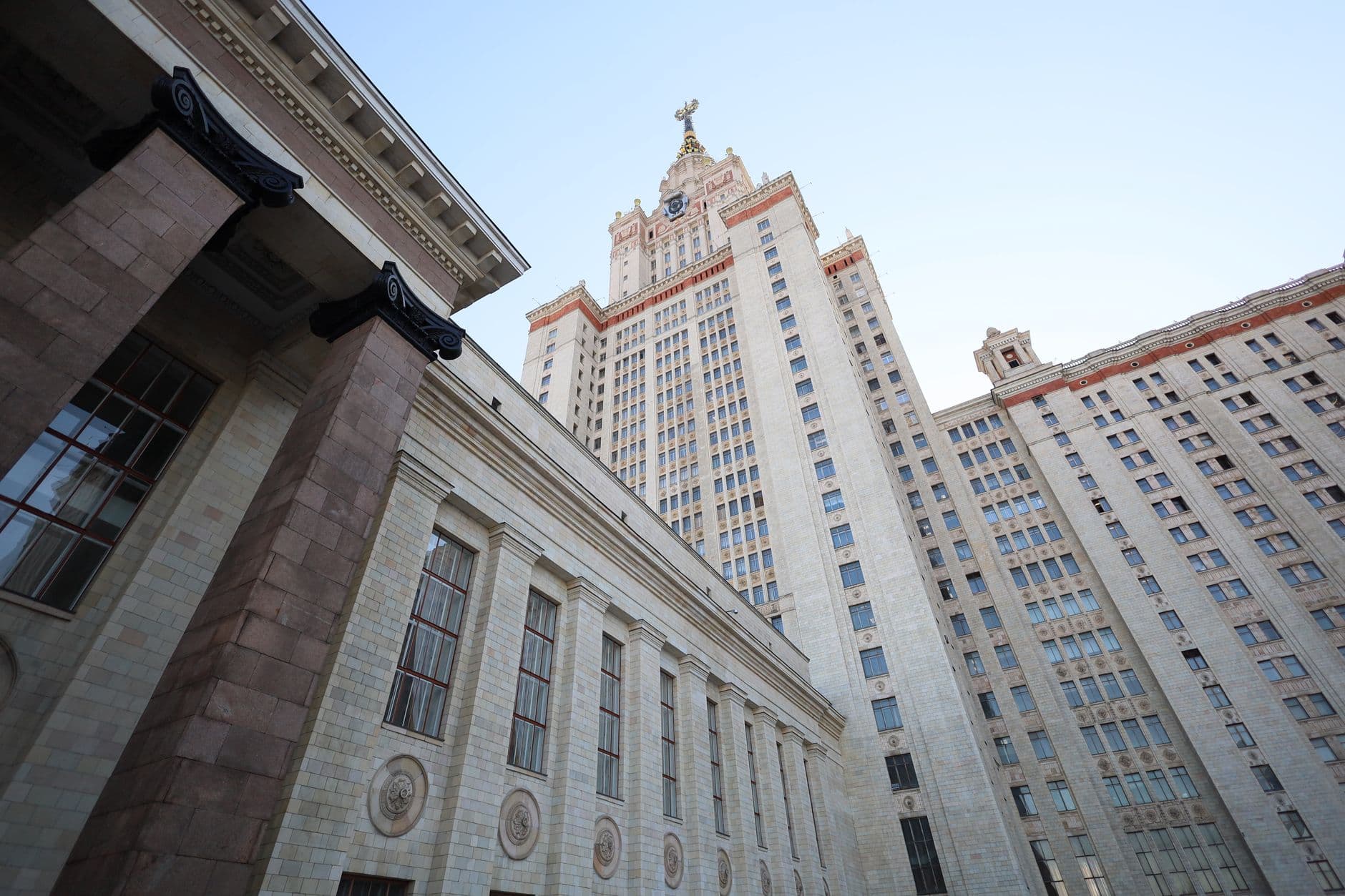
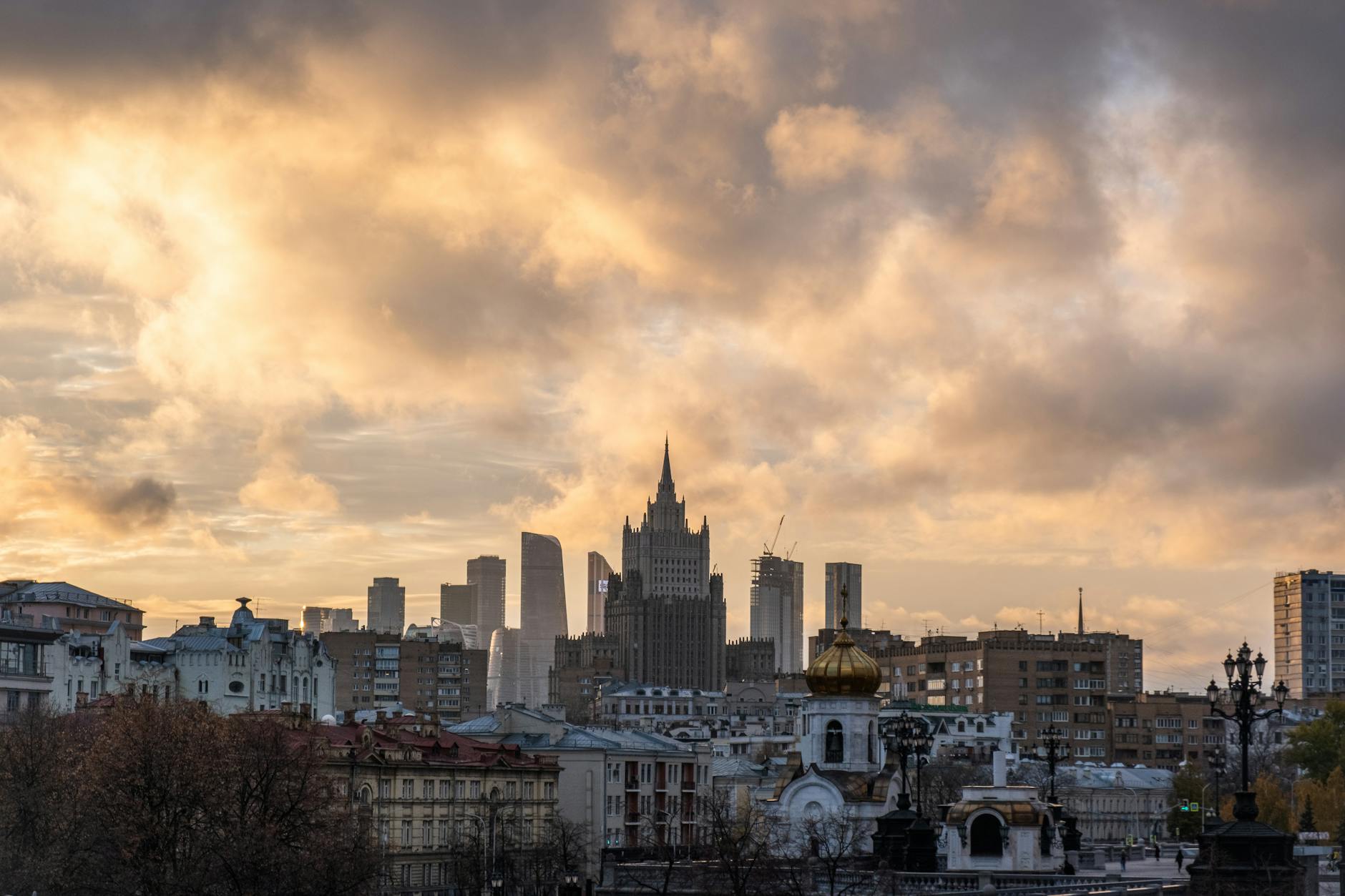
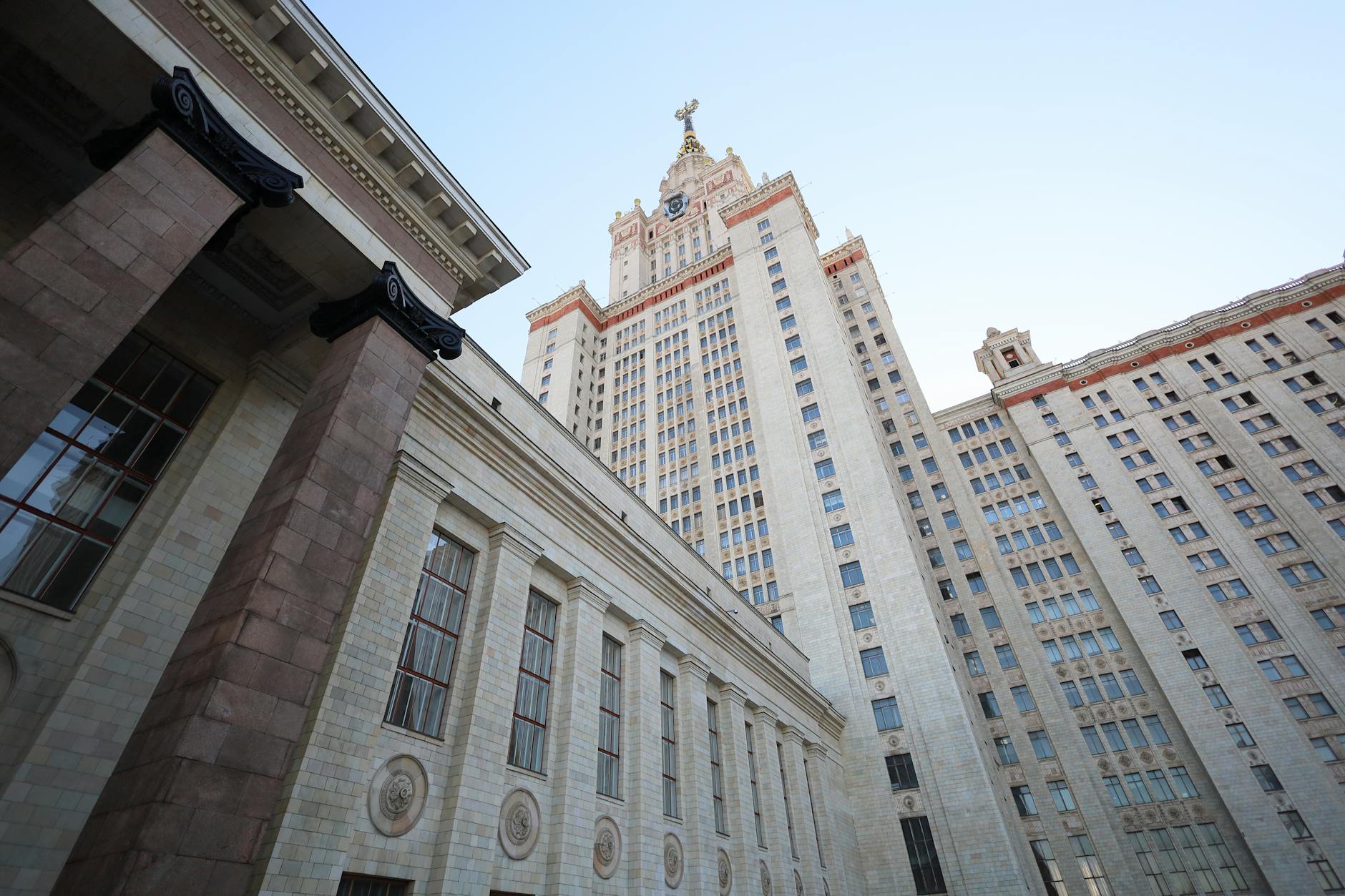
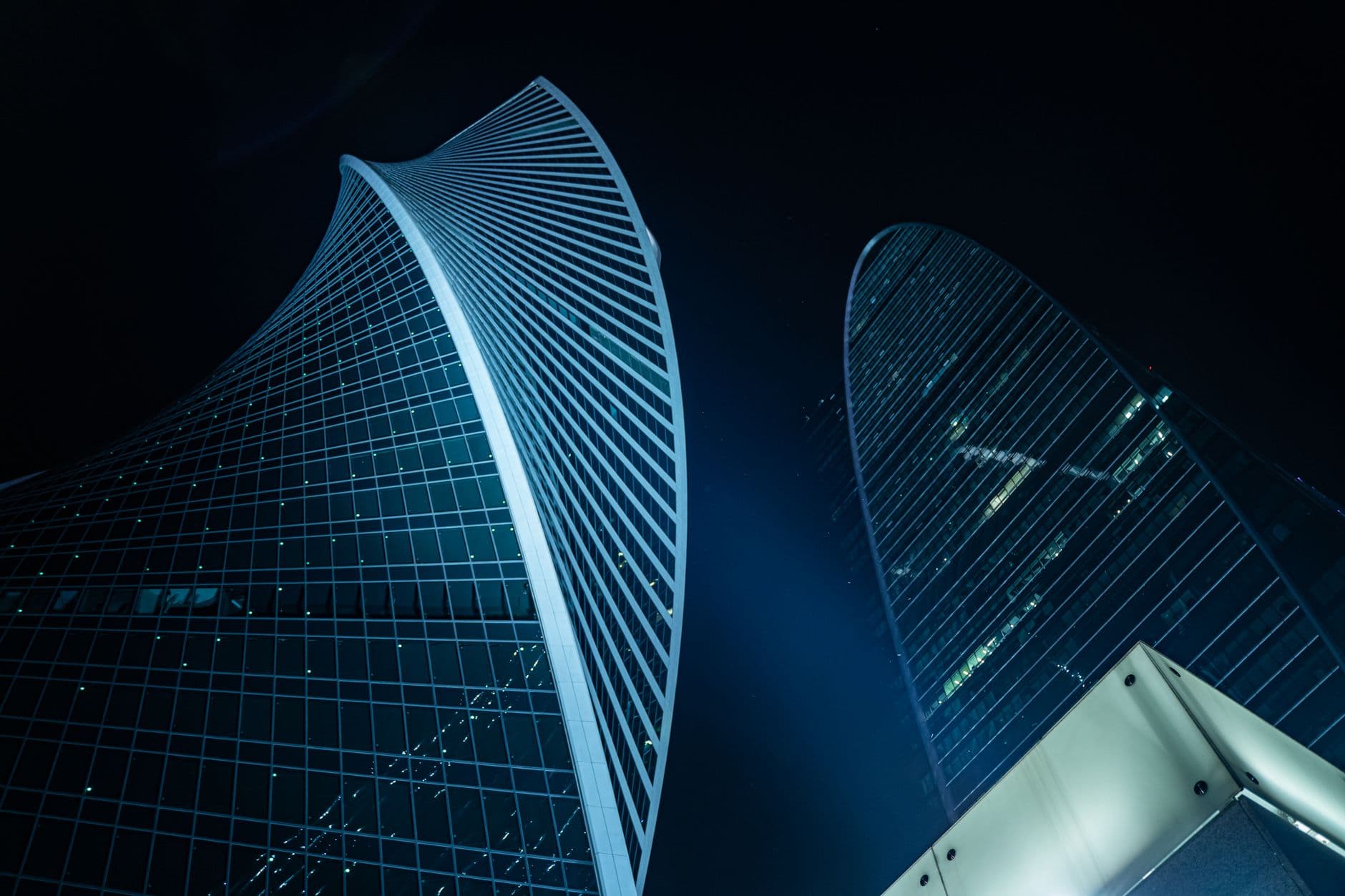
Ο ορίζοντας της Μόσχας χαρακτηρίζεται από την εντυπωσιακή παρουσία των ουρανοξυστών του Στάλιν, ένα αστερισμό αρχιτεκτονικής κυριαρχίας που αναδεικνύει τον μοναδικό συνδυασμό λειτουργικότητας και ιδεολογίας. Τοποθετημένες κυρίως στις όχθες του ποταμού Μόσκοβα, αυτές οι πανύψηλες κατασκευές, γνωστές τοπικά ως οι "Επτά Αδελφές", εξυπηρετούσαν διάφορους σκοπούς, όπως πολυτελείς κατοικίες, ξενοδοχεία και διοικητικά γραφεία. Ο U-σχήματος σχεδιασμός τους και τα 5-ακίδων αστέρια στην κορυφή κάθε κτιρίου συμβολίζουν τις φιλοδοξίες ενός έθνους, ενώ παράλληλα ενισχύουν την πολιτιστική ταυτότητα της πόλης.
Μεταξύ των πιο εμβληματικών ουρανοξυστών είναι αυτός που βρίσκεται στην οδό Σμολένσκαγια, ο οποίος, όπως και οι ομόλογοί του, διαθέτει διπλή πρόσοψη διακοσμημένη με περίτεχνα γλυπτά και φινίρισμα από γρανίτη που αντανακλά τους αρχιτεκτονικούς στόχους της εποχής. Όταν οι φοιτητές της Ακαδημίας Ροστκόφσκι αντίκρισαν για πρώτη φορά αυτές τις εντυπωσιακές κατασκευές, πιθανότατα ένιωσαν δέος, καθώς κάθε κτίριο είναι εξοπλισμένο με τόνους εξοπλισμού για την υποστήριξη των διαφόρων λειτουργιών του. Αυτά τα κτίρια όχι μόνο εξυπηρετούσαν τους σκοπούς για τους οποίους προορίζονταν, αλλά έγιναν και οπτικά ορόσημα για όσους επισκέπτονταν τη Μόσχα, απεικονίζοντας το μείγμα τέχνης και μηχανικής.
Αργότερα, έργα ανακαίνισης έχουν αναβαθμίσει αυτούς τους ουρανοξύστες διατηρώντας τη ιστορική τους γοητεία, επιτρέποντάς τους να αντέξουν στο πέρασμα του χρόνου. Το ξενοδοχείο Hilton, ένας από τους ψηλότερους των Αδελφών, ενσωματώνει σύγχρονες ανέσεις που απευθύνονται σε μια νέα γενιά, διασφαλίζοντας ότι παραμένουν επίκαιροι στο σημερινό πολιτιστικό τοπίο. Οι περιοχές γύρω από αυτούς τους ουρανοξύστες, όπως το Πάρκο Zaryadye, παρέχουν δωρεάν πλατφόρμες για πολίτες και τουρίστες να περπατούν και να θαυμάζουν την αρχιτεκτονική ομορφιά, προβάλλοντας μια αρμονική σχέση μεταξύ ιστορίας και σύγχρονης αστικής ζωής.
Σε μια σειρά από πανύψηλους γίγαντες, οι σταλινικοί ουρανοξύστες δεν είναι απλώς κτίρια· αντανακλούν μια εποχή που η αρχιτεκτονική ήταν φτιαγμένη για να διαρκέσει, σχεδιασμένη να δηλώνει δύναμη και υπόσχεση. Προφανώς, καθώς κάποιος περπατά στους δρόμους που πλαισιώνονται από αυτές τις σημαντικές δημιουργίες, δεν μπορεί παρά να εκτιμήσει τις μικρές λεπτομέρειες, τις μυτερές οροφές και την προσεκτική σκέψη που ενσωματώθηκε σε κάθε σχέδιο. Η αρχιτεκτονική κληρονομιά της Μόσχας, που εκδηλώνεται στους ουρανοξύστες της, συνεχίζει να εμπνέει όσους ζουν και μένουν σε αυτή τη ζωντανή πόλη.
Ιστορικό Πλαίσιο των Ουρανοξυστών του Στάλιν
Η κατασκευή των ουρανοξυστών του Στάλιν, που συχνά αναφέρονται ως «βισότκι», προέκυψε σε μια εποχή που η Σοβιετική Ένωση επεδίωκε να προβάλει την ισχύ και την ανθεκτικότητά της τόσο στους πολίτες της όσο και στον κόσμο. Γεννημένες από τις φιλοδοξίες ενός έθνους που αναρρώνει από τις αναταραχές των αρχών του 20ού αιώνα, αυτές οι εντυπωσιακές δομές σχεδιάστηκαν για να συμβολίσουν την αρχιτεκτονική κυριαρχία της Μόσχας.
Τη δεκαετία του 1930, με την άνοδο της εξουσίας του Στάλιν, επικράτησε ηρεμία στο έθνος μετά από χρόνια αναταραχών. Οι ουρανοξύστες σχεδιάστηκαν ως μέρος μιας ευρύτερης στρατηγικής ανάπτυξης που περιλάμβανε τον εκσυγχρονισμό των υποδομών της πόλης, όπως το μετρό και η δημιουργία νέων σιδηροδρομικών σταθμών. Τα επιβλητικά ύψη αυτών των κτιρίων, με ορισμένα να φτάνουν τα 200 μέτρα, προορίζονταν να αποτελούν τα υψηλότερα σημεία της πόλης, δεσπόζοντας στον ορίζοντα και προβάλλοντας την ισχύ του σοσιαλισμού.
Ονόματα όπως οι Επτά Αδελφές έγιναν αργότερα συνώνυμα με το όραμα του Στάλιν για τη Μόσχα. Η κατασκευή αυτών των κτιρίων απαιτούσε σημαντική προσπάθεια, χρησιμοποιώντας συχνά εργατικά χέρια κρατουμένων από γκουλάγκ, κάτι που επιβάρυνε σημαντικά το καθεστώς, ακόμα και αν τα κτίρια τοποθετούνταν ως σύμβολα προόδου. Αξιοσημείωτα παραδείγματα περιλαμβάνουν το κτίριο στη Σμολένσκαγια και την επιβλητική δομή που στεγάζει το Υπουργείο Εξωτερικών Υποθέσεων, το οποίο συχνά θεωρείται ένα από τα πιο περίτεχνα όσον αφορά τα αρχιτεκτονικά του χαρακτηριστικά.
Ο σχεδιασμός των ουρανοξυστών επηρεάστηκε έντονα από τη νεοκλασική αρχιτεκτονική και ενσωμάτωσε στοιχεία όπως μυτερές στέγες και διακοσμητικές κεραμικές προσόψεις που εξυμνούσαν τη σοβιετική ταυτότητα, με διακοσμήσεις συνδεδεμένες με τη ρωσική ιστορία και κουλτούρα. Κάθε ουρανοξύστης σχεδιάστηκε σχολαστικά· αρχιτέκτονες από διάφορα ινστιτούτα ασχολήθηκαν με έρευνα για να δημιουργήσουν κατασκευές που θα άντεχαν στον χρόνο και θα ανέδειζαν το παγκόσμιο κύρος της πόλης.
Καθώς αυτά τα κτίρια έπαιρναν μορφή, σηματοδοτούσαν επίσης μια αλλαγή στο αρχιτεκτονικό τοπίο της Μόσχας, απομακρύνοντας από μικρότερες, πιο ταπεινές κατασκευές. Ο μετασχηματισμός αντανακλούσε ένα ευρύτερο θέμα φιλοδοξίας, όπου οι κάτοικοι και η κυβέρνηση οραματίζονταν μια πόλη που εξέπεμπε δύναμη. Η ίδια περίοδος έζησε το λιώσιμο των πολιτικών εντάσεων κατά την εποχή του Χρουστσόφ, ωστόσο οι ουρανοξύστες παρέμειναν ως αδιάψευστα τεκμήρια των μεγαλειωδών φιλοδοξιών του προηγούμενου καθεστώτος.
Οι ουρανοξύστες του Στάλιν ενσωματώθηκαν στη συνέχεια στην καθημερινότητα των πολιτών, καθοδηγώντας τους στις απέραντες εκτάσεις της Μόσχας. Βρίσκονται κοντά σε εξέχουσες πρεσβείες και εστιατόρια, λειτουργώντας όχι μόνο ως αρχιτεκτονικά θαύματα αλλά και ως αναπόσπαστα μέρη της αστικής ζωής, προσελκύοντας την προσοχή τόσο ντόπιων όσο και τουριστών που θαυμάζουν το ανάστημά τους.
Συνοπτικά, το ιστορικό πλαίσιο των σταλινικών ουρανοξυστών συνδέεται στενά με την πολιτιστική αφήγηση της Ρωσίας. Αντιπροσωπεύουν μια εποχή όπου φιλόδοξα αρχιτεκτονικά έργα ξεχώριζαν στο φόντο μιας πόλης που υφίστατο ραγδαίους μετασχηματισμούς, υψώνονταν κάτω από τα άγρυπνα βλέμματα των κατοίκων και των ταξιδιωτών της.
Προέλευση και Ιδεολογική Σημασία
Οι απαρχές των Σταλινικών ουρανοξυστών μπορούν να εντοπιστούν στην πρώιμη σοβιετική περίοδο, όταν η ανάγκη για την επιβολή εξουσίας και νεωτερικότητας έγινε υψίστης σημασίας. Αυτά τα εμβληματικά κτίρια, που συχνά αποκαλούνται "Οι Επτά Αδελφές", στόχευαν στην επίδειξη της ισχύος και της ιδεολογίας της ΕΣΣΔ σε όλη την Ευρώπη. Οι ευρηματικές τους σχεδιάσεις σε σχήμα "U" δημιούργησαν μια ισχυρή αισθητική, ενώ παράλληλα μεγιστοποίησαν το φως και τον χώρο για τα εσωτερικά.
Στρατηγικά τοποθετημένοι σε εμβληματικές τοποθεσίες σε όλη τη Μόσχα, αυτοί οι ουρανοξύστες δεν ήταν απλώς λειτουργικοί, αλλά και συμβολικά σημαντικοί. Αντιπροσώπευαν ένα σύστημα διακυβέρνησης όπου τα υπουργεία γεωργίας, άμυνας και εξωτερικών υποθέσεων επέκτειναν την επιρροή τους σε ολόκληρη την πόλη. Αυτή η αρχιτεκτονική κυριαρχία ήταν παρόμοια με αυτή που παρατηρήθηκε σε άλλες ισχυρές χώρες, όπως τα ξενοδοχεία Hilton σε μεγάλες μητροπόλεις, όπου οι καλύτεροι πόροι διατίθενταν για να εντυπωσιάσουν τους επισκέπτες.
Κάθε κτίριο είχε τον δικό του σκοπό, στεγάζοντας πρεσβείες, κυβερνητικά γραφεία, ακόμη και οικιστικές περιοχές. Τα σχέδια του Μιχαήλ Ολταρζέφσκι έδιναν έμφαση στη λιθοδομή και ενσωμάτωναν ανέσεις πέντε αστέρων, προσελκύοντας τόσο τοπικούς όσο και διεθνείς επισκέπτες. Για παράδειγμα, το κτίριο Οστίνσκι διαθέτει ένα μοναδικό κατάστρωμα με συντριβάνι που λειτουργεί ως χώρος συγκέντρωσης για τους επισκέπτες, ενώ άλλα εξακολουθούν να φιλοξενούν εκθέσεις και πολιτιστικές εκδηλώσεις.
Αυτές οι κατασκευές ήταν ελαφρώς πιο δαπανηρές στην ανέγερση σε σύγκριση με άλλες σύγχρονες αναπτύξεις, με αποτέλεσμα ένα παραλυμένο κατασκευαστικό περιβάλλον καθώς οι πόροι ανακατανέμονταν σε τέτοια μεγαλοπρεπή έργα. Ωστόσο, το αποτέλεσμα ήταν μια συλλογή από τα μεγαλύτερα κτίρια της πόλης, το καθένα με ύψος άνω των 150 μέτρων. Αντιπροσώπευαν όχι μόνο μια αλλαγή στην αρχιτεκτονική, αλλά και μια ιδεολογική διεκδίκηση της σοβιετικής δύναμης, καθώς προκαλούσαν θαυμασμό από χώρες τόσο μακρινές όσο η Ουκρανία.
Καθώς το σύστημα του μετρό επεκτεινόταν, αυτοί οι ουρανοξύστες έγιναν ορόσημα που συνέδεαν διάφορες περιοχές της πόλης, διευκολύνοντας την κίνηση πολιτών και τουριστών. Αυτή η σκόπιμη προσπάθεια δημιουργίας ορατότητας και προσβασιμότητας ανέδειξε τη φιλοδοξία του σοβιετικού καθεστώτος να προβάλει την επιρροή και τις ικανότητές του τόσο εσωτερικά όσο και εξωτερικά.
με ισοτιμία Τράπεζας Ρωσίας 01.10.2026 · powered by tutkakdoma
Σύγκριση με τις Διεθνείς Τάσεις της Εποχής
Το αρχιτεκτονικό στυλ που επιδεικνύεται από τους ουρανοξύστες του Στάλιν, που συχνά αναφέρεται ως «Σταλινικό Γοτθικό», αντανακλά σημαντικά τις κυρίαρχες τάσεις του μέσου του 20ού αιώνα, ενώ ταυτόχρονα αποκλίνει με μοναδικούς τρόπους. Καθώς οι Σοβιετικοί επεδίωκαν να εδραιώσουν την κυριαρχία τους, αυτές οι κατασκευές δεν χρησίμευαν μόνο ως λειτουργικά κτίρια, αλλά και ως μεγαλειώδη σύμβολα εξουσίας και ιδεολογίας. Ενώ οι διεθνείς πόλεις πειραματίζονταν με μοντερνιστικά σχέδια, ο αστερισμός των ουρανοξυστών της Μόσχας ενσωμάτωσε ένα περίπλοκο μείγμα στυλ που ανέδειξε μια δέσμευση στη μεγαλοπρέπεια.
Οι εντυπωσιακές σιλουέτες αυτών των κτιρίων, όπως το Πανεπιστήμιο Λομονόσοφ και το ξενοδοχείο Radisson, διαθέτουν πανύψηλους πυργίσκους και περίτεχνες κορνίζες που παραμένουν αρκετά διακριτές από τις μινιμαλιστικές τάσεις που παρατηρούνται σε πόλεις όπως το Βουκουρέστι και η Νέα Υόρκη. Εδώ, η συνολική ποιότητα κάθε κατασκευής ήταν σημαντική. Κάθε επίπεδο ήταν σχολαστικά σχεδιασμένο, ενσωματώνοντας διακοσμητικά στοιχεία όπως πυργίσκους και επιπλέον στολίδια. Αυτά τα χαρακτηριστικά δεν θα βρίσκονταν συνήθως στα σύγχρονα κτίρια των δυτικών πρωτευουσών, οι οποίες συχνά προτιμούσαν την απλότητα έναντι της πολυτέλειας στα σχέδιά τους.
Αντίθετα, τα διαδραστικά σιντριβάνια και οι δημόσιοι χώροι που συνόδευαν τους ουρανοξύστες αποτελούν δώρο στους κατοίκους της Μόσχας, καλώντας ντόπιους και επισκέπτες να αλληλεπιδράσουν με το περιβάλλον τους. Σε αντίθεση με πολλά δυτικά κτίρια της εποχής εκείνης, τα οποία συχνά υπέφεραν από φθορά, οι κληρονομιές της σοβιετικής αρχιτεκτονικής δημιουργήθηκαν με αίσθηση μονιμότητας. Η άβολη ισορροπία μεταξύ λειτουργικής χρησιμότητας και οπτικής υπερβολής (излишеств) στην εποχή του Στάλιν λειτούργησε για να προβάλει δύναμη και ανθεκτικότητα, ειδικά σε μια εποχή που σημαδεύτηκε από τις συγκρούσεις στα Γκουλάγκ και τις κοινωνικές δυσκολίες.
Ενώ τα διεθνή αρχιτεκτονικά κινήματα αυτής της εποχής υποστήριζαν την ομοιομορφία, οι Σοβιετικοί υιοθέτησαν την ποικιλομορφία στους σχεδιασμούς τους, ενσωματώνοντας διάφορα στοιχεία που αντανακλούσαν την εθνική υπερηφάνεια. Ως αποτέλεσμα, το αρχιτεκτονικό τοπίο της Μόσχας παρουσιάζει μια φιλόδοξη αλληλεπίδραση στυλ που εμπνέει τους σύγχρονους επισκέπτες. Κάθε ουρανοξύστης παραμένει μια απόδειξη της ιδέας ότι η κυριαρχία θα μπορούσε να επιτευχθεί μέσω της ομορφιάς και της πολυπλοκότητας, δημιουργώντας έναν δυναμικό ορίζοντα που συνεχίζει να προσελκύει θαυμασμό, μετρό προς μέτρο, από αρχιτέκτονες, ιστορικούς και τουρίστες.
Επιρροή της Σοβιετικής Πολιτικής στην Αρχιτεκτονική
Το αρχιτεκτονικό τοπίο της Μόσχας διαμορφώθηκε βαθιά από τη σοβιετική πολιτική, με αποτέλεσμα ένα ιδιαίτερο στυλ που αντανακλούσε τις ιδεολογικές φιλοδοξίες της εποχής. Ψηλοί ουρανοξύστες, γνωστοί και ως ουρανοξύστες του Στάλιν, σχεδιάστηκαν για να αναδείξουν την ισχύ και την κυριαρχία του κράτους, με τις κομψές σιλουέτες τους να γίνονται εμβληματικές αναπαραστάσεις της σοβιετικής φιλοδοξίας.
Η επίσκεψη σε αυτές τις κατασκευές προσφέρει στους επισκέπτες μια μοναδική παρατήρηση του πώς η πολιτική επηρέασε τον αστικό ιστό. Τα 5-ακτινωτά αστέρια που στέφουν αυτά τα κτίρια συμβόλιζαν το Κομμουνιστικό Κόμμα, καθιερώνοντας σταθερά τη θέση τους στον ορίζοντα. Κάθε φορά που κατασκευαζόταν ένας νέος ουρανοξύστης, δεν ήταν απλώς ένα κτίριο, αλλά μάλλον μια ενσάρκωση του ελέγχου και του οράματος του κράτους. Η απόφαση για την κατασκευή συχνά υπαγορευόταν από πολιτική ανάγκη, με στόχο την επίτευξη των υψηλότερων επιπέδων αρχιτεκτονικής αρτιότητας.
Αξιοσημείωτο είναι ότι οι προσόψεις αυτών των ουρανοξυστών κοσμούνταν με περίτεχνα ανάγλυφα και αψίδες, προσδίδοντας στην μεγαλοπρέπειά τους. Οι αρχικοί κατασκευαστές χρησιμοποίησαν χάλυβα και κεραμικά υλικά, εξασφαλίζοντας ανθεκτικότητα και αρχιτεκτονική σημασία. Συγκεκριμένα, συγκροτήματα κατοικιών σχεδιάστηκαν για να στεγάσουν εργάτες, αντικατοπτρίζοντας το σοβιετικό ιδεώδες της κοινοτικής ζωής. Παρά τα μεγαλοπρεπή σχέδια, κάποια από την πολιτιστική ουσία χάθηκε στην επιδίωξη του μνημειακού χαρακτήρα, με ορισμένες λεπτομέρειες να καλύπτονται ή να απλοποιούνται κατά την κατασκευή.
Μέσα σε αυτούς τους ουρανοξύστες, οι λειτουργίες κατανέμονταν σε διάφορα ινστιτούτα και σχολές, αποτελώντας παράδειγμα της πολυδιάστατης προσέγγισης στην αστική ανάπτυξη και την πολιτιστική εξέλιξη. Ο Βλαντίμιρ Τσετσούλιν και άλλοι αρχιτέκτονες άρχισαν να ενσωματώνουν στοιχεία από παλαιότερες εποχές, δημιουργώντας ένα πανόραμα των σοβιετικών φιλοδοξιών. Αυτή η βαθιά σύνδεση με το πολιτικό τοπίο διασφάλιζε ότι κάθε γωνιά αυτών των κτιρίων είχε έναν σκοπό, ενσωματώνοντας μια συλλογική ιδεολογία.
Τα θεμέλια που τέθηκαν κατά τη διάρκεια αυτής της περιόδου συνέχισαν να επηρεάζουν τη σύγχρονη αρχιτεκτονική, αναδεικνύοντας ένα μείγμα παραδοσιακών και σύγχρονων τεχνικών. Η κληρονομιά αυτών των κτιρίων είναι εμφανής όχι μόνο στη Μόσχα, αλλά επεκτείνεται και σε πόλεις όπως η Πετρούπολη, όπου έχουν υιοθετηθεί παρόμοια σχέδια. Αναθεωρώντας το παρελθόν, η επίδραση της σοβιετικής πολιτικής στην αρχιτεκτονική συνεχίζει να προκαλεί σκέψεις για τη διασταύρωση του κρατικού ελέγχου και της πολιτιστικής έκφρασης.
Αρχιτέκτονες
Κύρια Χαρακτηριστικά
Τοποθεσία
Μορντόνοφ
Κομψές σιλουέτες, ανάγλυφα
Moscow
Τσετσούλινς
Αστέρια 5 ακτίνων, χαλύβδινες κατασκευές
Πέτερσμπουργκ
Ομάδα Οικοδόμων
Κεραμικές όψεις, καμάρες
Διάφορες τοποθεσίες
Αρχιτεκτονικά Χαρακτηριστικά του Triumph Palace
Το Triumph Palace στέκεται ως απόδειξη της αρχιτεκτονικής φιλοδοξίας της Μόσχας, προβάλλοντας μια απλωμένη δομή που αποτυπώνει την ουσία των σοβιετικών προτεραιοτήτων στην μοντερνιστική εποχή. Σχεδιασμένο ως πολυτελές συγκρότημα κατοικιών, αυτό το μνημειώδες κτίριο σχεδιάστηκε από μια ομάδα αρχιτεκτόνων, με αξιοσημείωτες συνεισφορές από τον Leonid Mordvinov. Το αποτέλεσμα είναι ένα επιβλητικό οικοδόμημα που ενσωματώνει τόσο λειτουργικά όσο και διακοσμητικά στοιχεία, με κάθε επίπεδο να συμβάλλει στη συνολική του μεγαλοπρέπεια.
Στην κορυφή του Triumph Palace, ξεπροβάλλει μια χαρακτηριστική οβελίσκος, καθιστώντας το έναν από τους ψηλότερους ουρανοξύστες της Μόσχας, φτάνοντας σχεδόν τα 200 μέτρα. Αυτή η κορυφή όχι μόνο χρησιμεύει ως οπτικό σημείο εστίασης, αλλά φιλοξενεί επίσης μια κεραία που χρησιμοποιείται για επικοινωνία. Παρακάτω, το κτίριο διαθέτει εκτεταμένους υπόγειους χώρους, ενισχύοντας την ικανότητά του να εξυπηρετεί τις οικιστικές ανάγκες των κατοίκων του. Η δομή έχει σχεδιαστεί για να παρέχει έναν σύγχρονο τρόπο ζωής, ενσωματώνοντας παράλληλα παραδοσιακά διακοσμητικά στολίδια που αποτίουν φόρο τιμής στην πλούσια καλλιτεχνική κληρονομιά της Ρωσίας.
Κάθε πτυχή του Triumph Palace σχεδιάστηκε προσεκτικά, αντανακλώντας τις επιθυμίες του κόμματος να δημιουργήσει μια διαρκή κληρονομιά. Αρχιτεκτονικά στοιχεία και διαδραστικά στοιχεία κοσμούν το εξωτερικό και το εσωτερικό, ενσωματώνοντας το πνεύμα της σοβιετικής υπερηφάνειας. Η πρόσοψη του κτιρίου διαθέτει ένα μείγμα λακωνικών γραμμών και περίτεχνων σκαλισμάτων, ένα στυλ που μπορεί να ανιχνευθεί νωρίτερα στη σοβιετική αρχιτεκτονική, αλλά παρουσιάζει μια μοντέρνα πινελιά για να ανταγωνιστεί οποιεσδήποτε σύγχρονες κατασκευές. Με αυτόν τον τρόπο, το Triumph Palace υπάρχει όχι μόνο ως κατοικία, αλλά ως ένα καθοδηγητικό σύμβολο της αρχιτεκτονικής εξέλιξης της Μόσχας.
Σε ιστορικό πλαίσιο, παρόλο που το κτίριο κατασκευάστηκε σε μια περίοδο κατά την οποία οι κληρονομιές του πολέμου επηρέαζαν έντονα το σχεδιασμό, παραμένει ένα δώρο για τις μελλοντικές γενιές. Το έχουν επισκεφθεί πολλοί, συμπεριλαμβανομένων επισήμων και τουριστών που θαυμάζουν την επιβλητική του παρουσία στην όχθη του ποταμού Μόσχοβα. Η τοποθεσία του κτιρίου στα περίχωρα υπογραμμίζει μια δυαδικότητα της Μόσχας - μια περιοχή που χαρακτηρίζεται τόσο από την πολυσύχναστη αστική ζωή όσο και από γαλήνιους χώρους.
Καθώς η πόλη εξελίχθηκε, το Triumph Palace προσαρμόστηκε, παρακολουθώντας αλλαγές μέσα στο μεταβαλλόμενο πολιτικό τοπίο. Στοιχεία της δομής μεταφράστηκαν τελικά για να ευθυγραμμιστούν με νέες αρχιτεκτονικές τάσεις, διασφαλίζοντας ότι παρέμεινε επίκαιρο παρά το πέρασμα των δεκαετιών. Ακόμη και υπό την ηγεσία του Νικήτα Χρουστσόφ, ο οποίος συχνά επέκρινε την πολυτέλεια της σταλινικής αρχιτεκτονικής, τα βασικά χαρακτηριστικά του Παλατιού έχουν παραμείνει άθικτα, απόδειξη της διαχρονικής του σχεδίασης.
Με το πρωινό φως, το Παλάτι του Θριάμβου στέκεται αγέρωχο, μια υπενθύμιση του τι μπορεί να επιτευχθεί μέσω της σύζευξης επιστήμης και τέχνης, ακόμη και στις πιο δύσκολες περιόδους. Τουλάχιστον από την κατασκευή του, το κτίριο συμβολίζει μια μεταμορφωτική διαδικασία στο αρχιτεκτονικό τοπίο της Μόσχας - μια δυναμική εξέλιξη που συνεχίζει να επηρεάζει την αστική εικόνα του σήμερα.
Στοιχεία Σχεδιασμού Μοναδικά στο Triumph Palace
Το Triumph Palace αποτελεί μια αξιοσημείωτη αναπαράσταση αρχιτεκτονικής μεγαλοπρέπειας στον αστερισμό των λιτών ουρανοξυστών της Μόσχας. Αυτό το κτίριο, που ολοκληρώθηκε στις αρχές της δεκαετίας του 2000, είναι γνωστό για τα ξεχωριστά σχεδιαστικά του στοιχεία που συνδυάζουν τόσο τη σύγχρονη αισθητική όσο και τις ιστορικές αναφορές. Αξιοσημείωτα, η σιλουέτα του κτιρίου διαθέτει μια σειρά από αψίδες που προσδίδουν μια κομψή και επιβλητική όψη στο αστικό τοπίο. Αυτές οι αψίδες λειτουργούν όχι μόνο ως διακοσμητικά στοιχεία, αλλά παρέχουν επίσης δομική υποστήριξη στη μακρά και πανύψηλη κατασκευή.
Μία από τις πιο εντυπωσιακές πτυχές του Triumph Palace είναι ο οβελίσκος του, ο οποίος υψώνεται σε σημαντικό ύψος, καθιστώντας το κτίριο επίσημο ορόσημο στον ορίζοντα της πόλης. Αυτό το στοιχείο ενισχύει τη συνολική αίγλη της κατασκευής, δημιουργώντας μια οπτική ιεραρχία μεταξύ των γύρω κτιρίων. Ο σχεδιασμός περιλαμβάνει έναν συνδυασμό παραδοσιακής ρωσικής αρχιτεκτονικής εμποτισμένο με σύγχρονα στοιχεία που αντικατοπτρίζουν τις τρέχουσες τάσεις και τον τρόπο ζωής. Η χρήση πολυτελών υλικών όπως μάρμαρο και πλακάκια υψηλής ποιότητας προσδίδει στους εσωτερικούς χώρους μια ατμόσφαιρα κύρους, ενώ παράλληλα ενισχύει την κατάσταση του κτιρίου ως επιθυμητό μέρος για γραφεία και κατοικίες.
Σχεδιασμένο από τον Mikhail Posokhin, το έργο ξεκίνησε με τολμηρές φιλοδοξίες, με στόχο τη δημιουργία ενός χώρου που όχι μόνο θα φιλοξενούσε κατοίκους και επιχειρήσεις, αλλά θα χρησίμευε και ως κεντρικό σημείο για περιηγήσεις και παρατήρηση. Ο συνολικός αριθμός ορόφων και οι ποικίλοι χώροι στο Triumph Palace διασφαλίζουν ότι κάθε δωμάτιο προσφέρει μοναδική θέα στη Μόσχα και την πολύβουη ζωή της πόλης. Ορισμένοι από τους χώρους παρατήρησης προσφέρουν καθαρές γραμμές θέασης σε όλη τη μητρόπολη, επιτρέποντας στους επισκέπτες να αποδράσουν στις απεραντοσύες της πόλης, παρά το γεγονός ότι βρίσκονται σε ένα πολυσύχναστο αστικό περιβάλλον.
Παρά τη μοντέρνα εμφάνισή του, ορισμένα σχεδιαστικά στοιχεία αντικατοπτρίζουν τα άκαμπτα δομικά στυλ που ήταν διαδεδομένα στην αρχιτεκτονική του Λένινγκραντ. Το συνολικό σύνολο περιλαμβάνει χαρακτηριστικά που σέβονται την αρχιτεκτονική κληρονομιά της Μόσχας, ενσωματώνοντας παράλληλα σύγχρονες γραμμές και λειτουργικότητα. Αυτό το μείγμα καθιστά το Triumph Palace όχι μόνο κατοικία, αλλά και ένα σύνολο καινοτόμων, ευρύχωρων γραφείων σχεδιασμένων για αποτελεσματικότητα και άνεση. Συνολικά, το Triumph Palace αντιπροσωπεύει ένα νέο κεφάλαιο στην αρχιτεκτονική αφήγηση της Μόσχας, προβάλλοντας φιλοσοφίες σχεδιασμού που απευθύνονται τόσο σε κατοίκους όσο και σε ερευνητές.
Δομικές Καινοτομίες και Μηχανικές Προκλήσεις
Η κατασκευή των σταλινικών ουρανοξυστών στη Μόσχα ήταν ένα αξιοσημείωτο επίτευγμα μηχανικής και σχεδιασμού, αναδεικνύοντας ένα μείγμα σύγχρονης τεχνολογίας και παραδοσιακής αισθητικής. Τα κτίρια εξυπηρετούσαν τόσο λειτουργικούς όσο και κοινωνικούς σκοπούς, με στόχο να εμπνέουν δέος και να προβάλλουν την ισχύ του κράτους. Ωστόσο, η πορεία προς την ολοκλήρωσή τους ήταν γεμάτη σημαντικές προκλήσεις και καινοτόμες λύσεις.
Μία από τις βασικές δομικές καινοτομίες ήταν η χρήση οπλισμένης τοιχοποιίας. Σε αντίθεση με άλλα σύγχρονα κτίρια, που συχνά βασίζονταν σε χαλύβδινα πλαίσια, οι αρχιτέκτονες και οι μηχανικοί της σταλινικής εποχής διακήρυξαν τα οφέλη της στιβαρής τοιχοποιίας, η οποία παρείχε ανθεκτικότητα και ένα ξεχωριστό στυλ. Αυτή η προσέγγιση δεν ήταν χωρίς προκλήσεις, ιδιαίτερα όσον αφορά την επίτευξη του απαραίτητου ύψους, διασφαλίζοντας παράλληλα τη σταθερότητα.
Το Κτίριο στην Όχθη Κοτελνίτσεσκαγια είναι ένα χαρακτηριστικό παράδειγμα αυτής της καινοτομίας. Στην κορυφή της τεράστιας βάσης του, η κατασκευή υψώνεται με χάρη, αναδεικνύοντας ένα χρυσό χαρακτηριστικό που μοιάζει με στέμμα. Σχεδιάστηκε για να τονίσει το μεγαλείο του ορίζοντα της Μόσχας. Παρά τα πλεονεκτήματα της τοιχοποιίας, η διαδικασία κατασκευής παρεμποδιζόταν μερικές φορές από τους περιορισμούς των διαθέσιμων υλικών, απαιτώντας προσεκτική προμήθεια και σχεδιασμό επιπλέον πόρων.
Οι μηχανικές προκλήσεις που αντιμετωπίστηκαν κατά την κατασκευή περιλάμβαναν:
Ισορροπία στην κατανομή του βάρους σε εκτεταμένες κατασκευές.
Υλοποίηση περίπλοκων διακοσμητικών στοιχείων που απαιτούσαν ακριβή δεξιοτεχνία.
Διασφαλίζοντας ότι οι είσοδοι και οι διάδρομοι ήταν τόσο λειτουργικοί όσο και κομψά σχεδιασμένοι.
Ενσωμάτωση σύγχρονων συστημάτων φωτισμού και υδραυλικών εντός των ιστορικών περιορισμών σχεδιασμού.
Καθώς ξεκινούσαν οι κατασκευές, οι εργάτες αντιμετώπιζαν κάποιες φορές προβλήματα με τα θεμελιώδη στρώματα, τα οποία βρίσκονταν κάτω από το επίπεδο του δρόμου. Αυτά τα στρώματα απαιτούσαν επιπλέον προσοχή για να διασφαλιστεί η σταθερότητα τόσο τεράστιων οικοδομημάτων. Δυστυχώς, οι καθυστερήσεις ήταν συχνές, και ορισμένα έργα ακυρώθηκαν ή διακόπηκαν λόγω πολιτικών αλλαγών ή ελλείψεων πόρων.
Το αρχιτεκτονικό σύνολο των ουρανοξυστών του Στάλιν αντιπροσωπεύει μια αποστολή για τη δημιουργία εμβληματικών δομών που θα άντεχαν στο χρόνο. Κάθε κτίριο, συμπεριλαμβανομένου του κτιρίου στην οδό Αρμπάτ, έχει διακοσμηθεί προσεκτικά με λειτουργικά και διακοσμητικά στοιχεία που ενισχύουν την αισθητική τους αξία. Οι επισκέπτες της Μόσχας μπορούν να απολαύσουν την πανοραμική θέα από αυτές τις κατασκευές, θαυμάζοντας την κλίμακα και τη μεγαλοπρέπειά τους.
Συνολικά, τα επιτεύγματα της μηχανικής που συνδέονται με τους ουρανοξύστες της Μόσχας ήταν καθοριστικά για την ανάδειξη των σοβιετικών δυνατοτήτων, προσφέροντας ένα μεγαλειώδες όραμα που ήταν ταυτόχρονα αρχιτεκτονικό επίτευγμα και κοινωνική δήλωση. Όπως σημείωσε ο Arkady Polyakov σε πρόσφατο σεμινάριο, αυτοί οι ουρανοξύστες δεν είναι μόνο παραδείγματα μηχανικής ευφυΐας, αλλά και απόδειξη των πολιτιστικών φιλοδοξιών της εποχής τους.