


Από την Σερπούχοφσκαγιά, κατευθυνθείτε προς την παραλιακή. Αυτή η περιοχή συνδέει αποβάθρες, μια σκιασμένη περιπάτηση και τοιχογραφίες από τούβλα, δείχνοντας πώς η μεταφορά, ο εμπόριος και η καθημερινή ζωή πλέχτηκαν στην περιοχή. Μια βόλτα δύο ωρών και μια σύντομη διαδρομή με τράμ στο χείλος της σιδηροδρομικής γραμμής αποκαλύπτει μια πολυστιβάδα πόλη που αρνείται να σταματήσει. Ο οδηγός πρότεινε έναν πρακτικό κύκλο δύο ωρών με σαφώς σημειωμένους σταθμούς κατά μήκος της αποβάθρας.
Μαζί με τον κανάλι, τα τοιχοποιημένα μύλια αντικαθίστανται από στούντιο και καφετέριες. Η μεταμόρφωση του ορίζοντα διαβάζεται σε ένα μοντερνιστικό κτίριο που ανεγείρεται δίπλα σε μετατρεπόμενα αποθήκευτα. Η πλάκα του Αλεξάνδρου και μια καρέκλα που έχει χαράξει σε ένα τοίχο εργοστασίου θυμίζουν στους επισκέπτες ότι η ζωή εδώ μπορεί να ζήσει σε μια μελέτη περίστρωσης αστικής ζωής. Για μια γρήγορη ματιά, η διαδρομή από τη Σερπούχοφσκαγιά μέχρι το παλιό λιμάνι προσφέρει ένα ακριβές δείγμα κατακόρυφης και οριζόντιας περίστρωσης. Η ανακλάση του σιδηροδρόμου κατά μήκος της όχθης προσθέτει μια νότα κίνησης.
Μπροστά από μια διακριτή πόρτα κρύβεται μια μυστική αυλή όπου τα φυτικά μοτίβα διακοσμούν τον λίθινο τοίχο, και ένα αμαρτωλό ψίθυρο υπονοεί τις παλιές επαγγελματικές δραστηριότητες. Η ευχάριστη μυρωδιά των λιλά κάνει την εμφάνισή της από έναν ανακαινισμένο κήπο. Όμως, ο ήχος ενός μακρινού τραμ και το τικ-τακ ενός ρολογιού σε ένα γραφείο εργοστασίου θυμίζουν τη λύπη και την ανάγκη για αναδιαμόρφωση της περιοχής. Η πάντα παρουσία ερώτηση είναι πώς να ισορροπήσει η μνήμη με τη λειτουργία σε ένα μέρος που έχει πάντα μεταβαλλόμενο χαρακτήρα μεταξύ παλιού και νέου.
Για να σχεδιάσετε μια εστιασμένη επίσκεψη, ξεκινήστε από τη Σερπούχοφσκαγιά, περπατήστε προς τον κανάλι, και μετά ανεβάστε σε ένα τράμ που κάνει κύκλο στο τετράγωνο και τελειώνει κοντά στο λιμάνι του ποταμού. Επειδή η περιοχή έχει συμπαγείς τετράγωνα με ανοιχτούς αυλόγυρους, μπορείτε να δοκιμάσετε μια ευχάριστη μείξη καφετεριών και στούντιο σε λιγότερο από δύο ώρες. Αυτή η περιοχή έγινε μαγνήτης για δημιουργούς, μελέτες περίπτωσης και κατοίκους. Αν θέλετε περισσότερα, επιστρέψτε πίσω κατά μήκος των σιδηροδρομικών γραμμών προς το κέντρο της πόλης, όπου αποκαταστημένα αποθήκευτα φιλοξενούν καλλιτέχνες και αγορές. Η ατμόσφαιρα είναι ζωντανή και απτή, ένας τόπος που αποκαλύπτει μια στρωματοποιημένη ζωή χωρίς κλισέ.
Πρακτικός Οδηγός για την Έρευνα της Ζαμοσκβορετσέ: Ιστορία, Ορόσημα και Δημοφιλείς Δημοσιεύσεις
Ξεκίνα την επίσκεψή σου με μια εστιασμένη βόλτα δύο ωρών κατά μήκος της νότιας όχθης, συνδέοντας την παραλιακή οδό με ένα συγκρότημα ιστορικών μνημείων μέσω των κεντρικών δρόμων. Ξεκίνα από το παλιό κτίριο της τράπεζας και παρατήρησε τον ποταμό, διατηρώντας έναν ελαφρώς χαλαρό ρυθμό για να απολαύσεις την ατμόσφαιρα.
Παλαιότερες συνδέσεις φαίνονται στην αρχιτεκτονική και στην τέχνη. Ένα σπάνιο παράδειγμα είναι ένα εργαστήριο χαλιών του 18ου αιώνα κοντά στο λιμάνι, που σήμερα είναι μια μικρή γκαλερί. Πιστεύεται ότι οι εισβολείς άλλαξαν κάποιες πρόσοψες, αλλά λεπτομέρειες διασώζονται μέσα από γλυπτά πάνελ και γύψο. Μια πλάκα θυμίζει τον Πάβλο, έναν τοπικό οδηγό που περιέγραφε τις αιώνες μεταβολές κατά τις βόλτες του το φθινόπωρο, και μια σημείωση από τον θείο τους για τα παλιά επαγγέλματα.
Σχεδιάστε το δεύτερο τμήμα προς την κεντρική όχθη, όπου ένα αποκαταστημένο αποθήκη στεγάζει τώρα ένα καφετέρια και έναν μικρό χώρο έργων. Από την πλατφόρμα της παραλίας, οι θέσεις προσφοράς προσφέρουν μια εξαιρετική πανοραμική θέα του ποταμικού κίνησης, και μπορείτε να παρατηρήσετε τα καράβια να περνούν κοντά, ενώ ένα σύντομο περίγραμμα στο λιμάνι αναφέρει τι συνέβη κατά τη διάρκεια του αιώνα. Παλιές χαρτοπολιτικές αναφέρονται στη Μόσχα που φτάνει μέσω του ποταμού, διαμορφώνοντας την ουρά των σπιτιών κατά μήκος της όχθης.
Δημοφιλείς δημοσιεύσεις που παρουσιάζουν ένα συμπαγές δρομολόγιο με χρόνους και πρακτικές συμβουλές περιλαμβάνουν επίσης προτάσεις για οικογένειες και πρωτοεμφανιζόμενους επισκέπτες. Είναι εύκολα να ακολουθηθούν και να προσαρμοστούν στο ρυθμό των αναγκών σας, προσφέροντας ένα γρήγορο χάρτη και μερικές κοντινές καρέκλες στην όχθη.
Κατά τη διάρκεια της τελευταίας σας διαδρομής, επιβραδύνετε για να παρατηρήσετε πώς η κατασκευή φέρει στρώματα χρόνων. Αυτή η νότια περιοχή δεν διατηρεί μόνο την κληρονομιά, αλλά αποτελεί και ένα πρακτικό οδηγό για μελλοντικές επισκέψεις: μια σύντομη διαδρομή, μερικές καρέκλες και εύκολη πρόσβαση στον ποταμό. Η βόλτα σας γίνεται ένα παράθυρο στην ιστορία της πόλης, με ένα χαλί από αναμνήσεις, που μερικές φορές αποκαλύπτει μια σπάνια ματιά σε ένα εκατονταετές χειροτεχνήμα.
Καλύτερη αρχή για μια βόλτα στο Ζαμόσκβορετσέι
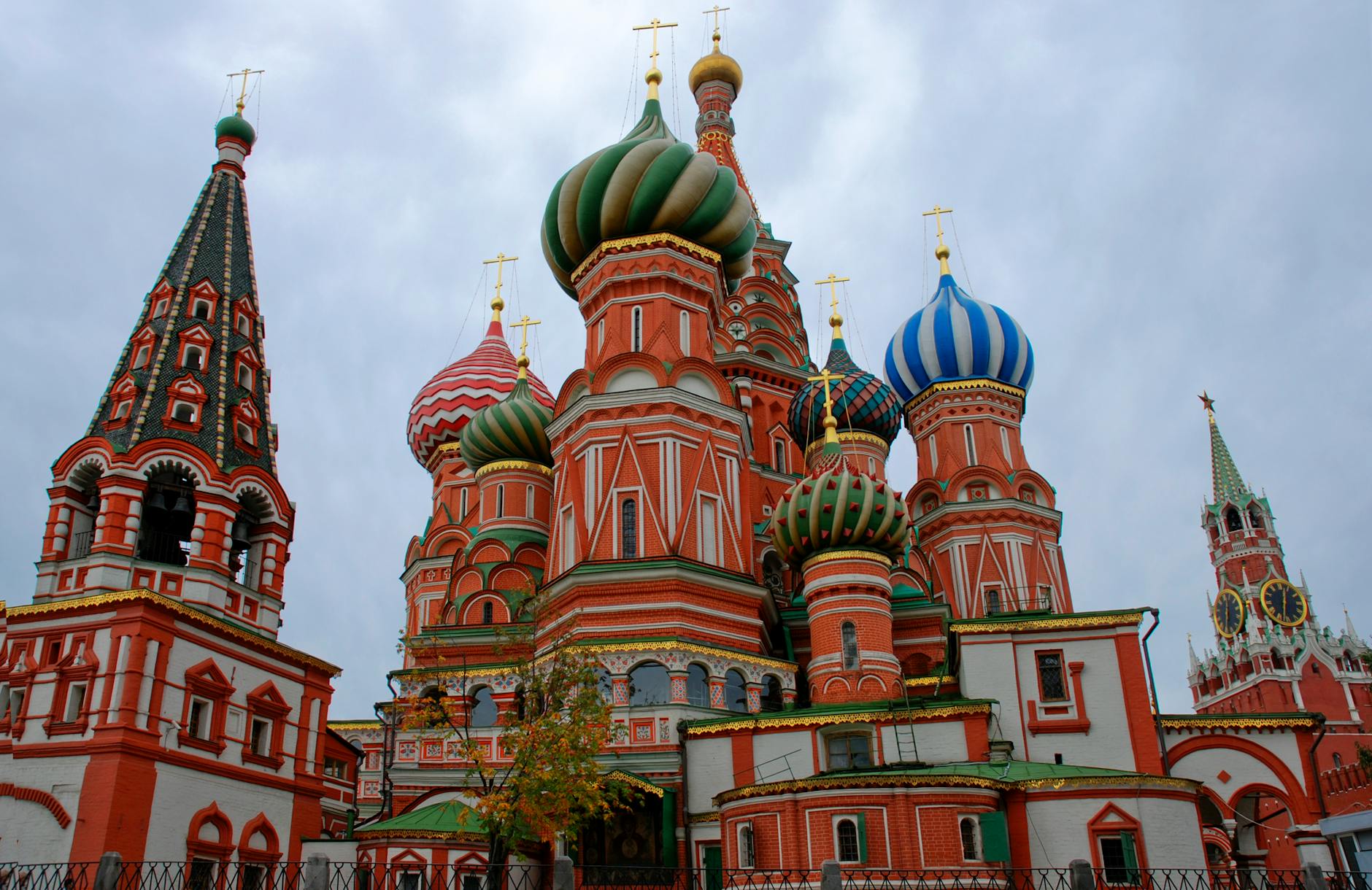
Αρχίστε από την Πλατεία Παβελέτσκι, το κύριο κόμβο μεταφοράς που λειτουργεί ως ήσυχη βάση για το πρώτο τμήμα της εκδρομής. Από εδώ, η εκδρομή ακολουθεί την όχθη του ποταμού Μόσχας προς τη Γκαλερί Τρετιάκοφ στο Λάβρουσινσκι Περιόδους, ένα πολιτιστικό σημείο αναφοράς που ιδρύθηκε το 1856. Το πρώτο τμήμα αποκαλύπτει γραμμές παλαιών εμπόρων και ήσυχες οδούς όπου ορθόδοξες καθεδρικές εκκλησίες βρίσκονται δίπλα σε κτιρίδια από τούβλα που χρονολογούνται από τον 13ο αιώνα. Ιστορικά, αυτή η περιοχή συνέδεε την τέχνη και την πολιτιστική κληρονομιά, και ένας τοπικός οδηγός με το όνομα Πάβελ και μια ταξιδιώτισσα με το όνομα Όλεσια επιβεβαιώνουν ότι είναι μια αξιόπιστη αρχή για πρωτοεμφανιζόμενους. Η διαδρομή προσφέρει ένα τηλεφωνικό χάρτη και μια αναφορτιζόμενη κάρτα για εύκολη πλοήγηση. Σε ζεστές βραδιές, ζωντανή μουσική έξω από τη γκαλερί προσθέτει ατμόσφαιρα, και ο τόπος γίνεται ένας χώρος όπου μπορείτε να μείνετε περισσότερο. Αν επιστρέψετε ξανά, μπορείτε να αλλάξετε στο αντίστροφο τμήμα για να δείτε νέες λεπτομέρειες και μοτίβα.
Για να απολαύσετε στο έπακρο την εμπειρία, ακολουθήστε τον κύριο δρόμο κατά την αρχική φάση, και στη συνέχεια εξερευνήστε τις πλευρικές τοποθεσίες για να νιώσετε πώς οι έμποροι αλληλεπιδρούσαν με τους κατοίκους. Η διαδρομή περιλαμβάνει μουσεία, παλιά εργαστήρια και ήσυχες γωνιές. Η κύρια γωνία κοντά στο ποτάμι αποτελεί ένα ήσυχο σημείο για ανάπαυση. Οι γραμμές του εμπορίου που κάποτε απεικονίζονταν σε πέτρα θυμίζουν ακόμα το χαρακτήρα της περιοχής. Αν αυξηθούν οι πολυάριθμοι, μπορείτε να αντικαταστήσετε ένα τμήμα με μια εναλλακτική διαδρομή χωρίς να χάσετε το νήμα της εκδρομής. Κάποια μουσεία προσφέρουν δωρεάν είσοδο σε ορισμένες ημέρες, καθιστώντας ευκολότερη την επέκταση της επίσκεψής σας.
| Segment | Κλειδιά σημεία | Απόσταση (χλμ) | Αναμενόμενο χρόνος | Tips |
|---|---|---|---|---|
| Από την Πινακοθήκη Τρετιάκοφ | Πλατεία Παβελέτσκι; Γκαλερί Τρετιάκοφ (Λαβρούσινσκι Λάνε); παλιά κτίρια εμπόρων | 1.0 | 40-50 λεπτά | Χρησιμοποιήστε το offline χάρτη του τηλεφώνου σας, φέρτε μια κάρτα και ελέγξτε τις ημέρες με δωρεάν είσοδο. |
| Γκαλερί στη γωνιά προς την όχθη του ποταμού | Μοσχοβίτικη ράχη με θέα; ορθόδοξη εκκλησία κοντά | 0.7 | 30-40 λεπτά | Απολαύστε ζωντανή μουσική έξω στις ζεστές βραδιές |
| Παραποτάμια με ήσυχα στενά | ήσυχα παρεκκλήσια; μικρές πλατείες | 0.9 | 25-35 λεπτά | Βραδύς ρυθμός για να απολαύσεις την ατμόσφαιρα; αναζήτησε τα καφενεία της γωνίας |
| Παρακαλώ, παραθέστε το κείμενο που θέλετε να μεταφραστεί. | επιστροφή μέσω του κύριου μονοπατιού; ήσυχη λήξη | 0.6 | 15-20 λεπτά | Συμπεριλάβετε τις ακόλουθες πληροφορίες: - Πληροφορίες για την τοποθεσία: Μουσεία, καθεδρικά, οδούς, πόλεις, χώρες (χρησιμοποιήστε τις επίσημες ελληνικές ονομασίες, π.χ. "Άγιος Ισαάκιος" για την Καθεδρικό Ναό του Αγίου Ισαάκιου, "Σαν Πέτερμπουργκ" για την Αγία Πετρούπολη, "Μόσχα" για τη Μόσχα). - Ονόματα εταιρειών, προϊόντων, τηλεφώνων, τιμών: Απαραλλαγμένα όπως στο πρωτότυπο. - Διευθύνσεις (αριθμοί κτιρίων και ονομάτων οδών): Απαραλλαγμένα όπως στο πρωτότυπο. - Αλλαγή γραμμής για ποικιλία: Χρησιμοποιήστε διαφορετικές γραμμές για να αποφύγετε την μονοτονία. Παραδείγματα: - "Saint Isaac's Cathedral" → "Καθεδρικός Ναός του Αγίου Ισαάκιου" - "St Petersburg" / "Saint Petersburg" → "Αγία Πετρούπολη" - "Moscow" → "Μόσχα" - "123 Main Street" → "123 Main Street" (απαραλλαγμένο) - "Apple Inc." → "Apple Inc." (απαραλλαγμένο) - "€100" → "€100" (απαραλλαγμένο) Παρακαλώ, παραθέστε μόνο την μετάφραση, χωρίς προεισαγωγή ή εισαγωγικά. |
Προσέξτε τα αξιοθέατα που πρέπει να δείτε κατά μήκος του ποταμού Μόσχας στο Ζαμόσκβορετσέι
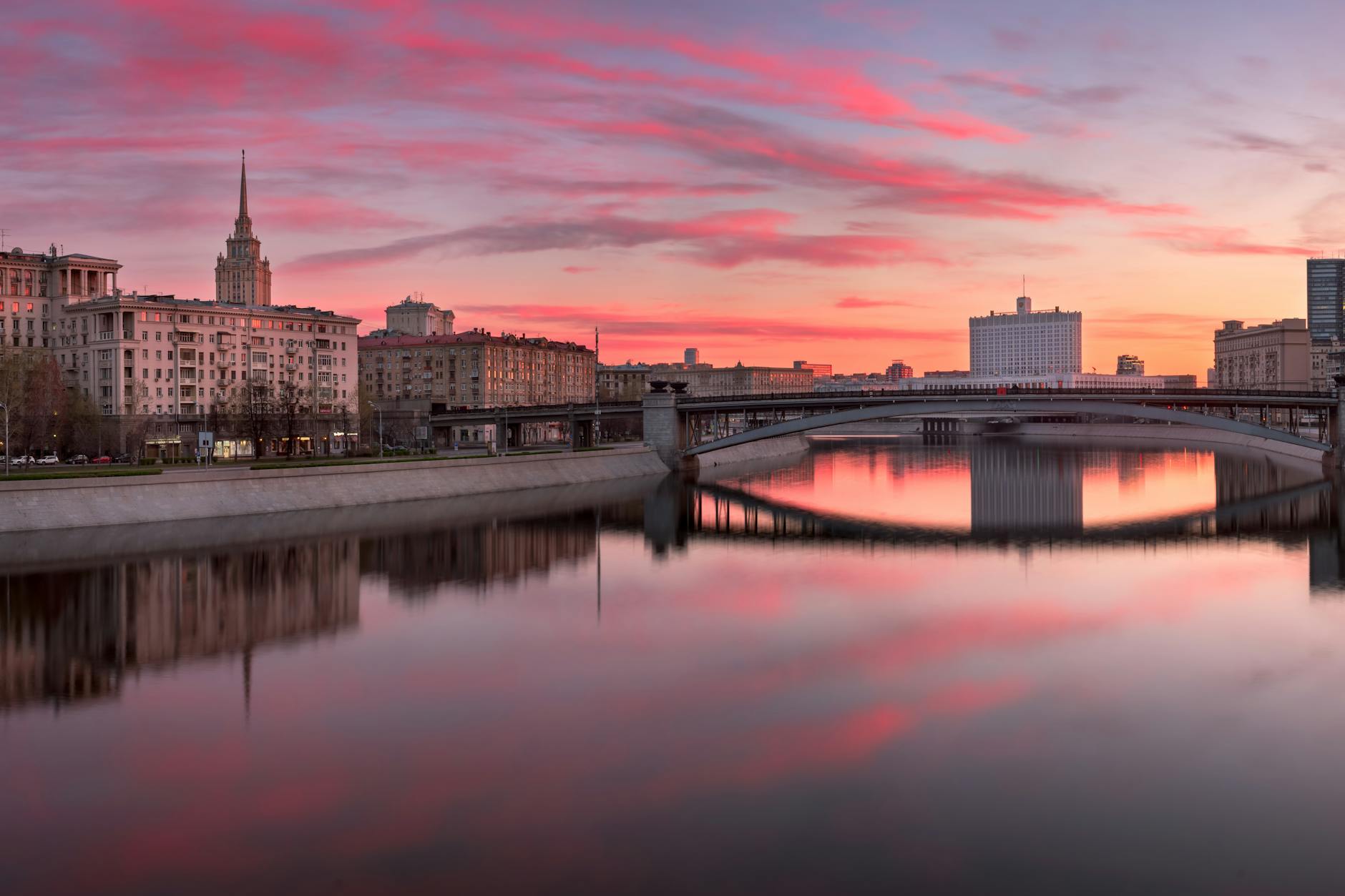
Ξεκίνα την πορεία σου από το προθάλαμο της ακτής του ποταμού της Πινακοθήκης Τρετιάκοφ, η οποία άνοιξε πολύ παλιά και αποκαλύπτει γραμμές στο ρυθμό της αυτοκρατορίας που σου δίνουν μια ακριβή θέα κατά μήκος του νερού. Η βόλτα σου θα εξετάσει επιλογές για ένα κύκλωμα που συνδυάζει τέχνη, πίστη και ζωή στην οδό.
- Η Πινακοθήκη Τρετιάκοφ - αυτό το μουσείο συγκροτήματος στερεώνει την όχθη του ποταμού. Η πρόσοψη με τον περιφρονητικό αρχιτεκτονικό ρυθμό της Αυτοκρατορικής περιόδου σχηματίζει ορθή γωνία με την όχθη, και τα λεπτομερή στοιχεία στο εσωτερικό δείχνουν πώς μια μοναδική συλλογή μπορεί να αλλάξει το πολιτιστικό χάρτη της πόλης. Το άγαλμα μπροστά από την είσοδο αγαπάται από τους ντόπιους· ολόκληρος ο χώρος παίζει κεντρικό ρόλο για τους επισκέπτες που γεννήθηκαν από μια παράδοση της ρωσικής τέχνης.
- Το Μοναστήρι του Νέου Σπασκίου - κρεμασμένο πάνω από την ακτή, οι λευκές τοίχοι και οι χρυσοκέντητες κούπολες καλωσορίζουν τους περαστικούς που έρχονται από άλλα μέρη της πόλης. Η πρόσοψή του ανοίγει σε μια αυλή όπου μπορείτε να μείνετε λίγο, και τα κουδούνια σημειώνουν τον χρόνο για τις επισκέψεις της άνοιξης. Τα χαλίκια που βρίσκονται κοντά στους τοίχους θυμίζουν το οχυρωμένο παρελθόν του φρουρίου, και το θέμα των στρελτσών έχει διαμορφωθεί σε αρκετές γλυπτικές παραστάσεις κατά μήκος του τοίχου. Λίγο μετά την άφιξή σας, μπορείτε να αισθανθείτε πώς τα γεγονότα της εποχής άλλαξαν την περιοχή.
- Το πεζοδρόμιο της όχθης - ένας μακρύς, ανοιχτός δρόμος όπου οι ντόπιοι συχνά παραμένουν. Η γωνία κοντά στο μοναστήρι προσφέρει τις καλύτερες θέασεις καθώς το φως παίζει στον ποταμό και την αρχιτεκτονική κατά μήκος της όχθης. Μπορείτε να μείνετε για λίγο, να ελέγξετε τις επιλογές για σνακ από τις κοντινές καραβάνες και να παρατηρήσετε το νερό να επιστρέφει στην καρδιά της πόλης. Κάτι νέο αποκαλύπτεται κάθε φορά, ακριβώς όταν το περιμένετε λιγότερο, παίζει με τον ουρανό.
- Στρέλτσυ μνημεία - σε ένα πιο ήσυχο τοίχο θα παρατηρήσετε ένα άγαλμα και ανάγλυφα που αναφέρονται σε φρουρούς που γεννήθηκαν για να προστατεύσουν τη Μόσχα. Αυτές οι επιγραφές δείχνουν πώς η δημιουργία της γειτονιάς αναπτύχθηκε από τη στρατιωτική ζωή, και η παρουσία τους επισημαίνει ένα σημαντικό στοιχείο του παρελθόντος της περιοχής. Οι επιγραφές του μνημείου, λίγο μετά την προσέγγισή σας, φαίνεται να λένε ότι η ιστορία επέστρεψε για να διαμορφώσει τη σημερινή σας βόλτα.
Με αυτήν την διαδρομή των τεσσάρων σταθμών έχετε ένα συμπαγές, κατάλληλου μεγέθους πρόγραμμα κατά μήκος του ποταμού. Ελέγξτε το με τον χάρτη σας, και στη συνέχεια επεκτείνετε σε άλλα κοντινά σημεία αν θέλετε να εξερευνήσετε πιο βαθιά την ιστορία του ποταμού. Η μέρα σας τελειώνει κοντά στην πύλη της γκαλερί, όπου μπορείτε να πάρετε ένα μικρό πιστοποιητικό ολοκλήρωσης και να αναλογιστείτε πώς ο ποταμός αποκαλύπτει μια ζωντανή ιστορία σχεδιασμού, εξουσίας και πολιτισμού.
Κρυφά αυλόγυρα και εκκλησίες που αξίζουν να φωτογραφηθούν στην περιοχή
Αρχίστε από το νότιο συγκρότημα αυλών που κρύβεται πίσω από τοιχοποιίες και στενά δρόμια κατά μήκος του ποταμού. Το φως διαρρέει από τόξα, περιγραμμένο από σιδερένιες κατασκευές, μετατρέποντας προσωπικές σκηνές σε εντυπωσιακές φωτογραφίες. Αυτή η βόλτα είναι ιδανική για ένα πρωινό γυρίσματα και δημιουργεί την ατμόσφαιρα για όσα ακολουθούν.
Πολλοί αύλες είναι κλειστοί στην κυκλοφορία, διατηρώντας ένα ιδιωτικό κομμάτι της αστικής ζωής. Τις Παρασκευές το πρωί, οι σκιάδες μαλακώνουν, και μπορείς να ακολουθήσεις τα χρόνια που κατασκευάστηκαν οι κτίσεις.
Δύο γνωστές εκκλησίες ξεχωρίζουν σε αυτήν την περιοχή: η εκκλησία της Αναστάσεως, με το κτίριο από τούβλα που έχει αιώνες και την απλή κορυφή της; εκεί, ένα λευκό μαρμάρινο ιερό φέρει ένα χρυσό σταυρό και κεραμικά από την Περσία που θυμίζουν τις μακρινές διαδρομές του εμπορίου.
Περπατήστε τις διαδρομές κατά μήκος της όχθης του ποταμού και μέσα από τα στενά δρομάκια για να δείτε πώς επιβιώνουν τα προσωπικά στοιχεία - πλάκες, τα αρχικά ενός θεατρικού συγγραφέα χαρασμένα σε μια πόρτα και ένα μικρό τοιχογραφία που περιβάλλεται από ένα παράθυρο.
Προτάσεις για προσβασιμότητα: από τα τερματικά σταθμούς Aeroexpress μπορείτε να φτάσετε σε κοντινούς σταθμούς και να συνεχίσετε με τα πόδια. Μια μικρή οργάνωση ή υπηρεσία διοργανώνει σύντομα φωτοπερίπατα που μπορούν να ανοίξουν περιορισμένες περιοχές από αυλές και εσωτερικούς χώρους, με ορισμένους δρόμους που αποκαλύπτουν μια τρίτης τάξης διαδρομή που χρησιμοποιούσαν οι έμποροι.
Το καιρός μπορεί να αλλάξει δραματικά την εμφάνιση: ο ήλιος του απογεύματος κάνει τα τοιχοποιήματα να λάμπουν, ενώ ο ομίχλη μαλακώνει τις γραμμές. Η περιοχή φέρει σκιές από την εποχή του Γκόρκι κοντά στο λιμάνι και υποδείξεις εμπορίου της εποχής του Πέτρου, που προσθέτουν ιστορικό βάθος σε κάθε πλαίσιο.
Γνωστές συμβουλές για μετακινήσεις: πώς να φτάσετε στο Ζαμόσκβορετσέι από το κέντρο της Μόσχας
Καλύτερη διαδρομή: πάρτε το μετρό για το σταθμό Παβελέτσκαγια, στη συνέχεια περπατήστε κατά μήκος της όχθης για περίπου 12-15 λεπτά για να φτάσετε στο κέντρο του παραποτάμιου τετραέδρου. Από την περιοχή του Κρεμλίνου αυτή η επιλογή είναι η πιο βολική, με κόστος περίπου 60 ρούβλια ανά ταξίδι και αξιόπιστους χρόνους αναχώρησης.
Εναλλακτικά: για ομάδες ή το χειμώνα, σκεφτείτε ένα ταξί ή ένα κοινόχρηστο ταξί από το ίδιο κέντρο. Η διάρκεια της διαδρομής είναι 15-20 λεπτά, και το κόστος κυμαίνεται περίπου από 400 έως 800 ρούβλια ανάλογα με την κυκλοφορία.
Στο δρόμο θα περάσετε από δέντρα και μικρούς κήπους και θα δείτε παλιά σπίτια που χτίζονται κατά μήκος του ποταμού. Μπορεί να συναντήσετε αγάλματα στρελτσών κατά μήκος της όχθης. Αν σας ενδιαφέρει η λογοτεχνική ιστορία, μπορείτε να κάνετε μια εκτροπή στο σπίτι του Μπουλγκάκωφ και οι αναφορές του Αλεξέι που θα δείτε σε πλάκες είναι συνηθισμένες. Η όχθη προσθέτει μια δραματική ατμόσφαιρα και οι τουρίστες χαίρονται από την θέα και συχνά τους αρέσει η βόλτα.
Χειμερινή σημείωση: ο αέρας είναι ξηρός, και αν δεν ντύνεσαι ζεστά, μπορεί να παγώσεις στα ρεύματα. Οι υγροί περιπατητές θα απολαύσουν περισσότερο τις θέαες, και μια γρήγορη βουτιά σε ένα καφετέρι στο παραποτάμιο θα βοηθήσει να ξαναζεσταθείς πριν συνεχίσεις.
Πρακτικές συμβουλές: οι επίσημες πινακίδες σημειώνουν τα διαβάσματα, και η διαδρομή παραμένει βολική ως προς το χρόνο για ομάδες. Τα εισιτήρια ή οι κάρτες λειτουργούν καλά εδώ, και το κόστος παραμένει προσιτό για μια σύντομη διαδρομή από κεντρικούς κόμβους. Αν φτάσετε από το Σαράτοφ με μακρινό τρένο, θα βρείτε ομαλές συνδέσεις προς τον ίδιο δρόμο της παραλίας.
Κορυφαία δημοσιεύματα για το Ζαμόσκβορετσέι που πρέπει να διαβάσετε πρώτα
Συνιστάται να ξεκινήσετε με δύο σύντομους οδηγούς που να παρουσιάζουν την πολιτιστική κληρονομιά και τη καθημερινή ζωή, και στη συνέχεια να επεκτείνετε σε πιο εκτεταμένες αναλύσεις.
Ανακαλύπτοντας διακοσμημένα πρόσωπα και ψηλά καμπαναριά εκκλησιών κατά μήκος της γραμμής του ποταμού, αυτό το κείμενο εξηγεί πώς η περιοχή χτίστηκε από έμπορους και ιδιοκτήτες που διατηρούσαν κήπους σε ήσυχους δρόμους. Από έναν οδηγό από τη Μόσχα, δείχνει πώς το μοναστήρι χωρίζει τις εμπορικές οδούς από τα στενά αυλόγυρα και σας προσκαλεί να εξερευνήσετε τη διαδρομή βήμα βήμα.
Ένα πρακτικό οδηγό από εκείνους που επισκέφθηκαν πρόσφατα. Ζητάει αν να περάσει από τις αυγερινές οδούς ή να ενταχθεί σε μια ζωντανή αγορά, και επισημαίνει ένα ζαχαροπλαστείο γενεθλίων που εξυπηρετεί τους τοπικούς κατοίκους για δεκαετίες. Χαρούμενοι αναγνώστες μοιράζονται ματιές στην καθημερινότητα, με συμβουλές για πού να σταματήσουν και τι να αναζητήσουν.
Μια πολιτιστική ανασκόπηση που παρουσιάζει Ουζμπεκούς τεχνίτες που έφτιαχναν ξυλόγλυπτα πόρτες και πλαισιά παραθύρων, συνδέοντας την περιοχή με την ευρύτερη ρωσική ζωή. Αναπτύσσει ένα μονοπάτι για την εξερεύνηση του παλαιότερου τμήματος της όχθης του ποταμού, σημειώνει τα σπίτια που στέκουν όρθια και αποκαλύπτει πώς οι ιδιοκτήτες καλωσορούσαν τους ταξιδιώτες στα ιδιωτικά τους αυλόγια, δίνοντας στο γειτονικό αυτό αίσθημα τόσο προσωπικό όσο και μεγαλοπρεπές.
Για γρήγορη προσανατολισμό, προτιμήστε δημοσιεύσεις που προσφέρουν σύντομους χάρτες με σύντομες λίστες ελέγχου και μια καθοδηγητική φωνή από ντόπιους, ώστε οι αναγνώστες να μπορούν να εξερευνήσουν και να αποφασίσουν τι να επισκεφτούν ξανά, είτε κυνηγάτε αρχιτεκτονική, καθημερινές στιγμές ή μια αίσθηση του παρελθόντος.


