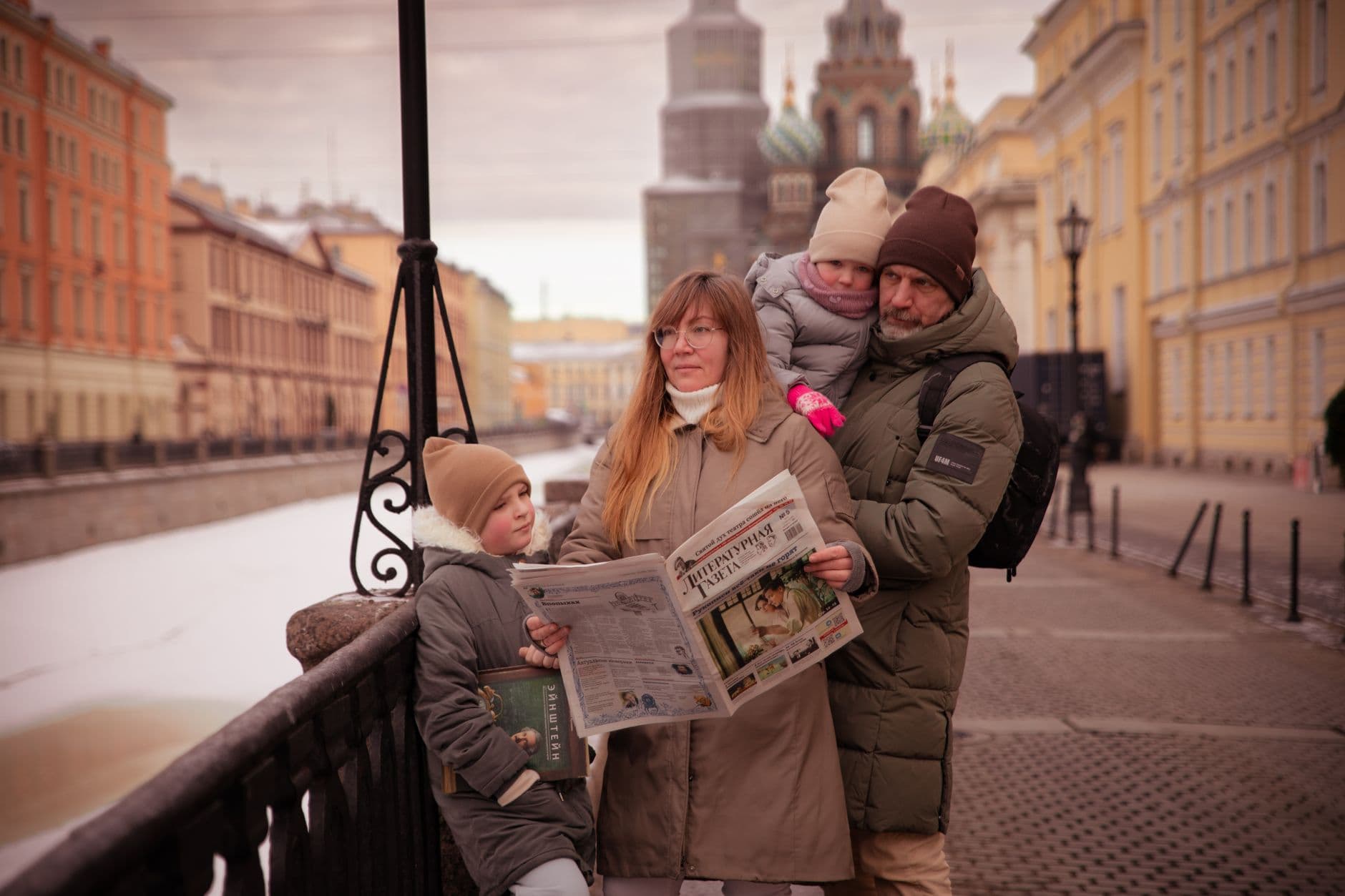
Compra tus entradas con antelación y llega temprano para evitar aglomeraciones; un buen comienzo hace que tu día sea más fluido durante la temporada en San Petersburgo, con puntos destacados como museos y una visita a Peterhof.
Elige con cuidado tu hotel base: una ubicación acogedora cerca de la avenida Moskovsky o del Prospekt para tener acceso rápido a los puntos de interés de la ciudad; a diferencia de París, un hotel bien elegido hace que los días sean pintorescos y sin estrés.
Consejo 3: Visita tres agrupaciones imprescindibles: los palacios al estilo ruso, las fachadas y las iglesias icónicas; no te pierdas el Palacio de Peterhof si puedes dedicar un día a explorar las bellezas de los alrededores.
Tip 4: Aprovecha los canales y ríos de la ciudad para disfrutar de vistas pintorescas; un corto paseo en barco ofrece una perspectiva diferente de la ciudad y es un descanso perfecto cuando necesitas admirar el horizonte. Lleva un paraguas por si llueve.
Consejo 5: Descarga horarios prácticos para mantener tu día en orden; verifica los horarios de apertura tardía y los desayunos cerca del hotel, y recuerda que la escena cultural al estilo ruso suele comenzar por la tarde.
Consejo 6: Reserva un hotel acogedor en el centro y planea una ruta alternativa si las multitudes hacen que los caminos principales estén muy concurridos; así volverás con la mayoría de los recuerdos y una colección en crecimiento.
Tip 7: Sumérgete en la cultura con ballets, iglesias ortodoxas y el símbolo del arte ruso; la temporada influye en los horarios de apertura, así que estate atento a los horarios y planifica en consecuencia. Las melodías de las *Katiusha* suelen flotar en las noches de festival.
Consejo 8: Para disfrutar de la vida local, visita la plaza de Isaac y las calles pintorescas cercanas; este recorrido de tres paradas es un favorito para muchos viajeros, combinando cultura, compras y vistas.
Llegue antes de que los principales museos abran para aprovechar al máximo el tiempo; compre las entradas con anticipación y verifique si puede ver las aperturas tardías para un ritmo más relajado allí.
Consejo 10: Planifica otro día para explorar no solo el centro de la ciudad, sino también los ríos circundantes y las vistas de las fachadas; este enfoque acogedor es perfecto y te hace querer volver allí de nuevo.
Elige el Mejor Momento para Visitar: Clima, Noche Blanca y Eventos Principales
La ventana de buen tiempo probablemente va desde finales de mayo hasta septiembre, ofreciendo días largos y visitas turísticas fáciles. Tendrás tiempo para caminar junto al Nevá, visitar monumentos arquitectónicos y disfrutar de las vistas de la ciudad en los distritos de Moscú y a lo largo de los canales. El clima es suave como un verano ruso, pero espera lluvias ocasionales; lleva una chaqueta ligera para la lluvia y un plan flexible para aprovechar al máximo cada día en la ciudad. Hay suficientes lugares para descansar en habitaciones cómodas entre excursiones, y puedes simplemente salir a la calle para experimentar la vida urbana.
Las Noche Blancas se extienden desde finales de mayo hasta principios de julio, cuando las noches son cortas y la ciudad está llena de vida las 24 horas. Esas tardes son ideales para actividades al aire libre, excursiones por el río y espectáculos impresionantes. Descubrirás que los museos y galerías tienen horarios extendidos, lo que permite combinar el turismo con la cena y el entretenimiento mucho después del atardecer. La espléndida atmósfera atrae tanto a locales como a visitantes, y la fuerte sensación de lugar deja una impresión duradera. Para quienes prefieren un ritmo más tranquilo, un paseo durante las primeras horas sigue siendo mágico.
Los grandes eventos marcan el calendario. El Día de la Ciudad celebra la fundación de la ciudad y atrae multitudes a la Avenida Nevsky y al paseo marítimo; es un momento ideal para visitar la ciudad y sentir su historia y celebración. El Festival de las Noches Blancas lleva ópera y ballet de clase mundial a lugares históricos; los sitios de la época de Petrogrado cerca del Palacio de Catalina y otros palacios ofrecen un festín arquitectónico. El espectáculo de las Velas Escarlatas es un tributo dramático a la historia marítima. Las festividades ortodoxas y las ferias culturales añaden color tradicional a los barrios de Petrogrado, donde los guías comparten contexto sobre la arquitectura de la ciudad y siglos de historia. Puedes escuchar audioguías o unirte a tours guiados para profundizar en tu experiencia, y hay muchas oportunidades fotográficas que puedes capturar con Getty y otros medios.
Planificación práctica: elige un hotel cerca de los principales puntos de interés para reducir el tiempo de transporte. La red de transporte en la ciudad es rápida y fiable, con metro, transbordadores fluviales y autobuses de dos pisos que ofrecen formas fáciles de ver los lugares conocidos. Caminar es una excelente manera de experimentar los detalles arquitectónicos de cerca; puedes descargar mapas de la ciudad y guías de audio para aprovechar al máximo cada ruta. Para excursiones de un día, el palacio de Catalina cerca de Pushkin vale mucho la pena visitar, y puedes organizar tours con guías que adaptan los consejos según tus intereses. Si quieres fotografiar todo, elige las primeras horas de la mañana o las tardes cuando la luz es suave; regresarás con fotos de alta calidad. Hay suficientes habitaciones y hoteles para todos los presupuestos, y las opciones de desayuno te ayudarán a empezar el día bien. Revisa los canales en tu idioma para obtener información local sobre historia, transporte y seguridad.
Resumen: la mejor época para visitar depende de las prioridades. Si buscas esplendor arquitectónico y días largos, elige finales de primavera hasta el verano; si prefieres menos aglomeraciones y precios más asequibles, considera el otoño o principios de la primavera y compara vuelos, hoteles y actividades para encontrar la mejor relación calidad-precio. De cualquier manera, la ciudad ofrece desde museos de clase mundial hasta barrios únicos y vida nocturna, y puedes planificar un itinerario que destaque rutas a pie, autobuses de dos pisos y arquitectura clásica. Volverás con recuerdos que muestran la capital rusa de fama mundial bajo una nueva luz y te quedarás con una fuerte sensación del carácter y encanto de la ciudad.
Domina el Metro y el Transporte Acuático: Navegación Rápida para Principiantes
Guía esencial de navegación en el metro
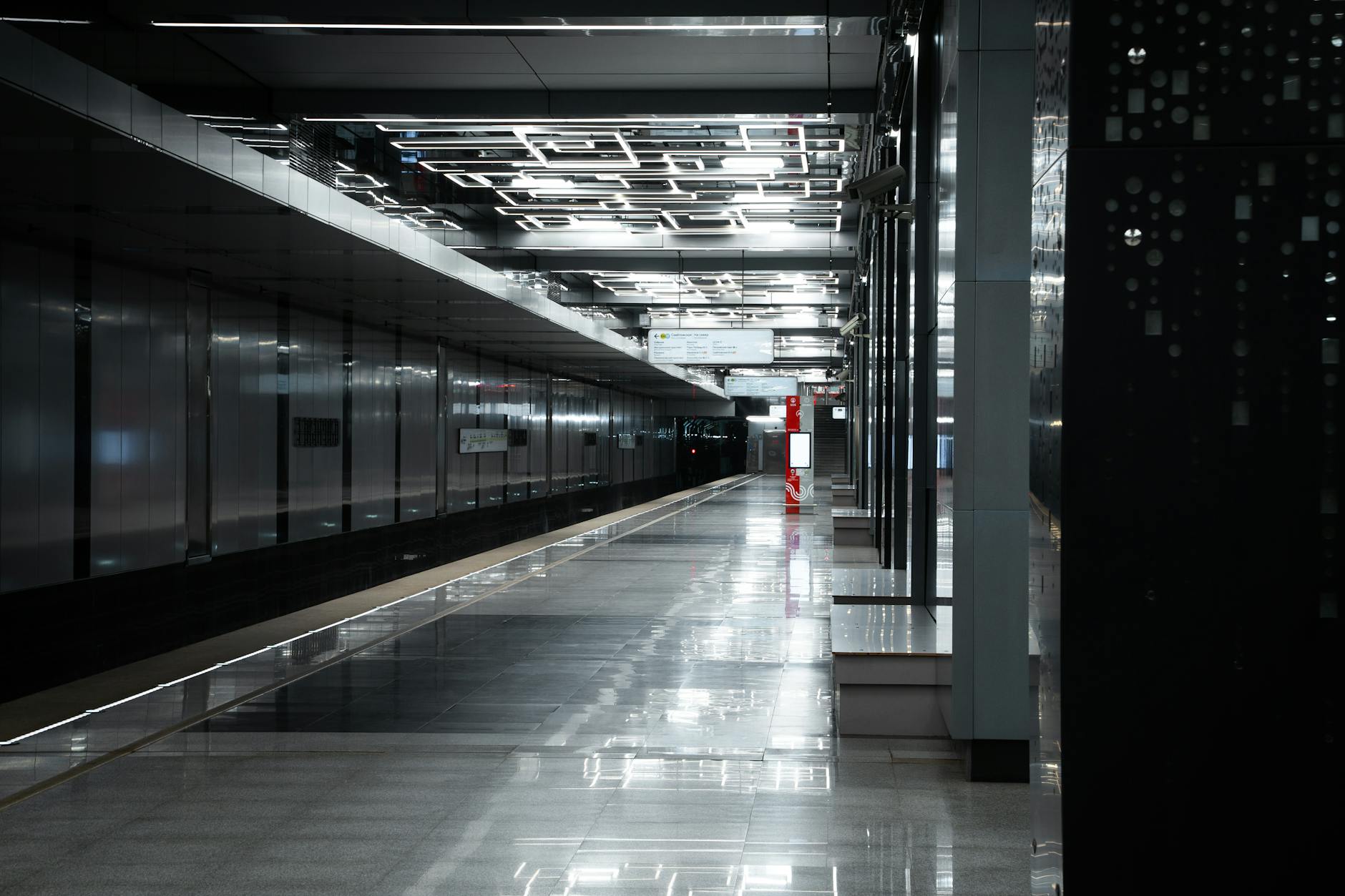
Llega con un plan: el metro es la forma más rápida de llegar a la mayoría de los lugares en San Petersburgo. Antes de entrar a una estación, revisa las líneas codificadas por colores en el mapa; las señales son de estilo soviético pero suelen incluir traducciones al inglés, lo que facilita la navegación para los visitantes. Siempre lleva un billete o pase válido; el contenido de tu tarifa se escanea en los tornos, y puedes comprarlos en quioscos cerca de la entrada. En el andén, el piso y las señales muestran caracteres cirílicos e inglés, y estos momentos pueden poner a prueba tu paciencia en horas pico.
Las transferencias entre líneas son sencillas si llegas a puntos como la isla Vasílievski o el parque Alejandro; las conexiones fluviales y ferroviarias permiten moverse rápidamente por la ciudad. Aunque estas rutas se extienden hacia el distrito de Octubre y más allá, verifica el horario y el mapa antes de salir para evitar retrocesos en horas pico. Los guías recomiendan planificar las transferencias con margen de tiempo para no perder conexiones que suelen ocurrir entre multitudes.
Durante los traslados, observa a los locales y espera a que la gente salga antes de entrar; quédate a un lado y mantén tus pertenencias cerca. Si viajas en horas pico, el alto volumen de pasajeros puede resultar abrumador; estos momentos ponen a prueba la paciencia, pero también ofrecen oportunidades para observar la vida cotidiana y aprender el ritmo de la ciudad. Estas observaciones te ayudarán a explorar con más confianza y a que tu próximo viaje sea más fluido.
Visitar a pie los distritos centrales entre paradas de metro es una excelente manera de empaparse de la ciudad: encontrarás el parque Alejandro, la isla Vasílievski y agrupaciones de museos a orillas del río. Más o menos por estas zonas podrás atisbar los orígenes de San Petersburgo e imaginar cómo la ciudad creció hasta su disposición actual. Estas experiencias revelan una Rusia que se siente igual de histórica y viva para los primeros visitantes, con muchos lugares estupendos para descansar en cafés de desayuno o parques antes de tu próximo trayecto.
Transporte acuático y rutas panorámicas
El transporte acuático ofrece una alternativa pintoresca: los ferris del río Nevá y los barcos por los canales recorren la costa y conectan los principales puntos de interés; estas opciones ofrecen un ritmo más tranquilo que el metro, y puedes explorar los distintos lados de la ciudad desde el agua. Los recorridos operan a horas fijas, así que planea llegar temprano a los muelles y elige rutas que incluyan los lugares que más te interese visitar en un solo trayecto.
Los guías en los muelles aconsejan qué líneas tomar para llegar a las mejores vistas cerca del barrio de los museos y los teatros de ópera; así podrás optimizar tu visita tanto si vienes por negocios como por placer. En comparación con la experiencia del río en Londres, las rutas de San Petersburgo ofrecen paisajes igualmente ricos y una fuerte sensación de Rusia cuando visitas en otoño o verano, con la oportunidad de ver cómo el río cambia de color a lo largo del día.
Recuerdos y bocadillos: la calle Pyshechnaya es famosa por sus desayunos y pastelerías, y puedes encontrar sopas y algunos dulces en puestos junto al muelle. Algunas tiendas también venden artículos de Fabergé y recuerdos temáticos de Katyusha cerca del agua, perfectos después de un día de exploración. Los guías de la zona pueden indicarte los mejores lugares para un bocado rápido antes del siguiente paseo, y descubrirás que estos pequeños hallazgos enriquecen tu tiempo en la ciudad.
Consejos prácticos: siempre verifica el clima, ya que los vientos fríos del agua pueden ser cortantes; lleva una chaqueta abrigada y un paraguas compacto. Si te quedas, muchos hoteles cerca de las estaciones te ayudan a mantenerte seguro y cómodo después de un largo día de exploración. Si un paseo en barco está agotado, considera una opción de autobuses turísticos de dos pisos cercanos; ofrecen una variedad de perspectivas para cerrar tu día. Los horarios y programas varían según la temporada, así que llega temprano y camina entre los muelles si es necesario para tomar el siguiente paseo y aprovechar al máximo tu tiempo alrededor del Nevá, el Vasilievski y los muchos parques y museos de la ciudad.
Budget Smart: Comidas Económicas, Atracciones Gratuitas y Descuentos Locales
Roma puede venir a la mente de muchos viajeros, pero dejando a un lado Roma, San Petersburgo ofrece un ritmo diferente: más allá de los lugares turísticos mundialmente famosos, aún puedes disfrutar de una historia rica, una variedad de comidas y vistas gratuitas que hacen que todo el viaje valga la pena. Esta guía se centra en formas básicas y prácticas de gastar bien, ya sea que estés solo o acompañado, y cómo mantener el costo total bajo mientras exploras las calles, paseos y barrios portuarios de la ciudad.
- Comidas económicas Los pelmeni en puestos callejeros o cafeterías informales ofrecen comidas baratas y reconfortantes, ideales para un segundo tentempié después de largas horas de turismo; Carl recomienda buscar lugares a unos metros del metro para ahorrar tiempo y dinero.
- Eliseyevs (eliseyevs) ofrece una opción clásica y asequible para pasteles, tés y bocadillos ligeros, cerca del imponente área del Hermitage, pero con precios más bajos para quienes tienen un presupuesto ajustado.
- Busca pequeños restaurantes en calles secundarias y cerca de mercados para sopas básicas, dumplings y pasteles; estas opciones te permiten incluir una comida completa sin gastar de más.
- Los puestos de mercadillos callejeros y los vendedores ambulantes alrededor de los paseos marítimos ofrecen bocadillos y bebidas económicas, permitiéndote probar los sabores locales sin gastar demasiado.
- Fuera del Hermitage, el famoso complejo palaciego ofrece una impresionante apariencia y grandeza arquitectónica; puedes admirar su exterior de forma gratuita y aprender historia a través de su silueta y alrededores.
- Pasea por el lado de Petrogrado y otras calles de la ciudad para disfrutar de una colección de arte público, fachadas históricas y vistas panorámicas sin pagar entrada.
- Muchos museos ofrecen horas o días gratuitos; verifica los horarios y planifica en consecuencia para aprovechar al máximo tu tiempo, ya seas turista o un explorador local.
- Explora la zona portuaria y los paseos fluviales para experimentar el ambiente de la ciudad; toda la zona es accesible sin billetes y transmite el ritmo de la ciudad alrededor del Nevá.
- Descuentos locales y planificación inteligente: pregunta a los guías o embajadores sobre descuentos actuales que combinen pases de transporte, museos y galerías; esto significa que puedes gastar menos mientras sigues incluyendo las principales atracciones y experiencias.
- Elige alojamientos que incluyan desayuno o tengan instalaciones de cocina; los hoteles y modestas casas de huéspedes fuera de los distritos centrales pueden reducir costos mientras te mantienen cerca del metro.
- Usa guías móviles para planificar una ruta con una variedad de paradas económicas; esto significa que puedes visitar colecciones, museos y barrios sin pagar entradas premium.
- Mantén una pequeña lista de lugares confiables (Eliseevsky, puestos de pelmeni y mercados de pulgas locales) para mantenerte en el camino. Esto te ayuda a respaldar tu plan con un horario estable y evita que gastes de más durante todo el viaje.
Plan por Barrios: Avenida Nevski, Plaza del Palacio y Tranquilas Riberas
Nevsky Prospect & Plaza del Palacio - Planificación Central
La perspectiva Nevski es un tramo único y largo que en sí mismo forma el símbolo de la vida de San Petersburgo. La avenida une sitios históricos con el comercio moderno, proporcionando una columna vertebral práctica para un plan bien organizado. Probablemente la mejor manera de empezar es temprano para disfrutar de los escaparates de Eliseyev y los emporios cercanos, luego continuar hacia la Plaza del Palacio para estar bajo el majestuoso Palacio de Invierno y la Columna de Alejandro. La arquitectura circundante mezcla historia con bloques de estilo soviético y palacios finos, un contraste espléndido que recordarás por años. Deberías caminar gran parte del tramo para sentir la ciudad misma, y puedes subir a los autobuses de dos pisos para una visión general rápida si prefieres un paseo móvil. Las zonas cercanas de Finlandia y la Fortaleza de San Pedro y San Pablo añaden contexto a la experiencia central, mientras que una visita a las inmediaciones del Palacio ofrece un sabor tanto del imperio como de la vida moderna.
El transporte es eficiente mediante el metro y el subterráneo, con señalización en inglés para ayudar a los visitantes. Para la navegación, descarga mapas sin conexión en tu dispositivo móvil y mantén una ventana con la ruta. Considera alojarte en o cerca de la zona de Ambassador o Eliseyev para un acceso fácil, y planea reservar entradas con anticipación para el Palacio, teatros y funciones de ballet. Si quieres un día más completo, incluye una visita a Peterhof en un viaje aparte; la ruta te permite ver los suburbios circundantes y los majestuosos complejos de fuentes, probablemente extendiendo tu estancia por un día o dos y dándote tiempo suficiente para absorber la historia de la ciudad y las calles que han escrito sus años de historias.
En este corredor principal, a veces aparecen estatuas de Carl o figuras similares en pequeñas plazas, añadiendo un toque de fantasía a las rutas peatonales. El área revela capas de historia, desde el esplendor imperial hasta décadas posteriores, por lo que puedes imaginar cómo evolucionaron aquí avenidas al estilo de Roma, con un toque de San Petersburgo. Para los amantes de la fotografía, las vistas desde las ventanas a lo largo de Nevski ofrecen muchas oportunidades para capturar escenas icónicas y composiciones de calidad sin salir de tu plan. Un enfoque inteligente debe equilibrar compras, turismo y descanso, asegurando que te vayas con un recuerdo claro del alma de la ciudad y de cómo sus espacios grandiosos enmarcan la vida cotidiana.
| Barrio | Destacados | Llegar allí | Mejor época para visitar | Consejos prácticos |
|---|
| Prospecto Nevski |
Eliseyevsky emporio, escaparates, fachadas históricas, autobuses de dos pisos, vida callejera vibrante |
Acceso al metro/subte por la avenida principal; fácil caminar entre los puntos de interés |
Mañana temprano o tardes; las noches de julio son especialmente animadas |
La señalización en inglés ayuda; descarga mapas a tu móvil; reserva entradas para teatro/ballet con antelación. |
| Plaza del Palacio |
Columna de Alejandro, Palacio de Invierno, fachada del Hermitage, historia imperial |
Cerca de Nevsky; varias estaciones de metro cercanas |
Días de semana para menos aglomeraciones; las mañanas ofrecen luz suave para fotos |
Combínalo con una visita exterior al Hermitage; considera un tour guiado; verifica los horarios de las funciones. |
| Costas tranquilas |
Malecones del Nevá, canal Griboedov, barcas koryushka, vistas más tranquilas |
Transporte a estaciones de la zona de Finlandia; conexiones opcionales en río/barco |
Mañana temprano o tarde en la noche; agradable en julio |
Lleva agua y mapas sin conexión; ideal para fotografía relajada; planifica excursiones a Peterhof si lo deseas |
Riberas tranquilas - Paseos serenos y acceso suburbano
Tranquilos muelles a orillas del Nevá y sus canales ofrecen un ritmo relajante después del centro. Pasea por el canal Griboédov, a lo largo de las orillas de la isla Vasílievski, y junto a las tranquilas zonas donde deslizan las barcas koryushka. El entorno es ideal para la reflexión y la fotografía, y proporciona un ritmo más suave después del bullicioso centro. Esta zona está cerca de la estación de Finlandia para conexiones fáciles y se conecta con los suburbios cercanos, lo que la convierte en una buena base para excursiones de un día a Peterhof u otros lugares del campo.
Desde aquí, las excursiones de un día a Peterhof, sus majestuosas fuentes y otros suburbios son sencillas en tren y barco; reservar con antelación ayuda a ahorrar tiempo. Si llegas en avión, considera reservar los vuelos con antelación y organizar un traslado sencillo a tu hotel. Las vibraciones tranquilas de este lugar invitan a noches de conversación ligera y cenas relajadas, un contraste perfecto con la energía de Nevski, mientras se mantiene un fácil acceso a la vida cultural de la ciudad: ballets, museos y galerías. Así podrás disfrutar de una experiencia equilibrada en San Petersburgo en un solo plan coherente, ya sea en julio o en cualquier otra época agradable del año.
Ya sea que te alojes cerca de la Plaza del Palacio o te aventures hacia los muelles circundantes, la ruta alrededor de las grandes aguas de San Petersburgo es fascinante y a su alrededor encontrarás zonas que rinden un homenaje moderno a la historia perdurable de la ciudad. La experiencia en sí es una combinación de días soleados, noches estrelladas y una corriente continua de actividades que probablemente satisfarán a visitantes de todo tipo, incluidos los viajeros angloparlantes que desean disfrutar tanto de lo histórico como de lo contemporáneo de San Petersburgo. Para quienes planean estancias más largas, este enfoque permite seguir explorando las cercanas rutas de Koryushka y aún deja tiempo para visitar el complejo de Peterhof y otros lugares famosos: un itinerario que parece una extensión natural del plan central y una buena manera de crear un recuerdo perdurable de San Petersburgo.
Entradas, Horarios y Colas: Cómo Visitar Atracciones con Mínima Espera
Planifique con antelación: entradas, horarios y opciones en línea
La mayoría de los lugares de interés en la ciudad histórica ofrecen entradas con horarios específicos; puedes descargar las aplicaciones oficiales o visitar el sitio web para elegir un horario que se adapte a tu día. Comprar las entradas con antelación reduce las colas y te permite disfrutar más de la arquitectura, los museos y los espacios públicos. Para grupos de tres personas o familias, busca entradas combinadas o una tarjeta que facilite el acceso a varios lugares; esto puede ahorrar tiempo y mantener tu día en orden. Al llegar, ten tu entrada lista y dirígete a la zona de escaneo para comenzar tu visita sin problemas.
Llega temprano o elige horarios de apertura tardía cuando sea posible; algunos lugares permanecen abiertos hasta la noche, lo que te da mayor flexibilidad. Si estás utilizando el transporte público, planifica una ruta rápida entre los puntos de interés para minimizar los desplazamientos y las esperas, y usa los paneles de información para ajustar tus planes en tiempo real.
Al llegar: estrategias para evitar las colas
Planifica una ruta de caminata lógica a lo largo del prospekt y las calles aledañas para maximizar la eficiencia; muchas atracciones, especialmente las de la era imperial, están cerca de la isla Vasílievski y la zona portuaria, por lo que un paseo bien planificado ahorra tiempo. Algunas atracciones fueron fundadas en el siglo imperial por los emperadores y siguen siendo centrales en la colección, lo que te ayuda a comparar opciones y elegir un itinerario ajustado y de alto valor. Si llegas con una tarjeta de transporte Podorozhnik, puede agilizar los traslados entre los lugares; para un rápido impulso de energía, Eliseyevs ofrece una pequeña colección de dulces que puedes disfrutar durante una pausa. De cualquier manera, este enfoque mantiene las colas cortas y tu día agradable, con menos tiempo esperando y más tiempo apreciando los teatros, esculturas y el estatus histórico de la ciudad.