
Viaja a Moscú a finales de abril/principios de mayo o a principios de septiembre para el mejor equilibrio entre clima y multitudes. Este período ofrece temperaturas diurnas agradables, tiempo al aire libre fiable y una reserva de hoteles más sencilla que en el mismo período en otros lugares. Los precios se alinean con lo que los viajeros esperan en la misma ventana de primavera.
En primavera, las temperaturas diurnas promedio aumentan desde unos 8-12°C a principios de abril hasta 15-20°C a finales de mayo; el principio del otoño sigue un patrón similar, con días en septiembre alrededor de 15-20°C y noches que bajan hacia 8-12°C. Lleva un impermeable y ropa por capas para alternar entre sol y brisa; las lluvias pueden aparecer con poco aviso en abril, mayo y septiembre. Ten repelente de insectos a mano en parques y cerca de cuerpos de agua a finales de la primavera.
La primavera ofrece parques fragantes y lugares culturales con menos aglomeraciones que en verano. A principios de mayo llegan las fiestas nacionales y las actuaciones; puede haber mucho tráfico cerca de los puntos turísticos del centro en los días festivos, por lo que es mejor planificar las visitas a museos para otros días. Si viajas desde Magadán, planea una escala más larga para el trasbordo, ya que las conexiones domésticas llegan hasta bien entrada la noche en los principales aeropuertos de Moscú. Uno de los puntos culminantes de la temporada son los desfiles del Día de la Victoria el 9 de mayo, que pueden ser un fondo memorable para fotos si lo planificas bien.
El transporte cubre bien la ciudad: la red del Metro es eficiente, y las rutas a pie conectan la mayoría de los lugares principales. Un plan típico de cuatro a cinco días incluye los terrenos del Kremlin, la Plaza Roja, el Teatro Bolshói, la Galería Tretyakov y varios parques. Para profundizar, añade excursiones de un día a Sergiyev Posad o Kolomna; este tipo de salidas enriquecen tu programa en Moscú. Si necesitas un plan compacto, además, reserva con anticipación y encontrarás tarifas de hoteles razonables; verás precios más altos cerca de los fines de semana largos.
Una lista de empaque consciente incluye un impermeable, zapatos cómodos, un paraguas compacto y una bufanda ligera para las mañanas frescas. Para evitar insectos, aplica repelente en parques y cerca de cuerpos de agua a finales de la primavera; ese pequeño detalle hace que los días llenos de tiempo al aire libre sean más fáciles. El costo total de las comidas y actividades sigue siendo asequible si planificas con anticipación y aprovechas las ofertas de mitad de semana.
Estos puntos cubren un enfoque claro para la temporada: contrastes visuales entre jardines en flor en mayo y copas doradas en septiembre, una mezcla cuidadosa de actividades al aire libre y en interiores, y un enfoque en las comodidades prácticas para viajar con confort. La experiencia sigue siendo única de Moscú en primavera y principios de otoño, con oportunidades para disfrutar de flores de temporada, paseos junto al río y lugares emblemáticos.
Revisa tu plan de viaje a Moscú y envía la solicitud.
Finaliza tu plan de viaje hoy, reúne los documentos y envía tu solicitud al centro de visas o al portal de la embajada.
- Temporización y días: Reserva una ventana para la primavera (abril-mayo) o principios de otoño (septiembre-octubre). En Moscú, estos periodos ofrecen temperaturas más suaves, cielos despejados y una energía que hace que el turismo sea cómodo. Planifica 7-12 días para visitar el Kremlin, la Plaza Roja, museos y barrios. Diciembre presenta un ritmo diferente con días más fríos y menos horas de luz, lo que puede ser ideal para actividades en interiores.
- Documentación y formato: Asegúrate de que tu pasaporte esté válido por al menos seis meses más allá de la fecha de viaje, un visado si es necesario, una invitación, un seguro de viaje y fotos recientes. Para los viajeros extranjeros, verifica los requisitos de la embajada; sube los documentos en el formato exacto que espera el portal. El plazo de presentación depende de tu nacionalidad y del centro de procesamiento.
- Aquí tienes la traducción al español: Configuración día a día: Crea una tabla sencilla que relacione días con zonas como la Plaza Roja, el Kremlin, la calle Arbat y un par de bares locales o salas de conciertos con bandas en vivo. Incluye una visita matutina a una iglesia ortodoxa para escuchar el repique de campanas, seguida de un paseo por un museo o un parque por la tarde. A diferencia de los itinerarios apresurados, este esquema deja espacio para descubrimientos espontáneos.
- Preparación local y equipaje: el clima de Moscú puede ser ventoso con lluvias ocasionales; lleva capas de ropa, un impermeable y calzado cómodo para caminar. En días más templados preferirás prendas más ligeras, pero ten en cuenta que las noches pueden ser frescas.
- Presentación de seguimiento: Después de enviar, supervise el portal para actualizaciones de estado; si el resultado tarda más, planifique contingencias para los días alrededor de su salida prevista. Si todo está en orden, recibirá una decisión clara sin demora.
Confirme las fechas de viaje para Moscú en la primavera (marzo-mayo) y principios de otoño (septiembre-octubre) de 2025.
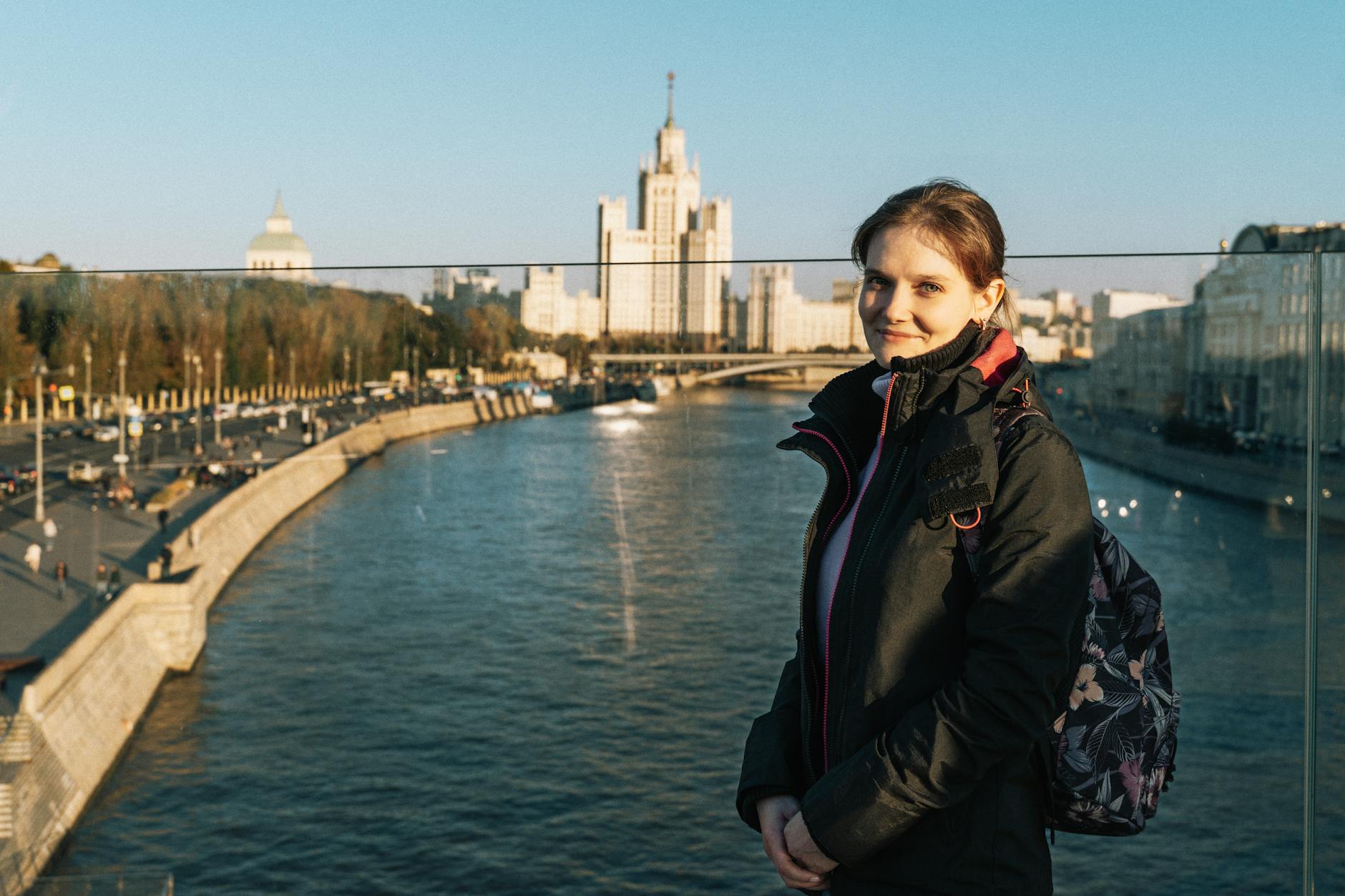
Mejor plan: apuntar a dos ventanas, de finales de marzo a mayo y de septiembre a octubre de 2025, con el 10 de abril al 5 de mayo y el 15 de septiembre al 6 de octubre como los momentos ideales para disfrutar de un clima agradable y una intensa actividad cultural. Esta elección mantiene la ciudad mayormente accesible a pie, con largas horas de luz diurna que se extienden hasta la noche y menos aglomeraciones los fines de semana que en el pico del verano.
- Ventana de primavera: 25 de marzo-4 de mayo - por qué funciona: temperaturas suaves, parques en flor y la ciudad se transforma del gris al verde a medida que los días se alargan; ganas horas de luz diurna para rutas al aire libre por el parque Gorki y las coloridas plazas cerca de la Plaza Roja.
- Otoño temprano: del 1 de septiembre al 15 de octubre - por qué funciona: clima agradable, horarios de museos estables y avenidas sombreadas a lo largo del río Moscú; la ciudad se siente tranquila después de las multitudes del verano, con largas horas de luz que aún se extienden hasta la noche temprana.
Consejos para planificar con precisión y evitar vacíos:
- Entradas: compra en línea con antelación para museos, galerías y lugares populares como la Galería Tretiakov (hogar del Cuadrado Negro). Esto ahorra tiempo y evita largas colas en horas pico.
- Clima y equipaje: los atuendos por capas funcionan mejor; finales de marzo pueden ser frescos, mientras que finales de abril y mayo traen días más templados, y principios de otoño puede hacer fresco por las noches. Siempre revisa el pronóstico unos días antes y lleva un impermeable ligero.
- Ritmo diario: la mayoría de los lugares culturales abren alrededor de las 10:00 y cierran entre las 18:00 y las 19:00; pueden haber variaciones horarias los fines de semana o en periodos festivos, por lo que verifica el horario con antelación para el día exacto.
- El sistema de metro, con su red de líneas punteadas, ofrece un acceso rápido a los puntos destacados de la ciudad; el viaje entre el Parque Gorki, la plaza alrededor de la Plaza Roja y los edificios clave es eficiente, pero evita las horas pico si prefieres una experiencia más tranquila.
- ¿Qué días elegir: los días laborables suelen ser más tranquilos que los fines de semana; por ejemplo, planifica las visitas a museos en martes o miércoles para evitar aglomeraciones y disfrutar de un mejor servicio en las entradas y cafeterías cercanas.
- Tiempo al aire libre: busca senderos sombreados a lo largo de la orilla del río Moscú y en los parques; la luz de la tarde puede crear fotos dramáticas de los edificios de la ciudad y las plazas abiertas.
- Planificación: mantén una versión corta de tu itinerario para actualizaciones rápidas; usa una versión digital para ajustar los planes si el clima cambia. Esto mantiene tu base flexible y tus días al 100%.
- Insectos y comodidad: la primavera puede traer más insectos cerca de las fuentes de agua; lleva repelente y elige rutas protegidas y bien mantenidas en los parques para estar cómodo.
- Recordatorios de otras regiones: los viajeros de Irkutsk y otras ciudades suelen coincidir en que estas ventanas equilibran el clima, los billetes y la luz del día; úsalo como ejemplo para moldear tu propio plan.
- Planifica con conservadurismo para finales de marzo o principios de septiembre para asegurarte de poder disfrutar de eventos estacionales, exposiciones especiales y actividades culturales de la ciudad que maduran a lo largo de la temporada.
Verifica la validez de tu Visa, Pasaporte y las normas de entrada según tu nacionalidad.

Verifica los requisitos de visa para tu nacionalidad ahora y reúne los documentos necesarios antes de viajar.
Si se requiere visa, solicítala a través del consulado o centro de visas oficial y permite al menos 2-3 semanas para el procesamiento estándar; en algunos casos existen opciones de trámite acelerado por un costo adicional, pero confirma los plazos con la embajada local.
Tu pasaporte debe ser válido por al menos 6 meses más allá de tu fecha de salida prevista de Rusia, y debes tener al menos dos páginas en blanco para visas y sellos. Si tu pasaporte vence dentro de ese plazo, renuévalo antes de reservar o presentar tu solicitud de visa.
Las reglas de entrada varían según la nacionalidad. Algunos viajeros disfrutan de entrada sin visa para estancias cortas, mientras que otros deben obtener una visa o utilizar la opción de e-visa para un período específico; consulte el sitio oficial para ver si califica para acceso sin visa o una e-visa, ya que las variaciones pueden ser regionales y las políticas pueden cambiar. Para viajes con base en Moscú, lleve cualquier invitación o reserva de hotel, así como la impresión de la aprobación de su e-visa si aplica. Siempre lleve copias tanto digitales como impresas cuando viaje.
Prepara los documentos: un pasaporte válido, un formulario de solicitud de visa completado, una foto reciente a color, un seguro de viaje y un comprobante de fondos o itinerario; puede ser necesario una carta de invitación o confirmación de hotel; para viajes de varias ciudades a lo largo del eje que une Moscú con Sochi e Irkutsk, asegúrate de que los documentos cubran toda tu ruta y fechas. Si planeas entrar en autobús, tren o avión, verifica si necesitas visas separadas o visas electrónicas para otras regiones; existen diferentes tipos de emisión de visas según la nacionalidad, por lo que sigue las instrucciones en el sitio oficial. También guarda una copia horizontal de los documentos principales y almacena copias digitales de respaldo.
A su llegada, deberá completar una tarjeta migratoria y presentar su pasaporte y visa; en la mayoría de los casos, su hotel se encargará del registro, pero las estancias privadas pueden requerir que se registre ante las autoridades locales dentro de los siete días. Si viaja a varias zonas, conserve copias de sus documentos y esté preparado para los controles de los agentes locales; a diferencia de algunos países, Rusia exige un registro formal para estancias prolongadas. Cuando el viaje de invierno esté en el programa, planifique capas de ropa y un plan alternativo en caso de retrasos por condiciones climáticas.
Para la primavera y principios de otoño de 2025, planifica con anticipación para incluir Moscú con excursiones a lugares como Sochi o Irkutsk; los días húmedos pueden aparecer en las estaciones de transición, así que lleva capas y, si reservas un complejo con piscina en la playa, lleva una cubierta ligera. La regla principal es alinear la fecha de entrada con tu visa confirmada y las reservas de hotel para evitar retrasos; los arreglos tardíos pueden complicar los trámites en la frontera, así que reserva con anticipación y confirma todos los formularios. Los autobuses y trenes conectan Moscú con otras zonas turísticas, pero verifica la validez de tu visa para todo el recorrido y los últimos requisitos de entrada antes de partir.
Si viajas con otros, acuerda una lista de verificación compartida y guarda copias de manera segura; los siguientes pasos ayudan a los turistas a cumplir con los requisitos: confirma los requisitos para tu nacionalidad, verifica la validez del pasaporte, asegura la documentación del hotel o la invitación, obtén la confirmación de la visa o e-visa y lleva una copia impresa al llegar. Para las viajeras, utiliza recursos locales y canales oficiales que ofrezcan orientación actualizada; por favor, пожалуйста, consulta la página de la embajada local para las reglas precisas en tu caso y las variaciones en las diferentes áreas.