Comienza en un centro de metro central y dirígete hacia un grupo de paredes decoradas y un mural destacado que da la bienvenida a tu cámara. Localiza inmediatamente una pieza de graffiti-райтеры y decide si este lugar merece una parada más larga. Si quieres un regalo para tu feed, dispara con luz natural, captura el mural en un solo fotograma para expresar su gama de colores y observa si otras obras cercanas cambian el ambiente.
Los centros designados se encuentran cerca de las principales estaciones donde los artistas decoran las paredes con permiso; los grupos centrales alrededor de Arbat y Tverskaya ofrecen piezas que abarcan desde abstractos lúdicos hasta retratos de la ciudad. Una vez que identifiques un puñado de lugares, puedes trazar una ruta personal para un bucle rápido y fotogénico. Con el paso de las semanas, las piezas se convierten en hitos icónicos; otros equipos contribuyen con nuevas obras, así que vuelve a comprobar y compara los estilos. Para tener una idea aún mejor de la escena, planifica un bucle corto a través de dos o tres distritos; esto vale la pena por la variedad y la oportunidad de documentar una amplia gama de tonos.
Lleva una cámara compacta o un buen teléfono; dispara con luz natural; evita el flash en las ventanas cercanas. Generalmente se permite la fotografía en paredes públicas, pero respeta los espacios civiles y los usos del área; mantén el ruido bajo y no bloquees a los peatones. Si una pared está vallada, respeta los límites y pasa al siguiente lugar.
Cuando tomes fotos, ayuda a otros etiquetando la ubicación y los créditos; puedes contribuir a las guías comunitarias que mapean la gama de paredes y sus usos; la variedad es amplia, desde contornos audaces hasta texturas sutiles. Si una pieza menciona a obama, anótala como parte del diálogo de la ciudad, mientras te mantienes respetuoso con los espacios civiles y los residentes.
Ruta a pie desde Trubnaya: Bloques clave y giros para perseguir murales
Comienza saliendo de Trubnaya y girando a la derecha en un pereulok estrecho, luego avanza por tres bloques cortos hasta que veas un mural en una pared blanca con detalles amarillos.
Secuencia de bloques y giros clave
Paso 1: Desde la estación, avanza a la derecha, pasa un patio tranquilo y continúa por el primer pereulok. El primer sitio presenta un mural que combina motivos arquitectónicos con figuras vivas, una sólida apertura para tu movimiento a través de la ruta.
Paso 2: En la siguiente esquina, gira a la izquierda en un pequeño carril al lado de un antiguo garaje. El propietario mantiene un proyecto rotatorio aquí; van y vienen, por lo que las sesiones de verano a menudo traen murales frescos que puedes capturar sin traspasar. Para aquellos que buscan murales vibrantes, este sitio recompensa la persistencia.
Paso 3: Camina hasta la siguiente intersección, luego gira a la derecha e inmediatamente a la izquierda en un segundo pereulok. Aquí, las fachadas blancas y los paneles amarillos audaces anclan un conjunto de obras de arte que reflejan la vida de la ciudad, ideal para tomas atractivas que muestran cómo las cosas se conectan con la ubicación y la arquitectura.
Paso 4: Sal a una calle corta que se abre a un pequeño sitio con acceso público. Esta secuencia termina cerca de un bloque vivo donde los artistas se reúnen con frecuencia, ofreciendo capturas de nuevas piezas a medida que llegan de estudios cercanos.
Notas prácticas para la fotografía y el respeto de los sitios
En moscú, esta ruta funciona mejor en verano cuando la luz del día es cálida y los colores resaltan; planifica un paseo a última hora de la mañana para maximizar el color y el movimiento a través de las paredes.
Para aquellos que buscan murales vibrantes, fotografía desde espacios públicos sin entrar en áreas privadas. Si quieres tomas interiores, busca el consentimiento del propietario; los murales a menudo rotan, por lo que volver a visitar más tarde en el día puede producir nuevas obras de arte.
Busca paredes blancas con detalles amarillos y motivos arquitectónicos que reflejen el ambiente vivo del sitio. Las piezas atractivas y su ubicación proporcionan un proyecto compacto que puedes explorar paso a paso en lugar de tratar de cubrir todo a la vez, y puedes proporcionar tus propias capturas que cuenten una historia concisa a través de una ruta corta.
Murales centrales: Obras imprescindibles y sus ubicaciones exactas cerca de Trubnaya
Comienza a caminar desde la salida norte de la estación de Trubnaya, dirígete a la izquierda e inmediatamente verás una cabeza gigante de Rodchenko en una pared de ladrillo, una fuerte apertura para un recorrido por los murales centrales.
Cabeza de Rodchenko - ubicada en la pared orientada al oeste de un taller de ladrillo rojo en la esquina de Trubnaya y el callejón detrás de una tienda de ropa de pared larga; aproximadamente a 75 metros al norte de la estación. La obra de arte es un retrato de alto contraste legible desde la ruta peatonal principal en el centro cercano.
Retrato de Obama - se encuentra en un patio detrás de los bloques del mercado central, accesible a través del callejón oriental entre dos tiendas. La figura gigante mira hacia el pasaje y ofrece una referencia social provocativa para los turistas; visible inmediatamente después de pasar la pieza de Rodchenko.
Fragmento del horizonte de París - en un panel de ladrillo iluminado por el sol sobre el paso de peatones cerca de la galería; camina unos 120 metros desde el mural de Obama, luego gira hacia la calle lateral estrecha para ver la silueta sobre un paisaje simplificado.
Paisaje social - abarca una larga pared de hormigón en el bloque del patio central, aproximadamente a 40 metros al norte de la fuente de la plaza Trubnaya. La composición combina siluetas y fragmentos textuales, con docenas de pequeños elementos que contribuyen a una historia más amplia sobre la vida urbana.
al cambio del Banco de Rusia del 24.10.2026 · powered by tutkakdoma
Notas prácticas para la ruta
Los turistas deben seguir la secuencia desde la estación, manteniéndose en el camino compacto para una experiencia de visualización fluida.
Las empresas cercanas decoran las fachadas; fotografía durante el día y respeta las áreas privadas para evitar interferencias con los propietarios.
Ángulos de foto y encuadre: Mejores puntos de vista y luz para el arte callejero
Comienza con una captura frontal, a la altura de los ojos con luz temprana para bloquear el color y la textura; esta toma debe proporcionar una verdadera impresión de la obra, y puedes continuar con otros ángulos después.
Para comprender cómo se lee el pigmento en diferentes superficies, gira alrededor e incluye ángulos traseros y laterales, especialmente a lo largo de áreas como ladrillos y yeso cerca de los edificios. Este proceso también ayuda a encontrar puntos de vista privilegiados rápidamente, lo que ha demostrado mejorar la cobertura.
Ángulos para enfatizar la textura y el contexto
Utiliza tres escalas: amplia para establecer la ubicación, media para revelar el motivo central y ajustada para estudiar las pinceladas o las marcas de latas de aerosol. El marco frontal debe alinearse con líneas fuertes de edificios adyacentes, bandas de ventanas y el ritmo de la pared para transmitir el estilo del diseñador. Para murales a gran escala, incluye la arquitectura cercana y las señales del paisaje para comunicar el tamaño y el propósito, como la proximidad a la fachada de un museo o al patio de un hotel.
Presta atención también a la vista posterior; a menudo muestra diferentes texturas y signos de desgaste, reparaciones pasadas y la cantidad de película de pintura que queda en el ladrillo o el yeso. Estos detalles añaden autenticidad a la historia que estás contando sobre las obras.
Tiempo de iluminación y exposición
Planifica alrededor de la luz temprana y tardía: el brillo de la mañana o la hora azul pueden tallar bordes y sombras suaves que separan el pigmento de la pared. Observa la cantidad de deslumbramiento del vidrio o el metal y ajusta los ángulos o la exposición para mantener el color verdadero. En áreas densas como manhattan, las calles tipo cañón crean una luz lateral dramática que resalta las líneas y la profundidad; cuando sea factible, dispara a través de la pared para captar la luz reflejada a lo largo de su textura.
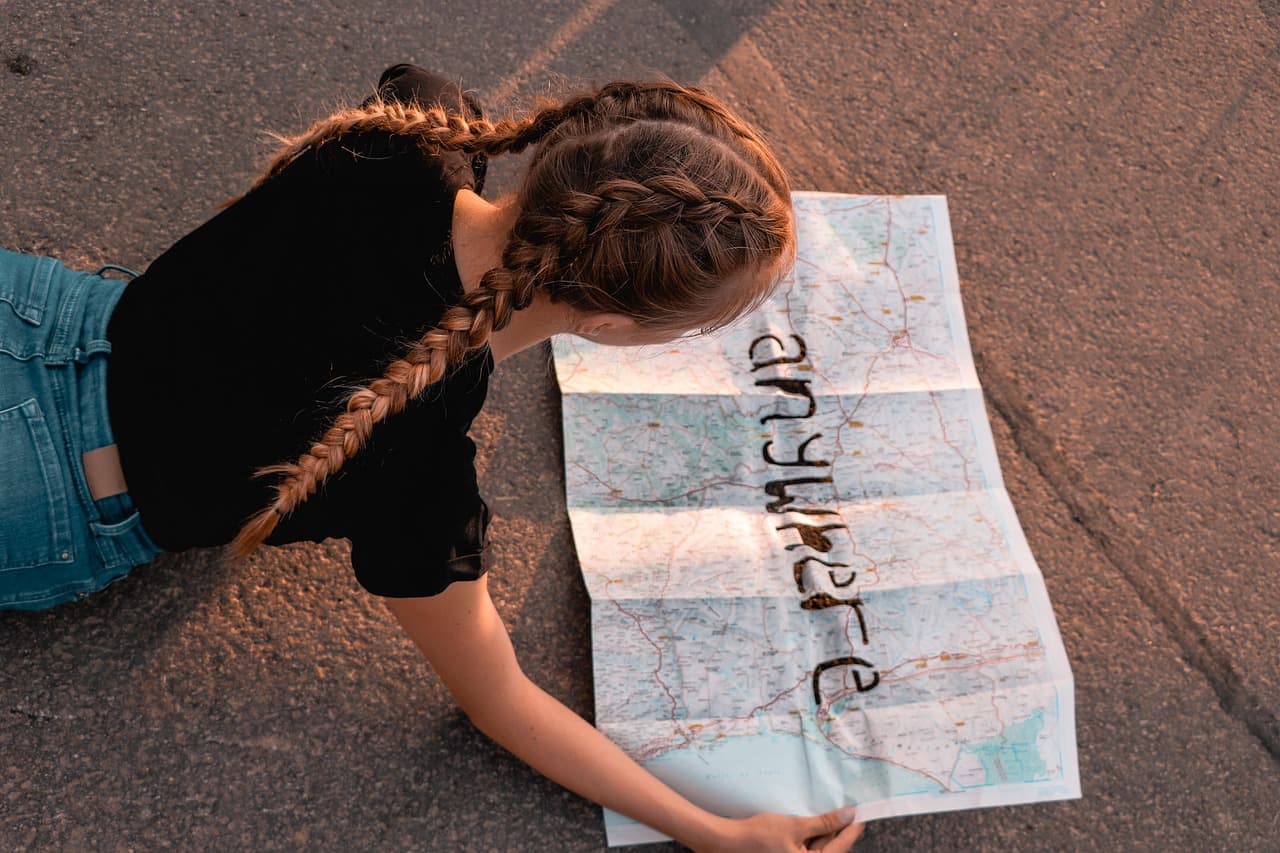
Antes de una visita, planifica con mapas para ubicar la ubicación y las rutas a través de pereulok y otros pasajes estrechos, observando cómo los lugares cercanos, como un hotel o una finca, podrían influir en las sombras. Tal planificación te ayuda a continuar una secuencia y capturar ángulos tempranos, calidez del mediodía y tono de puesta de sol tardía en diferentes paredes y obras, mientras estás atento a la presencia de transeúntes.
Gemas ocultas: Paredes y lienzos menos conocidos en la zona
Comienza tu exploración en la pared blanca detrás de la entrada central del metro en la avenida principal; esa pieza presenta a una mujer estilizada cuya silueta se transforma en las fachadas circundantes, reflejándolas en constante transformación. Visita en horas de menor actividad para capturar líneas más nítidas y evitar multitudes, luego anota la ubicación en tu mapa para un segundo pase al anochecer.
Cerca, en el distrito de petro, detrás de una puerta discreta, un segundo lienzo es parte de la colección más íntima de arte callejero de moscú; el diseño contrasta la primera obra con una paleta más fría y texturas más densas, utilizando materiales como aerosol, acrílico y yeso. El propietario y el diseñador colaboraron para organizarlo, así que ya sea que estés fotografiando o dibujando, mientras estés allí observa los sutiles cambios a medida que cambia la luz. Una pequeña etiqueta obama se puede ver cerca de la base, un guiño silencioso al tiempo y la memoria.
En un bolsillo más tranquilo encontrarás una pared detrás de una tienda blanca a lo largo de un carril peatonal estrecho; un equipo rotatorio agrega nuevas piezas que crecen hasta convertirse en una colección con el tiempo, y el resultado se siente diferente de las piezas más altas y audaces cercanas. Si visitas, conoce a alguien del círculo de artistas locales para conocer la historia de fondo y la intención del diseñador; la ubicación tiende a permanecer tranquila durante las mañanas de los días laborables.
Lugares notables para planificar una visita
Dos sitios que vale la pena trazar: la pieza de la pared central con el motivo de transformación y una pared secundaria escondida cerca del distrito de petro que cambia con cada estación; ambos son accesibles con un viaje rápido en metro y una corta caminata, y ambos te invitan a comparar materiales, desgaste y la cadencia del diseñador a través del tiempo. Lleva una cámara compacta o un cuaderno para documentar los cambios sin interrumpir la integridad de la pared.
Consejos prácticos para entusiastas
Programa tu visita para última hora de la mañana o última hora de la tarde cuando la luz enfatice la textura; pregunta al propietario o a un guía local antes de entrar por cualquier puerta; respeta las entradas privadas y permanece en las aceras públicas. Si no estás seguro de si una pared está abierta a la observación, observa desde la distancia o únete a una caminata guiada; esto asegura que puedas ver la transformación desarrollarse sin presionar a los artistas ni interrumpir la ubicación.
Respeto y seguridad: Consejos para fotógrafos e interacciones con artistas
Consentimiento, distancia y pautas de interacción
Pide consentimiento antes de fotografiar a cualquier artista en el trabajo; si dicen que no, respeta el límite y sigue adelante. Una vez que se concede el permiso, mantén la distancia, controla el ruido y concéntrate en el proceso en lugar de las reacciones de los espectadores.
Retrocede de las instalaciones; si una pieza incluye un marco de alambre o un anillo, no toques ni te apoyes; utiliza un teleobjetivo para capturar el contexto sin aglomerar al sujeto.
Identifica las restricciones legales: verifica la señalización publicada y las reglas de la propiedad; la fotografía no autorizada cerca de zonas privadas puede conducir a la eliminación o multas; en caso de duda, pregunta al personal o a un coordinador y evita distribuir imágenes que infrinjan los derechos o los términos de la licencia.
Interactuar con artistas: preséntate con una breve descripción del proyecto, pregunta qué prefieren con respecto al diálogo y si quieren ser fotografiados con sus obras; este enfoque a menudo produce una escena más relajada y mejores composiciones.
Consejos técnicos: dispara con un obturador discreto y silencioso si es posible, utiliza un teleobjetivo para minimizar las molestias y apunta a composiciones que muestren tanto la creación como su entorno; destaca las texturas, los contrastes de color y la transformación de una pieza con el tiempo.
Compartir ético: da crédito a los creadores, menciona la ubicación y evita amplificar las afirmaciones no autorizadas; el uso publicitario y promocional debe ser autorizado; en ciudades con escenas de arte público activas, incluido Londres, las reglas varían para los espacios públicos, así que programa tus sesiones para evitar eventos y multitudes.
Respeta la privacidad de las personas en los marcos; algunos artistas prefieren no revelar dface o identidad en publicaciones públicas; si capturas un retrato, difumina u obtén el consentimiento para su uso en publicidad o subastas para evitar riesgos legales.
Programación práctica: planifica para la luz de la mañana o de la tarde en verano; las ventanas más cortas pueden producir los mejores colores; evita el calor del mediodía que puede distorsionar los tonos y crear problemas de seguridad; programa tu sesión para minimizar la exposición al calor para ti y para la pieza.