La Plaza Roja es la plaza central de Moscú, rodeada por la Catedral de San Basilio, el Mausoleo de Lenin, los grandes almacenes GUM, el Museo Estatal de Historia y las murallas del Kremlin. Esta guía abarca qué ver, los mejores momentos para visitar, cómo llegar y consejos para el lugar más emblemático de Moscú.
Planifique su visita para la madrugada y dedique al menos tres horas. La Plaza Roja se convirtió en el lugar más famoso de Moscú, que combina historia y vida cotidiana. Detrás de las fachadas reconocibles de la plaza, comparará la estructura original de las cúpulas de San Basilio y las torres del Kremlin con el bullicio moderno cercano. Su herencia informa cada rincón, desde los adoquines hasta las pancartas que marcan las fiestas nacionales. Se necesitan tres horas para un ritmo relajado.
El mausoleo de Lenin se encuentra en el centro de la Plaza Roja y su cuerpo está embalsamado para exhibición pública. Este sitio leninista atrae multitudes, sin embargo, puedes programar tu visita para evitar las horas pico. Para una experiencia más contemplativa, visítalo justo después de la afluencia matutina o después del almuerzo. La exhibición cumple un propósito histórico, vinculándose a la era en que el presidente influyó en la imagen de la ciudad.
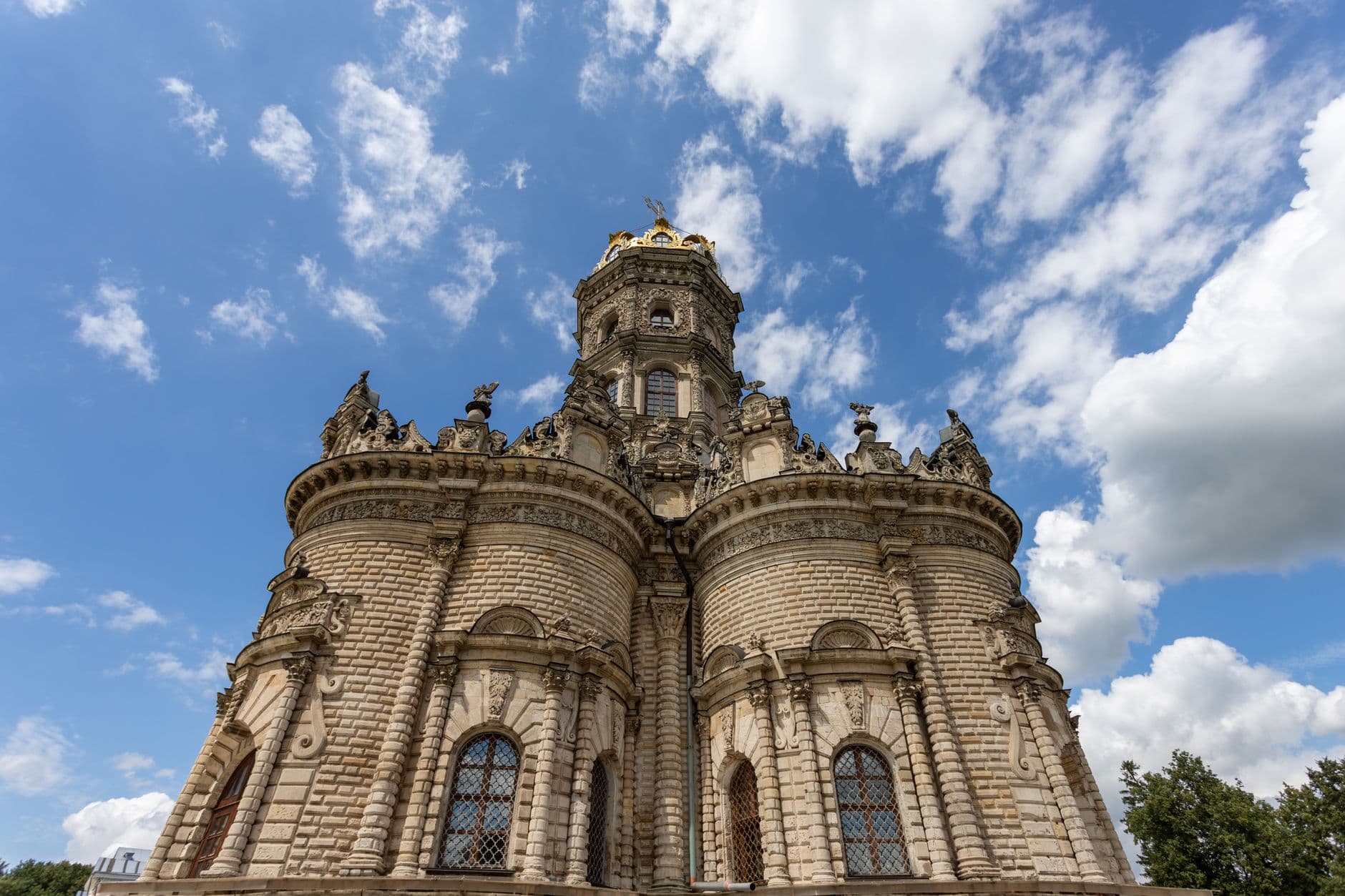
La Catedral de San Basilio y las murallas del Kremlin definen la silueta de la plaza. Los monumentos que la rodean cuentan diferentes historias: patrimonio religioso, arquitectura zarista y añadidos de la era soviética. Planifica un recorrido que incluya la estructura de ladrillo rojo cerca del Kremlin y las famosas catedrales cercanas, para que puedas comparar los estilos originales con las restauraciones posteriores. Esta área sigue siendo un centro vivo de la vida moscovita, con museos y galerías que muestran cómo evolucionó la plaza.
Verifica los horarios oficiales de cada sitio y respeta las normas de seguridad en la plaza. Para una mejor experiencia, combina un paseo por la Plaza Roja con un tour guiado de pago por el Kremlin, a menos que solo planees visitar las áreas externas exteriores. La mayoría de los museos cercanos tienen sesiones matutinas y algunos cierran a las 6 PM. Si deseas una buena foto, toma las imágenes entre las 8:00 y las 10:00, cuando la luz ilumina las piedras rojas. Actualmente, familias, estudiantes y viajeros disfrutan de los museos, galerías y mercados cercanos que funcionan de forma estacional.
A lo largo de los siglos, la Plaza Roja ha cambiado, pero su propósito sigue siendo claro: mostrar la historia de Moscú tanto a los lugareños como a los visitantes. Hoy, el espacio conserva un patrimonio vivo, donde se puede entrar tras bambalinas en los lugares adyacentes y comparar las piedras reales con fotografías pulidas. Sigue siendo un centro que conecta el pasado de la ciudad con su presente y lo invita a descubrir un ángulo diferente del patrimonio urbano de Rusia.
Guía práctica para explorar hoy la Plaza Roja
Llega antes de las 9:00 para evitar las multitudes y comienza tu exploración con un tranquilo paseo por las murallas que enmarcan la Plaza Roja esta mañana.
Planifica un recorrido que cubra los puntos visuales emblemáticos de la plaza: las coloridas cúpulas de San Basilio, las pálidas fachadas del Museo Histórico Estatal y la imponente presencia de los muros del Kremlin. Esta mezcla original de edificios ofrece contrastes que millones de visitantes buscan; puedes tomar fotografías desde varios ángulos y aún tendrás espacio para respirar.
Ya sea que llegues para un resplandor del amanecer o una luz de última hora de la tarde, usa los tableros de información en cada esquina para orientarte; verás pequeñas señales en inglés y ruso, y puedes cambiar la traducción cuando sea necesario.
Entradas y accesos: Si deseas acceder al interior o a exposiciones especiales, debes reservar tu entrada en línea con antelación; de lo contrario, puedes disfrutar del exterior de la plaza libremente. Los accesos a la zona del Kremlin suelen estar concurridos, con personal dirigiendo las filas y controles de seguridad. A lo largo del día, hay quioscos que ofrecen aperitivos y agua.
Más allá del turismo, el espacio acoge tanto a lugareños como a visitantes; los ciudadanos no son ruidosos cuando el espacio se comparte respetuosamente. Un paseo tranquilo revela carteles y exhibiciones del pasado, sin apresurarse hacia el próximo espectáculo.
Consejos prácticos de ritmo y lugares para tomar fotos: Si el tiempo empeora, busca sombra bajo las arcadas. Elige un punto de vista cerca de la esquina noreste para una vista imponente de las cúpulas y muévete unas decenas de metros por la plaza para evitar las aglomeraciones. La exhibición de fachadas históricas se puede capturar a varios metros de distancia; pequeños huecos entre personas crean encuadres ideales. También lleva agua, protector solar y una bolsa ligera; durante los días calurosos el calor puede ser terrible.
Consejos de traducción: ten una nota en tu teléfono con frases rusas sencillas; esto te ayudará a pedir direcciones cerca de la Catedral de San Basilio y la tienda GUM; a los lugareños les encanta la historia y tu curiosidad puede desbloquear más oportunidades de exhibición.
Mejores momentos para visitar en cuanto a iluminación, multitudes y consideraciones de seguridad
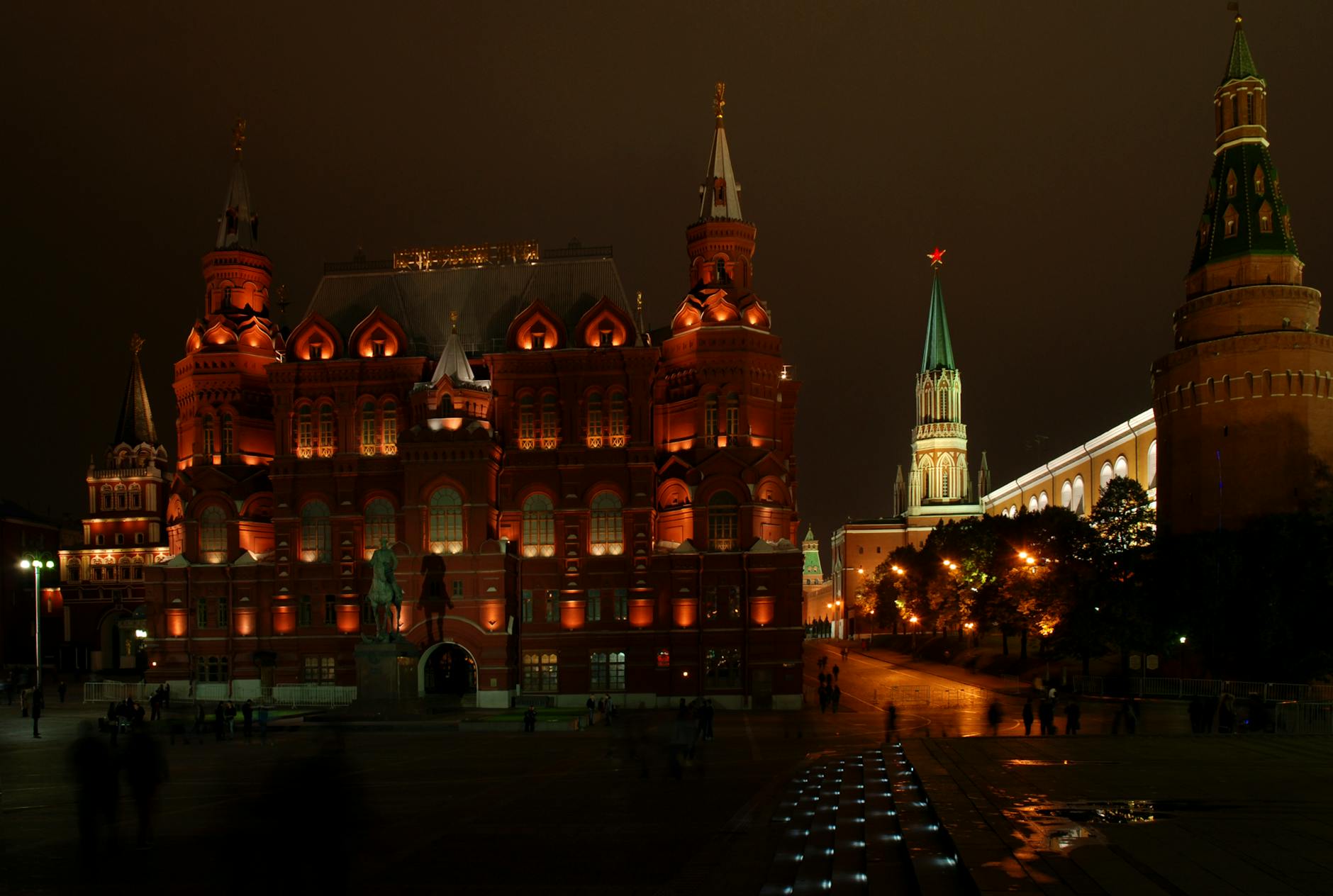
Planifica la primera ventana de luz: 05:30-07:30 en verano, 08:00-10:00 en invierno, para entrar con colas cercanas a cero y ver brillar las plazas blancas contra la arquitectura roja. El amanecer, similar al fuego, crea tonos cálidos en los edificios y resalta los detalles de diseño que definen la plaza icónica de Rusia. Consulta los horarios locales del amanecer y el clima, luego fija tu ventana para fotografía y paseos.
Para las multitudes, apunta a esas ventanas tempranas o tardías, cuando los tours sociales son menos numerosos. Los días de semana antes de las 11:00 encontrarás grupos más pequeños; los fines de semana traen desfiles u otros eventos que llenan el espacio e incluso cruzan calles con barreras. Mira más allá de los accesos principales para enmarcar tanto las plazas masivas como las esquinas interiores de los edificios circundantes; los reflejos del agua del canal cercano añaden profundidad a las tomas. Dentro de la plaza, verás la misma arquitectura desde diferentes ángulos, lo que te ayuda a contar una historia más completa.
Al margen de la historia original, planifica en torno al diseño y la seguridad. Los motivos ibéricos en algunos detalles decorativos recuerdan a los visitantes que las vibraciones del diseño europeo fluyen hacia la zona, añadiendo textura al aspecto general. En días de eventos, un coro de gospel puede actuar cerca de las puertas, lo que puede cambiar rápidamente las multitudes. Como contexto, la historia del espacio público incluye referencias a la era de Putin, que dio forma a los espacios públicos, algo que algunos guías comentan. Para acceder, entra solo por las puertas oficiales y ten en cuenta a las multitudes que cruzan por los pasos señalizados. Las viajeras deben permanecer con sus acompañantes en zonas concurridas y mantener los objetos de valor asegurados.
Consejos prácticos: lleva una bolsa ligera, evita mochilas grandes cerca de seguridad y consulta el calendario oficial para los horarios de los desfiles. Cuando llegue el evento, las rutas pueden cruzarse y restringirse, así que sigue a los guardias y las señales. Si quieres fotografiar todo el conjunto de edificios, planea la exposición larga desde el lado del Jardín de Alexander, donde las fuentes y las cascadas crean reflejos que realzan el contraste y la textura. Verás realmente más allá de lo obvio para capturar tanto la gran escala como los intrincados detalles del diseño original.
| Ventana de tiempo | Iluminación / aspecto | Nivel de multitud | Consejos de seguridad |
|---|---|---|---|
| Temprano por la mañana (verano 05:30-07:30) | Luz suave y cálida; cuadrados blancos brillan; reflejos de agua | Bajo; colas casi nulas en las puertas | Entrar por las puertas principales; controles de seguridad más ligeros |
| Tarde (verano 16:30-19:00) | Hora dorada; sombras largas en la arquitectura | Multitudes moderadas | Permanece en zonas bien iluminadas; ten cuidado con los ciclistas y vendedores. |
| Mediodía (10:00-15:00) | Luz brillante y uniforme; contrastes marcados | Multitudes; visitas guiadas | Mantenga los objetos de valor seguros; siga las indicaciones del personal |
| Días de eventos/desfiles (varía) | Iluminación dinámica; sujeto a cierres | Multitudes de altas a muy altas | Verificar calendario oficial; obedecer las barreras cruzadas |
Monumentos imperdibles en un circuito de 60 minutos: Mausoleo de Lenin, Catedral de San Basilio y GUM
- Comienza en el Mausoleo de Lenin a las 9:00 am para ajustar el tiempo, minimizar la fila y mantener un ritmo ágil en el circuito de 60 minutos. Este edificio principal y monumental da a la Plaza Roja y alberga el cuerpo de Lenin como un poderoso recordatorio de la historia y la memoria político-militar del Estado. Hay un breve control de seguridad que mantiene la fila en movimiento, y el exterior ofrece una vista impactante que muchos visitantes recuerdan mucho después de irse. La fachada presenta una clara historia de poder, lo que convierte esta parada en una verdadera primera impresión de la plaza. Distancia a la Catedral de San Basilio: aproximadamente 0,3 kilómetros.
- Qué observar: columnas imponentes, fachadas de granito, placas de bronce cerca de las entradas.
- Lleva calzado cómodo; hay una corta fila al aire libre, luego una salida rápida de vuelta a la plaza.
- La Catedral de San Basilio - Un paseo de 0.3 kilómetros por la Plaza Roja te lleva a las torres icónicas y las cúpulas coloridas de la catedral, una vista y el principal símbolo de la cultura de Moscú. El exterior es una composición monumental, casi cinematográfica, que aparece con frecuencia en películas y fotos, mientras que el interior ofrece un breve vistazo a los rituales históricos. El acceso al interior puede verse limitado por las multitudes, por lo que planea un momento de 10-15 minutos en el interior o simplemente disfrute del exterior y las vistas circundantes. Tiempo de caminata hasta GUM: unos 0.2 kilómetros; reserve unos 15 minutos para una exploración rápida y fotos.
- Los techos de tonos joya, los intrincados trabajos en azulejos y el sentido de alma que impregna el espacio.
- Aquí tienes la traducción al español:
Si estás apurado, prioriza las tomas exteriores y el ambiente de la plaza adyacente.
(Nota: Como no se proporcionó el texto original, esta es una traducción genérica basada en el ejemplo de instrucción. Para una traducción precisa, por favor proporciona el texto completo que necesitas traducir.)
- GUM - Termina el recorrido en el GUM, una galería estatal histórica convertida en un moderno centro comercial con un largo eje central y un techo de cristal que inunda el espacio de luz. El salón principal es un recordatorio imponente de la cultura y el comercio de Moscú, donde puedes tomar un café rápido, explorar marcas o simplemente observar el flujo de visitantes en pasillos similares a desfiles que cruzan el corredor. La distancia desde la Catedral de San Basilio es de aproximadamente 0,2 kilómetros, lo que hace que sea un final compacto y eficiente de la ruta. En su interior, encontrarás una mezcla de exposiciones similares a museos y espacios comerciales contemporáneos adecuados para cualquiera que esté interesado en la arquitectura y la historia del consumo.
- Consejo: apunta al salón central para unas cuantas fotos impactantes y una sensación de espacio que se sienta monumental.
- La cúpula y los arcos ofrecen fotos clásicas para publicaciones de vacaciones o clips de viajes para películas.
Hay un ritmo constante en este circuito: moverse segundo a segundo, observar los monumentos principales, y antes de que te des cuenta has completado un recorrido compacto que parece un museo vivo. Marco ofrece un recordatorio práctico: llegar temprano, mantener un ritmo cómodo y usar el transporte público para conectar entre zonas si es necesario. Esta ruta destaca capas históricas, simbolismo político-militar y eventos culturales que dan forma al alma de Moscú, convirtiendo tu visita en un verdadero acontecimiento cultural y no en una simple parada.