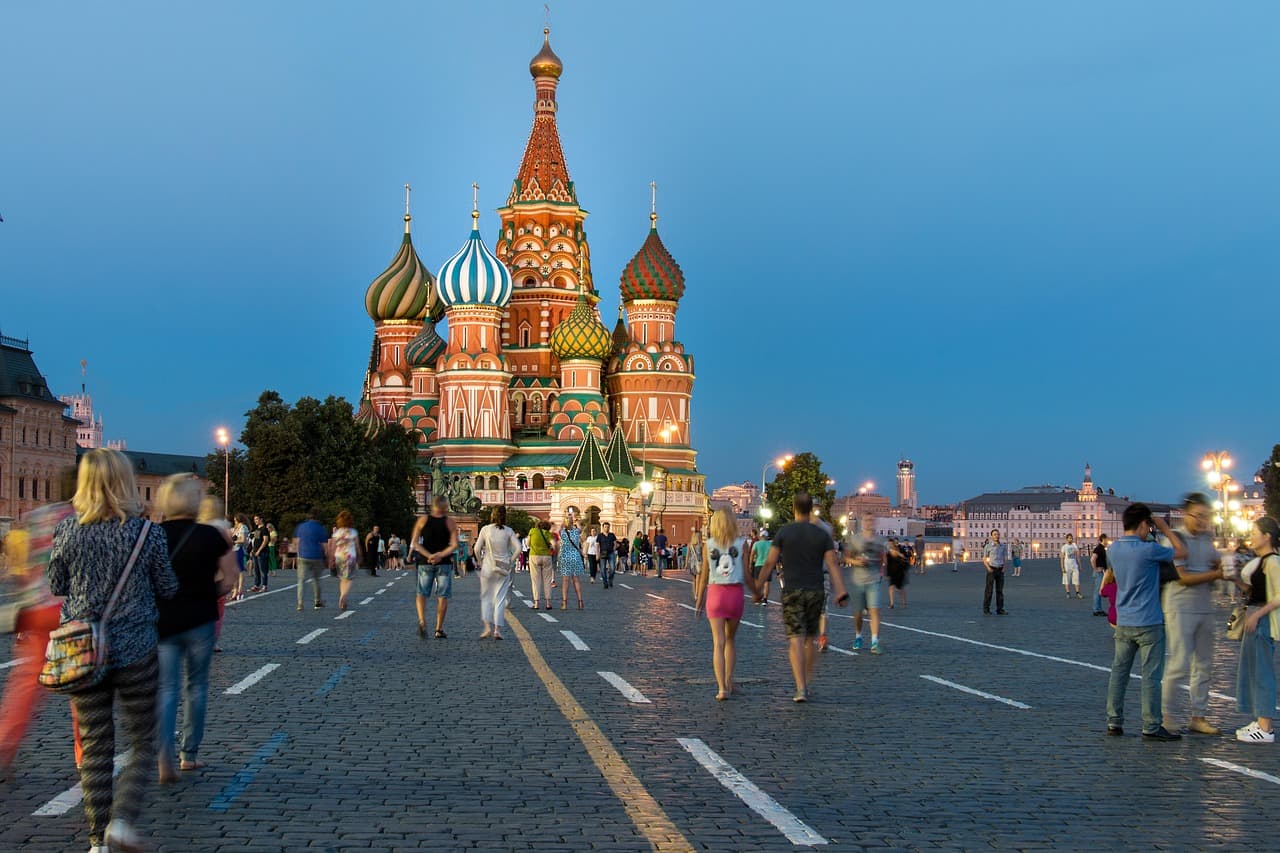
Recomendación: Opta por un operador turístico cuando visites Rusia para obtener un marco eficiente y organizado e itinerarios únicos y cohesivos, organizando los principales museos, la historia y los puntos destacados de la ciudad con menos complicaciones.
Para aquellos que prefieren hablar directamente con guías locales, la planificación independiente puede brindar más flexibilidad. Puedes hablar con los residentes, hacer preguntas en los mercados y museos, y adaptar las rutas a tus intereses. Este camino a menudo ahorra costos iniciales y te enseña el ritmo de un lugar, pero también agrega riesgo y requiere consejos cuidadosos de fuentes confiables. Una vez que ganes confianza, las opciones independientes pueden brillar.
El contexto histórico muestra que el modelo de programas guiados se basa en sistemas integrados: permisos, acceso a museos y socios examinados. El enfoque comenzó hace décadas y ha acumulado un cuerpo de casos en Moscú y otros centros, brindando una programación predecible y menos problemas para los primerizos.
Si decides organizar tu propio camino, utiliza un marco simple: define tus imprescindibles únicos, traza los tiempos de tránsito entre los sitios y compara un plan autoguiado con una opción empaquetada. Cuando te encuentres con lo inesperado, busca consejo; en algunos casos, un solucionador local puede ayudar a hacer preguntas y ellos adaptarán una ruta a tu ritmo, brindando más comodidad y menos problemas.
En resumen: para muchos, un enfoque de itinerario curado minimiza los escenarios de problemas, brinda acceso confiable a los museos y sitios históricos, y cubre toda la logística en Rusia con claridad. Si anhelas más autonomía, puedes complementar con pasos independientes, pero sopesa los beneficios frente a los posibles problemas y la necesidad de hablar y planificar con anticipación.
Fase 1: 1 de diciembre de 2024 al 30 de junio de 2026
Recomendación: debes adoptar un modelo híbrido: contratar a un guía local con licencia para los días de mucha actividad teatral y reservar varios días independientes para la exploración autoguiada. Este cambio minimiza los fallos y mantiene los presupuestos predecibles.
La fase comenzó el 1 de diciembre de 2024 y se extenderá hasta el 30 de junio de 2026. Su característica crucial es un cambio de horarios fijos a una combinación de experiencias interactivas y excursiones guiadas. El empleo en el sector turístico está cambiando; los proveedores ambiciosos están expandiendo los formatos de talleres, las demostraciones de artesanos y las rutas patrimoniales que atraen a los visitantes que buscan profundidad más que velocidad.
Para navegar por los requisitos de visa, debes comprender completamente las categorías de visa disponibles, las cartas de invitación y las necesidades de seguro; los estados pueden actualizar las reglas, así que verifica la guía más reciente antes de reservar. Usar un itinerario claro y prueba de fondos es esencial; si un documento se retrasa, eso no descarrila automáticamente los planes. Es por eso que necesitas un plan con un poco de contingencia y reservas flexibles en las principales ciudades.
Configuración práctica: asigna 2-3 días de margen por ciudad para aperturas inesperadas y asegura las reservas principales de teatro y museos con 4-6 semanas de anticipación. Las excursiones en pueblos más pequeños ofrecen un valor agregado y, a menudo, tienen componentes interactivos, como clases de cocina o presentaciones locales. Tener un horario alineado ayuda a reducir el estrés y mejorar la seguridad; la fase también comenzó una tendencia hacia más opciones autoguiadas junto con servicios profesionales. Si un lugar preferido se agota, puedes cambiar rápidamente a una alternativa comparable y mantener el impulso. Brindis por una planificación cuidadosa.
Desglose de costos: Paquetes de agencia vs. Costos de viaje independientes
Recomendación: Utiliza un modelo híbrido: asegura el tránsito y el alojamiento principales tú mismo, luego agrega varios servicios locales específicos para manejar visas, entradas a museos y soporte de idiomas. Esta configuración flexible y en vivo te da control en la ciudad de Moscú y mantiene el centro de tu presupuesto flexible. Primero, decide las bases (ciudad, rutas de tren) y solo entonces agrega extras según sea necesario para evitar gastos excesivos.
Primero, los tramos internacionales dominan por adelantado para los viajeros no rusos: los vuelos internacionales a Moscú suelen costar entre $600 y $1,200 desde América del Norte y entre $200 y $600 desde Europa Occidental; los permisos de visa o entrada agregan entre $35 y $100 según la nacionalidad. El cambio de moneda puede afectar el poder adquisitivo, pero este segmento inicial establece la escala para todo el viaje y, a menudo, determina los medios que te quedan para el gasto diario. Esta no es la única pieza; varios otros costos siguen.
Entre las opciones de alojamiento y el precio por noche, la vivienda significa una parte importante del gasto diario. Los hoteles de gama media en la ciudad de Moscú cuestan entre $70 y $120 por noche; los apartamentos privados pueden reducir el promedio diario cuando se reservan con suficiente anticipación, mientras que los hostales se mantienen en la zona de $15 a $40. Una mezcla experimental, alternando estancias por bloques de tiempo, puede aumentar la comodidad mientras se mantienen los costos bajo control. Este enfoque hace que el presupuesto sea más dinámico y te ayuda a salir de los barrios más caros si es necesario.
Los medios de transporte interno dan forma al centro de la factura. Las tarifas del metro son baratas; un pase diario puede costar menos de $10, y los trenes de alta velocidad entre la ciudad de Moscú y SPB cuestan aproximadamente entre $40 y $100 por asiento. Para los planes independientes, pagas estos directamente; para las opciones agrupadas, varios tramos pueden estar incluidos, simplificando los costos de salida y ahorrando tiempo. Una disciplina de planificación activa te ayuda a adaptarte rápidamente a los cambios en los horarios, incluso si te vas con un margen ajustado.
Las experiencias y las tarifas de entrada agregan entre $5 y $30 por sitio. Un día privado con un guía local generalmente cuesta entre $60 y $120, mientras que las opciones grupales son más baratas. Seleccionar varios elementos esenciales a través de un contacto local brinda amistad con los lugareños y te ayuda a navegar por las brechas lingüísticas, acelerando la orientación a través de las fronteras. Los medios de pago pueden ser en efectivo, tarjeta o billeteras móviles, y tener un plan para esto evita retrasos que te dejan atascado en los puntos fronterizos.
Una serie de escenarios muestran la diferencia potencial. Un itinerario de dos semanas totalmente autogestionado con alojamiento flexible podría costar alrededor de $1,600-$2,400 excluyendo vuelos internacionales, y $2,200-$3,400 con tránsito nacional y pases de museo. Un camino curado y preestablecido agrega un margen del 15-40% pero produce un gasto diario predecible, un soporte más sólido en el cambio de moneda y reduce el estrés al cruzar fronteras internacionales con medios de comunicación no rusos. El impacto en tu presupuesto depende de la volatilidad de la moneda y el momento, y puede ser adecuado para los viajeros que priorizan la certeza sobre el control total. Si dejas espacio para la flexibilidad, puedes cambiar los planes rápidamente sin perder el impulso, pero puedes encontrar decisiones más difíciles en las fronteras o cuando los vuelos se retrasan unas horas. Esta serie de opciones te brinda varias rutas para adaptarse a diferentes tolerancias al riesgo y objetivos de amistad.
Opciones de visa y entrada para tours grupales vs. Viajeros solitarios
Recomendación: Opta por un paquete de tour grupal con soporte de visa incorporado para minimizar el riesgo y acelerar los controles de entrada en sus oficinas de Moscú; esto mantiene el estado alineado con el itinerario y hace que las fases sean más fluidas para explorar.
Las opciones grupales generalmente proporcionan una invitación formal a través del organizador, más un conjunto consolidado de documentos (página del pasaporte, fotos, confirmaciones de hotel y un plan detallado). Este camino generalmente requiere un itinerario fijo y una única referencia de invitación, lo que simplifica los controles en la frontera y reduce la posibilidad de discrepancias en los datos. Si comprendes sus preferencias, debes reservar a través de un operador que garantice la invitación y gestione la presentación en tu nombre.
Los viajeros independientes presentan una solicitud de visa individual con una invitación de un hotel o una carta de soporte de visa; generalmente necesitas datos del pasaporte, un conjunto de fotos, un plan de viaje y reservas de hotel. Esta ruta ofrece una mayor flexibilidad para visitar sitios fuera de lo común, pero coloca todos los controles en ti y puede implicar tiempos de espera más largos y controles de estado más frecuentes siempre que los documentos requieran actualizaciones.
Las opciones de entrada varían según la nacionalidad y las restricciones actuales. Algunas nacionalidades califican para el procesamiento de visa electrónica en línea, lo que reduce la necesidad de papeleo físico si el motivo coincide con las categorías aceptadas. En todos los casos, espera controles en los aeropuertos y zonas fronterizas; asegúrate de que tus entradas de datos, el motivo de la visita y las fechas de viaje coincidan con los detalles enviados. Siempre lleva copias de la invitación, las reservas de hotel y una hoja de frases concisa para comunicarte con el personal, especialmente cerca de las oficinas de Moscú y los mostradores de inmigración. Las fotos en el archivo deben reflejar la misma apariencia que tu pasaporte para evitar retrasos; considera una parada rápida en un restaurante para fotografiar tu itinerario como prueba de movimiento, si es necesario.
Fases a considerar: comprende las preferencias, recopila datos, reserva opciones, confirma invitaciones y deja espacio para ajustes. Las verificaciones de datos son más fáciles cuando mantienes una única fuente de verdad; debes comunicarte claramente con sus oficinas siempre que ocurran cambios. Con una preparación temprana, reduces el riesgo de avisos tardíos y puedes seguir disfrutando de las comidas en un restaurante mientras tu horario permanece intacto. Si estás alineado con el plan, es más probable que evites cambios de última hora.
Red de seguridad y soporte local: Guías, contactos de emergencia y planes de contingencia
Piensa en esto como una red de seguridad ambiciosa: construye un mapa de soporte local compilando una lista de contactos municipales, precargando números de emergencia y llevando guías sin conexión. En la ciudad de Moscú, establece un enlace con el centro municipal y un hospital cercano para acortar los tiempos de respuesta cuando ocurran retrasos, haciendo que la ayuda sea más rápida para los visitantes que se quedan. Gracias a esta preparación, piensa con anticipación, puedes actuar con confianza en cualquier situación habitual.
Las guías de los organismos estatales y los sindicatos sociales ofrecen una hoja de ruta clara: generalmente incluyen centros hospitalarios, puestos de policía y opciones de tránsito. Los manuales emitidos deben guardarse tanto digitalmente como en copias impresas; asegúrate de que tu lista de contactos incluya contactos de la embajada, mostradores de hotel y socios turísticos locales. Todos se benefician de tener estos recursos a mano, porque reducen la confusión cuando ocurre una interrupción. Tales acuerdos con grupos de unión público-privada fortalecen la confiabilidad.
Contactos de emergencia para almacenar: 112 (general), 101 (bomberos), 102 (policía), 103 (ambulancia). Agrega el hospital más cercano, la recepción del hotel, el enlace policial local y la embajada o consulado de tu país. Mantén estos números tanto en tu teléfono como en una tarjeta sin conexión; esta redundancia es crucial cuando ocurren retrasos en la red, porque los retrasos a veces ocurren en los puntos de control o en el transporte público. En cualquier caso de interrupción, estos contactos te ayudan a sacudirte la confusión y mantenerte conectado a una red social confiable.
La verificación de identidad puede incluir controles faciales en algunos puntos de control; ten a mano una copia del pasaporte y una copia de seguridad de la identificación digital, acelerando este paso si las autoridades solicitan una prueba. Tal preparación minimiza el riesgo y mantiene el plan en marcha, incluso cuando se interrumpen las rutinas habituales.
Los planes de contingencia incluyen tres vías: quedarse con un anfitrión local, pivotar a una ciudad asociada o mudarse a un hotel de confianza. Prepara una pequeña reserva de efectivo y mapas accesibles en línea/fuera de línea; permanece dentro de áreas seguras y evita entornos sociales riesgosos. Esto sigue siendo útil cuando los horarios cambian. En caso de cierres, utiliza alertas en tiempo real y avisos respaldados por la unión que emiten orientación para residentes y visitantes.
Personalización del itinerario y ajuste del horario: Tours a medida vs. Rutas fijas
Opta por un horario a medida si buscas inmersión en la ciudad, ritmo flexible y planes de comidas; elige rutas fijas cuando el tiempo es limitado y la previsibilidad es primordial.
Planes a medida: lo que obtienes
- Inmersión en la ciudad: los bloques se alinean con los horarios de los museos, los paseos por el vecindario y las reservas de restaurantes; la conversación con los lugareños y los oradores da contexto más allá de la guía, esos momentos impulsan el aprendizaje sobre la historia.
- Flexibilidad para ajustar: si un sitio cierra repentinamente o las multitudes aumentan, los pasos se pueden alterar en minutos; la asistencia en línea ayuda a reasignar el tiempo sin perder el impulso.
- Intereses integrados: las rutas reflejan pasatiempos como la arquitectura, los mercados o las escenas gastronómicas; esto mantiene los planes relevantes para los miembros del grupo y aquellos que viajan con otros.
- Entradas pasadas honradas: si solicitaste lugares específicos, el plan puede reflejar solicitudes pasadas; las reseñas de viajeros anteriores ayudan a elegir vecindarios y rutas.
- Manejo de casos y aprendizaje: los estudios de caso muestran cómo los diferentes itinerarios responden al clima, los cierres o las llegadas tardías; el aprendizaje ocurre a medida que te adaptas a los diferentes ritmos de la ciudad.
- Conciencia de los costos: puedes controlar el presupuesto seleccionando paradas de restaurantes y experiencias en la ciudad; esas elecciones influyen en la factura general, y los patrones de migración de las multitudes pueden afectar los precios.
- Lo que sucede en la práctica: los planes se envían con tus preferencias, luego se ajustan según sea necesario manteniendo intactos los objetivos principales; no te perderás los lugares clave.
Rutas fijas: lo que permanece constante
- Constancia de la línea de tiempo: un conjunto estándar de pasos mantiene al grupo en el horario; señalar un punto de encuentro común asegura que todos permanezcan alineados.
- Confiabilidad para la gestión del tiempo: los horarios predecibles para las atracciones y las comidas se adaptan a los itinerarios ajustados y reducen la fatiga de la toma de decisiones para aquellos que desean un día sencillo.
- Selecciones curadas: la ruta utiliza lugares y guías examinados; las reseñas y la historia informan las elecciones, aunque la espontaneidad es limitada.
- Límites de contingencia: los cambios son posibles pero menos fluidos; la asistencia está disponible en línea, pero los ajustes pueden llevar más tiempo.
- Estructura amigable para grupos: esta opción a menudo funciona bien para aquellos que viajan con otros que prefieren una experiencia compartida y un ritmo común.
Lista de verificación de decisiones
- Enumera los intereses y pasatiempos de la ciudad, anotando viajes pasados y planes enviados a los planificadores; incluye esos sitios imprescindibles y tipos de restaurantes.
- Elige el ritmo: ¿quieres un ajuste flexible o un horario estricto? Aunque ambos pueden acomodar sorpresas, decide cuál se alinea con el nivel de comodidad de tu grupo.
- Revisa la asistencia en línea y las reseñas del programa para evaluar con qué frecuencia ocurren los cambios y con qué rapidez responde el soporte.
- Evalúa el tamaño y la dinámica del grupo: para aquellos que viajan con otros, confirma si el plan se adapta a diferentes niveles de ritmo o si se prefiere una secuencia fija.
- Planifica contingencias: verifica cómo se manejarán el clima, los cierres o las llegadas tardías, incluidos los horarios de salida y las opciones de respaldo.
Reservas, depósitos, cancelaciones y seguro de viaje: Pasos prácticos para los viajeros
Opta por proveedores que permitan cambios gratuitos dentro de una ventana claramente definida; este paso práctico te brinda flexibilidad cuando los planes cambian. Para aquellos que viajan en grupo, confirma si el depósito es reembolsable o se emite como un crédito para futuras reservas, y asegura una confirmación por escrito.
Documenta el lugar y la política: la reserva debe incluir una fecha límite de cancelación, las sanciones si la pierdes y si el dinero se cobra como una tarifa o se devuelve.
Seguro: selecciona un plan que ofrezca cobertura médica y de evacuación, protección de equipaje y cobertura para cambios de plan; verifica cómo la política maneja el acceso sin conexión a los documentos y las condiciones preexistentes.
Asuntos de dinero: compara los depósitos con el pago con tarjeta de crédito que brinda protección al comprador; cuando las opciones ofrecen tal protección, te da influencia si los servicios no se entregan.
Lista de verificación de pasos prácticos: contactos recopilados, direcciones de hoteles y notas de puntos de control; ten una copia sin conexión en algún lugar y otra emitida a tu correo electrónico.
Notas culturales: comprende la historia, la cultura y la dinámica del centro; cuando explores un lugar como el Bolshoi, planifica en torno a los horarios de apertura y las rutas de metro; considera boletos reembolsables u ofrece flexibilidad.
Recuerda olvidar los atajos riesgosos; todos deben estudiar los términos antes de comprometerse; los huéspedes más jóvenes pueden necesitar reembolsos más claros y un lenguaje más simple.
En un punto de control, sabe dónde mostrar los documentos y a quién contactar; los trenes o los puntos de control ralentizan las cosas, tener la documentación a mano ayuda; estarás mejor preparado para ajustarte.
Más consejos prácticos incluyen asegurar el acceso sin conexión a los itinerarios, llevar un segundo método de pago y recopilar números locales en caso de retrasos.