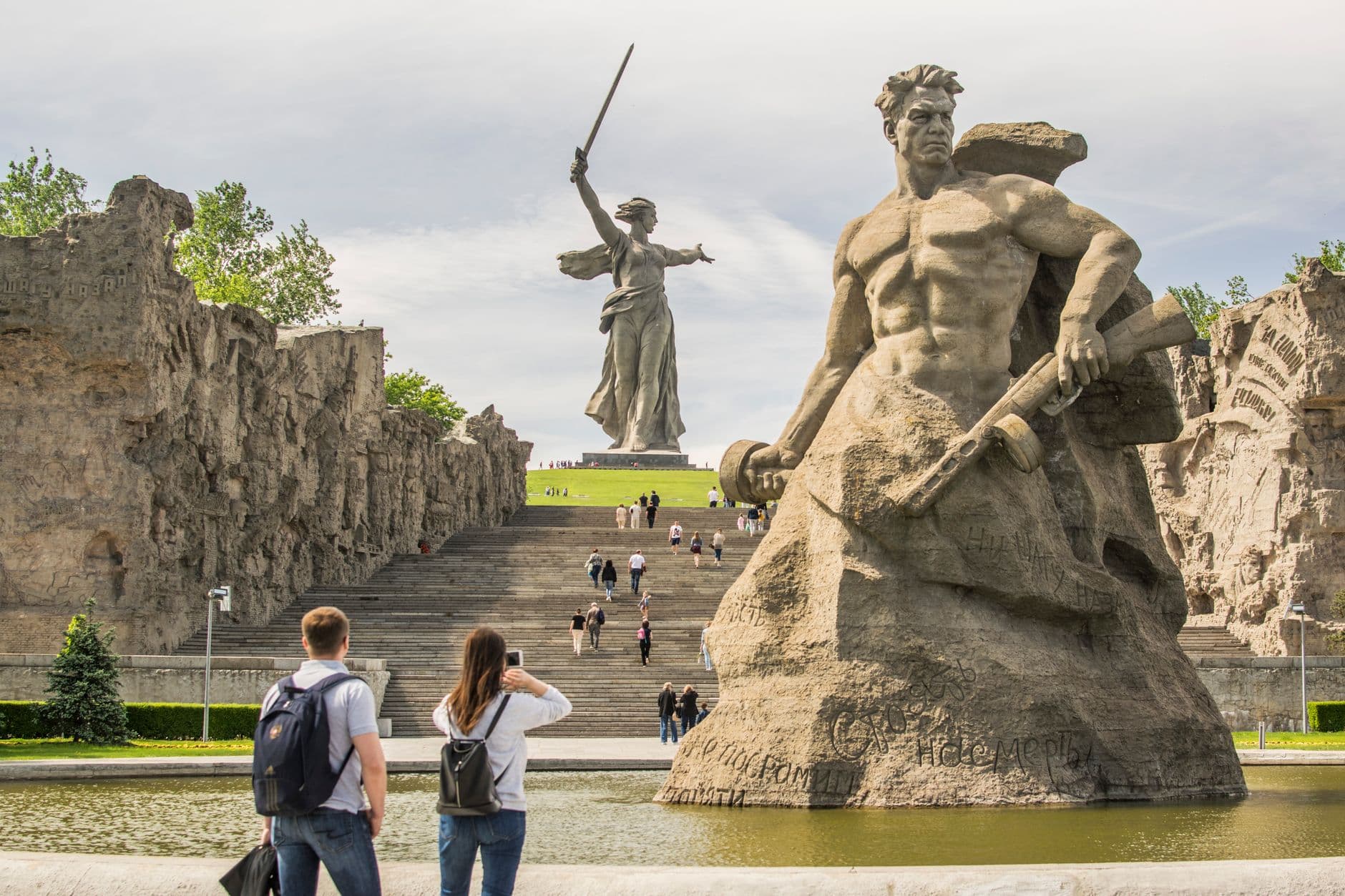

Visite al amanecer en octubre para sentir la profunda calma que se instala en los espacios de la ciudad; comience en la puerta principal para orientarse y camine por las rutas debajo de las paredes lejos de las multitudes.
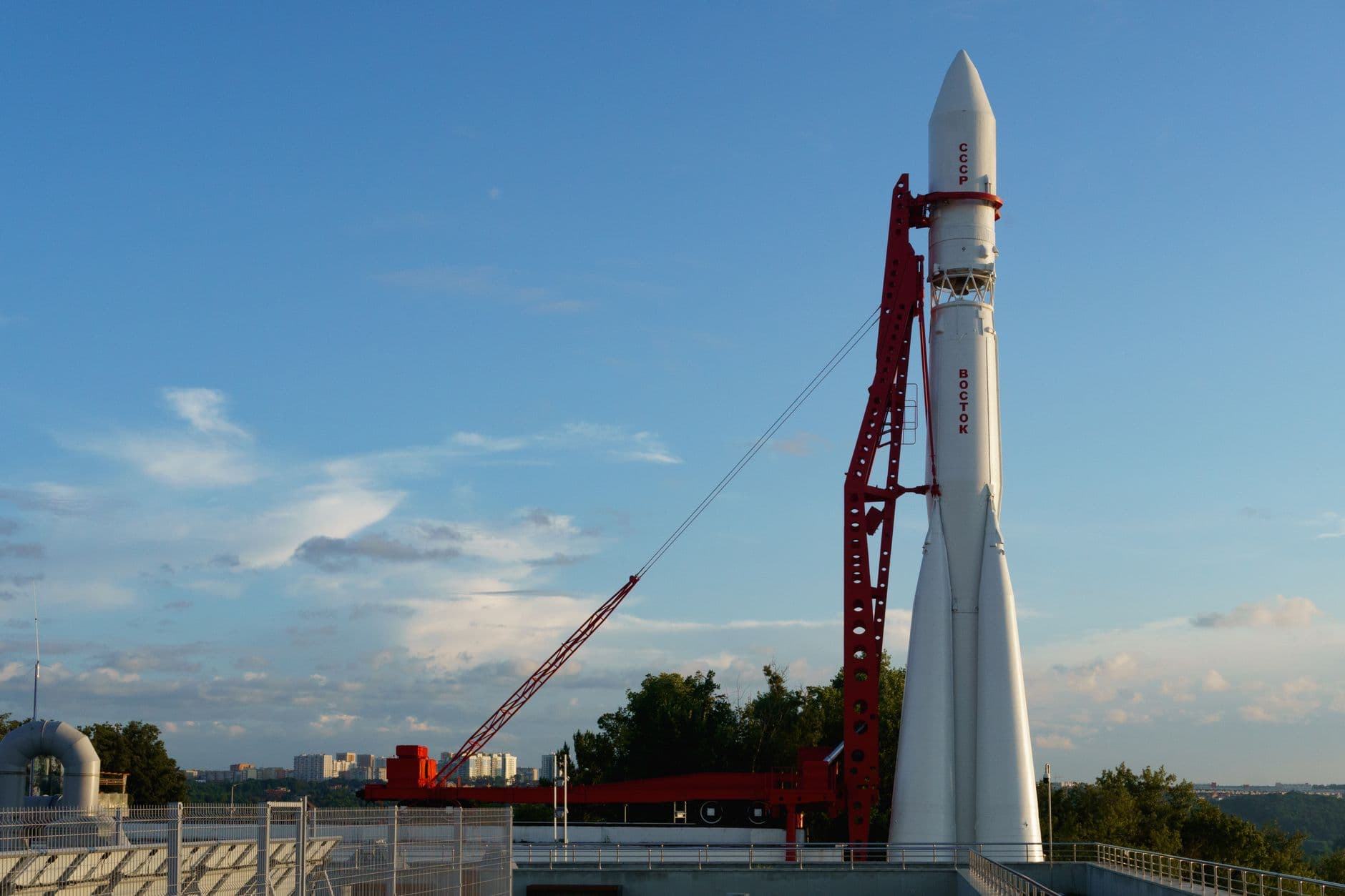
Este sitio ofrece una secuencia compacta y cuidadosamente diseñada de pabellones y avenidas plantadas donde los visitantes pueden detenerse, reflexionar en silencio y contemplar los alrededores. Un ka-26 en exhibición cerca vincula la historia de la aviación con la narrativa más amplia, mientras que el diseño dirige la atención al patrimonio militar y la memoria cívica.
Caminando por el sendero frente al río, encontrará una pendiente similar a una playa que invita a la pausa y la perspectiva. Los espacios y avenidas ofrecen puntos de vista, que ofrecen oportunidades para la fotografía o la observación silenciosa; generalmente, las rutas corren hacia plataformas elevadas que dan a los ejes centrales.
Para el sustento, hay opciones de comida y comidas ligeras en los puestos cercanos, con bebidas para calentarse después del paseo. La experiencia está diseñada para ser cómoda, con medidas de seguridad claramente publicadas y señales que lo guían a través de cada zona.
Planifique unos 90 minutos para una visita completa; traiga agua si se demora. El aire de octubre es fresco, así que vístase en consecuencia y use las rutas a pie para explorar múltiples puntos de vista donde los alrededores se sientan íntimos en lugar de abarrotados.
Información práctica y planificación para Victory Park Park Pobedy
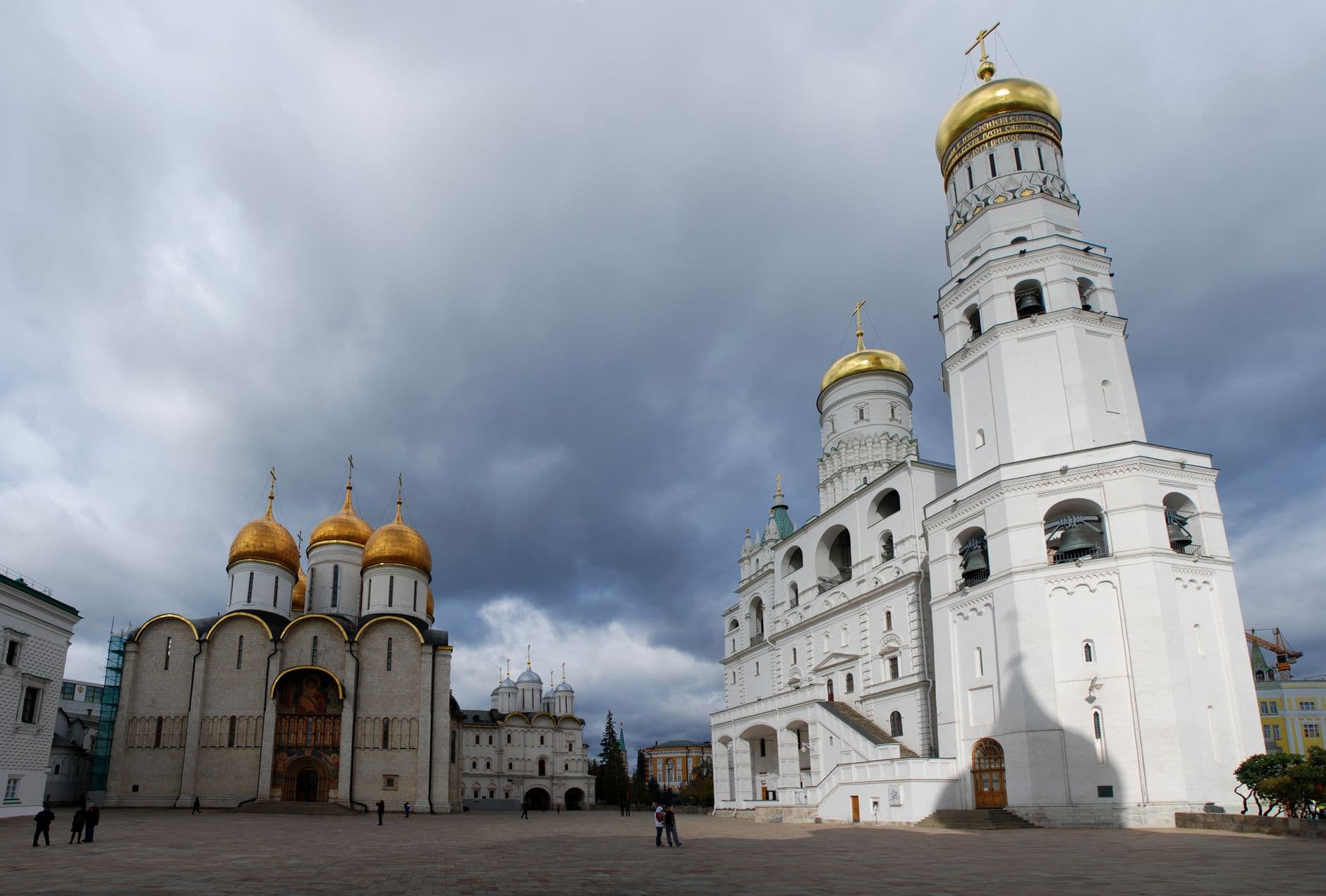
Planifique un circuito corto de 2,5 horas dentro de un espacio compacto que comience en la torre central y se mueva hacia los pabellones, para ver la historia central con un mínimo de retroceso.
- Cómo llegar: Cerca del centro de la ciudad; tome el metro hasta la estación más cercana y camine de 10 a 15 minutos, o use un tranvía si desea permanecer dentro del límite del complejo de la cima de la colina; el estacionamiento es limitado.
- Ruta recomendada: Comience en la torre, luego siga un circuito arbolado alrededor de los pabellones, terminando cerca de los cafés para un breve descanso para disfrutar de los alrededores; la ruta incluye un pequeño giro para revelar nuevos ángulos.
- Movilidad y equipo: Los caminos principales están pavimentados y sombreados; los dispositivos de movilidad y los scooters funcionan bien; los patines se pueden usar en avenidas anchas con cuidado; traiga un teléfono cargado para los clips de tiktok.
- Qué verá y aprenderá: Cada pabellón presenta una faceta de la historia general, con ejemplos de placas conmemorativas y exhibiciones interactivas; los monumentos conmemorativos recuerdan a los que murieron en la lucha; las exhibiciones varían en forma y tono.
- Eventos y horarios: Se programan conciertos y actuaciones en otoño; consulte el calendario oficial para conocer las fechas de octubre y los horarios; planifique en torno a los programas al aire libre.
- Comida y descanso: Los cafés cerca de las entradas ofrecen café y bocadillos ligeros; lleve agua y bocadillos para que sus pantorrillas no se cansen demasiado pronto.
- Consejos prácticos: Use zapatos cómodos; calcetines resistentes para apoyar las pantorrillas; traiga una chaqueta ligera para las secciones sombreadas; el hardware de señalización proporciona dirección y notas de seguridad.
- Fotografía y experiencias: El circuito ofrece paisajes variados; los clips cortos para tiktok capturan la torre desde varios ángulos; el giro en la ruta revela nuevas perspectivas con cada giro; disfrute de la tranquilidad después de las multitudes.
Las opciones de temporada varían: en octubre, el aire más fresco realza la floración otoñal a lo largo de las avenidas arboladas; las experiencias difieren de un día a otro y según la hora del día, así que considere una visita repetida o una hora de inicio diferente para ver cómo cambia la luz.
¿Cuáles son los monumentos imperdibles y qué simbolizan?
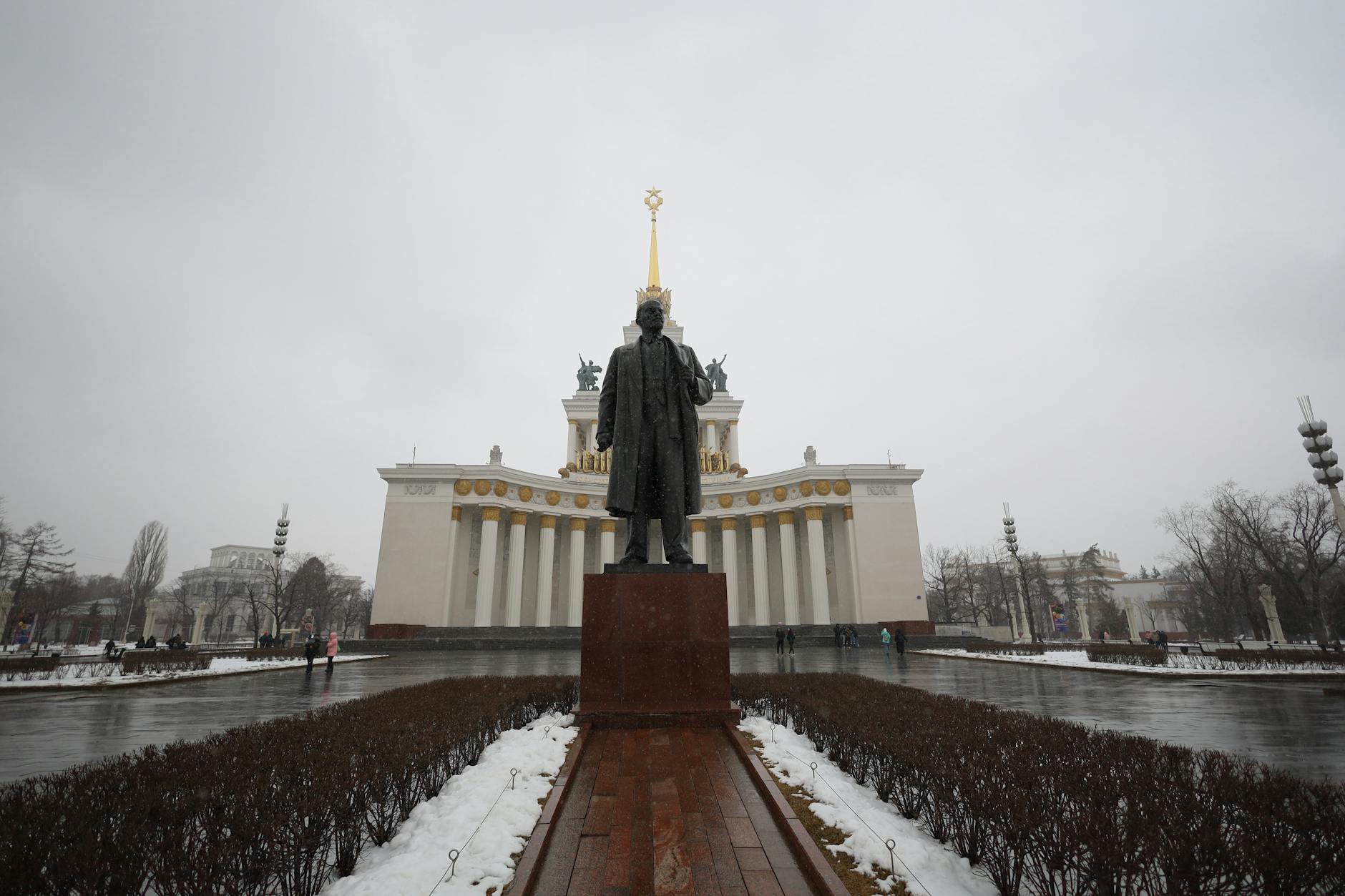
Comience en la entrada del camino primorsky y siga el eje verde hacia el área central para encontrar los íconos imperdibles en una ruta concisa y ordenada. Lo que vale la pena mirar más de cerca es el simbolismo detrás de cada pieza.
El primer monumento es un alto obelisco de granito; guarda la memoria y marca la resolución victoriosa de quienes lucharon en la batalla, una clara señal de resistencia bajo presión.
En una plataforma tipo tablón cercana, los paneles explican los roles de las repúblicas y el frente interno, convirtiendo la historia amplia en experiencias que puede leer en minutos y segundos.
Cerca de minskaya, un pabellón de exposiciones ofrece historias concisas; una tienda ofrece libros y placas que puede llevar como recuerdos para aquellos que investigan o comparten lo que aprendieron con sus colegas. Este diseño le ayuda a navegar mientras recorre el lugar.
En los espacios verdes alrededor de la ubicación, las avenidas arboladas crean espacios para la reflexión; el área tiene un poco de escombros de trabajos antiguos y una franja de grava en un borde, recordando a los visitantes el largo proceso de restauración. La belleza del entorno invita a aquellos que buscan la calma después de las multitudes, y las visitas entre semana a menudo aflojan el ritmo para que pueda quedarse más tiempo.
Para las familias y aquellos que buscan actividad, la ruta incluye paseos suaves y rincones interactivos; a algunos les gustan los rincones tranquilos, otros buscan más participación; esos gustos muestran la diversidad de experiencias que puede tener aquí.
| Monumento | Símbolo |
|---|---|
| Puerta de entrada del obelisco | representa la firmeza y el resultado victorioso de la batalla |
| Cuadro de bronce | representa un momento de combate para honrar a los participantes |
| Pared de paneles en el tablón | explica los roles de las repúblicas y el frente interno |
| Figura de becerro de bronce | asiente sutilmente a la resiliencia y la escala humana de la memoria |
| Característica similar a una llama | recuerdo perdurable |
¿Cómo marcar el ritmo de la visita utilizando intervalos rápidos de 1 minuto y moderados de 2 minutos?
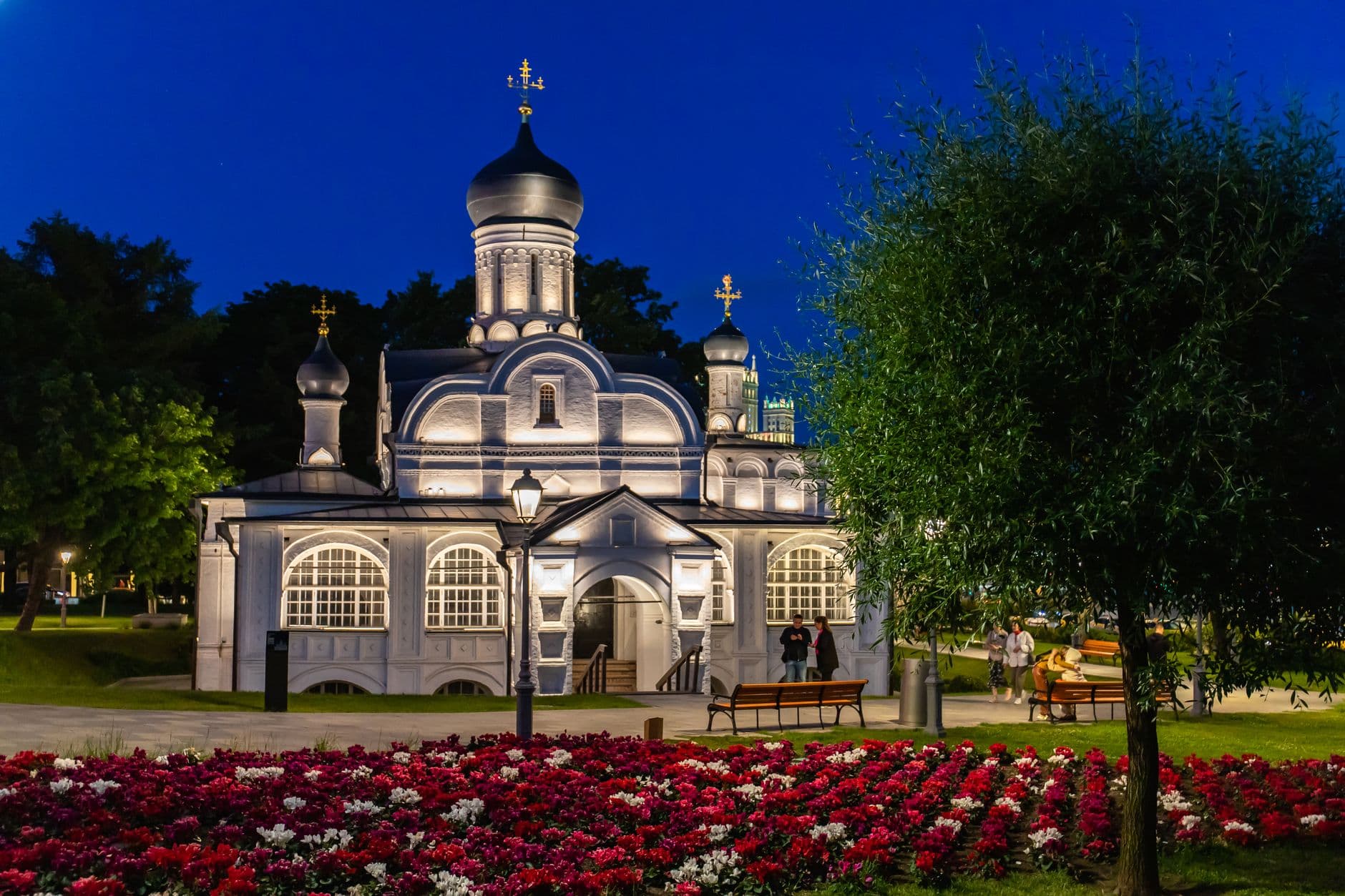
Comenzando en la plaza central, adopte un ritmo: zancadas rápidas de 1 minuto, luego tramos moderados de 2 minutos. Este ritmo mantiene la energía mientras observa las cuatro obras principales de escultores y contempla las vistas a lo largo de la ruta ribereña de Krestovsky Gore. Siga las amplias avenidas sobre las piscinas reflectantes hacia la capilla conmemorativa para un momento de memoria enfocado.
Durante los segmentos de 2 minutos, disminuya la velocidad para absorber los nombres que se muestran en los paneles y bloques de piedra, reflexione sobre los eventos pasados y sienta la sombra de los árboles maduros. Esta cadencia podría ayudarlo a seguir actuando sin fatiga y equilibrar la memoria con la observación.
Entradas y horarios: consulte los recorridos programados y los próximos eventos; la tienda ubicada cerca de la puerta principal ofrece pequeños recuerdos, mapas y consejos para realizar un estudio eficiente. Mantenga un buen ritmo y evite los desvíos que reducirían la cobertura de las características.
Detalles de la naturaleza y el diseño: haga una pausa en el área de la bandera y en los macizos de flores cercanos; la sombra crea lugares cómodos para descansar brevemente mientras estudia la naturaleza y el tipo de exhibición. La acción del movimiento le ayuda a notar menos cosas a la vez y a planificar una ruta en particular.
Ruta de la memoria: se le anima a que anote las impresiones en un diario compacto o con un compañero; el valor social del recuerdo compartido mejora la experiencia. Muévase a un ritmo constante de una exhibición a la siguiente, mantenga la cadencia y termine cerca de la capilla conmemorativa para cerrar con un recuerdo duradero.