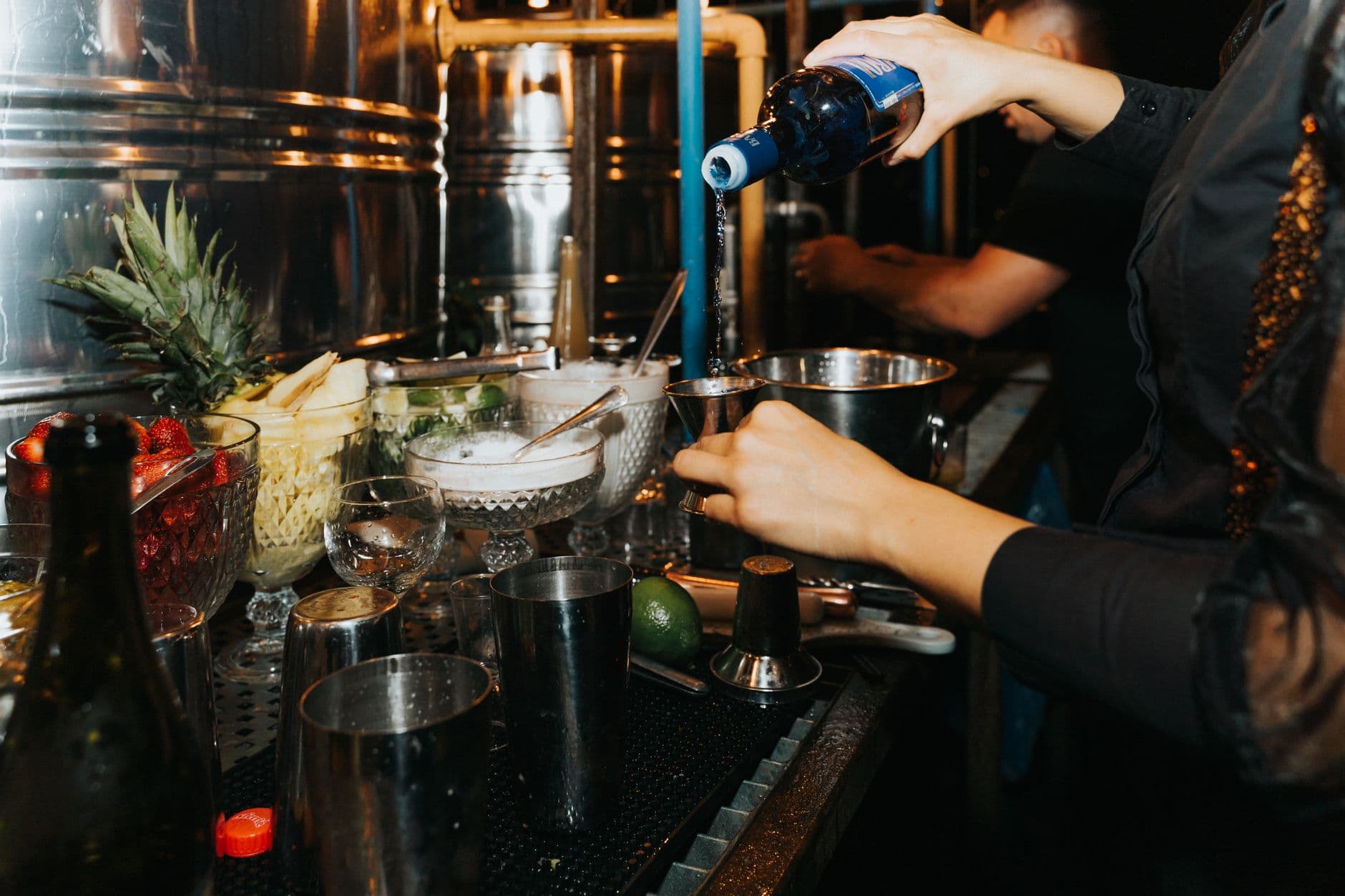
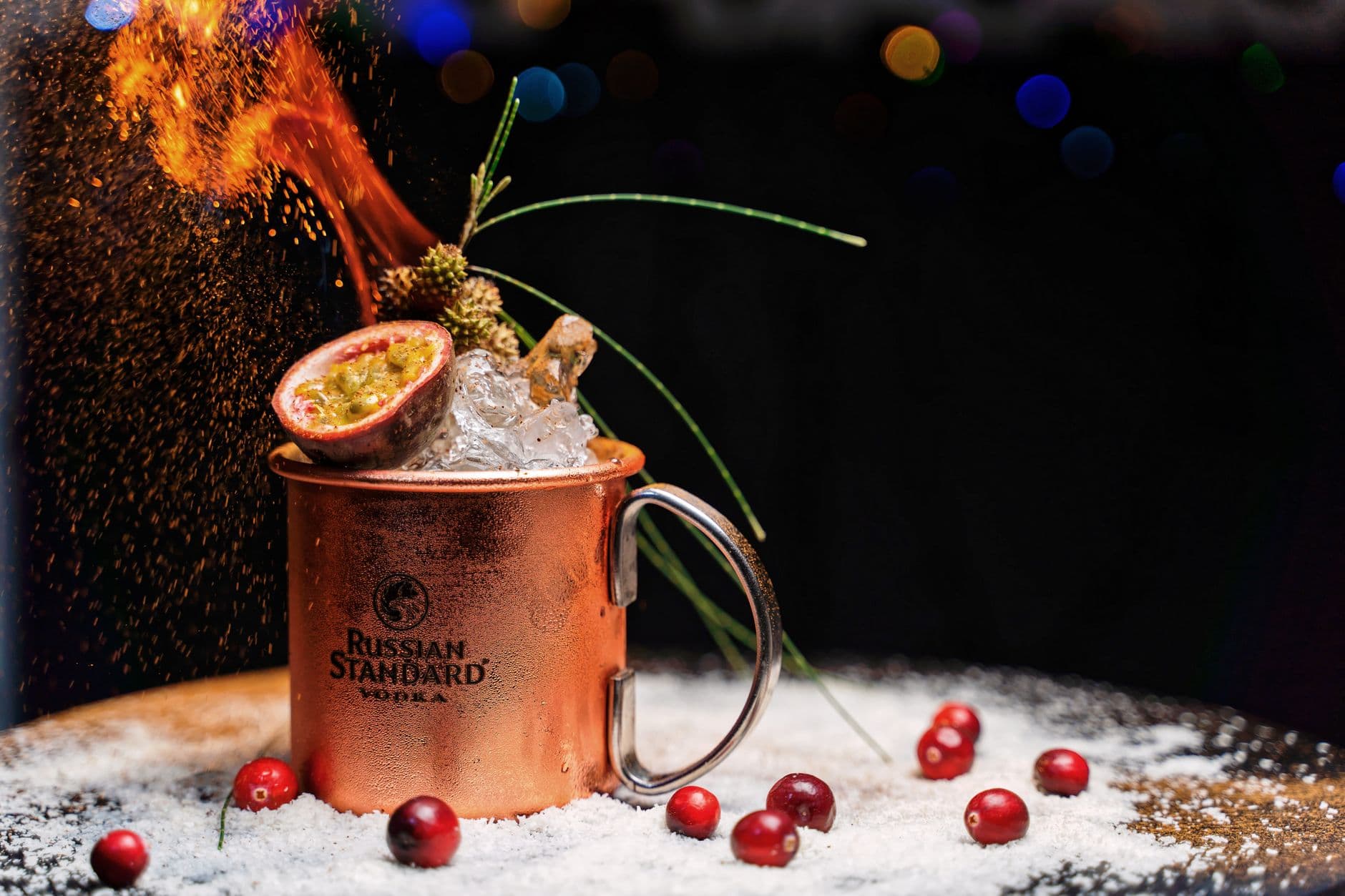
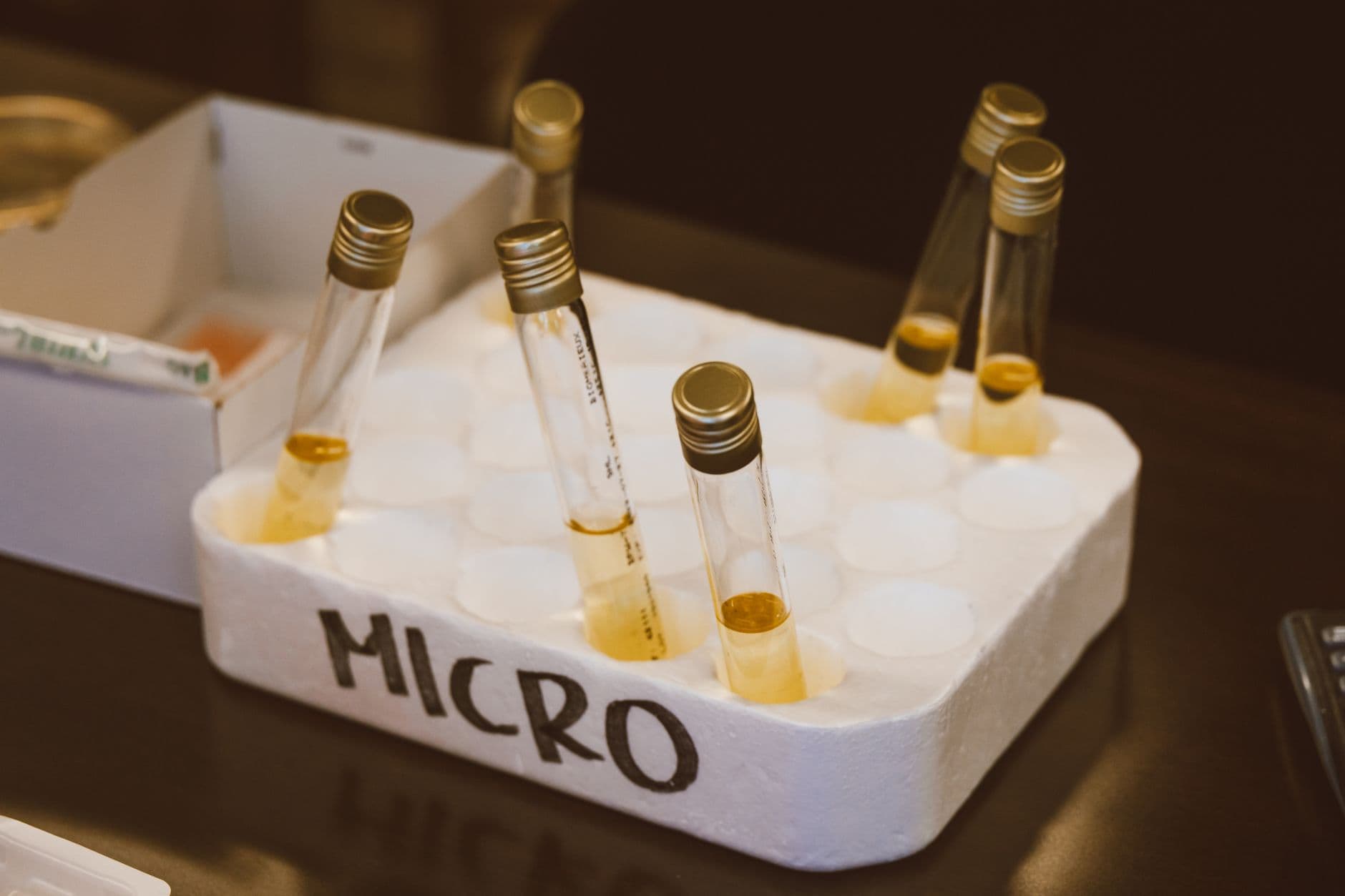
Ensimmäiseksi tee käytännön tarkastus: vertaa kahden pullon näytteitä sivusivulta - premium-merkkiä ja käsityöläisvalmistetta - ja kirjata dataa aromista, tekstuurista ja lopputuloksesta. Huomaa, kuinka vesi (kostutus) muuttaa suun tunnetta. Pullon välillä markkinointikuvat eivät kerro koko tarinaa; älä koskaan luota kauniiseen tekstiin etikettiin.
Yksi kestävä uskomus on, että tämä neutraali henki on mauton. Maistelu-paneelien tiedot osoittavat hienovaraisia sävyjä: pehmeää viljan makeutta, veden laadusta johtuvaa mineraaliterävyyttä ja puhdasta jälkimakua, kun suodatus poistaa rikin yhdisteet. Perusta on tärkeä; neljä muuttujaa määrittää luonteen: vilja- tai perunaperä, veden laatu ja mineraalitasapaino, tislausmäärä ja suodatusaine - neljä muuttujaa, arvioitu kirjallisten standardien mukaan. Täydellisten etikettien kuvat eivät usein heijasta näitä eroja.
Brandin maine ei takaa puhtautta. Itsenäisten maistajien tiedot osoittavat, että hinta ja havaittu maine korreloivat huonosti testitulosten kanssa. Monilla markkinoilla lainsäädäntö määrää 40 % alkoholipitoisuuden, mutta sallii eri suodatusmenetelmiä. Olen nähnyt: jotkut valmistajat väittävät erittäin korkeaa puhtautta, mutta sokeissa testeissä ei näy mitään mitattavaa eroa. Aromit voivat muistuttaa savua, mukaan lukien tupakansavua, sillä nämä vihjeet johtuvat liuottimista tai pelkistysyhdisteistä prosessoinnin aikana. Älä luota mainoslauseisiin; tarkasta ainesosaluettelo ja tuotantovaiheet. Väärinkäsitysten syy on usein brändäys, ei perusmateriaali, joten sokeat vertailut ovat tärkeitä.
Neljä konkreettista tarkastusta ohjaavat luotettavaa arviointia. Ensimmäinen tarkastaa ainesosat: vain sokeria sisältävät viljat tai perunat plus puhdas vesi; toinen tarkastaa tislauksen määrän ja suodatusmenetelmän; kolmas vahvistaa lainmukaisen merkinnän alkuperästä ja jalostuksesta; neljäs vertaa kontrollinäytettä sokeassa asetelmissa. Nämä tarkastukset tallentavat tietoja ja mahdollistavat vertailun eri kokeiden välillä. Tietoisuus, joka tulee kontrolloiduista prosesseista, erottaa kohinan signaalista. Käytännössä havaitaan, että hienot erot ilmenevät aromissa ja suussa tunnetussa vertailutastauksissa; näihin havaintoihin perustuvat kokeiden tiedot tukevat näitä havaintoja. Tämä tieto on hyvä työkalu, kun markkinoilla on vaihtelua, jossa merkinnät eroavat.
Yleisiä vodkan myyttejä paljastettu: käytännöllisiä faktoja, joita voit hyödyntää
Suosittelen säilyttääkseen alkoholijuomia noin 15 °C lämpötilassa viileässä, vakaassa tilassa; pakastin ei ole ihanteellinen päivittäiseen käyttöön, koska lämpötilan vaihtelut voivat heikentää hajuttoman aromin ja maun sekä vaikuttaa turvallisuuteen. Vakaa ympäristö varmistaa konsistenssin pullojen välillä.
Sekä sekoitettu että ravistettu todellisuus - stereotypian mukaan sekoitetut juomat säilyttävät maun; todellisuudessa molemmat menetelmät toimivat, riippuen sekoituksen tarkoituksesta. Tislausalan ammattilaiset korostavat, että ero on laimennuksessa ja tekstuurissa, ei turvallisuudessa; ei näytä olevan haittaa, jos jäätä ja tekniikkaa käytetään oikein. Niille, jotka huolehtivat maun muuttumisesta, vaikutus on vähäinen, jos menetelmä on asianmukainen.
Pakastinvarastointi - Pakastimen lämpötilat pitävät juomat hyvin kylminä, mutta turvallisuuden kannalta ei ole hyötyä ja aromi taipuu tylsistymään. Maisteluaboratorioissa olemme oppineet, että lyhyt jäähdytys jääkaapissa tai lasin huuhdonta antavat paremman hajuttoman makuklareerauksen tarjoiluaikana. Brändeille, kuten delcheva, puhtaan profiilin säilyttäminen hyötyy pitkittyneen pakastamisen välttämisestä.
Hajuoton harhakuva - vaikka monet kuvailevat pohjaa hajuttomaksi, siinä on kuin hienovaraisia makuunoteja, jotka vaihtelevat viljetyypin, pohjan, tislauksen ja suodatuksen mukaan. Asiantuntijat selventävät, että hajuton ei tarkoita makutonta; on olemassa kevyt maku viljan tai maissin ympärillä, jopa neutraalissa tyyleissä. Tämä tietoisuus on tärkeää, kun haluaa arvioida laatua ilman hajua yksinomaan luottaen.
Kulttuuri ja valinta - isoäidin tarinoita ja brändilauluja sivuuttaen, todellinen mittapuu on laadun yhtenäisyys, lämpötilan hallinta ja puhdas tislaus. Oikeilla käytännöillä haitalliset epäpuhtaudet minimoidaan ja profiili pysyy turvallisena ja sileänä. Vaikka profiili saattaa olla lievä, on hyvä vertailla useita brändejä, mukaan lukien delcheva, referenssimakua varten.
Käytännön neuvoja - optimoidaaksesi kokemuksen, pidä pullot poissa lämmöstä ja valosta sekä välttää usein lämpötilan vaihteluita; tarjoile puhtaana noin 6-12°C lämpötilassa tai käytä kylmää cocktaileihin 4-6°C lämpötilassa. Ei varmasti ole tarvetta eksotiikoille rituaaleille; käytä puhdasta lasia ja varmista, että huoneessa ei ole jääviä hajuja, sillä tämä voi vaikuttaa havaintoihin. Jos maisteluistunto on suunniteltu, aloita pienellä määrällä ja arvioi etenemistä oikeissa lämpötiloissa; tämä auttaa paljastamaan luotettavan laadun ja turvalliset ominaisuudet.
Vodka on mauton vai sillä on havaittavissa olevia makuominaisuuksia?
Makuinen; pullon ympärillä on havaittavissa olevia nuansseja. Todellisuudessa makuton viina on yksinkertaistus. Neljä tekijää muovaa profiilin: raaka-aine (ruis, vehnä, maissi tai peruna), fermentaation sivutuotteet, tislausleikkaukset ja suodatus. Erot merkeillä johtuvat näistä elementeistä yksin ja siitä, miten nestettä varastoidaan ennen julkaisua. Makuttoman myytin vastapainona todellisuus osoittaa, että nuanssit ilmestyvät jokaisen pullon ympärille, ei eristyksissä.
Vinkkaussa tavataan usein viljan makeutta, pippurin mausteisuutta, sitruunan terävyyttä, vaniljan tuoksuja ja kivennäisveden mineraalipitoisuutta. Brändeittäin maku vaihtelee terävistä, neutraaleista linjoista täyteläisempiin, leipämaisiin tai kermaisempiin lopputuloksiin. Nykyään monet viinat on suunniteltu sileiksi, mutta ne eivät ole täysin ilman omaleimaisuutta. Valtion sääntely takaa turvallisuuden ja puhtaan tuotteen, mutta makuun vaikuttavat prosessin valinnat ja tekniikka - ei onnea. Suodatus voi hillitä karkeampia sävyjä ja siirtää painopistettä ystävällisempiin profiileihin. Vertailemme neljää tyypillistä makuprofiilia: viljajohdettuja linjoja, maissimakeita tuotteita, perunapitoisia tekstuureja ja sekoitettuja tyylejä, jotka yhdistävät raaka-aineita. Sekoitus selittää, miksi kahdella pullolla voi olla erilainen maku, vaikka ne ovat samalta brändiltä.
Arvioidaksesi viskinoteja luotettavasti, lukijat tulisi lukea etiketin tiedot mashiin, tislausmenetelmästä ja suodatusvaiheista. Nämä yksityiskohdat vaikuttavat aromiin ja suuhun jäävään tunteeseen. Maistellessasi kaupassa, anna näytteet lämmetä hieman kädessä, tunnista aromi ennen maistamista ja harkitse jälkimaku. Huomaat erot neljässä näytteessä rinnakkain: rukiipainotteiset sekoitukset voivat tuoda piparjuuren ja kuivat hedelmät; vehnupohjaiset pullotukset taipuvat kohti kevyttä leipäkuorta ja kermaa; maissipohjaiset lajikkeet korostavat makeutta ja puhdasta suuhun jäävää tunnetta; perunapohjaiset versiot voivat tuntua kermaisilta ja niissä on hienovaraisia maamaisia sävyjä. Vaikka erot ovatkin hienovaraisia, ne ovat tärkeitä cocktailin tasapainolle tai sippailutyylille. Tämä pätee yleensä kaikille brändeille, ja todennäköisesti huomaat vaihtelua myös mashiin ja suodatuksen perusteella.
Praktinen neuvo: etsi brändejä, jotka julkaisevat mash bill -tietoja, käyttävät jalostettuja tislausmenetelmiä ja soveltavat kohdennettua suodatusta. Jos lukija haluaa enemmän ilmaisuvoimaa, babushka-inspiroituja tai käsityöläistaloja tarjoavat usein voimakkaampia makuominaisuuksia kuin massamarkkinapullot. Säilytä viileässä, pimeässä ja kuivassa paikassa, poissa auringonvalosta, ja käsittele pullot huolellisesti maisteluhetkellä säilyttääksesi aromin. Liquorcom-foorumeilla ja lukemalla löydät ohjeita säilytykseen, käsittelyyn ja tarjoiluun; nämä tekijät vaikuttavat aromiin ja makuun juoman elinkaaren aikana. Jos haluat luotettavan kumppanin kokteilien valmistukseen, merkki, jolla on kontrolloitu suodatus, tarjoaa yleensä tasapainoisemman ja miellyttävän kokemuksen, joka tuottaa miellyttäviä makuominaisuuksia eikä mauttoman profiilin.
Venäjäläiset juovatko todella vodkaa litroina?
Todellisuustarkastus: litran kokoisia istuntoja ei ole normi. Jollekin tilatessa pullon tavallinen koko on 0,5 tai 0,7 litraa, mikä pitää henkilökohtaiset annokset kohtuullisina; 1 litra esiintyy lähinnä massatilauksissa tai suuremmissa kokoumissa. Alkoholinkäyttöikä on 18 vuotta, ja myymälät noudattavat tiukkoja tarkastus- ja vastuullisen palvelun normeja. Siksi jatkuvan, galloninkokoisia annoksia kuvaava kuva ei ole edustava tavallista käyttäytymistä. Yhden pullon tilaus ryhmän toimesta johtaa yleensä 1-2 pullon määrään illan aikana.
Venäjällä juominen on kulttuurinen käytäntö, joka liittyy aterioihin ja tervehdyksiin; tavalliset annokset ovat noin 25-40 ml lasillista, usein seuraavana vedellä. Havainnoijien mukaan tiedot osoittavat, että juopumisjaksojen määrä on vähentynyt 2000-luvun jälkeen, vaikka alueellisia eroja onkin. Kun joku tilaa pullon juhlille, kokonaismäärä useiden tuntien aikana on tavallisesti 1-2 pulloa, ei yhtä litraa. Tämä ei ole ainoa tapa koko maassa.
Valitse tuotemerkkejä ja laatua harkitsemalla lupaavien valmistajien tuotteita; tarkista tuotteen alkuperä, alkoholiprosentti (ABV) ja tislausmenetelmä. Etsi erityisesti tuotemerkkiä, jolla on puhdas suodatus ja selkeä tuotantotarina; joissakin myymälöissä on saatavana teodora-sarjaa sekä kansainvälisiä nimiä. Sileämpää kokemusta varten jotkut valmistajat tarjoavat hajuttomia vaihtoehtoja, jotka on markkinoitu helppoksi nauttimiseksi, mutta maku pysyy silti erottuvana. Niille, jotka ovat kiinnostuneita prosessista, muista, että perusalkoholijuoma valmistetaan jyvistä tai perunoista ja sekoitetaan veden kanssa halutun vahvuuden saavuttamiseksi; puhtaudesta kertoo puolueeton testaus ja läpinäkyvä merkintä. Vertaile vaihtoehtoja hinnalla, arvosteluilla ja tuotemerkin perinteellä, jotta voit tehdä viisaan valinnan, joka auttaa heitä tuntemaan itsensä varmoiksi ostoksistaan.
Totuus vs. stereotyyppi: pitkään vallinnut käsitys siitä, että venäläiset juovat litroina, on yksinkertaistus, joka esiintyy joissakin kuvissa. Todellisuus riippuu alueesta, iästä ja tilanteesta. Tapahtuma sisältää yleensä maltillista rytmiä, tervehdyksiä ja vettä kierrosten välillä, ja siinä on monipuolisia mieltymyksiä, mukaan lukien olutta tai viiniä monissa perheissä. Jos halutaan näyttävä tapahtuma, suunnittele tilaisuus vastuullisella tervehdyksien järjestelyllä ja varmista, että on saatavilla alkoholiton vaihtoehto. Vaikka raskas juominen on edelleen huolenaihe joissakin alueilla, nykyiset käytännöt suurkaupunkien ja maaseudun ympäristössä vaihtelevat; hanhi ei ole kulttuurin herra, eikä loputon kaataminen ole tarkkaa useimmissa arkipäivän tilanteissa. Tämä lähestymistapa kunnioittaa lainsäädäntöä ja kulttuurista kontekstia, ja auttaa kaikkia nauttimaan tasapainoisesta kokemuksen luomisesta brändeillä, jotka varmasti heijastavat totuutta eikä sensaatiomaisia kuvia.
Onko vodka vahvin yleinen väkevä juoma alkoholipitoisuuden mukaan?
Ei kovinkaan suurena marginaalina. Päivittäisessä vähittäiskaupassa tämä selkeä, neutraali tislattu tuote on tyypillisesti noin 40 tilavuusprosenttia alkoholia; korkeampia vahvuuksia on olemassa, mutta ne eivät ole tavallisia arkipäivän pulloissa.
Missä alkoholipitoisuus vaihtelee luokittain, vahvuus ja maku eroavat. Vahvempiin vaihtoehtoihin etsiville laivastovahvuuden gin on noin 57% alkoholia, kun taas yli-standardi-voimakkuuden rommit ja absinttityyliset pullot vaihtelevat noin 50-75% alkoholipitoisuudessa. Näiden pääluokkien välissä muutamat pullot korostavat voimakkuutta, mutta standardi 40% alkoholipitoisuus toimii ankkurina ennen kuin vettä lisätään cocktailiin.
Tiettyjen ruokavalioiden tai gluteenihäiriöiden seuraajille useimmat tislatut tuotteet ovat gluteenittomia tislauksen ansiosta, ellei makua lisäaineissa ole gluteenia. Älä oleteta, että korkea alkoholipitoisuus tarkoittaa parempaa makua. Tarkasta aina etiketit, ellei tuote mainitse eksplisiittisesti gluteenittomuutta. Gluteeniherkät tulisi lähestyä maku- tai infuusio-variantteja varovaisesti. Olemme havainneet, että joillakin tuotemerkeillä on omaleimainen, makuinen profiili samalla kun ne pitävät alkoholipitoisuuden tarkoituksenmukaisena.
Lyhyt otos:
- Perusarvo: 40% alkoholipitoisuus on normi; useimmat pullot ovat täällä.
- Korkeammalla alueella: gin 57 % alk./til. vol.; yli-standardirommit ja absinttiperheeseen kuuluvat tuotteet 50-75 % alk./til. vol.
- delcheva ja teodora ovat julkaiseet korkeaa alkoholipitoisuutta sisältäviä erikoisversioita, osoittaen, että voimakkuus ja tasapaino voivat mennä käsi kädessä.
- Tunnisteet, kampanjat ja lähettiläät: lue pullon etiketti; kampanjoiden saattaa korostaa vahvuutta, mutta todellinen voima on pullossa.
- Maku vs. vahvuus: erottuvilla, makuisilla tuoksuilla varustetut olutvoimakkuudet voivat menestyä myös alhaisemmalla alkoholipitoisuudella, kun taas korkeampi pitoisuus muuttaa suuhun jäävää tunnetta; tuoksujen muisti on tärkeää maisteluissa.
- Maukkaat vaihtoehdot ovat olemassa myös tässä luokassa; ilman aromia tai tekstuuria kokemus on rajallinen.
Hinta heijastaako laatua vodkassa?
Vastaus on suora: hinta ei takaa korkeaa laatua; kirjallinen laadun määritelmä perustuu pohjamateriaaliin, tislauksen puhtauteen ja puhtaaseen lopputulokseen, ei etikettien arvostukseen.
Jyvätuotteinen pohja tarjoaa yleensä tiukemman maun hallinnan, ja hajuton profiili tekee yhdistämisen cocktailien kanssa helpommaksi. Kokeillessasi uutta pulloa, arvioi alkuperäinen tuoksu ja jälkimaku; jos on karkea polttava tunne, harkitse uudelleen. Etiketin kuvat voivat olla harhaanjohtavia, ja jopa markkinointikuvausten kuvat eivät välttämättä heijasta mauta.
Hinnat heijastavat usein pakkauksen, markkinoinnin ja jakelun lisäksi myös puhtautta. 15-25 USD:n pullon voi tarjota yllättävän selkeyttä; 30-50 USD:n hintaluokassa laatu yleensä paranee; 60-100+ USD:n hintaluokassa tekstuuri voi olla tasaisempi, vaikka korkeampi hinta ei tarkoita aina parempaa makua tai pidempää jälkimakua. Ne pitävät arvonsa käsityön takia, mutta hinta-laatu-suhteen ei ole kiinteä ja se vaihtelee valmistajan mukaan.
Seuraamalla käytännön testiä, tarkista vilja-aineen lähde, puhdas vesi ja kestävä suodatus. Sokeissa vertailuissa keskiluokan pullot voivat kilpailla kalliiden vaihtoehtojen kanssa; useiden samanaikaisen maistamisen avulla maku voi tunnistaa, mikä on tärkeää. Tee maisteluun käsin kirjoitettu muistiinpano; tallenna hajuton, sileä ja tasapainoinen maku auttaa parempien päätösten tekemistä juomiseen ja martini-reseptien valmistukseen.
Löydä, sitten päättäkää arvon perusteella, jotka ylittävät hinnan: tuote, jolla on korkea puhtaus, tiivis makuprofiili ja yhtenäinen loppu. Rakkaus hyvin tehtyyn pulloon kasvaa, kun aromi pysyy hiljaisena ja tekstuuri säilyy; kaunis brändäys voi kiinnittää huomion, ja kuvat etiketissä voivat olla vakuuttavia, mutta juomiskokemus on lopullinen testi. Tässä yhteydessä laadun määritelmä on puhdas, raikas suuhun jäävä tunne, joka sopii hyvin sekoittimeen tai kestää yksin suorana annoksena.
Vodkan väitetään joskus tuovan terveyshyötyjä tai parantavan sairauksia, mutta tällaisia väitteitä ei ole tieteellisesti vahvistettu. Alkoholi voi aiheuttaa vakavia terveysongelmia, kuten maksasairauksia, sydän- ja verisuonitauteja sekä riippuvuutta. Jos sinulla on terveysongelmia, ota yhteyttä lääkäriisi ennen alkoholin käyttöä.
Suositus: ei ole näyttöä siitä, että etanolilla olisi terveyshyötyjä tai parantavia vaikutuksia millään määrällä; tutkimustieto ei tue tällaista tulosta, ja vain varovainen tulkinta on perusteltua.
Tutkimusaineistosta kontrolloiduista kokeista ei ole löydetty merkittäviä hyötyjä; havaintoaineistot osoittavat usein pieniä yhteyksiä, yleensä kolmesta viiteen prosenttiin, mutta nämä signaalit eivät osoita syy-seuraussuhdetta ja ne vaikuttavat suuresti elämäntapaan ja samanaikaisiin terveystekijöihin.
Lämmön tai mielialan vaikutukset ovat väliaikaisia ja eivät siirry sairauksien ehkäisyyn tai hoitoon. Päivittäinen kulutus ei ole suositeltavaa terveysstrategiana; sen sijaan kokonaisvaltaiset ruokavaliokäsitykset, säännöllinen liikunta, riittävä uni ja rokotukset tarjoavat selkeämpiä, todistettuja etuja. Terveyden lähettiläät korostavat maltillisuutta ja kontekstia, ei yleisiä hyötyjä.
Pietarissa markkinoilla ja monissa mediassa liikkuu kuvia ja kirjallista tyyliä käyttäviä lausuntoja, jotka vaikuttavat vakuuttavilta; kuitenkin suurin osa tästä keskustelusta perustuu makutonta sensaatiomaisuutta hyödyntävään retoriikkaan eikä kiinteään tietoon. Todelliseen hyvinvointiin vaikuttavaa on todistettu tutkimuksissa, ei kiiltävissä signaaleissa tai iskulauseissa.
Kolme käytännön opetusta: ensimmäinen, etanolista ei ole parannuskeinoa; toinen, mahdolliset yhteydet vähentyneeseen riskiin eivät ole luotettavaa todistusaineistoa hyödyistä; kolmas, parempia tuloksia saadaan todistusperäisistä lähestymistavoista kuin päivittäisestä annoksesta.
Claim
| Todiste |
Käytännön hyöty |
| Terveyshyötyjä tai parannuksia |
Satunnaistettuja tutkimuksia ei ole havaittu osoittavan kausaalista etua; tiedot ovat usein sekaisin ja tulokset vaihtelevat tutkimusten välillä. |
Ripusta todistettuihin elämäntapamuutoksiin paremman koko kehon terveyden saavuttamiseksi. |
| Mielialan noste tai lämpö terapeuttisena |
Lyhytaikaisia psykologisia vaikutuksia, ei tautia muokkaavia; päivittäinen käyttö lisää vahingon ja riippuvuuden riskiä. |
Etsi alkoholitonta tukea mielialalle ja energialle. |
| Ennaltaehkäisevä terveystrategia |
Ei täytä riskin vähentämisen todistusvaatimuksia; suurempi saanti lisää syöpä- ja maksasairausriskiä. |
Suosittele todistettua käytäntöä sijaan säännöllistä saantia. |